The dream of a vibrant, blooming sanctuary often clashes with the reality of back-breaking labor, constant weeding, and high water bills. However, a flourishing garden does not have to be a full-time job. By shifting the focus from high-intensity annuals to a strategic, ecosystem-based approach, you can create a landscape that largely takes care of itself. The key to a low-maintenance garden lies in the “work smarter, not harder” philosophy—setting a strong foundation so that the plants do the heavy lifting for you.
1. Planning
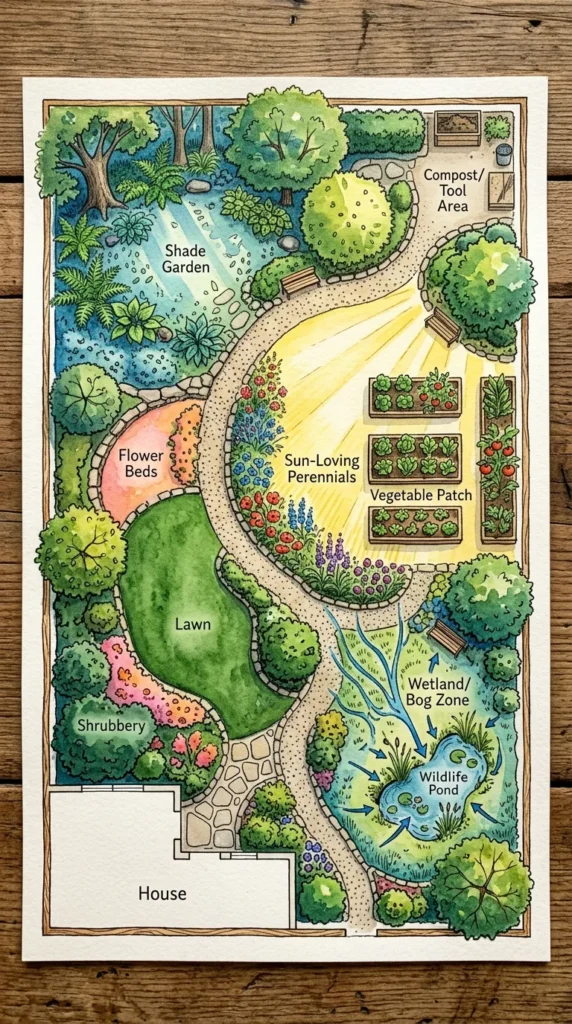
Before a single shovel hits the dirt, a successful low-maintenance garden begins with a thorough site analysis. Most gardening “work” comes from trying to force plants to grow in environments they aren’t suited for.
Start by observing your yard throughout the day. Identify areas of full sun (6+ hours), partial shade, and deep shade. Check the drainage after a rainstorm—does water pool in certain spots, or does it drain away instantly? By matching plants to these existing conditions, you eliminate the need for constant intervention like supplemental watering for sun-scorched plants or chemical treatments for shade-dwellers suffering from root rot in soggy soil.
2. Soil
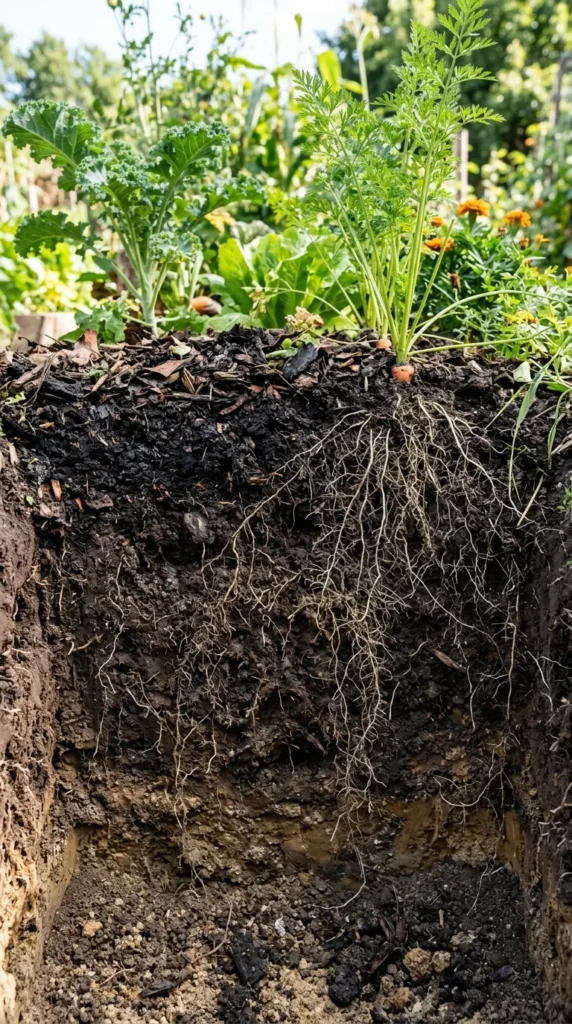
The health of your garden is entirely dependent on the quality of your soil. In a low-maintenance setup, you want to build soil that is rich in organic matter, which retains moisture and provides a steady stream of nutrients without the need for synthetic fertilizers.
Instead of tilling—which disrupts soil microbiology and brings buried weed seeds to the surface—opt for “no-dig” methods. Layering organic compost on top of your beds allows earthworms and microbes to incorporate the nutrients naturally. This creates a spongy soil structure that absorbs rainfall effectively, reducing your need to stand outside with a hose during the dry summer months.
3. Perennials
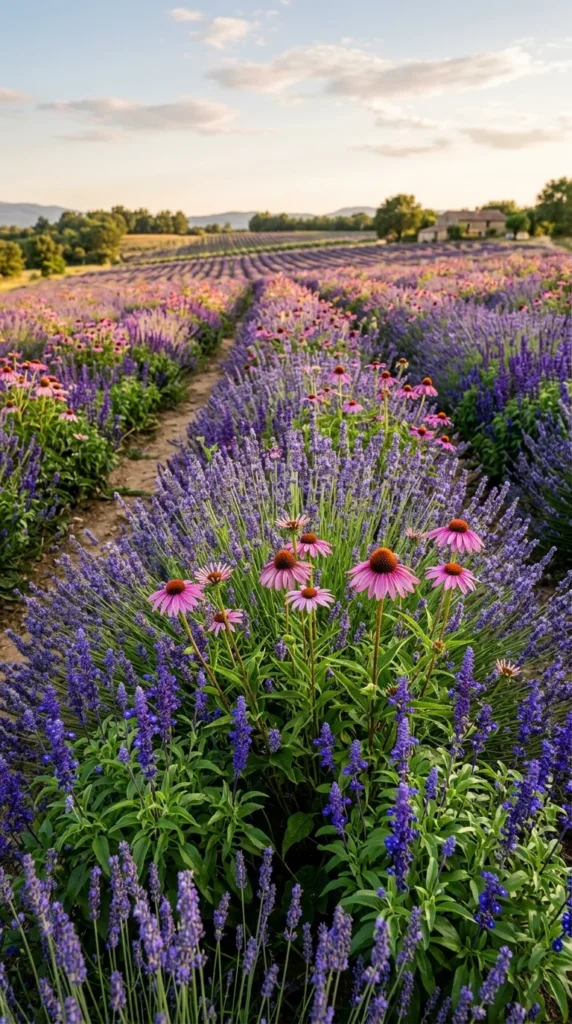
The backbone of any low-maintenance garden is the perennial. Unlike annuals, which must be replanted every spring, perennials return year after year, often growing larger and more resilient with age.
When selecting perennials, look for “long-season” varieties or those with interesting foliage. Plants like Hosta, Sedum, and Peonies offer structural beauty even when they aren’t in bloom. By choosing plants that are hardy in your specific climate zone, you ensure they can survive winter freezes and summer heat waves without needing to be covered or moved.
4. Natives
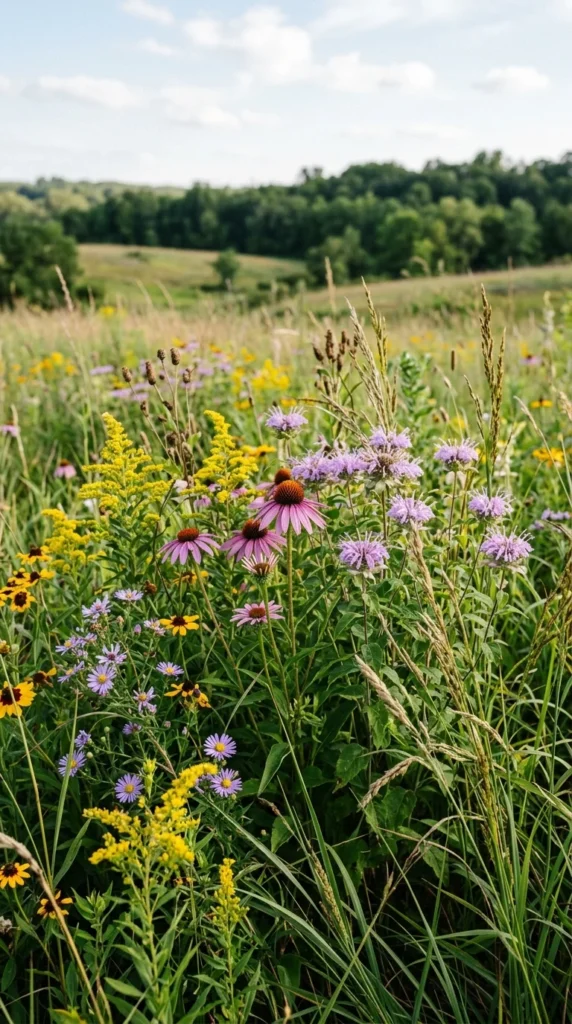
Native plants are the ultimate “cheat code” for easy gardening. Because these species evolved to thrive in your specific region’s soil and climate, they are naturally resistant to local pests and diseases.
Native plants have deep root systems that allow them to find water far below the surface, making them incredibly drought-tolerant once established. Furthermore, they provide essential habitats for local pollinators like bees and butterflies, creating a self-regulating ecosystem where “good bugs” help keep the “bad bugs” in check, removing the need for pesticides.
5. Mulch
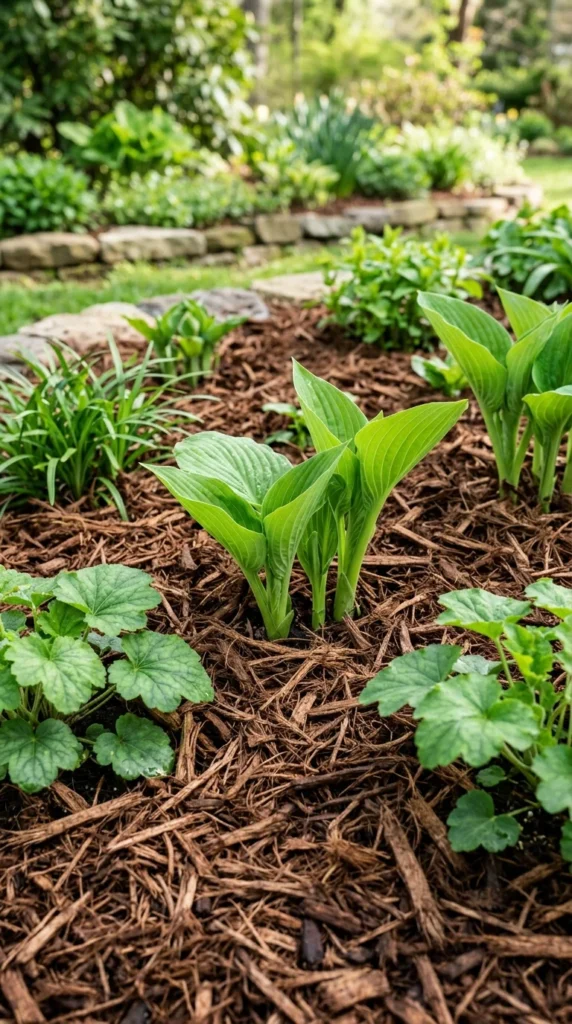
If there is one “miracle” product in the gardening world, it is mulch. A 2-to-3-inch layer of organic mulch—such as shredded bark, wood chips, or pine needles—serves three critical functions.
First, it acts as a weed suppressant by blocking sunlight from reaching weed seeds. Second, it insulates the soil, keeping it cool in the summer and warm in the winter. Third, it drastically reduces evaporation, meaning you can water your garden up to 50% less frequently. As the mulch breaks down over time, it also feeds the soil, completing a cycle of natural fertilization.
6. Irrigation
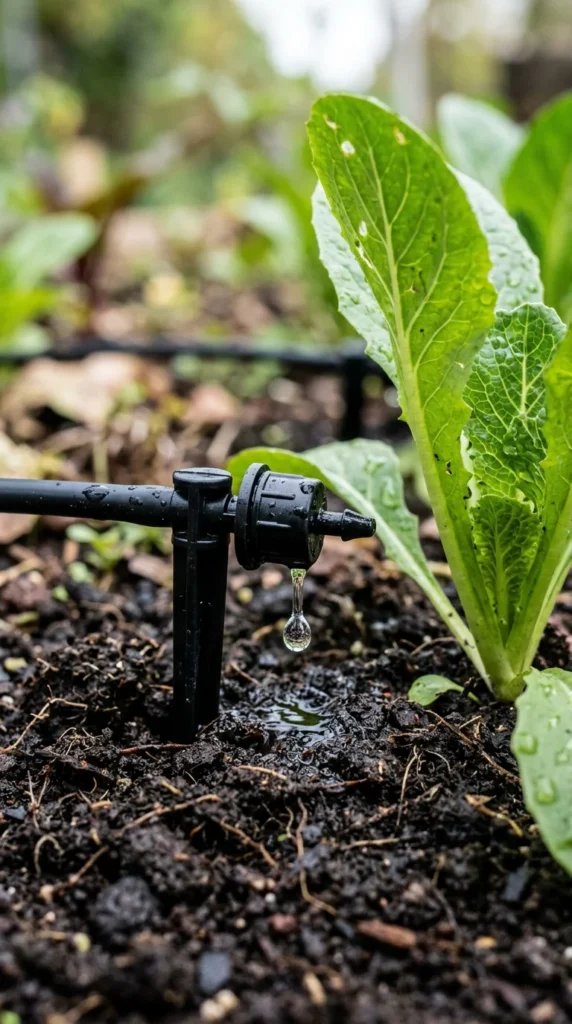
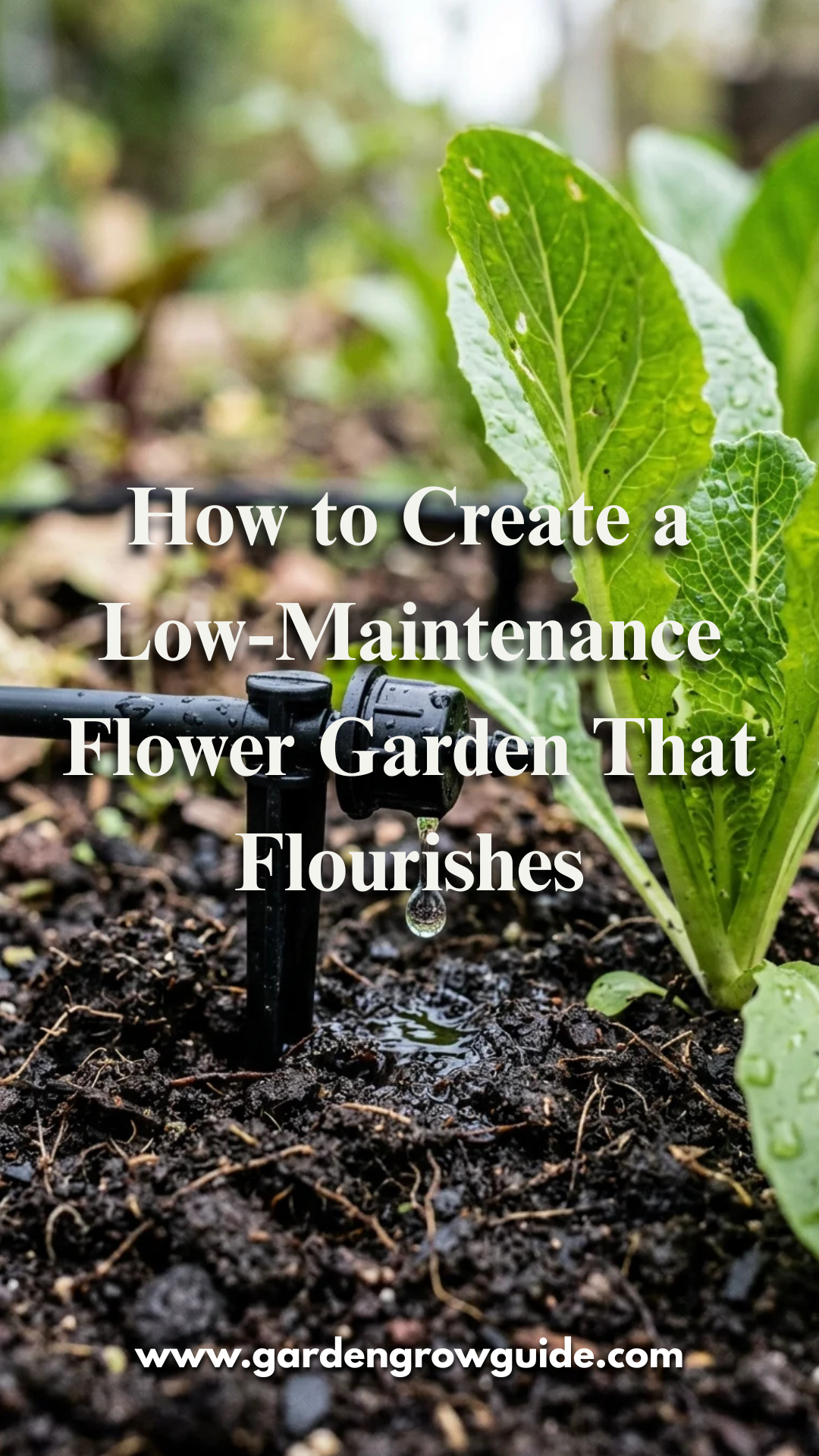
Hand-watering is not only time-consuming but also inefficient, as much of the water evaporates before reaching the roots. To create a flourishing garden with minimal effort, consider installing a drip irrigation system or soaker hoses hidden beneath the mulch.
These systems deliver water directly to the root zone, which keeps the foliage dry and prevents fungal diseases. When connected to a simple battery-operated timer, your garden will be watered automatically on a schedule, ensuring consistency even if you are away on vacation. For an even more sustainable approach, use rain barrels to collect roof runoff to feed your irrigation system.
7. Grouping
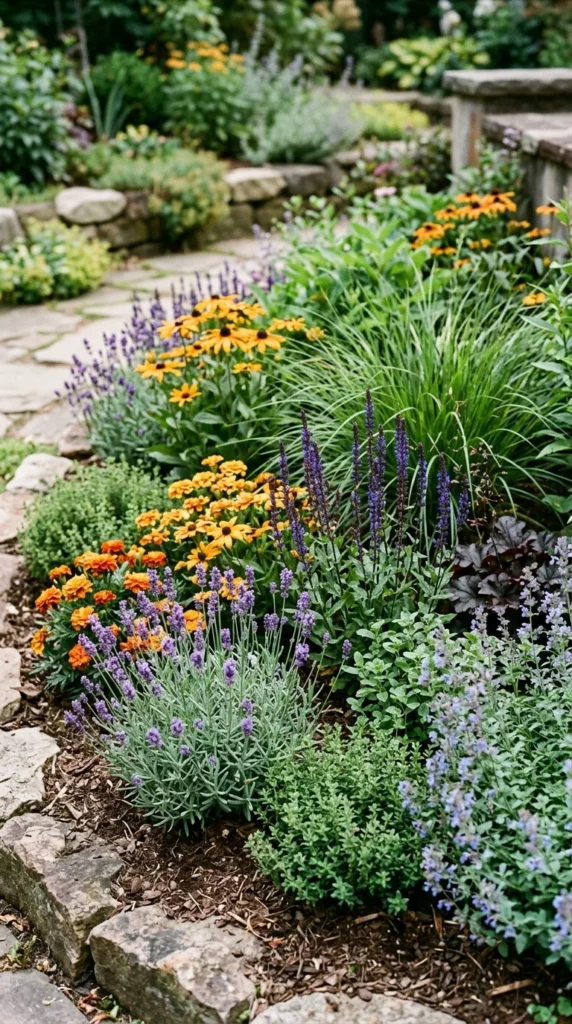
Grouping plants according to their needs—a practice known as “hydro-zoning”—is a fundamental low-maintenance strategy. Instead of scattering a thirsty rose bush in the middle of a drought-tolerant succulent garden, place all your high-moisture plants in one area.
This allows you to focus your watering efforts on a single zone rather than dragging a hose across the entire property. Additionally, planting in “drifts” (groups of 3, 5, or 7 of the same plant) creates a more impactful visual aesthetic and makes it easier to identify and remove any stray weeds that manage to pop through.
8. Shrubs
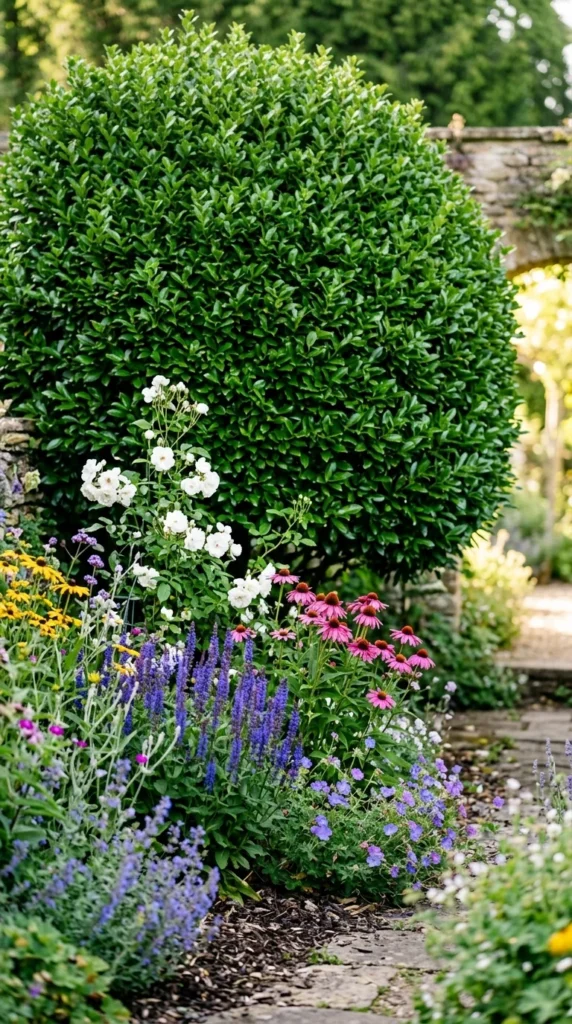
To reduce the amount of open soil you have to manage, incorporate flowering shrubs into your design. Shrubs take up more physical space than individual flowers, meaning you need fewer plants to fill a bed.
Evergreen shrubs provide year-round structure and color, while deciduous flowering shrubs like Hydrangeas or Spirea offer massive floral displays with very little intervention. Once a shrub is established, its canopy shades the ground, further preventing weed growth and moisture loss. Think of shrubs as the “furniture” of your garden that holds the entire design together.
9. Tools
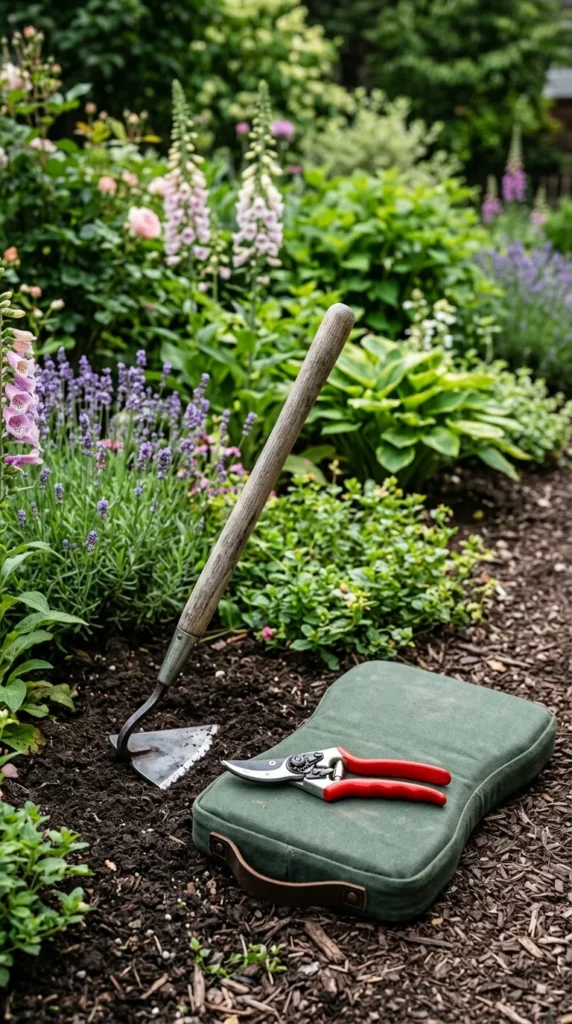
Finally, maintaining your garden shouldn’t be a struggle against your equipment. Investing in a few high-quality, ergonomic tools can make the small amount of maintenance you do perform much faster.
A sharp “hula hoe” or stirrup hoe allows you to slice through young weeds just below the soil surface while standing up, saving your back. High-quality bypass pruners make clean cuts that heal quickly, reducing the risk of plant disease. By keeping your tools clean and sharp, you ensure that the occasional pruning or cleanup session is a brisk, satisfying task rather than a chore.