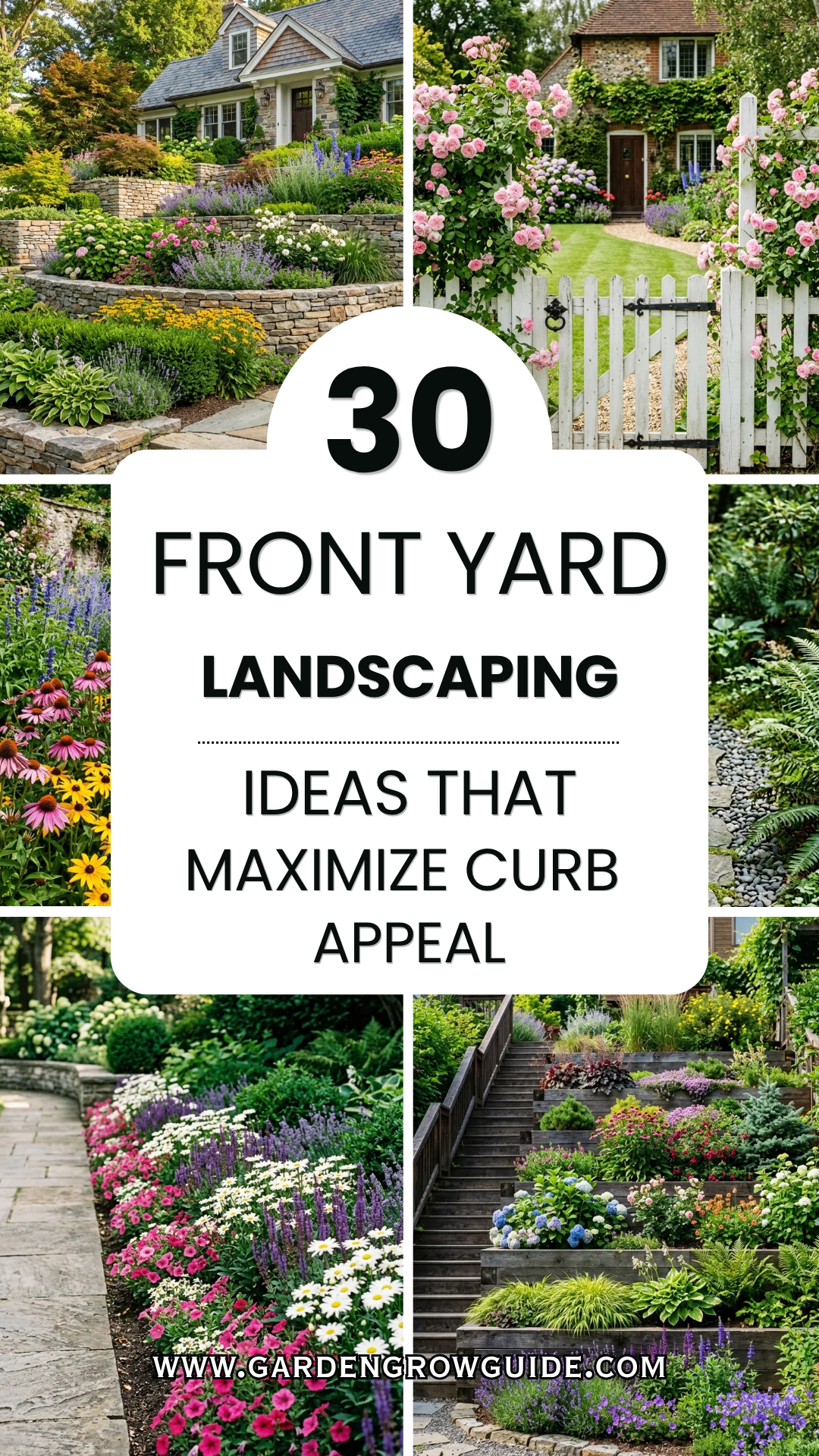
The front yard serves as the handshake of your home. It is the first impression guests receive and the primary factor in determining your property’s curb appeal. A well-designed landscape doesn’t just increase property value; it creates a welcoming atmosphere and reflects your personal style. Whether you prefer a minimalist modern look or a lush, cottage-style garden, these 30 landscaping ideas will help you transform your outdoor space into a neighborhood standout.
1. Floral Borders
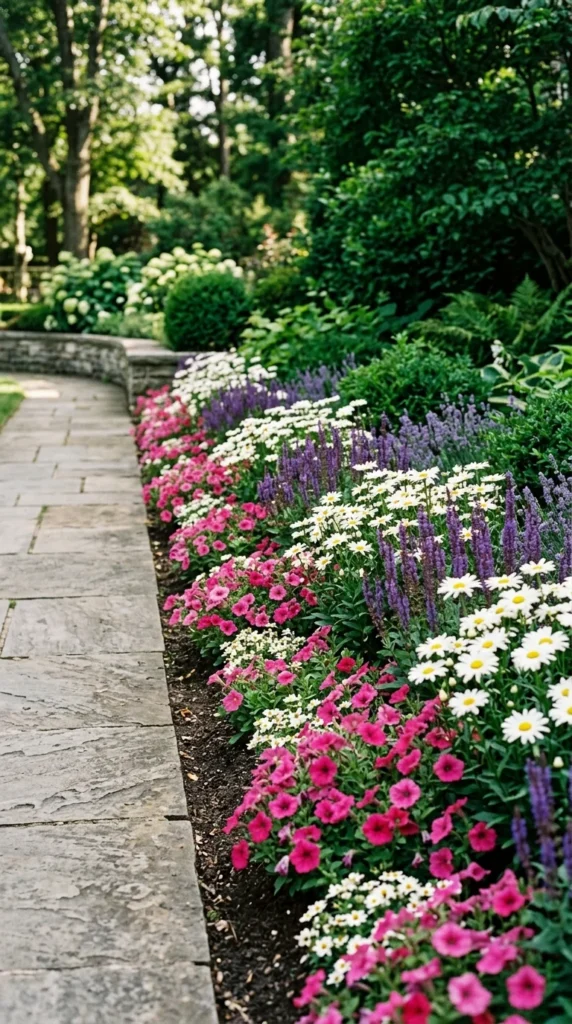
Floral borders are the classic way to define spaces and add a pop of color to your front yard. By planting a variety of annuals and perennials along your walkways or the edge of your lawn, you create a soft transition between hardscaping and greenery. Choose a color palette that complements your home’s exterior paint to create a cohesive and polished look.
2. Stone Pathways
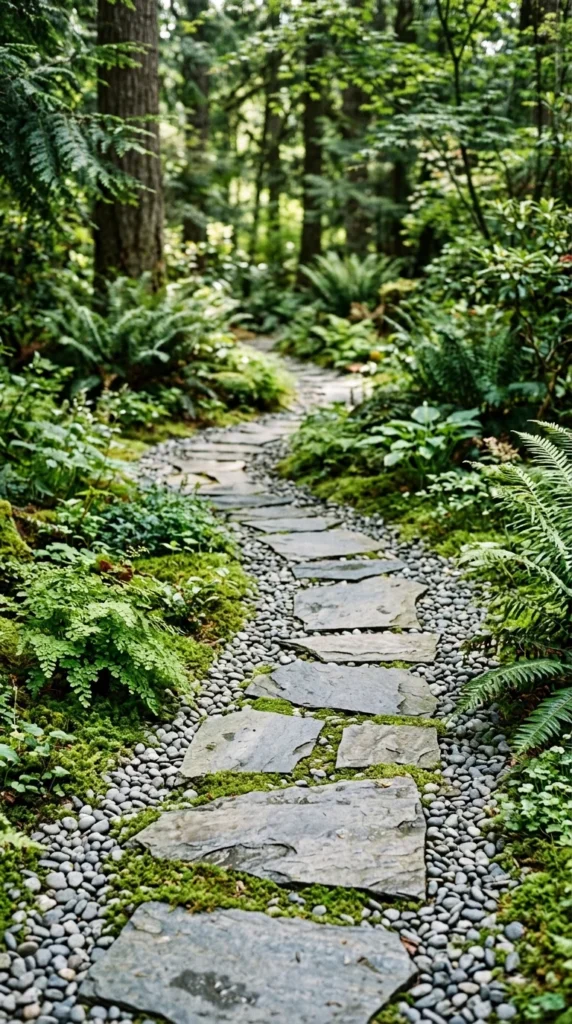
A stone pathway provides both functionality and aesthetic charm. Moving away from standard concrete slabs in favor of natural flagstone, slate, or even reclaimed brick can add texture and character. A curved path is often more visually appealing than a straight one, as it encourages the eye to wander across the landscape, making the yard feel larger.
3. Window Boxes
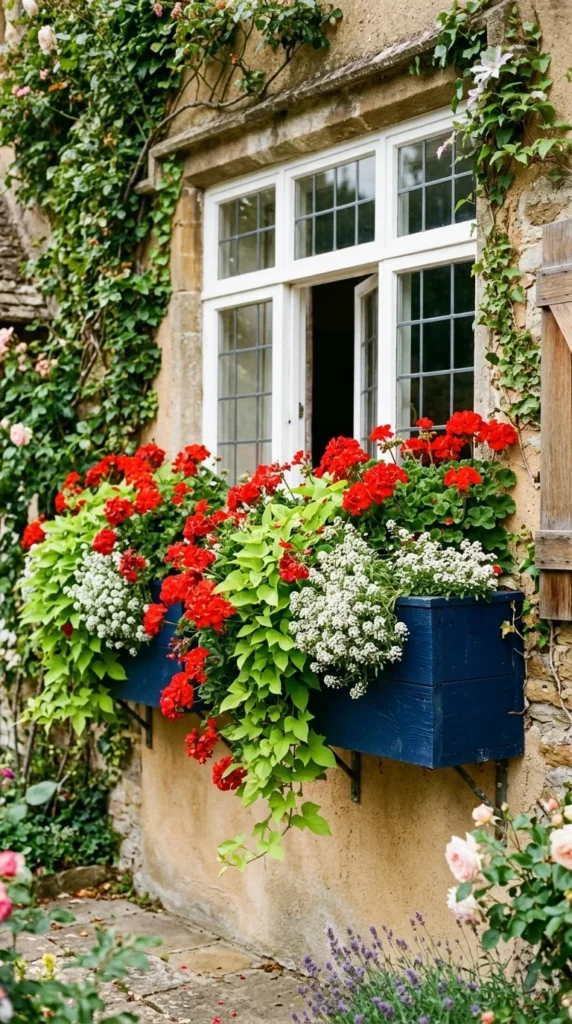
Window boxes bring the garden up to the house, bridging the gap between the structure and the soil. They are perfect for adding charm to smaller homes or cottages. To maintain curb appeal throughout the year, rotate the plantings seasonally—tulips in the spring, petunias in the summer, and evergreens or ornamental kale in the winter.
4. Layered Planting
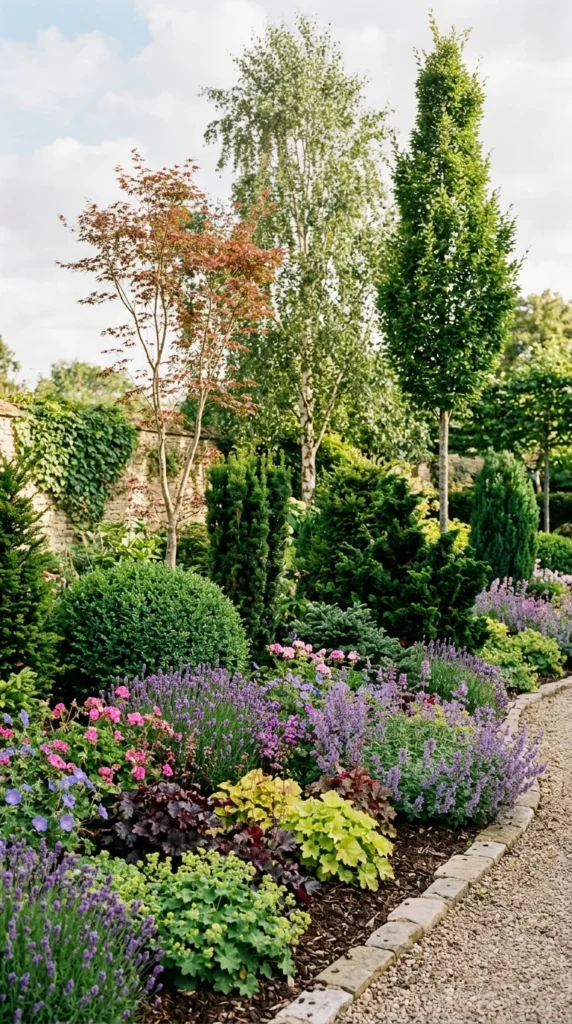
Depth is key to a professional-looking landscape. Layered planting involves arranging plants by height, with the tallest species near the house or fence and the shortest near the walkway. This “staircase” effect ensures that every plant is visible and creates a lush, full appearance that hides the foundation of the home.
5. Modern Hardscaping
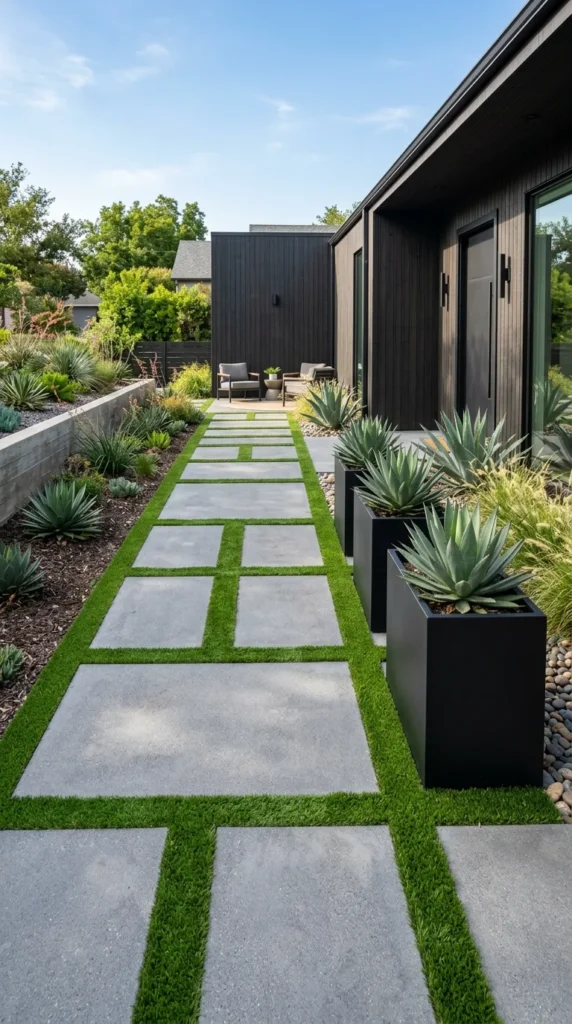
Modern landscaping focuses on clean lines and a minimalist aesthetic. Hardscaping—the non-living elements like stone, wood, and metal—takes center stage here. Using large-format pavers with grass or gravel in between creates a high-contrast, sophisticated look that requires minimal maintenance while providing maximum impact.
6. Perennial Beds
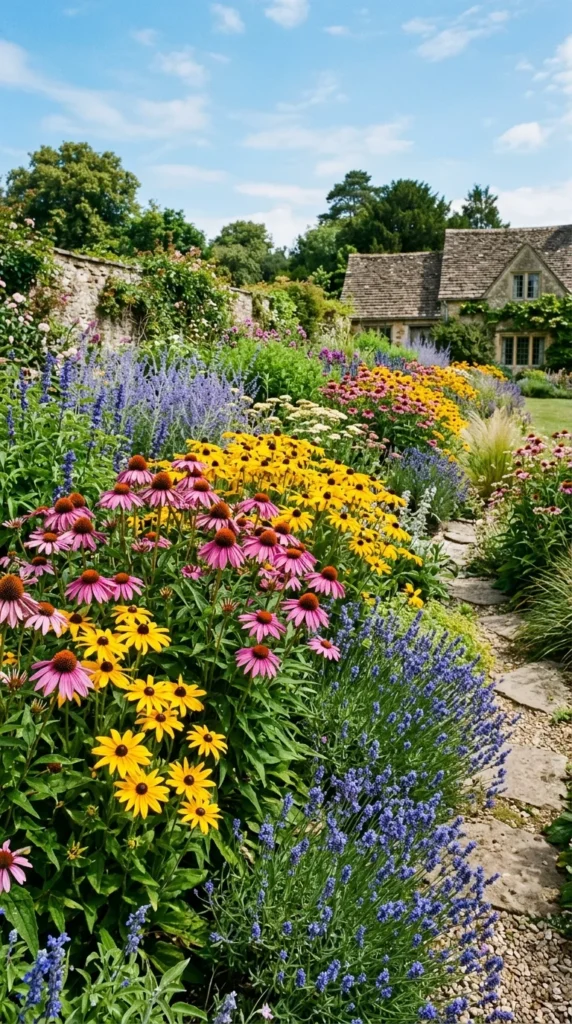
Perennials are the workhorses of the garden. Unlike annuals, they return year after year, making them a cost-effective choice for long-term curb appeal. By selecting plants with different blooming schedules, you can ensure that your front yard stays vibrant from early spring through late autumn.
7. Ornamental Grasses

Ornamental grasses add movement, texture, and height to a front yard. They are particularly effective in modern or prairie-style landscapes. These plants are generally drought-tolerant and provide visual interest even in the winter months when their dried plumes stand tall against the snow or dormant lawn.
8. Garden Lighting
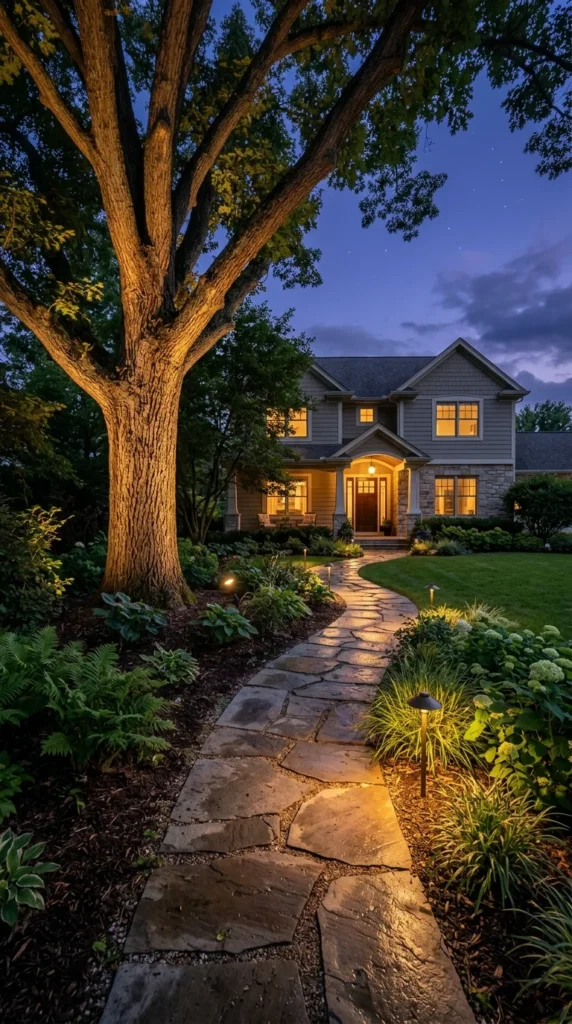
Landscaping shouldn’t disappear when the sun goes down. Strategic outdoor lighting enhances safety and highlights your yard’s best features at night. Use uplighting for trees, path lights for walkways, and soft wash lighting for the house facade to create a dramatic and inviting evening ambiance.
9. Retaining Walls
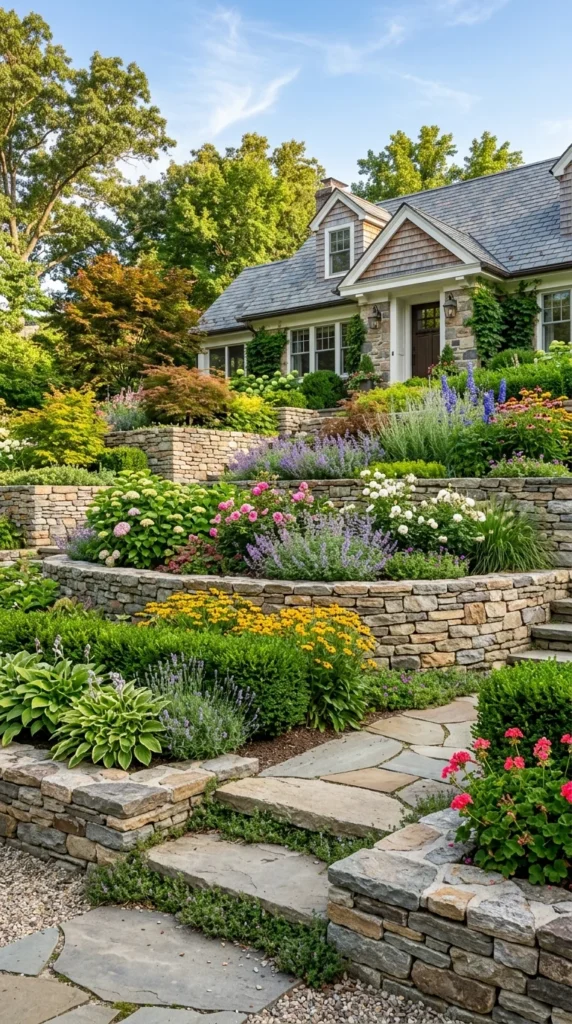
If your front yard has a slope, a retaining wall is a practical and beautiful solution. It prevents erosion and creates flat “shelves” for planting. Using natural stone or decorative concrete blocks can turn a difficult hill into a structured, multi-dimensional garden that adds significant architectural interest to the property.
10. Xeriscaping
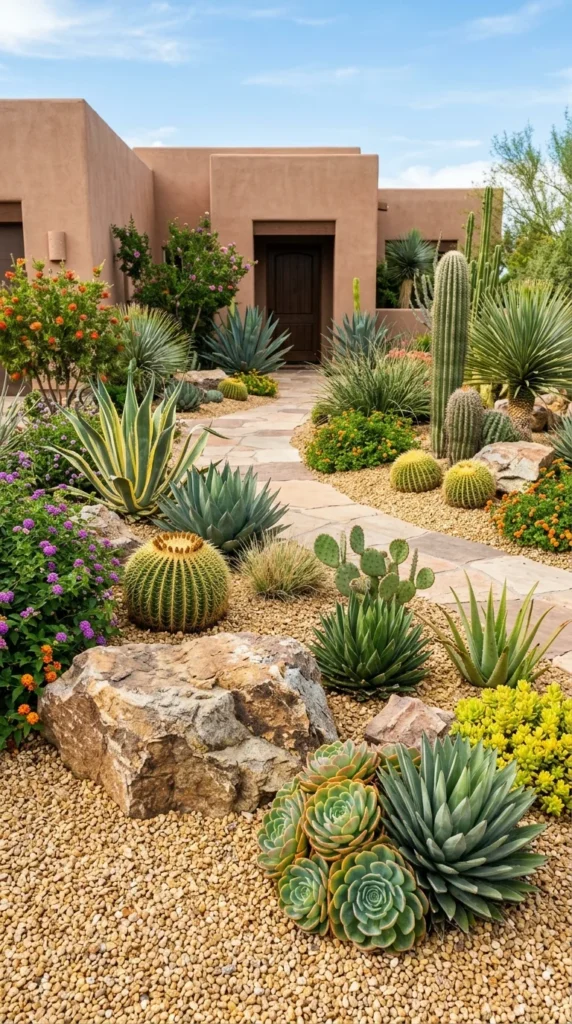
Xeriscaping is an eco-friendly approach that focuses on water conservation. By using drought-resistant plants and replacing vast lawns with gravel, river rock, or mulch, you can create a stunning landscape that thrives in dry climates. This style is not only sustainable but also incredibly low-maintenance.
11. Picket Fencing
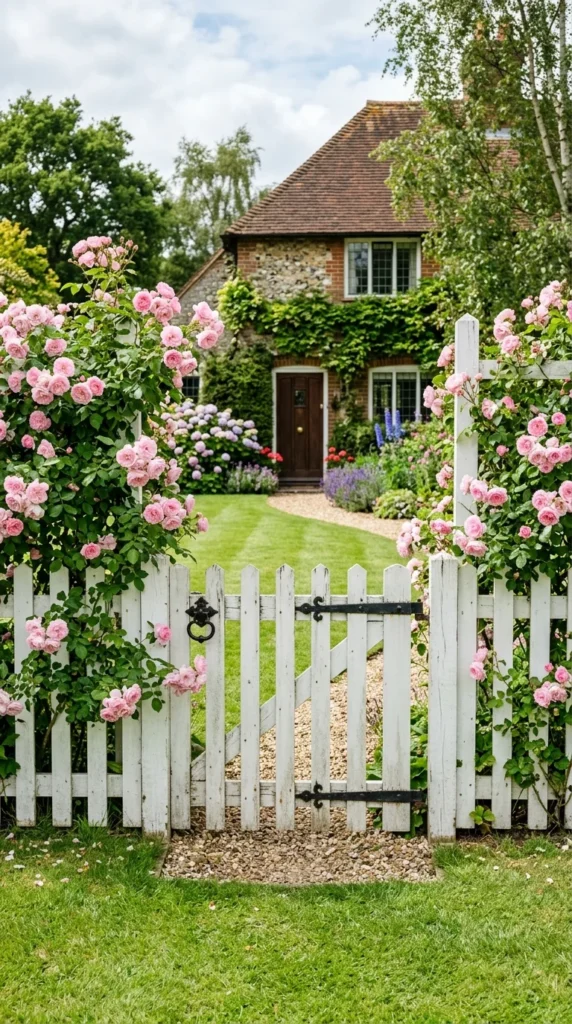
Nothing says “classic curb appeal” like a white picket fence. It provides a clear boundary for your property while maintaining an open, friendly feel. Pairing a fence with climbing roses or clematis adds a romantic, cottage-style touch that enhances the architectural charm of traditional homes.
12. Specimen Trees
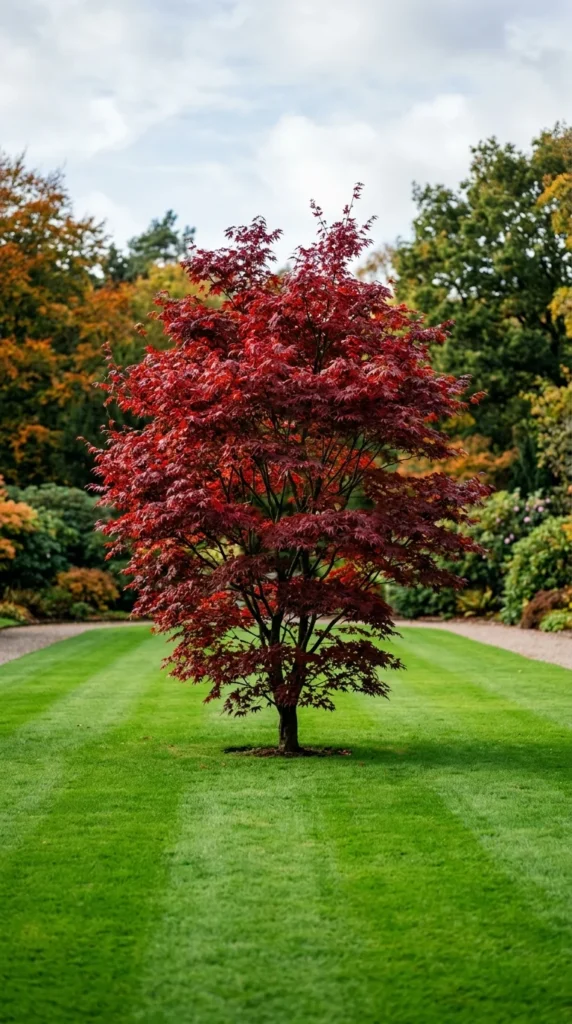
A specimen tree is a plant grown specifically for its unique shape, color, or bloom. Instead of a crowded grove, a single, well-placed tree like a Japanese Maple, Dogwood, or Magnolia can serve as a stunning focal point. Ensure the tree is scaled appropriately to your house so it complements rather than overwhelms the space.
13. Ground Covers
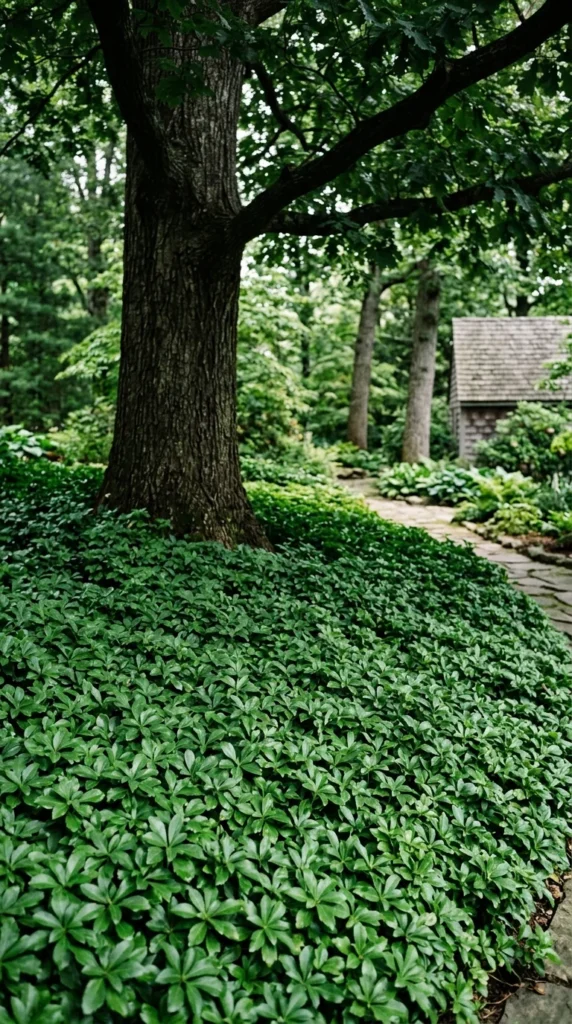
In areas where grass struggles to grow—such as heavy shade or steep banks—ground covers are the perfect solution. Plants like Creeping Thyme, Sedum, or Vinca Minor create a dense mat of greenery and often produce small, charming flowers. They reduce the need for mowing and help suppress weeds.
14. Entryway Arbors
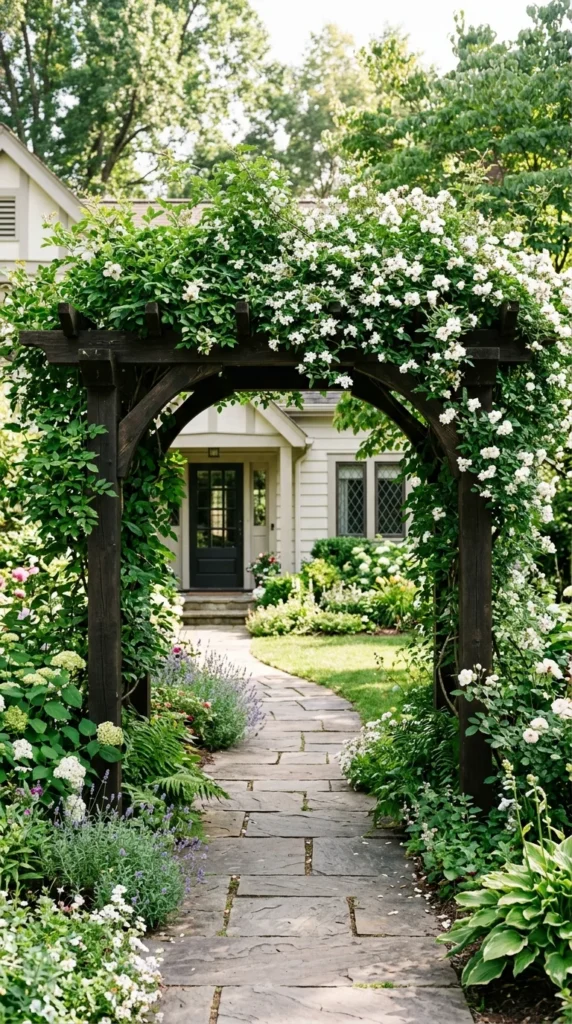
An arbor creates a sense of transition and ceremony as someone enters your property. Positioned over a gate or at the start of a walkway, it adds vertical interest and provides a structure for climbing plants. It frames the entrance to your home, making it feel more private and established.
15. Water Features
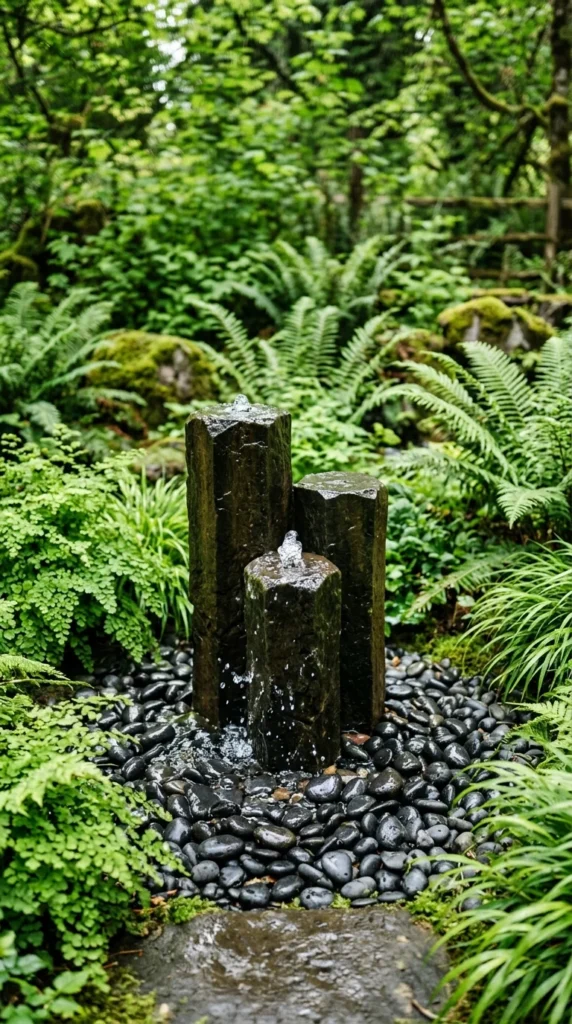
The sound of running water adds a layer of tranquility to a front yard. A small fountain, a bubbling urn, or a minimalist pond can drown out street noise and provide a focal point for the senses. Modern water features are often self-contained and easy to install, requiring only a power source for the pump.
16. Native Plants
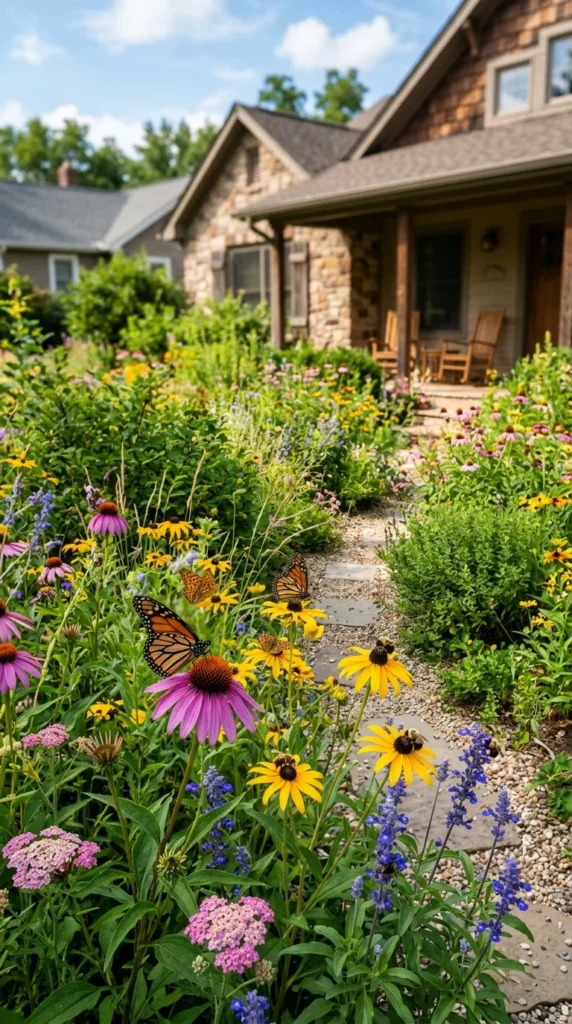
Using plants native to your specific region is a smart way to ensure a healthy landscape. Native plants are adapted to the local soil and climate, meaning they require less water, fertilizer, and pesticides. They also provide essential habitats for local pollinators like birds, bees, and butterflies.
17. Multi-Level Terracing
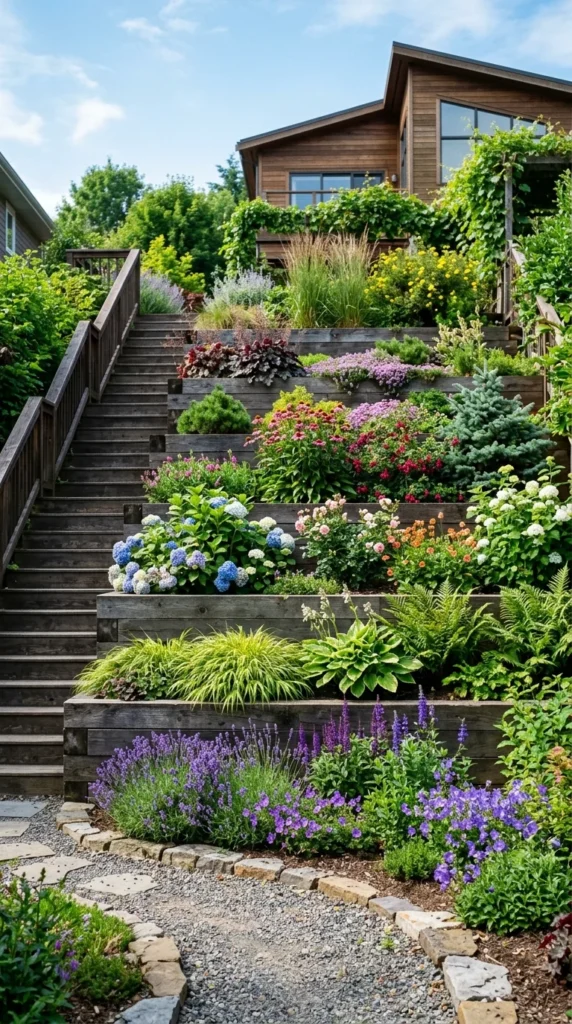
Terracing is the ultimate solution for a steep front yard. By breaking the slope into several levels, you create more usable space for planting and prevent soil runoff. Each level can be treated as a separate mini-garden, allowing for a diverse range of plant textures and colors to be displayed.
18. Boxwood Hedges
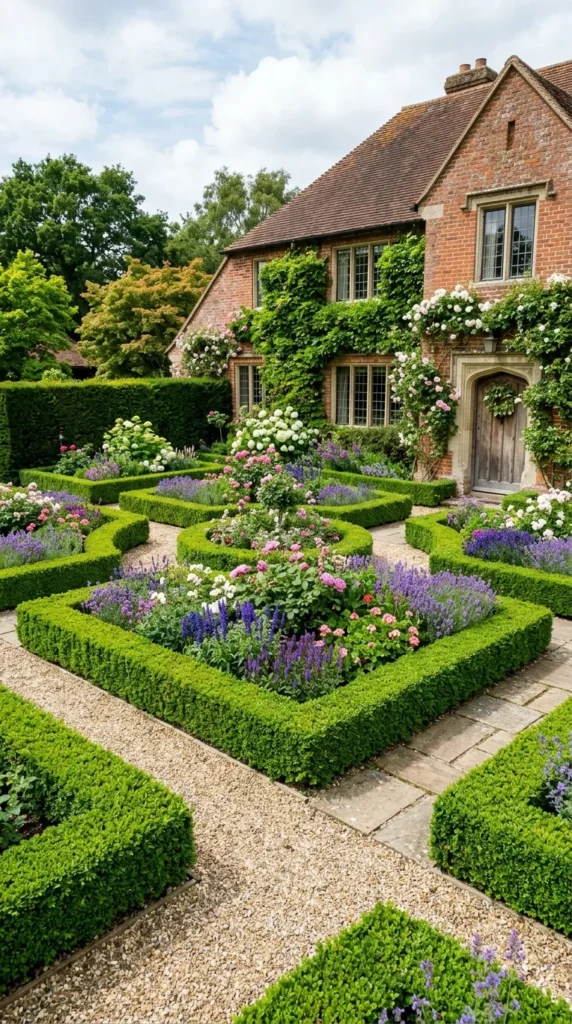
For a formal, timeless look, nothing beats boxwood hedges. These evergreens can be pruned into sharp, clean lines or soft spheres. They provide structure to the garden year-round and are excellent for framing walkways or creating a “green wall” effect against the foundation of the house.
19. Container Gardens
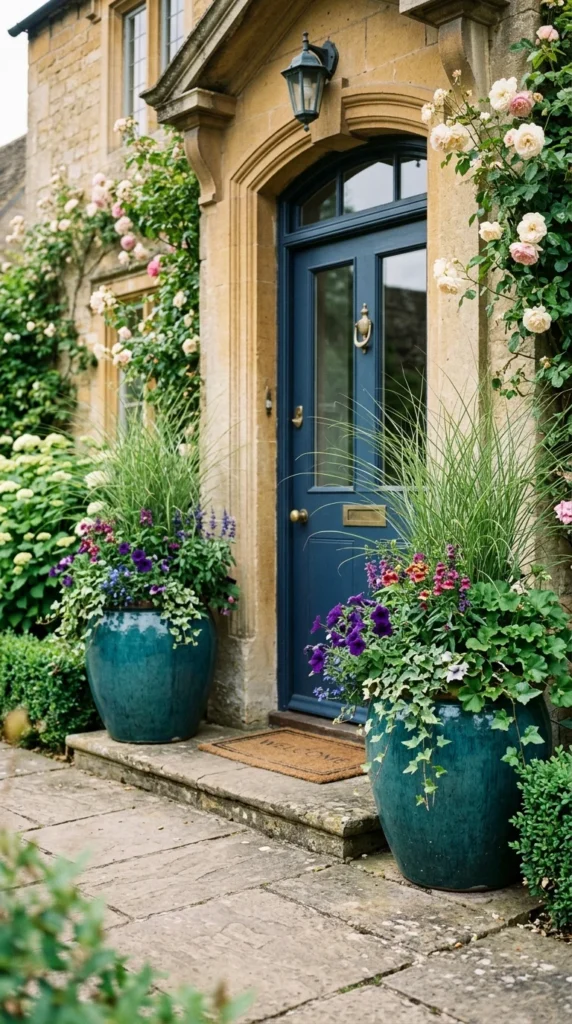
If you have a large porch or a small front yard, container gardening allows you to add greenery where soil isn’t available. Using oversized, high-quality pots creates a high-end look. Grouping pots in odd numbers or placing identical pairs on either side of the door adds balance and symmetry.
20. Rock Gardens
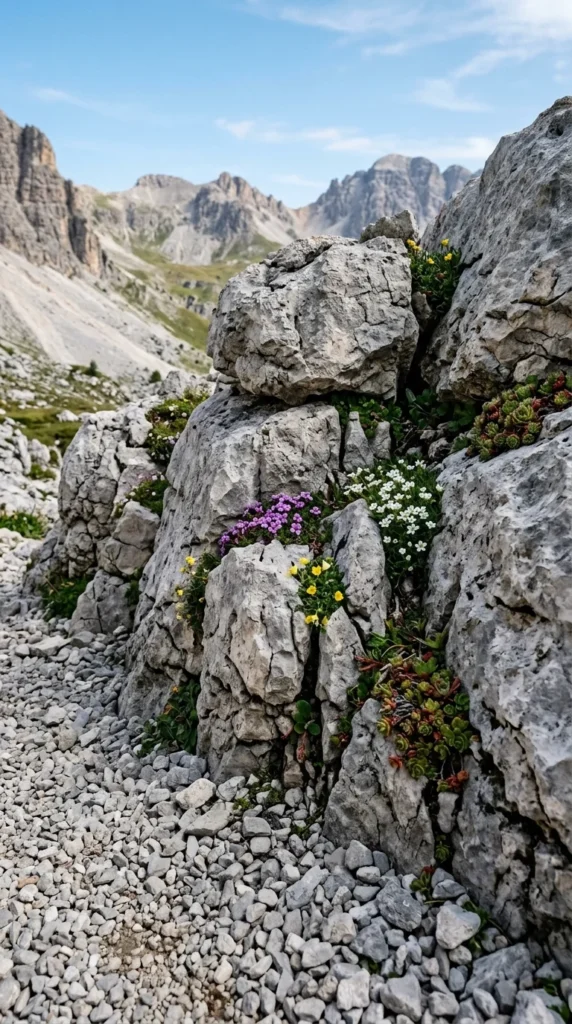
Rock gardens use various sizes of stones to create a rugged, naturalistic landscape. They are ideal for slopes or areas with poor soil. By planting alpine species or succulents between the rocks, you create a low-maintenance, high-texture environment that feels like a slice of the mountains in your front yard.
21. Bird Baths
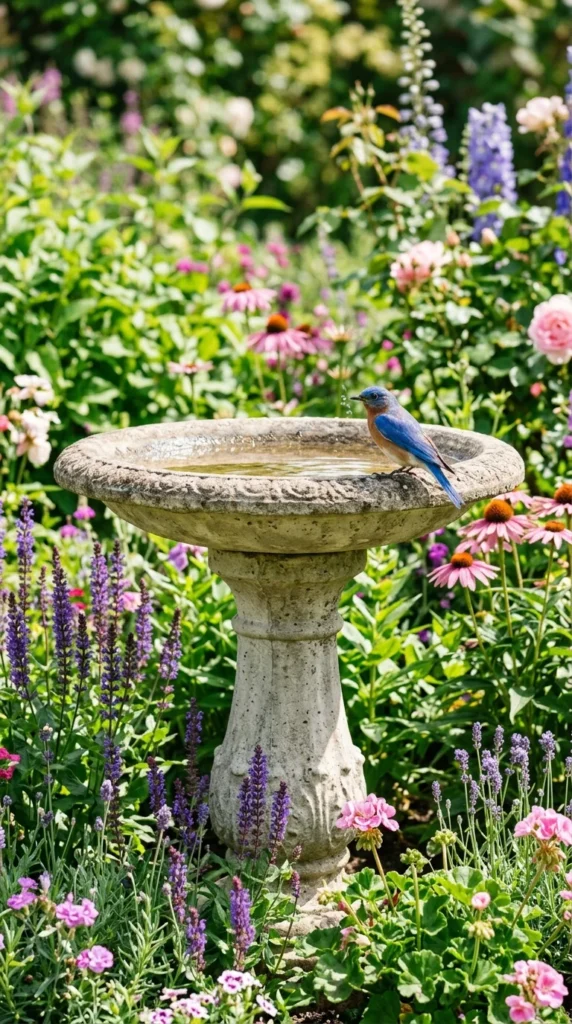
Incorporating wildlife-friendly elements like a bird bath adds life and movement to your yard. A bird bath serves as both a decorative ornament and a functional water source for birds. Choose a style that matches your home’s architecture—from sleek stone basins for modern homes to ornate pedestals for traditional ones.
22. Raised Beds
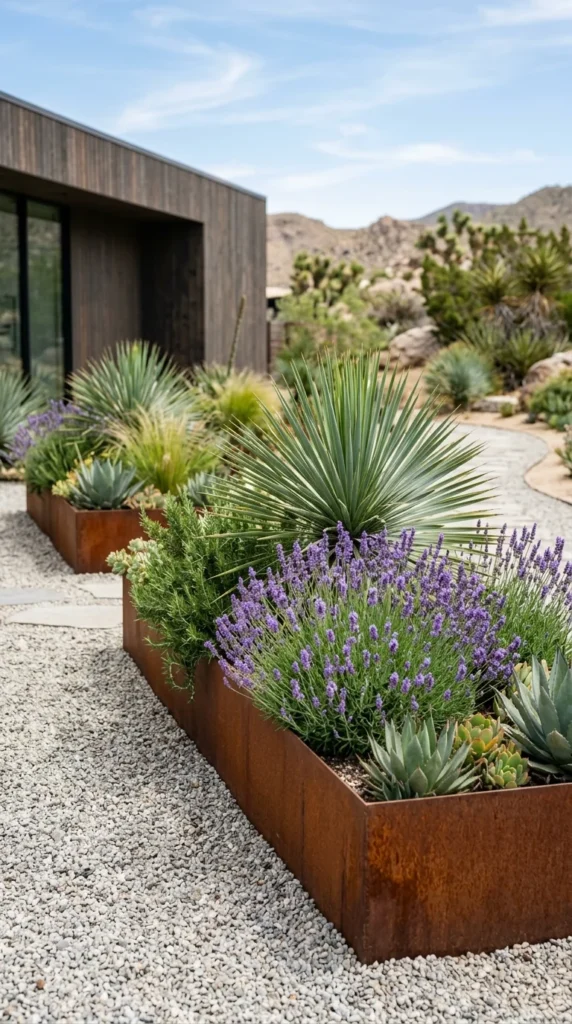
Raised beds are not just for vegetables. In a front yard, they provide a clean, organized way to display ornamental plants. They are particularly useful if your soil quality is poor, as you can fill them with high-quality garden soil. Materials like wood, stone, or metal can be used to match the beds to your home’s style.
23. Climbing Vines
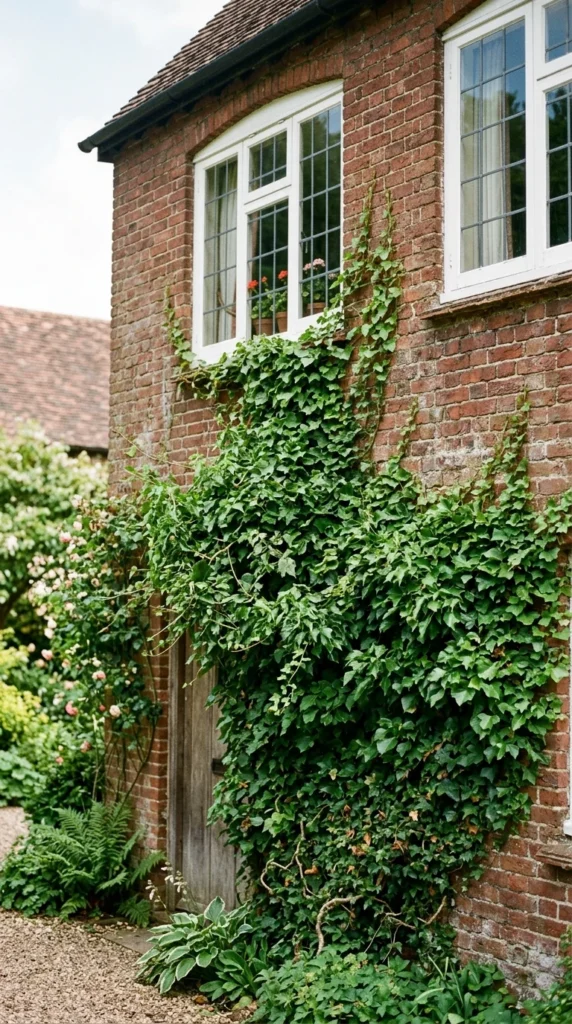
Climbing vines can soften the hard lines of a house and add a sense of age and permanence. Whether it’s the classic look of Ivy on brick or the dramatic purple blooms of Wisteria on a trellis, vines provide vertical greenery that takes up very little ground space while providing maximum visual impact.
24. Decorative Mulching
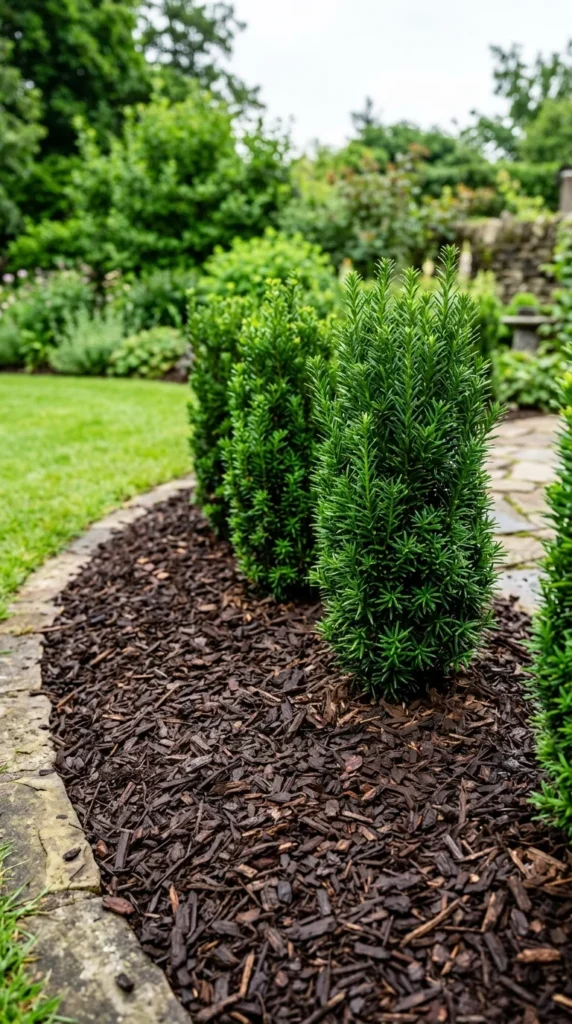
Never underestimate the power of fresh mulch. It is one of the most affordable ways to instantly upgrade your curb appeal. Mulch suppresses weeds, retains moisture, and provides a clean, uniform background that makes your plants “pop.” Darker colors like chocolate brown or black often provide the most dramatic contrast with greenery.
25. Seasonal Rotations
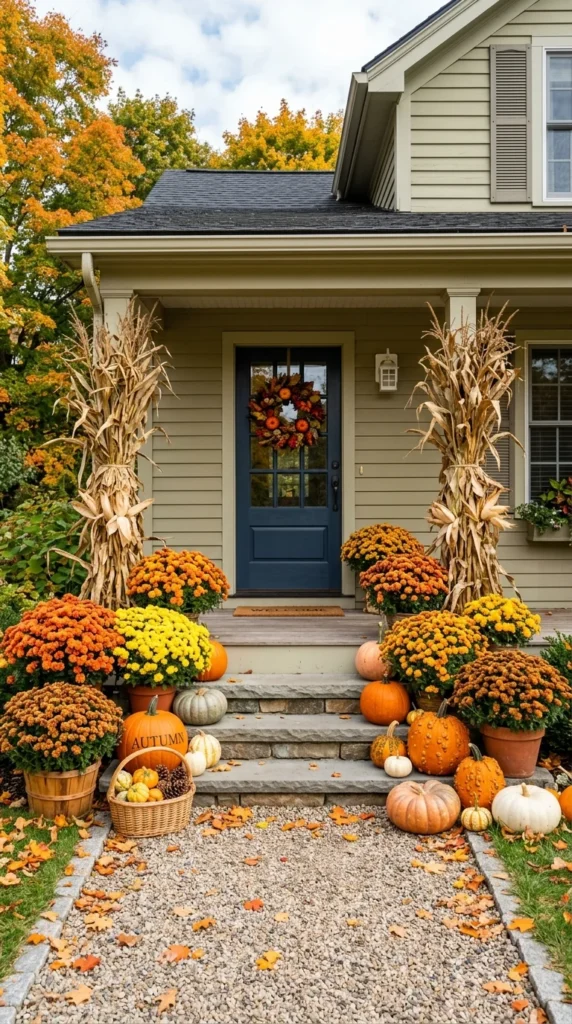
Keeping your front yard dynamic is key to year-round appeal. Seasonal rotations involve swapping out certain plants or adding decorations to reflect the time of year. Think pansies in spring, hibiscus in summer, mums in fall, and evergreen boughs with lights in winter. This keeps your home looking fresh and cared for.
26. Paver Driveways
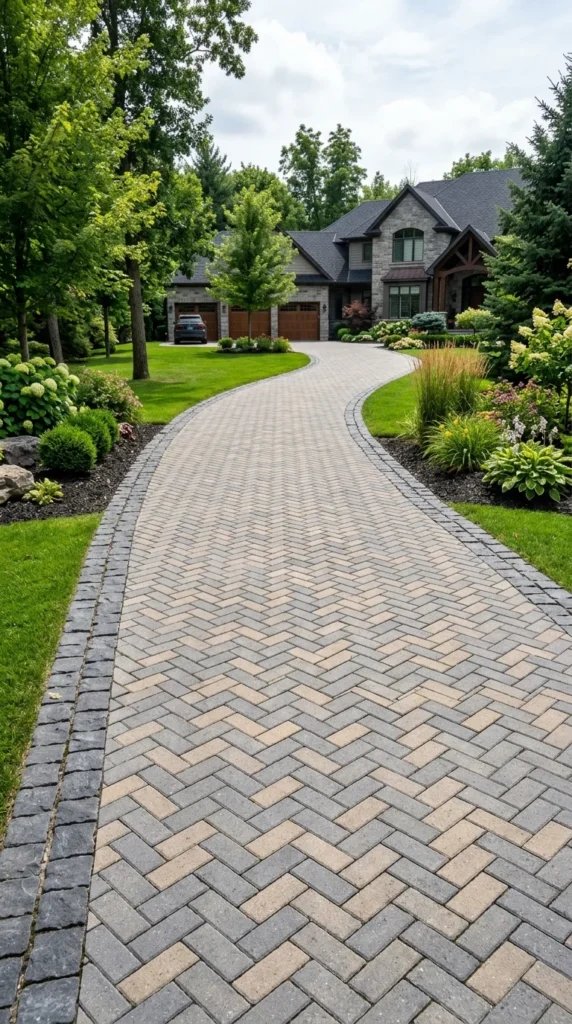
The driveway often occupies a large portion of the front yard’s visual space. Replacing standard asphalt or concrete with decorative pavers can completely transform the look of your home. Pavers come in various colors and patterns, allowing you to create a high-end, custom look that complements your home’s exterior.
27. Porch Seating
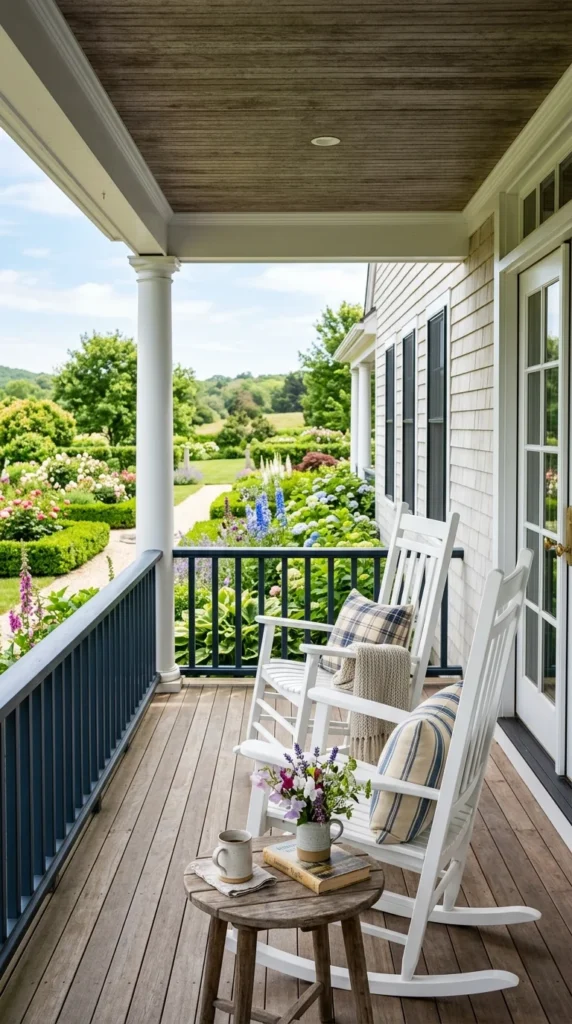
Curb appeal is also about the “lifestyle” your home projects. Adding seating to your front porch or a small patio in the yard creates an inviting, “neighborly” atmosphere. Whether it’s a classic porch swing, a pair of Adirondack chairs, or a modern bistro set, seating makes the space feel functional and lived-in.
28. Bold House Numbers
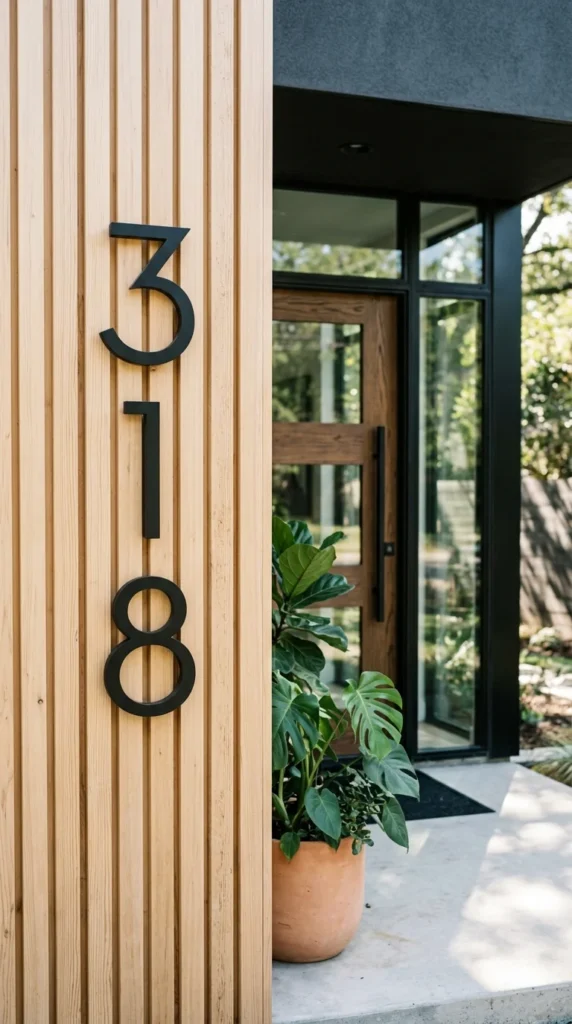
Small details make a big difference. Upgrading your house numbers to a larger, more modern font can instantly modernize your home’s facade. Choose a finish that contrasts with the background—such as black on a light house or brushed nickel on a dark house—to ensure they are visible from the street.
29. Vertical Gardens
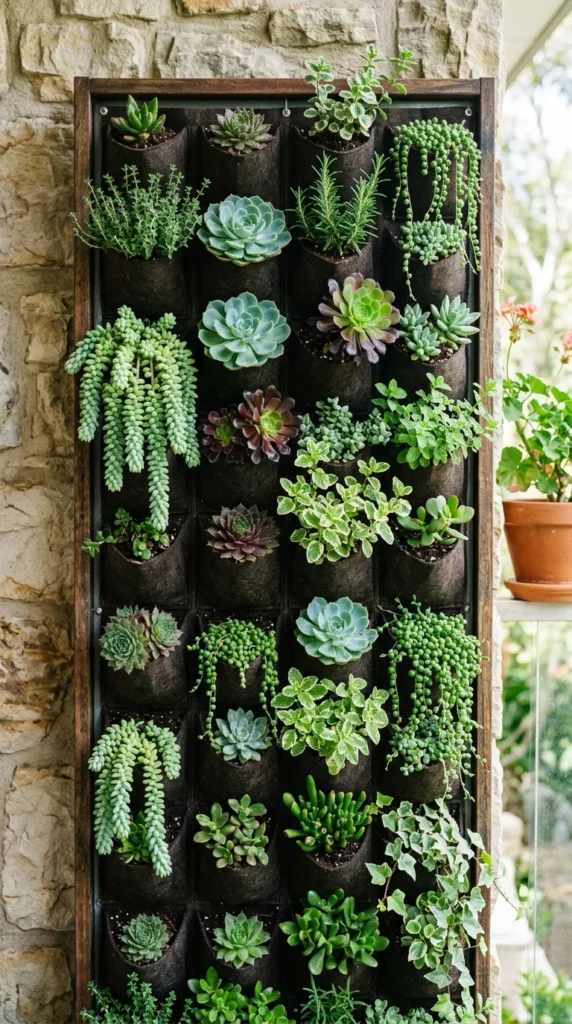
If you have limited ground space, go up! Vertical gardens or “living walls” are a great way to add a lot of greenery to a small area. They can be mounted on a fence or a porch wall, creating a lush, green tapestry that serves as a unique and modern focal point for your front entryway.
30. Symmetrical Design
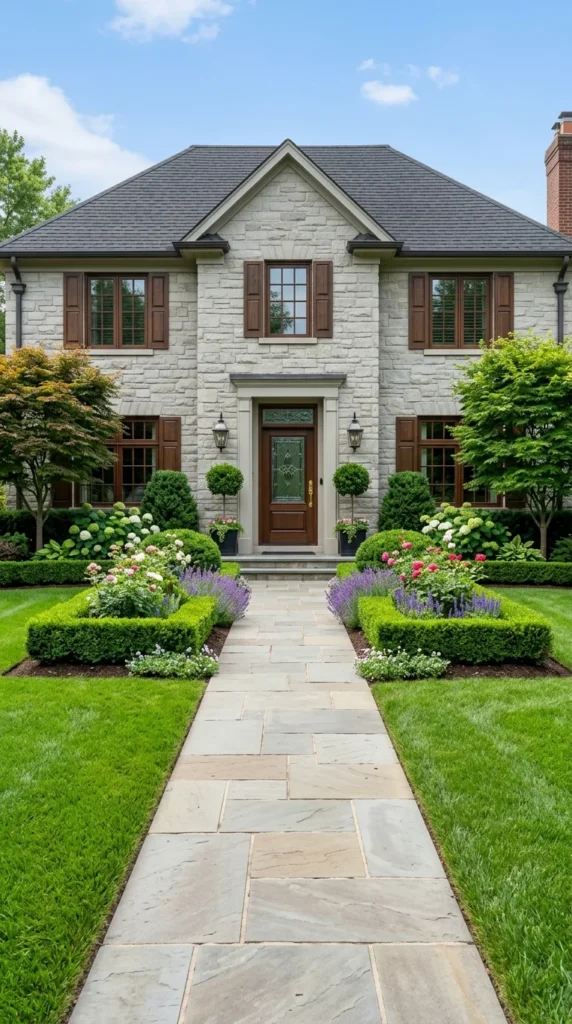
Symmetry is a classic design principle that evokes a sense of order, balance, and formality. By mirroring the plantings and hardscaping on either side of your front door or walkway, you create a stately and professional appearance. Symmetry is particularly effective for traditional, colonial, or craftsman-style homes.