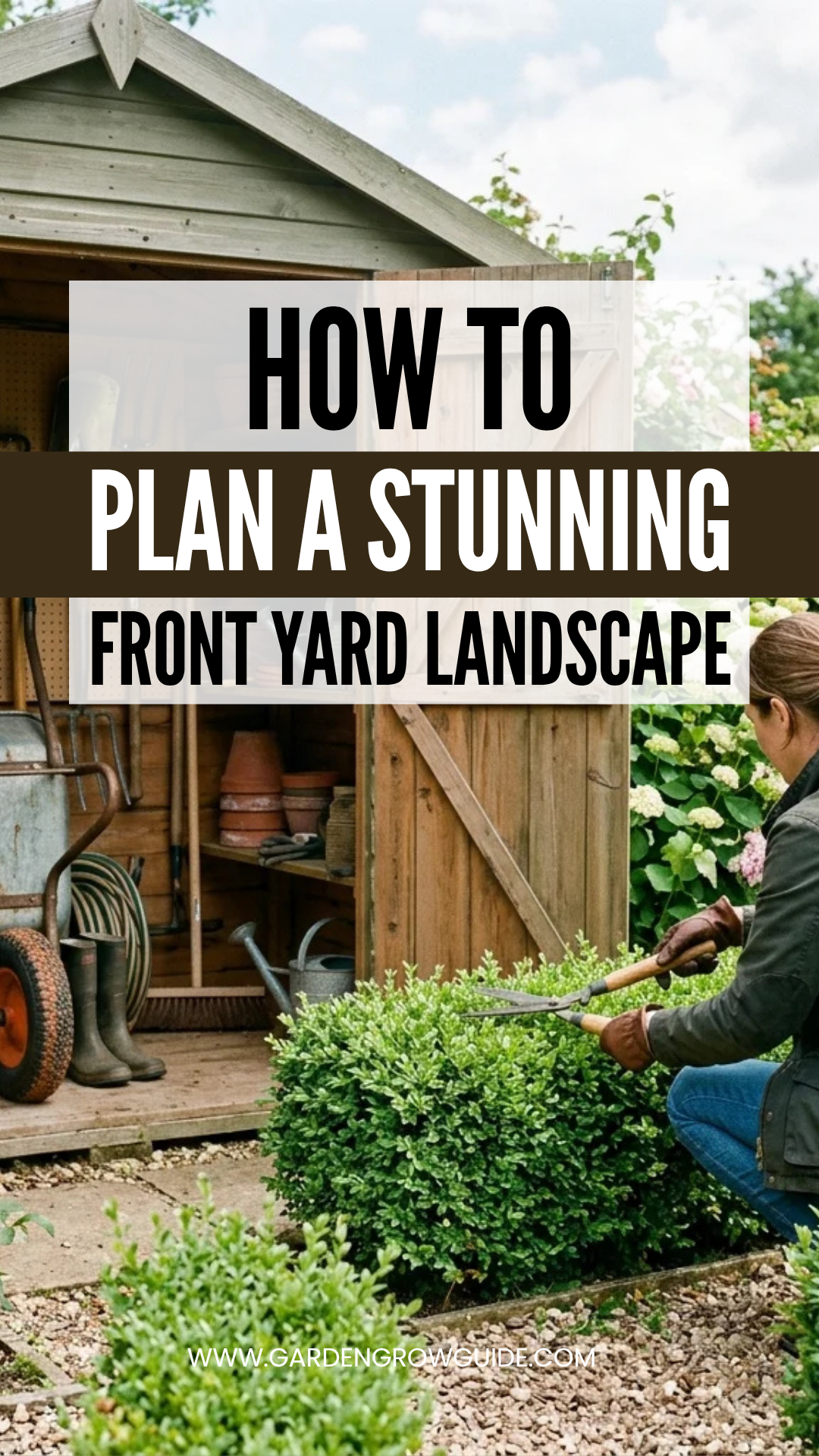
Creating a stunning front yard landscape is about more than just planting a few flowers; it is about designing an experience that welcomes you home and introduces your personal style to the neighborhood. A well-executed landscape enhances curb appeal, increases property value, and provides a sense of harmony between the architecture of your home and the natural world. Planning such a space requires a balance of artistic vision and practical strategy.
1. Assessment
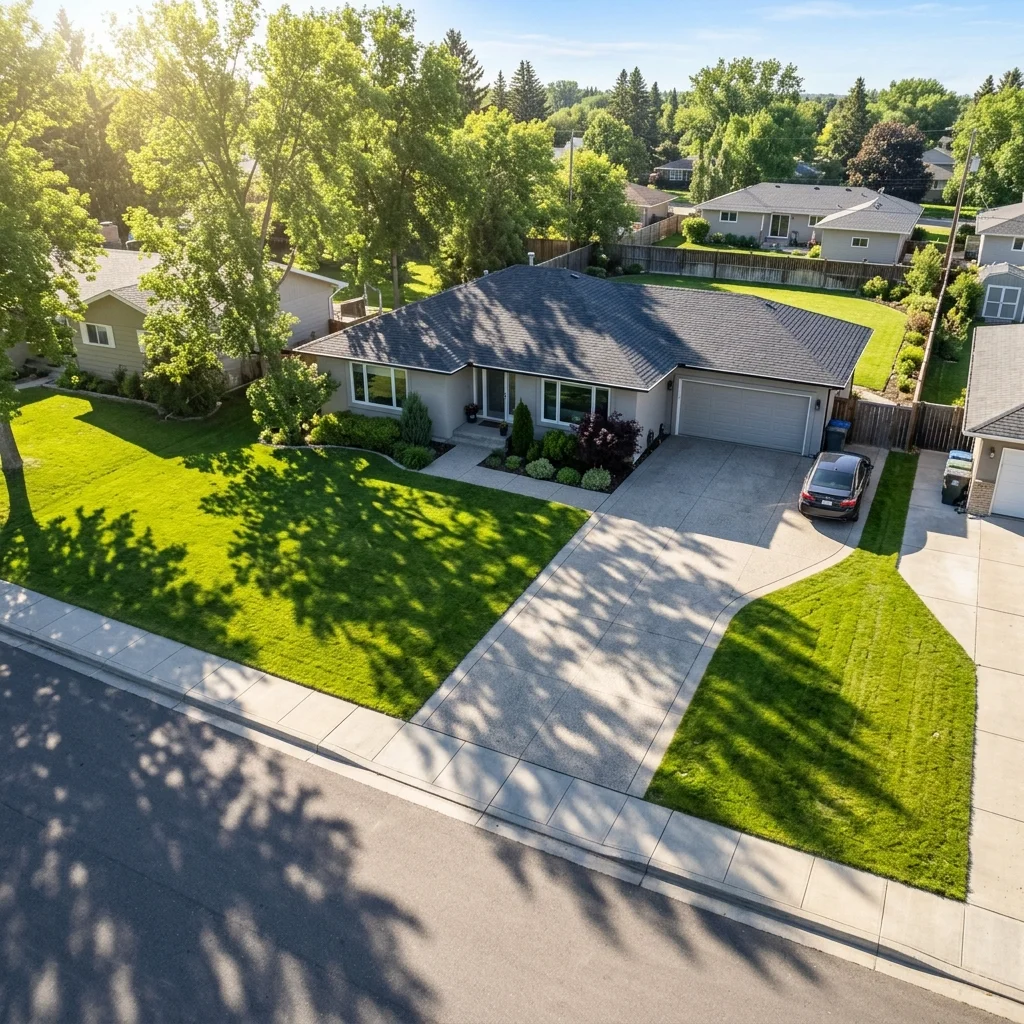
The first step in any successful landscape project is a thorough assessment of your site. Before buying plants or moving soil, you must understand the environment you are working with. Start by observing the sun patterns; does your yard receive six hours of direct afternoon sun, or is it shrouded in the shade of a large neighbor’s house? This will dictate whether you plant sun-loving lavender or shade-tolerant hostas.
Next, analyze the soil quality. Is it sandy and fast-draining, or heavy clay that holds moisture? A simple soil test can tell you the pH levels and nutrient content, allowing you to amend the earth before planting begins. Finally, consider the topography. If your yard slopes toward the house, you may need to plan for drainage solutions or retaining walls to prevent erosion and water damage.
2. Hardscaping
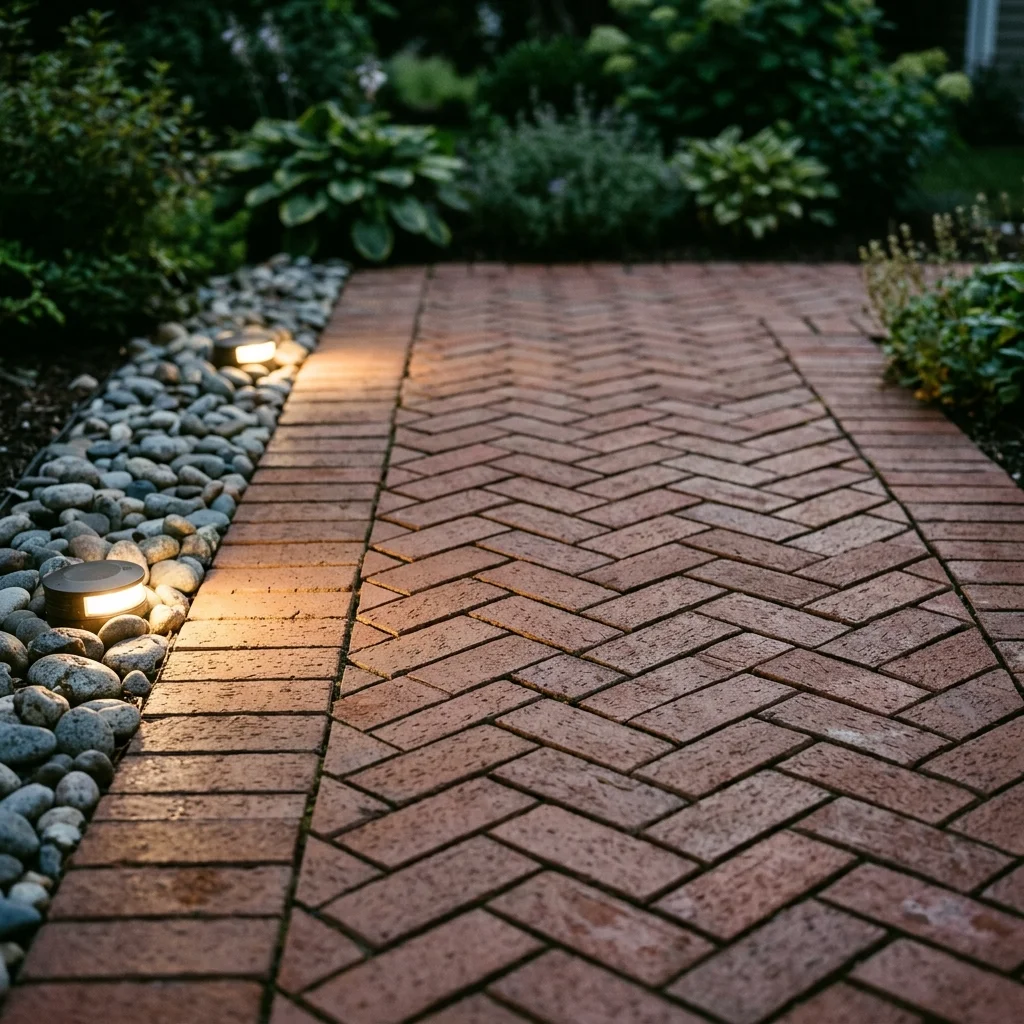
Hardscaping forms the “bones” of your landscape. These are the non-living elements, such as walkways, driveways, retaining walls, and porches. Because these features are permanent and often expensive, they should be planned first. A stunning front yard often features a clear, inviting path to the front door. This path should be wide enough for two people to walk side-by-side—usually at least four feet.
Material choice is crucial for hardscaping. For a modern look, consider large concrete pavers with geometric lines. For a cottage or traditional feel, natural flagstone or reclaimed brick works beautifully. Ensure that the materials you choose complement the exterior of your home. If your house has stone accents, try to find a similar stone for your garden walls to create a cohesive aesthetic.
3. Focal Points
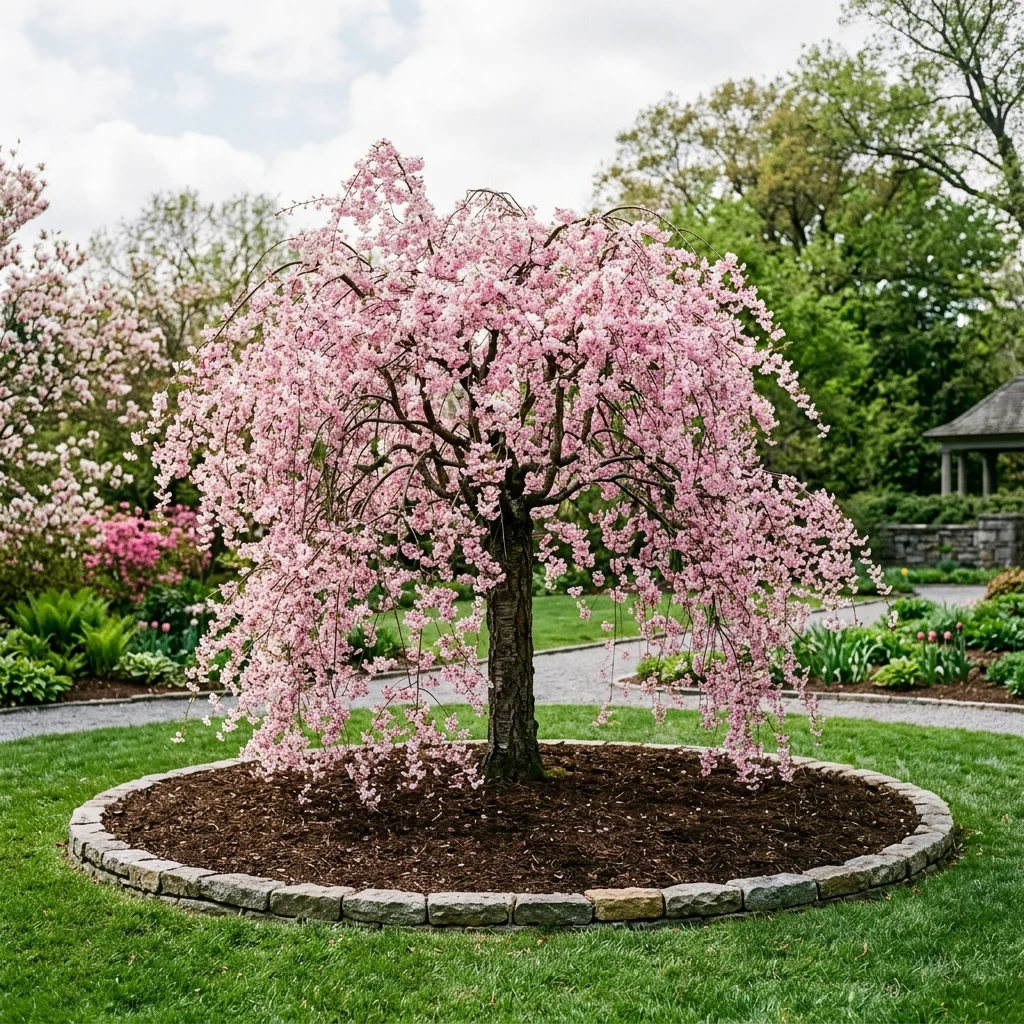
Every great design needs a focal point—a specific element that draws the eye and anchors the space. In a front yard, this is often a specimen tree, a large decorative planter, or a piece of garden art. A focal point prevents the landscape from looking cluttered by giving the viewer a place to rest their gaze.
When choosing a focal point, consider its year-round interest. A deciduous tree like a Japanese Maple is stunning in the fall, but its structural bark can also be beautiful in the winter. If you prefer a non-living focal point, a high-quality tiered fountain or a modern sculpture can provide a sophisticated touch. Position your focal point so it is visible from the street but also from the main windows of your home.
4. Layering
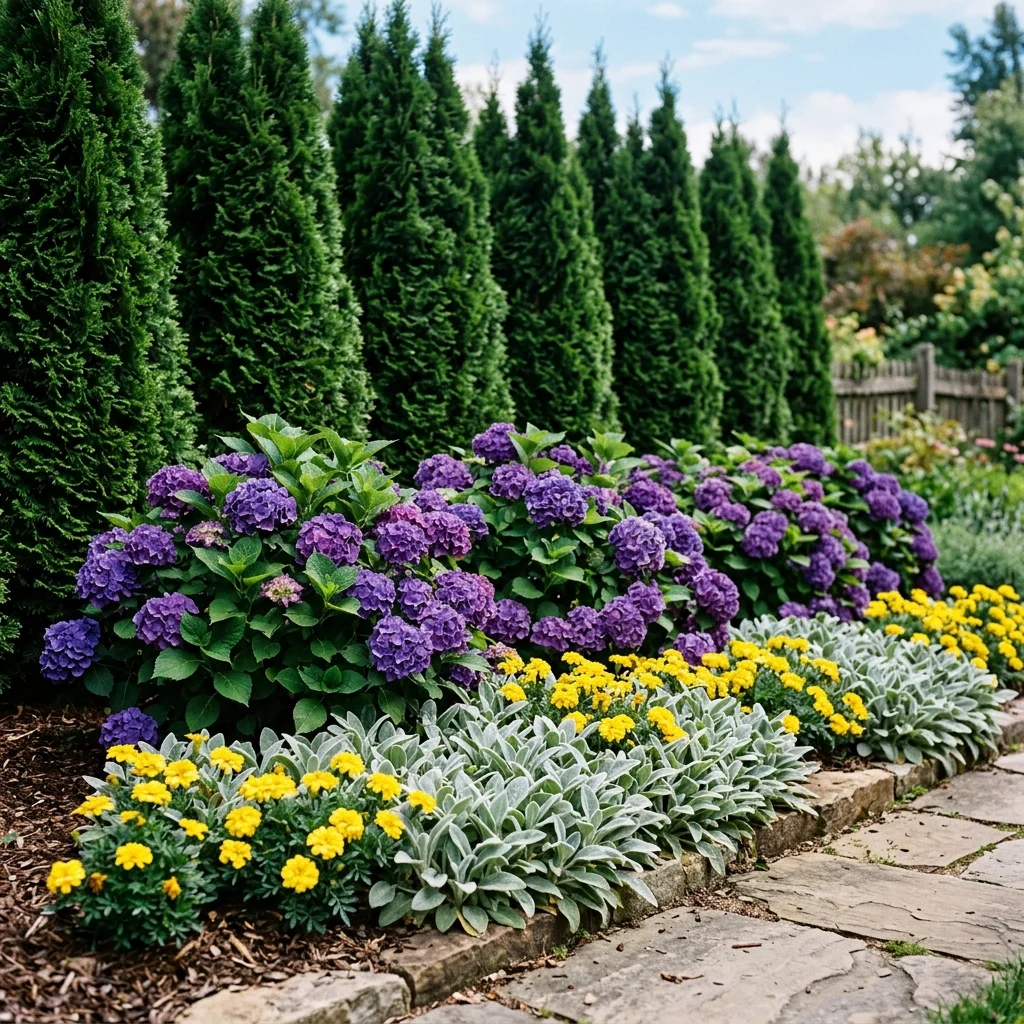
To achieve a professional, lush look, you must plant in layers. This creates depth and prevents the landscape from looking “flat.” The standard rule is to arrange plants by height: tall plants in the back (near the house or fence), medium plants in the middle, and low-growing groundcovers in the front.
However, layering is not just about height; it’s also about texture and form. Pair fine-textured plants, like ornamental grasses, with bold-leaved plants, like Bergenia. Use a variety of shapes—conical, mounding, and spreading—to create visual movement. This “stair-step” approach ensures that every plant is visible and contributes to the overall tapestry of the garden.
5. Color
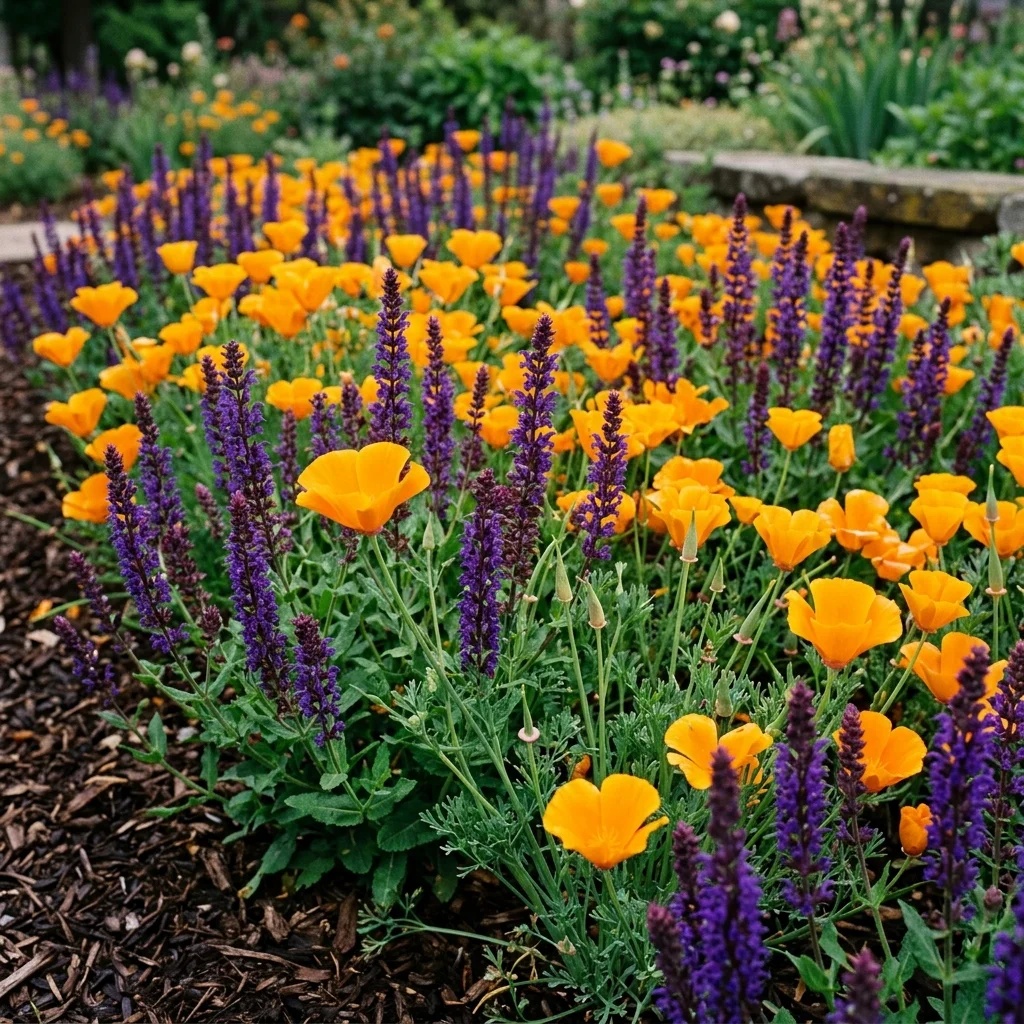
Color is the most immediate way to evoke emotion in a landscape. A monochromatic palette (using different shades of the same color) feels calm and sophisticated, while a complementary palette (colors opposite each other on the color wheel, like purple and yellow) feels energetic and bold.
When planning your color scheme, consider the color of your house. If your home is a neutral gray or white, you have the freedom to use almost any color. If your home is red brick, you might want to stick to warm tones like oranges and yellows or cool whites to provide a crisp contrast. Don’t forget about “greenery” as a color—variegated foliage with white or gold edges can brighten up shady corners just as effectively as flowers.
6. Lighting
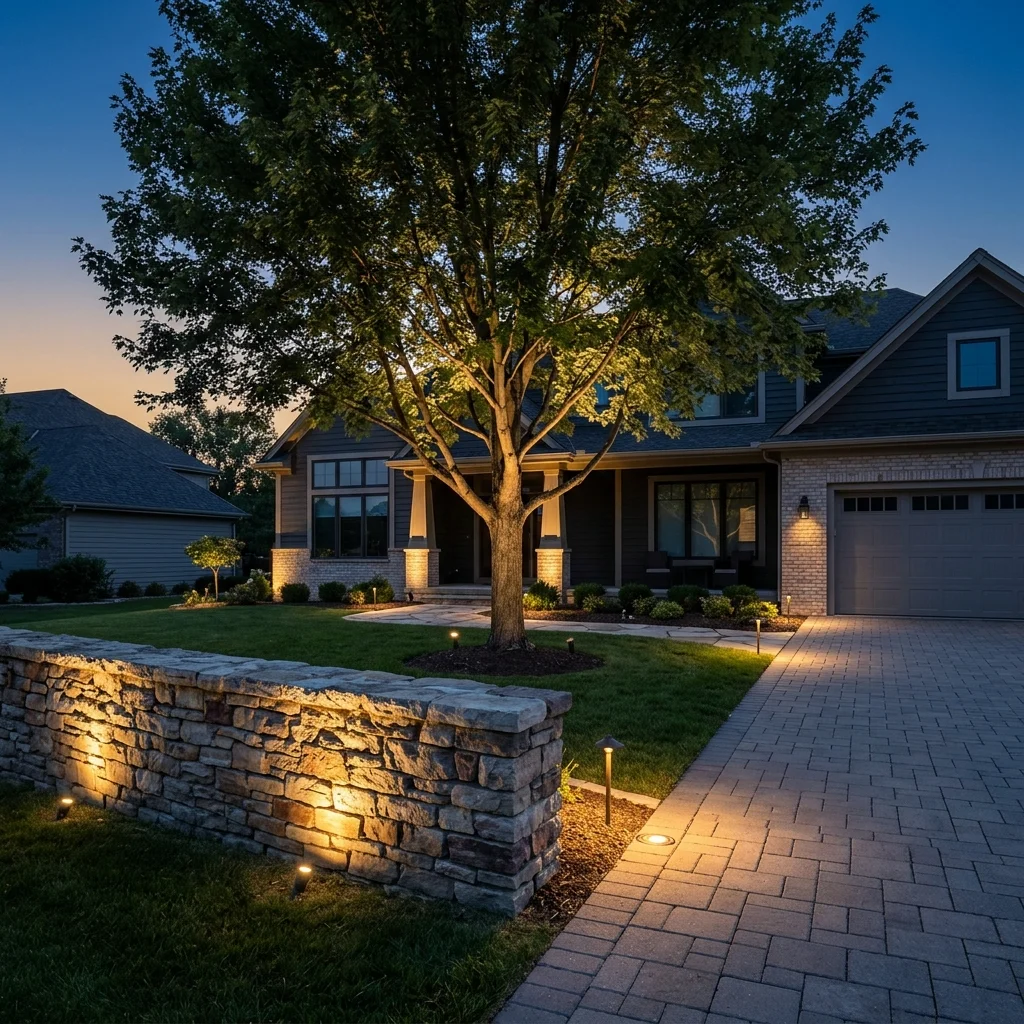
A stunning landscape should not disappear when the sun goes down. Landscape lighting serves two purposes: safety and aesthetics. Path lights ensure that guests can navigate walkways safely, while accent lights can highlight the architectural features of your home and the silhouette of your favorite trees.
Avoid “runway lighting,” where lights are placed in a perfectly straight, even line. Instead, stagger path lights for a more natural feel. Use uplighting to create dramatic shadows on stone walls or to illuminate the underside of a tree’s canopy (a technique known as “moonlighting”). High-quality LED systems are energy-efficient and can be set on timers or smart-home apps to ensure your home always looks its best.
7. Groundcover
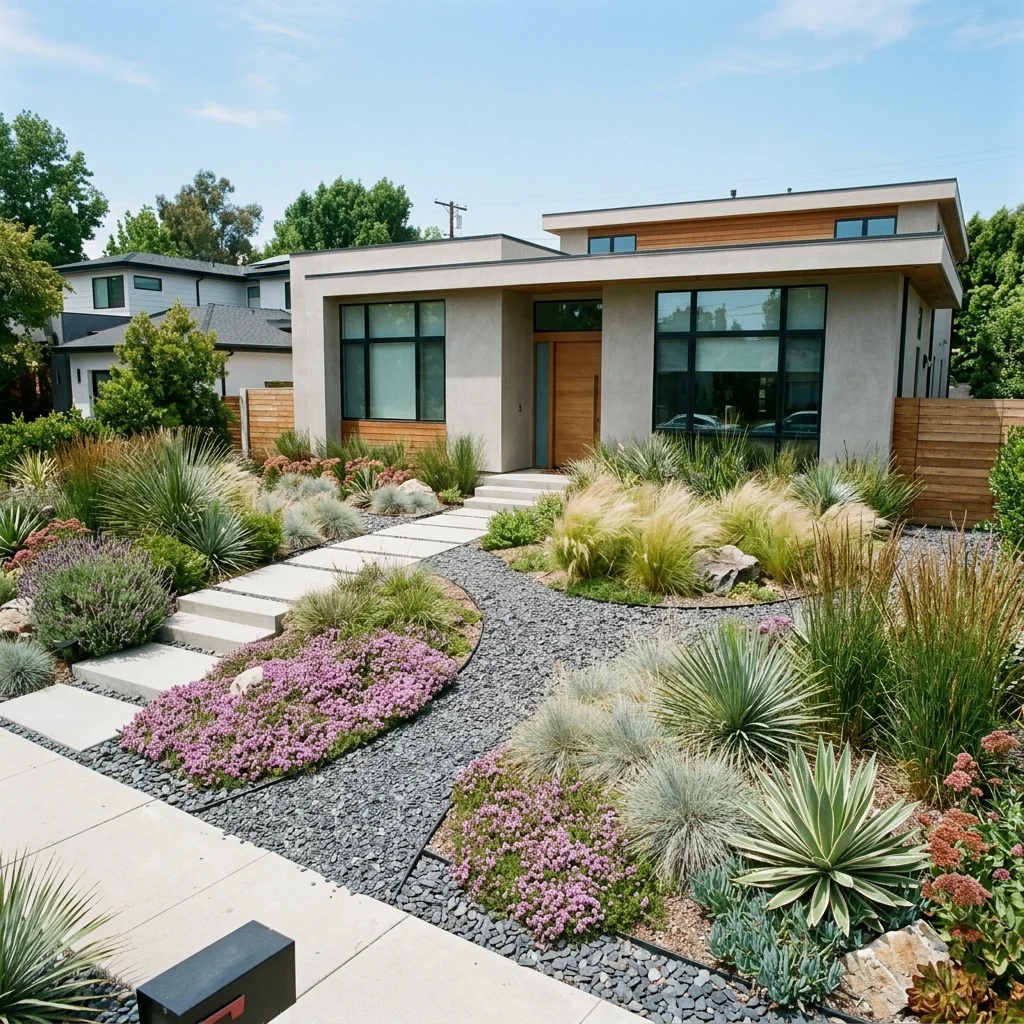
While a perfectly manicured lawn is a classic choice, many modern homeowners are turning to groundcovers and “no-mow” alternatives. Groundcovers like Pachysandra, Creeping Phlox, or Sedum can fill in gaps between larger plants, suppressing weeds and retaining soil moisture.
If you have a large area where grass struggles to grow—such as under a dense shade tree—consider a mulch bed or a decorative gravel garden. Using a high-quality organic mulch not only gives the yard a finished, “clean” look but also improves the soil as it breaks down over time. In arid climates, xeriscaping with stones and native succulents can create a stunning, low-water front yard that feels appropriate to the local environment.
8. Maintenance
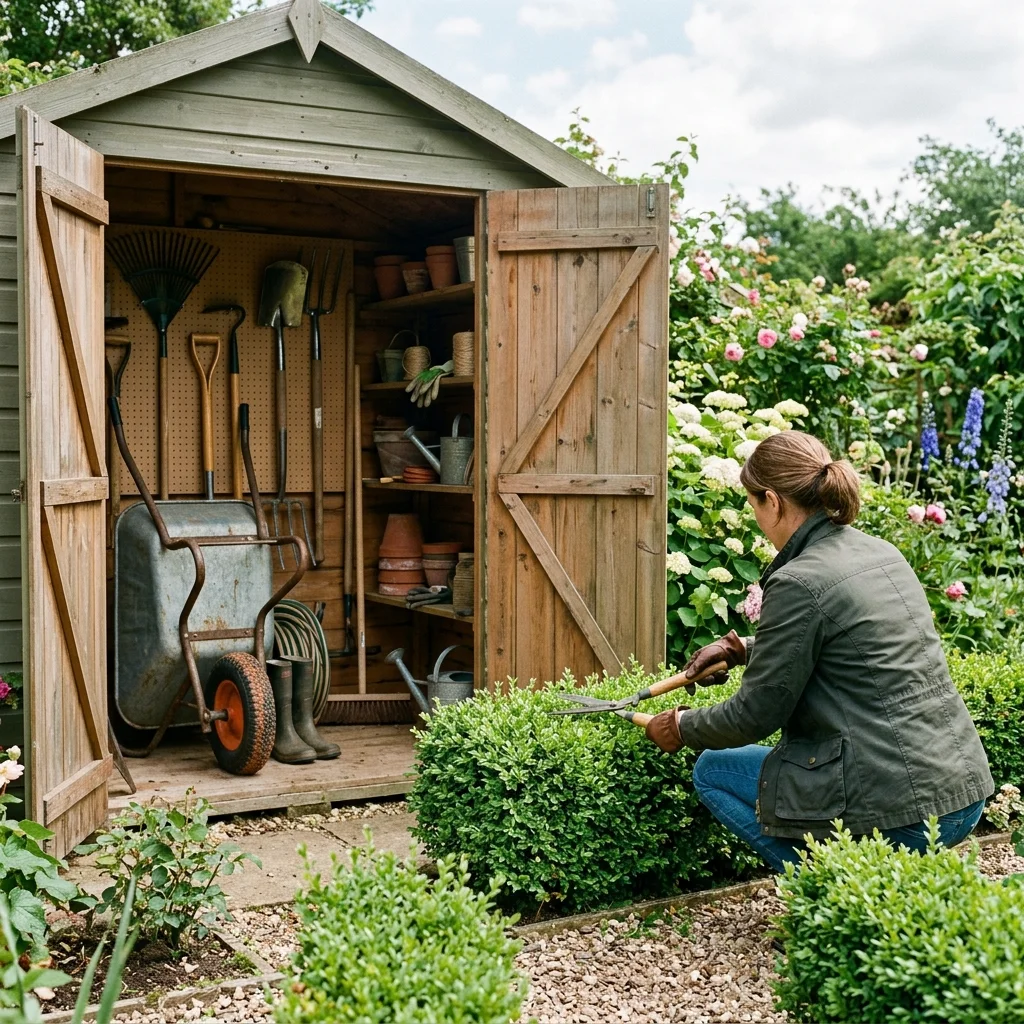
The most beautiful design in the world will not stay stunning without proper maintenance. When planning your landscape, be honest about how much time you want to spend working in it. If you enjoy gardening, you might opt for high-maintenance roses or intricate topiaries. If you prefer a “set it and forget it” approach, focus on native plants and slow-growing evergreens that require minimal pruning.
Consider installing an automated irrigation system during the hardscaping phase to ensure your plants receive consistent hydration. Grouping plants with similar water needs together (a practice known as hydrozoning) will save water and keep your plants healthier. Regular tasks like weeding, mulching, and deadheading flowers will keep your front yard looking professional and vibrant throughout the seasons.