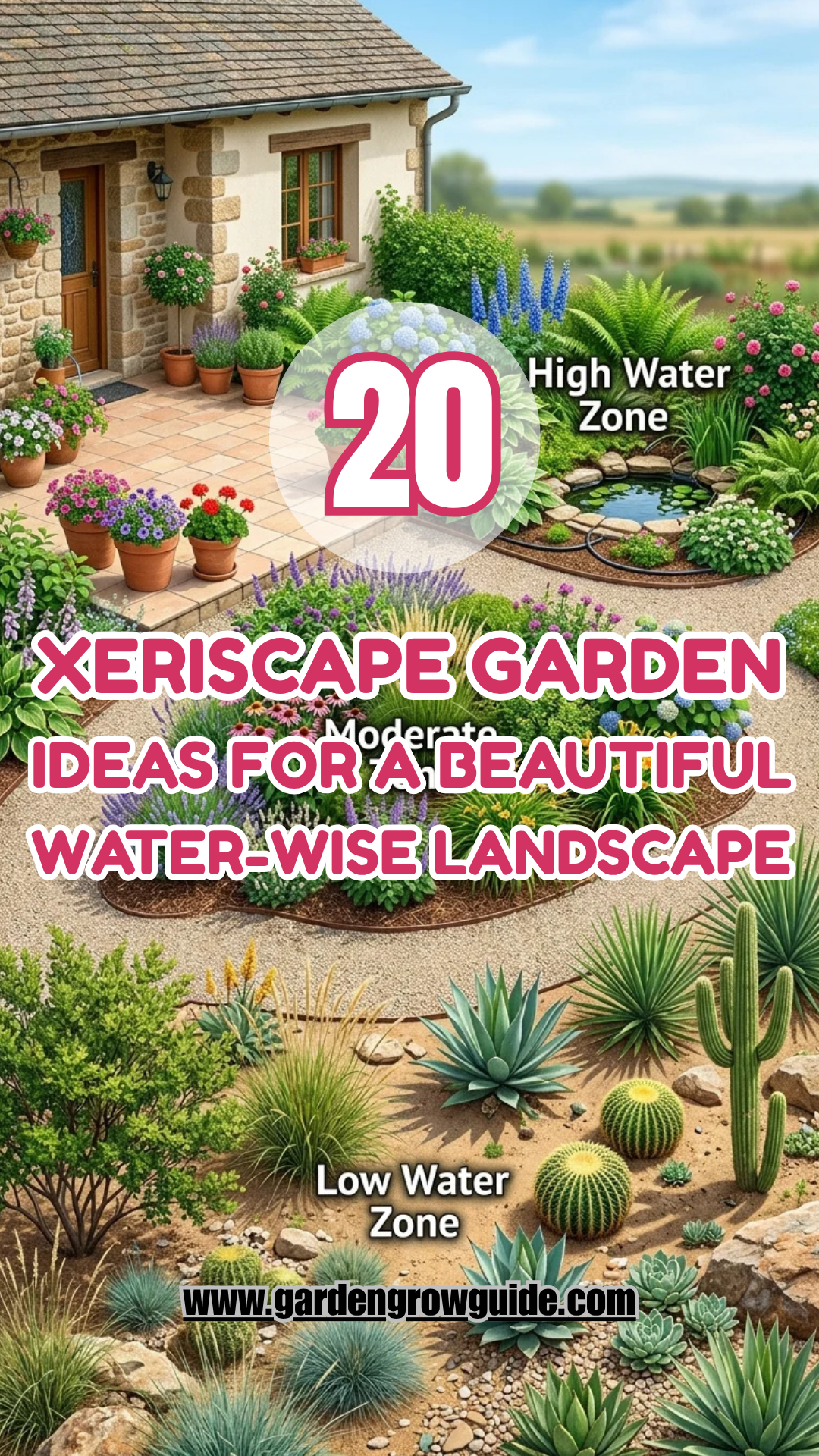
Xeriscaping is no longer just a necessity for those living in arid climates; it has evolved into a sophisticated landscaping philosophy embraced by gardeners worldwide. The term, derived from the Greek word “xeros” meaning dry, refers to the practice of designing landscapes to reduce or eliminate the need for supplemental water. Contrary to the myth that xeriscaping means a yard full of gravel and a few lonely cacti, modern water-wise gardens are lush, colorful, and teeming with life. By focusing on soil health, efficient irrigation, and the right plant choices, you can create a sustainable sanctuary that thrives even during the hottest summer months.
1. Native Plants
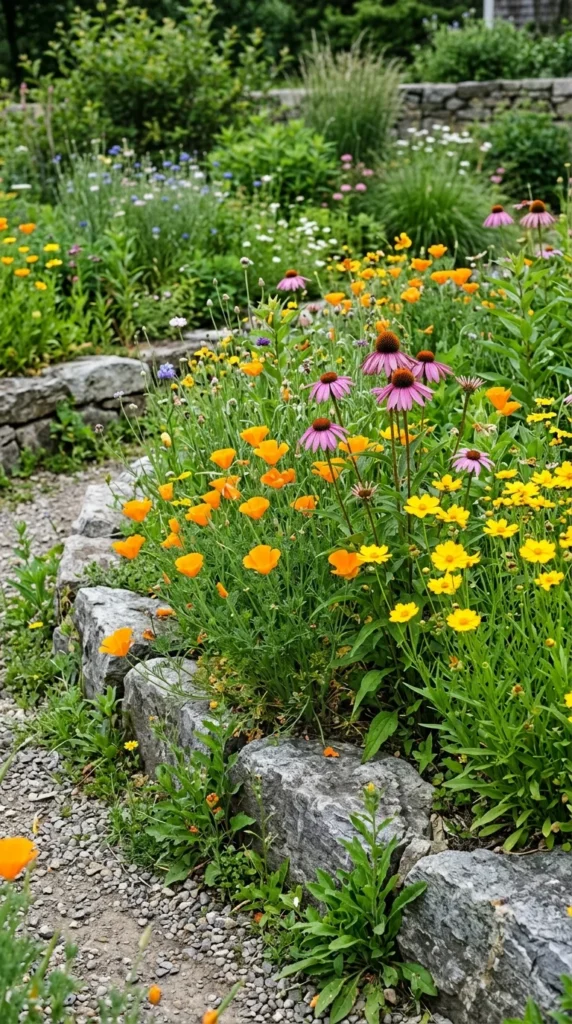
The foundation of any successful xeriscape is the use of native plants. These species have evolved over thousands of years to thrive in your specific local climate, soil conditions, and rainfall patterns. Because they are adapted to the environment, they require significantly less maintenance, fertilizer, and water than non-native species. Furthermore, native plants provide essential habitats and food sources for local pollinators like bees, butterflies, and birds, turning your garden into a functional ecosystem.
2. Succulent Tapestry
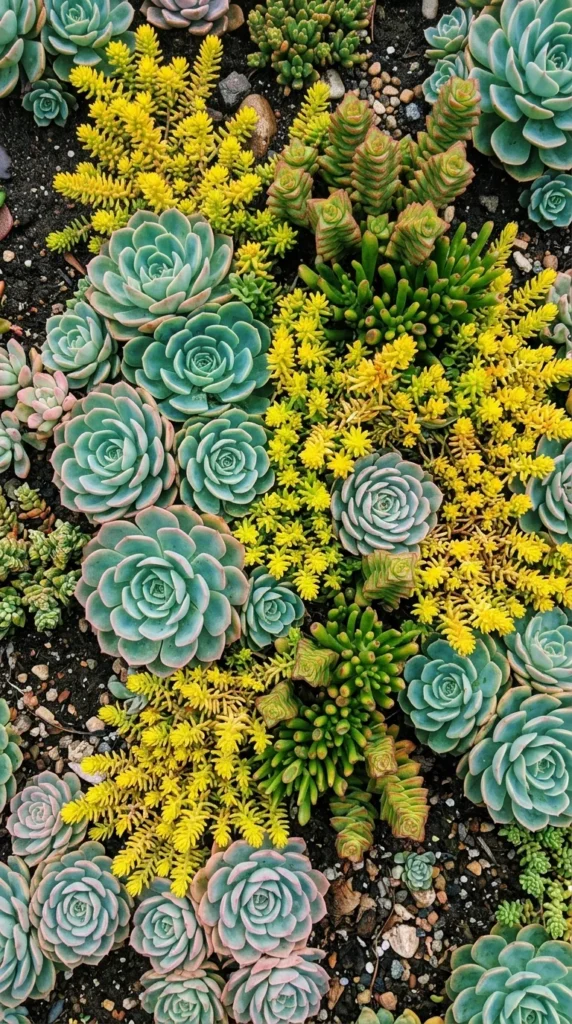
Succulents are the superstars of water-wise gardening. Their thick, fleshy leaves and stems are designed to store water for long periods. To create a “tapestry” effect, plant different varieties of low-growing succulents closely together. Mix textures and colors—pairing the tight, blue-green rosettes of Echeveria with the trailing, needle-like foliage of “Angelina” Sedum. This creates a living mosaic that requires almost no water once established and provides year-round visual interest.
3. Gravel Pathways
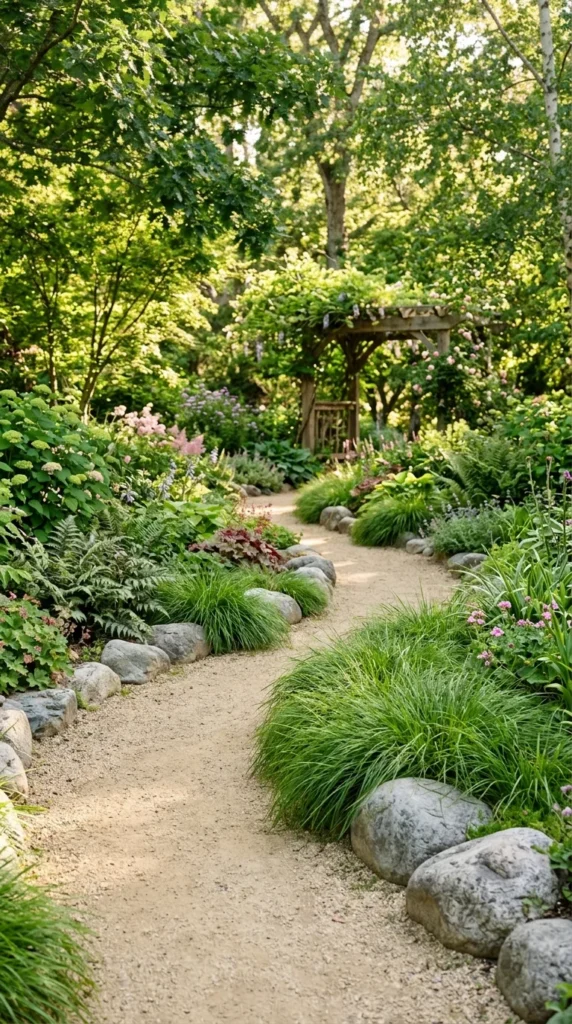
Replacing water-thirsty grass paths with gravel or decomposed granite is a hallmark of xeriscaping. Gravel is permeable, allowing rainwater to soak directly into the ground rather than running off into storm drains. It also acts as a permanent mulch, keeping the soil cool and suppressing weeds. Use contrasting colors of gravel to define different zones in your garden, or choose a natural local stone to help the landscape blend seamlessly with its surroundings.
4. Dry Creek Bed
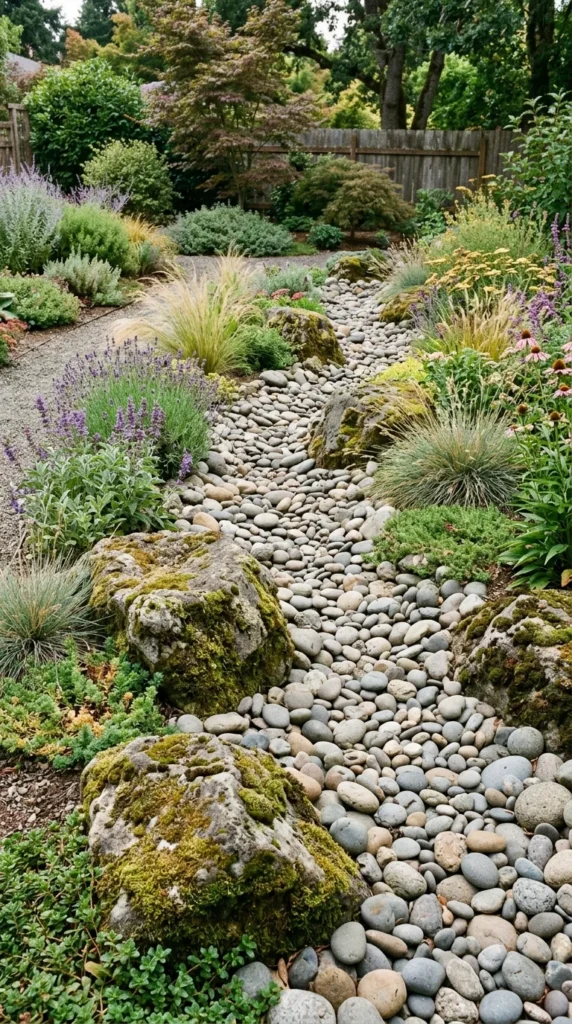
A dry creek bed is both a functional drainage solution and a stunning aesthetic feature. By arranging river rocks, cobbles, and boulders in a meandering path, you can mimic the look of a natural stream. During heavy rains, the creek bed directs runoff away from your home’s foundation and allows it to percolate into the soil. In the dry season, it serves as a structural focal point that adds “movement” to the landscape without using a single drop of water.
5. Ornamental Grasses

Ornamental grasses add height, movement, and a sense of softness to a xeriscape. Many varieties, such as Blue Fescue, Mexican Feather Grass, and Fountain Grass, are incredibly drought-tolerant. They look particularly striking when planted in large drifts, where they can catch the wind and play with the light. Unlike traditional turf, these grasses only need to be cut back once a year, making them a low-maintenance alternative that provides texture throughout the winter.
6. Rock Gardens
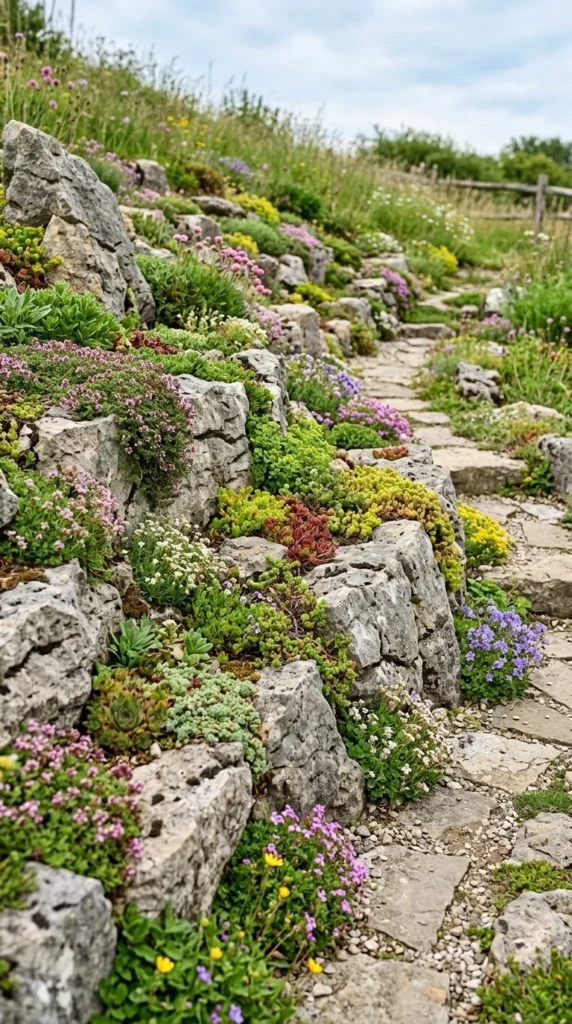
Rock gardens utilize the thermal properties of stone to create unique microclimates. Large rocks absorb heat during the day and release it at night, while the spaces between them provide excellent drainage for plants that dislike “wet feet.” You can create a miniature mountain landscape by burying large rocks halfway into the soil and planting drought-resistant alpines or herbs in the gaps. This adds immediate vertical interest and a sense of permanence to the garden.
7. Organic Mulch
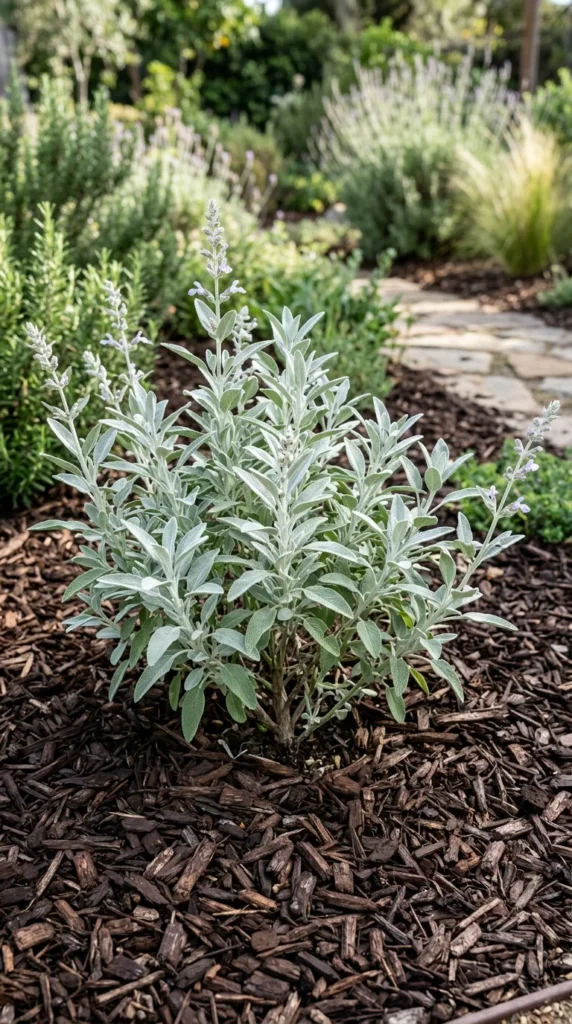
Mulch is the “secret sauce” of xeriscaping. A thick layer of organic mulch—such as wood chips, bark, or straw—acts as an insulating blanket for the soil. It drastically reduces evaporation, keeps soil temperatures stable, and prevents weed seeds from germinating. As organic mulch decomposes, it also improves the soil structure and adds nutrients. For a modern look, many gardeners use a 3-inch layer of cedar mulch, which smells wonderful and naturally repels certain pests.
8. Drip Irrigation
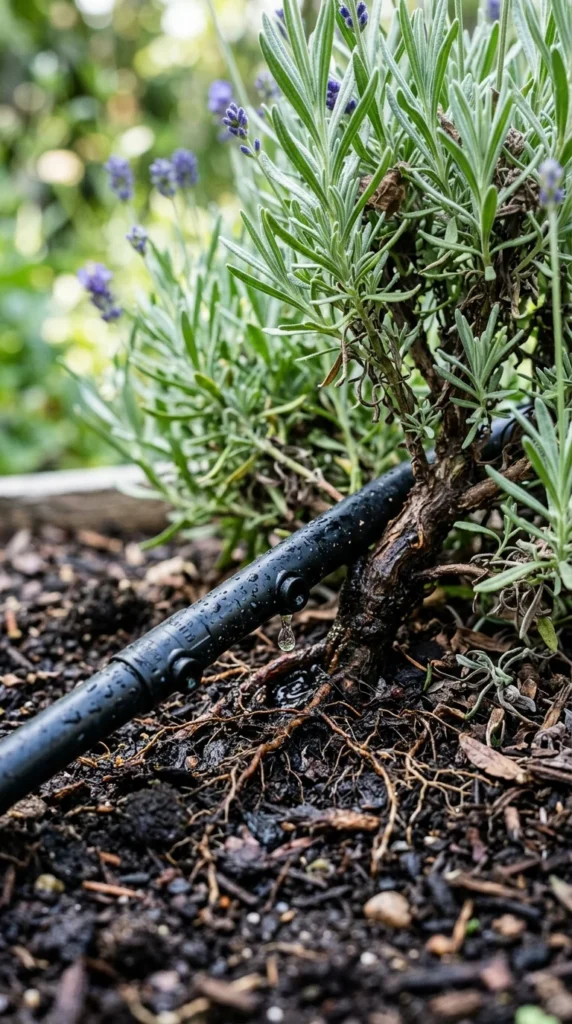
Efficiency is the core of water-wise gardening, and drip irrigation is the gold standard. Unlike overhead sprinklers, which lose a massive amount of water to evaporation and wind drift, drip systems deliver water directly to the root zone. This targeted approach ensures that every drop is utilized by the plant. Modern systems can be fitted with smart controllers that adjust watering schedules based on local weather forecasts, ensuring you never water during a rainstorm.
9. Potted Accents
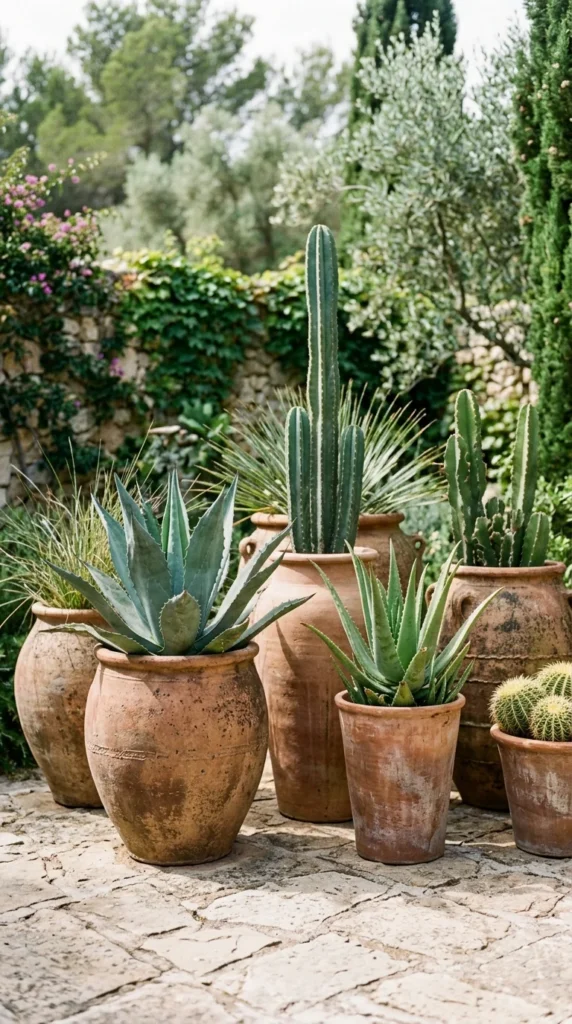
Container gardening is an excellent way to incorporate plants that might have slightly different soil requirements than your main garden beds. Large, frost-resistant pots can serve as sculptural elements. Using pots allows you to control the soil drainage perfectly—an essential factor for many drought-tolerant plants. Try grouping pots in odd numbers (threes or fives) to create a high-impact focal point on a patio or at an entranceway.
10. Terraced Slopes
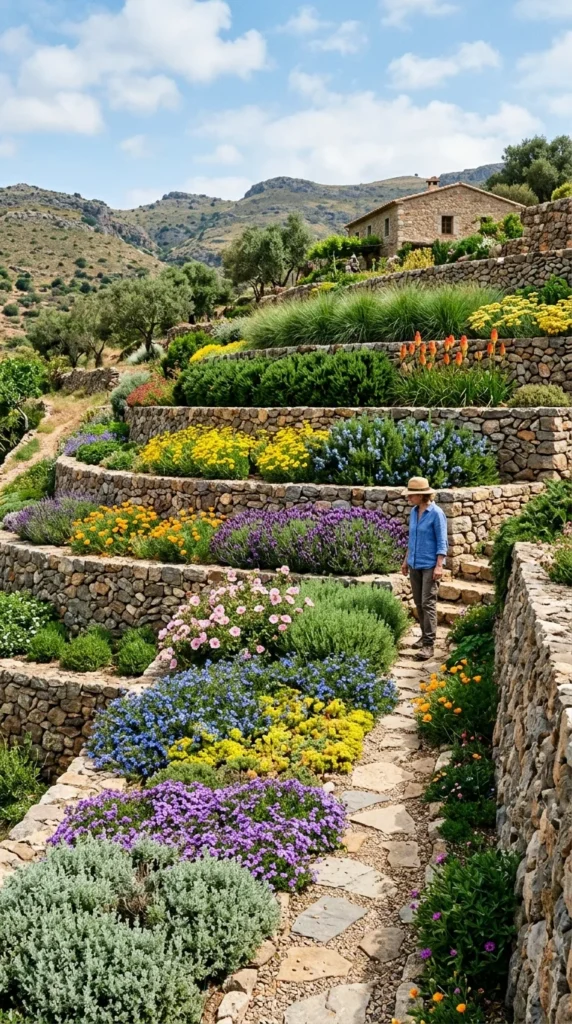
Slopes can be a challenge in water-wise landscaping because water tends to run off before it can soak in. Terracing solves this by creating flat “steps” that capture and hold water. Using natural stone or timber to build retaining walls adds a sense of structure and elegance. Terraces also allow you to plant a wider variety of species, as the top levels will be drier while the lower levels may retain slightly more moisture.
11. Pollinator Hubs
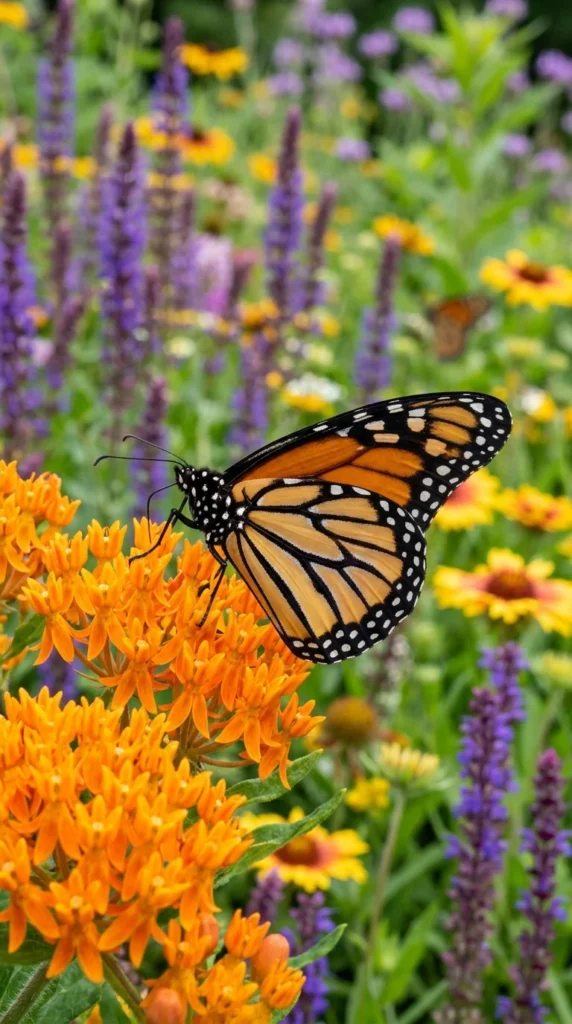
Xeriscaping doesn’t mean sacrificing the buzz and flutter of a traditional garden. Many of the best drought-tolerant plants are also top-tier pollinator attractors. Plants like Yarrow, Russian Sage, and Bee Balm require very little water once established but provide a feast for bees and butterflies. By grouping these plants together, you create a “pollinator hub” that supports the local environment while maintaining a water-efficient footprint.
12. Permeable Pavers
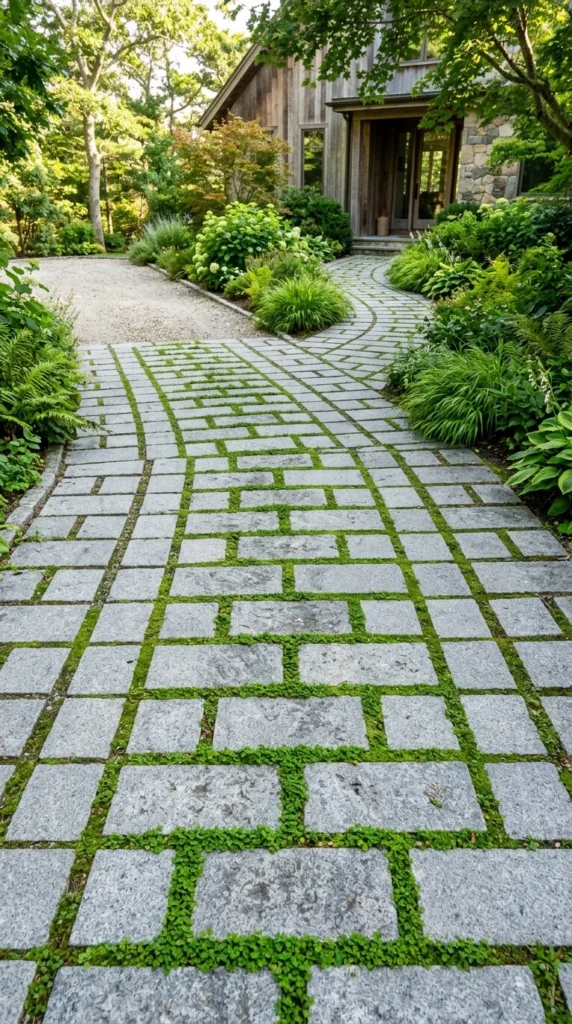
In a traditional landscape, concrete patios and driveways create “dead zones” where water cannot penetrate. Permeable pavers allow rain to soak back into the aquifer. These can be made of brick, stone, or specialized concrete blocks with gaps designed to be filled with sand or fine gravel. This prevents erosion and runoff while providing a solid, functional surface for outdoor living areas.
13. Shade Structures
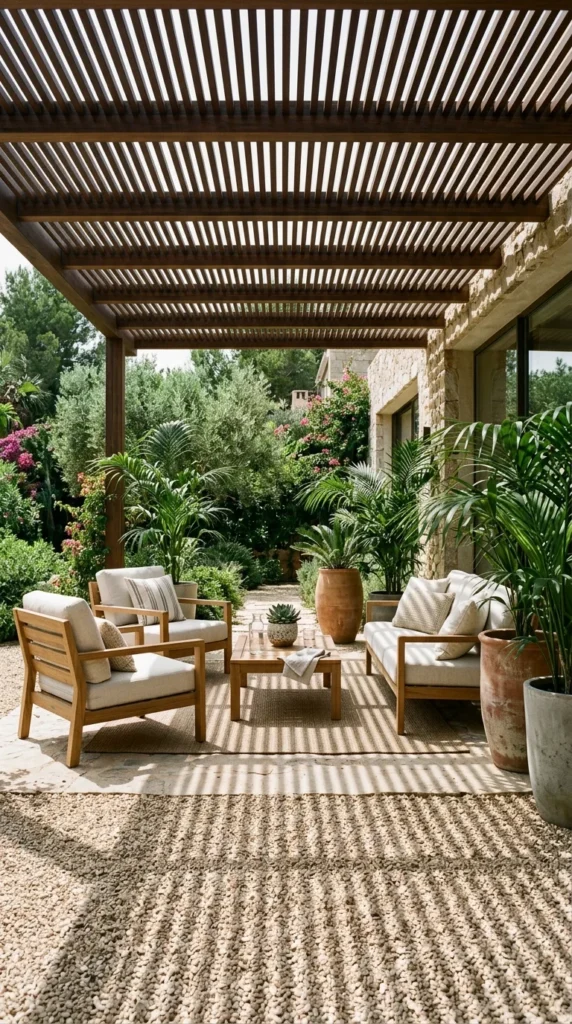
Strategic shade is a powerful tool in xeriscaping. By installing a pergola, arbor, or shade sail, you can lower the ambient temperature of your garden by several degrees. This reduces the transpiration rate of nearby plants, meaning they need less water to stay hydrated. Shade structures also make the garden more comfortable for humans, transforming a hot, sun-baked yard into a cool outdoor room.
14. Mediterranean Style
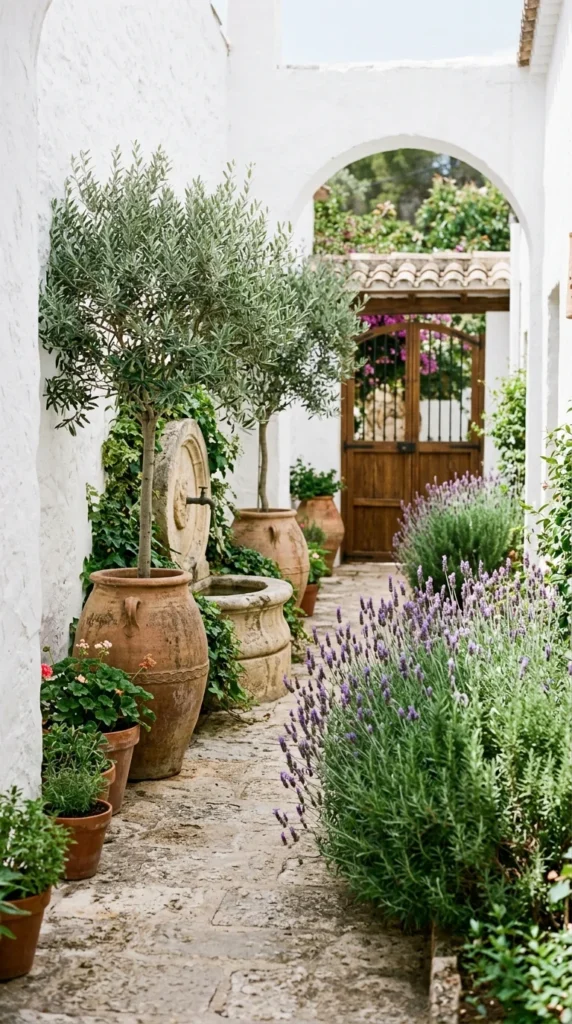
The Mediterranean climate is the original inspiration for many xeriscaping techniques. You can evoke this style by using a palette of silver-green foliage, aromatic herbs, and warm stone accents. Rosemary, Lavender, and Thyme are not only drought-resistant but also provide culinary benefits. Pairing these with olive trees or Italian cypresses creates a timeless, elegant look that thrives on neglect and minimal water.
15. Vertical Gardens
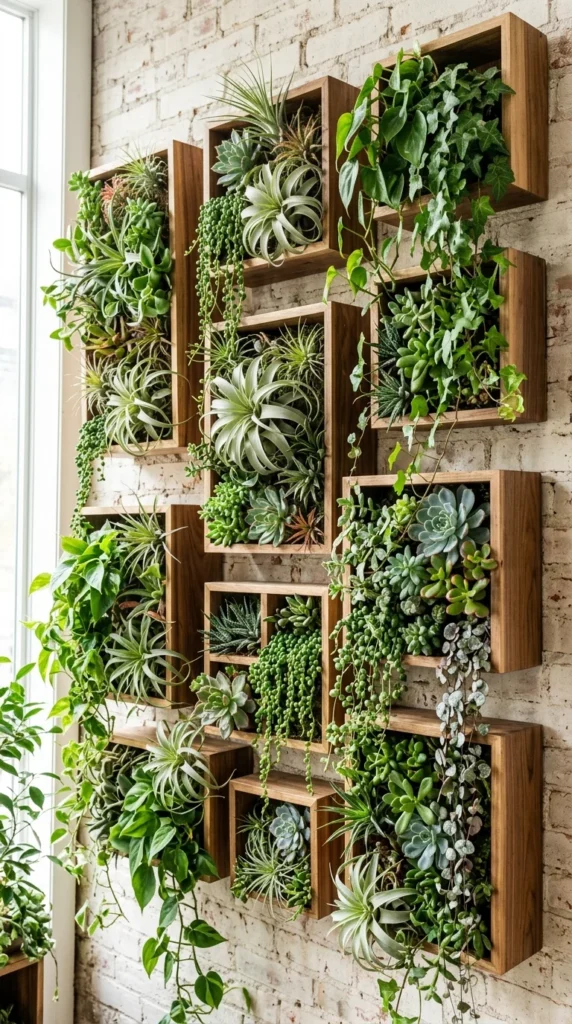
If you have a small space, go vertical. Vertical gardening allows you to maximize your green footprint without taking up valuable ground space. For a xeriscape, use wall-mounted planters filled with succulents or air plants (Tillandsia), which require minimal root space and very little water. A “living wall” can also act as a natural insulator for your home, keeping the interior cooler during the summer.
16. Desert Wildflowers
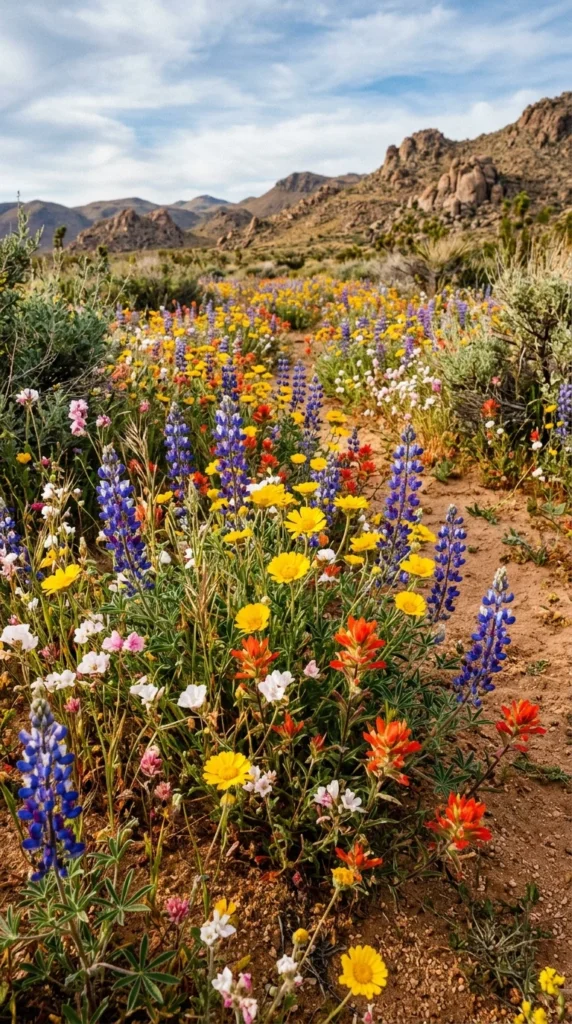
For a low-effort, high-reward xeriscape, consider a wildflower meadow. Many desert and prairie wildflowers are annuals that bloom spectacularly after a rain and then drop seeds for the following year. They require no mowing and very little intervention. Choose a mix specific to your region to ensure the best results and the most benefit to local wildlife.
17. Edible Xeriscaping
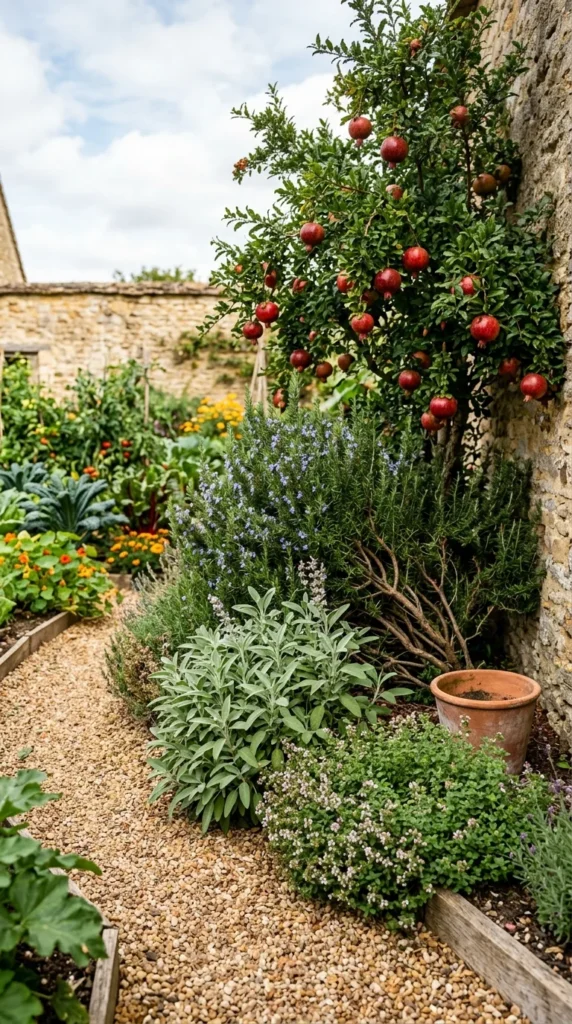
You don’t have to choose between saving water and growing food. Many edible plants are surprisingly drought-tolerant. Mediterranean herbs are the most obvious choice, but fruit trees like Pomegranates, Figs, and certain varieties of grapes are very water-efficient once their root systems are deep. By integrating these into your xeriscape, you create a garden that is both beautiful and productive.
18. Hydrozoning
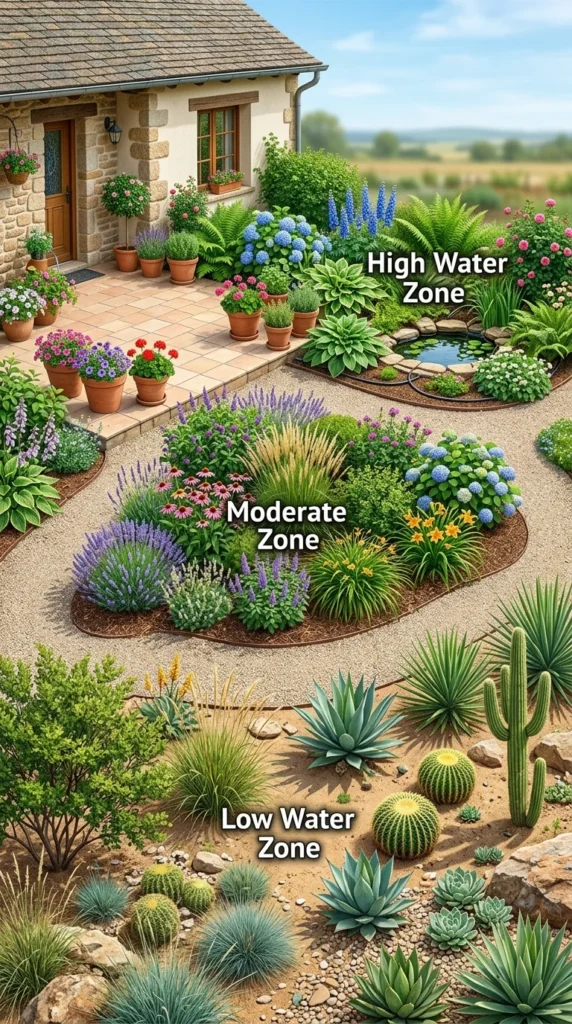
Hydrozoning is the practice of grouping plants with similar water requirements together. This is a fundamental principle of xeriscaping. By putting your “thirstiest” plants in one small area (perhaps near an entry or a patio) and filling the rest of the yard with truly drought-tolerant species, you avoid overwatering the dry-loving plants and underwatering the thirsty ones. It makes your irrigation schedule much easier to manage.
19. Synthetic Turf Accents
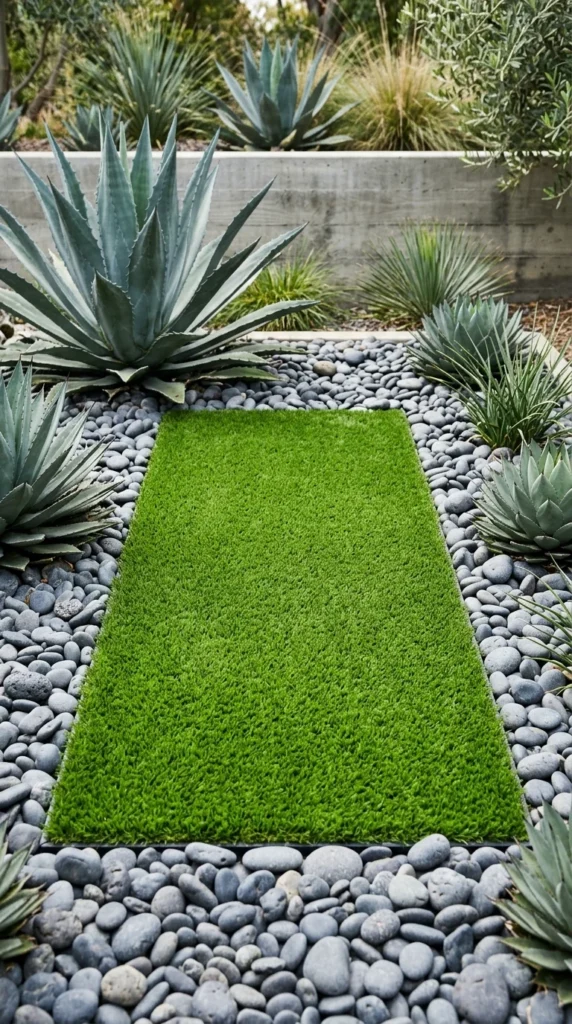
While the goal of xeriscaping is often to remove high-maintenance lawns, sometimes a small patch of green is desired for pets, children, or visual contrast. Modern synthetic turf has come a long way and can look remarkably realistic. By using it sparingly as a design accent rather than a wall-to-wall floor covering, you get the aesthetic benefit of a lawn with zero water usage and zero mowing.
20. Focal Point Boulders
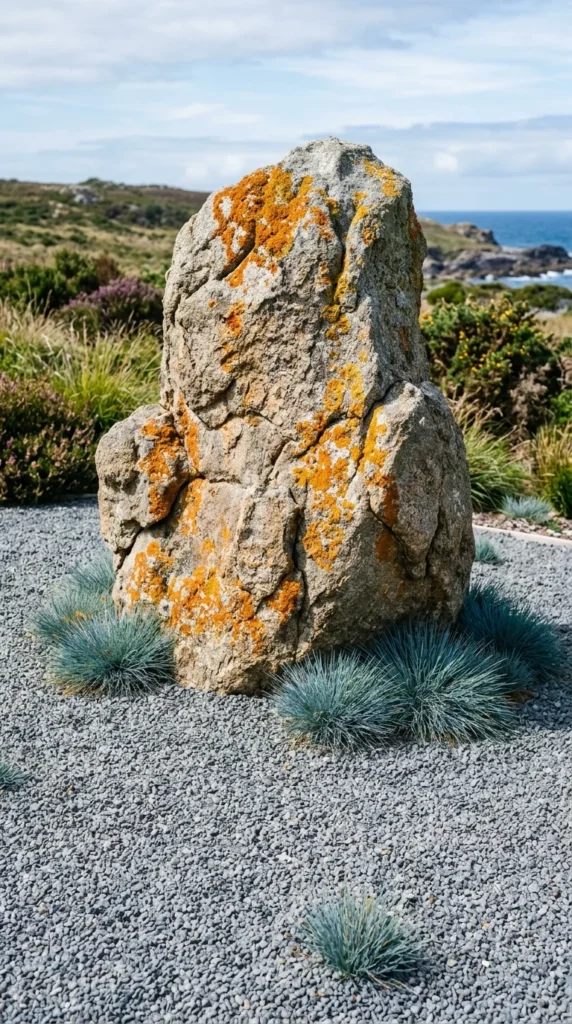
In a landscape where plants might be spaced further apart to conserve resources, structural elements become more important. Large boulders act as “anchors” for the garden. They provide a sense of scale and age that plants alone cannot achieve. Choose rocks that have interesting colors, textures, or shapes, and bury them slightly to make them look like they have been there for centuries. These “silent sentinels” require no water and look beautiful in every season.