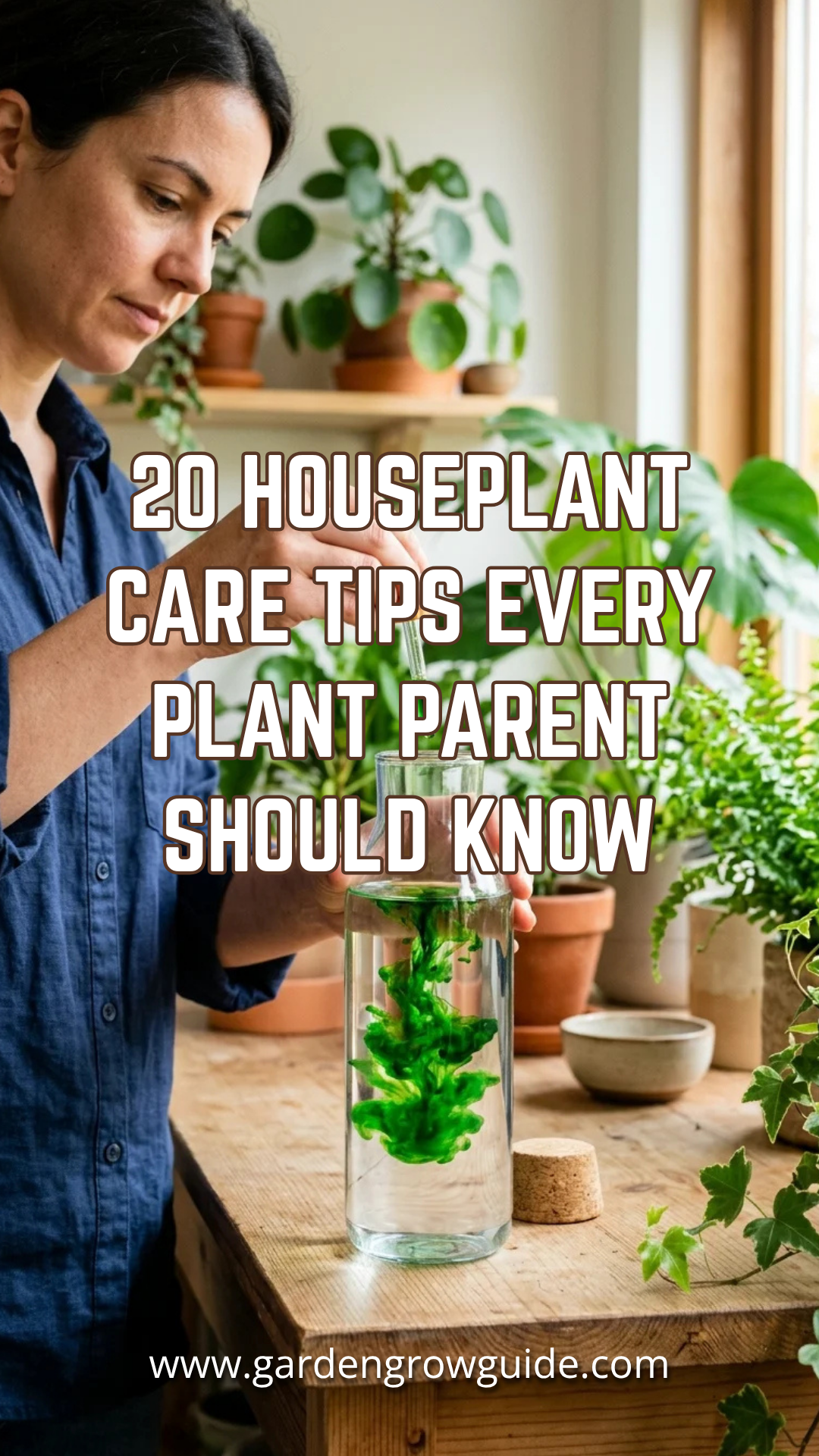
Bringing nature indoors is one of the most rewarding ways to enhance your living space. However, maintaining a thriving indoor garden requires more than just occasional watering. Whether you are a seasoned “plant parent” or just starting your journey with a single succulent, understanding the nuances of plant biology and environmental factors is key to long-term success. The following twenty tips cover everything from the basics of hydration to the complexities of pest management and seasonal shifts.
1. Natural Light
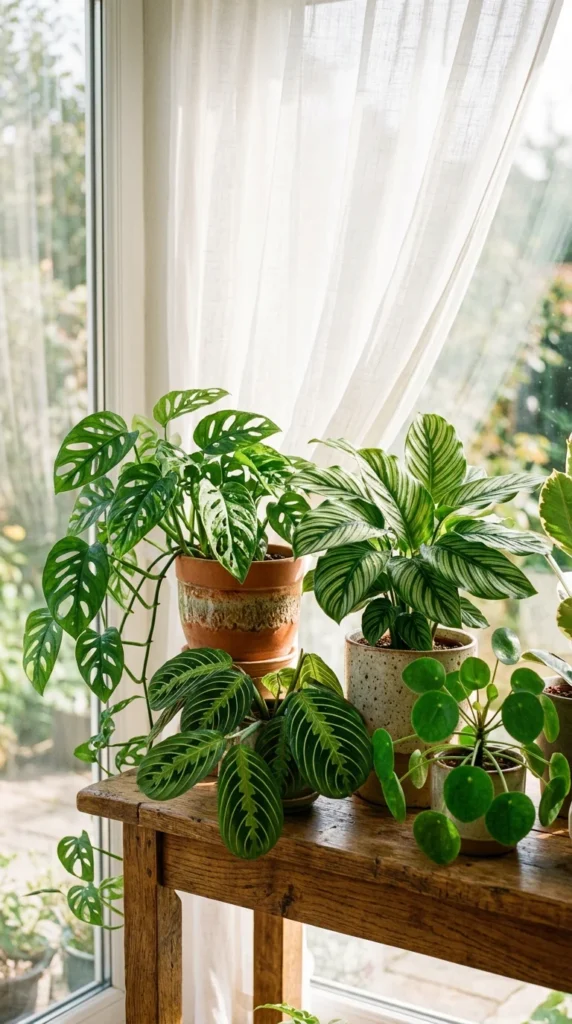
Light is the primary energy source for plants, driving the process of photosynthesis. Not all light is created equal, and understanding the difference between “bright direct,” “bright indirect,” and “low” light is crucial. Most tropical houseplants prefer bright indirect light—the kind found near a north or east-facing window. Direct southern sun can scorch delicate leaves, while low-light conditions may cause “leggy” growth as the plant stretches to find a light source. Rotate your pots every few weeks to ensure all sides of the plant receive even exposure, preventing lopsided growth.
2. Drainage Holes
The quickest way to kill a houseplant is through root rot, which is almost always caused by poor drainage. Never plant a houseplant directly into a container that does not have holes at the bottom. If you have a beautiful decorative “cachepot” without drainage, keep the plant in its plastic nursery pot and place that inside the decorative one. This allows you to remove the inner pot for watering or to pour out excess water that collects at the bottom, ensuring the roots are never sitting in stagnant moisture.
3. Soil Quality
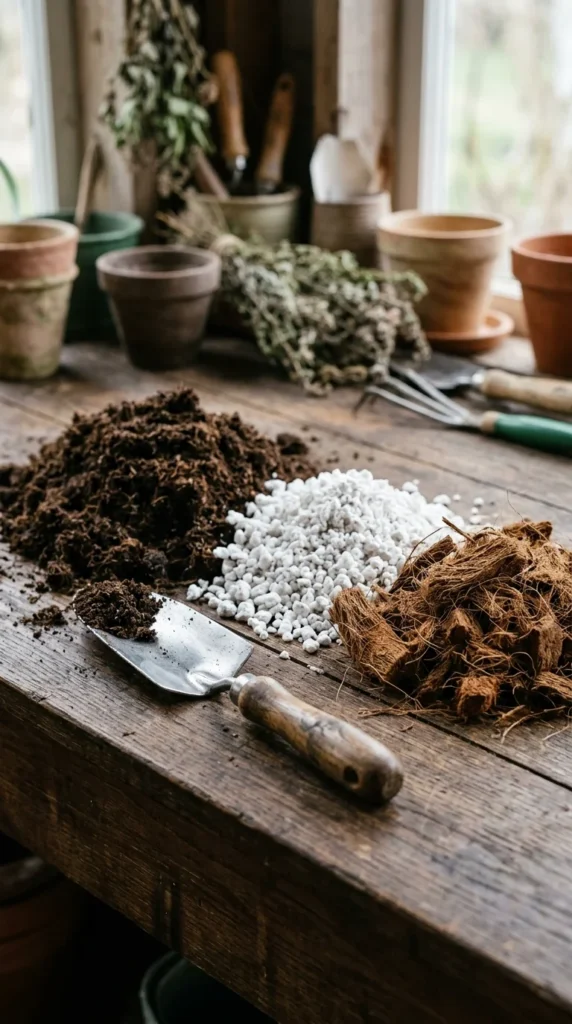
Standard garden soil is too heavy and dense for indoor containers; it can compact easily, suffocating roots and holding too much water. Most houseplants thrive in a “soilless” potting mix consisting of peat moss or coco coir, perlite or vermiculite, and pine bark. This combination ensures the mix is well-aerated and drains quickly while still retaining enough moisture for the plant to drink. Succulents and cacti require an even grittier mix with more sand or pumice to mimic their arid natural habitats.
4. Watering Routine
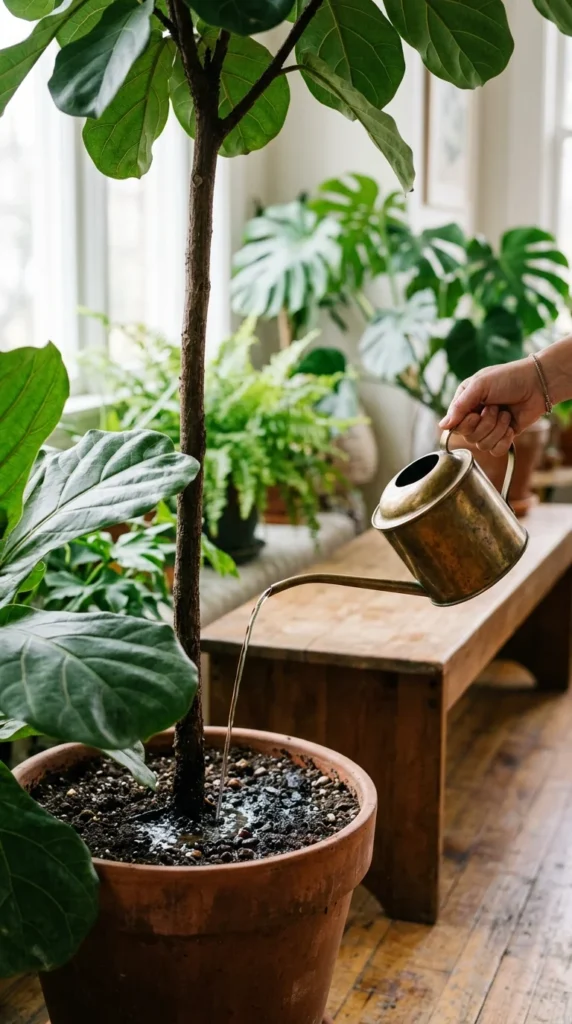
Overwatering is the number one cause of houseplant death. Instead of watering on a strict calendar schedule (e.g., “every Monday”), water based on the plant’s actual needs. Stick your finger two inches into the soil; if it feels dry, it is time to water. If it feels moist, wait a few days. Different plants have different thresholds—ferns like to stay consistently moist, while ZZ plants and Snake Plants prefer their soil to dry out completely between waterings.
5. Ambient Humidity
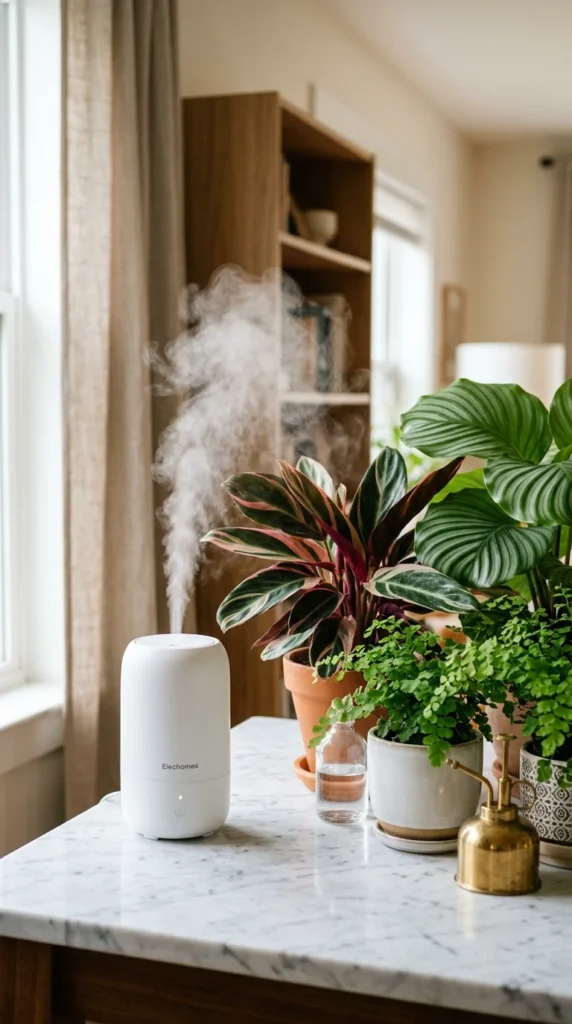
Most houseplants originate from tropical regions where humidity levels are high. Modern homes, especially during winter when heaters are running, have very dry air. To help your plants thrive, aim for 40-60% humidity. You can achieve this by using a humidifier, misting your plants (though this is a temporary fix), or placing pots on a tray filled with pebbles and water. As the water evaporates, it creates a humid microclimate around the foliage.
6. Fertilizer Usage
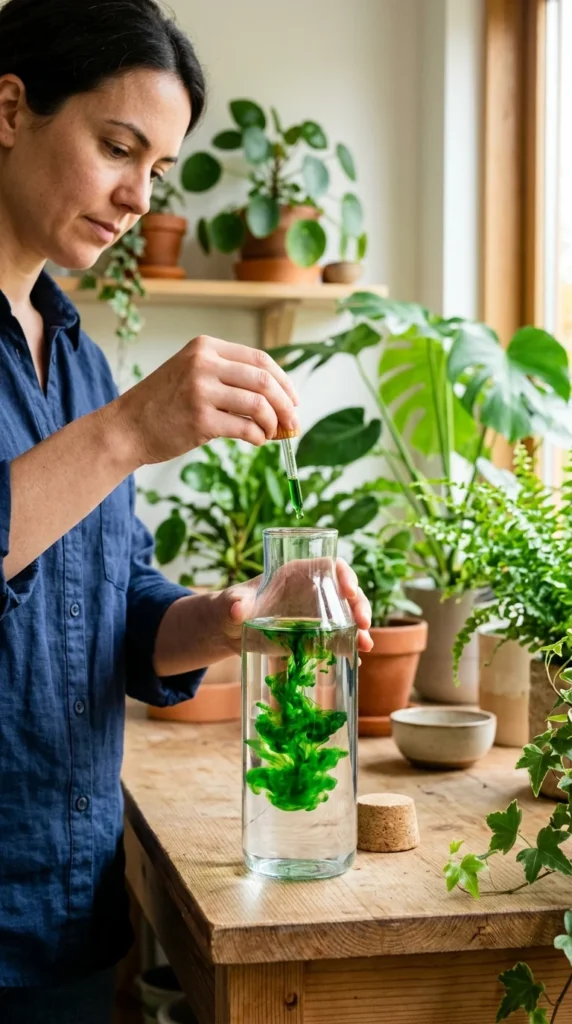
Plants need nutrients to grow, specifically Nitrogen (N), Phosphorus (P), and Potassium (K). During the growing season—typically spring and summer—apply a balanced liquid fertilizer every 4-6 weeks. It is better to under-fertilize than to over-fertilize, as excess salts can build up in the soil and burn the roots. Always dilute your fertilizer to half the strength recommended on the bottle to avoid chemical shock.
7. Repotting Timing
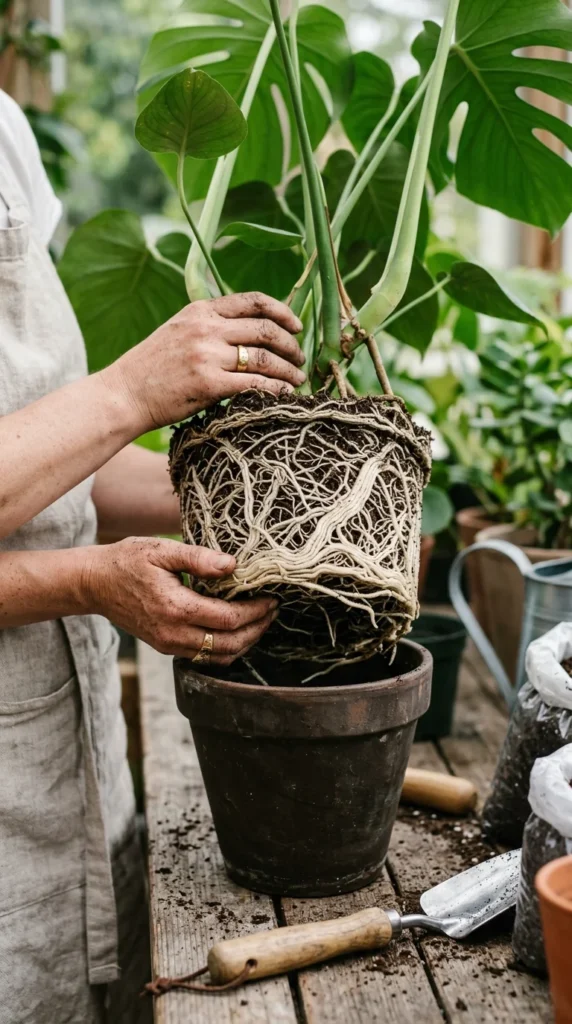
Plants eventually outgrow their containers. Signs that your plant needs repotting include roots growing out of the drainage holes, water running straight through the pot without being absorbed, or significantly slowed growth during the spring. Choose a new pot that is only 1-2 inches larger in diameter than the current one. Moving a plant into a massive pot can lead to “over-potting,” where the excess soil stays wet for too long, leading to rot.
8. Leaf Pruning
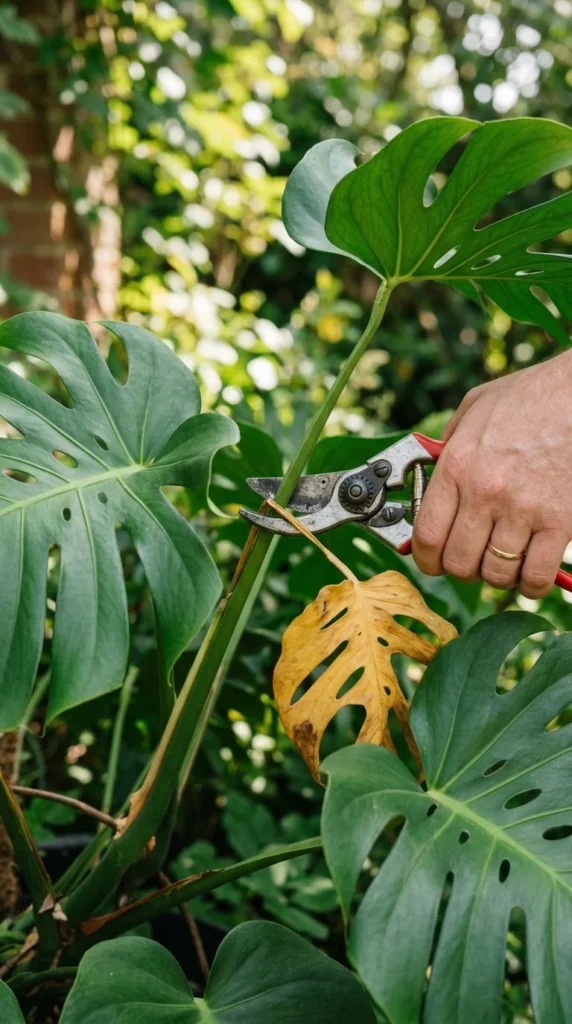
Pruning is essential for maintaining plant health and aesthetics. Removing dead, yellow, or diseased leaves prevents the plant from wasting energy on foliage that cannot be saved. It also improves air circulation and discourages pests. When pruning, always use sterilized shears to prevent the spread of bacteria or fungi. For vining plants like Pothos, “pinching back” the tips encourages the plant to grow bushier rather than just longer.
9. Dusting Foliage
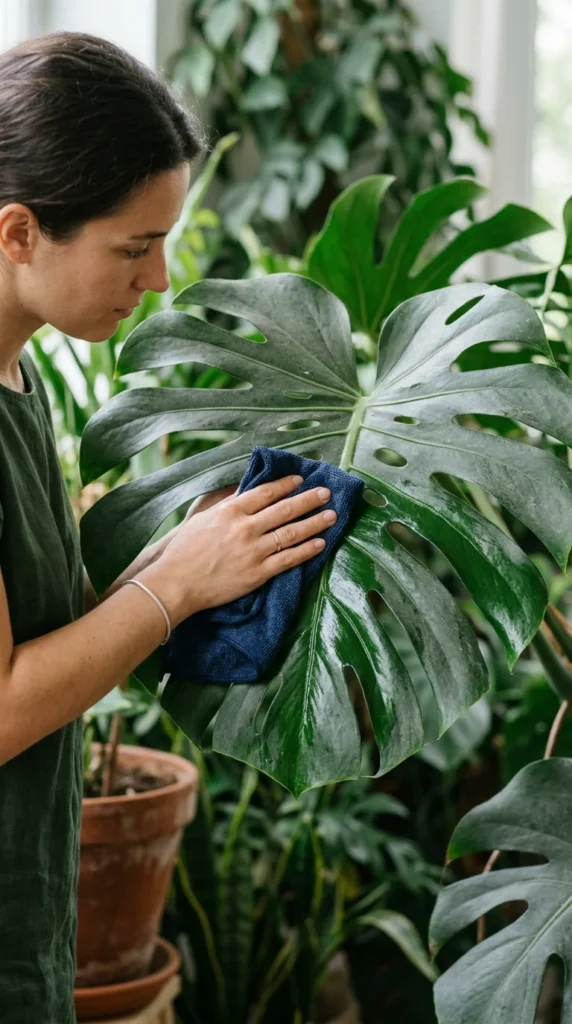
Dust acts as a barrier between the sun and the plant’s leaves, significantly reducing its ability to photosynthesize. Large-leaved plants, like Fiddle Leaf Figs and Rubber Trees, are particularly prone to dust buildup. Once a month, wipe the leaves with a damp cloth or give them a gentle “shower” in the sink or bathtub. Clean leaves not only look better but also allow the plant to “breathe” through its stomata more efficiently.
10. Pest Identification
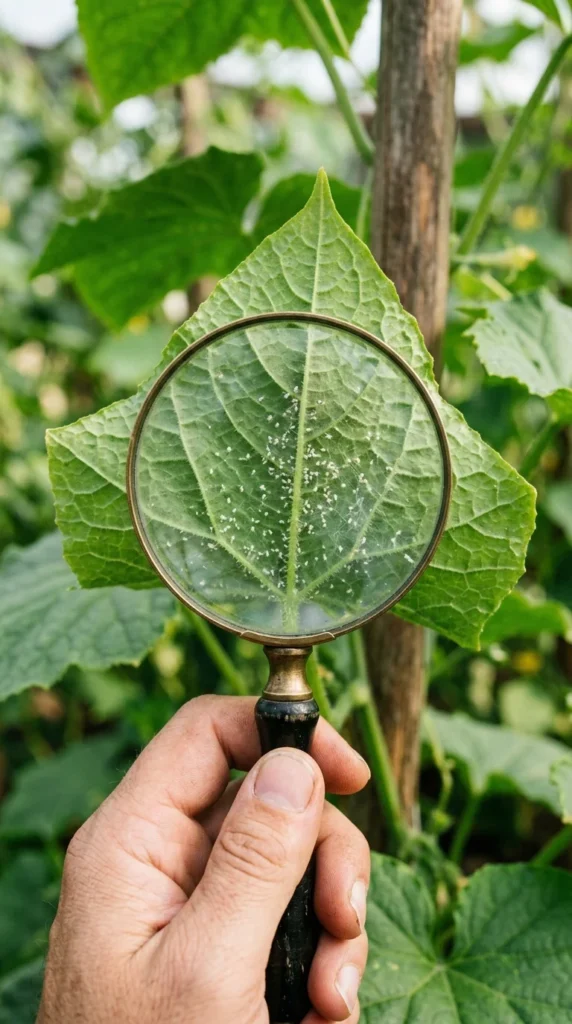
Pests like spider mites, mealybugs, and fungus gnats are a common part of plant ownership. Early detection is vital. Inspect your plants weekly, checking the undersides of leaves and the junctions of stems. If you find pests, isolate the plant immediately to prevent the infestation from spreading. Treatments include neem oil, insecticidal soap, or simply wiping the pests away with a cotton swab dipped in rubbing alcohol.
11. Acclimatization Period
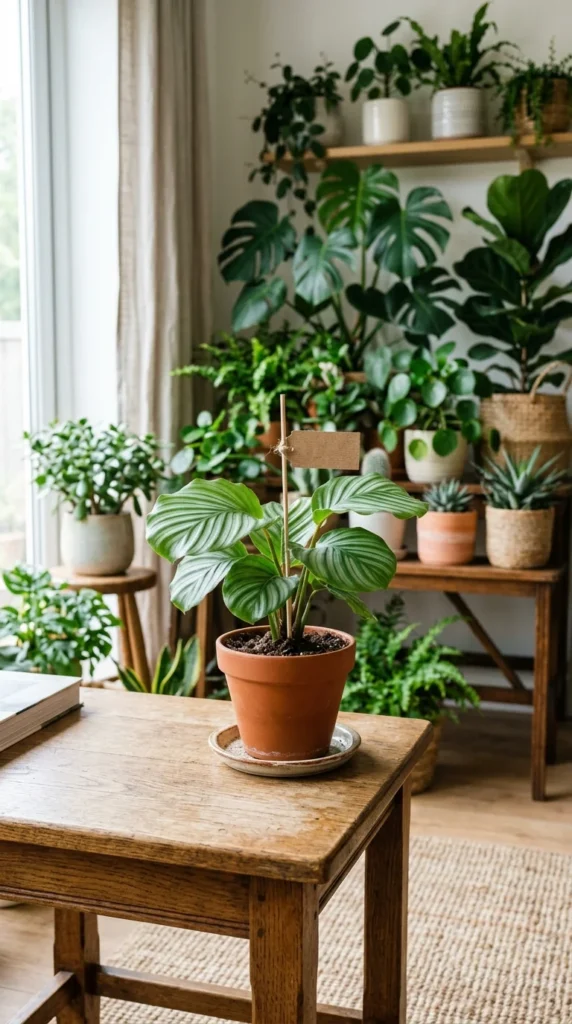
When you bring a new plant home, it experiences “environmental shock” due to the change in light, temperature, and humidity from the greenhouse or shop. Give your new addition 2-4 weeks to acclimate to your home before repotting it or moving it to its permanent location. During this time, keep it isolated from your other plants to ensure it hasn’t brought any “hitchhiking” pests into your collection.
12. Potting Materials
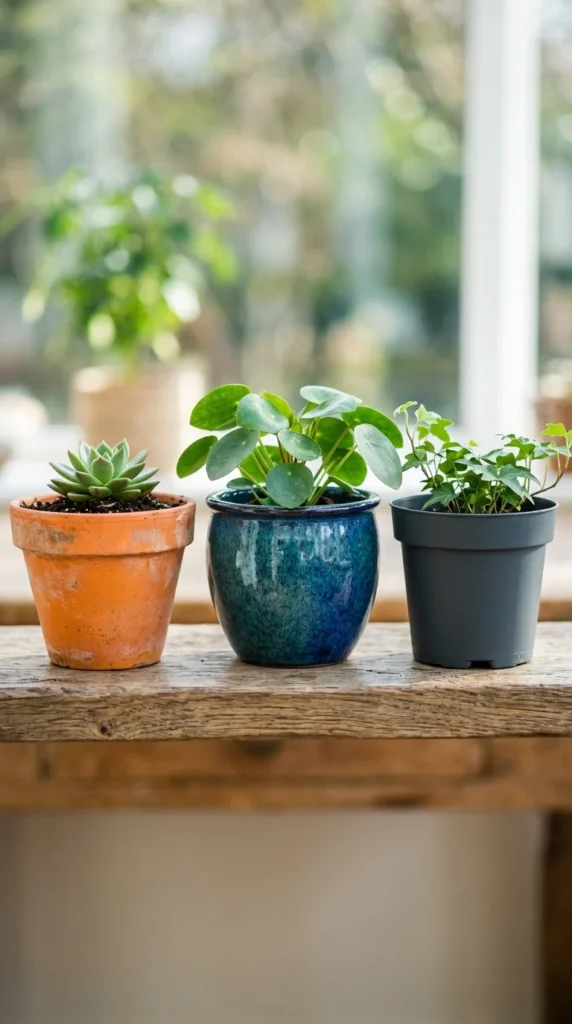
The material of your pot affects how quickly the soil dries out. Terracotta is porous and “breathes,” drawing moisture out of the soil, making it ideal for plants that like to dry out (succulents, cacti). Plastic and glazed ceramic pots retain moisture for much longer, making them better for moisture-loving plants like ferns or lilies. Choose the material based on the specific water requirements of each plant.
13. Grouping Plants
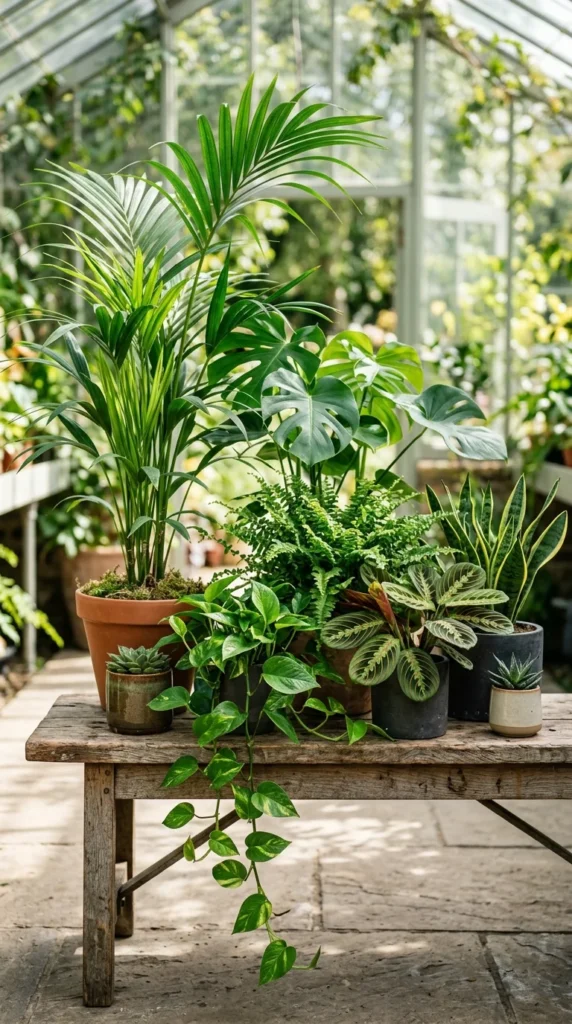
Plants naturally release moisture through their leaves in a process called transpiration. By grouping several plants together, you create a localized zone of higher humidity. This “forest effect” helps tropical plants thrive, especially in drier environments. Additionally, grouping plants with similar care requirements (e.g., all high-light succulents together) makes your maintenance routine much more efficient.
14. Seasonal Adjustments
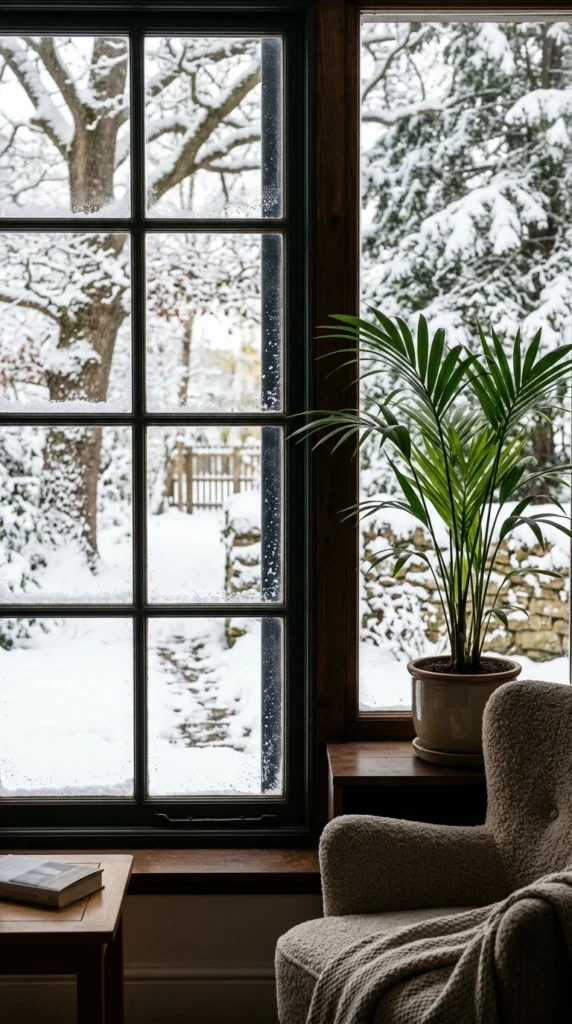
Your care routine must change with the seasons. In winter, most plants go into a dormant or semi-dormant state. They require significantly less water and no fertilizer. Furthermore, be mindful of temperature fluctuations; keep plants away from drafty windows or heating vents, which can cause sudden leaf drop. In summer, increase watering frequency as the heat and longer daylight hours accelerate growth and evaporation.
15. Water Quality
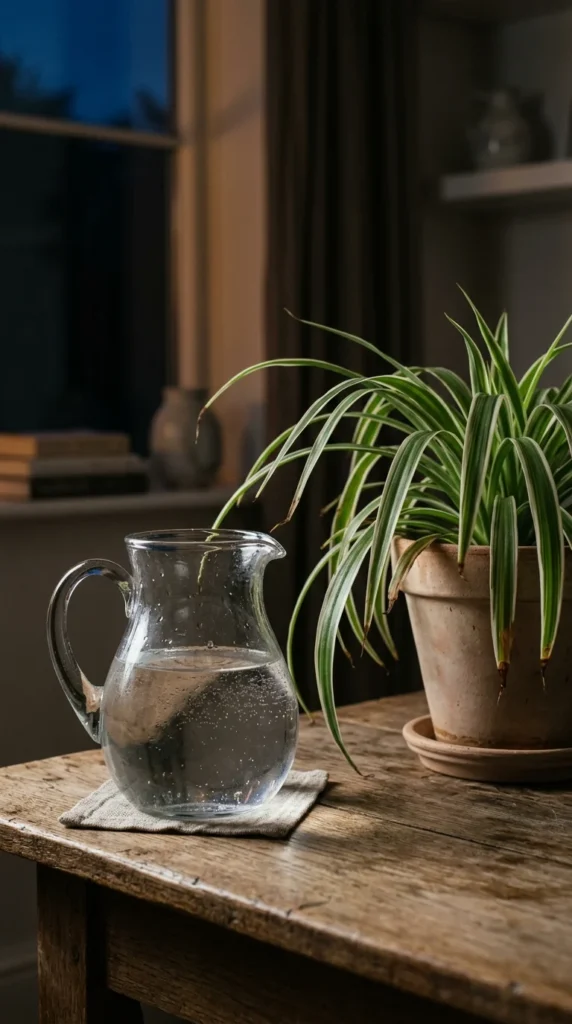
Some plants are sensitive to the chlorine, fluoride, and minerals found in tap water. Plants like Calatheas and Dracaenas may develop brown, crispy leaf tips as a reaction to these chemicals. If you notice this, try using filtered water, rainwater, or let your tap water sit out in an open container for 24 hours before watering to allow some of the chemicals to dissipate.
16. Air Circulation
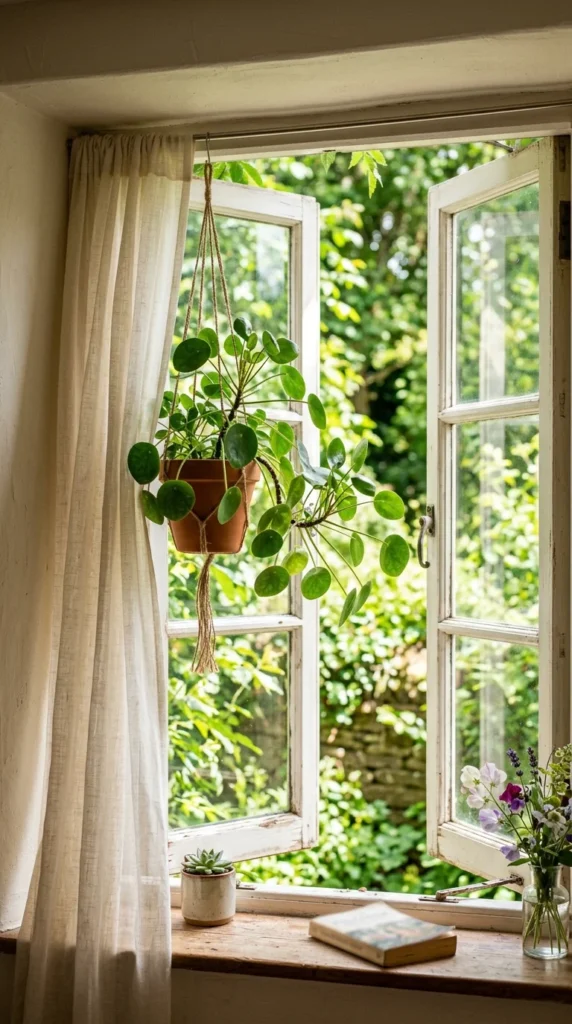
Stagnant air is a breeding ground for fungal diseases and pests like powdery mildew. Good air circulation helps strengthen plant stems and keeps the foliage dry, which prevents rot. If your plants are in a corner with very little airflow, consider using a small oscillating fan on a low setting for a few hours a day. Just ensure the fan isn’t blowing directly on the plants, as this can cause them to dry out too quickly.
17. Propagation Basics
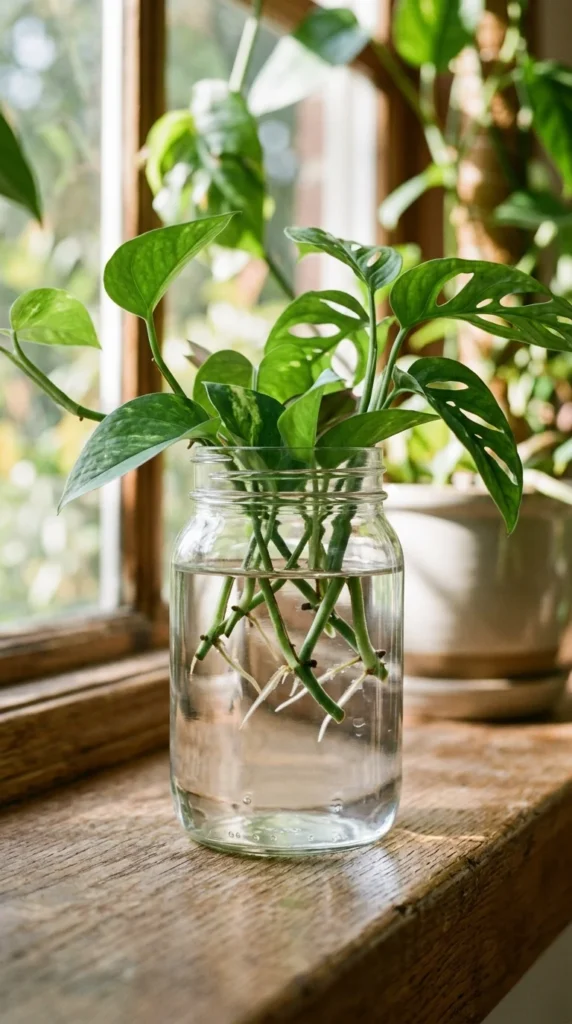
Propagation is the process of creating new plants from your existing ones. Many houseplants, such as Pothos, Philodendrons, and Monsteras, can be easily propagated by taking a stem cutting with a “node” (the bump where a leaf meets the stem) and placing it in water. Within a few weeks, roots will form, and you can transplant the new “baby” into soil. It’s a great way to expand your collection for free or share plants with friends.
18. Support Systems
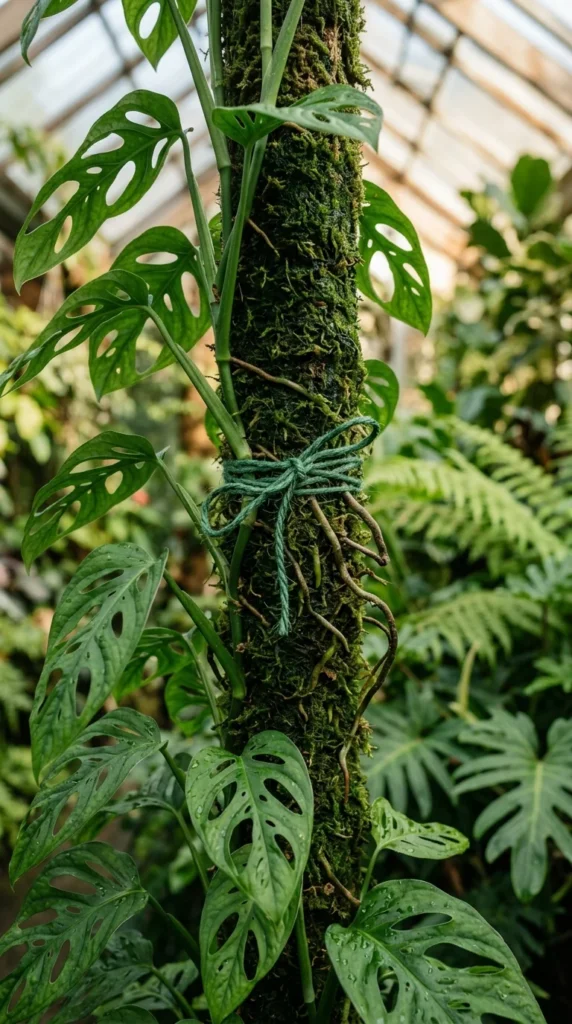
Climbing and vining plants, such as Monstera Deliciosa or various Ivy species, often produce “aerial roots.” In nature, these roots latch onto trees to climb toward the light. Providing a moss pole, trellis, or wooden stake allows these plants to grow vertically, which often results in larger, more mature leaves. As the plant grows, gently secure the stems to the support using soft ties or garden twine.
19. Root Inspection
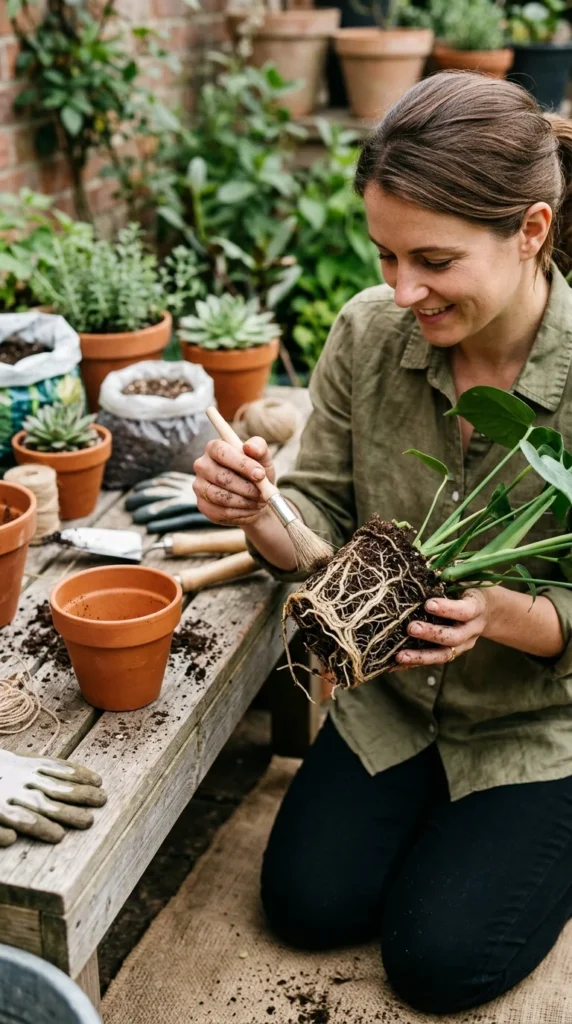
Healthy roots are the foundation of a healthy plant. Occasionally, if a plant looks sickly despite proper light and water, it is worth checking the root system. Healthy roots are typically white or tan and firm to the touch. If you see roots that are black, slimy, or smell foul, the plant has root rot. In this case, you must trim away the rotten parts, treat the remaining roots with a diluted hydrogen peroxide solution, and repot in fresh, dry soil.
20. Observation and Patience
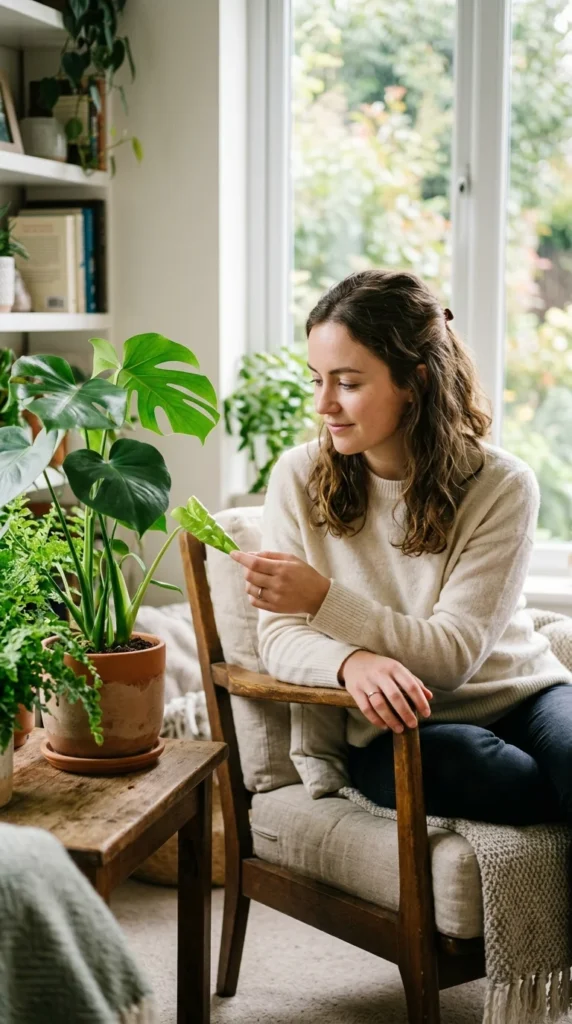
The most important tip for any plant parent is to be observant. Plants often “talk” to us through their appearance—wilting can mean too little or too much water, yellowing can mean nutrient deficiency, and leaning can mean a need for more light. Spend a few minutes each day just looking at your plants. Gardening is a slow hobby; don’t be discouraged if a plant loses a leaf or doesn’t grow overnight. With patience and consistent care, your indoor garden will eventually flourish into a beautiful sanctuary.