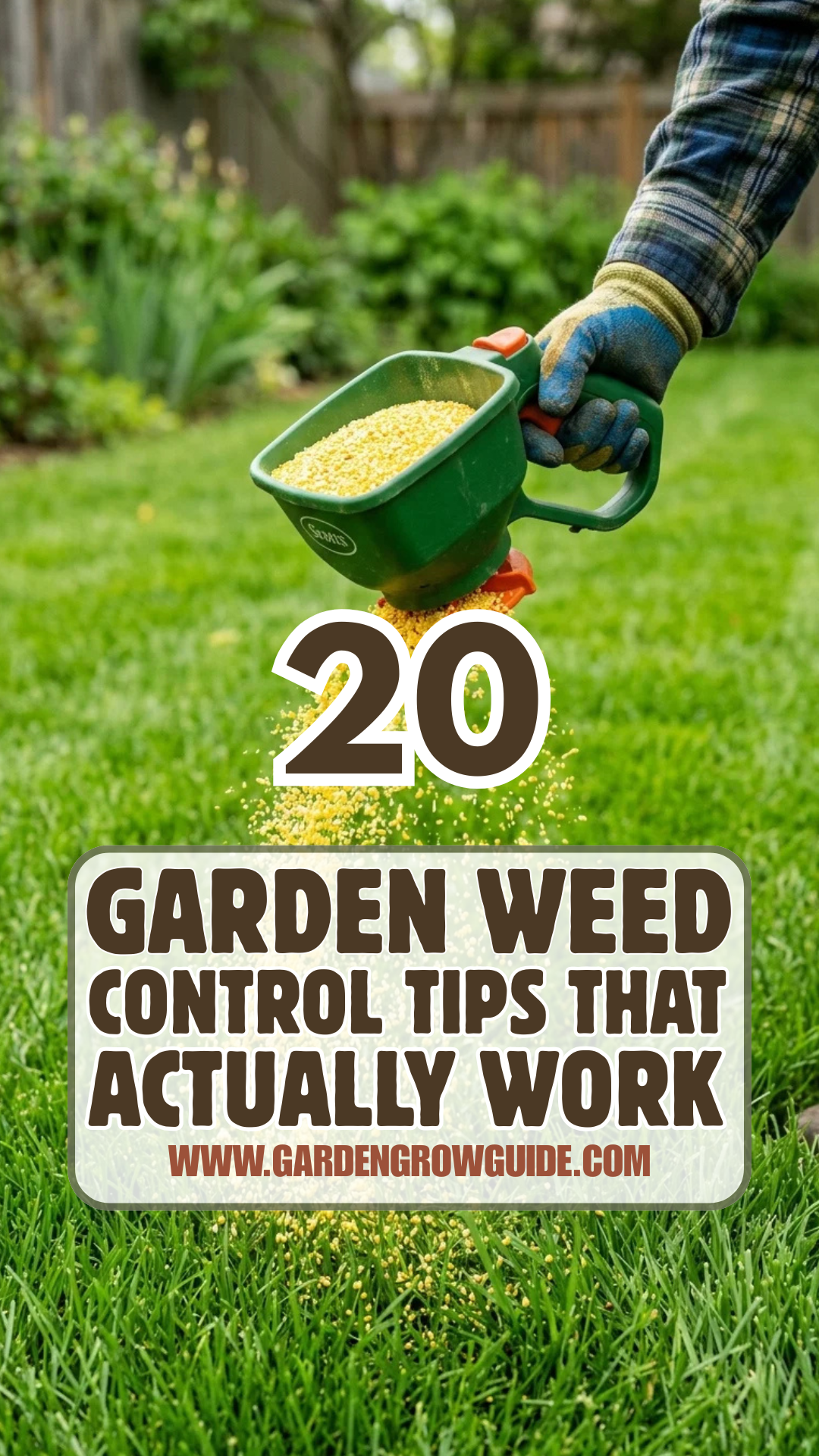
Maintaining a pristine garden is a labor of love, but nothing disrupts the tranquility of a backyard oasis faster than an invasion of weeds. These opportunistic plants compete with your flowers and vegetables for sunlight, water, and essential soil nutrients. While complete eradication is nearly impossible, managing them effectively is well within reach for any gardener. By employing a combination of preventative measures and targeted elimination strategies, you can significantly reduce the time spent weeding and increase the health of your desired plants.
1. Mulching
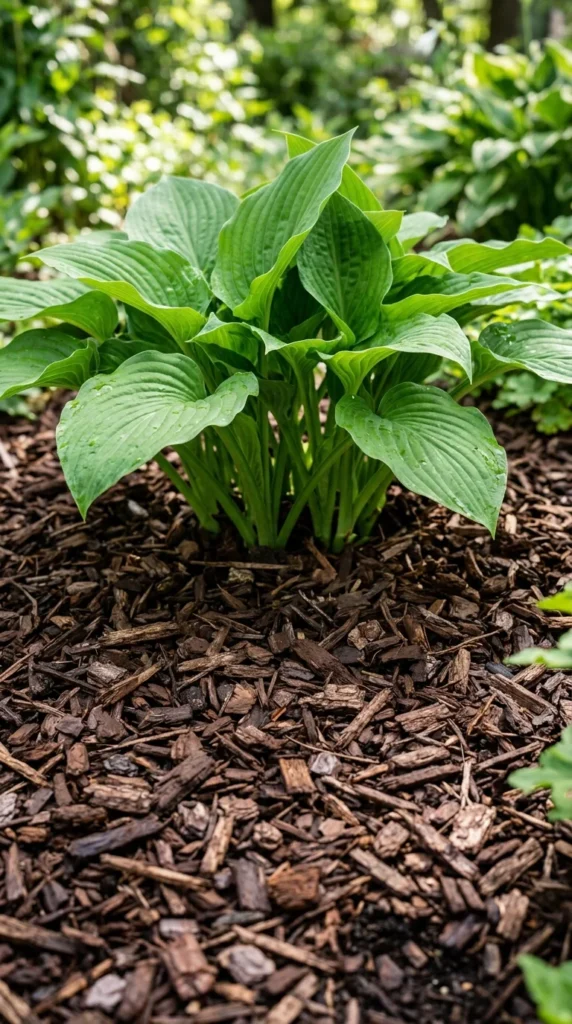
Mulching is widely considered the gold standard of weed prevention. By covering the soil surface with a thick layer of organic material—such as wood chips, straw, shredded leaves, or bark—you create a physical barrier that prevents sunlight from reaching weed seeds. Without light, most weed seeds cannot germinate. Furthermore, mulch helps retain soil moisture and adds organic matter to the earth as it decomposes. To be effective, ensure your mulch layer is at least two to three inches deep. Be careful not to pile it directly against the stems of your plants, as this can encourage rot.
2. Hand Pulling
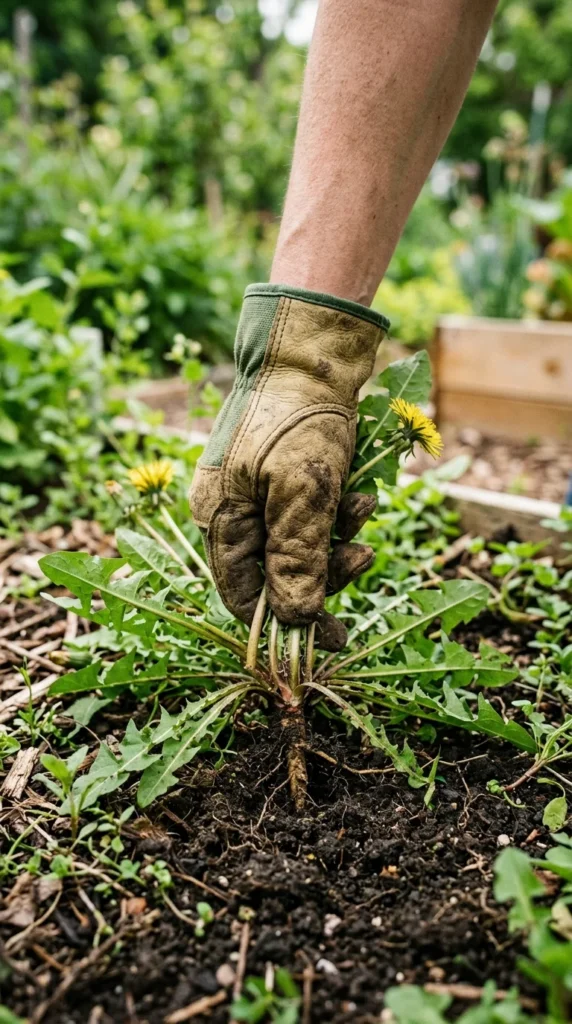
Despite all the technological advancements in gardening, hand pulling remains one of the most effective ways to manage sporadic weed growth. The secret to successful hand pulling is timing and technique. It is easiest to remove weeds when the soil is moist, such as after a heavy rain or a deep watering session. Grasp the weed as close to the soil line as possible—or even slightly below it—and pull straight up with a steady motion to ensure you extract the entire root system. Leaving even a small piece of a perennial weed’s root can lead to regrowth.
3. No-Till Gardening
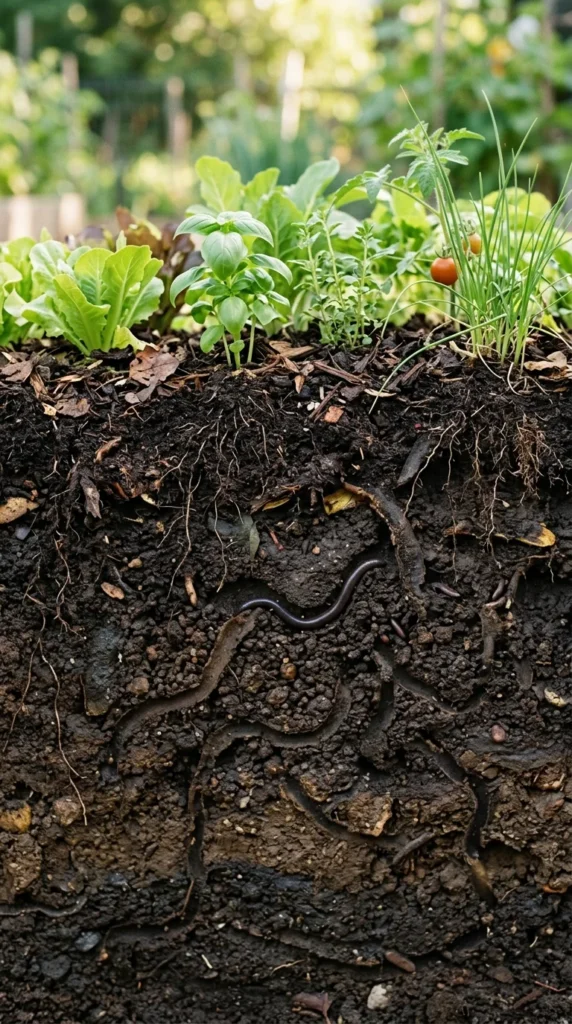
Traditional gardening often involves tilling the soil every spring to prepare the beds. However, every time you turn over the soil, you bring dormant weed seeds to the surface where they are exposed to the light they need to germinate. No-till gardening, or “no-dig” gardening, focuses on building the soil from the top down. By layering compost and mulch on top of the existing soil and avoiding deep disturbance, you keep the vast majority of weed seeds buried deep underground where they eventually lose viability.
4. Landscape Fabric
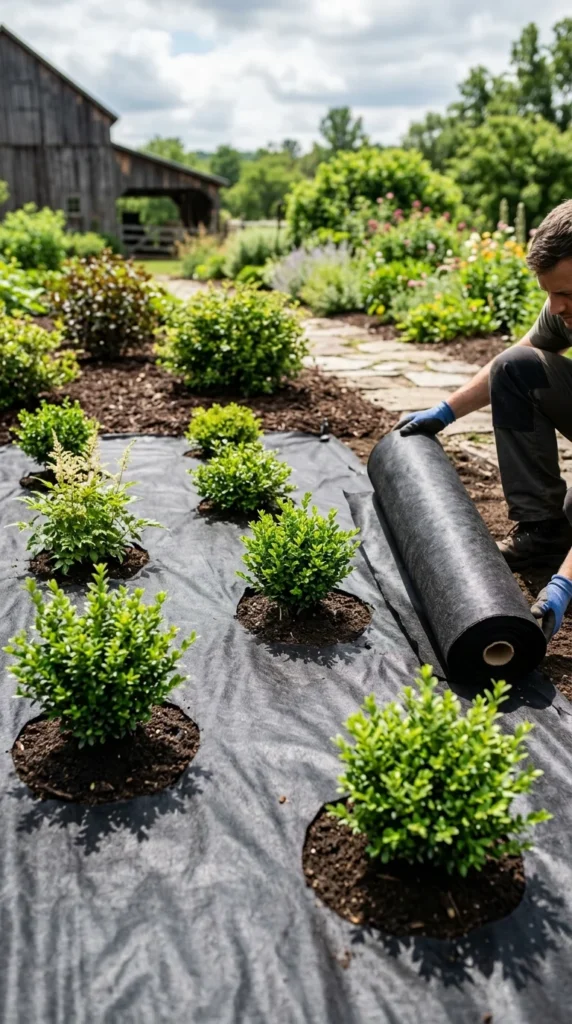
Landscape fabric serves as a semi-permanent barrier between the soil and the environment. It is particularly useful under gravel paths or in perennial beds where you don’t plan on moving plants frequently. The fabric is permeable, allowing water and air to reach the soil, but it is dense enough to block sunlight and prevent weeds from pushing through. For the best results and aesthetic appeal, cover the landscape fabric with a layer of decorative mulch or stone to protect it from UV degradation.
5. Corn Gluten Meal
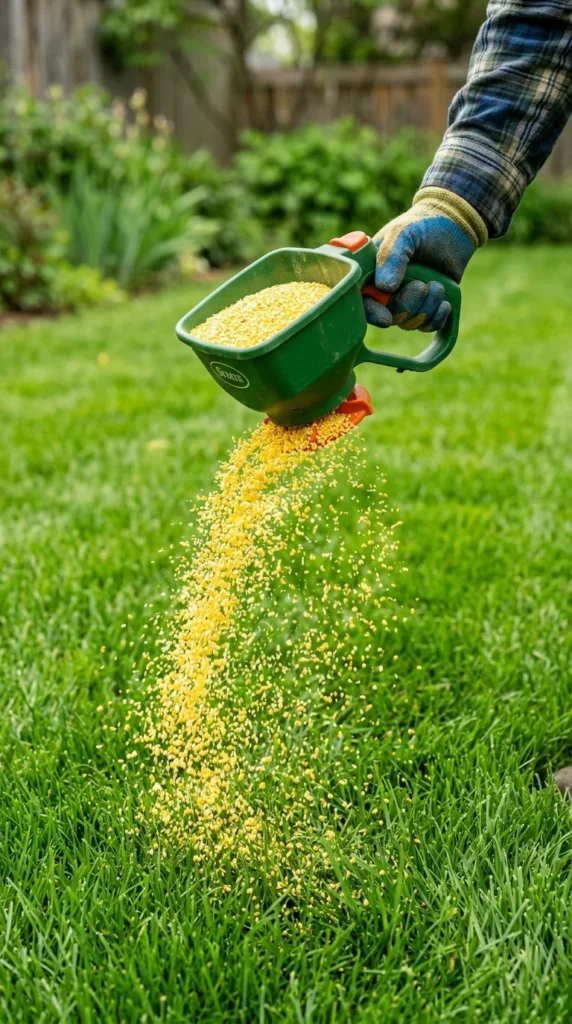
Corn gluten meal is a natural byproduct of the corn milling process and acts as an effective organic pre-emergent herbicide. It contains proteins that inhibit the development of roots in germinating seeds. When applied at the right time in early spring, it can prevent a wide variety of annual weeds, like crabgrass, from establishing themselves. It is important to note that corn gluten meal does not distinguish between weed seeds and flower seeds, so avoid using it in areas where you are planning to sow seeds directly into the ground.
6. Boiling Water
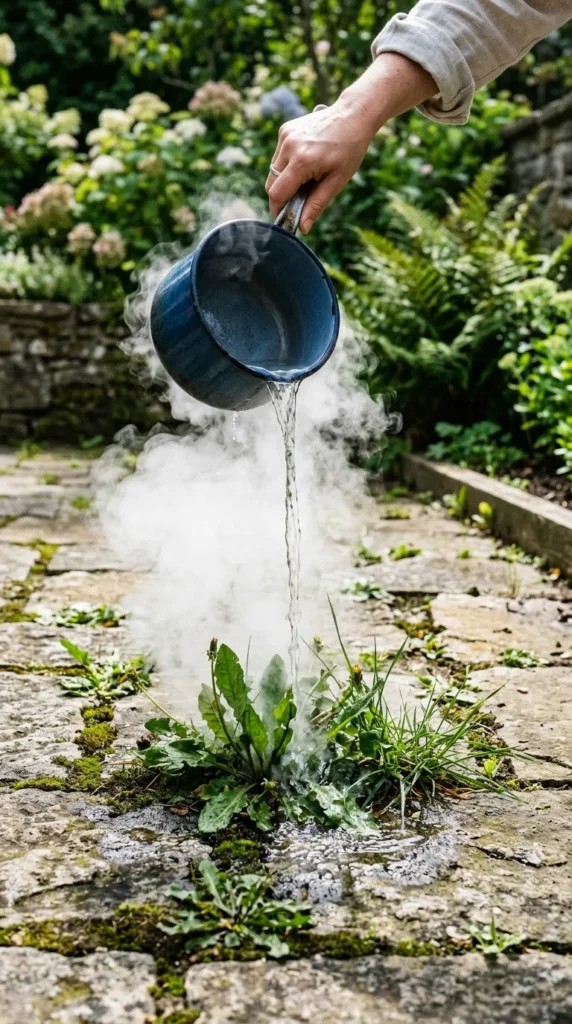
For weeds growing in hard-to-reach places like the cracks of a driveway, sidewalk, or stone patio, boiling water is a remarkably effective and chemical-free solution. The intense heat literally cooks the plant tissue, causing the weed to collapse and die within days. This method is particularly useful for young weeds. However, exercise caution, as boiling water will kill any vegetation it touches, including your prized lawn or nearby perennials.
7. Vinegar Spray
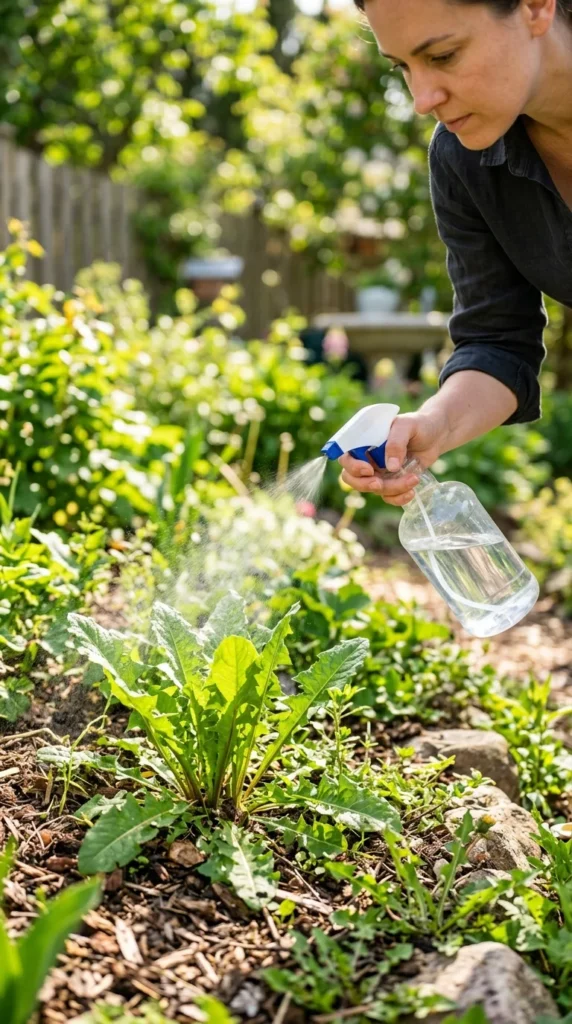
Household vinegar (usually 5% acetic acid) or horticultural vinegar (which is much stronger, often 20% or 30%) can serve as a potent contact herbicide. The acid strips away the waxy coating on the leaves, causing the plant to dehydrate and die. For maximum efficacy, apply vinegar on a hot, sunny day when no rain is forecasted. Be aware that vinegar is non-selective; it will damage or kill any green plant it contacts. It is best used for spot treatments in areas away from your desirable plants.
8. Drip Irrigation
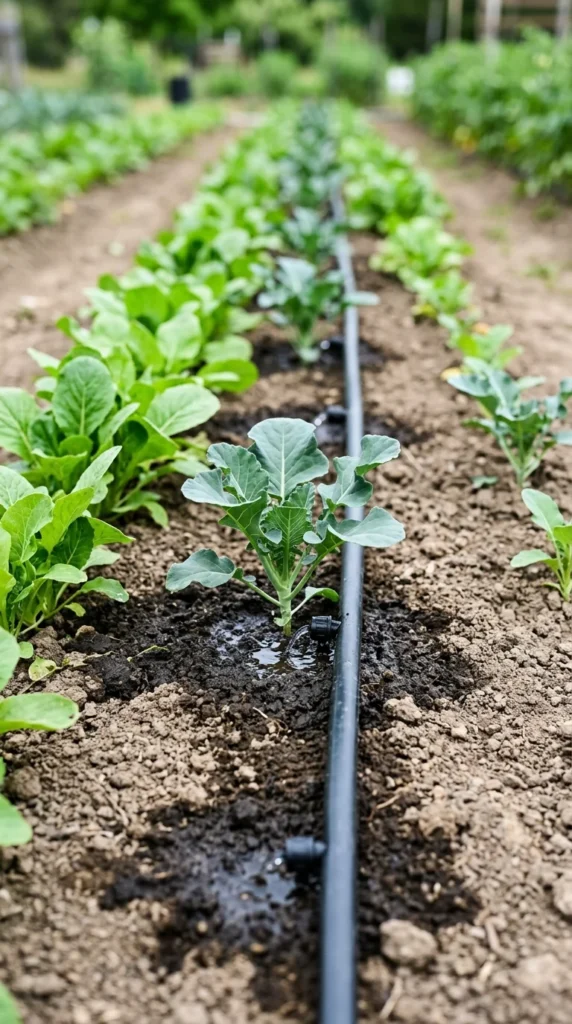
How you water your garden significantly impacts weed growth. Overhead sprinklers cast water indiscriminately, hydrating both your crops and the weed seeds waiting in the soil. Drip irrigation systems and soaker hoses deliver water directly to the base of your plants. By keeping the surrounding soil dry, you deny weeds the moisture they need to survive and thrive. This targeted approach not only controls weeds but also conserves water and reduces the risk of leaf diseases.
9. Dense Planting
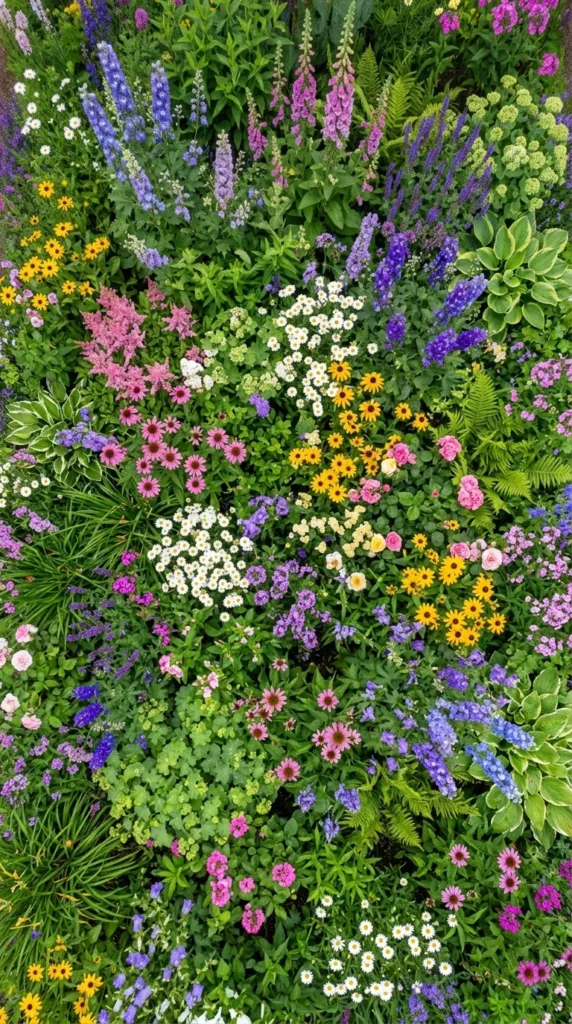
Nature abhors a vacuum. If you leave open spaces in your garden beds, weeds will move in to fill the gap. You can use this to your advantage by practicing “intensive” or dense planting. By spacing your plants so that their leaves touch at maturity, you create a living canopy that shades the ground. This “living mulch” prevents sunlight from reaching the soil surface, effectively choking out most weed competition.
10. Ground Covers
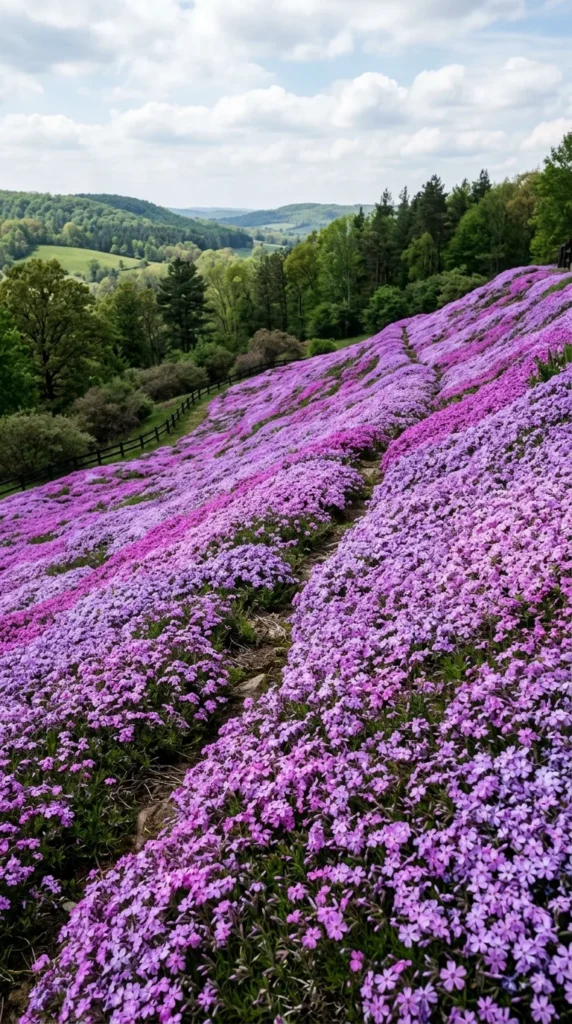
If you have large areas of bare earth that you don’t want to mulch constantly, consider planting aggressive (but non-invasive) ground covers. Plants like creeping thyme, sedum, or clover spread quickly to form a dense mat. These plants serve a dual purpose: they are aesthetically pleasing and they act as a biological barrier against weeds. Once established, ground covers require very little maintenance and provide a permanent solution to weed problems in difficult areas.
11. Edging
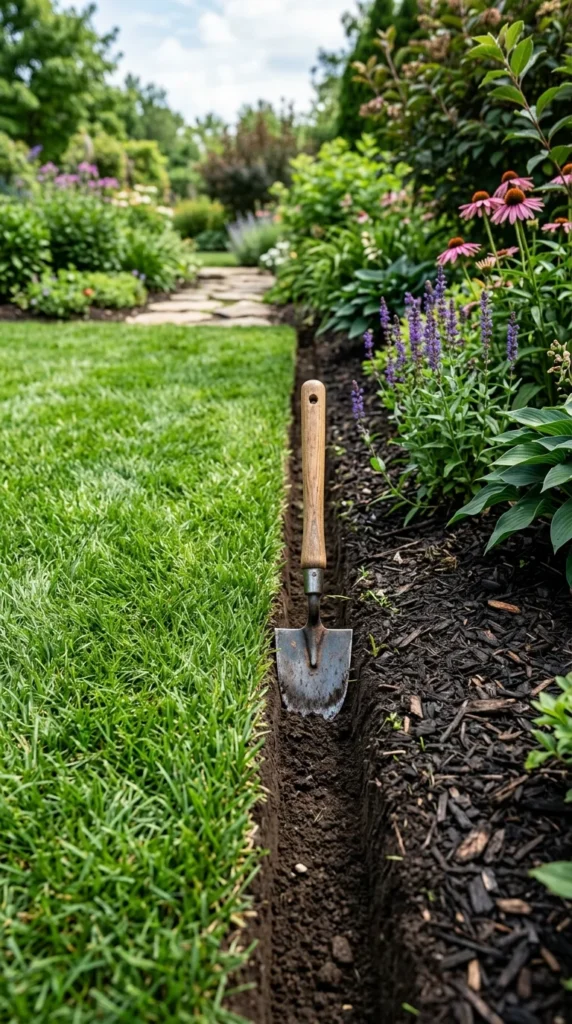
Many weeds, particularly aggressive grasses, enter garden beds by creeping in from the lawn via underground runners. Installing a physical border, or edging, can stop this invasion. You can create a “natural edge” by digging a shallow V-shaped trench between the lawn and the bed, or you can install permanent edging made of plastic, metal, stone, or wood. A good edge should extend several inches into the ground to intercept roots and rise high enough to deter surface runners.
12. Cover Crops
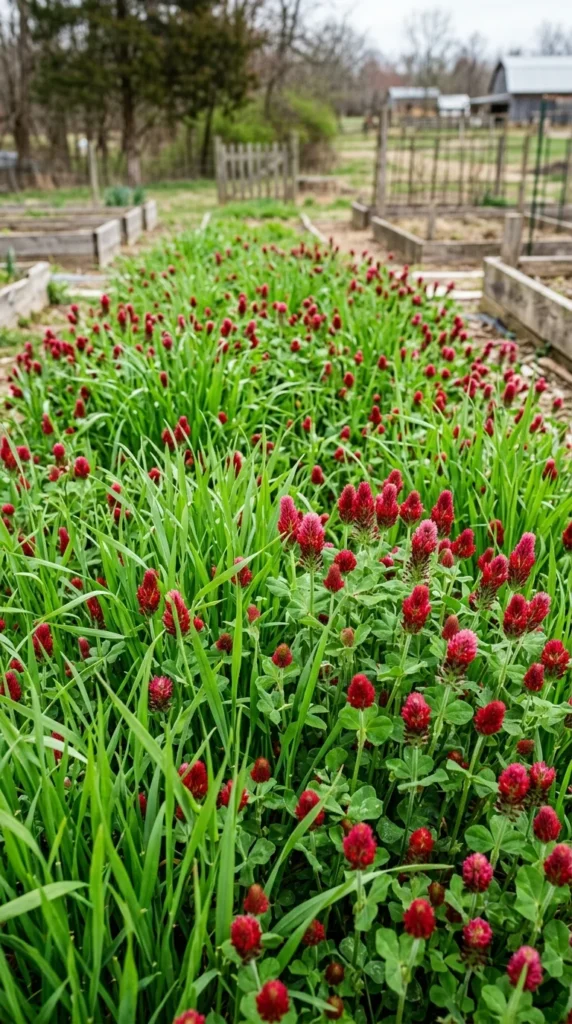
Cover crops, often called “green manure,” are plants grown specifically to protect and enrich the soil when the main garden is not in use. During the winter or between crop rotations, planting species like buckwheat, clover, or winter rye ensures that weeds don’t have a chance to take over the empty space. Cover crops also improve soil structure, fix nitrogen, and prevent erosion. When it’s time to plant your vegetables, simply mow or till the cover crop back into the soil.
13. Solarization
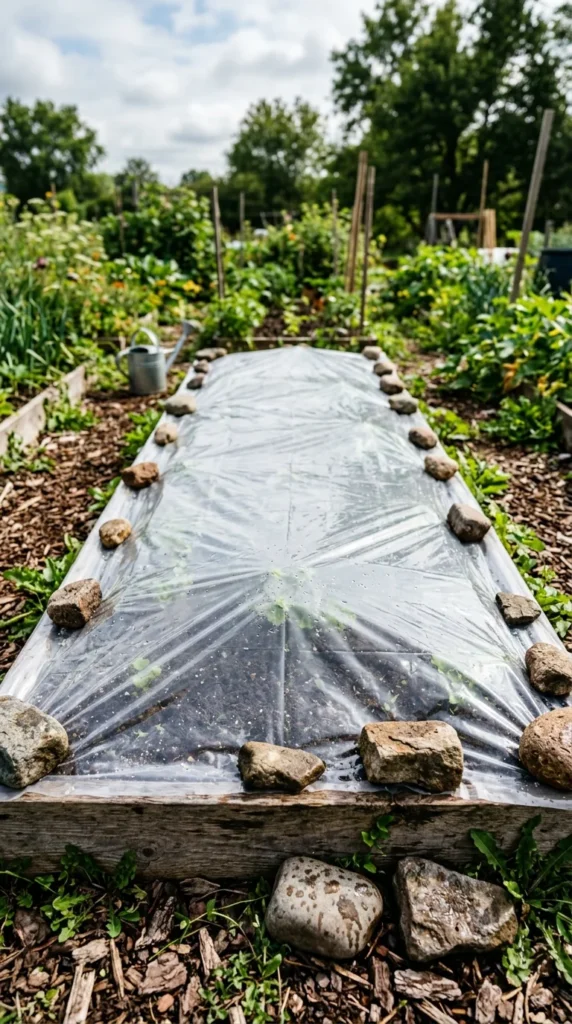
Solarization is a method of using the sun’s heat to “pasteurize” the soil and kill weed seeds, pathogens, and pests. This is done by clearing a patch of ground, watering it thoroughly, and covering it tightly with a clear plastic sheet for four to six weeks during the hottest part of the summer. The greenhouse effect traps heat, raising the soil temperature to levels that most weed seeds cannot survive. This is an excellent way to prepare a brand-new garden bed that is currently overrun with weeds.
14. Flame Weeding
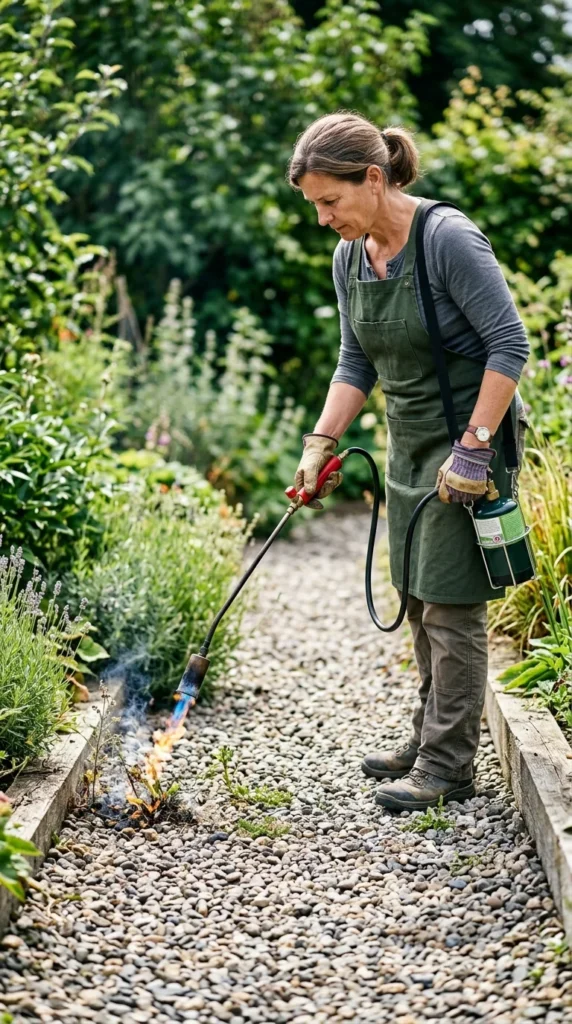
Flame weeding involves using a specialized propane torch to apply intense heat to weeds. Contrary to popular belief, you don’t need to incinerate the weed. Just a split second of exposure to the flame causes the water inside the plant cells to expand and burst the cell walls. The weed will wilt and die shortly after. This method is highly effective for weeds in gravel, between pavers, or in large vegetable rows before the crops have emerged. Always keep a hose or fire extinguisher nearby and avoid using this method in dry, flammable conditions.
15. Newspaper and Cardboard
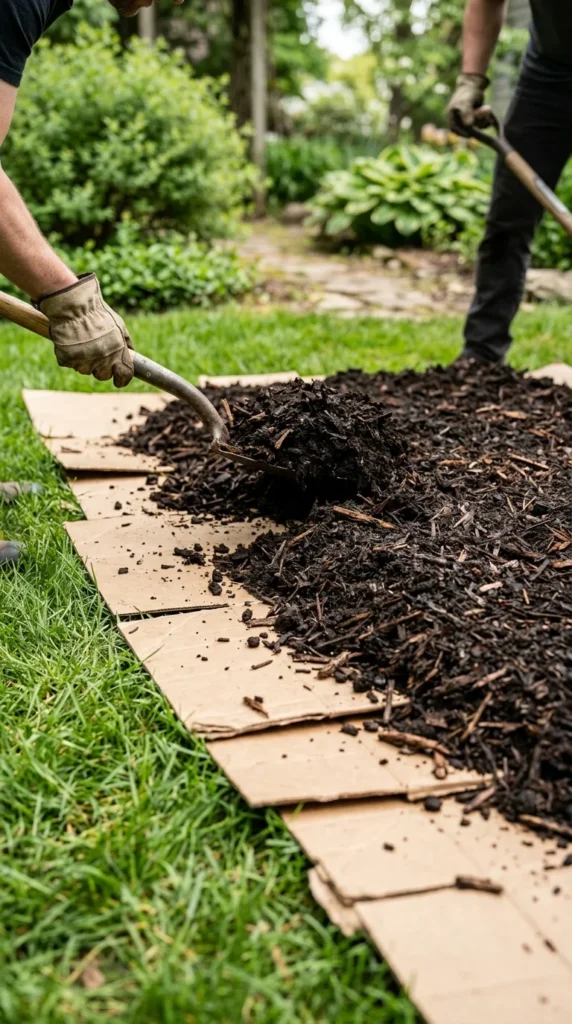
This method, often called “sheet mulching,” is a powerful way to kill existing weeds and grass without digging. Simply lay down several layers of non-glossy newspaper or sheets of plain brown cardboard over the area you want to clear. Wet the material down thoroughly to help it stay in place and begin decomposing, then cover it with several inches of mulch or compost. The cardboard blocks all light, killing the weeds underneath, while eventually breaking down into rich organic matter.
16. Deadheading
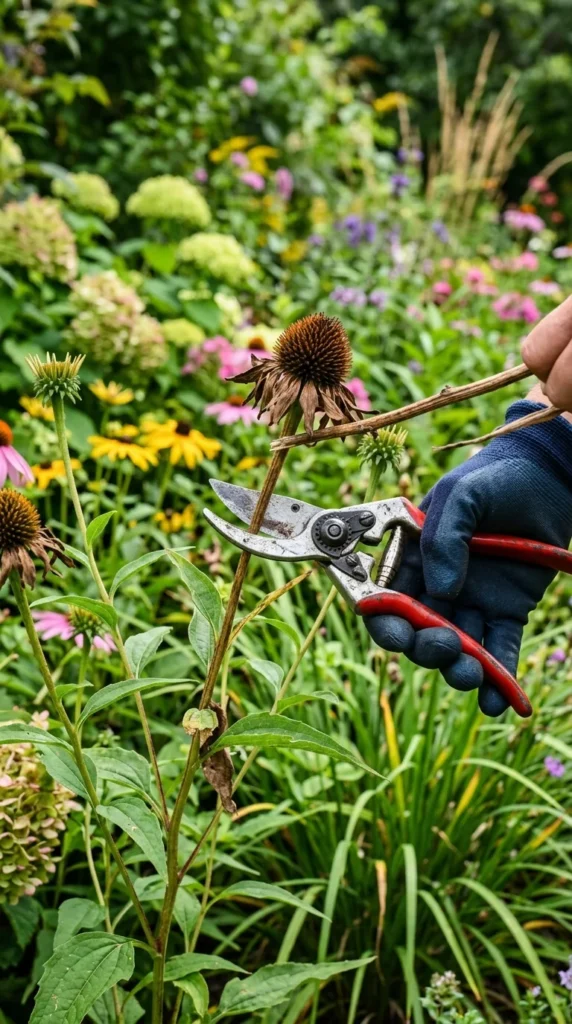
Many weeds are prolific seed producers. A single dandelion or pigweed plant can release thousands of seeds into your garden if allowed to reach maturity. Deadheading—the practice of cutting off spent flower heads—is a crucial preventive measure. By removing the flowers before they go to seed, you break the reproductive cycle of the weed. Even if you don’t have time to pull the entire plant, simply lopping off the flower heads can save you hours of work in the following season.
17. Quality Soil
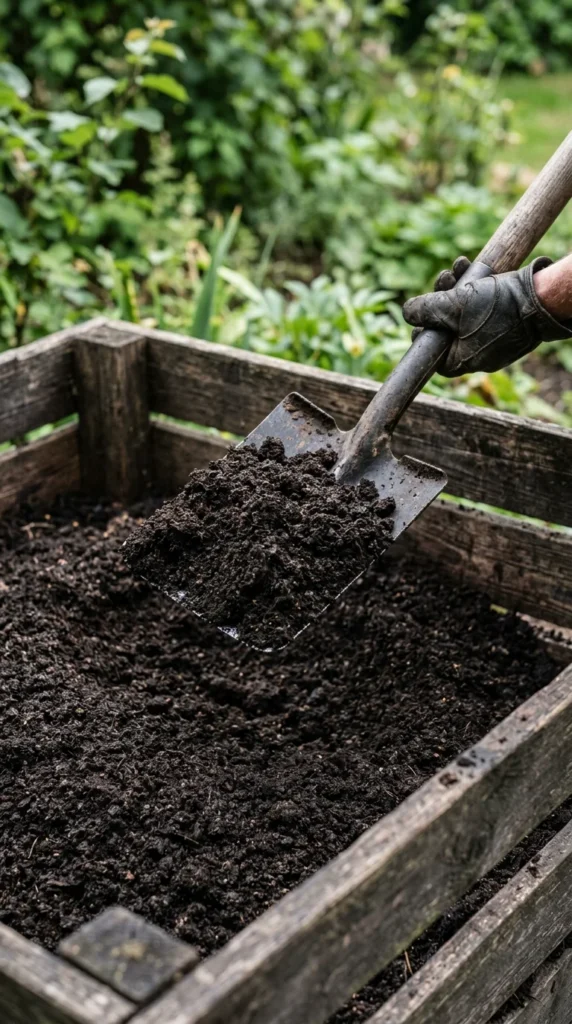
Sometimes, gardeners inadvertently introduce weeds into their own beds by using low-quality soil or improperly managed compost. Home compost piles must reach high enough temperatures (around 140-160°F) to kill weed seeds. If your pile stays cool, the seeds of the weeds you pulled and threw into the bin will survive and be redistributed when you spread the compost. Always source your topsoil and compost from reputable suppliers or ensure your home composting process is “hot” enough to be effective.
18. Weed Hooks
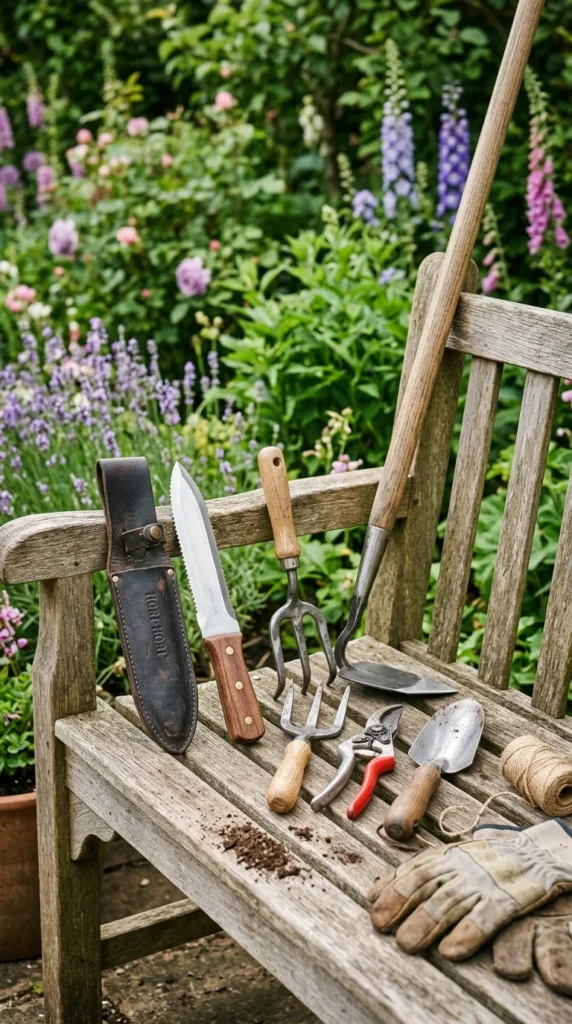
Having the right tool for the job makes weed control significantly more manageable. For large areas with small, newly sprouted weeds, a “scuffle” or “hula” hoe allows you to cut the weeds just below the soil surface with a simple back-and-forth motion. For deep-rooted perennials like dandelions or thistles, a “fishtail” weeder or a Hori-Hori knife allows you to reach deep into the soil to pry out the entire taproot without disturbing the surrounding soil too much.
19. Timing

The best time to weed is when the weeds are small. This is often referred to as the “white thread” stage, where the weed has just germinated and its root looks like a tiny white string. At this stage, a light hoeing or even just disturbing the soil surface with a rake will kill them instantly. If you wait until the weed has established a complex root system and large leaves, the job becomes significantly more difficult. Make a habit of doing a “five-minute weed check” every time you walk through your garden.
20. Salt Treatment
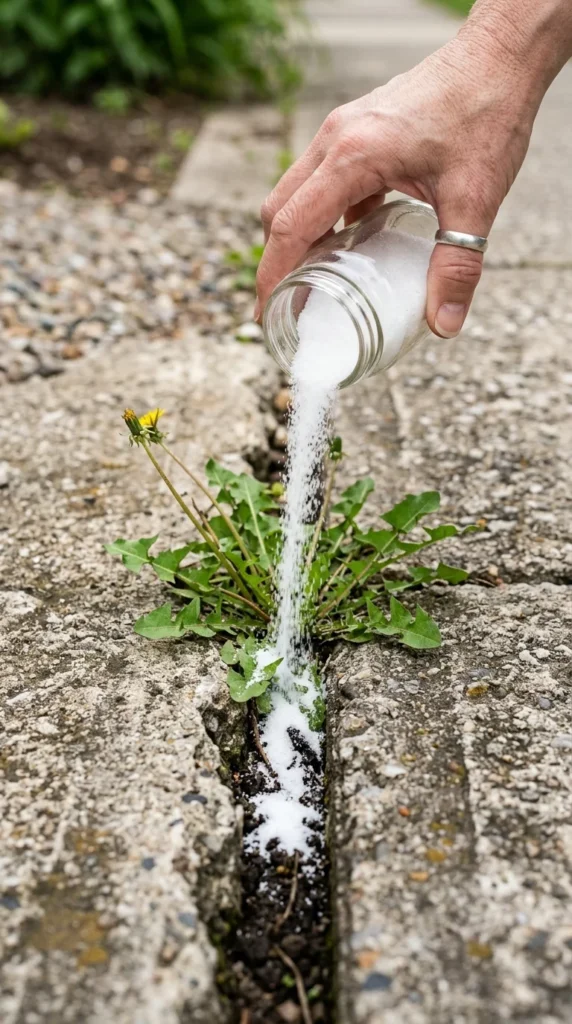
Salt is a permanent solution and should be used with extreme caution. It kills all vegetation and can render the soil sterile for a long time, as it leaches deep into the earth. However, for areas where you never want anything to grow—such as the deep cracks in a permanent brick patio or a gravel parking area—a small amount of salt can be highly effective. Use it sparingly and only in locations where there is no risk of runoff into your garden beds or lawn.