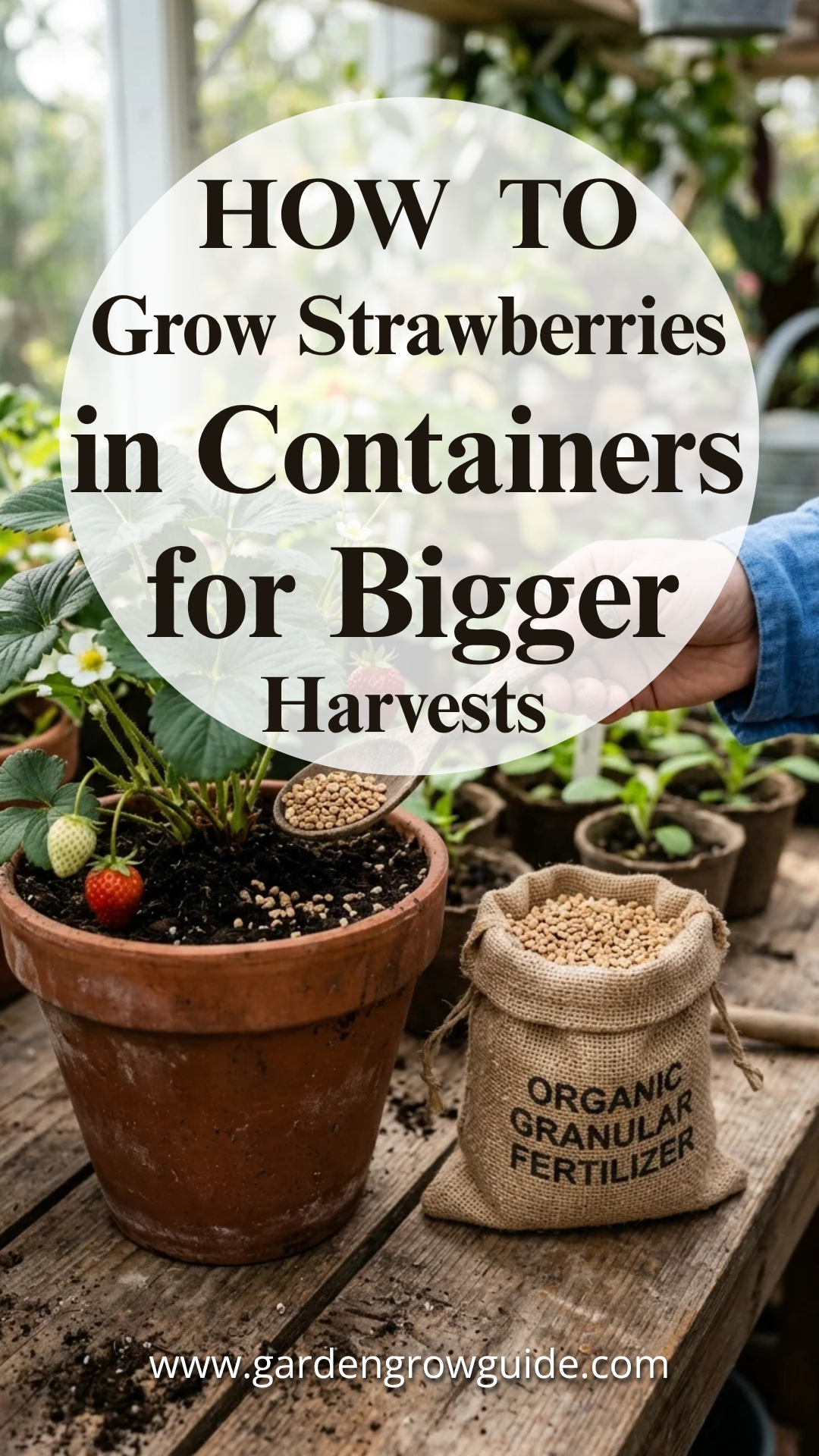
Growing strawberries in containers is one of the most rewarding projects for home gardeners, regardless of the size of their outdoor space. Whether you have a sprawling backyard or a compact apartment balcony, containers offer a controlled environment that can actually lead to healthier plants and a more bountiful harvest than traditional ground planting. By elevating the plants, you reduce the risk of soil-borne diseases, keep the fruit away from ground-dwelling pests like slugs, and gain the ability to move your “garden” to follow the sun. To achieve the maximum possible yield from a potted strawberry plant, one must pay close attention to variety selection, soil composition, and consistent maintenance.
1. Varieties
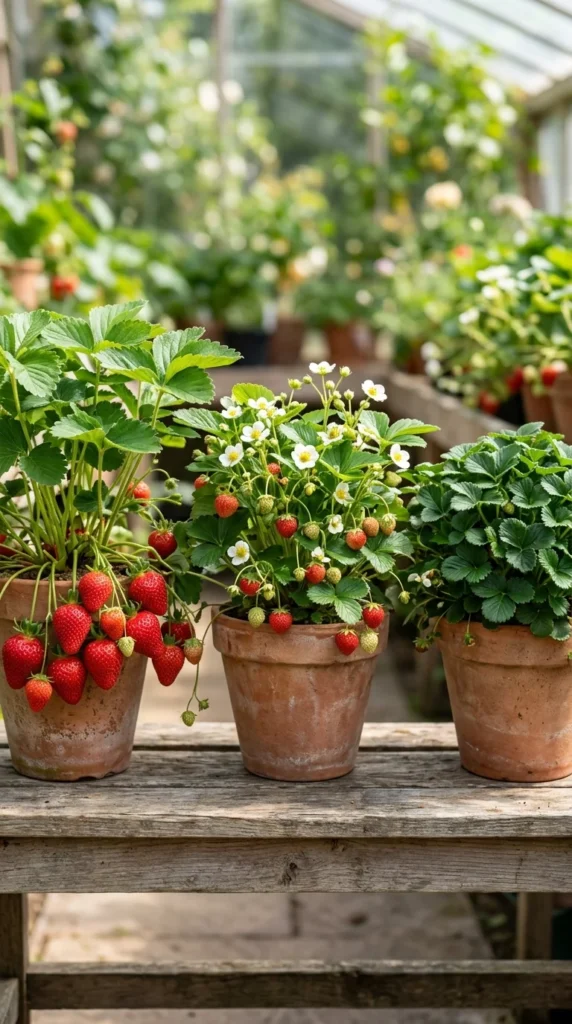
The first step to a massive harvest is choosing the right strawberry variety for container life. Not all strawberries are created equal. June-bearing varieties produce one massive crop over two to three weeks in early summer. While the fruit is often larger, they require significant space for runners. Everbearing varieties produce two to three distinct harvests throughout the season. However, for container gardening, Day-neutral strawberries are often the gold standard. These plants ignore day length and continue to produce fruit consistently from spring until the first frost, provided the temperature stays between 35°F and 85°F. Varieties like ‘Albion’, ‘Seascape’, and ‘Tristar’ are renowned for their performance in pots.
2. Containers
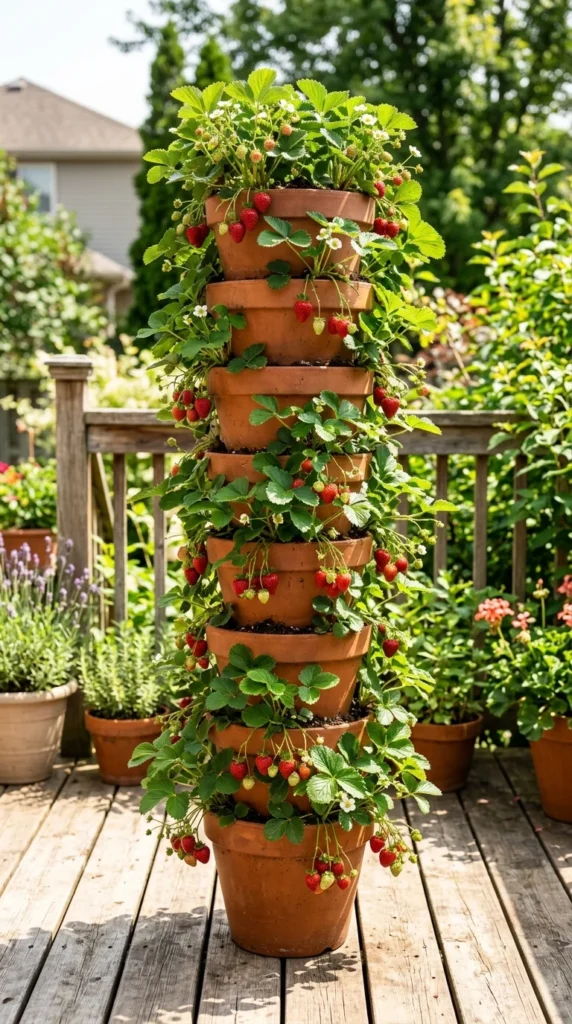
Strawberries have a relatively shallow root system, which makes them ideal candidates for various container types. However, drainage is non-negotiable. Traditional terracotta pots are excellent because they are porous and allow roots to breathe, but they dry out quickly. Plastic or resin pots retain moisture longer, which can be beneficial in hot climates. For those looking to maximize space, strawberry towers or “strawberry jars” with multiple pockets allow you to grow a dozen plants in the footprint of one. Hanging baskets are also a fantastic option, as they allow the fruit to dangle, keeping it clean and away from pests, while utilizing vertical space.
3. Soil
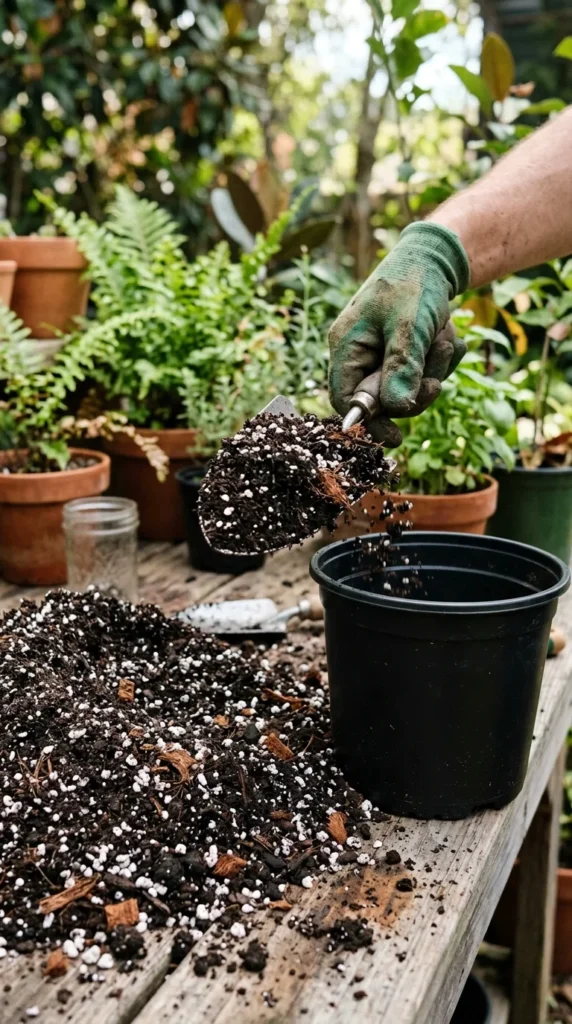
Success in container gardening begins and ends with the soil. Never use standard garden soil in a pot; it is too heavy, compacts easily, and may harbor pathogens. Instead, use a high-quality, well-draining potting mix. A perfect blend for strawberries often includes peat moss or coconut coir for moisture retention, perlite or vermiculite for aeration, and a generous amount of organic compost for nutrients. Strawberries prefer a slightly acidic environment, with a pH between 5.5 and 6.5. If your mix is too alkaline, adding a bit of coffee grounds or sulfur can help balance it.
4. Spacing
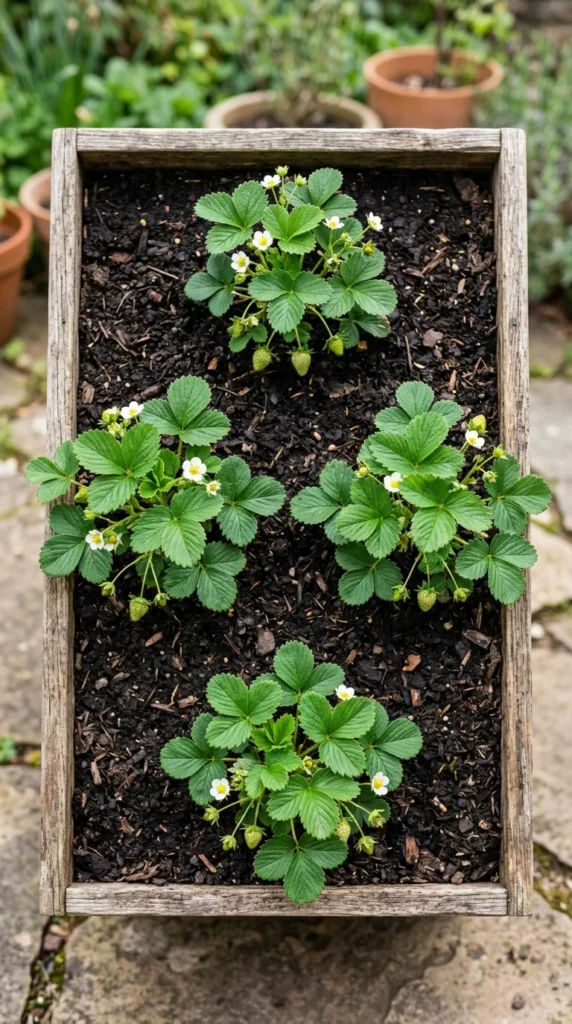
Overcrowding is the enemy of a big harvest. While it is tempting to cram as many plants as possible into a single pot, strawberries need air circulation to prevent powdery mildew and fruit rot. In a standard 12-inch pot, aim for no more than three plants. If using a vertical tower, ensure each pocket holds only one plant. Proper spacing ensures that every leaf has access to sunlight and that the roots aren’t competing for limited nutrients. If your plants start sending out “runners” (long leafless stems), snip them off. In a container, you want the plant to focus its energy on fruit production rather than expanding its territory.
5. Sunlight
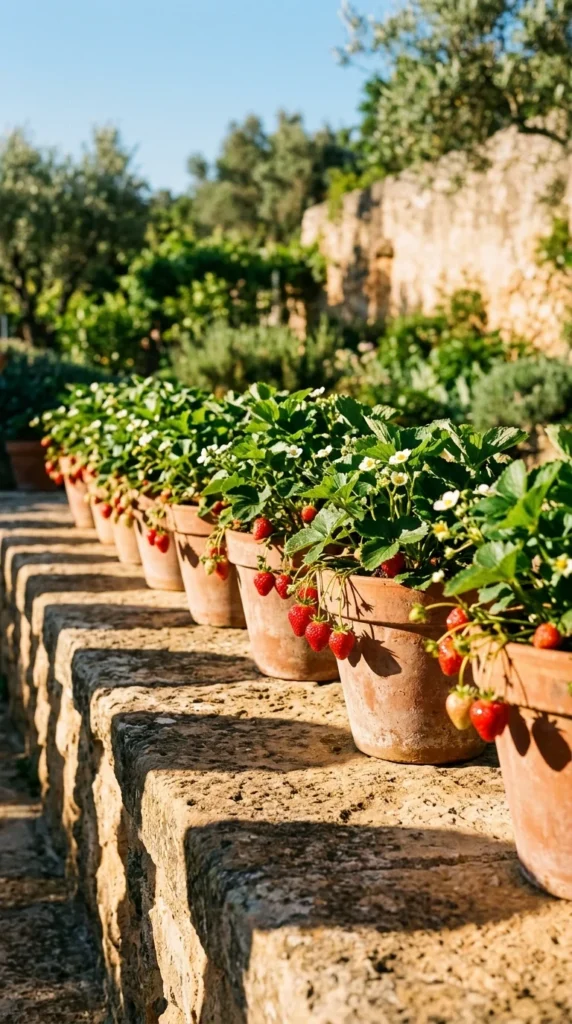
Strawberries are sun-worshippers. To produce the sugars necessary for sweet, red fruit, they require at least 6 to 8 hours of direct sunlight every day. If you are growing on a balcony, observe the light patterns throughout the day. One of the greatest advantages of containers is mobility; if your porch becomes shaded in the afternoon, you can move your pots to a sunnier spot. In exceptionally hot climates, providing some light afternoon shade can prevent the plants from wilting or the fruit from “cooking” on the vine, but generally, the more sun, the better the harvest.
6. Watering
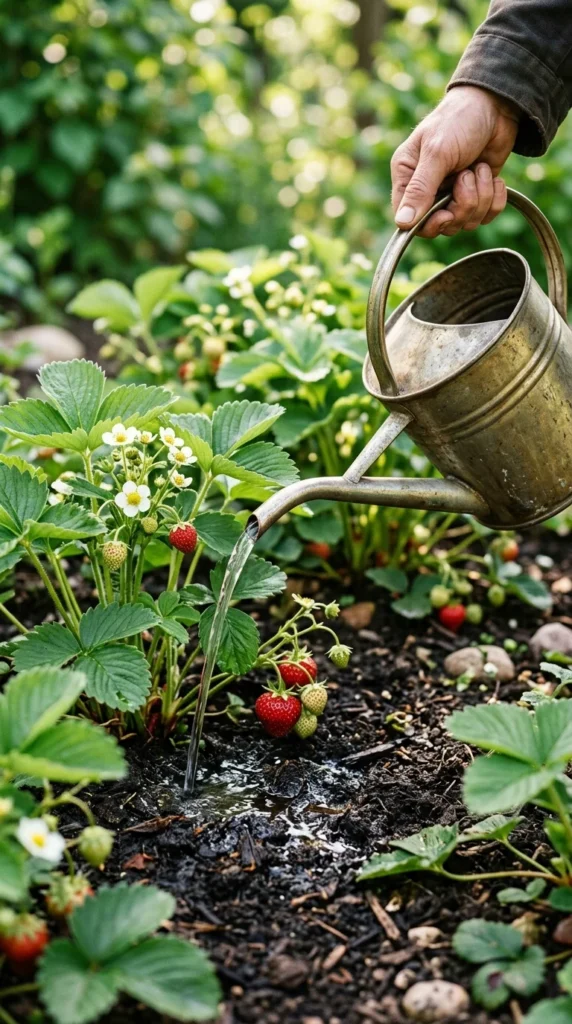
Consistent moisture is the secret to juicy berries. Because containers have limited soil volume, they dry out much faster than the ground. During the heat of summer, you may need to water your strawberry pots every single day. The goal is to keep the soil like a wrung-out sponge—moist but not waterlogged. Always water at the base of the plant rather than over the leaves. Wet foliage is a magnet for fungal diseases. A drip irrigation system or self-watering pots can be a lifesaver for busy gardeners, ensuring the plants never experience the stress of total dehydration, which can stunt fruit growth.
7. Fertilizer
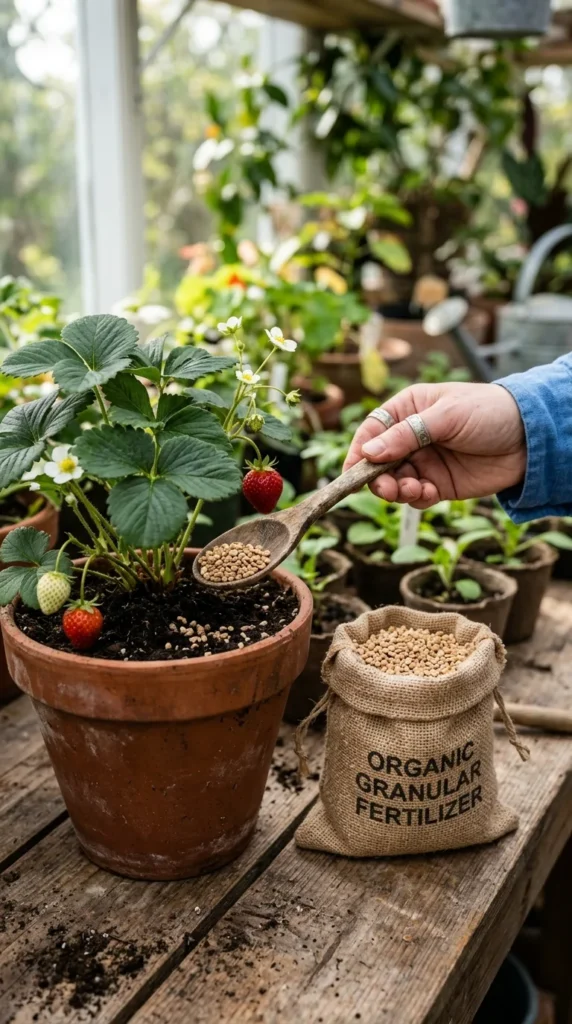
Strawberries are “heavy feeders,” especially when confined to containers where nutrients leach out during watering. Start with a slow-release balanced fertilizer mixed into the soil at planting time. Once the plants begin to flower, switch to a liquid fertilizer high in potassium and phosphorus (such as a tomato or berry-specific formula) every two weeks. Potassium is crucial for fruit development and flavor. Avoid high-nitrogen fertilizers once the plant is established, as this will encourage a lush explosion of green leaves but very few actual strawberries.
8. Pruning
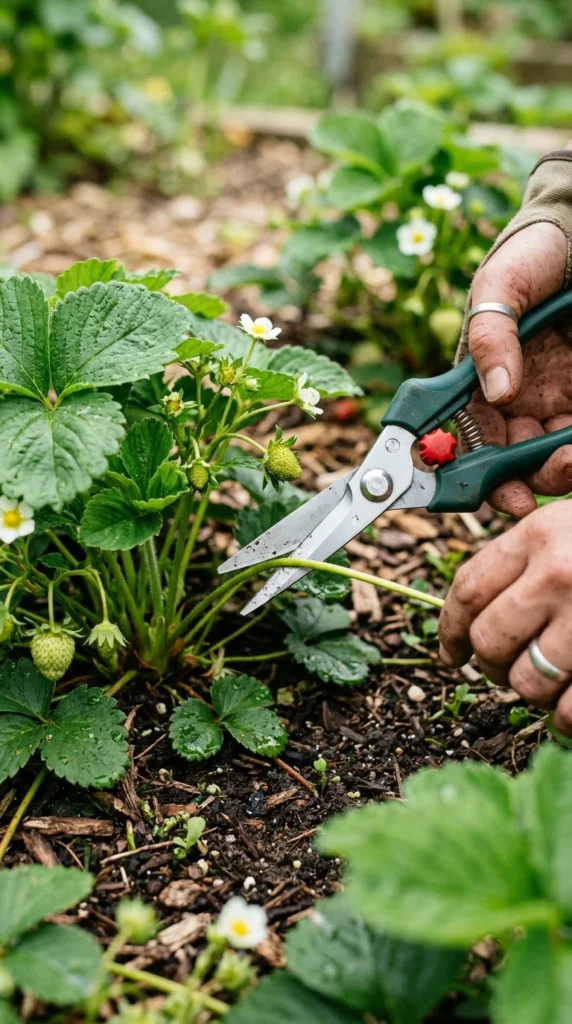
To keep a container strawberry plant productive, you must be a bit ruthless with pruning. For June-bearing varieties, it is often recommended to pinch off the flowers in the first year to allow the root system to become robust, though most container gardeners prefer the immediate gratification of Day-neutral types. For all types, you should regularly remove dead or yellowing leaves to improve airflow. Most importantly, remove runners as soon as they appear. These runners are the plant’s attempt to clone itself, and they drain significant energy away from the developing berries. By cutting them, you force the plant to “invest” those calories back into the fruit.
9. Mulching
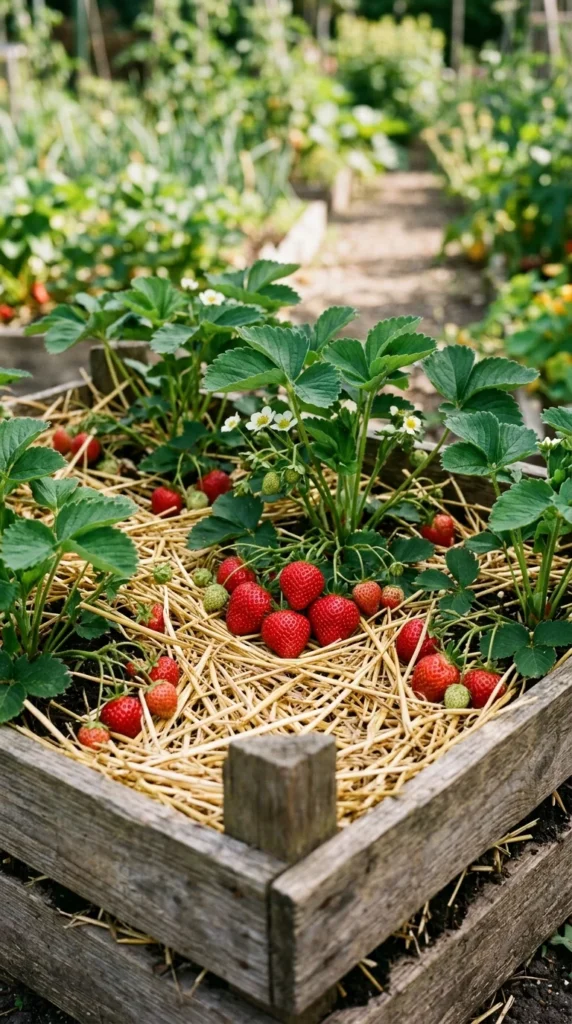
Even in a container, mulching provides significant benefits. A layer of straw (hence the name “strawberry”) or shredded bark helps retain soil moisture and suppress any weeds that might try to hitch a ride in your potting mix. More importantly, mulch acts as a barrier between the fruit and the soil. When strawberries sit directly on damp soil, they are prone to rotting and are easily reached by soil-dwelling insects. In a container, the mulch keeps the berries clean and dry, ensuring that every piece of fruit that grows makes it to your kitchen table.
10. Overwintering
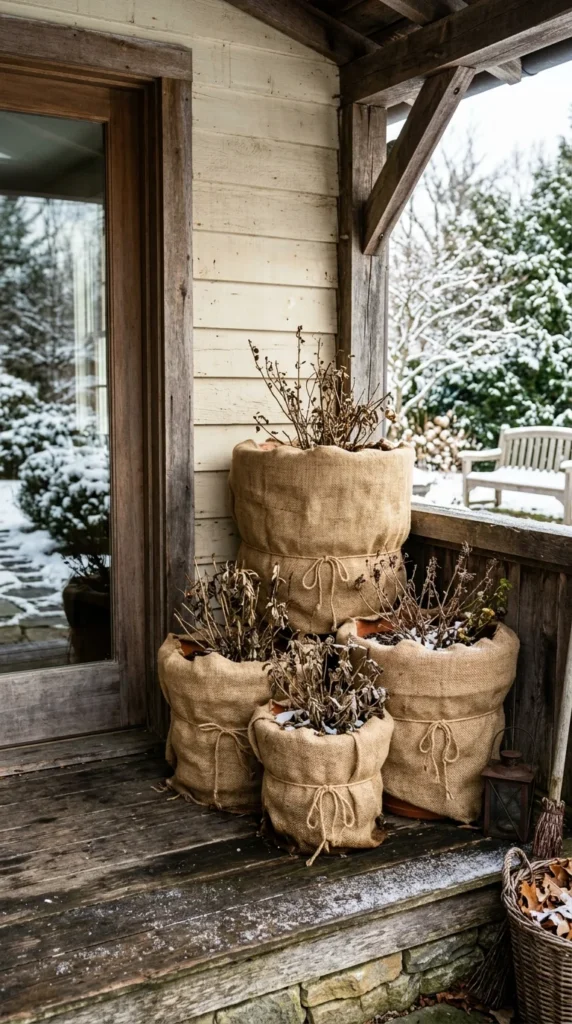
Strawberries are perennials, meaning they can live for several years. However, the roots are vulnerable to freezing in containers because they lack the insulation of the ground. When the temperature drops, you have a few options. You can move the pots into an unheated garage or basement where they will stay cold but not freeze. Alternatively, you can “heel” the pots into the ground or wrap them in burlap and bubble wrap to provide insulation. During this dormant phase, the plants need very little water—just enough to keep the roots from completely drying out. With proper winter care, your container strawberries will return even stronger the following spring for an even bigger harvest.