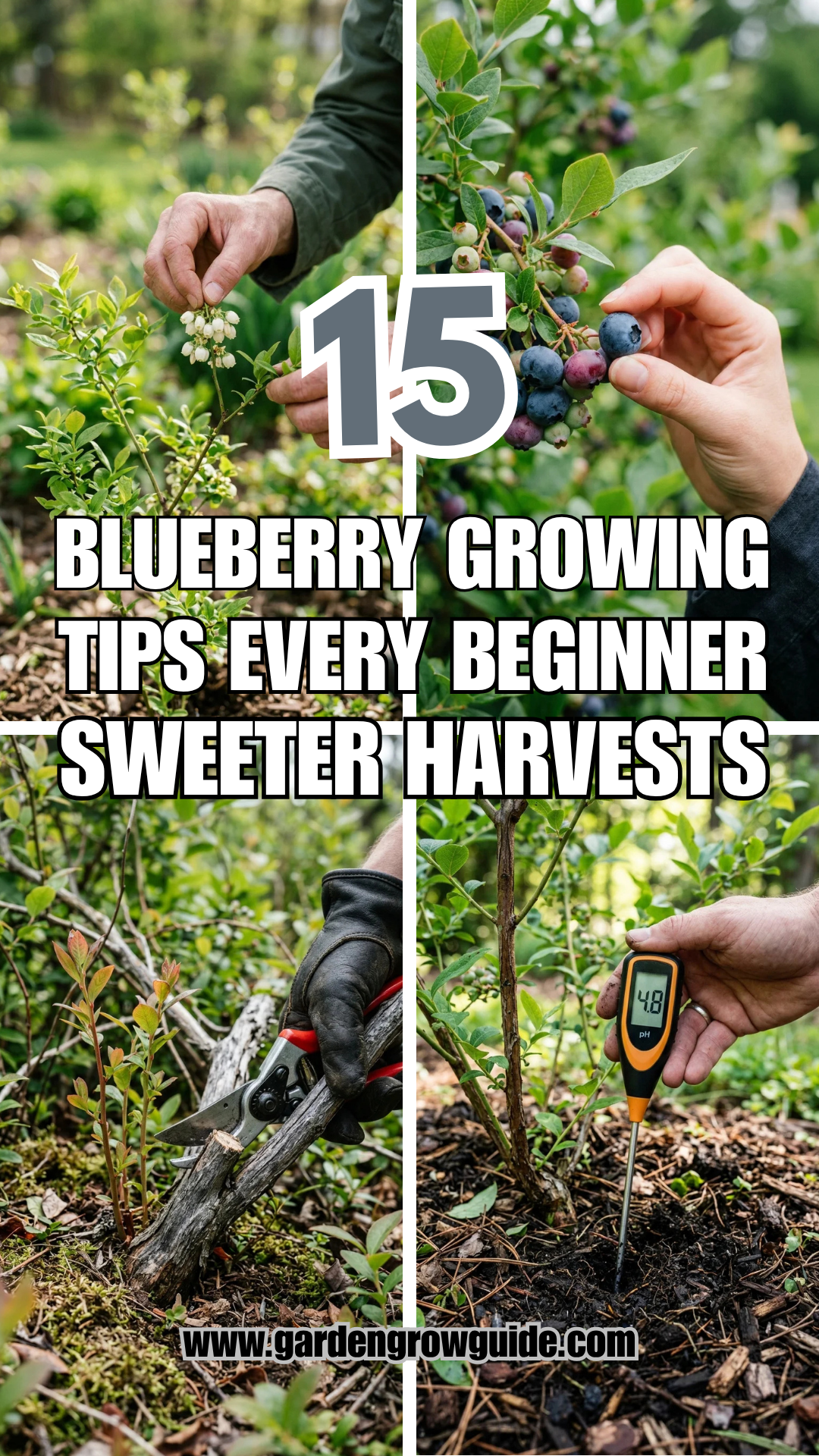
Growing blueberries is often seen as a challenge for the home gardener, but the reward of a bountiful, home-grown harvest is well worth the effort. These “superfoods” are packed with antioxidants and offer a flavor profile that store-bought berries simply cannot match. To achieve the largest, sweetest berries possible, you must cater to the specific and somewhat finicky needs of the Vaccinium genus. By following these fifteen expert tips, you can transform a struggling shrub into a high-yielding powerhouse.
1. Soil pH
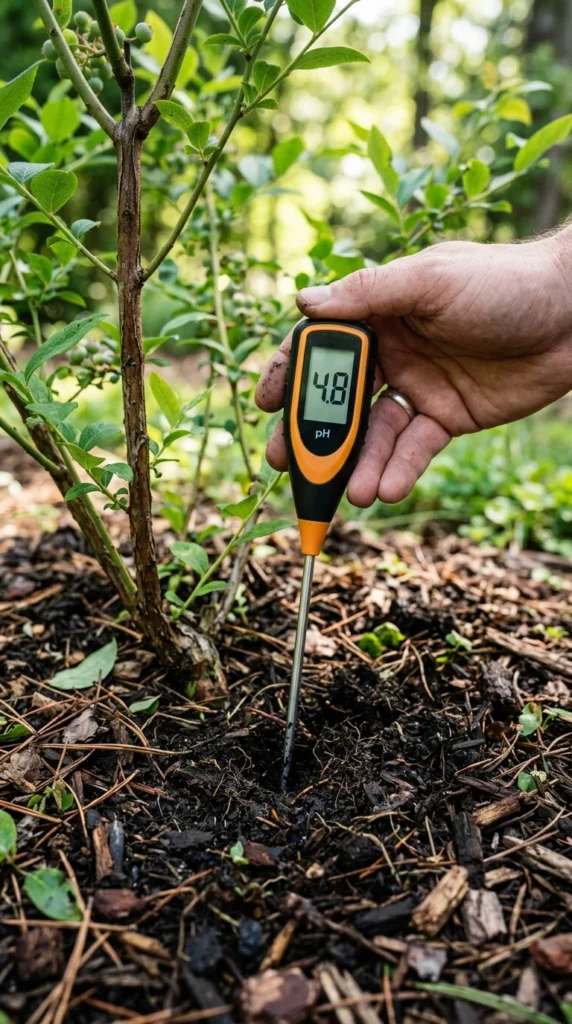
The single most important factor in blueberry success is soil acidity. Blueberries are “acid-loving” plants that require a soil pH between 4.5 and 5.5. If the pH is too high, the plant cannot absorb essential nutrients like iron, leading to yellowing leaves (chlorosis) and stunted growth. Before planting, test your soil. If it is too alkaline, incorporate elemental sulfur or peat moss months in advance to lower the pH. Regular testing every year is necessary to ensure the acidity levels haven’t drifted back toward neutral.
2. Variety Diversity
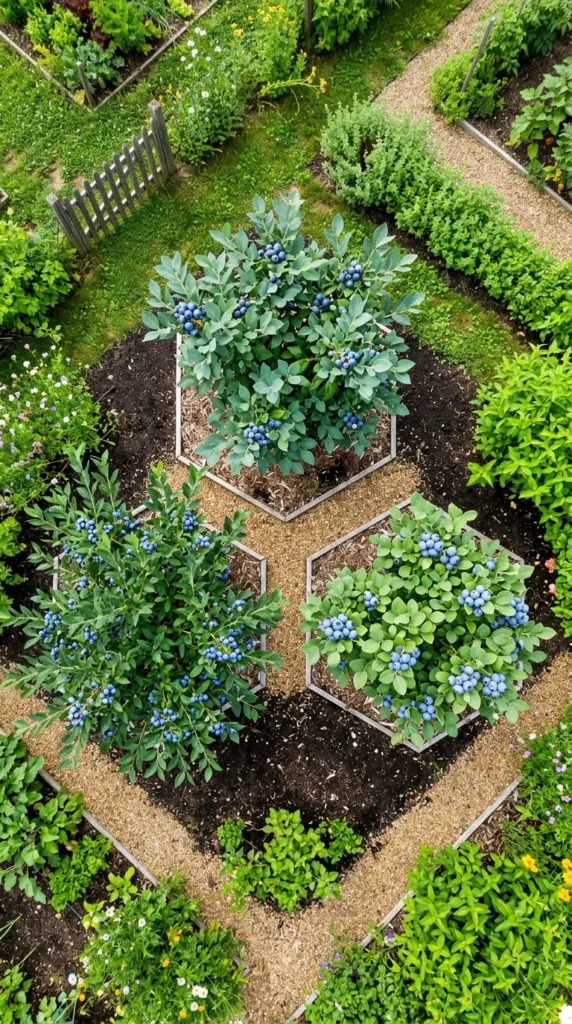
While many blueberry varieties are labeled as “self-fertile,” they almost always produce better results when planted near a different variety that blooms at the same time. Cross-pollination between two or more varieties leads to significantly larger berries and a more abundant total yield. When selecting plants, choose varieties that are compatible for your hardiness zone and ensure their bloom windows overlap to maximize the work of local pollinators.
3. Full Sun
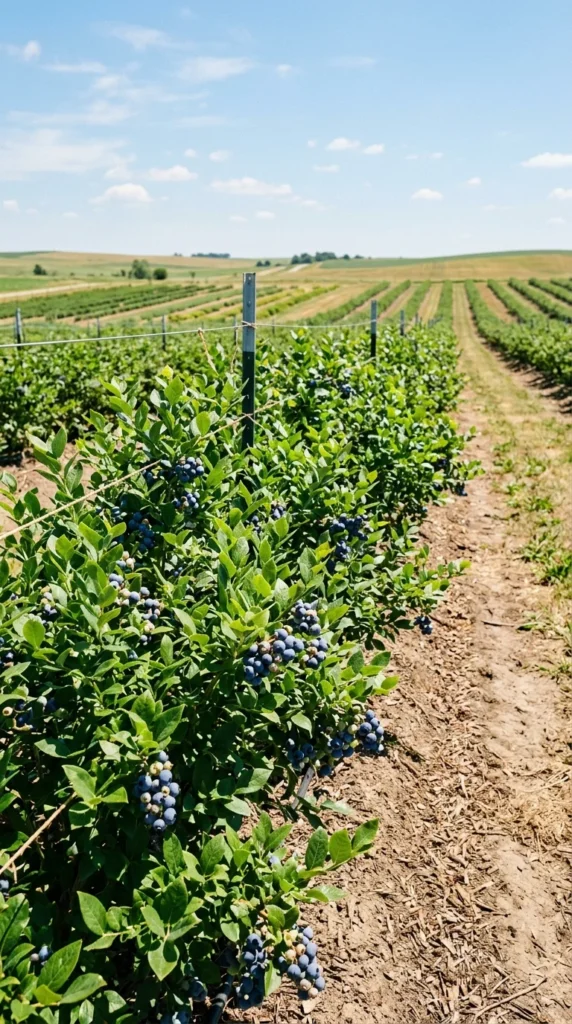
Blueberries can survive in partial shade, but if you want the sweetest berries, full sun is non-negotiable. Sunlight is the primary driver of photosynthesis, which produces the sugars that make the fruit delicious. Aim for at least 6 to 8 hours of direct sunlight daily. Plants grown in the shade tend to produce fewer flowers, smaller fruits, and are more susceptible to fungal diseases due to slower evaporation of morning dew.
4. Raised Beds
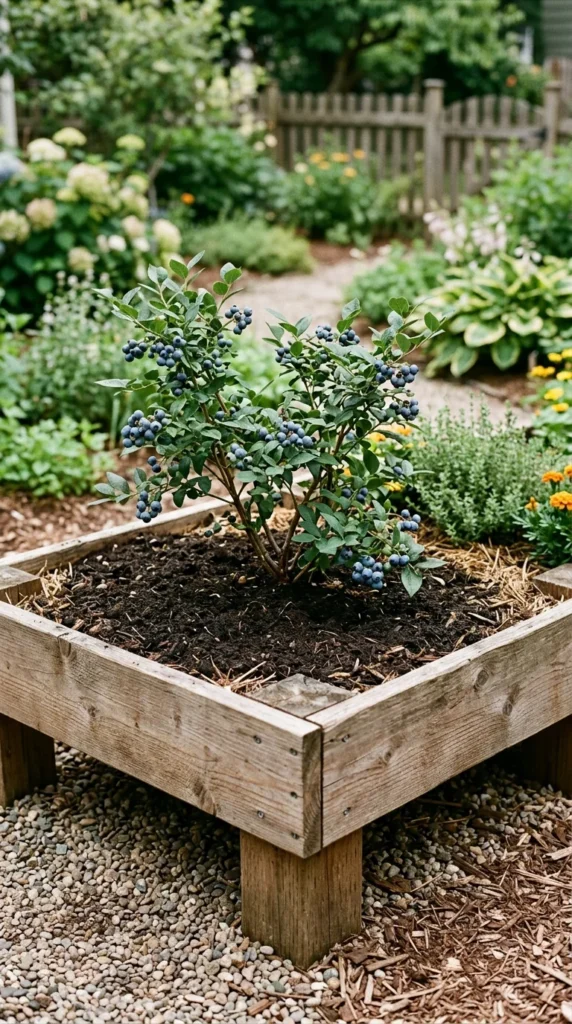
Blueberries have shallow, fibrous root systems that are highly sensitive to “wet feet.” If your native soil is heavy clay or drains poorly, the roots will quickly rot. Planting in raised beds allows you to create the perfect soil environment from scratch. You can mix specific ratios of peat moss, pine bark, and sand to ensure excellent drainage and the ideal acidic environment, giving you total control over the plant’s root zone.
5. Pine Mulch
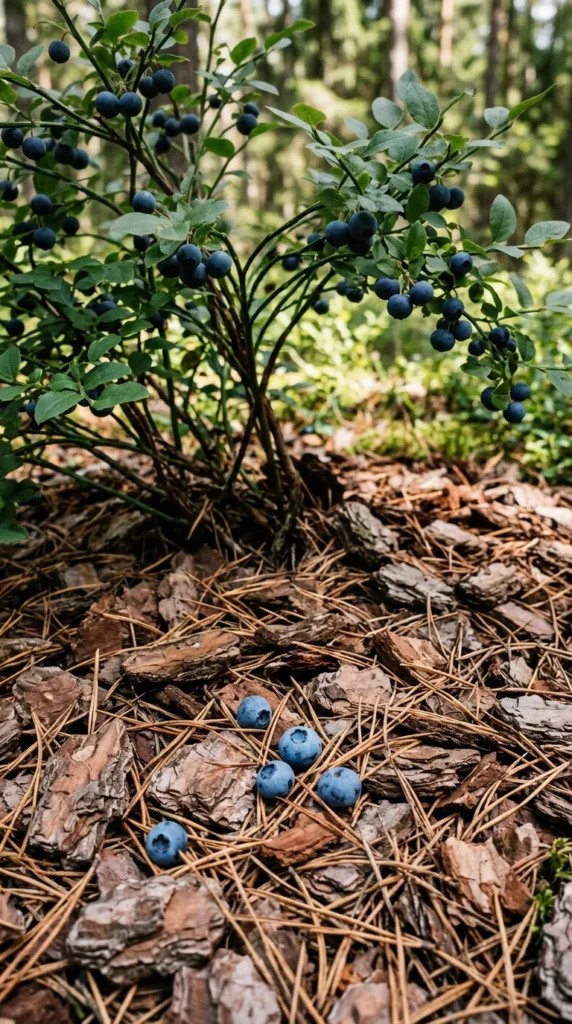
Mulching is vital for blueberry health. Because their roots are shallow, they dry out quickly and are sensitive to temperature fluctuations. A thick 2-to-4-inch layer of organic mulch—specifically pine bark or pine needles—helps retain moisture, suppresses weeds that compete for nutrients, and adds organic matter back into the soil. As pine-based mulches decompose, they also help maintain the acidic pH that blueberries crave.
6. Pruning Routine
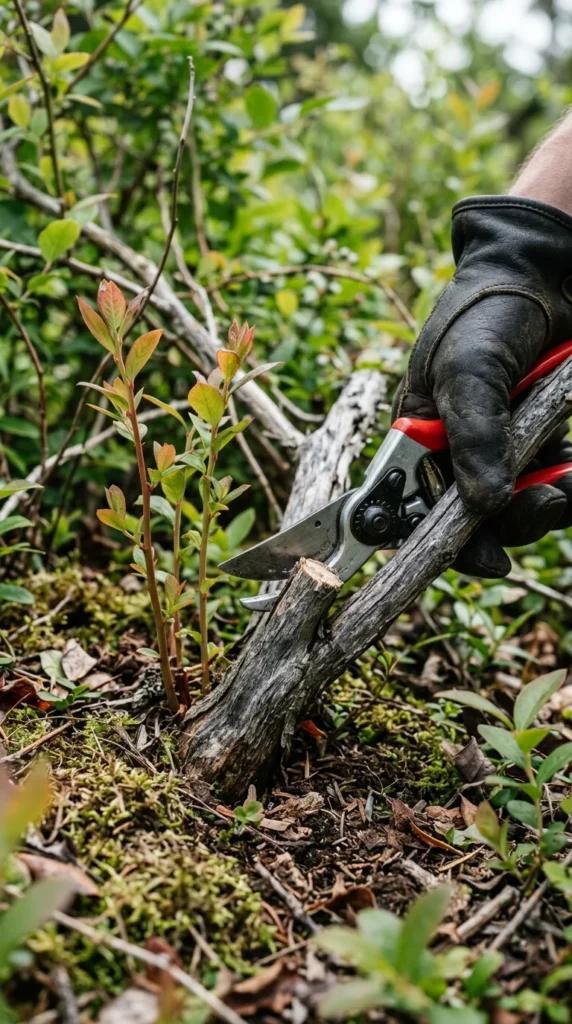
Annual pruning is the secret to consistent, high-quality harvests. Without pruning, a blueberry bush becomes a tangled mess of old wood that produces small, inferior fruit. In late winter or early spring, remove any dead, diseased, or damaged wood. Focus on removing canes that are more than six years old (identifiable by their grey, peeling bark) to make room for productive new growth. Thinning the center of the bush also improves airflow and sunlight penetration.
7. Winter Chill

Every blueberry variety has a “chill hour” requirement—the number of hours between 32°F and 45°F required during the winter to break dormancy. If you live in a warm climate and plant a high-chill variety, the plant may never flower. Conversely, if you live in the north and plant a low-chill variety, it may bloom too early and lose its crop to a late frost. Always match the variety’s chill requirements to your specific climate for a reliable harvest.
8. Proper Spacing
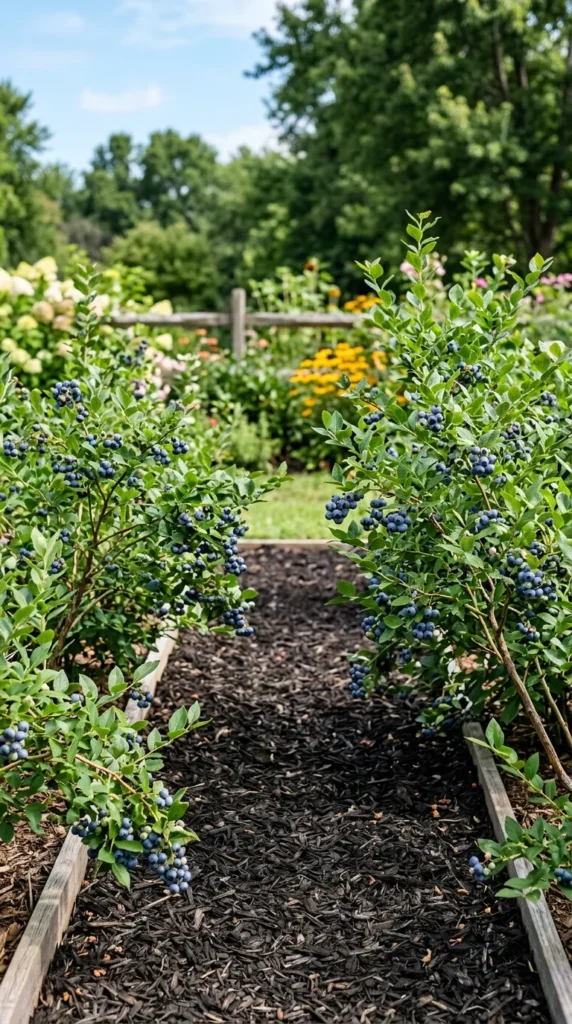
Airflow is a natural fungicide. Planting blueberries too close together creates a humid, stagnant environment where powdery mildew and botrytis can thrive. Generally, plants should be spaced 4 to 5 feet apart in rows that are 8 to 10 feet apart. This spacing ensures that each plant receives adequate sunlight on all sides and allows you enough room to move between the bushes for harvesting and maintenance.
9. Acidic Fertilizer
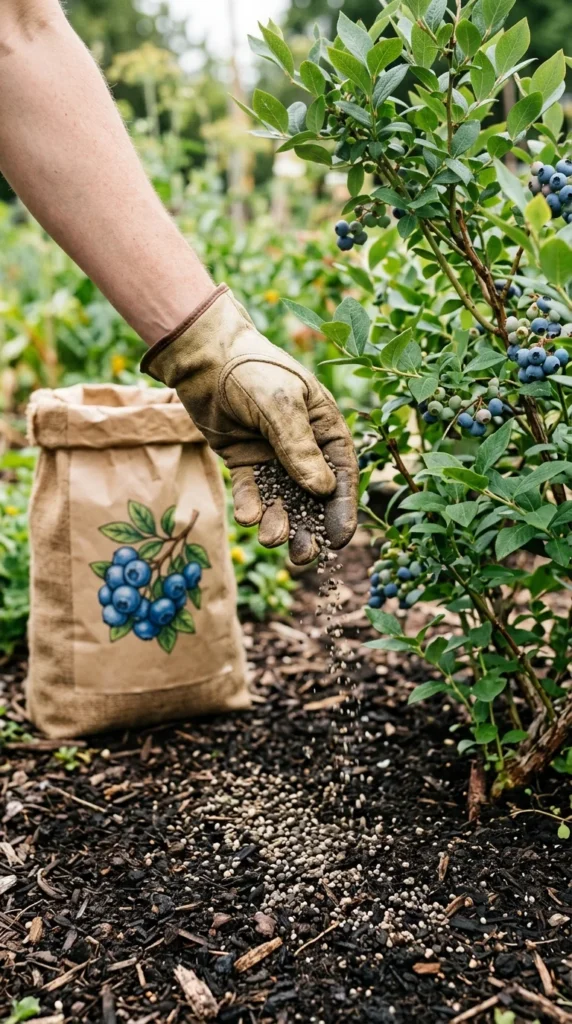
Blueberries are sensitive to certain types of fertilizers. Avoid products containing nitrates or chlorides, which can be toxic to them. Instead, use fertilizers specifically formulated for acid-loving plants (often labeled for azaleas or rhododendrons). Ammonium sulfate or urea are excellent nitrogen sources for blueberries. Apply fertilizer in early spring before the buds break and again in late spring to support fruit development.
10. Bird Netting
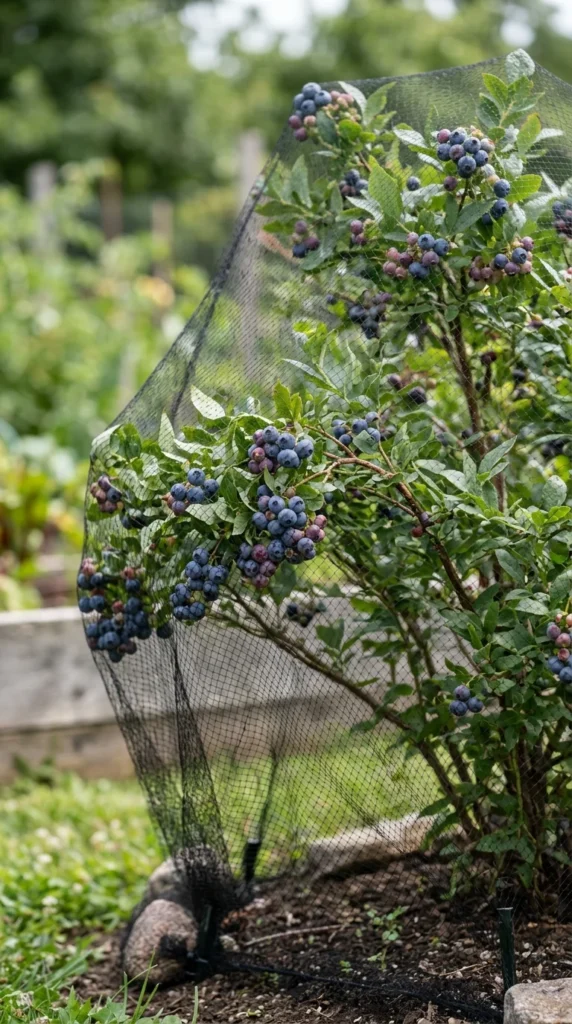
You aren’t the only one who enjoys sweet blueberries. Birds can strip a bush of its entire harvest in a single morning. To ensure you actually get to taste your fruit, use bird netting. Install the netting once the berries begin to turn from green to purple. For the best results, build a simple frame around the bushes so the netting doesn’t rest directly on the branches, which can make harvesting difficult and may allow birds to peck through the mesh.
11. Deep Watering
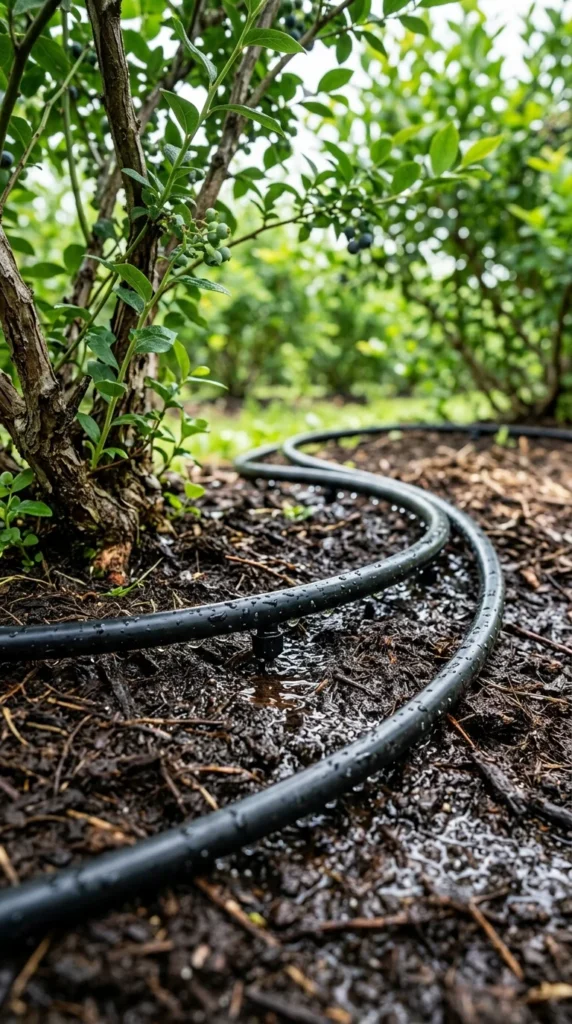
Blueberries require consistent moisture, especially during the fruit-ripening stage. Because they lack root hairs, they are less efficient at drawing water from the soil than other plants. Provide at least 1 to 2 inches of water per week. Use drip irrigation or a soaker hose to deliver water directly to the roots, keeping the foliage dry to prevent disease. Avoid the “drought and drench” cycle, as inconsistent watering can cause the berries to crack or result in a bitter flavor.
12. Flower Removal
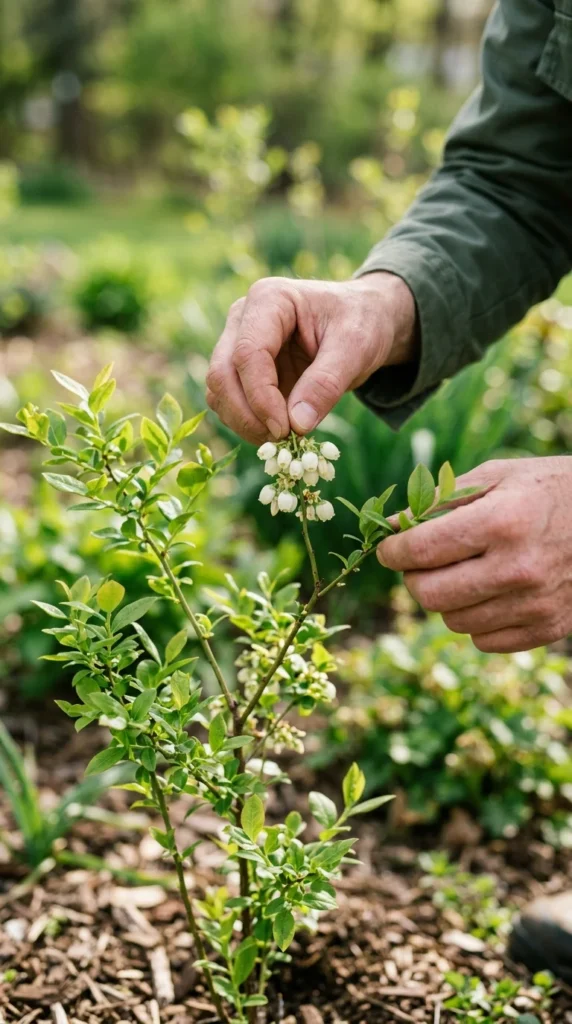
It is tempting to let a newly planted blueberry bush produce fruit immediately, but patience pays off. Experts recommend removing all flowers during the first and even the second year of growth. By preventing the plant from spending energy on fruit production, you force it to direct all its resources into establishing a massive, healthy root system and strong structural wood. This foundation will lead to much larger harvests for decades to come.
13. Sulfur Pellets
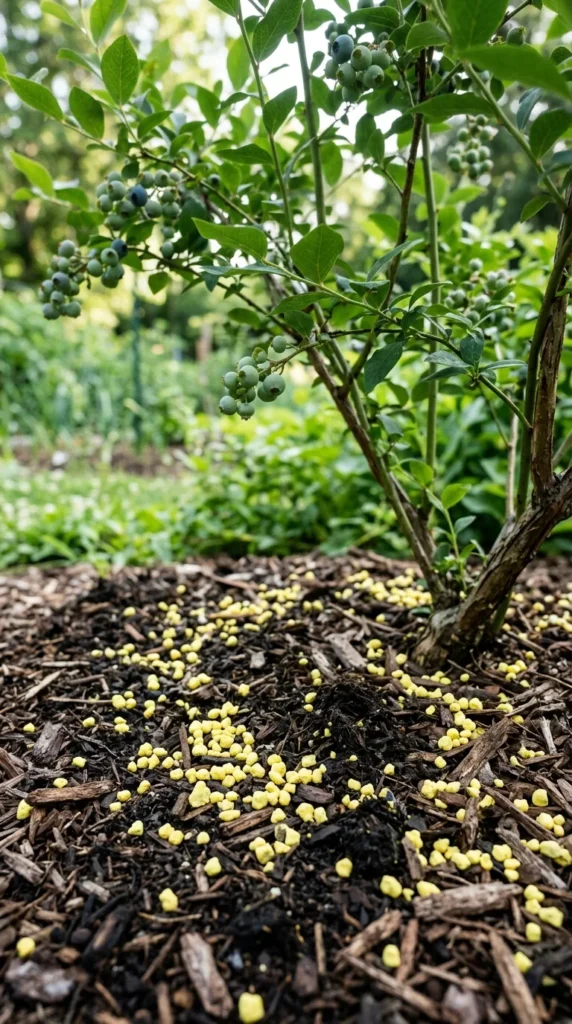
Since irrigation water and natural soil processes can slowly raise the pH over time, using elemental sulfur pellets is a great long-term maintenance strategy. Unlike liquid acidifiers that provide a quick fix, sulfur pellets are broken down by soil bacteria over several months, providing a slow and steady acidification. Apply them in the fall or early spring to keep the soil in that “sweet spot” of acidity that produces the biggest berries.
14. Pot Culture
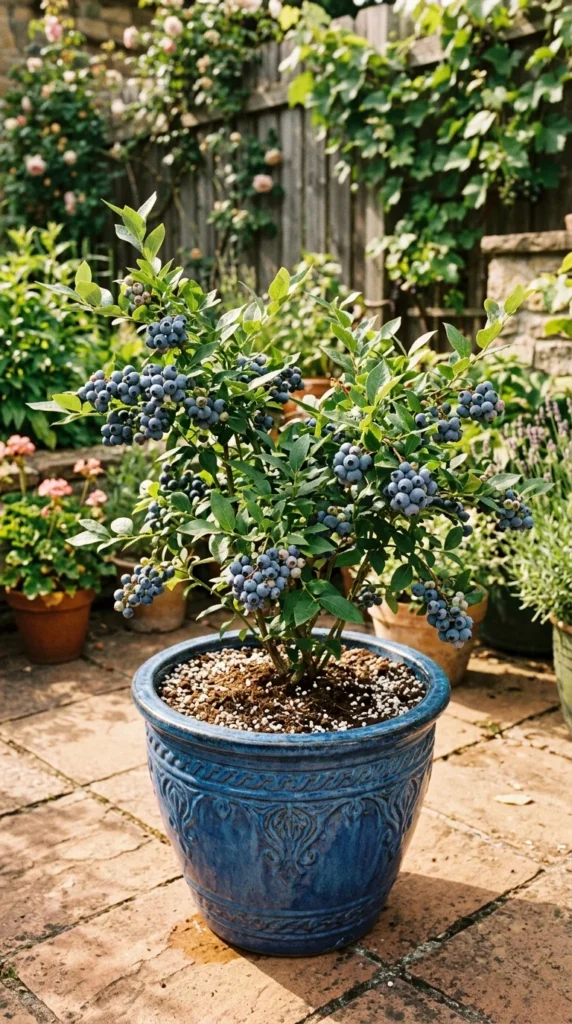
If your garden soil is naturally very alkaline (like limestone-heavy soil), it may be nearly impossible to grow blueberries in the ground. In this case, containers are your best friend. Growing blueberries in large pots (at least 15-20 gallons) allows you to use a dedicated potting mix of 50% peat moss and 50% pine bark. This ensures the pH stays exactly where it needs to be. Container-grown blueberries are also easier to protect from birds and harsh winter winds.
15. Harvest Timing
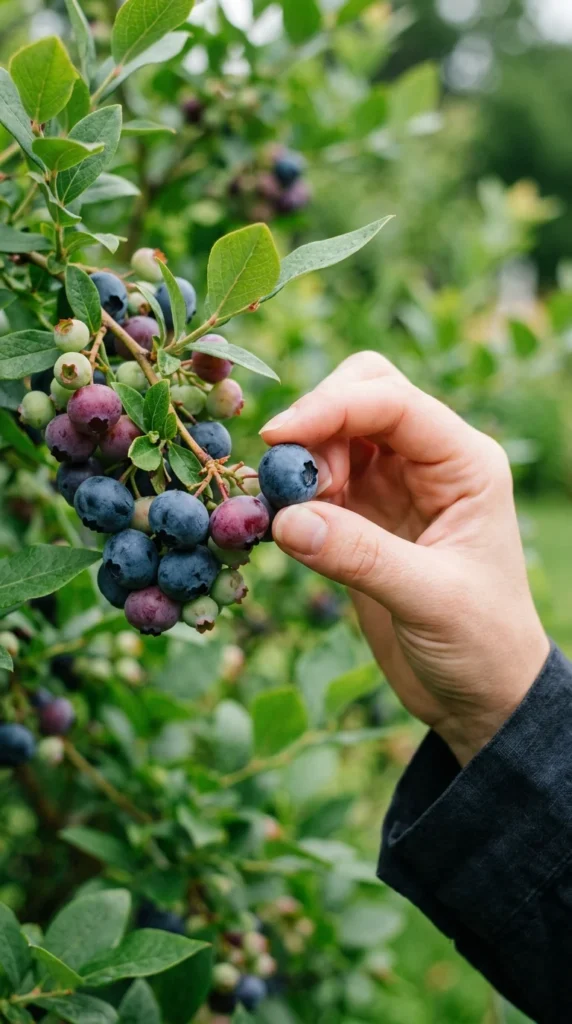
The biggest mistake gardeners make is picking blueberries as soon as they turn blue. Just because a berry is blue doesn’t mean it is ripe; blueberries often turn blue days before their sugar content peaks. For the sweetest flavor, wait until the “bloom” (the waxy white coating) is prominent and the reddish ring at the stem attachment point has completely disappeared. A truly ripe blueberry will fall into your hand with the slightest touch. If you have to tug, it isn’t ready yet.