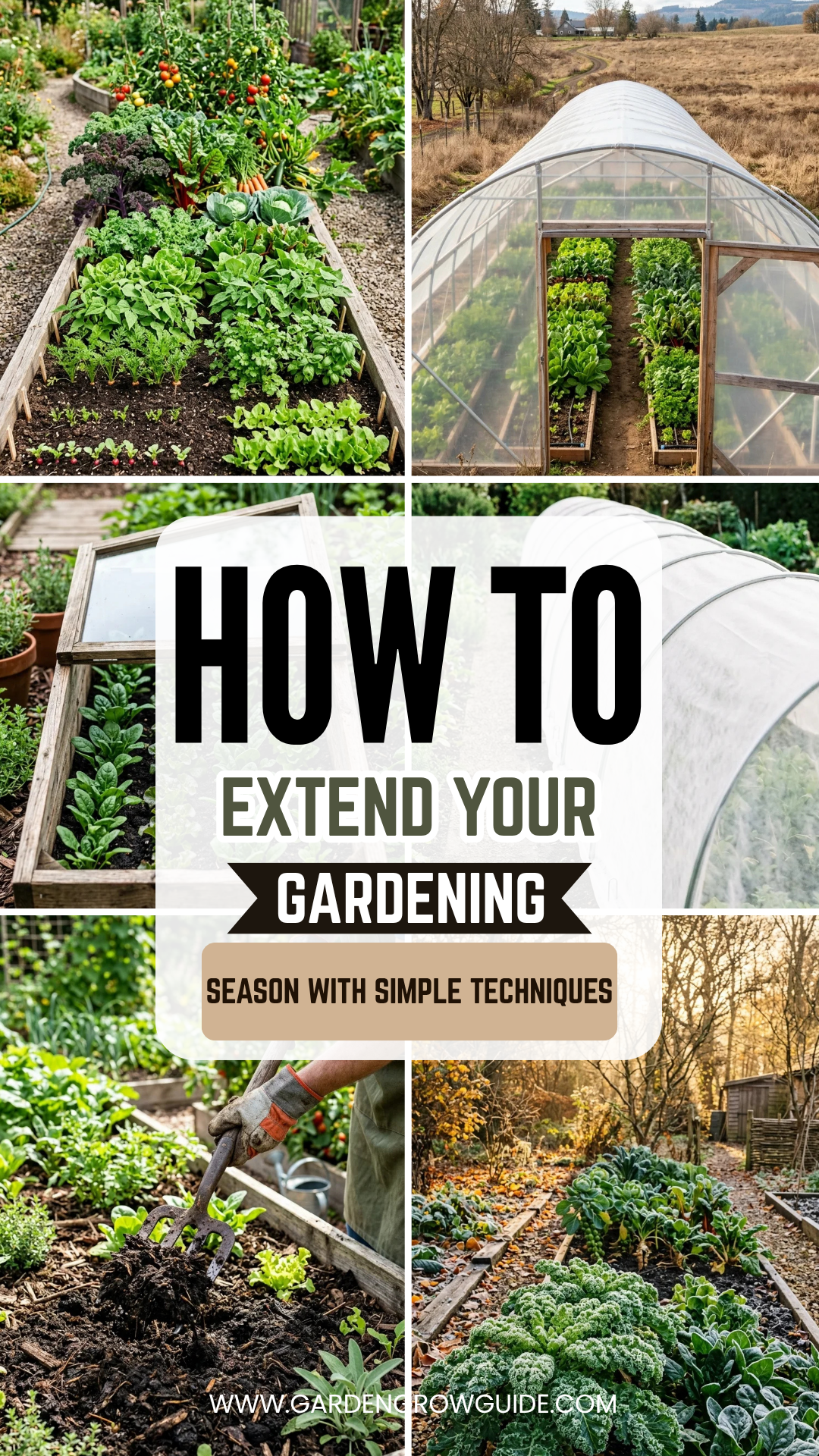
For many gardeners, the arrival of the first frost signals the end of the growing season and a retreat into the warmth of the home. However, the calendar does not have to dictate when your harvest ends. By employing a few strategic techniques, you can stretch your growing window by weeks or even months, enjoying fresh produce well into the winter and starting your spring garden long before the ground thaws. Extending the season is about microclimate management—protecting plants from extreme temperatures, managing moisture, and maximizing the limited sunlight of the shoulder seasons.
Whether you are a hobbyist with a few containers or a dedicated homesteader with large garden beds, these simple, cost-effective methods will help you defy the frost and keep your garden productive year-round.
1. Cold Frames
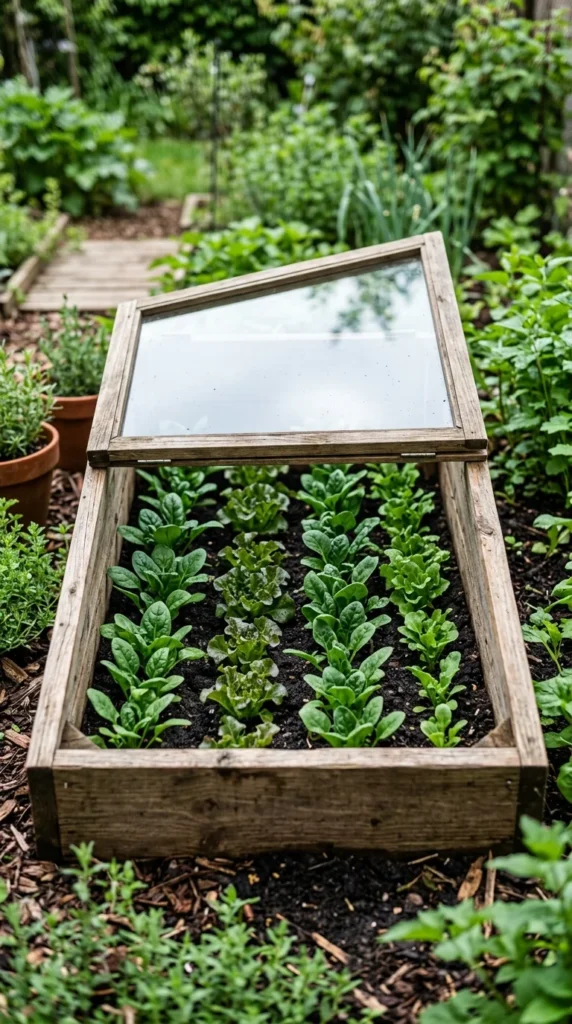
The cold frame is one of the most classic and effective tools for season extension. Essentially a bottomless box with a transparent “light” or lid, it acts like a miniature greenhouse. The lid allows sunlight to penetrate and warm the soil and air inside, while the walls protect plants from harsh, chilling winds.
- Construction: You can build cold frames from scrap wood and old windows, or purchase lightweight polycarbonate kits.
- Placement: Position your cold frame facing south to capture the maximum amount of solar energy during the shorter days of autumn and winter.
- Venting: On sunny days, even in winter, temperatures inside a cold frame can rise high enough to cook your plants. It is crucial to prop the lid open slightly during the day to allow for air circulation and heat release.
2. Mulching
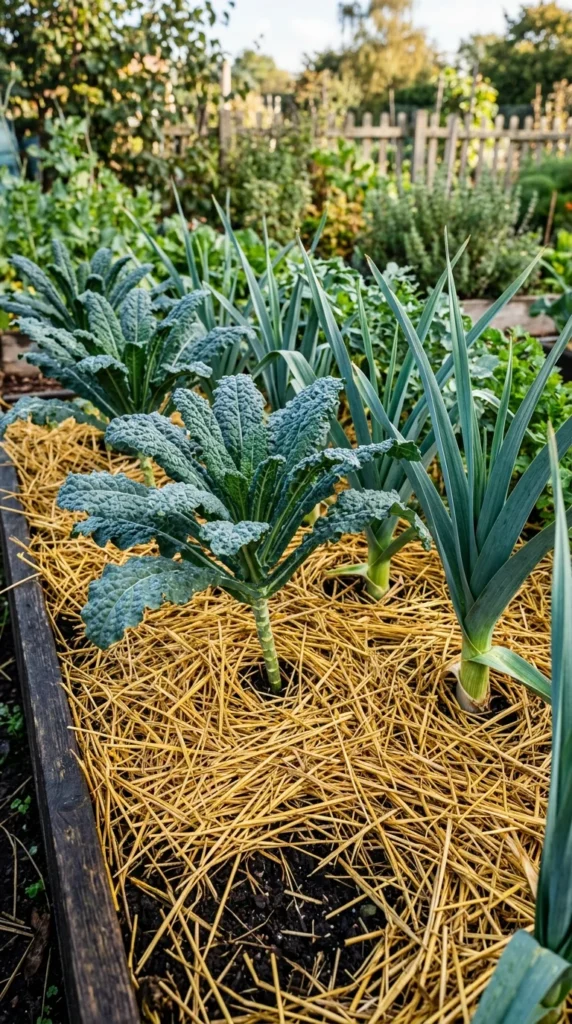
While many gardeners think of mulch as a tool for weed control and moisture retention in the summer, it is equally vital for winter protection. Mulch acts as an insulating blanket for the soil, preventing the “freeze-thaw” cycle that can heave plants out of the ground and damage delicate root systems.
- Materials: Straw, shredded leaves, wood chips, and pine needles are excellent choices for winter mulch.
- Application: Apply a thick layer—at least 3 to 4 inches—around the base of perennial herbs and late-season vegetables.
- Root Crops: For crops like carrots, beets, and parsnips, a heavy layer of mulch can actually keep the ground from freezing, allowing you to “store” the vegetables in the earth and harvest them as needed throughout the winter.
3. Row Covers
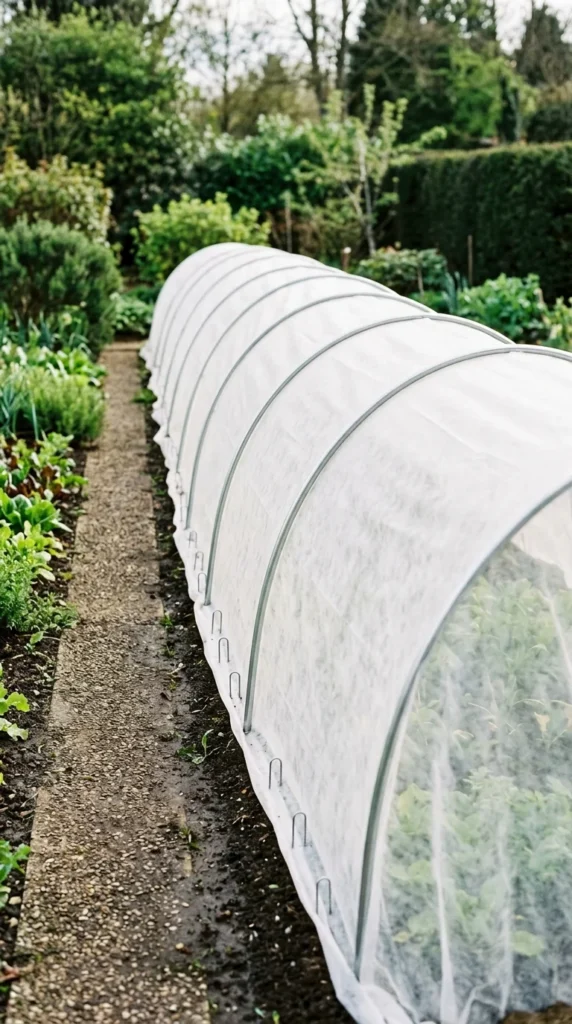
Floating row covers are lightweight, spun-bonded polyester or polypropylene fabrics that rest directly on plants or are supported by hoops. They are graded by weight; “lightweight” covers are used for pest control, while “heavyweight” versions are designed specifically for frost protection.
- Temperature Boost: Depending on the thickness, a row cover can increase the temperature under the fabric by 4 to 8 degrees Fahrenheit, often enough to save a crop from a sudden overnight dip.
- Water and Light: These fabrics are permeable, meaning rain and sunlight can still reach the plants, so you don’t need to remove them during the day unless the weather turns unusually warm.
- Hoop Systems: Using PVC or metal conduit to create “low tunnels” keeps the fabric from touching the foliage, which prevents frost from transferring through the fabric to the leaves.
4. Cloches
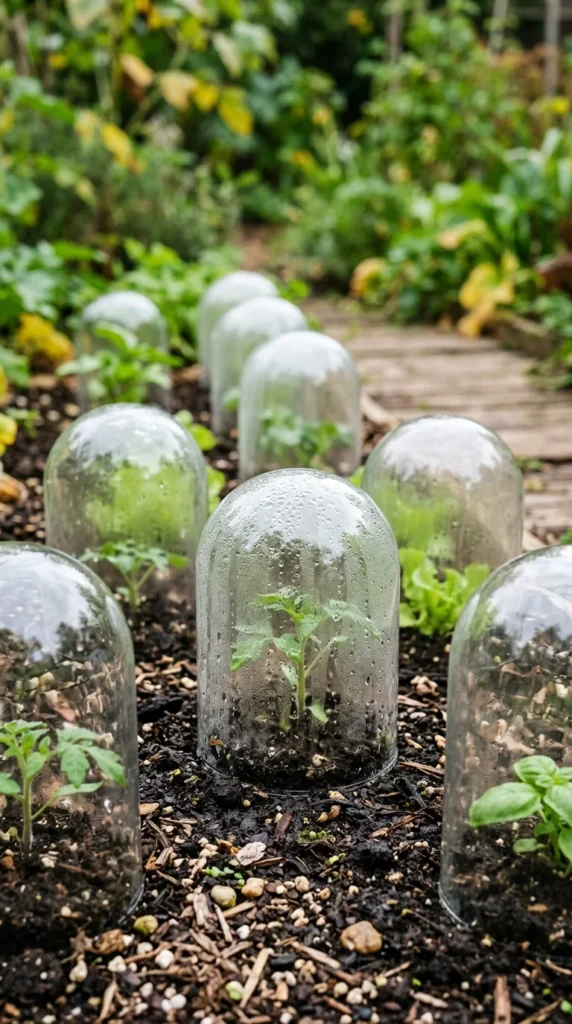
The word “cloche” is French for “bell,” and traditionally, these were bell-shaped glass jars used to protect individual plants. Today, cloches can be anything from decorative glass ornaments to repurposed plastic milk jugs with the bottoms cut out.
- Individual Care: Cloches are perfect for protecting specific, high-value plants or early-season transplants that are particularly sensitive to cold.
- Heat Trapping: Like a cold frame, a cloche traps solar heat and creates a humid environment.
- Portable: They are easy to move and can be deployed quickly if the weather forecast calls for a sudden frost. Remember to remove or vent them on sunny days to prevent overheating.
5. High Tunnels
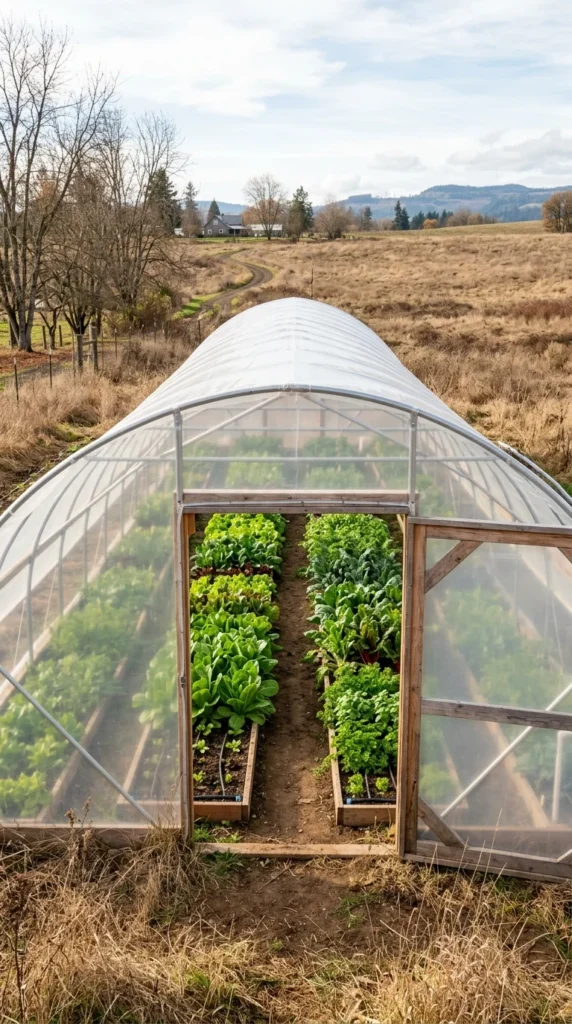
High tunnels, also known as hoop houses, are larger versions of row covers that are tall enough for a person to stand in. While more of an investment than a simple cloche, they offer the most significant season extension capabilities, allowing for “four-season” gardening in many climates.
- Structure: They consist of a metal or plastic frame covered with heavy-duty greenhouse plastic.
- Unheated Growth: Unlike traditional greenhouses, high tunnels are usually unheated, relying entirely on passive solar gain.
- Soil Management: Because the soil inside stays warmer and drier than the soil outside, you can plant weeks earlier in the spring and keep harvests going long after the first snow falls.
6. Winter Sowing
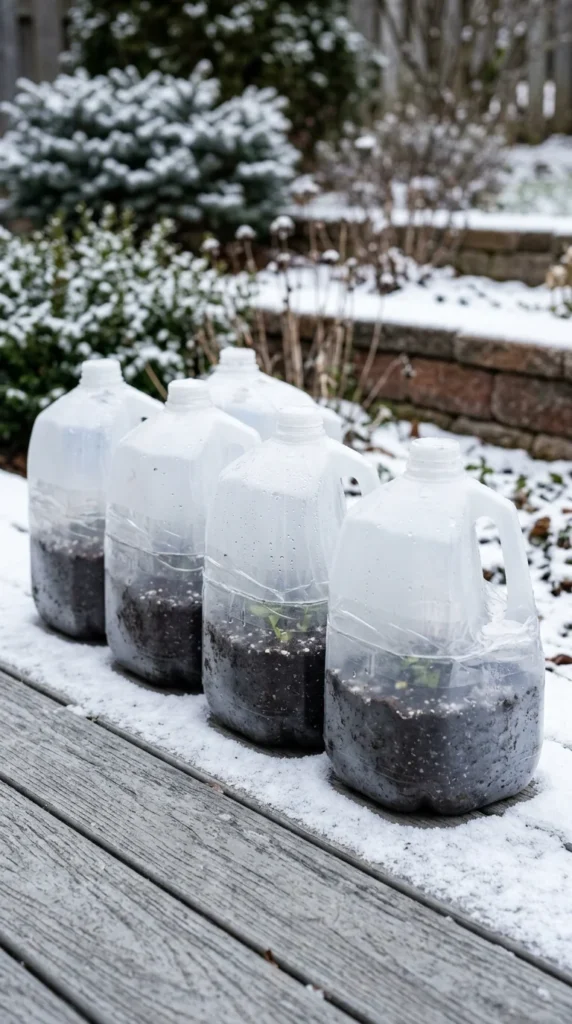
Winter sowing is a technique used to start seeds outdoors during the coldest months. It utilizes recycled containers to create “miniature greenhouses” that protect seeds from being eaten by birds or washed away by heavy rain, while allowing them to go through the natural freeze-thaw cycles they need to germinate.
- The Process: You plant seeds in containers (like milk jugs), water them, and place them outside in a sunny but protected spot.
- Natural Hardening: Because the seedlings grow up in the actual outdoor environment, they are naturally “hardened off” and much tougher than those grown under artificial lights indoors.
- Timing: This method is excellent for perennial flowers and hardy vegetables like kale, broccoli, and spinach.
7. Hardy Crops
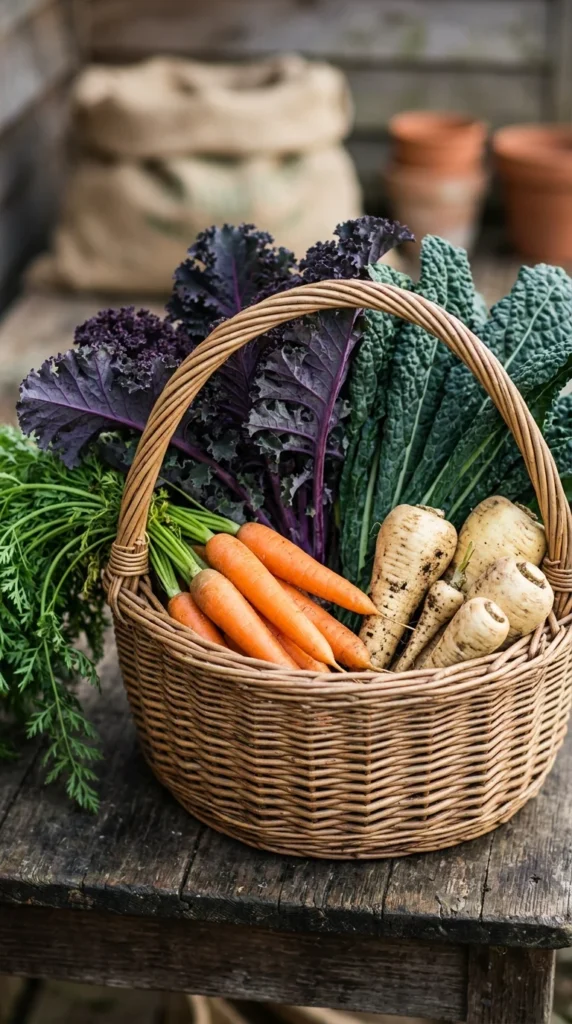
The simplest way to extend your season is to choose plants that actually prefer the cold. Some vegetables are not only frost-tolerant but actually improve in flavor after a light freeze, as the plant converts starches into sugars to act as a natural antifreeze.
- Greens: Spinach, kale, collards, and Swiss chard are incredibly resilient.
- Root Vegetables: Carrots, parsnips, rutabagas, and turnips can survive significant freezes if the soil is protected.
- Alliums: Garlic and shallots are typically planted in the autumn to be harvested the following summer, making them the ultimate “off-season” crop.
8. Succession Planting
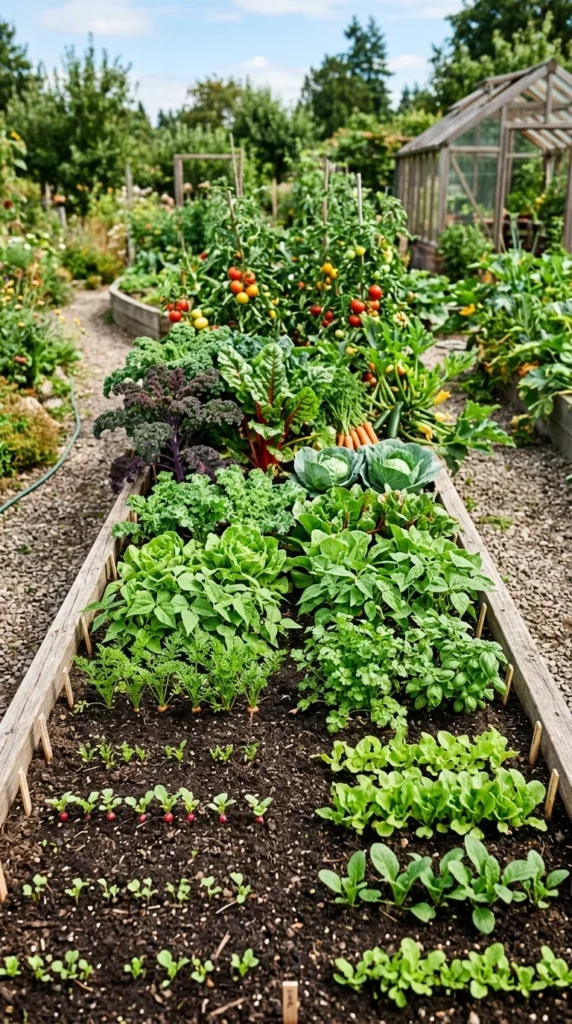
To have a harvest in November, you must plan in July or August. Succession planting involves sowing seeds at staggered intervals so that as one crop finishes, another is ready to take its place.
- Back-Counting: Look at the “days to maturity” on your seed packet and count backward from your average first frost date.
- Mid-Summer Sowing: Sowing cool-weather crops in the heat of August can be tricky. Use shade cloth to keep the soil cool enough for lettuce and spinach seeds to germinate.
- Consistency: By planting small amounts of seeds every two weeks, you ensure a steady supply of food rather than a single overwhelming harvest.
9. Soil Health
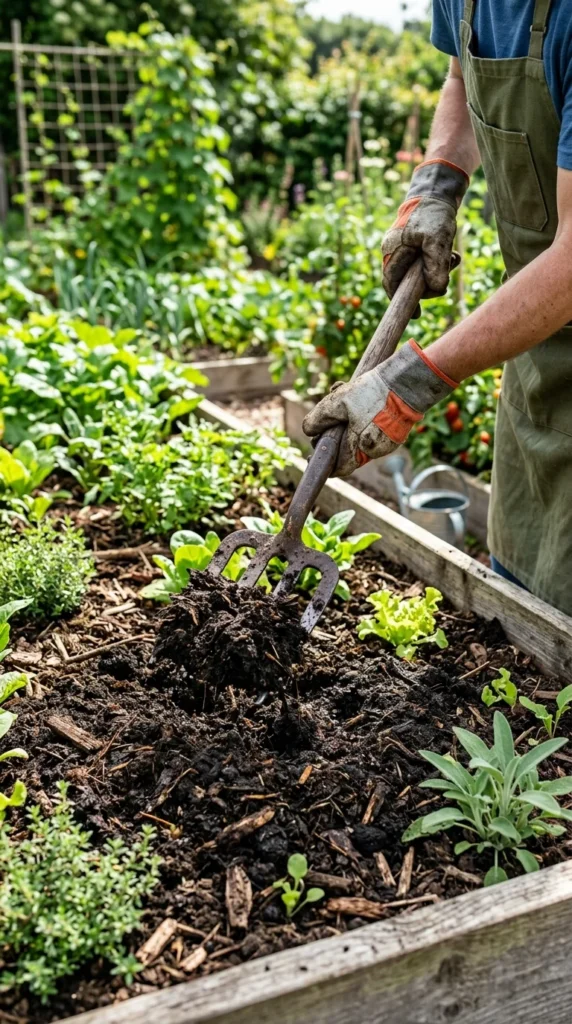
Healthy soil is the foundation of a resilient garden. Soil that is rich in organic matter holds heat better and drains more efficiently, which is critical during the wet, cold months of late autumn and early spring.
- Drainage: Plants are more likely to die from “wet feet” (root rot) in the winter than from the cold itself. Adding compost improves soil structure and drainage.
- Microbial Activity: Even in winter, soil microbes remain active, though at a slower pace. Providing them with organic matter keeps the biological engine of your garden running.
- Raised Beds: Soil in raised beds warms up significantly faster in the spring than the ground does, giving you a head start on the new season.
By combining these techniques—physical protection like cold frames and row covers, smart crop selection, and diligent soil care—you can transform your garden from a seasonal hobby into a year-round source of fresh, nutrient-dense food. Gardening doesn’t have to end when the leaves fall; with a little preparation, the “off-season” can become your most rewarding time in the dirt.