The dream of a self-sustaining backyard is often met with the reality of seasonal “gaps”—periods where the soil lies fallow and the kitchen relies on grocery store produce. However, achieving a continuous harvest is not a matter of luck; it is a result of strategic planning and the implementation of specific horticultural techniques. By shifting from a “one-season” mindset to a perpetual cycle, gardeners can enjoy fresh produce 365 days a year.
1. Succession Planting
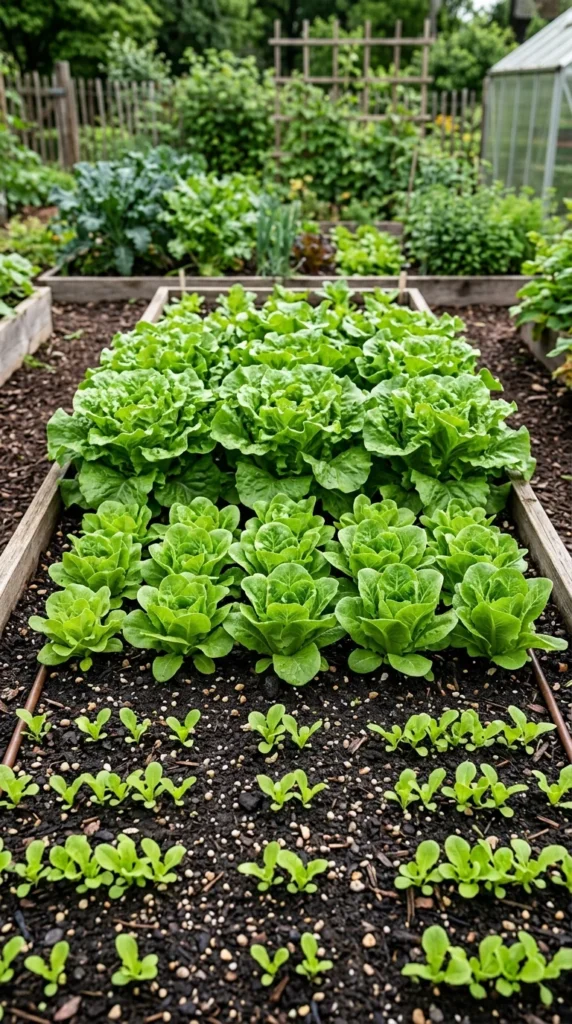
Succession planting is the cornerstone of a continuous harvest. Instead of planting your entire crop of radishes or lettuce at once, sow a small portion every 10 to 14 days. This staggers the maturity dates, ensuring that as one plant is harvested, the next is ready to take its place. This method prevents the “feast or famine” cycle and keeps the soil occupied and productive throughout the growing window.
2. Cold Frames
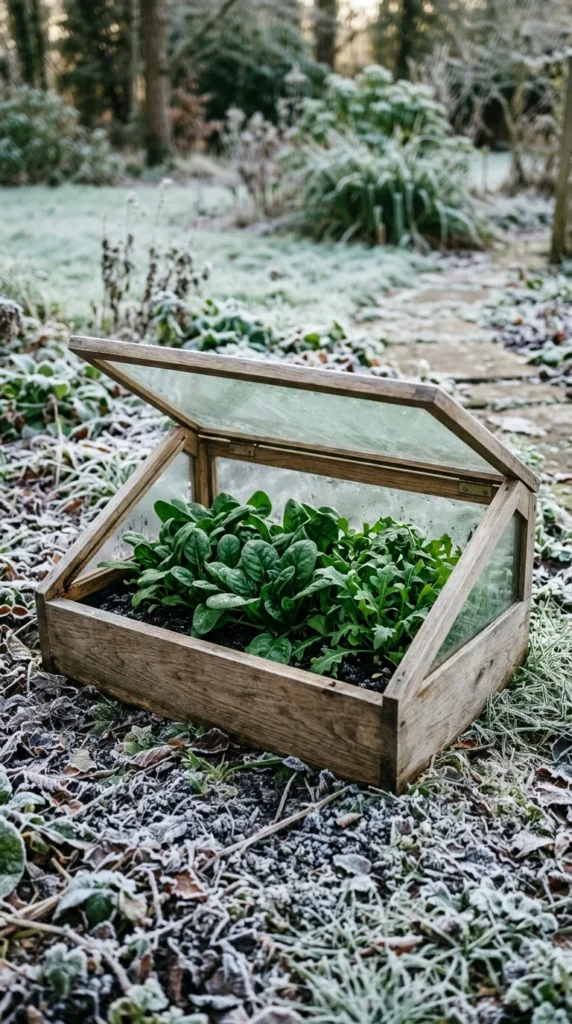
Cold frames act as unheated mini-greenhouses, capturing solar radiation and protecting plants from harsh winds and frost. By using these structures, you can start spring crops weeks earlier and extend autumn harvests well into the winter. They are particularly effective for hardy greens, radishes, and carrots, providing just enough warmth to keep them from freezing during cold snaps.
3. Hoop Houses
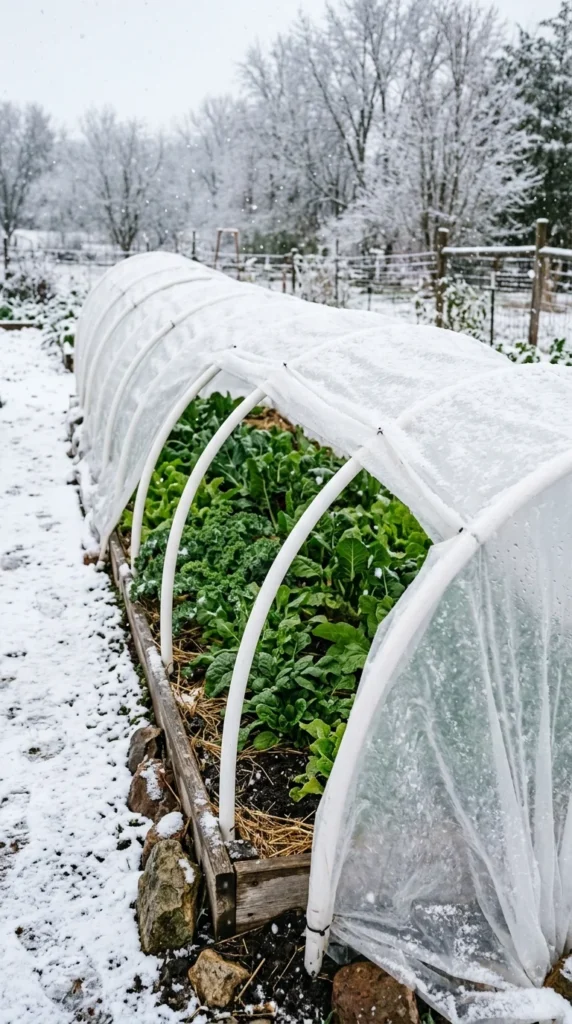
Hoop houses, or low tunnels, offer a larger-scale version of the cold frame. They are typically constructed using flexible piping and polyethylene plastic. This setup creates a controlled microclimate that can raise the internal temperature by several degrees. For year-round gardening, hoop houses allow for the cultivation of winter-hardy brassicas and root vegetables that would otherwise succumb to heavy snow or deep freezes.
4. Companion Planting
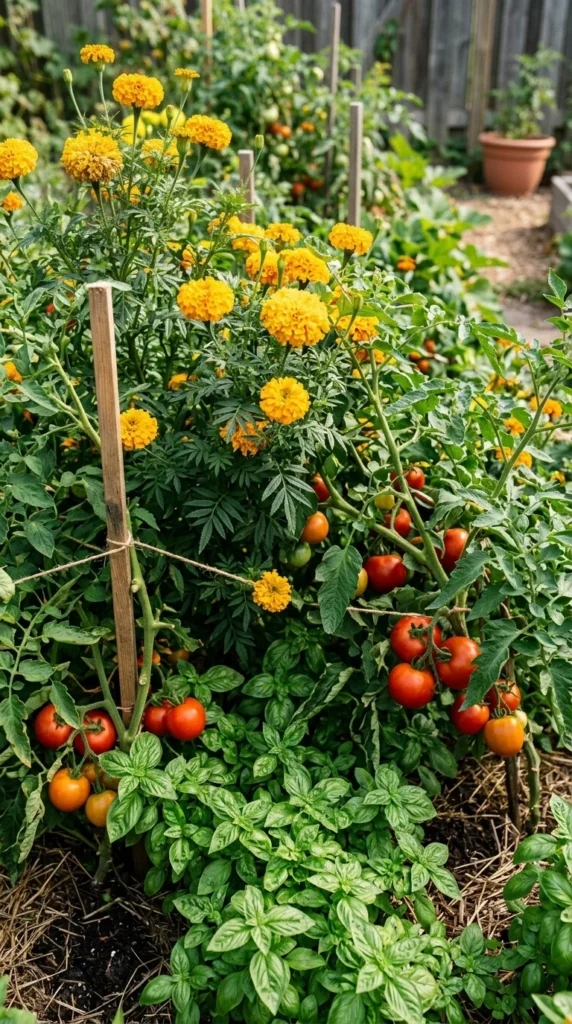
Maximizing space and health involves planting mutually beneficial species together. Some plants, like marigolds, repel pests, while others, like legumes, fix nitrogen in the soil. By interplanting fast-growing crops (like radishes) between slower-growing ones (like peppers), you use every square inch of your garden bed. This “stacking” of harvests ensures that as the fast crop finishes, the slower crop expands into the vacated space.
5. Hardiness Zones

Understanding your local USDA Plant Hardiness Zone (or equivalent) is vital for year-round planning. It dictates your first and last frost dates, which are the “goalposts” of your gardening season. By selecting varieties specifically bred for your zone—such as “extra-hardy” winter varieties or “heat-tolerant” summer greens—you significantly increase the window of time each plant can survive in your specific environment.
6. Soil Health
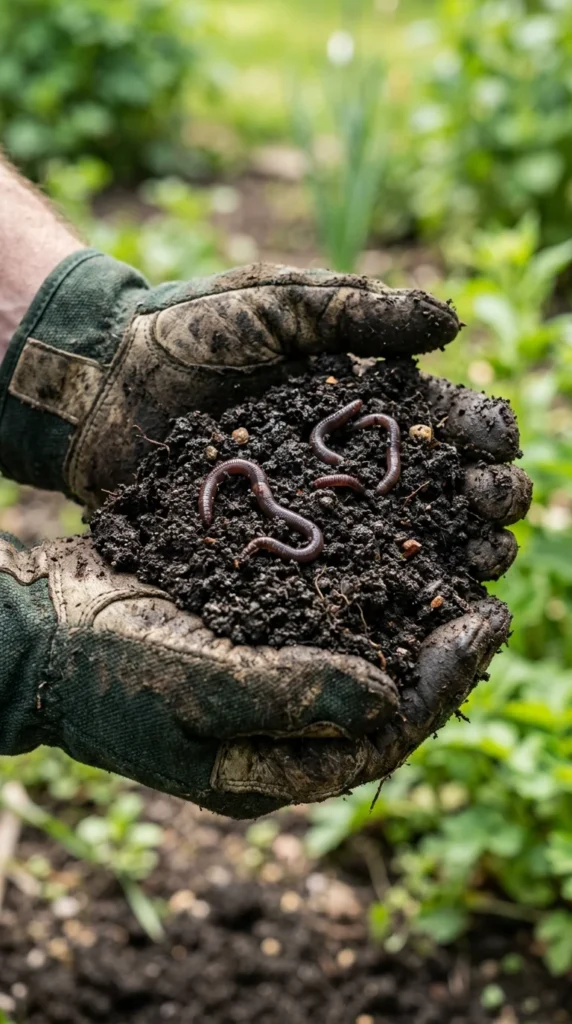
A garden that produces year-round puts a heavy strain on the soil. To maintain high yields, you must treat soil health as a priority. This involves regular amendments with high-quality compost, worm castings, and organic matter. Healthy soil contains the microbial life and nutrients necessary to support rapid growth cycles and helps plants resist the stresses of extreme heat or cold.
7. Vertical Gardening
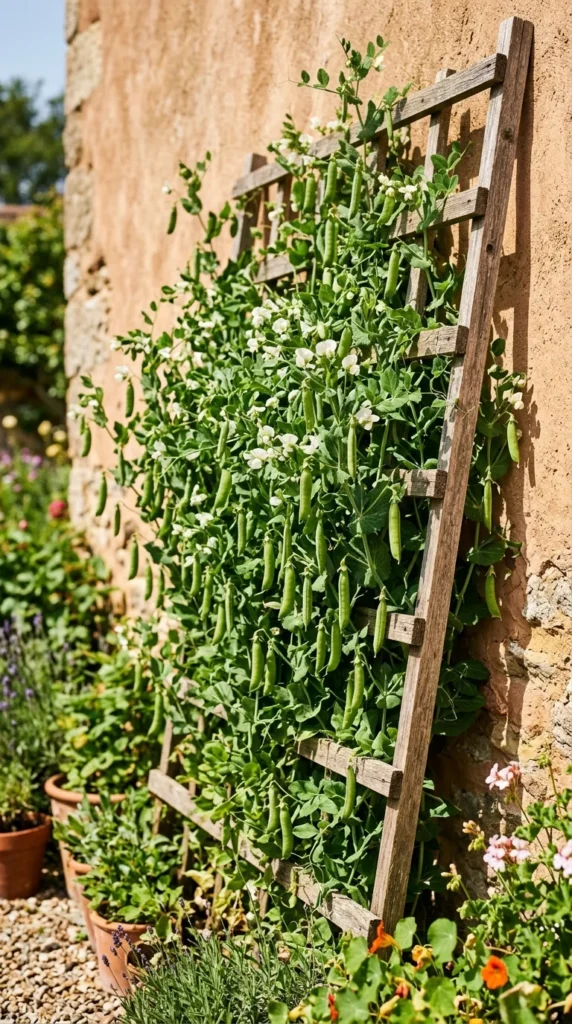
When horizontal space is limited, go vertical. Utilizing trellises, arches, and wall-mounted planters allows you to grow more food in the same footprint. Climbing beans, peas, cucumbers, and even small melons can be grown upwards. This not only increases your yield but also improves air circulation around the plants, reducing the risk of fungal diseases that often thrive in crowded, damp garden beds.
8. Indoor Starts
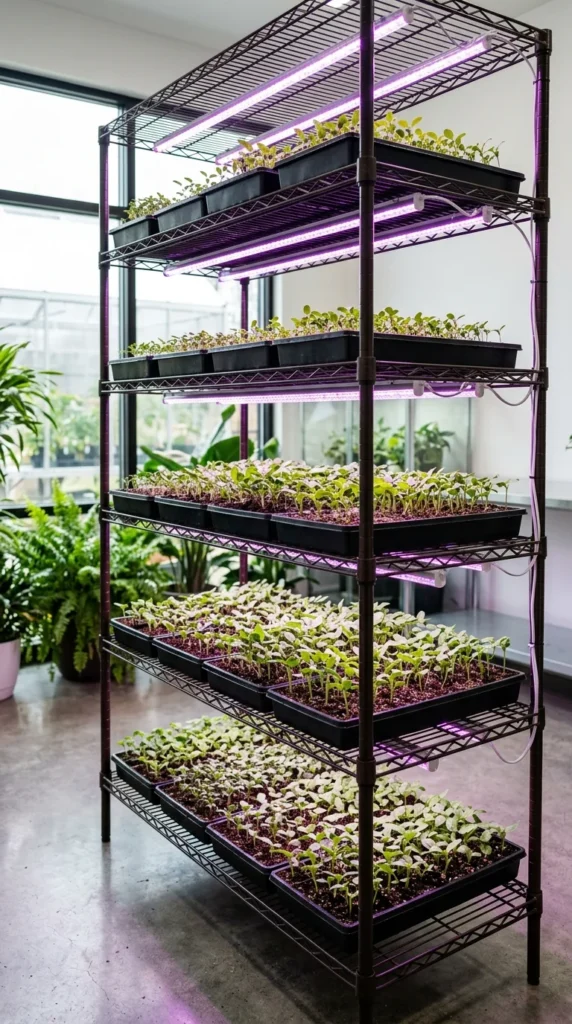
To hit the ground running every season, start your seeds indoors or in a greenhouse. By the time the weather is right for outdoor planting, you will have established seedlings rather than just seeds. This “head start” can shave weeks off the time to harvest, allowing you to squeeze in an extra crop cycle during the transition between spring and summer, or summer and fall.
9. Edible Perennials
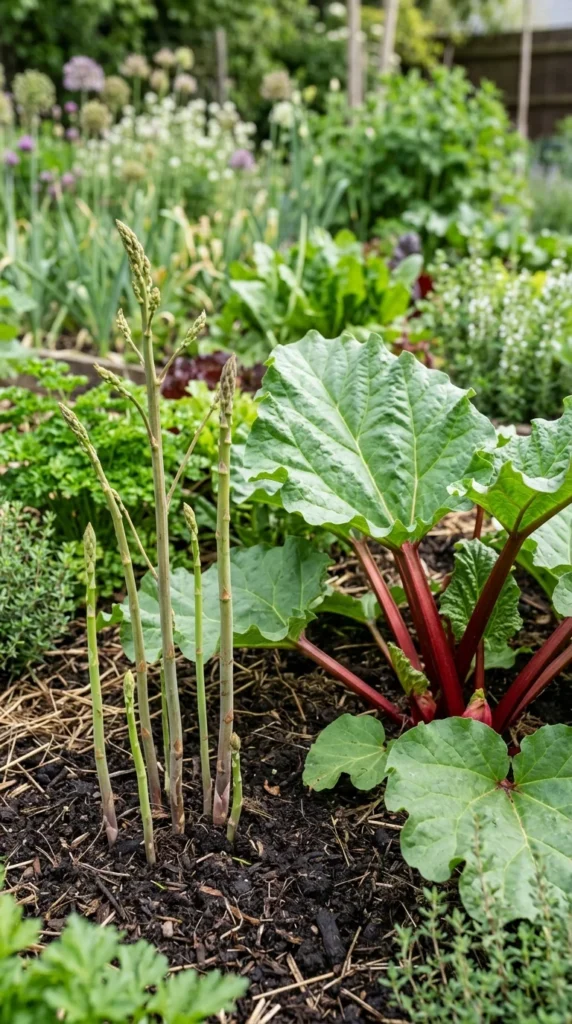
Perennials are the “passive income” of the garden world. Unlike annuals, they return year after year without the need for replanting. Including crops like asparagus, rhubarb, artichokes, and berry bushes ensures you have a reliable harvest every spring and summer with minimal effort. These plants form the backbone of a permanent food landscape that requires less maintenance over time.
10. Mulching Techniques
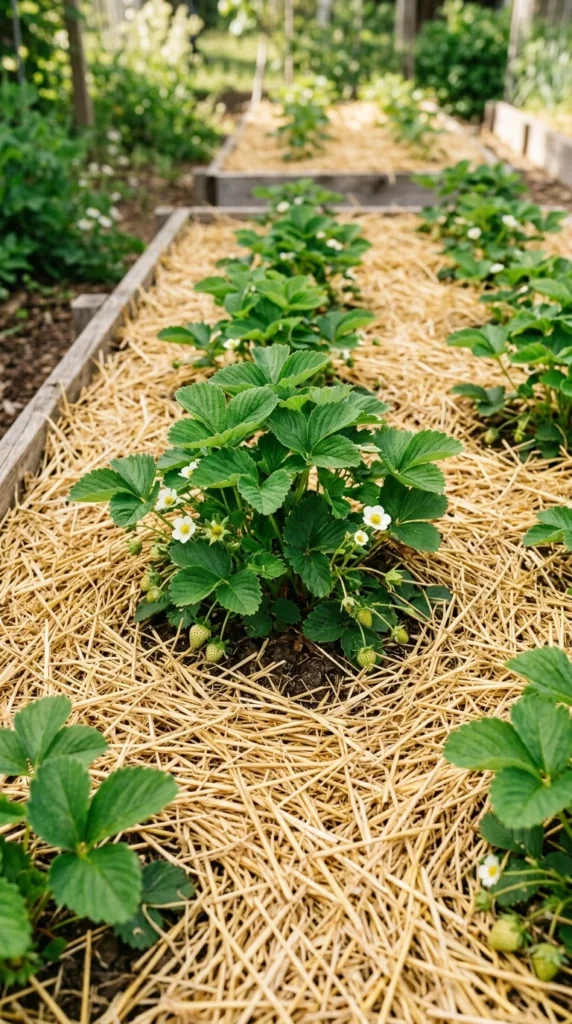
Mulch is the gardener’s best tool for temperature and moisture regulation. In the summer, a thick layer of straw or wood chips keeps the soil cool and prevents evaporation. In the winter, it acts as an insulating blanket, protecting the roots of overwintering crops from the freeze-thaw cycle. Consistent mulching prevents soil erosion and suppresses weeds that would otherwise compete with your crops for nutrients.
11. Winter Squash Storage
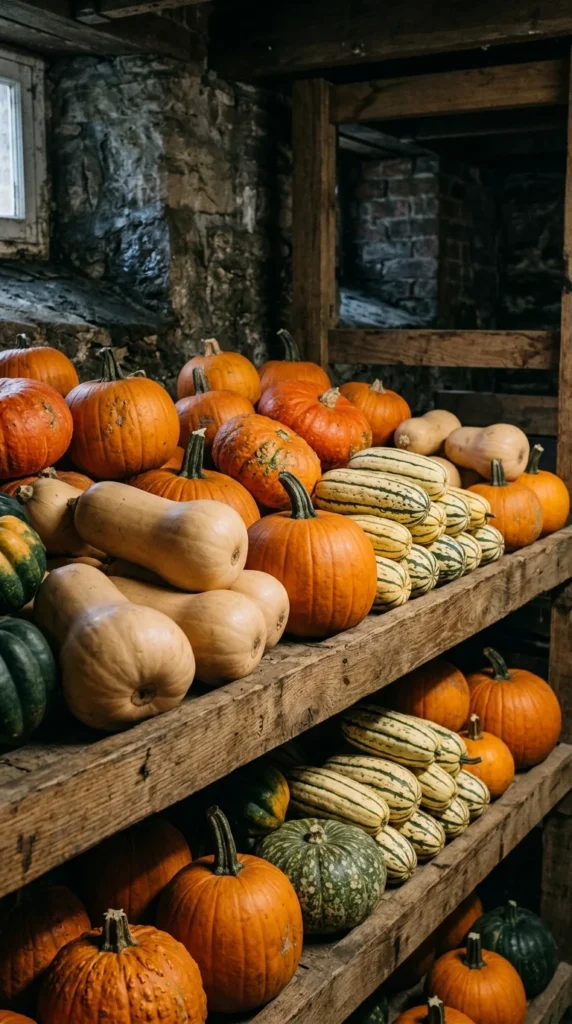
Part of a “continuous harvest” is the ability to eat from your garden even when nothing is currently growing outside. Winter squashes, such as butternut, acorn, and Hubbard, are designed for long-term storage. When cured properly in the sun and stored in a cool, dry place, these nutrient-dense vegetables can last six months or more, providing homegrown food through the deepest winter months.
12. Root Cellaring
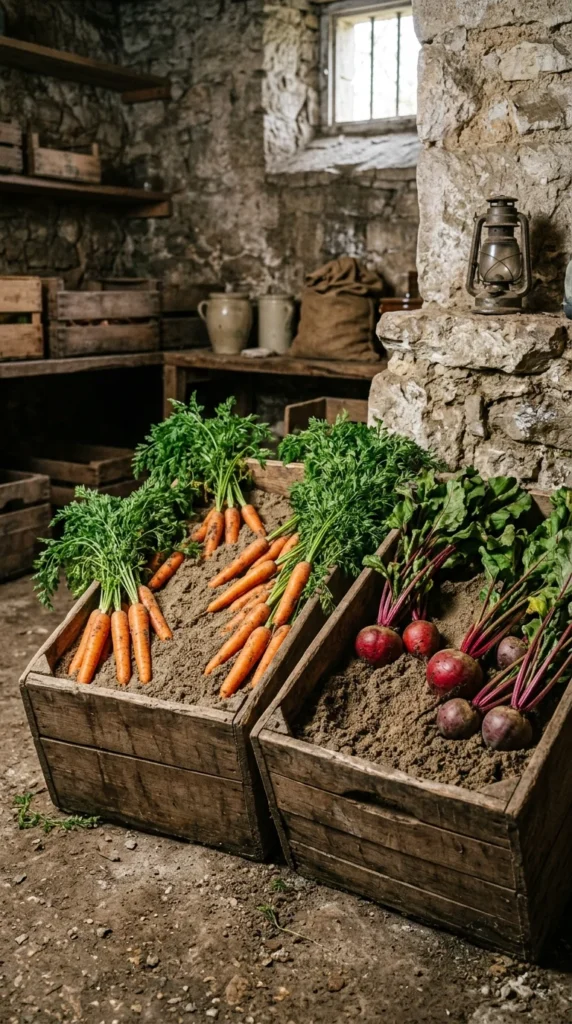
Before modern refrigeration, root cellars were the primary way to maintain a year-round food supply. You can mimic this by storing root crops like carrots, beets, and potatoes in containers of damp sand or sawdust in a cool basement or unheated garage. This technique keeps the vegetables dormant and crisp, allowing you to “harvest” from your storage bins all winter long.
13. Greenhouse Integration
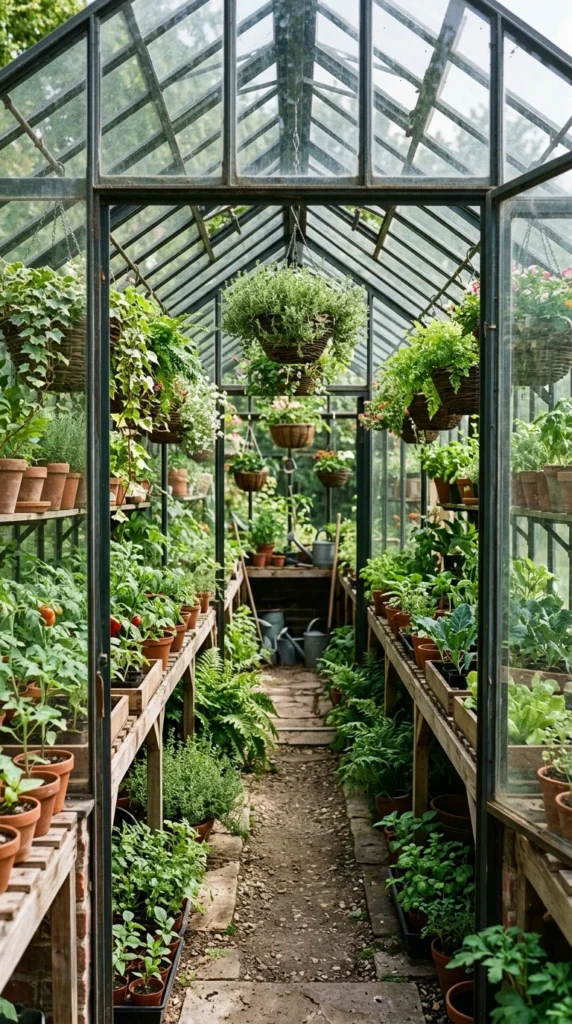
A greenhouse provides the ultimate control over the environment. Even a small, unheated glass or polycarbonate structure can extend the growing season by several months. In colder climates, adding a small heat source or using thermal mass (like black water barrels) can enable you to grow citrus or tender greens even when the outside temperature is well below freezing.
14. Drip Irrigation
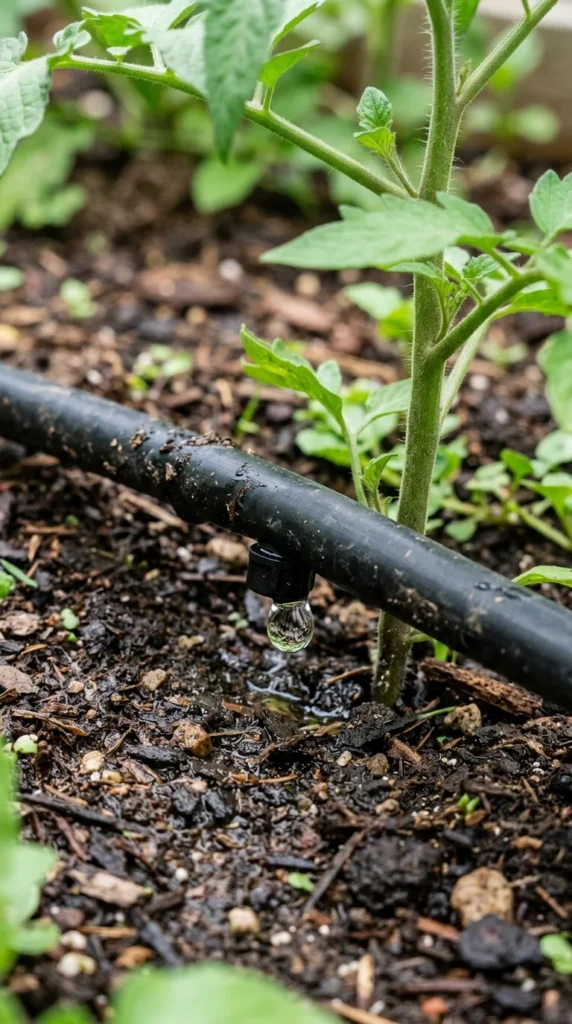
Consistent moisture is crucial for the rapid growth required for succession planting. Drip irrigation delivers water directly to the root zone, reducing waste and keeping foliage dry to prevent disease. By automating your watering system with a timer, you ensure that your plants never experience the stress of drought, which can trigger premature bolting (flowering) in crops like lettuce and spinach.
15. Heirloom Varieties
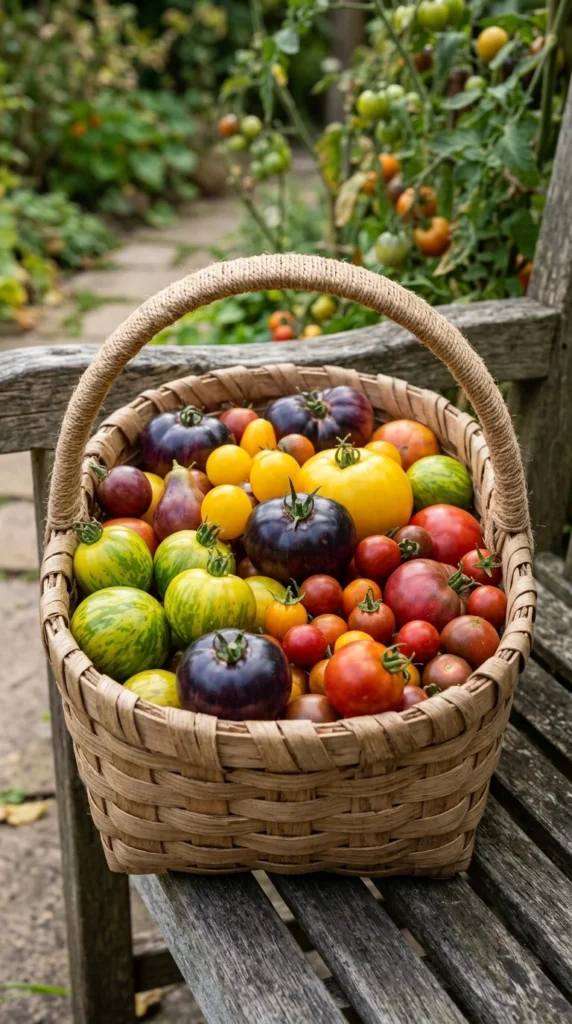
Heirloom varieties are often selected for their specific regional adaptations and flavor profiles. Many heirlooms have been bred over generations to thrive in specific conditions, such as short summers or cool, damp springs. By diversifying the types of seeds you plant, you create a more resilient garden that can handle the unpredictable weather shifts associated with year-round cultivation.
16. Microclimates
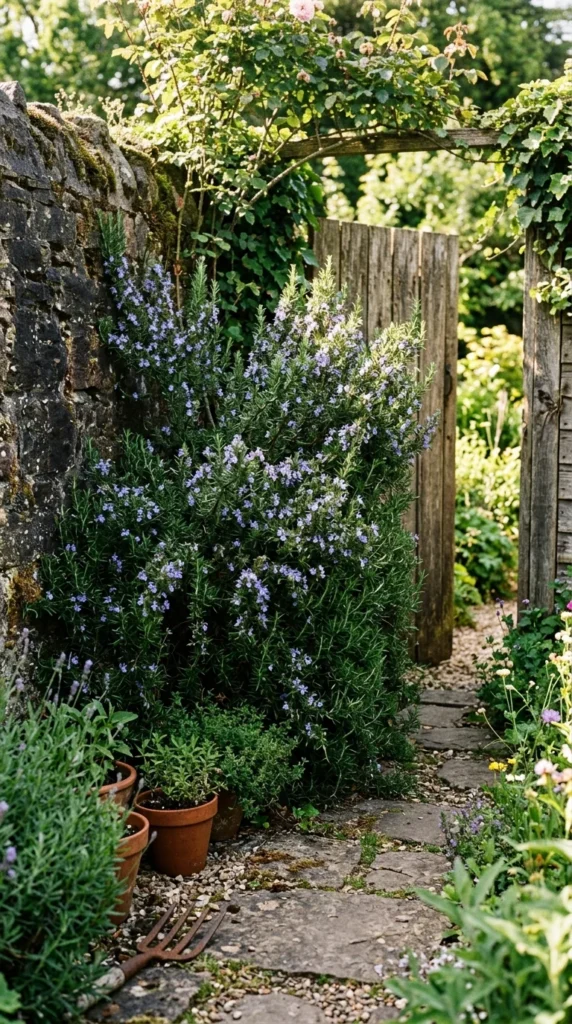
Every garden has microclimates—areas that are slightly warmer, cooler, wetter, or drier than the rest of the yard. A south-facing brick wall, for example, absorbs heat during the day and radiates it at night. Use these spots to your advantage: plant heat-loving peppers against the wall and moisture-loving mint in the shady, damp corners. Mapping these zones allows for more precise and successful planting.
17. Seed Saving
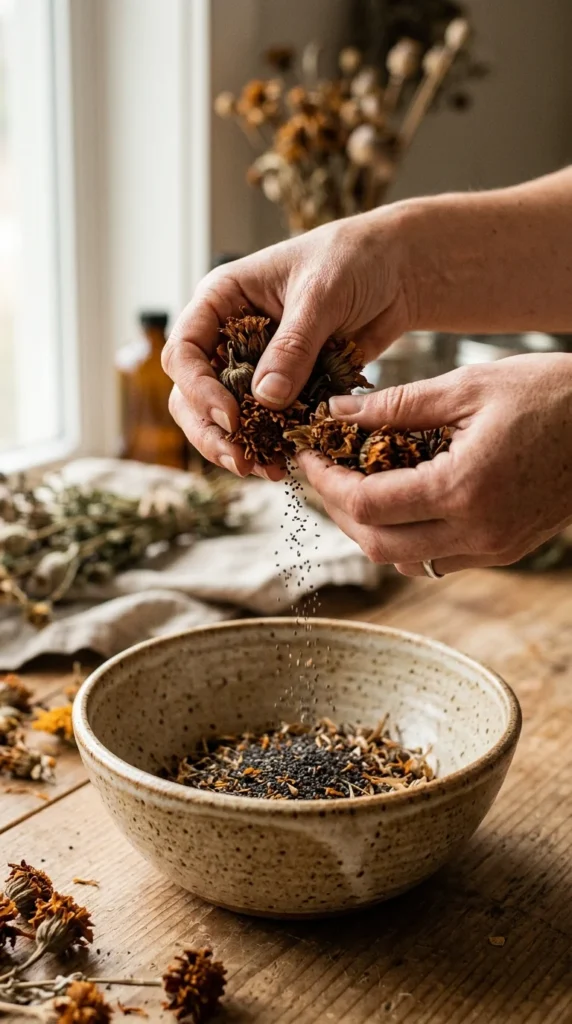
Saving seeds from your most successful plants creates a localized variety that is perfectly adapted to your specific garden conditions. Over several seasons, these “homegrown” seeds will become more resilient to your local pests and weather patterns. This self-reliance ensures you always have a fresh supply of seeds for your next planting cycle without relying on external suppliers.
18. Row Covers
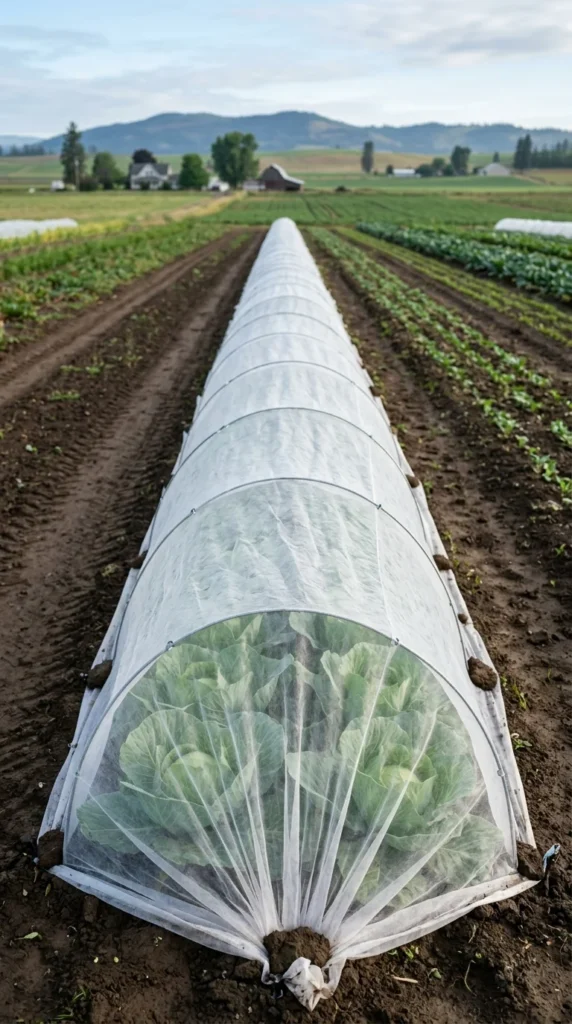
Lightweight, spun-bonded polyester row covers serve two purposes. In the spring and summer, they act as a physical barrier against pests like cabbage moths and flea beetles. In the fall, a heavier grade of “frost cloth” can protect tender plants from light freezes. Because they allow light and water to pass through, they can be left on the plants for extended periods, providing a stable growing environment.
19. Intercropping
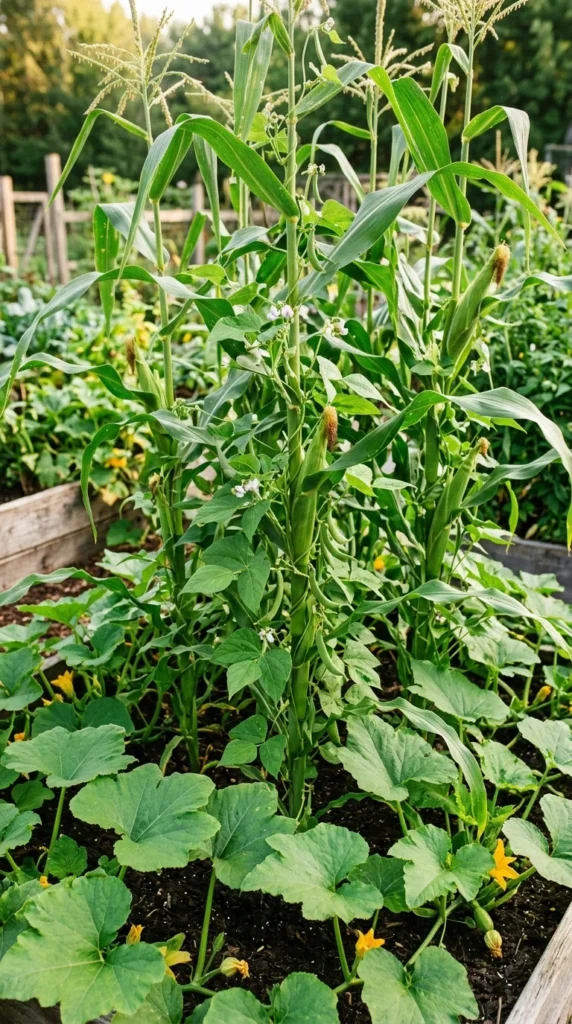
Intercropping is the practice of growing two or more crops in close proximity. A classic example is the “Three Sisters” method (corn, beans, and squash). This strategy optimizes the use of sunlight and soil nutrients. By filling every niche in the garden, you prevent weeds from taking hold and ensure that as one crop is being harvested, another is already maturing in the same space.
20. Herb Windowsills
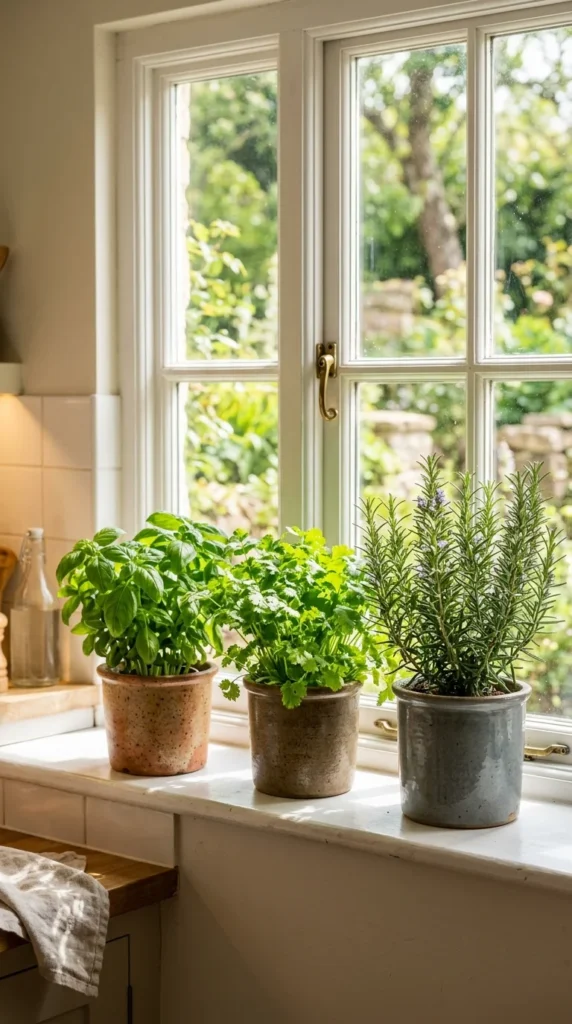
When the outdoor garden is buried under snow, the indoor windowsill becomes a vital source of fresh greens. Herbs like parsley, chives, and cilantro can be grown easily in small pots. This provides fresh flavors for winter cooking and keeps the “gardening itch” satisfied during the darkest months of the year.
21. Fall Sowing
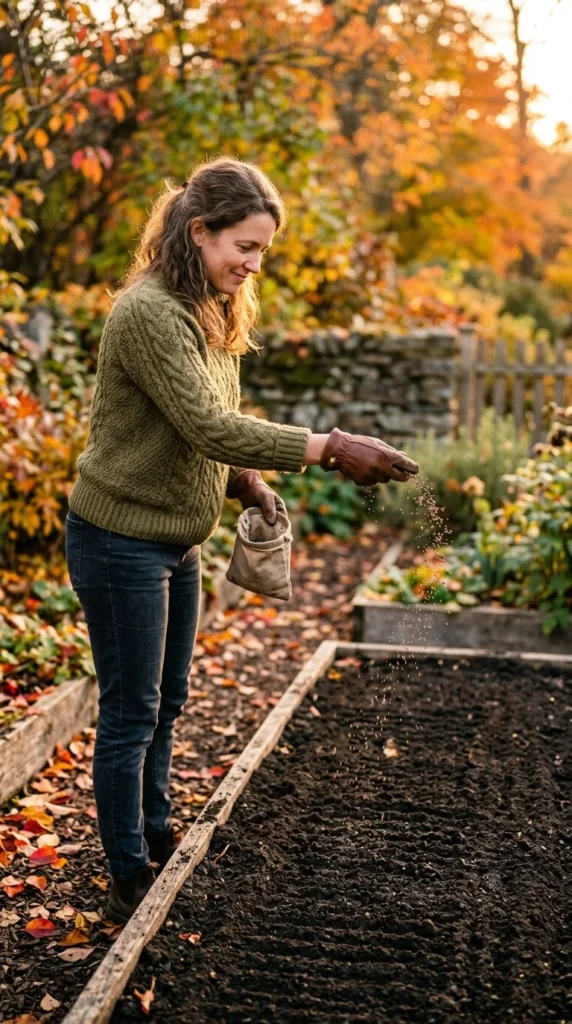
Many gardeners stop planting in August, but fall is the perfect time to sow crops for a late harvest or for “overwintering.” Vegetables like kale, carrots, and leeks actually become sweeter after a frost as they convert starches into sugars to prevent freezing. Sowing these in late summer ensures they are established enough to survive the winter and provide food when everything else has gone dormant.
22. Composting Systems
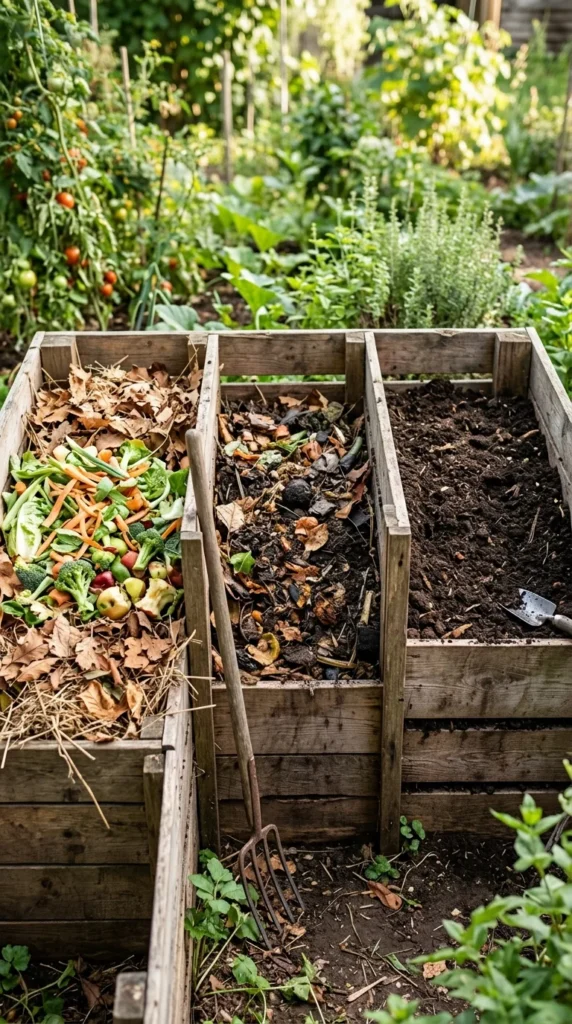
A continuous garden requires a continuous supply of nutrients. Implementing a robust composting system ensures that garden waste and kitchen scraps are recycled back into the soil. By managing three different stages of decomposition, you ensure a steady supply of “black gold” to top off your beds between every new planting of seeds or seedlings.
23. Pollinator Strips
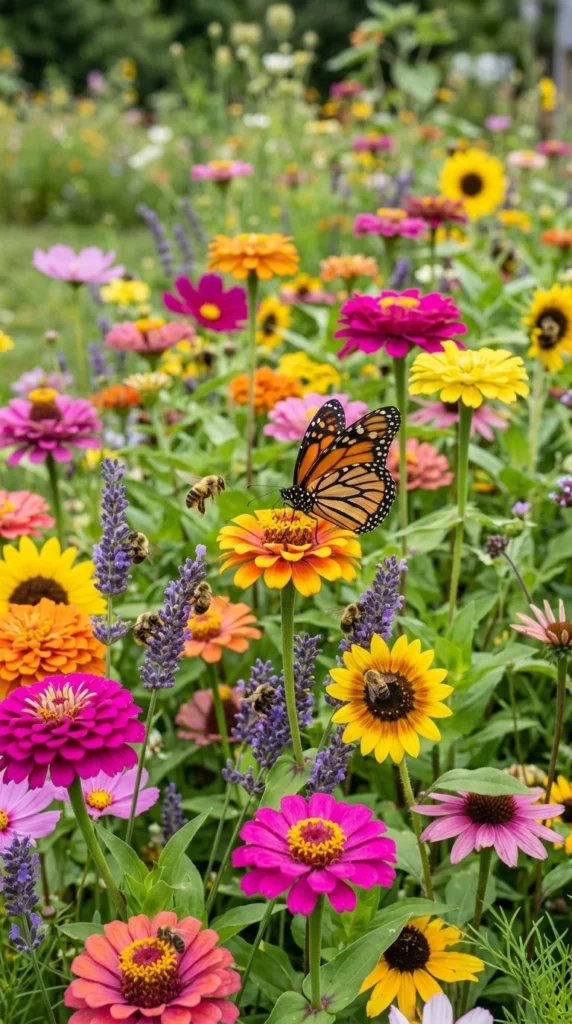
A year-round garden needs pollinators to ensure fruit set in crops like squash, cucumbers, and tomatoes. By dedicating a portion of your garden to native flowers and nectar-rich plants, you ensure that bees, butterflies, and predatory insects are present. This biodiversity helps manage pest populations naturally and increases the overall success rate of your food crops.
24. Record Keeping
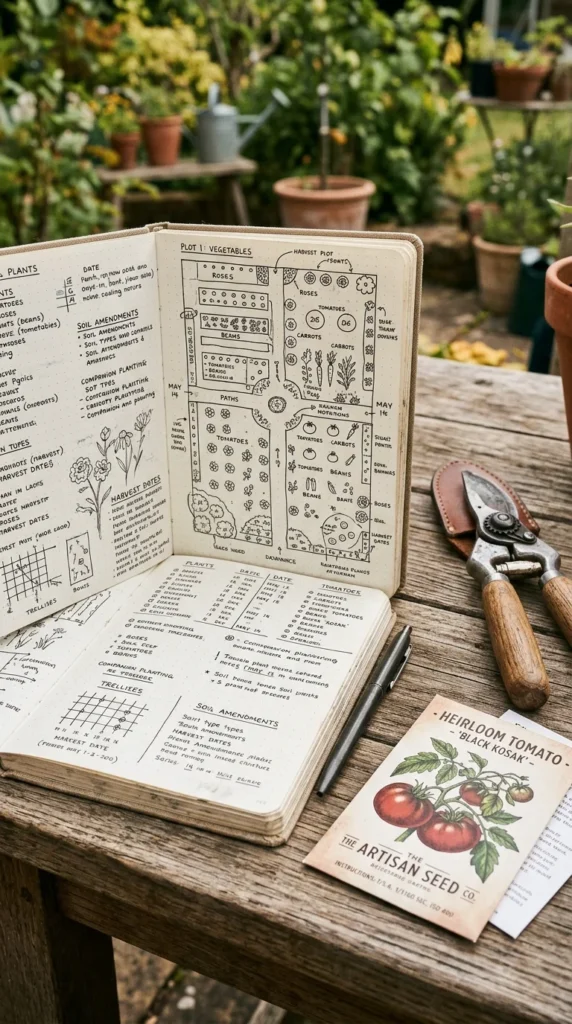
The most successful year-round gardeners are those who learn from their past. Keeping a garden journal allows you to track planting dates, harvest dates, and the performance of specific varieties. Over time, this data becomes your personal “instruction manual,” telling you exactly when to sow your spinach to ensure it’s ready for a Christmas harvest in your specific climate.
25. Hydroponic Systems
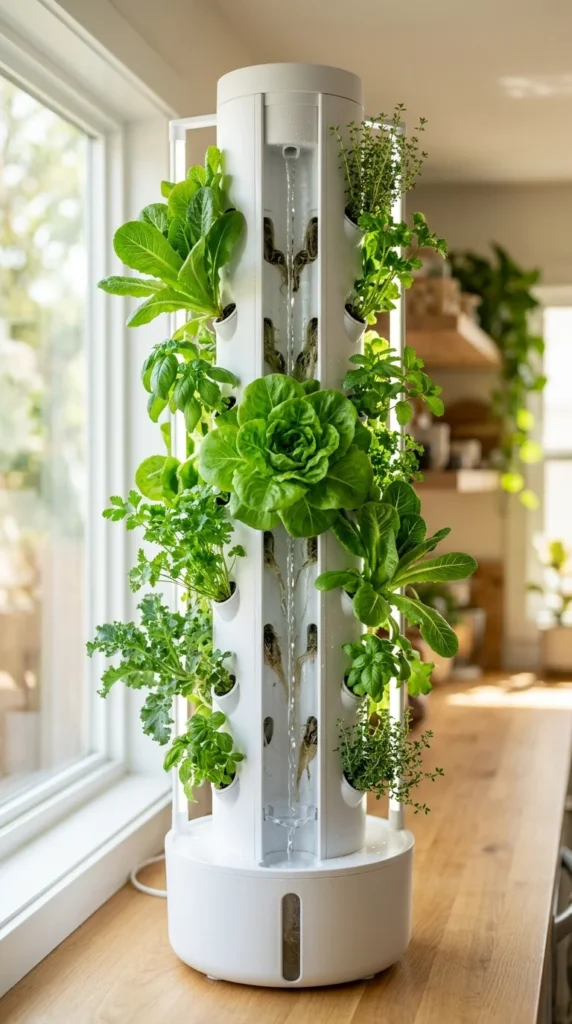
For those in extremely harsh climates, or for those with limited outdoor space, hydroponics offers a way to grow food regardless of the weather outside. By growing plants in a nutrient-rich water solution rather than soil, you can produce greens, herbs, and even small fruiting plants like strawberries indoors. This technology ensures a harvest even in the dead of winter or during the height of a summer heatwave.