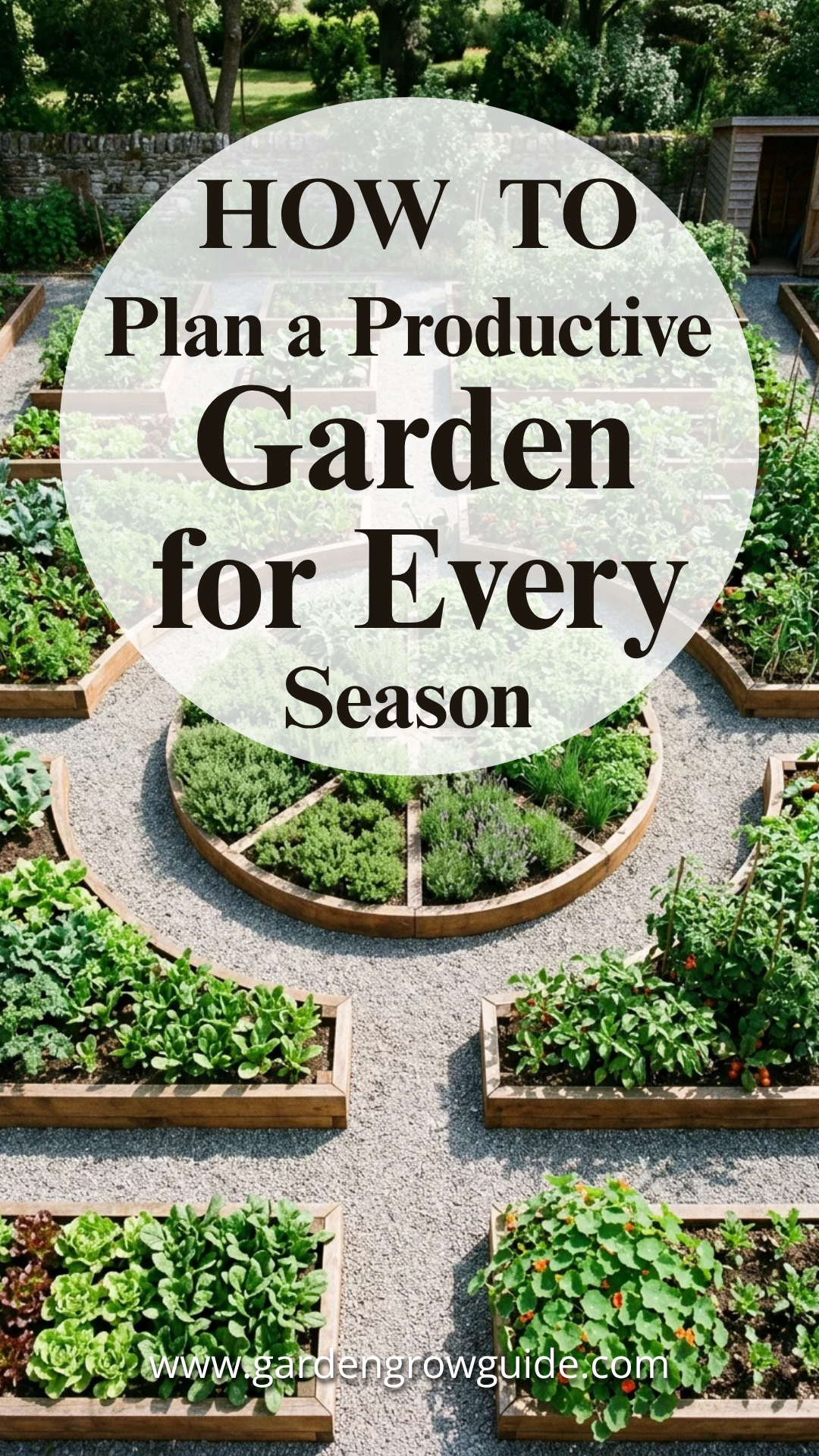
The dream of a self-sustaining, year-round productive garden is often met with the reality of seasonal fluctuations. However, with strategic planning and an understanding of the botanical calendar, it is entirely possible to harvest fresh produce during all twelve months of the year. A productive garden is not merely a collection of plants; it is a managed ecosystem that requires foresight, soil stewardship, and a commitment to succession planting. This guide outlines the comprehensive steps needed to transform a backyard plot into a perennial source of nutrition and beauty.
1. Garden Layout
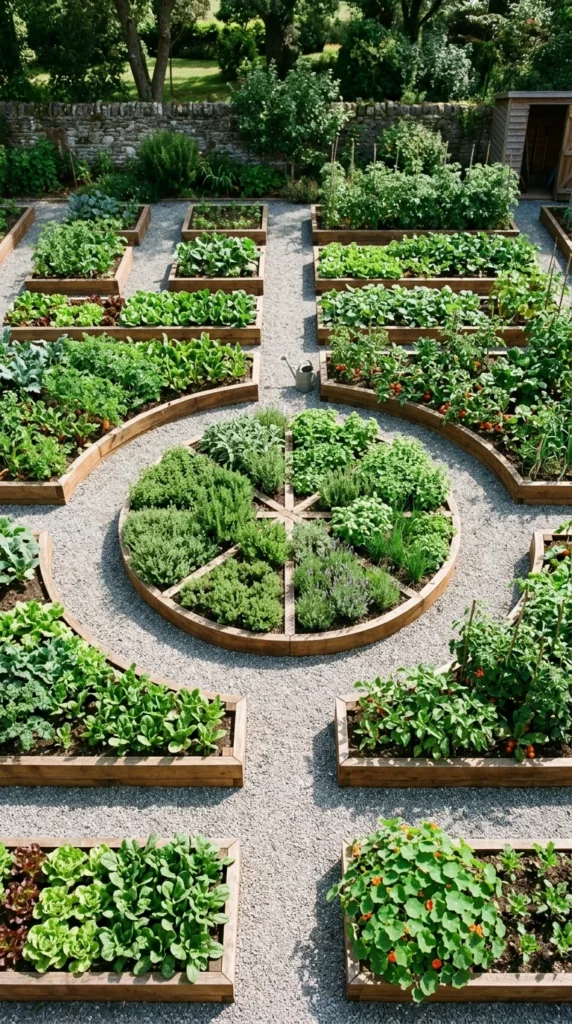
The foundation of a productive garden begins with its physical architecture. To maximize yield, one must consider the sun’s path throughout the year. Most vegetables require at least six to eight hours of direct sunlight. Utilizing “Square Foot Gardening” or intensive bed systems allows for higher density planting without depleting the soil.
Verticality is another crucial element. By installing trellises, arbors, and A-frame supports, gardeners can grow climbing crops like pole beans, cucumbers, and vining squash. This saves valuable ground space for root crops and leafy greens. Additionally, the layout should include dedicated zones for composting and tool storage to ensure that the workflow remains efficient as the seasons shift.
2. Soil Health
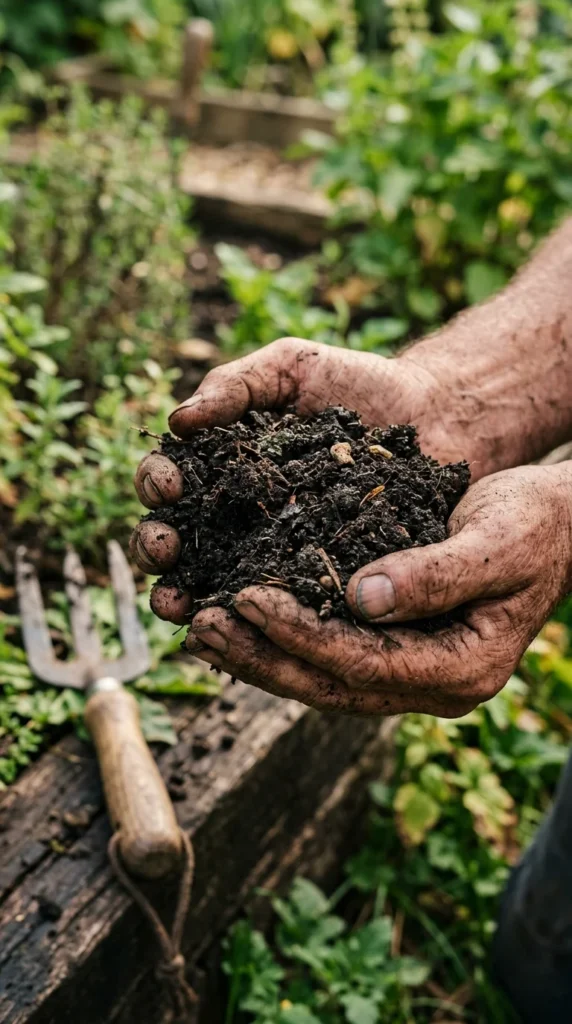
Productivity starts beneath the surface. Soil is a living organism that requires constant feeding. Before the growing season begins, it is essential to conduct a soil test to determine pH levels and nutrient deficiencies. For a garden to produce across all seasons, the soil must be rich in organic matter.
Incorporating well-rotted compost, leaf mold, and aged manure improves soil structure, drainage, and moisture retention. In a multi-season garden, the soil is rarely left bare. When a crop is harvested, the bed should be immediately amended and replanted, or protected with organic mulch to prevent erosion and nutrient leaching. Healthy soil also harbors beneficial microbes and earthworms, which act as a natural defense against soil-borne pathogens.
3. Spring Awakening
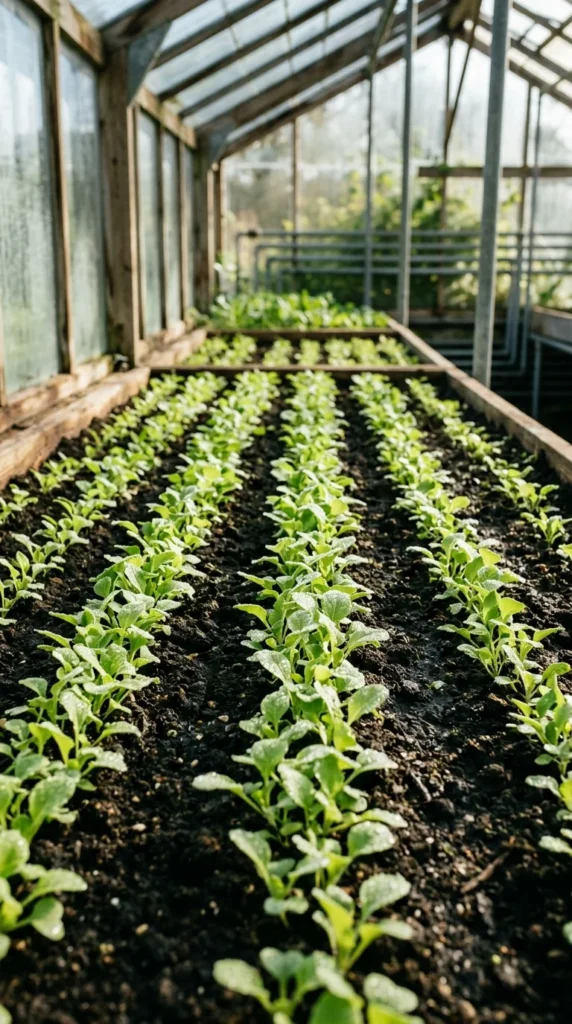
Spring is the season of anticipation and rapid growth. As the ground thaws, the focus shifts to “cool-season” crops. These are plants that can withstand light frosts and thrive in the mild temperatures of early spring. Peas, radishes, spinach, and lettuces are the pioneers of the spring garden.
During this phase, indoor seed starting is critical for heat-loving crops that will be transplanted later. Utilizing grow lights or sunny windowsills, gardeners can get a head start on tomatoes, peppers, and eggplants. In the outdoor garden, this is the time to prune perennial fruits and apply the first round of organic fertilizers. Proper timing in spring sets the pace for the entire year; delay here can result in a shorter harvest window during the peak of summer.
4. Summer Bounty
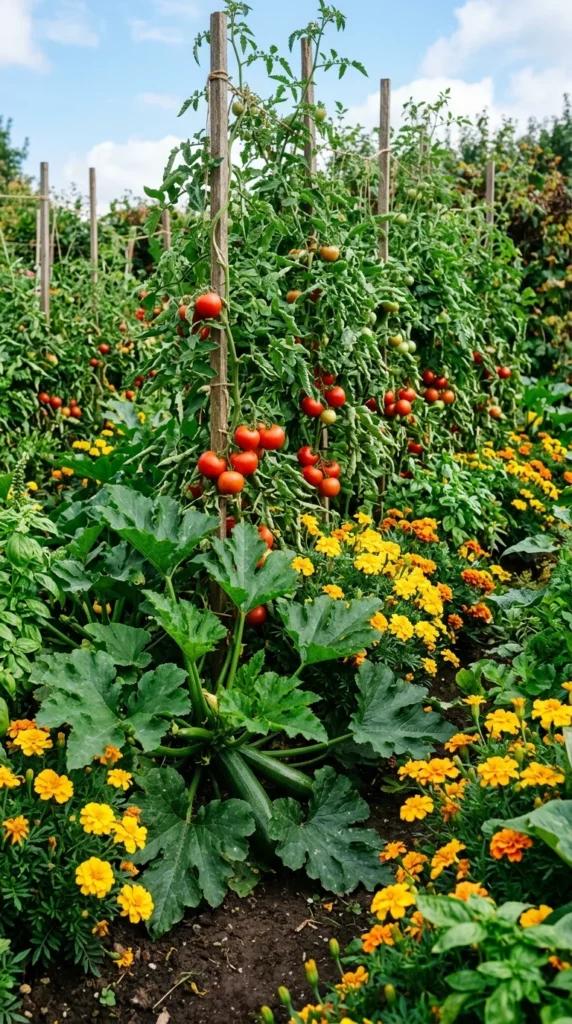
Summer is the zenith of garden productivity. The long days and high temperatures facilitate the growth of “warm-season” crops. This is the time when the garden requires the most consistent maintenance. Irrigation is paramount; deep, infrequent watering at the base of plants is more effective than light daily sprinkling, as it encourages deep root growth.
Mulching becomes a vital tool in summer to regulate soil temperature and conserve moisture. This is also the period of “succession planting.” Instead of planting all corn or beans at once, staggering plantings every two weeks ensures a continuous harvest rather than an overwhelming glut. Vigilance is required for pest management, utilizing integrated pest management (IPM) techniques such as companion planting and physical barriers to keep insect populations in check without harsh chemicals.
5. Autumn Transition
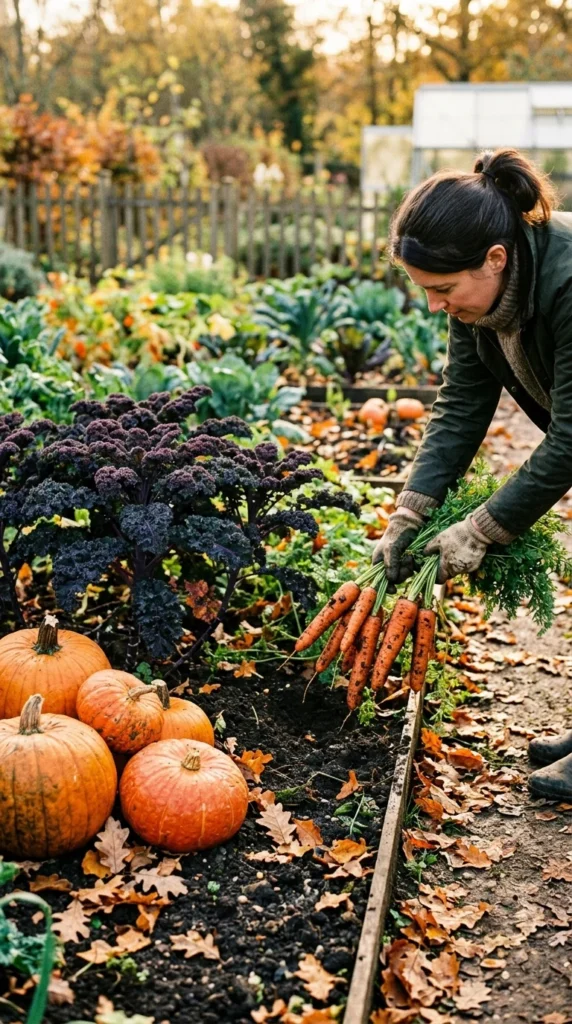
As the heat of summer fades, the productive garden enters its second peak. Many gardeners mistakenly stop planting in August, but this is the ideal time to sow crops for the autumn harvest. Many cool-weather vegetables, such as kale, carrots, and Brussels sprouts, actually taste better after a light frost as the plants convert starches into sugars as a natural antifreeze.
Autumn is also the time for “season extension.” By using row covers, cloches, or cold frames, a gardener can protect sensitive crops from early frosts, pushing the harvest well into the colder months. This is also the window for planting garlic and perennial bulbs, which require a period of winter dormancy to thrive the following year. It is a season of both reaping the final summer fruits and preparing the earth for its winter rest.
6. Winter Resilience
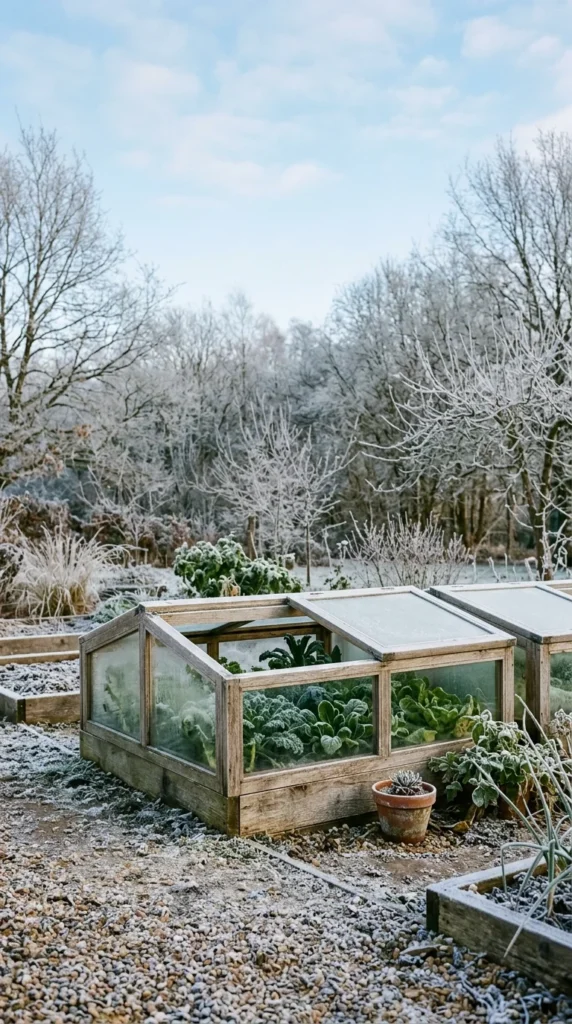
A productive winter garden focuses on protection and preservation. In many climates, hardy greens like mâche, claytonia, and certain varieties of spinach can be harvested under cover even in sub-freezing temperatures. If the ground does not freeze solid, root crops like parsnips and leeks can be stored “in situ” under a thick layer of straw mulch.
For the gardener, winter is a season of reflection and education. It is the time to clean and sharpen tools, organize seed collections, and review the garden journal to see what varieties performed best. Winter planning involves sketching out crop rotation maps to ensure that the same plant families are not grown in the same spot for consecutive years, which helps break pest and disease cycles.
7. Essential Tools

To maintain a garden across four seasons, having the right tools is non-negotiable. Quality over quantity is the rule. A sharp, ergonomic hori-hori knife is indispensable for weeding and transplanting. A high-quality stirrup hoe allows for quick weeding of large areas without disturbing the soil structure.
Beyond hand tools, a multi-season gardener needs infrastructure. This includes heavy-duty frost blankets for the shoulder seasons, high-quality irrigation hoses or drip systems, and sturdy stakes or cages. Investing in a compost tumbler or bin system is also essential for recycling garden waste back into the “black gold” that will fuel the next season’s growth.
8. Continuous Harvest
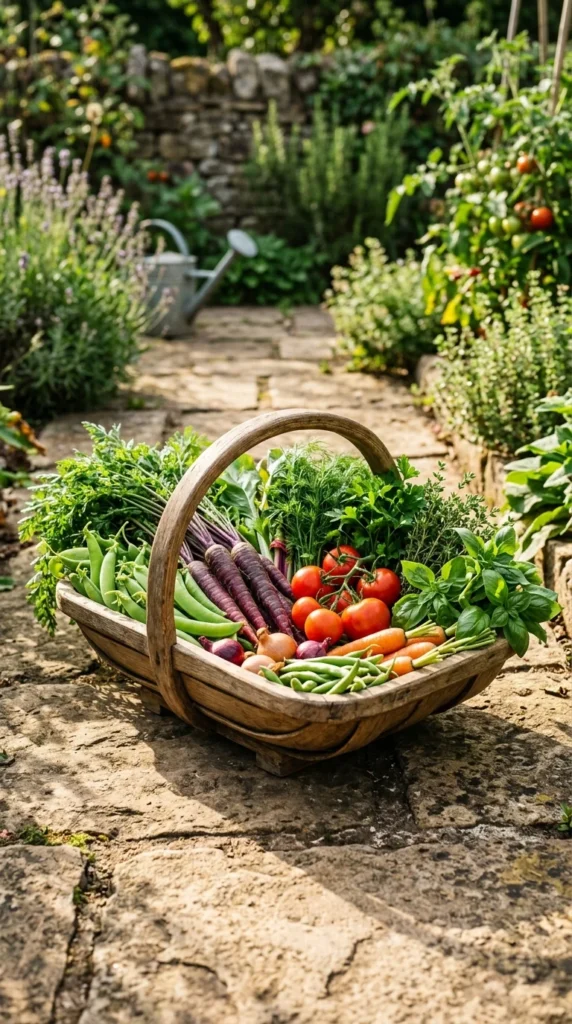
The ultimate goal of a year-round garden is the “continuous harvest.” This requires a shift in mindset from a single large planting to a series of small, rhythmic actions. It involves monitoring the “days to maturity” on seed packets and calculating backward from the first and last frost dates of your specific microclimate.
By integrating perennial food sources—such as asparagus, rhubarb, and berry bushes—with annual vegetables, the gardener ensures that there is always something to pick, even during the transition weeks between seasons. A truly productive garden becomes a lifestyle, where the boundary between the kitchen and the outdoors blurs, and the seasonal rhythms of the earth dictate the menu on the table. Through careful planning and a deep connection to the soil, any space can become a prolific sanctuary of growth.