While many gardeners hang up their trowels as the summer heat fades, the fall season offers one of the most rewarding opportunities for cultivation. A fall vegetable garden often yields sweeter produce, faces fewer pest pressures, and provides a peaceful transition into the winter months. To transition your garden from the bounty of summer to the crisp productivity of autumn, you need a strategic approach to timing, soil management, and crop selection.
1. Timing
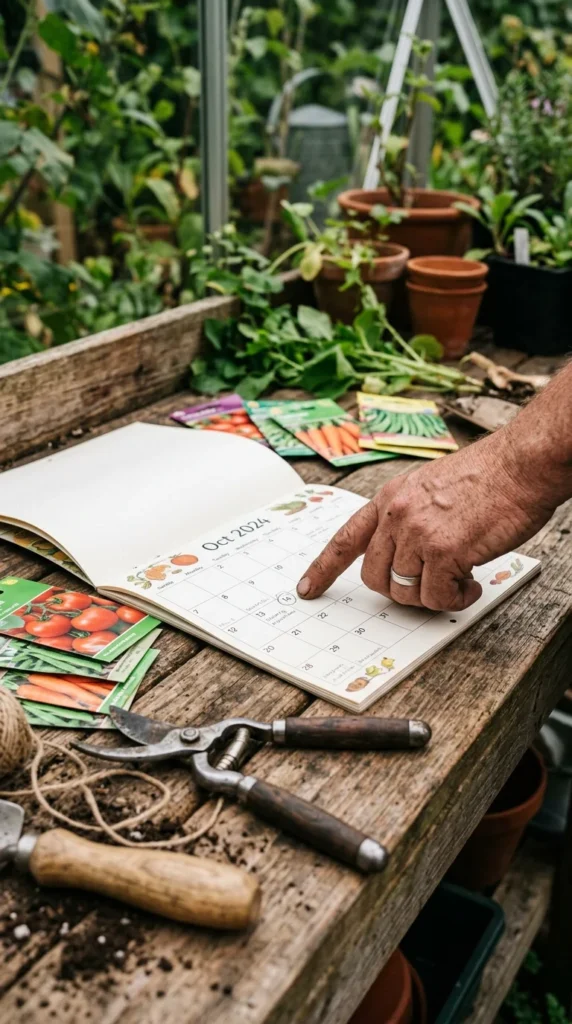
The most critical factor in a successful fall garden is the “days to maturity” calculation. Unlike spring planting, where the weather is getting warmer and days are getting longer, fall gardening happens as temperatures drop and daylight wanes. To succeed, you must identify your region’s first expected frost date and count backward based on the maturity time listed on your seed packets. Most fall crops need to reach maturity before the first hard freeze, although many “cool-season” vegetables can handle a light frost. Generally, you should begin your fall planting in late July or August to give plants enough time to establish their root systems while the soil is still warm.
2. Soil Preparation
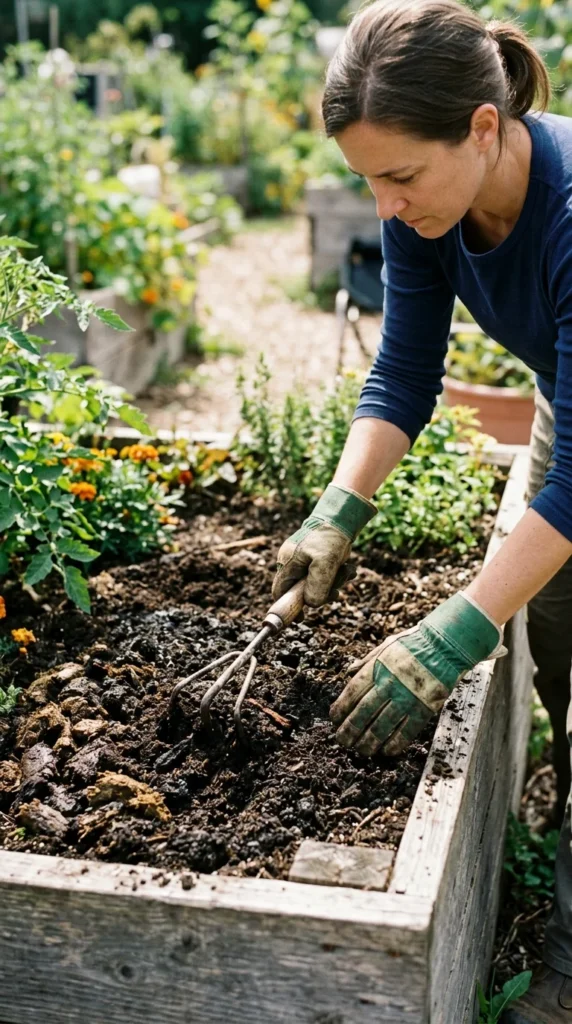
After a heavy summer harvest, your soil is likely depleted of nitrogen, phosphorus, and potassium. Before planting your fall crops, you must rejuvenate the earth. Clear out any spent summer plants and weeds, which can harbor pests and diseases. Instead of deep tilling, which can disrupt the soil microbiome, lightly top-dress your beds with two to three inches of high-quality compost or well-rotted manure. This provides a slow-release nutrient boost that will sustain your vegetables through the cooling weeks ahead.
3. Transplants
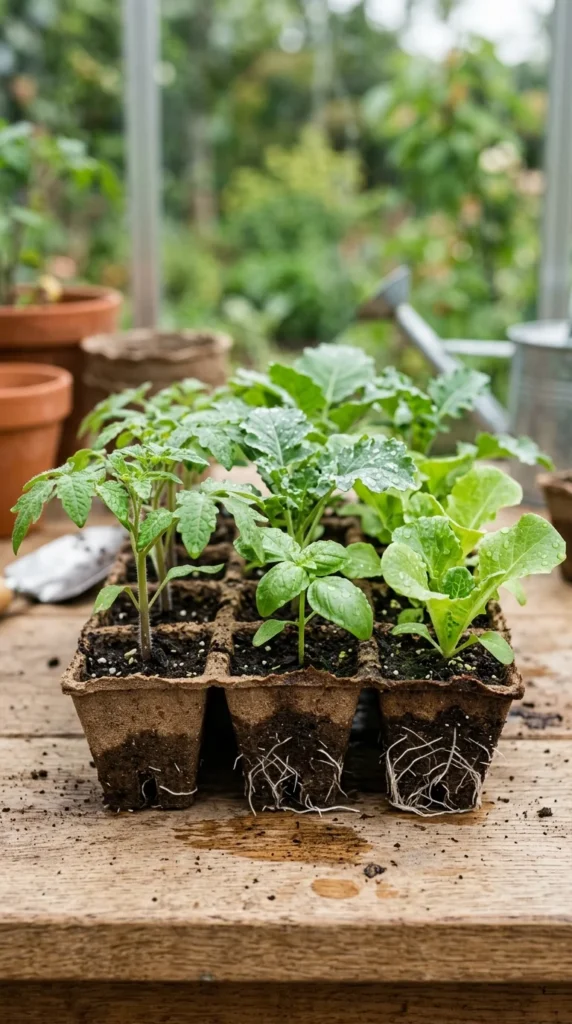
Because the window for fall growth is narrower than in spring, using transplants rather than seeds can give you a significant head start. For crops like broccoli, cauliflower, and cabbage, starting seeds indoors in mid-summer or buying established starts from a nursery is highly recommended. Transplants are more resilient against the late-summer heat and the occasional heavy rainstorm, ensuring that the plant has a sturdy foundation before the temperatures begin to plummet.
4. Mulching
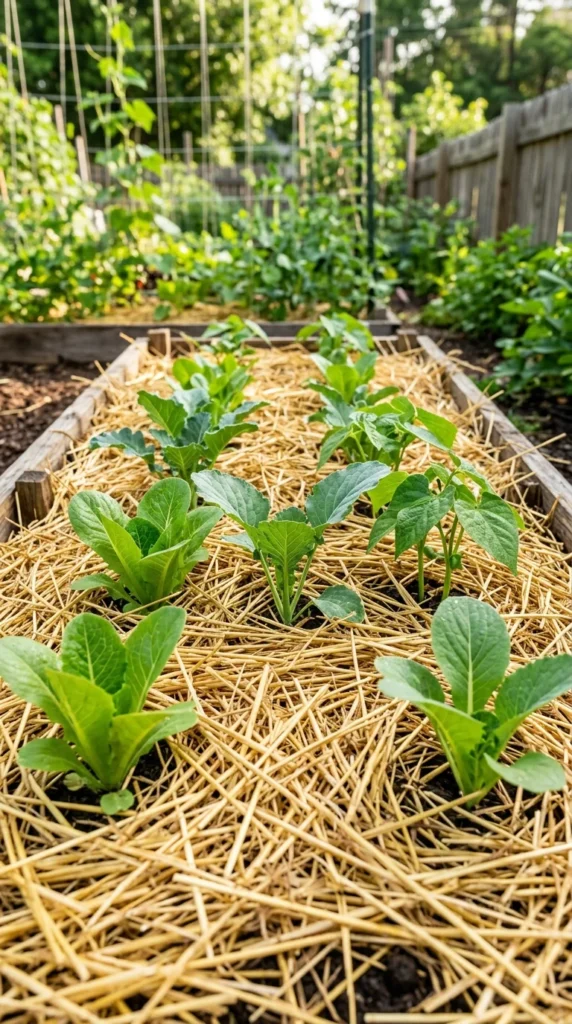
In the early stages of a fall garden, the sun can still be quite intense. Mulching is vital for two reasons: moisture retention and temperature regulation. A thick layer of organic mulch, such as weed-free straw, shredded leaves, or pine bark, helps keep the soil cool and moist during the tail end of summer heat. As the season progresses and the air turns cold, that same mulch acts as an insulating blanket for the root systems, extending your harvest well into the first few frosts.
5. Leafy Greens
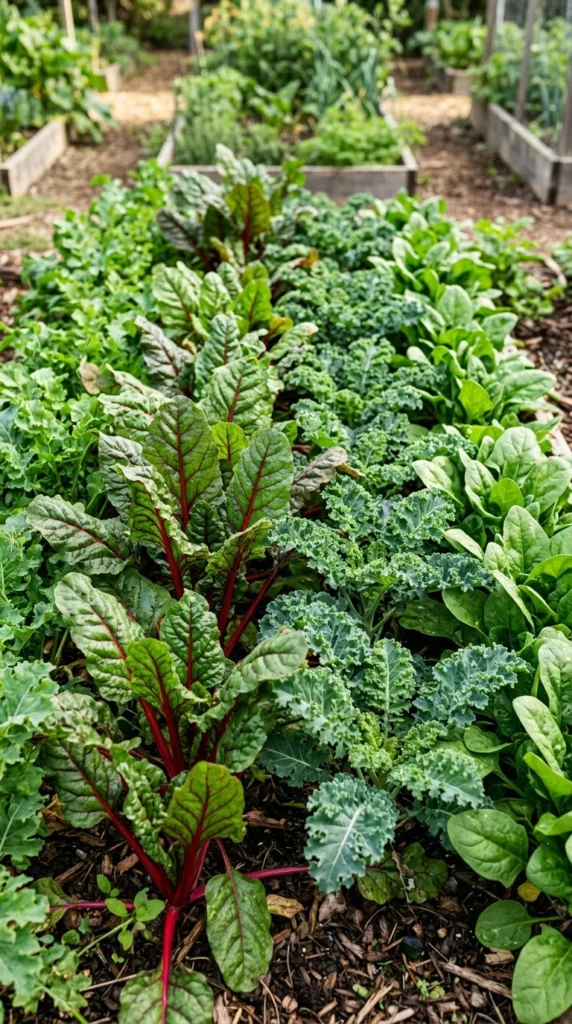
Leafy greens thrive in the cooling temperatures of autumn. In fact, crops like kale and collard greens actually improve in flavor after a light frost, as the cold triggers the plant to convert starches into sugars. Spinach, lettuce, arugula, and bok choy are excellent candidates for the fall garden. These crops can be planted in succession—sowing a new row every two weeks—to ensure a continuous harvest until the ground freezes.
6. Root Crops
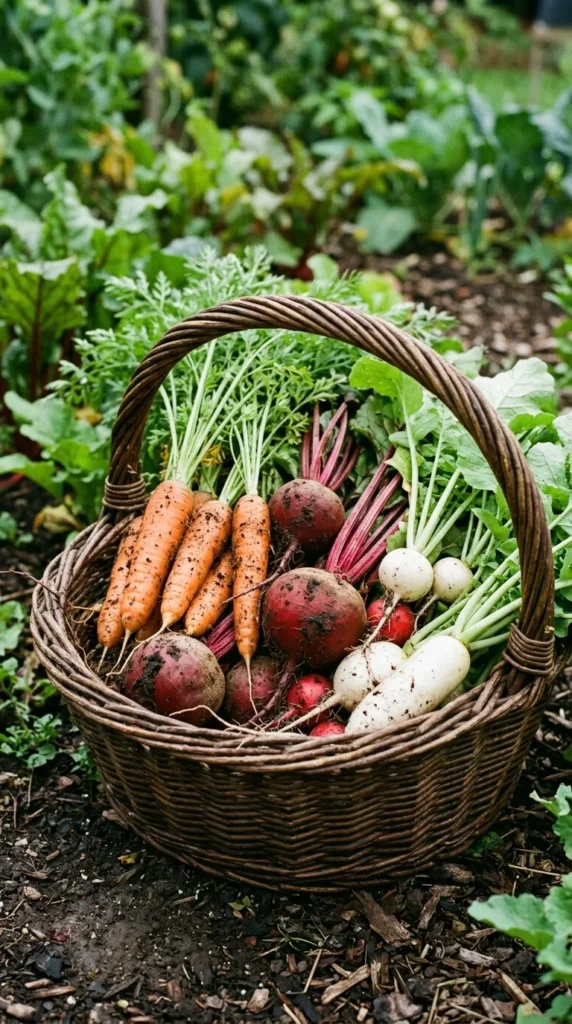
Root vegetables are the workhorses of the fall garden. Carrots, beets, radishes, and turnips prefer the mellowing soil temperatures of September and October. Unlike summer carrots which can sometimes turn woody, fall-harvested carrots are exceptionally crisp and sweet. Radishes are particularly rewarding for late-season gardeners because they mature quickly—some varieties are ready to eat in as little as 25 days, making them perfect for filling gaps left by harvested summer crops.
7. Brassicas
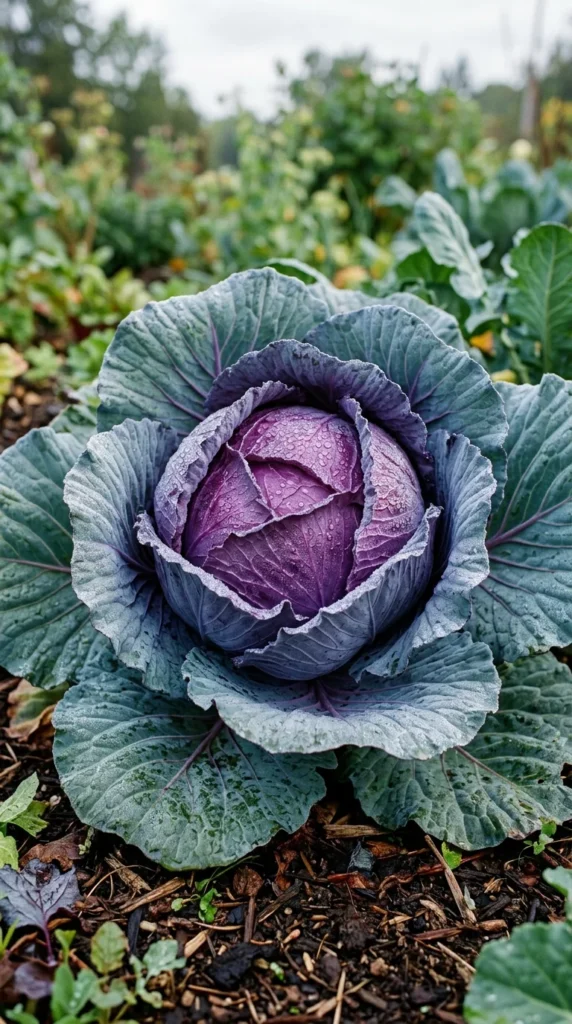
The Brassica family, which includes broccoli, cauliflower, Brussels sprouts, and cabbage, is the hallmark of the autumn harvest. These plants struggle in the intense heat of summer, often “bolting” or turning bitter. However, the cool air of autumn slows their growth just enough to produce dense, flavorful heads. Brussels sprouts are particularly notable; they require a long growing season but become incredibly sweet after they have been “kissed” by a few frosts.
8. Watering
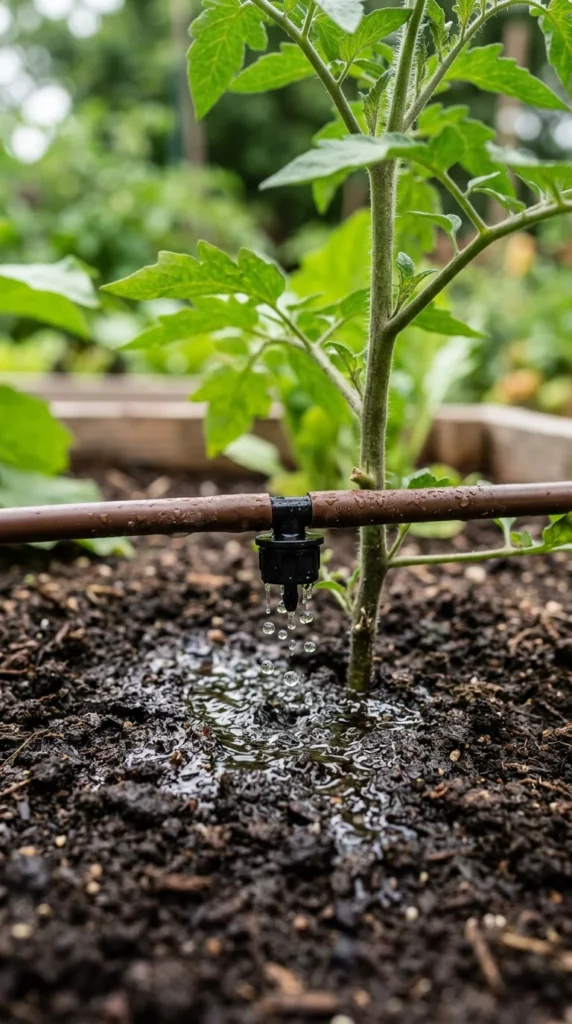
Watering requirements change as you move from summer to fall. While the air temperature is dropping, the soil can stay warm for a long time, and autumn winds can be surprisingly dehydrating. It is important to water deeply at the base of the plants to encourage deep root growth. As the days get shorter and evaporation slows down, you may need to reduce the frequency of watering to prevent root rot, but you must ensure the plants never experience a total “dry out” during their final push toward maturity.
9. Pest Management
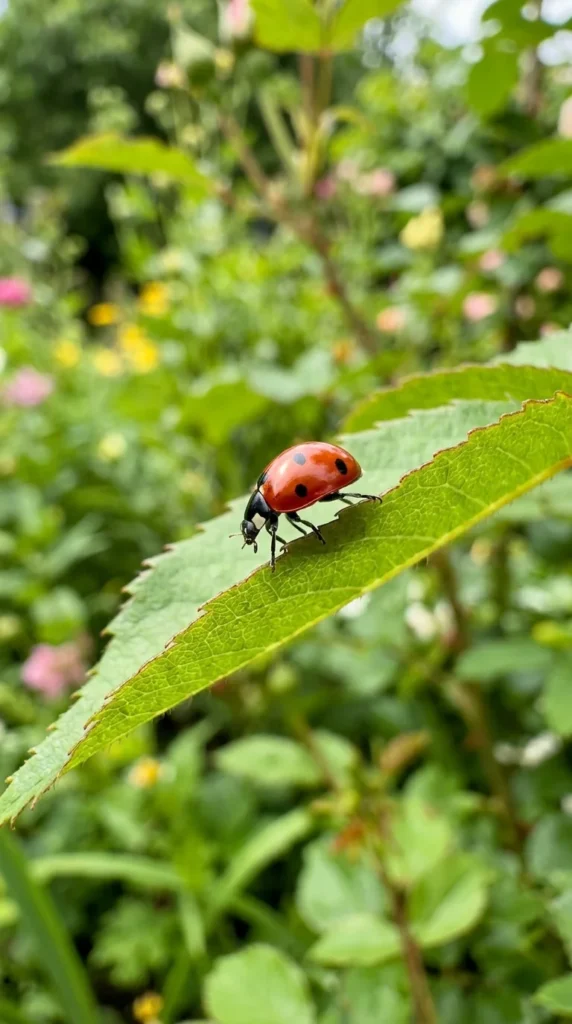
Many of the pests that plague the summer garden, like tomato hornworms, begin to fade away in the fall. However, cool-weather pests such as cabbage looper moths and aphids can still be active. Check the undersides of leaves regularly. Because the ecosystem is slowing down, beneficial insects like ladybugs and lacewings may be less abundant, so manual intervention—like a strong spray of water to dislodge aphids or the use of organic neem oil—may be necessary to keep your plants healthy.
10. Protection
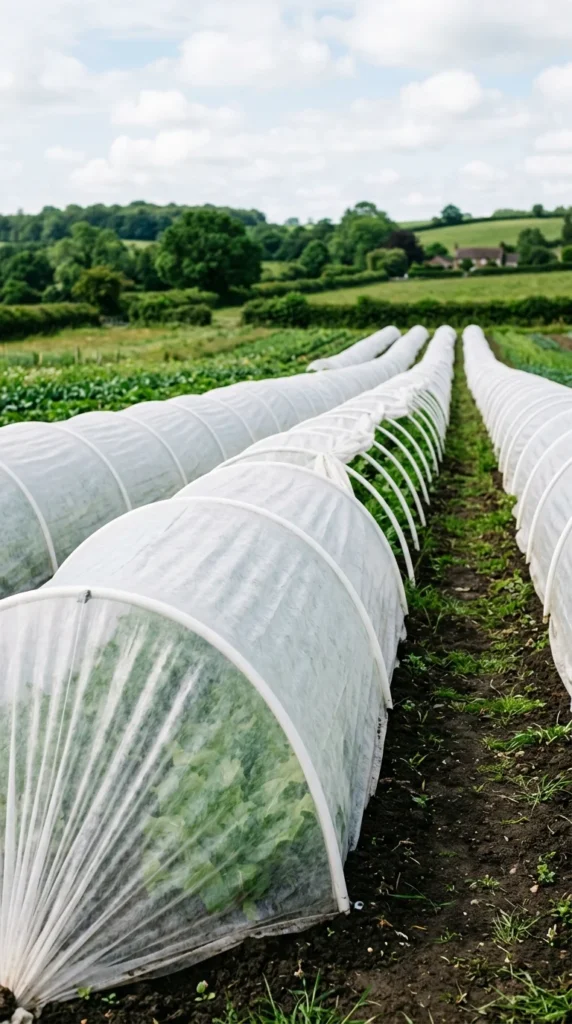
To truly master the fall garden, you should be prepared to protect your crops from extreme weather. Floating row covers, cold frames, or even simple plastic tunnels can raise the ambient temperature around your plants by several degrees. This protection can extend your growing season by four to six weeks, allowing you to harvest fresh vegetables even when there is snow on the ground. When a hard freeze is predicted, covering your plants in the late afternoon helps trap the earth’s residual heat, keeping the foliage from becoming damaged by ice crystals.