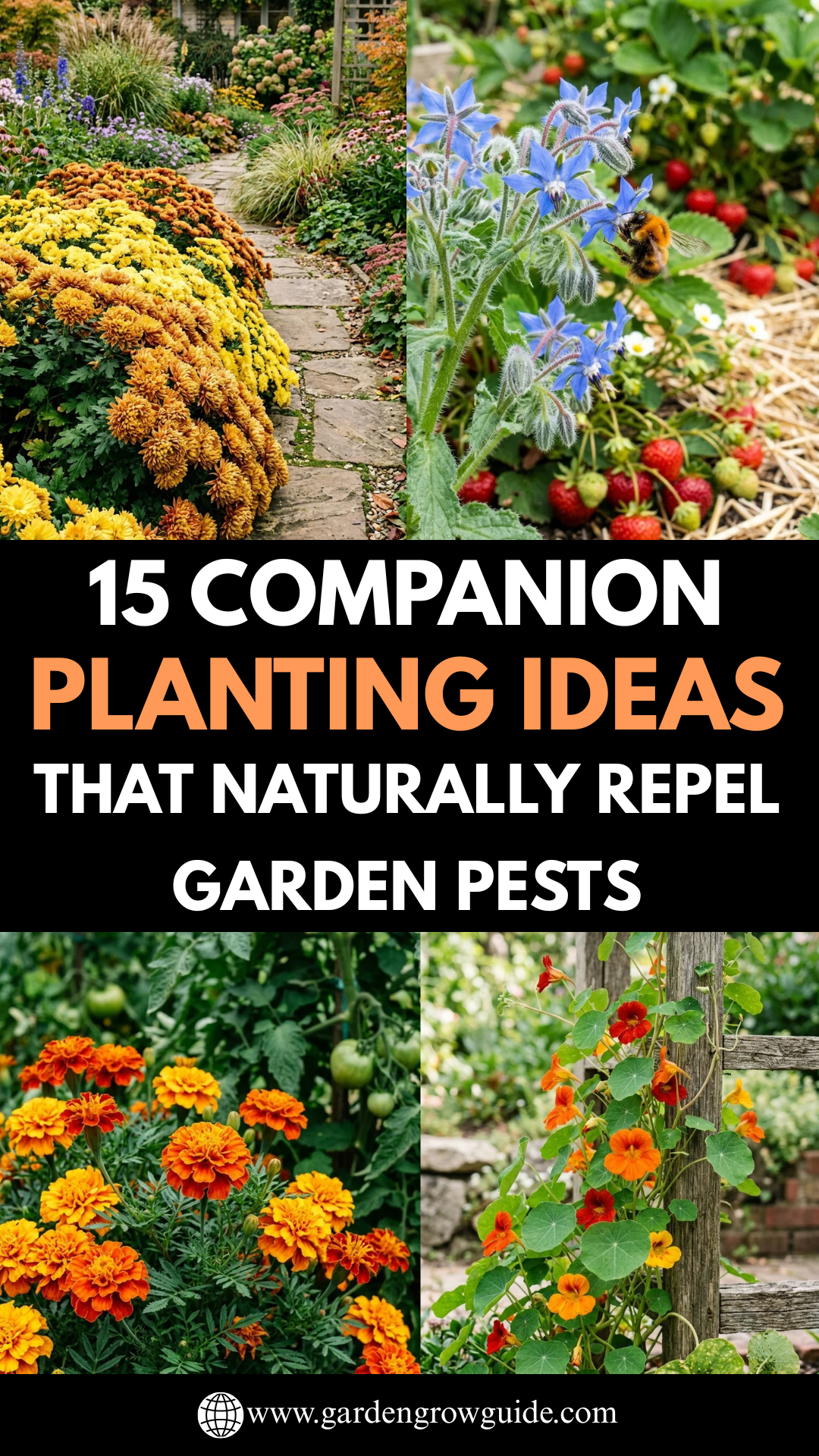
The modern gardener often faces a difficult choice: allow pests to ravage a hard-earned harvest or resort to harsh chemical pesticides that can harm beneficial pollinators and the soil microbiome. Fortunately, nature provides a sophisticated solution through companion planting. This ancient agricultural practice involves placing specific plants near one another to provide mutual benefits, such as nutrient sharing, physical support, and, most importantly, natural pest control.
By strategically arranging your garden, you can create a “living shield” that masks the scent of vulnerable crops, attracts predatory insects, or acts as a sacrificial “trap crop.” This holistic approach not only keeps your garden healthy but also increases biodiversity and enhances the flavor of your produce.
1. Marigolds
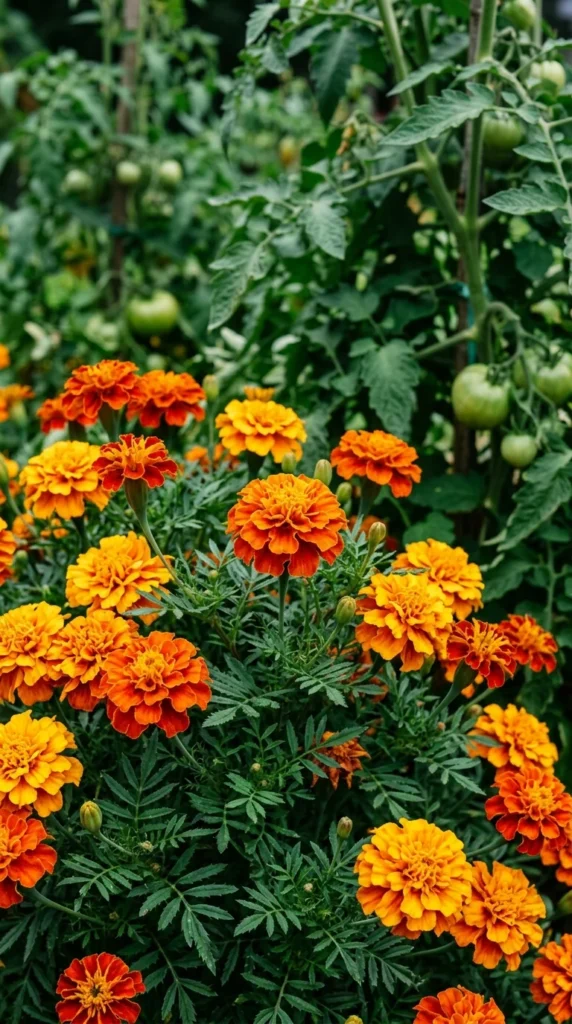
Marigolds are perhaps the most famous “workhorse” of the companion planting world. These vibrant flowers are more than just a decorative border; they produce a distinct, pungent scent that many common garden pests find repulsive.
- What they repel: Marigolds are highly effective against Mexican bean beetles, aphids, and even mosquitoes. However, their most significant contribution happens underground. The roots of certain marigold varieties (especially French and African) produce a chemical called alpha-terthienyl, which is toxic to root-knot nematodes—microscopic worms that can destroy the root systems of tomatoes and peppers.
- Best companions: Plant them liberally around tomatoes, peppers, and potatoes. They act as a protective barrier, preventing airborne pests from locating their host plants while keeping the soil clean of harmful nematodes.
2. Nasturtiums
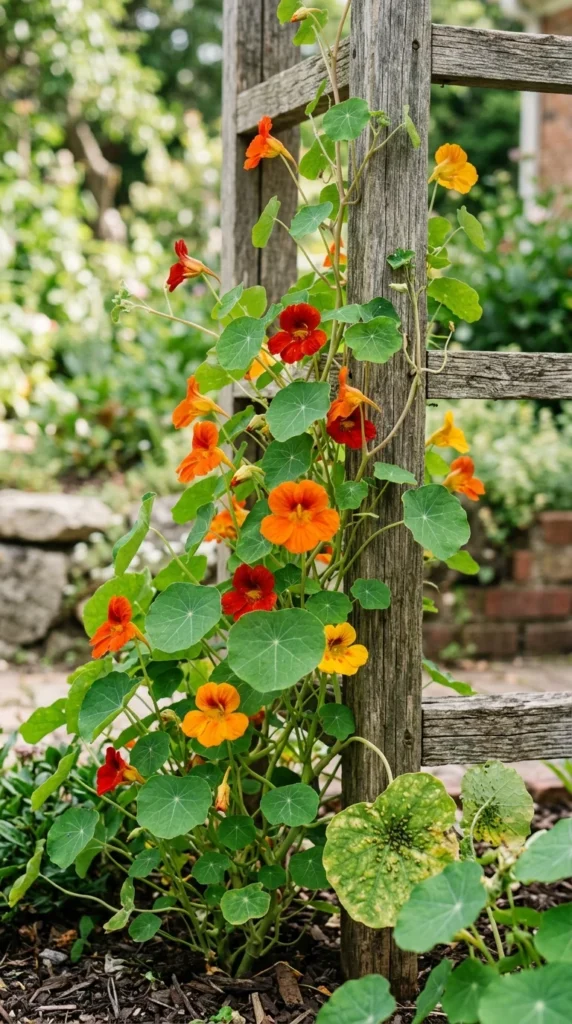
Nasturtiums serve a dual purpose in the garden: they act as a powerful deterrent for some pests and a “trap crop” for others. Their peppery scent and mustard-oil content make them unappealing to many insects, but irresistible to those that would otherwise eat your vegetables.
- What they repel: They are excellent at warding off whiteflies, squash bugs, and cucumber beetles. When used as a trap crop, nasturtiums attract aphids away from more valuable plants like kale or broccoli. Once the nasturtiums are covered in aphids, the gardener can simply remove the infested leaves or wait for ladybugs to arrive for a feast.
- Best companions: Grow them alongside cucumbers, squash, pumpkins, and brassicas (cabbage, kale, broccoli). Their sprawling habit also provides a living mulch, keeping the soil cool and moist.
3. Lavender
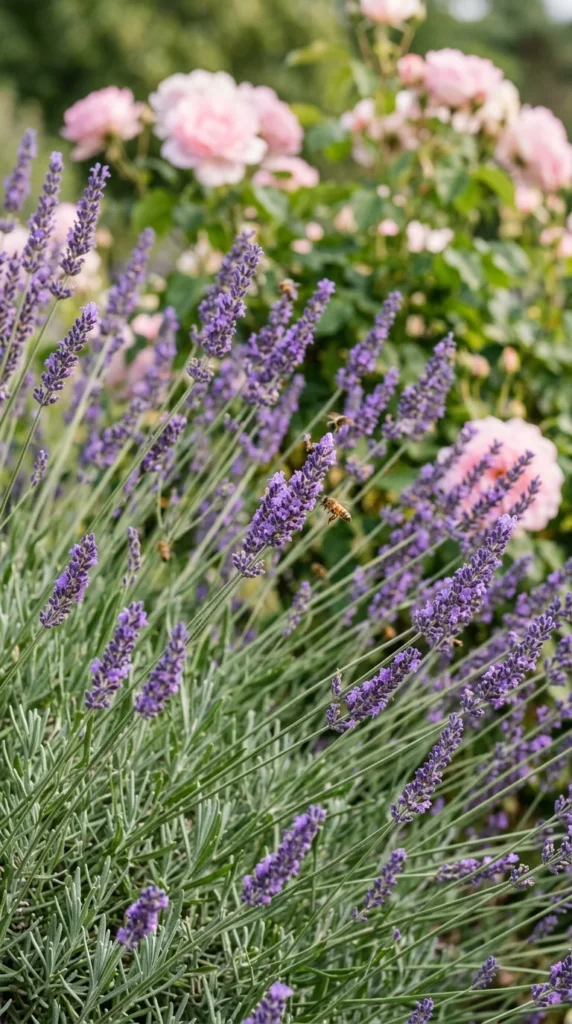
Lavender is prized for its soothing fragrance and beautiful purple spikes, but in the insect world, that scent is a warning signal. While humans find lavender relaxing, many flying pests find it overwhelming and avoid areas where it grows.
- What they repel: Lavender is highly effective at repelling moths, fleas, flies, and mosquitoes. In the garden, it can also deter the codling moth, which is a major pest for fruit trees.
- Best companions: It is a classic companion for roses, as it helps deter the various aphids and beetles that plague rose gardens. It also thrives near fruit trees and aromatic herbs like rosemary and sage. Additionally, lavender is a magnet for bees and butterflies, ensuring high pollination rates for your entire garden.
4. Garlic
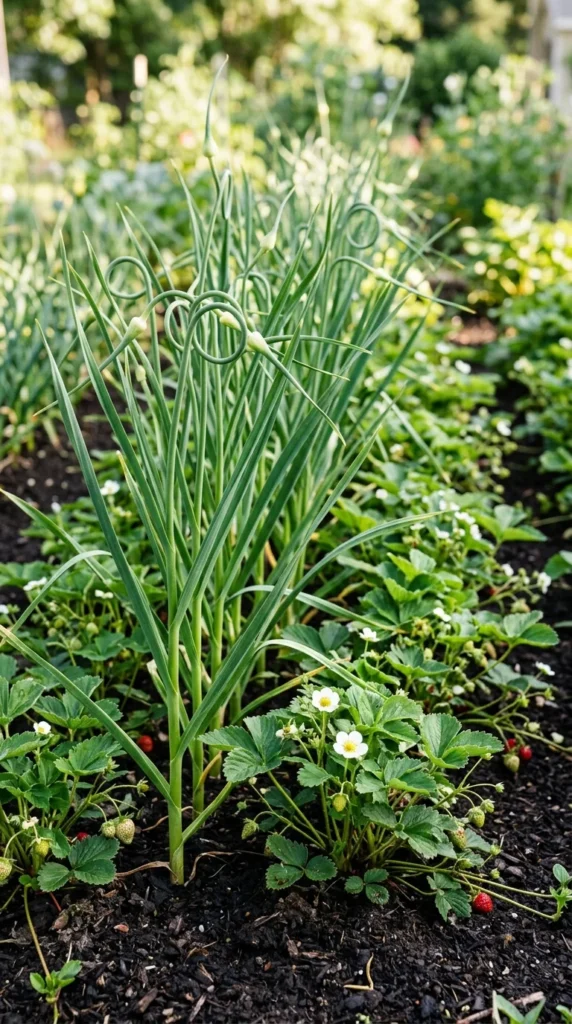
Garlic is one of the most potent natural repellents available to gardeners. Its high sulfur content creates a strong odor that masks the scent of nearby plants, making it difficult for pests to find their “prey.”
- What they repel: Garlic is known to repel aphids, Japanese beetles, spider mites, and even larger garden visitors like rabbits and deer. It is also believed to have antifungal properties that can protect neighboring plants from soil-borne diseases.
- Best companions: Garlic is a fantastic companion for roses, as it prevents black spot and repels aphids. It also grows well with strawberries, raspberries, and fruit trees. Avoid planting garlic near beans or peas, as it can stunt their growth.
5. Basil
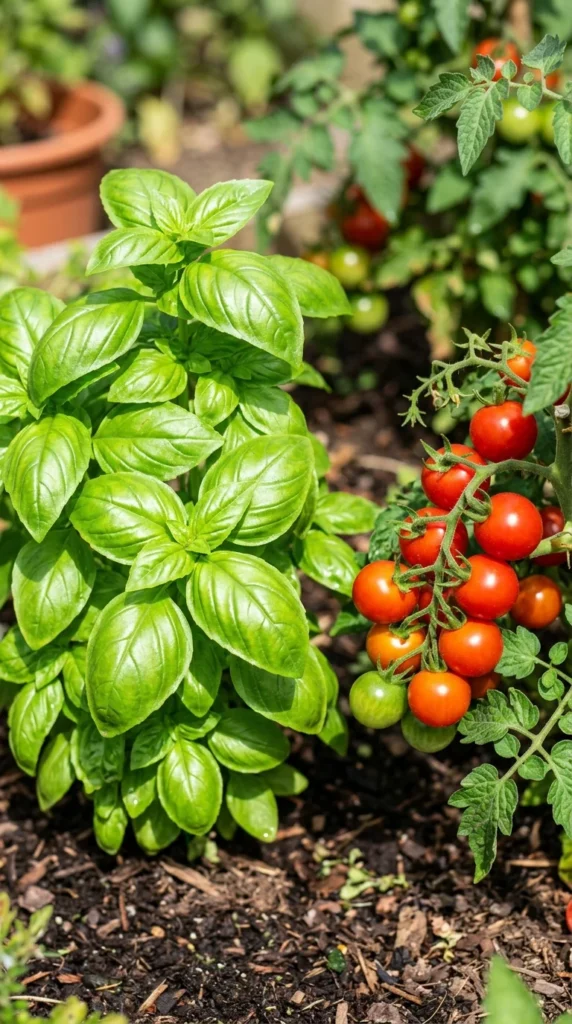
Basil and tomatoes are a match made in heaven, both on the dinner plate and in the garden soil. This aromatic herb produces oils that are naturally insecticidal, providing a protective “cloud” of scent around its neighbors.
- What they repel: Basil is particularly effective at repelling flies, mosquitoes, and the dreaded tomato hornworm. Some gardeners also claim that planting basil near tomatoes actually improves the flavor of the fruit.
- Best companions: Always plant basil near your tomato plants. It also does well near peppers and asparagus. The broad leaves of the basil can also help provide a bit of shade for the soil around the base of tomato plants, reducing water evaporation.
6. Rosemary
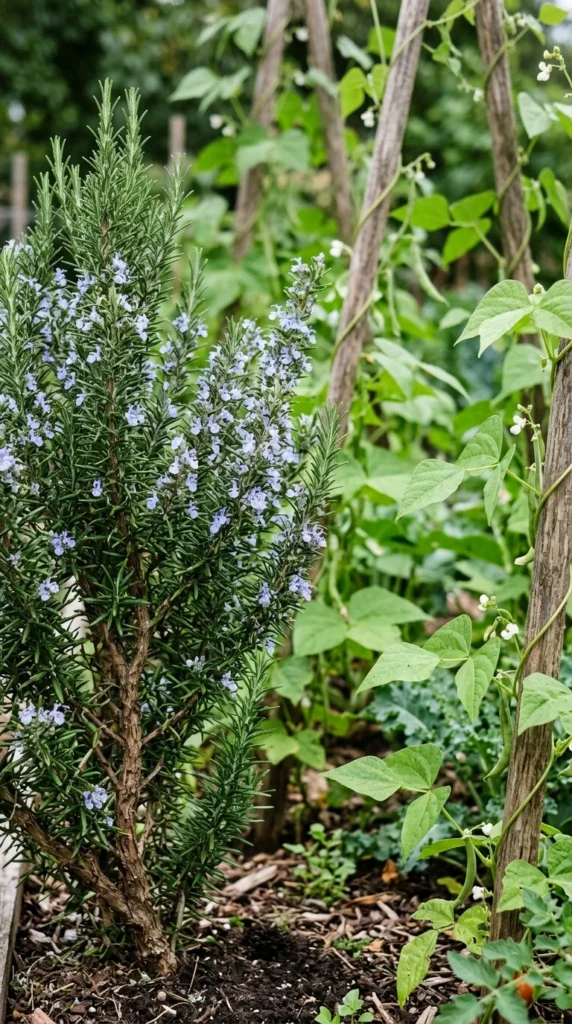
Rosemary is a hardy, perennial herb with a strong, resinous scent that lingers in the air. This scent is highly effective at confusing the sensory receptors of many common vegetable pests.
- What they repel: It is most famous for repelling the cabbage moth, which lays eggs that turn into destructive cabbage worms. It also deters bean beetles and carrot flies.
- Best companions: Plant rosemary near cabbage, beans, and carrots. Because rosemary can grow into a large, woody shrub, it is often best to plant it at the ends of rows or in the corners of garden beds where it won’t overshadow smaller annuals.
7. Petunias
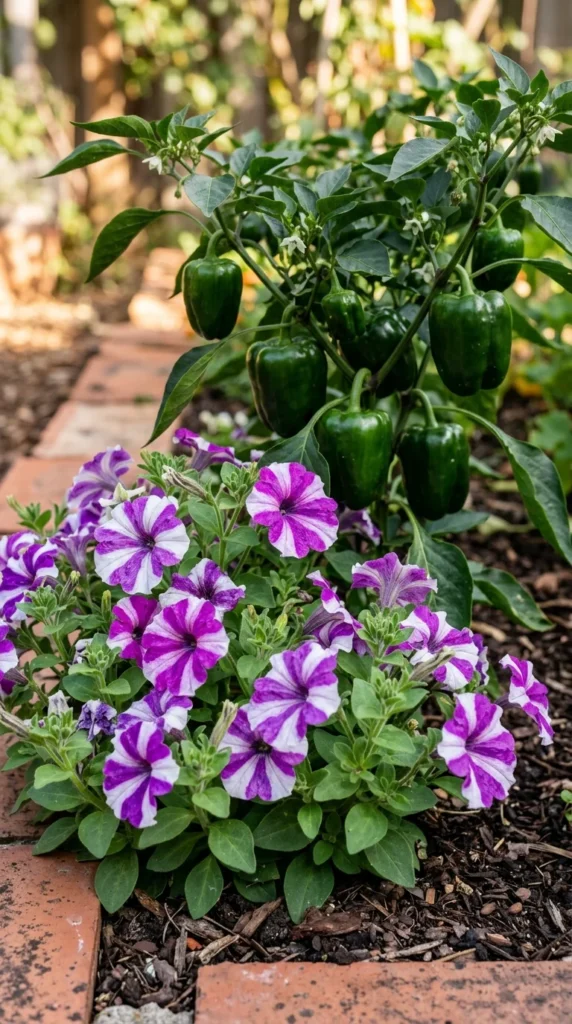
While often thought of as strictly ornamental, petunias are actually powerful allies in the vegetable garden. They are sometimes referred to as “nature’s pesticide” because of their ability to repel a wide variety of insects.
- What they repel: Petunias are excellent at warding off asparagus beetles, leafhoppers, certain types of aphids, and squash bugs. They are particularly useful for protecting members of the nightshade family and cucurbits.
- Best companions: Plant petunias around peppers, tomatoes, eggplants, and asparagus. Their low-growing, mounding habit makes them an excellent ground cover that fills in gaps and prevents weeds while providing pest protection.
8. Chrysanthemums
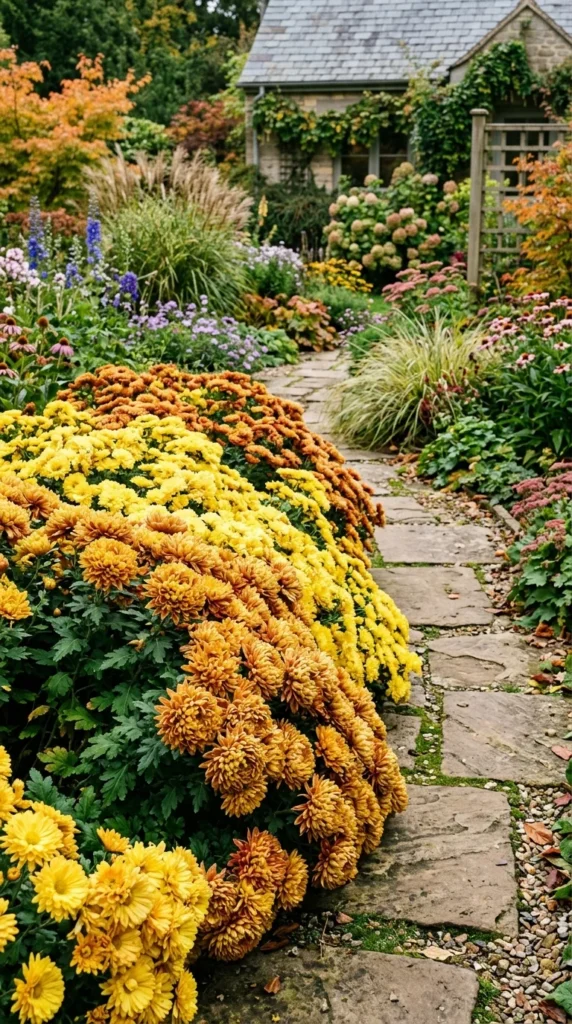
Chrysanthemums contain a natural chemical called pyrethrum, which is so effective at killing and repelling insects that it is used as an active ingredient in many organic commercial pesticides. By growing the flowers themselves, you get a slow-release version of this protection.
- What they repel: “Mums” are an all-purpose repellent. They drive away roaches, ants, Japanese beetles, ticks, silverfish, and even bedbugs. In the garden, they are particularly helpful for keeping beetles and root-knot nematodes at bay.
- Best companions: Because they are so potent, they are best used as a border plant around the perimeter of the garden to create a “no-fly zone” for pests. They pair well with most vegetables but are particularly helpful for protecting delicate leafy greens.
9. Borage
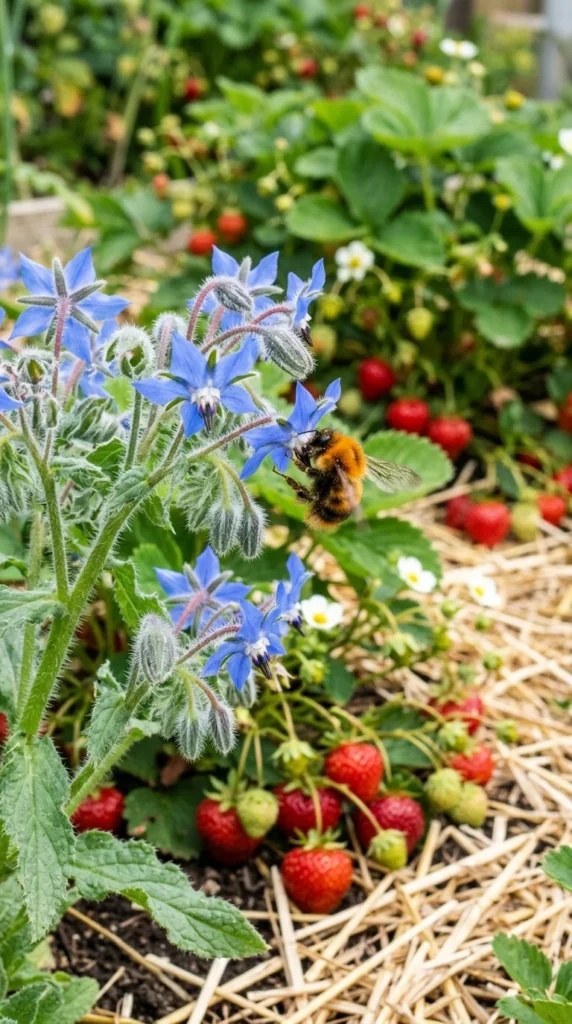
Borage is a hidden gem in the gardening world. Known as the “starflower,” it is a beautiful herb that benefits the garden in multiple ways: it adds minerals to the soil, attracts pollinators, and acts as a biological deterrent.
- What they repel: Borage is the ultimate protector for tomatoes, as it repels the tomato hornworm. It also deters cabbage looper caterpillars and is said to improve the growth and flavor of strawberries.
- Best companions: Plant borage near your tomatoes and strawberries. It is also a great companion for squash and pumpkins, as it attracts many bees which are essential for the pollination of these heavy-fruiting crops.
10. Dill
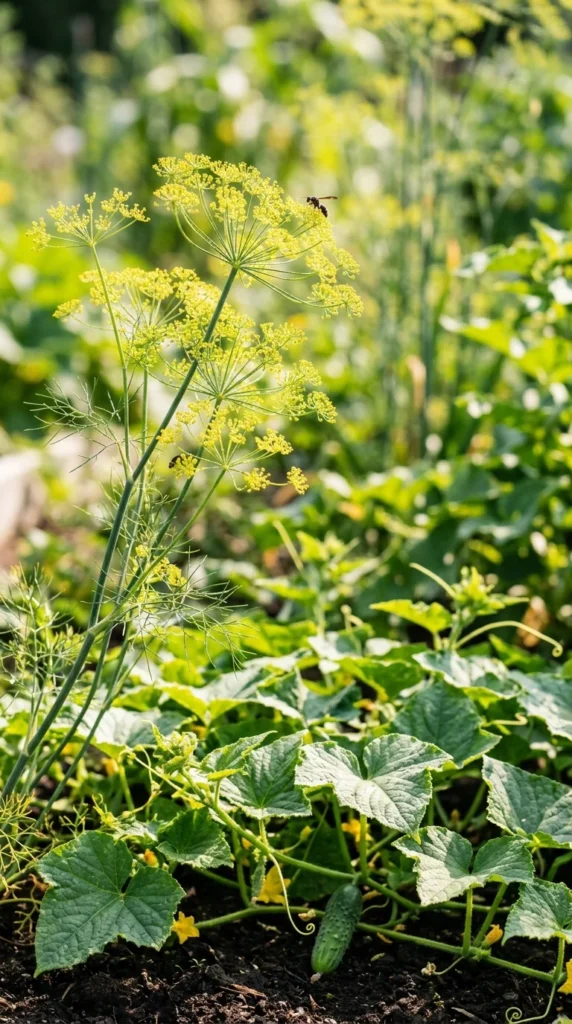
Dill is a unique companion plant because its effectiveness changes as it grows. While young, it repels certain pests; when it flowers, it attracts the very insects that hunt the pests you don’t want.
- What they repel: Young dill helps repel aphids and spider mites. Once it produces its umbrella-shaped flowers, it attracts hoverflies and predatory wasps, which lay their eggs in the larvae of pests like cabbage worms and tomato hornworms.
- Best companions: Cucumbers and dill are classic companions. It also works well with corn, lettuce, and onions. However, keep dill away from carrots, as they are in the same family and can cross-pollinate or attract the same pests.
11. Mint
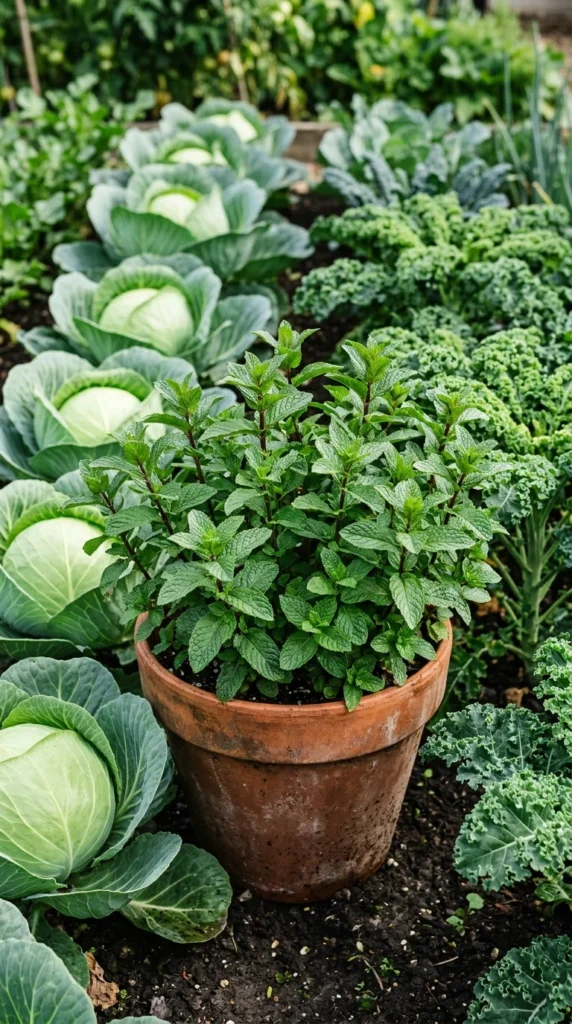
Mint is a powerful aromatic that can overwhelm the senses of many garden invaders. However, because mint is an aggressive spreader, it is often best to plant it in pots and place those pots strategically throughout your garden beds.
- What they repel: Mint is excellent for repelling ants, aphids, and the cabbage white moth. The strong scent of menthol is particularly offensive to rodents, which can help keep mice and voles out of your vegetable patch.
- Best companions: Place pots of mint near cabbage, cauliflower, broccoli, and kale. It also pairs well with tomatoes. By keeping it in containers, you get all the aromatic benefits without the mint taking over your entire garden.
12. Sage
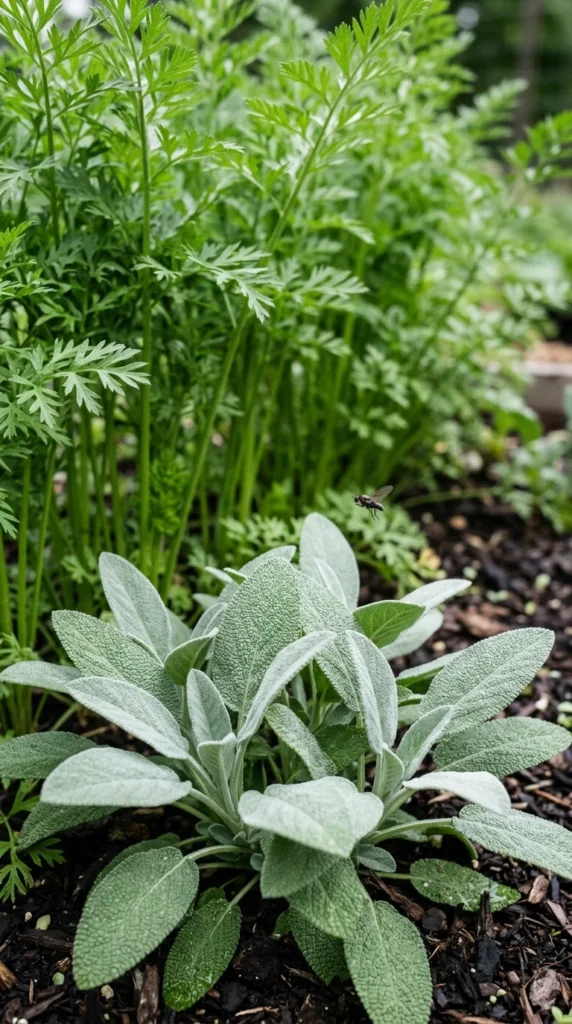
Sage is a hardy perennial herb that provides excellent protection for root vegetables and brassicas. Its strong, earthy scent acts as a confusing barrier for insects that rely on smell to locate their host plants.
- What they repel: Sage is one of the best defenses against the carrot fly, which can ruin a carrot crop by tunneling into the roots. It also repels cabbage moths and black flea beetles.
- Best companions: Plant sage near carrots, rosemary, and cabbage. Like mint, it has a strong scent, but it is much less invasive, making it a great choice for permanent garden borders. Avoid planting sage near cucumbers, as it can hinder their growth.
13. Catnip
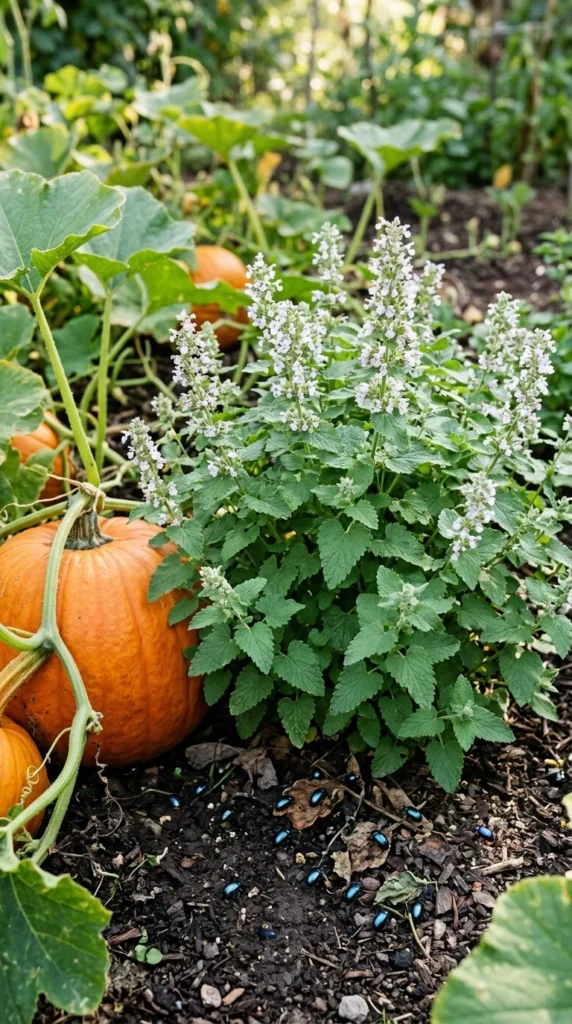
While your feline friends might love it, many insects absolutely despise catnip. Research has shown that the essential oil in catnip, nepetalactone, is even more effective at repelling certain pests than synthetic chemical repellents.
- What they repel: Catnip is a powerhouse against aphids, flea beetles, Japanese beetles, squash bugs, and ants. It is even known to repel weevils that attack grain and potatoes.
- Best companions: Plant catnip near squash, pumpkins, and potatoes. Because it can be somewhat invasive (though not as much as mint), many gardeners choose to plant it in edges or move pots of it around the garden as needed.
14. Chives
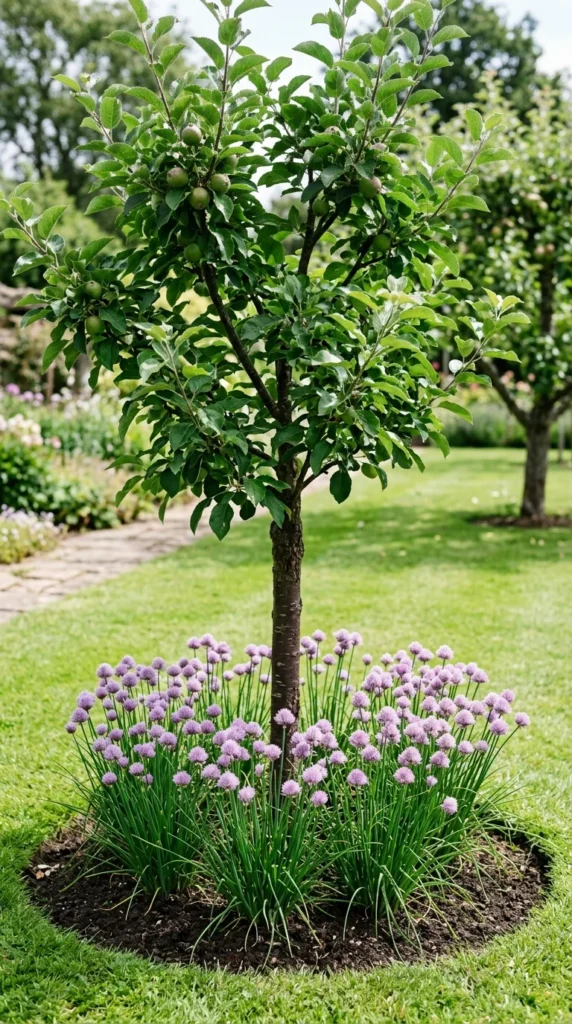
Chives are a member of the allium family and, like garlic and onions, they possess a strong scent that deters many flying and crawling insects. They are also incredibly easy to grow and return year after year.
- What they repel: Chives are effective against carrot flies, Japanese beetles, and aphids. They are also believed to prevent “apple scab” when planted around the base of apple trees and can help prevent black spot on roses.
- Best companions: Plant them with carrots, tomatoes, roses, and fruit trees. Their beautiful purple flowers are also highly attractive to bees, making them a functional and aesthetic addition to any garden.
15. Sunflowers
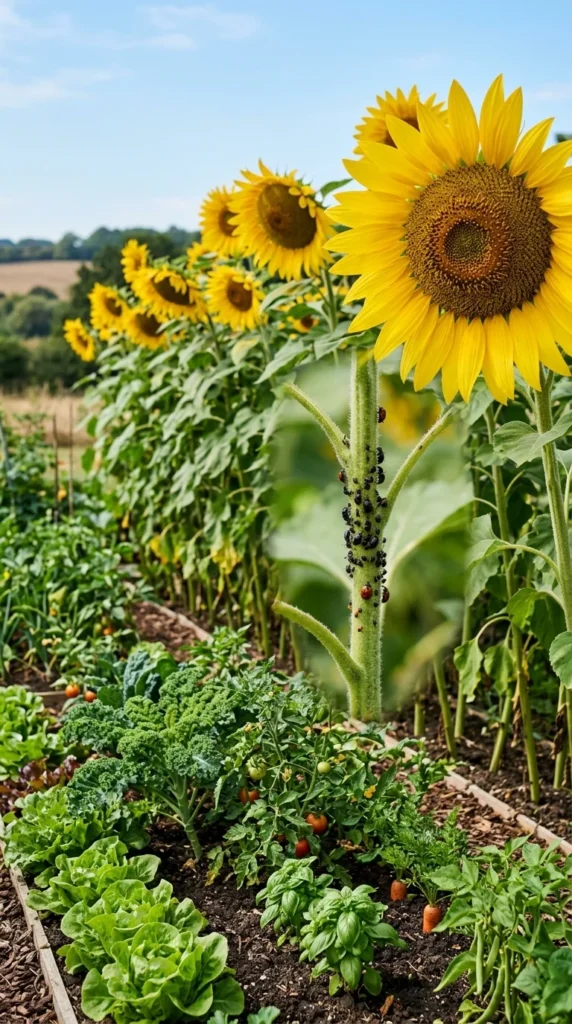
Sunflowers are the “sentinels” of the garden. Their height makes them excellent for creating windbreaks, but their real value in pest management lies in their role as a trap crop and a source of nectar for beneficial insects.
- What they repel (and attract): Sunflowers are often used to draw aphids and stink bugs away from other plants. They are tough enough to handle a small infestation without suffering. Furthermore, they attract ladybugs, lacewings, and birds, all of which are natural predators that will hunt the pests in the rest of your garden.
- Best companions: Plant sunflowers on the north side of your garden (so they don’t block the sun) near corn, cucumbers, and pole beans. The sturdy stalks can even provide a natural trellis for climbing plants like beans or peas.