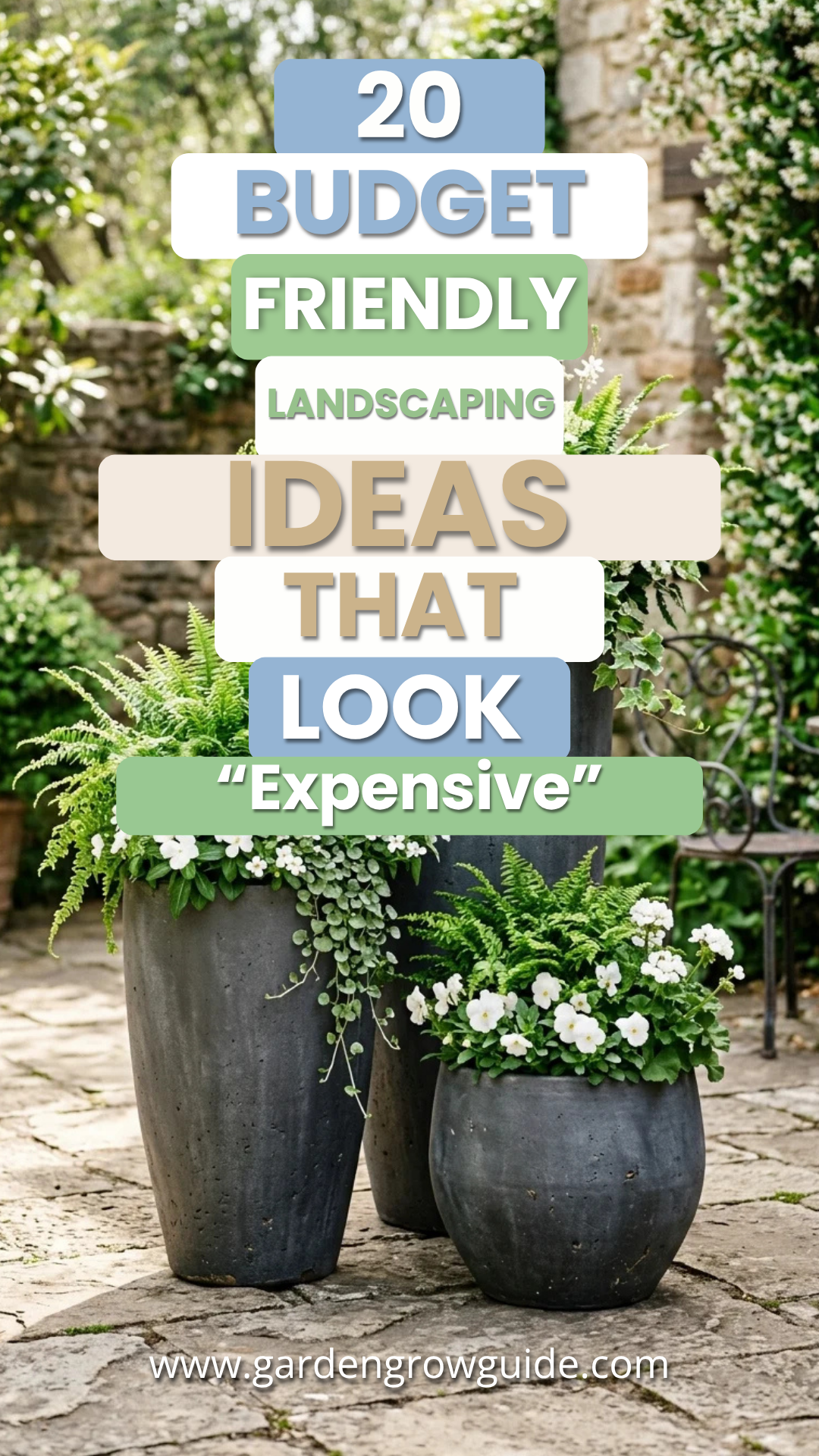
Achieving a high-end, designer look for your outdoor space doesn’t require a massive renovation budget or a team of professional landscapers. Often, the difference between a yard that looks “DIY” and one that looks “architectural” lies in the details—clean lines, thoughtful textures, and strategic lighting. By focusing on smart upgrades and utilizing cost-effective materials, you can significantly enhance your home’s curb appeal and create a luxurious retreat.
1. Fresh Mulch
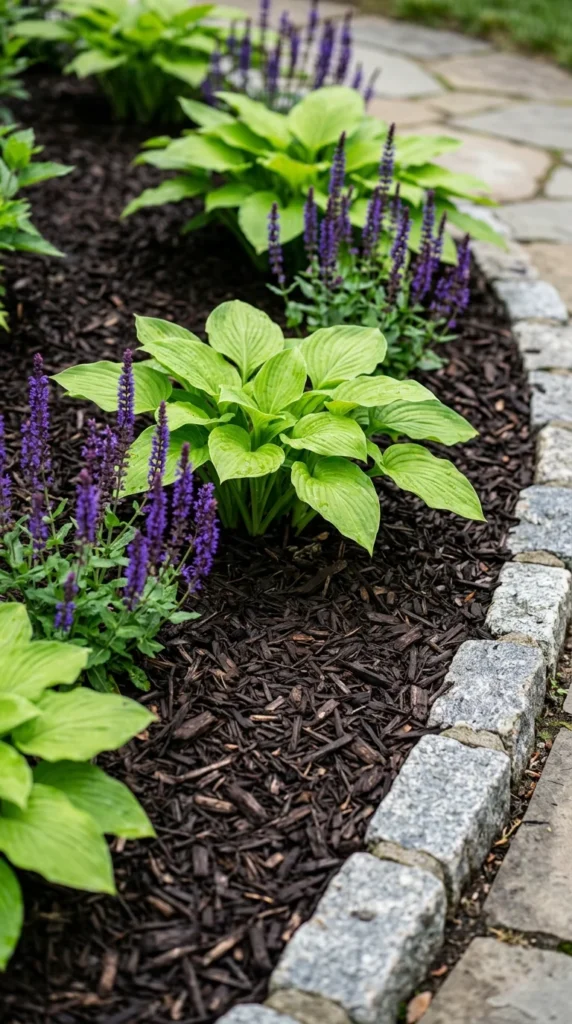
One of the most cost-effective ways to instantly elevate the look of your garden is by applying a fresh layer of mulch. Mulch provides a uniform backdrop that makes the colors of your plants pop. Opt for dark colors like deep brown or black, as these mimic the look of rich, fertile soil found in professional botanical gardens. Beyond aesthetics, mulch helps retain moisture, suppresses weeds, and regulates soil temperature, keeping your plants healthier and reducing maintenance costs over time.
2. Solar Lighting
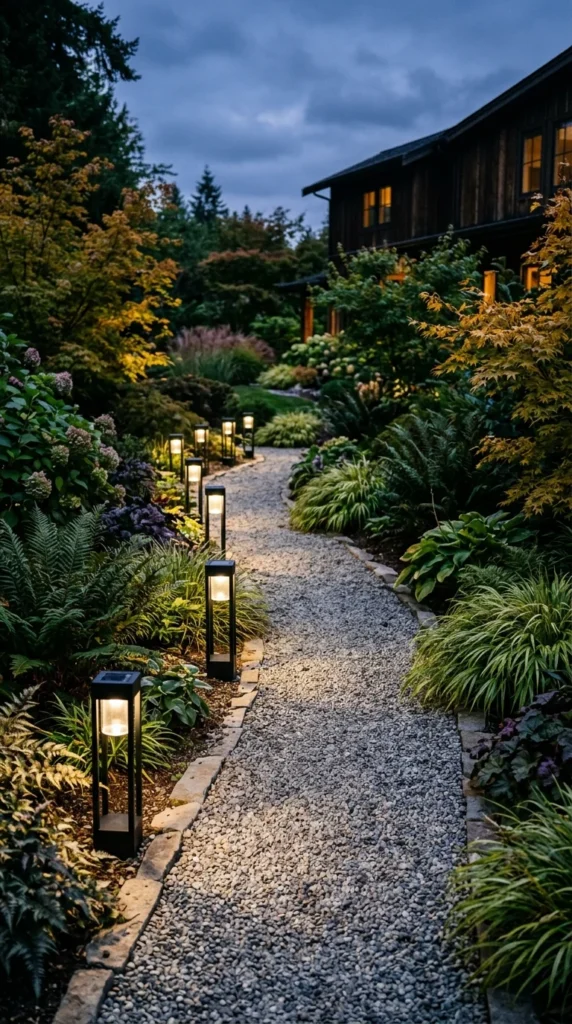
Lighting is the secret weapon of high-end landscaping. It adds drama, safety, and a sense of “destination” to your yard. You don’t need an electrician to achieve this look. Solar-powered LED lights have come a long way in design and brightness. Use them to line pathways, highlight a beautiful tree (up-lighting), or wash a fence with soft light. Look for fixtures with a warm-white output rather than a cool-blue tint to maintain a sophisticated, inviting atmosphere.
3. Gravel Paths
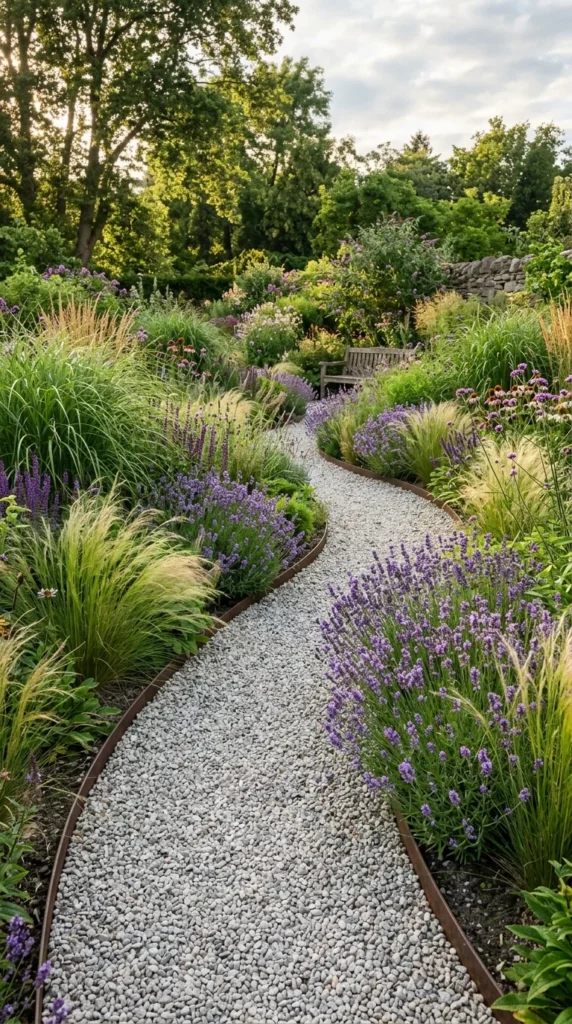
Stone pavers can be expensive and difficult to install, but pea gravel or crushed stone offers a chic, European-inspired alternative for a fraction of the price. Gravel adds a tactile, crunching sound underfoot and provides excellent drainage. To make it look “expensive,” ensure you use a sturdy edging material like metal or brick to keep the lines crisp and prevent the stones from migrating into your lawn.
4. Defined Edging
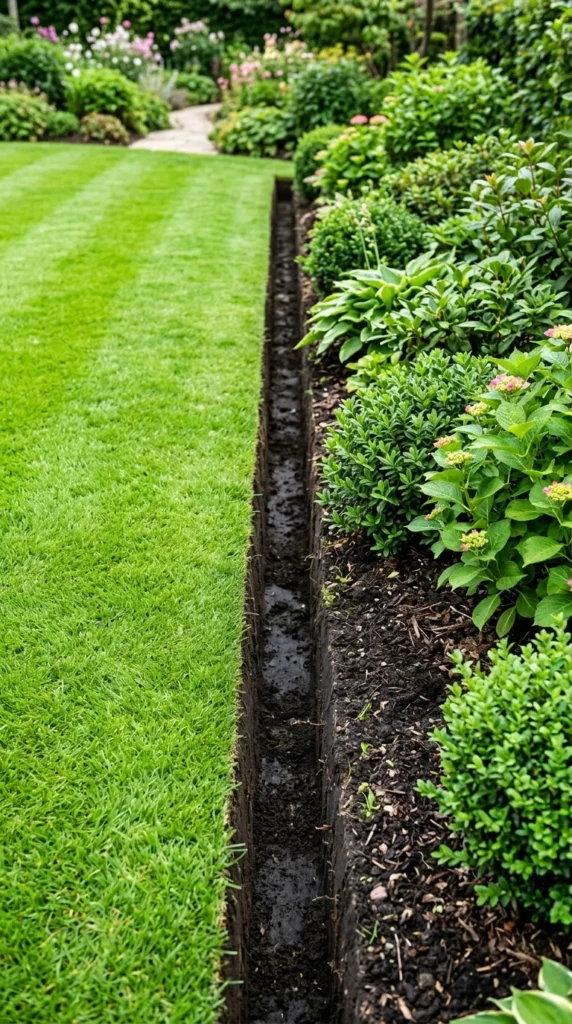
Clean lines are a hallmark of professional landscaping. Creating a “pro edge” between your lawn and your garden beds costs nothing but a bit of physical labor. Use a spade or a dedicated edging tool to cut a sharp, vertical line into the turf. This prevents grass from creeping into your flowers and gives the entire yard a structured, intentional appearance that mimics high-end estates.
5. Perennial Clusters
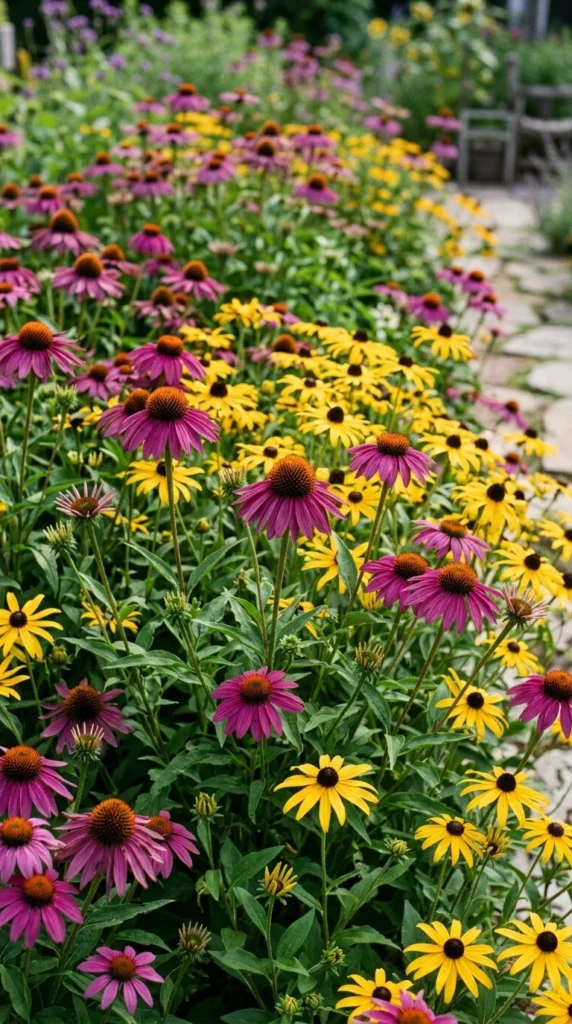
Instead of buying expensive annuals every year, invest in perennials that come back bigger and better each season. To achieve a high-end look, avoid the “one of everything” approach. Instead, buy plants in groups of three, five, or seven and plant them in clusters. This “mass planting” technique creates a bold splash of color and texture that looks far more curated than a scattered collection of different species.
6. Potted Containers
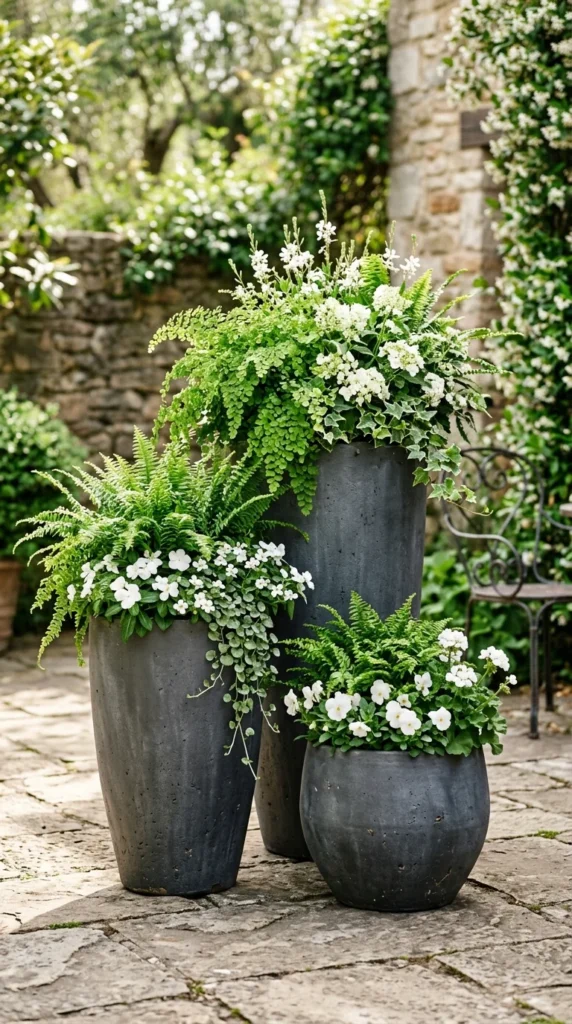
Container gardening allows you to add architectural height and focal points to patios, porches, or even within garden beds. The key to making pots look expensive is scale. One or two massive, high-quality planters make a much stronger statement than a dozen small, plastic ones. If large pots are out of your budget, buy inexpensive resin pots and spray paint them with a stone or matte metallic finish to mimic high-end materials.
7. Native Plants
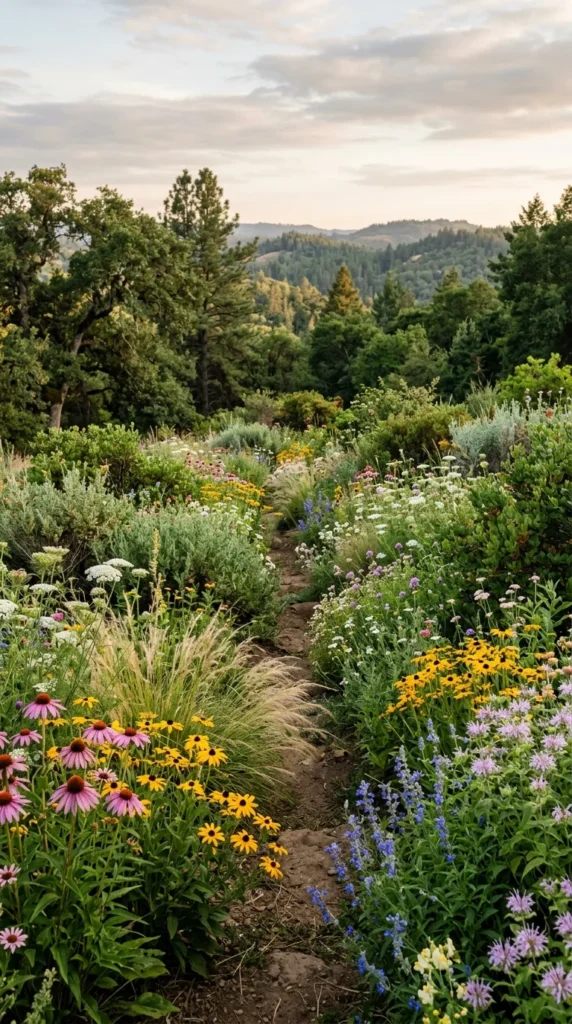
Native plants are the ultimate budget-friendly hack. Because they are adapted to your local climate and soil, they require less water, fewer fertilizers, and less pesticides than exotic species. They also tend to grow more vigorously. A garden filled with thriving, healthy native plants always looks more expensive and “established” than one struggling with high-maintenance imports that are poorly suited to the environment.
8. Privacy Trellis
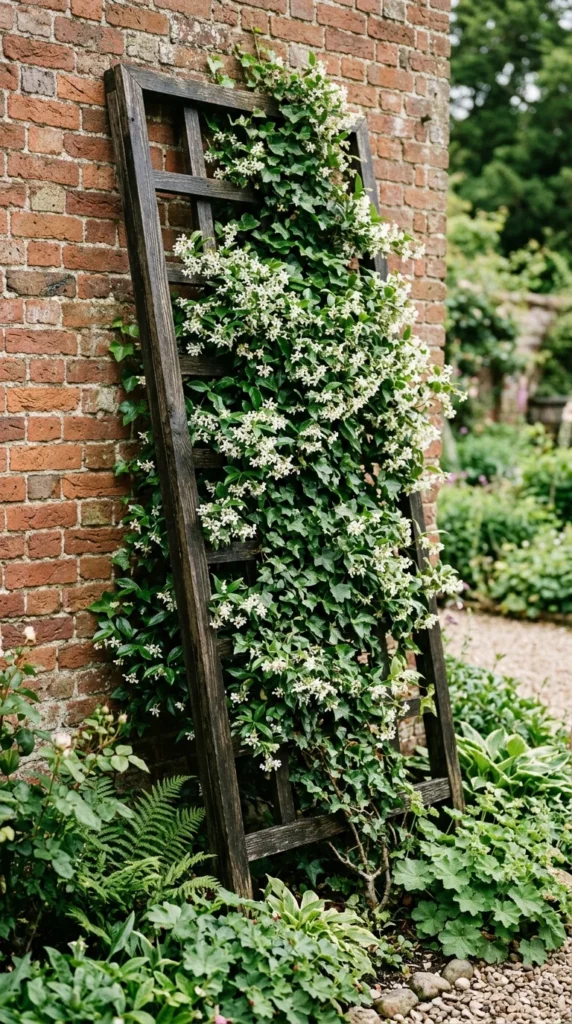
Verticality adds a layer of sophistication to any yard. A simple wooden or metal trellis can serve as a living wall when covered with climbing vines like clematis or jasmine. This not only creates privacy but also adds a “secret garden” feel. You can build a basic trellis using inexpensive pressure-treated lumber or even repurposed cattle panels for an industrial-chic look.
9. Statement Boulders
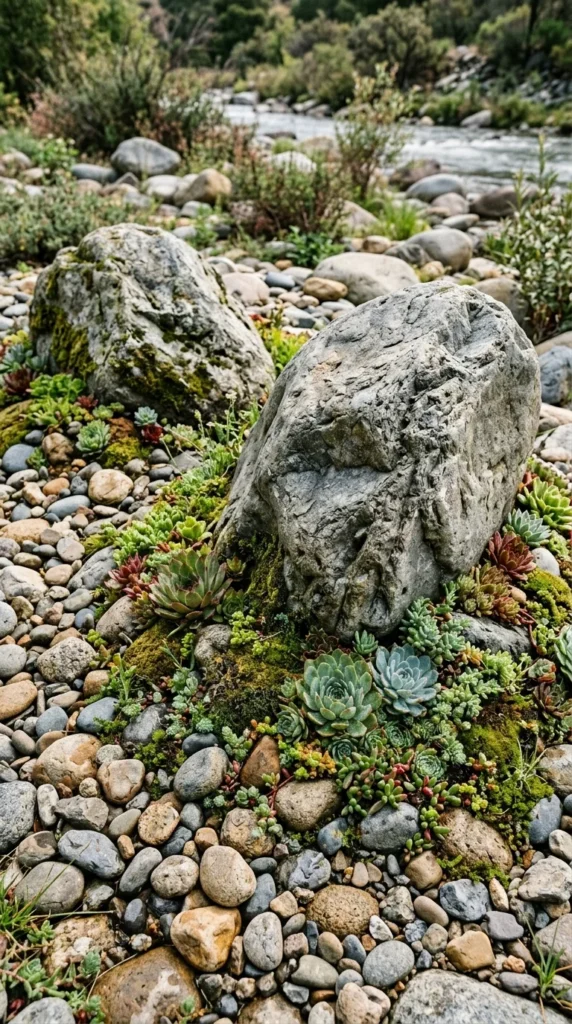
Large rocks or boulders provide a sense of permanence and “weight” to a landscape. They act as natural sculptures. Many local quarries sell “seconds” or odd-shaped rocks at a discount, or you may even find them for free on local marketplaces. The trick to making them look natural is to bury the bottom third of the boulder so it looks like it’s emerging from the earth rather than just sitting on top of it.
10. Window Boxes
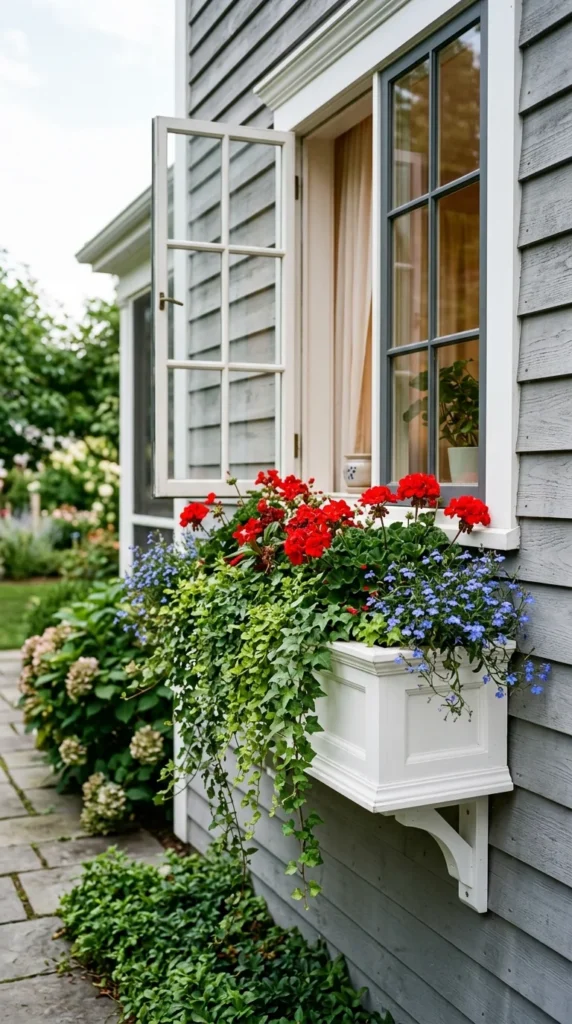
Window boxes are a classic architectural detail that adds instant charm and value to a home. They draw the eye upward and soften the transition between the house and the garden. You can build your own window boxes using cedar or treated pine and paint them to match your trim. Fill them with a mix of “thrillers, fillers, and spillers” for a professional, cascading floral display.
11. Ground Cover
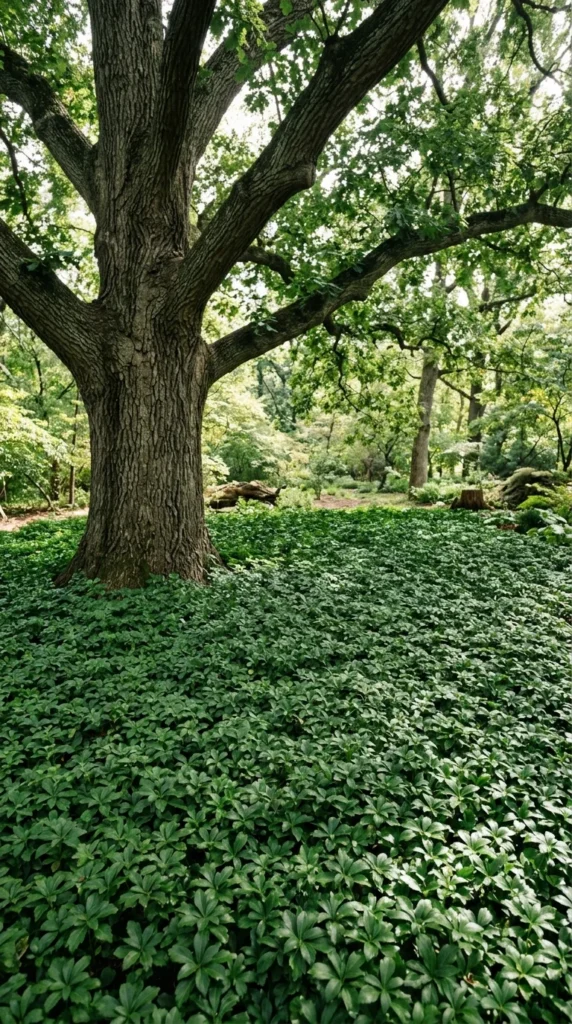
Grass can be difficult and expensive to maintain in shady areas or on steep slopes. Instead of fighting nature, use ground covers like creeping thyme, pachysandra, or vinca minor. These plants create a lush, green carpet that feels like a deliberate design choice rather than a failed lawn. Over time, these plants fill in gaps, reducing the need for mulch and weeding.
12. Outdoor Rugs
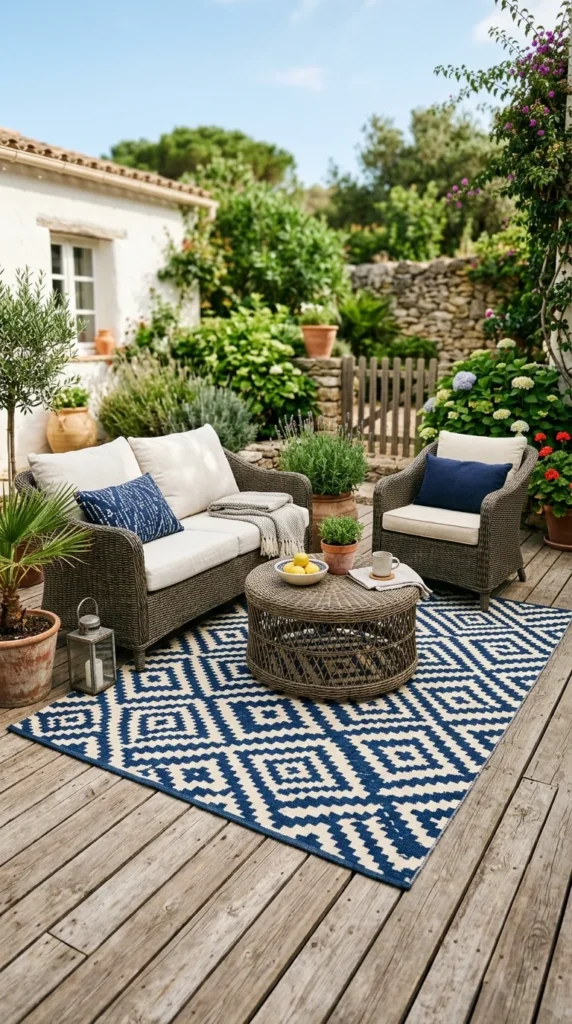
An outdoor rug is one of the fastest ways to “room-ify” your patio or deck. It defines the space and adds a layer of texture and color that makes the outdoors feel like an extension of your interior design. Defining a seating area with a rug creates a “luxury resort” vibe. Look for durable, UV-resistant polypropylene rugs that can withstand the elements while still looking plush.
13. Repurposed Planters
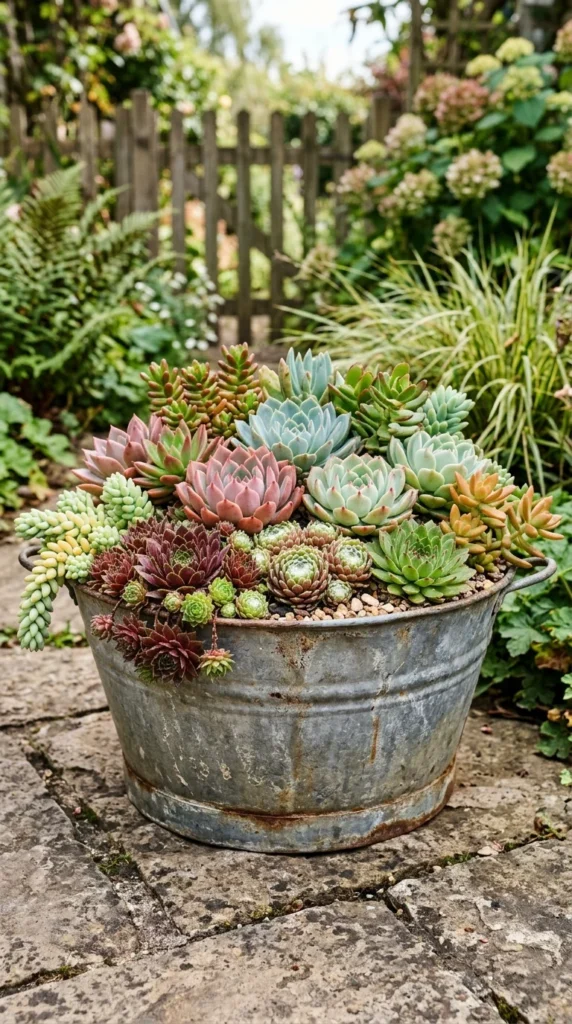
Upcycling is a great way to add character without spending much. Old galvanized buckets, wooden crates, or even vintage wheelbarrows can be turned into unique planters. To keep it looking “expensive,” stick to a theme—for example, all galvanized metal or all weathered wood—to ensure the repurposed items feel like a curated collection rather than a random assortment of junk.
14. Symmetrical Entry
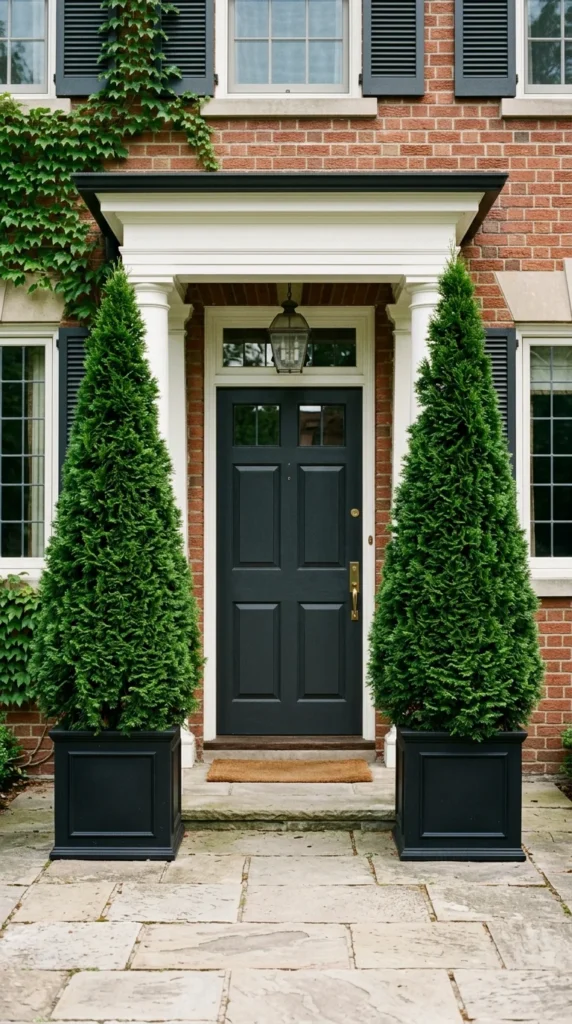
Symmetry is a classic design principle used in formal estates to create a sense of order and elegance. You can achieve this by mirroring your plantings on either side of a walkway or front door. Matching pots, identical shrubs, or twin flower beds create a visual balance that signals to the brain that the space was professionally designed.
15. Tree Rings
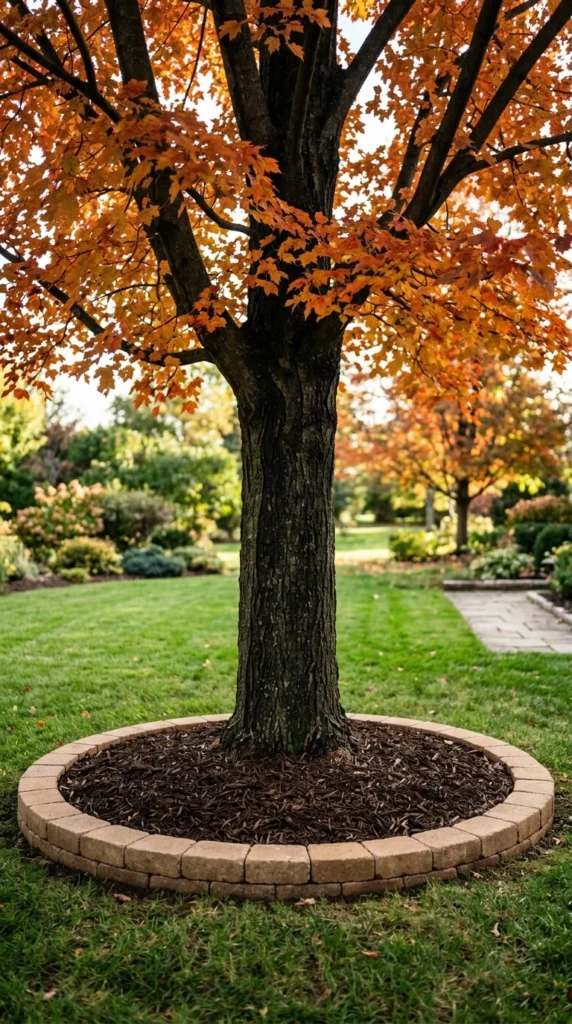
Mature trees are a huge asset, but they can look messy if the grass grows right up to the trunk. Creating a defined ring around the base of the tree with stones, bricks, or simply a clean-cut edge filled with mulch protects the trunk from mower damage and gives the tree a “manicured” look. This simple addition makes the entire yard look more finished.
16. DIY Fire Pit
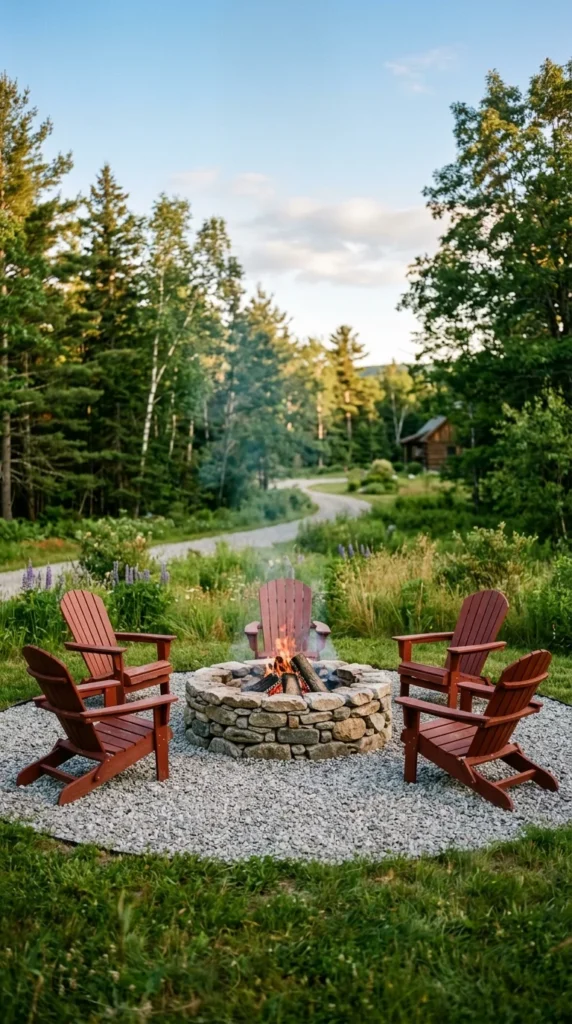
A fire pit is a major focal point that adds immense value to your outdoor living experience. You don’t need a custom-built gas feature to get the look. A simple ring of heat-resistant stones or a pre-cast concrete kit from a hardware store can be installed in an afternoon. Surround it with a dedicated gravel or flagstone pad to make it feel like a permanent “zone” in your yard.
17. Water Feature
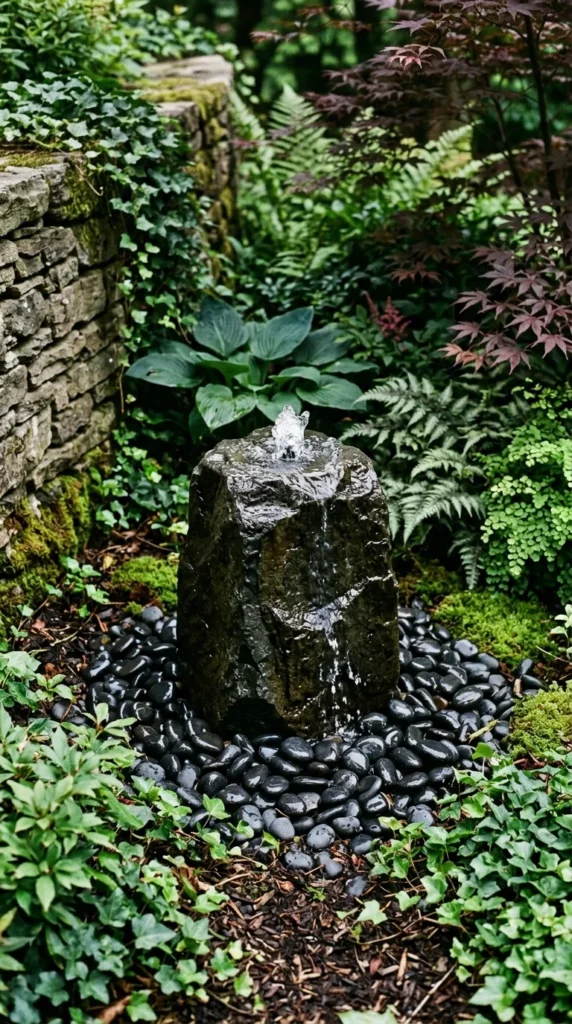
The sound of running water instantly creates a luxury atmosphere and masks neighborhood noise. You can create a simple “disappearing” fountain using a waterproof basin, a small submersible pump, and a beautiful decorative rock or ceramic pot. By burying the basin and covering it with decorative stones, you get the sound and movement of water without the maintenance and cost of a full-scale pond.
18. Vertical Gardens
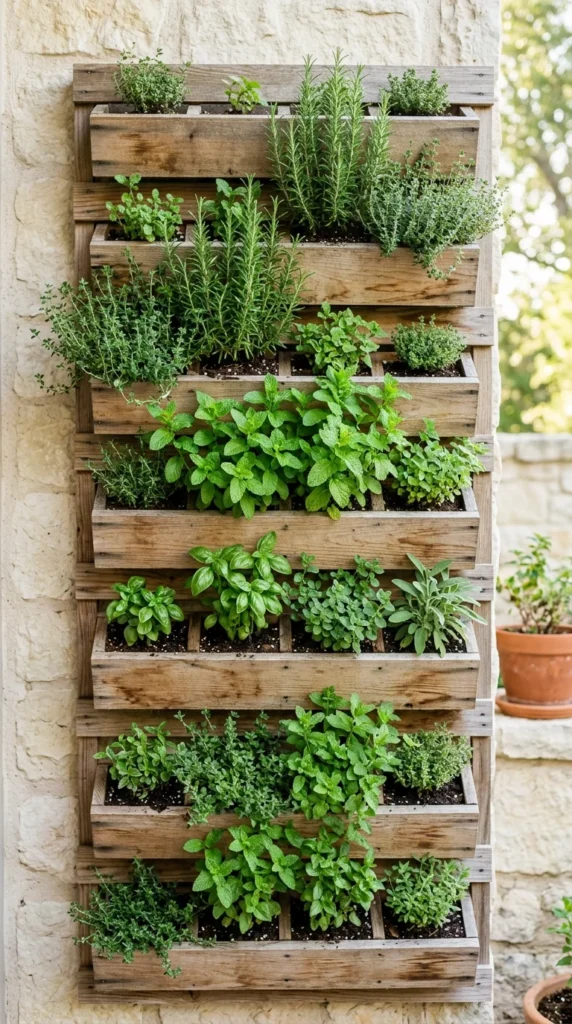
If you have limited space, go vertical. Using wall-mounted planters or a simple pallet garden can turn a boring fence or wall into a lush, green tapestry. This is particularly effective for herb gardens. Using a consistent style of containers on your vertical garden keeps it looking intentional and high-end rather than cluttered.
19. Painted Accents
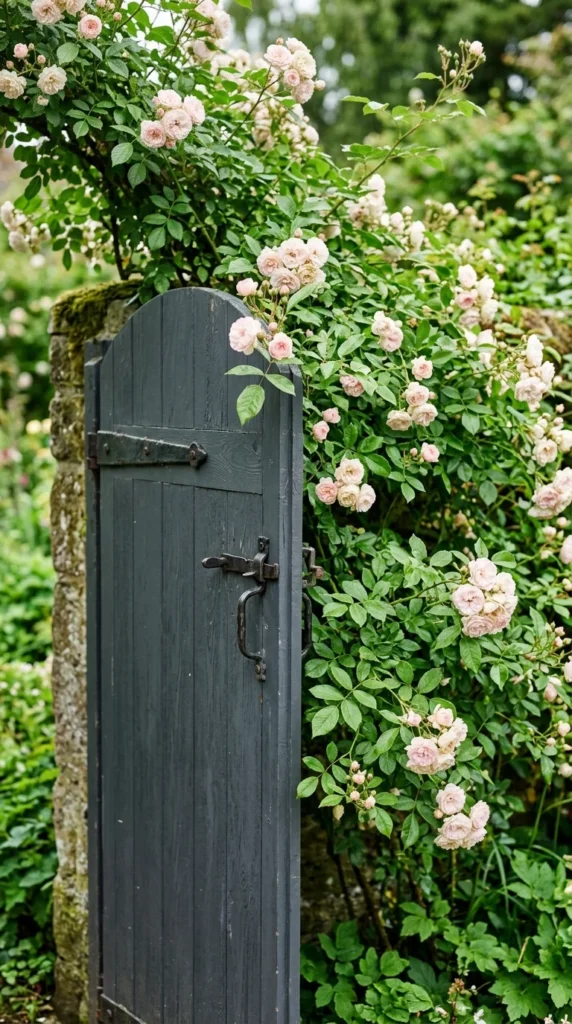
Never underestimate the power of paint. A tired wooden fence, a shed, or old garden furniture can be completely transformed with a fresh coat of high-quality exterior paint or stain. Opt for sophisticated “architectural” colors like slate grey, navy blue, or classic black. These colors provide a high-contrast background that makes the greens and florals of your garden stand out more vividly.
20. Lawn Sculpting
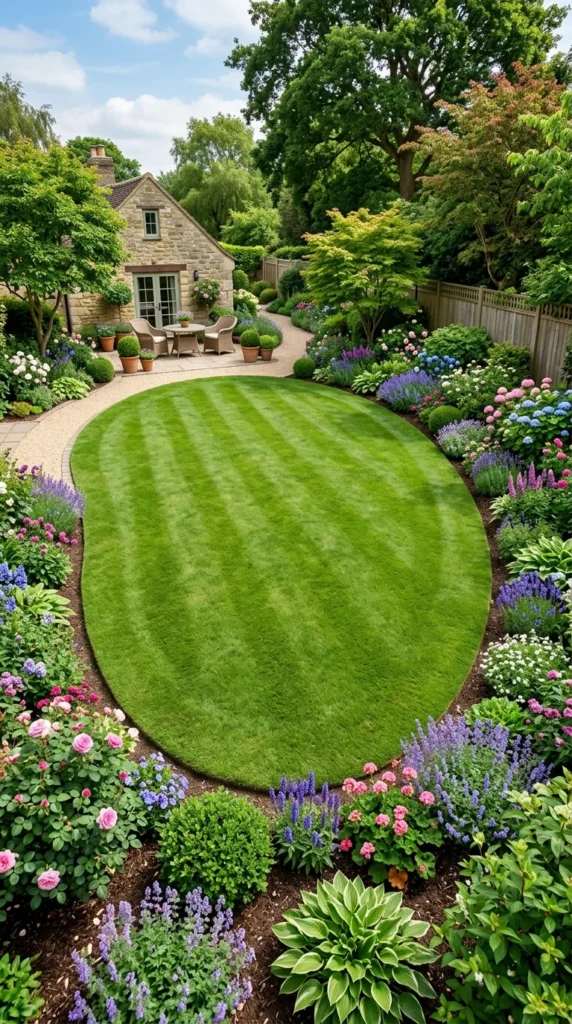
Instead of having a giant rectangle of grass, consider “sculpting” your lawn into a specific shape, like an oval or a circle. Use your garden beds to define the curves. By reducing the total square footage of the lawn and giving it a clear, geometric shape, you create a sense of formal design. This makes the remaining grass easier to maintain and gives the entire landscape a deliberate, high-end structure.