Cultivating a cutting garden is one of the most rewarding endeavors for any plant lover. Unlike a traditional landscape garden designed for curb appeal, a cutting garden is a dedicated space—often organized in rows like a vegetable patch—intended specifically for harvesting. The goal is to produce an abundance of stems that can be brought indoors to brighten your home or shared with friends.
To maintain a continuous supply of blooms from spring through the first frost, variety is key. You need a mix of “thrillers” (focal flowers), “fillers” (added volume), and “spillers” or airy accents. Here are 20 essential flower varieties to ensure your vases are never empty.
1. Zinnias
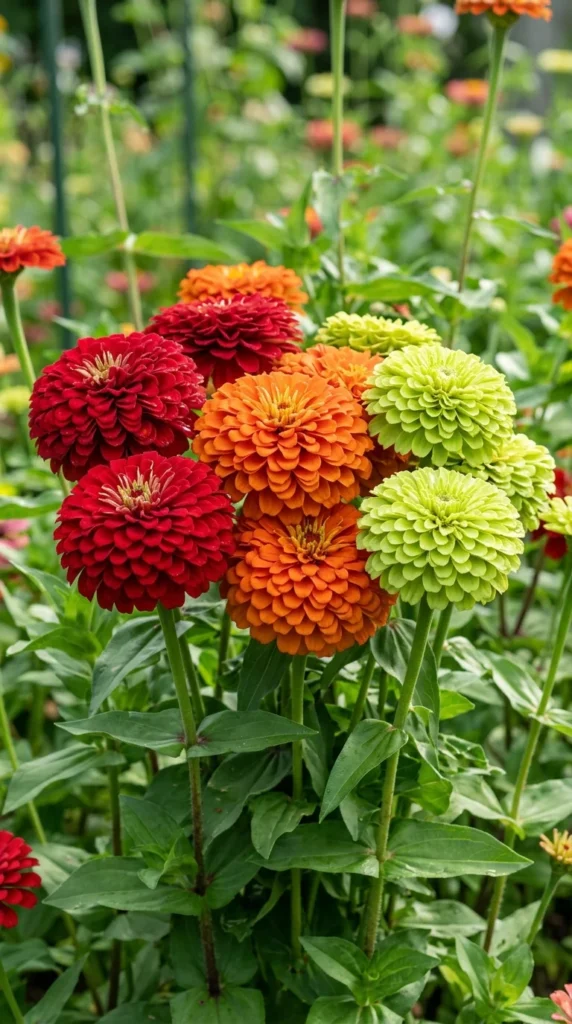
Zinnias are the workhorses of the summer cutting garden. They are incredibly easy to grow from seed and follow a “cut-and-come-again” philosophy—the more you harvest, the more the plant produces. Available in nearly every color except blue, zinnias offer various shapes, from the massive “Benary’s Giant” series to the delicate, bicolor “Queen Lime” varieties. They have a long vase life of 7 to 10 days if the water is kept clean.
2. Dahlias
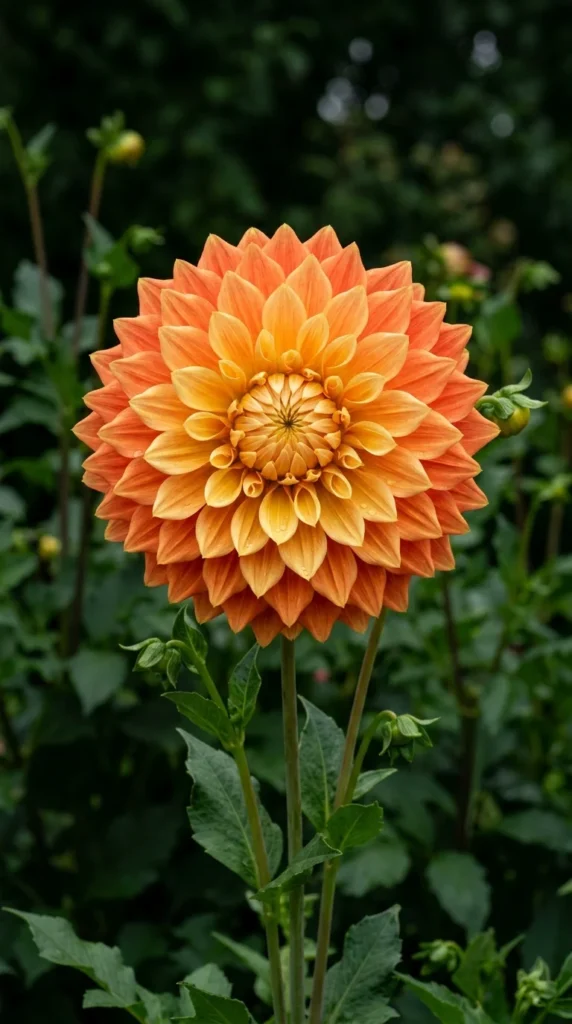
Dahlias are the undisputed queens of the late summer garden. These tuberous perennials produce some of the most spectacular blooms in the floral world, ranging from tiny 2-inch pom-poms to massive 12-inch “dinnerplate” varieties. They require staking and regular deadheading, but the reward is a prolific supply of architectural blooms that define professional-looking bouquets.
3. Cosmos
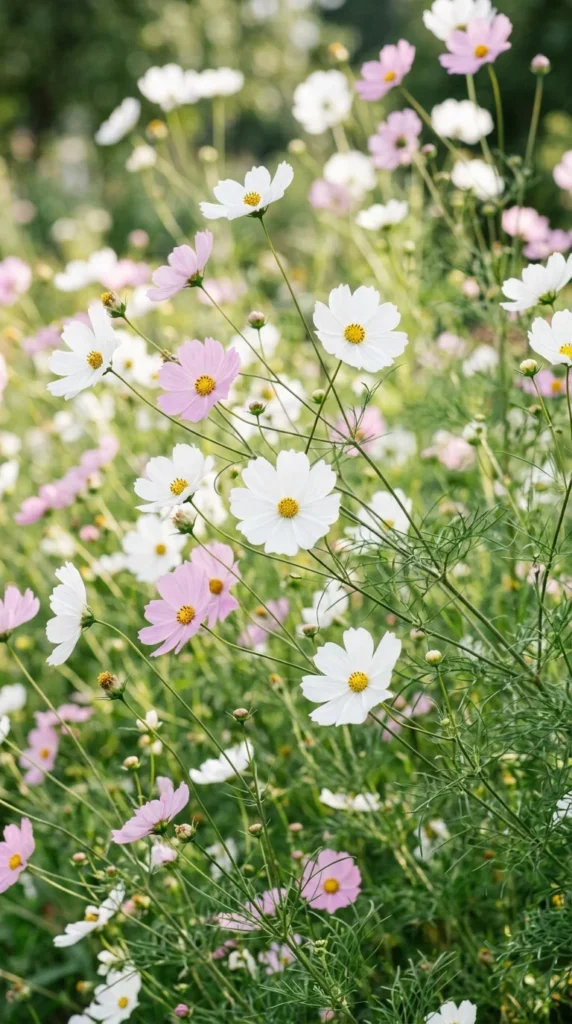
Cosmos bring a sense of whimsy and movement to arrangements. Their daisy-like faces and lacy foliage provide a soft, “cottage core” aesthetic. They are exceptionally heat-tolerant and thrive even in poor soil. For the best results in bouquets, harvest them when the buds are just beginning to show color but haven’t fully opened to maximize their indoor lifespan.
4. Sunflowers
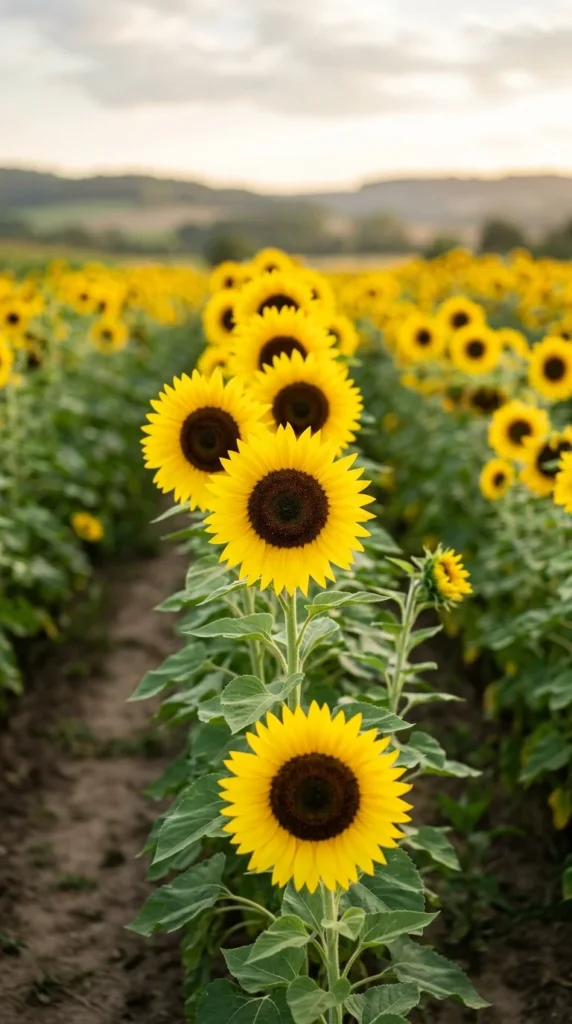
While many think of the giant, towering sunflowers of autumn, cutting garden enthusiasts prefer “branching” varieties or “pollen-less” hybrids. Varieties like the “ProCut” or “Sunrich” series are bred specifically for the floral industry. They don’t drop messy yellow dust on your table and come in stunning shades of mahogany, buttercream, and classic gold.
5. Snapdragons
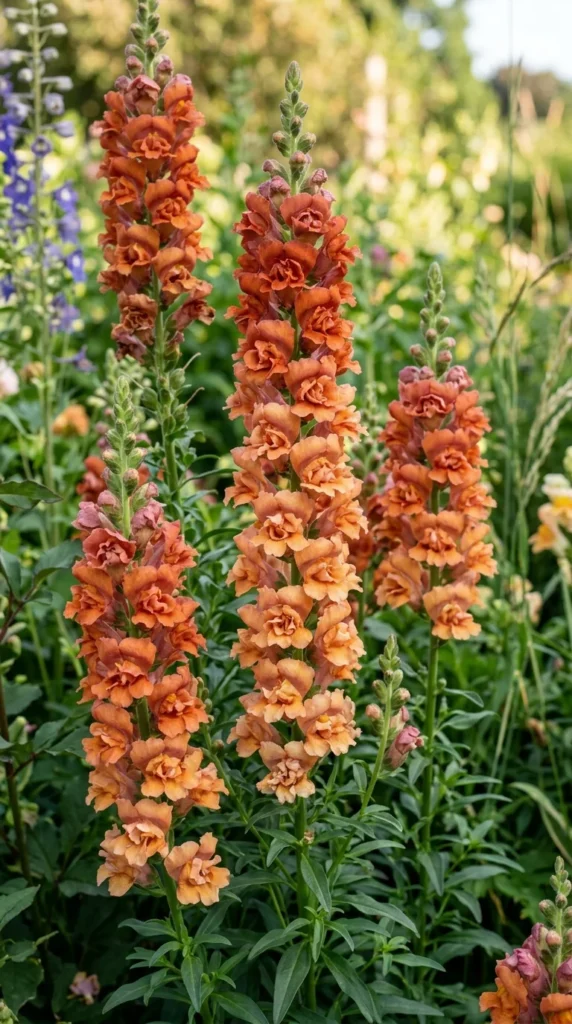
Snapdragons provide the necessary height and vertical structure for a balanced bouquet. They are “cool-season” flowers, meaning they thrive in the spring and early summer before the sweltering heat of July hits. The “Rocket” series is known for its sturdy stems, while the “Madame Butterfly” series offers unique, azalea-like ruffled blooms.
6. Sweet Peas
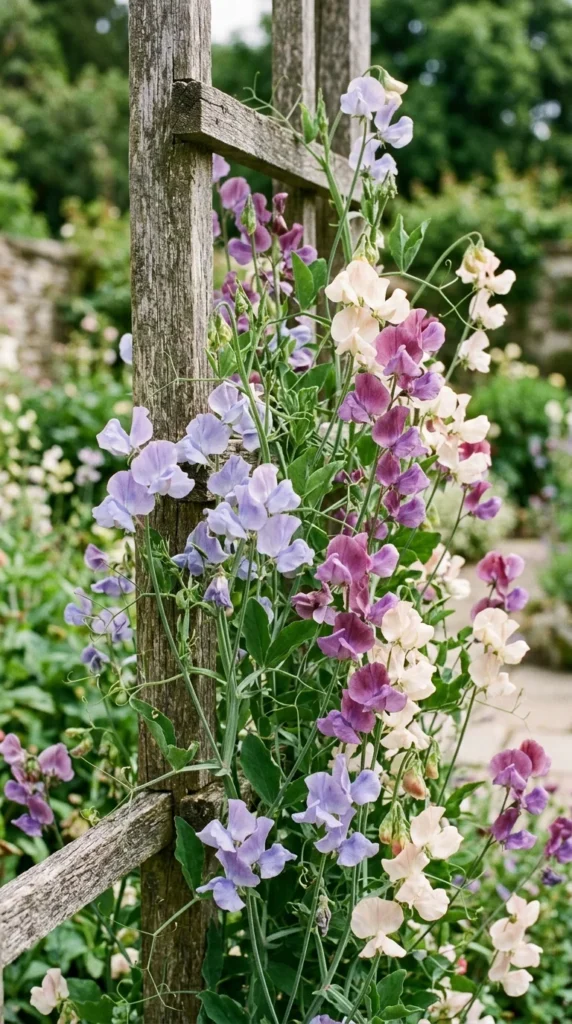
Nothing beats the fragrance of homegrown sweet peas. These climbing annuals prefer the cool air of spring and produce delicate, ruffled blossoms on thin stems. Because their vase life is relatively short (4 to 5 days), having them in your own garden is the best way to enjoy them. Frequent picking is essential to keep the vines producing.
7. Peonies
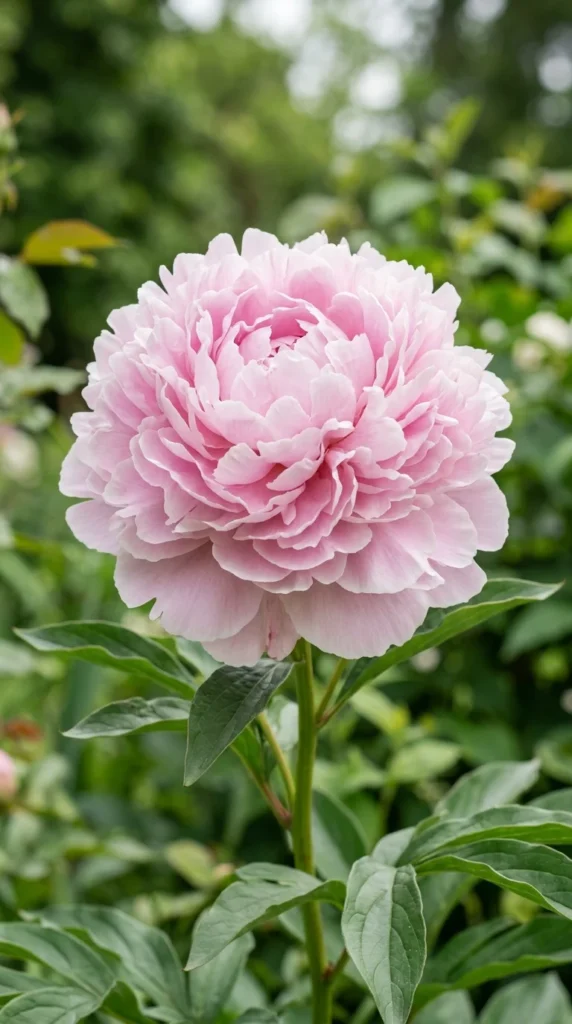
Peonies are the ultimate luxury of the spring garden. While they only bloom for a few weeks, their massive, fragrant heads are irreplaceable. To get the most out of them, harvest in the “marshmallow stage”—when the bud is colored and feels soft to the touch but hasn’t yet opened. This allows them to open perfectly in the vase and last much longer.
8. Ranunculus
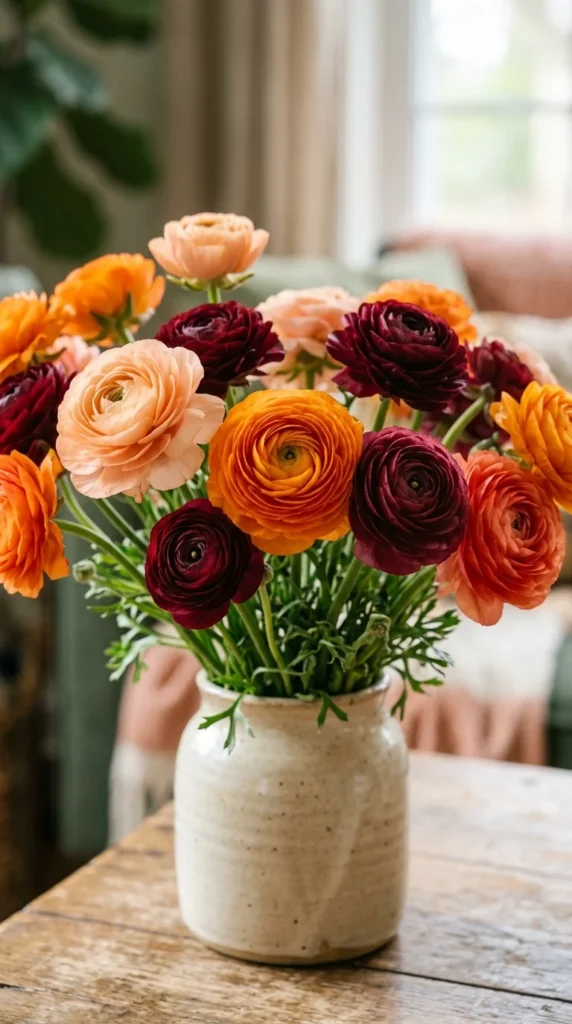
Often mistaken for roses or peonies, ranunculus feature incredibly high petal counts and sturdy, succulent-like stems. They are cool-weather crops, often started in late winter or early spring. Their long vase life (up to 12 days) makes them a favorite for wedding work and high-end floral design.
9. Hydrangeas
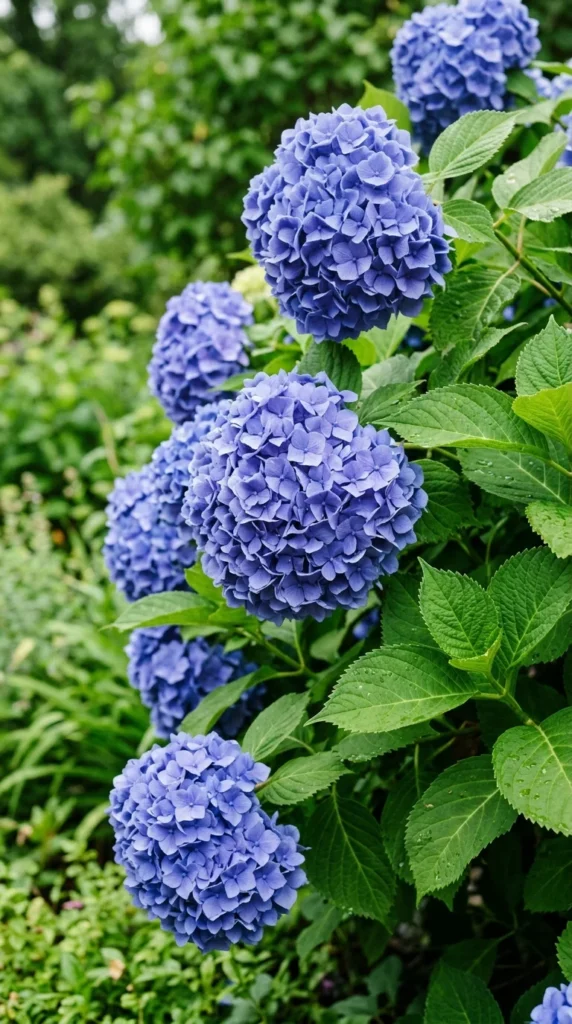
Hydrangeas serve as an excellent “base” for large arrangements, providing instant volume. The “Paniculata” varieties offer cone-shaped blooms that transition from white to pink, while “Macrophylla” provides the classic blue and purple globes. For the longest vase life, sear the stems in boiling water or use alum powder to prevent wilting.
10. Lisianthus
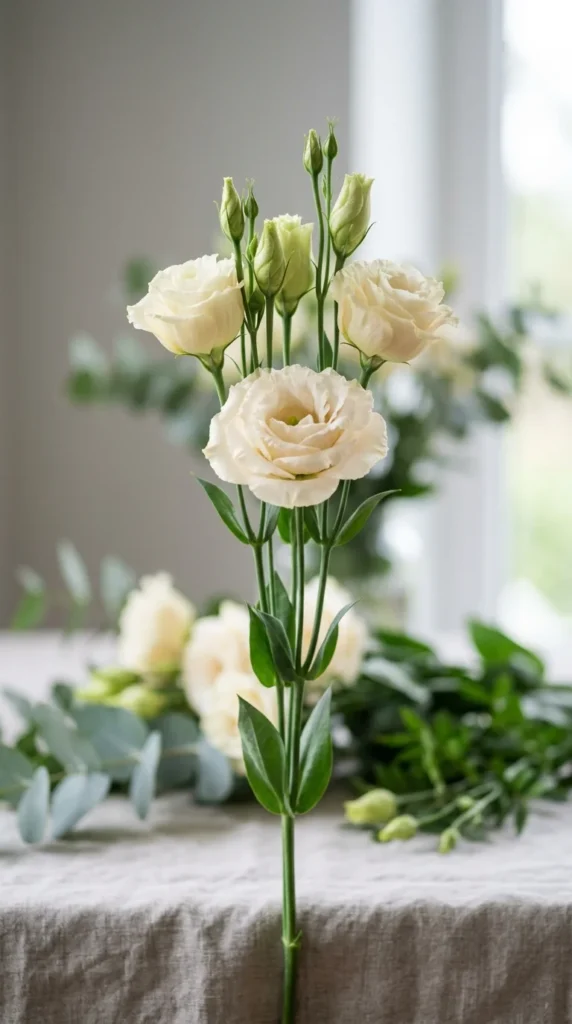
Lisianthus is often called the “rose of the summer.” They are notoriously slow to grow from seed but are well worth the effort or the cost of buying plugs. Each stem acts as a “mini-bouquet” on its own, featuring several elegant, bell-shaped flowers and buds. They are among the longest-lasting cut flowers, often surviving two weeks in a vase.
11. Tulips
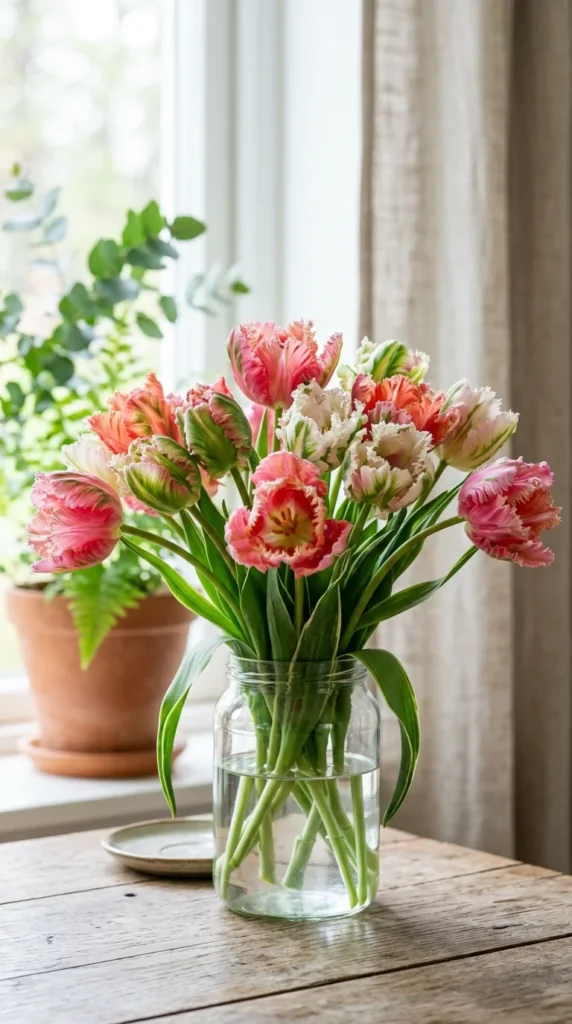
For the earliest spring bouquets, tulips are essential. By choosing “Double” (peony-flowered) or “Parrot” (fringed) varieties, you can grow flowers that look nothing like the basic grocery store options. To get the longest stems, many flower farmers pull the entire bulb out of the ground rather than cutting the stem.
12. Larkspur
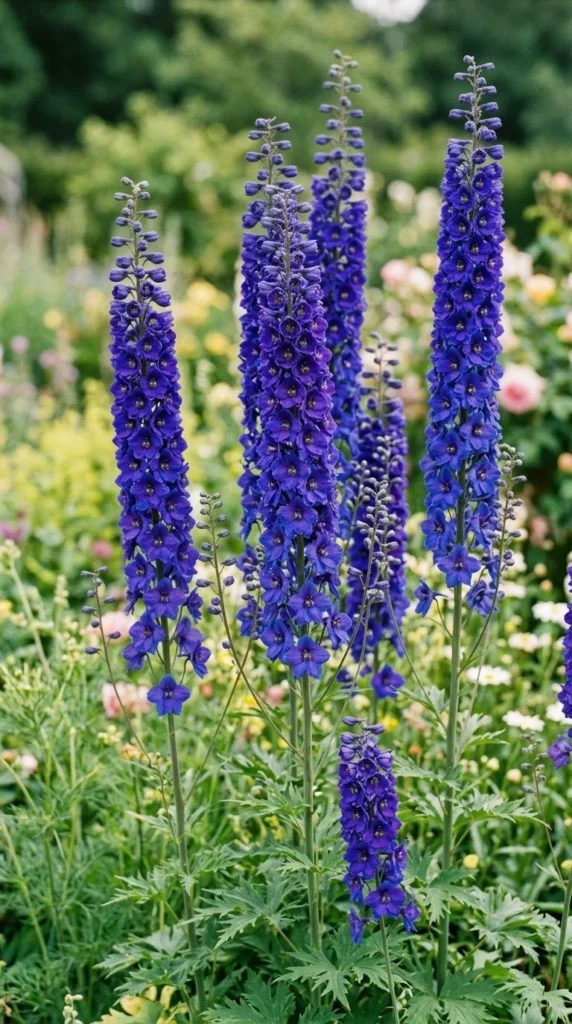
Larkspur is the annual version of Delphinium and is much easier to grow. It provides incredible height and a rare true-blue pigment to the garden. They are “cool-season” hardy annuals that can often be sown in the fall for early spring blooms. They also dry beautifully, holding their color for months.
13. Echinacea (Coneflower)
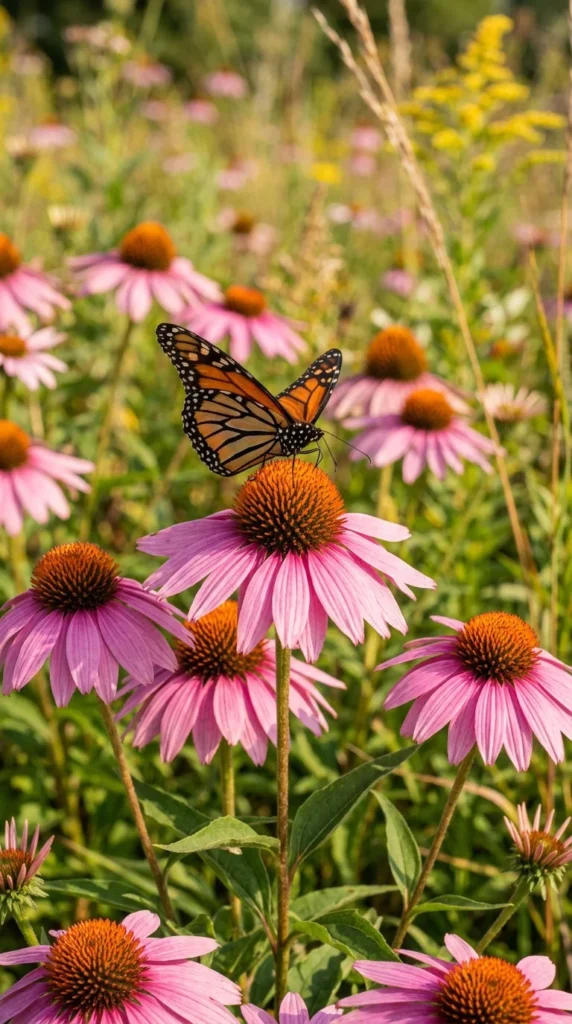
While traditional purple coneflowers are great, new hybrids offer shades of lime, tomato red, and bright yellow. Echinacea is a hardy perennial, meaning it will come back year after year. Not only are the petals beautiful, but once the petals drop, the “cones” themselves can be used as a unique textural element in bouquets.
14. Rudbeckia (Black-Eyed Susans)
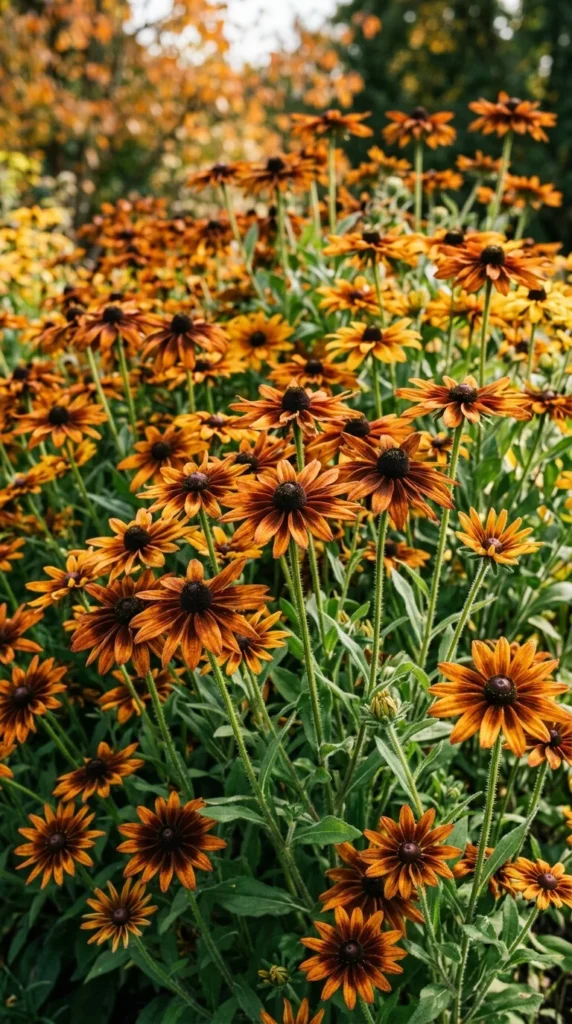
Rudbeckia is the bridge between summer and fall. Varieties like “Sahara” or “Cherokee Sunset” offer muted, sophisticated tones of copper, blush, and cocoa that are highly sought after by modern florists. They are exceptionally rugged, drought-tolerant, and boast a vase life of nearly two weeks.
15. Celosia
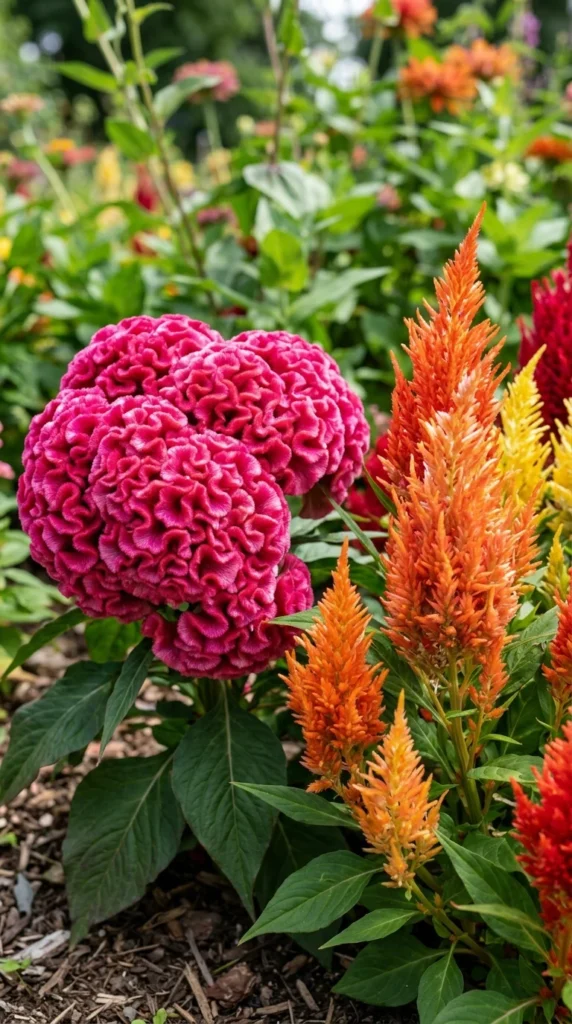
Celosia adds unmatched texture to floral designs. There are three main types: “Crested” (which looks like coral or a brain), “Plume” (feathery wisps), and “Spike” (wheat-like towers). They love the heat and come in electric shades of neon pink, orange, and yellow.
16. Statice
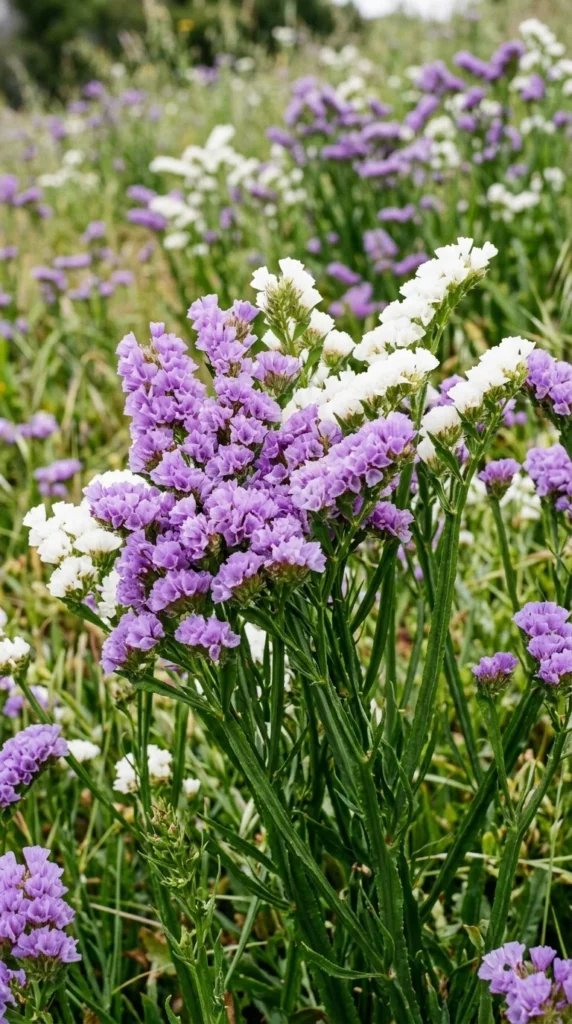
Statice is the ultimate filler flower. Its blooms feel like dry paper even while growing on the plant. It provides a “mist” of color that fills gaps between larger focal flowers. Because it is naturally low in moisture, it is also one of the best flowers for drying; it will look exactly the same months later as it did the day it was cut.
17. Yarrow
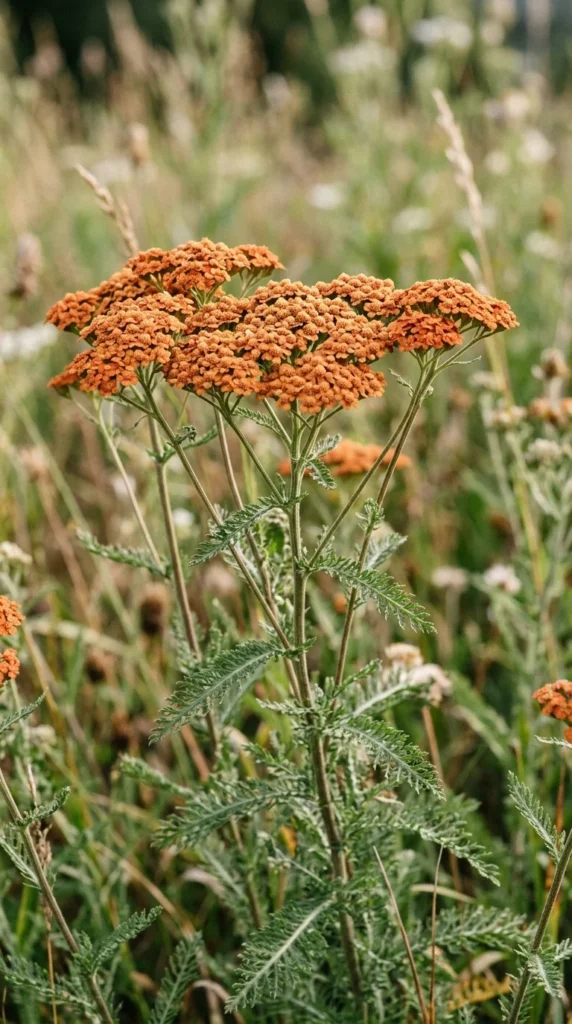
Yarrow (Achillea) provides a flat “landing pad” shape that contrasts beautifully with spiky or rounded flowers. It is a perennial that is extremely easy to grow and spreads over time. Modern cultivars like “Colorado Mix” provide a palette of apricot, rose, and cream that looks far more sophisticated than the wild white variety.
18. Scabiosa (Pincushion Flower)
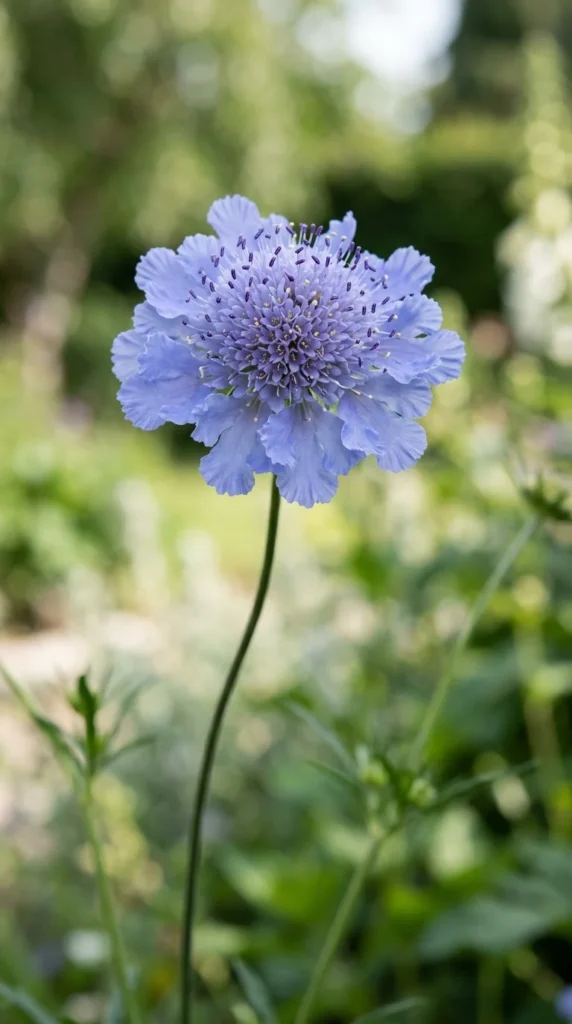
Scabiosa earns its nickname “Pincushion Flower” from the tiny stamens that look like pins stuck in a cushion. These flowers add a delicate, airy feel to bouquets. The “Fama” series offers large, intense blue or white blooms, while “Scabiosa Stellata” is grown specifically for its papery, geometric seed heads that look stunning in fall arrangements.
19. Phlox
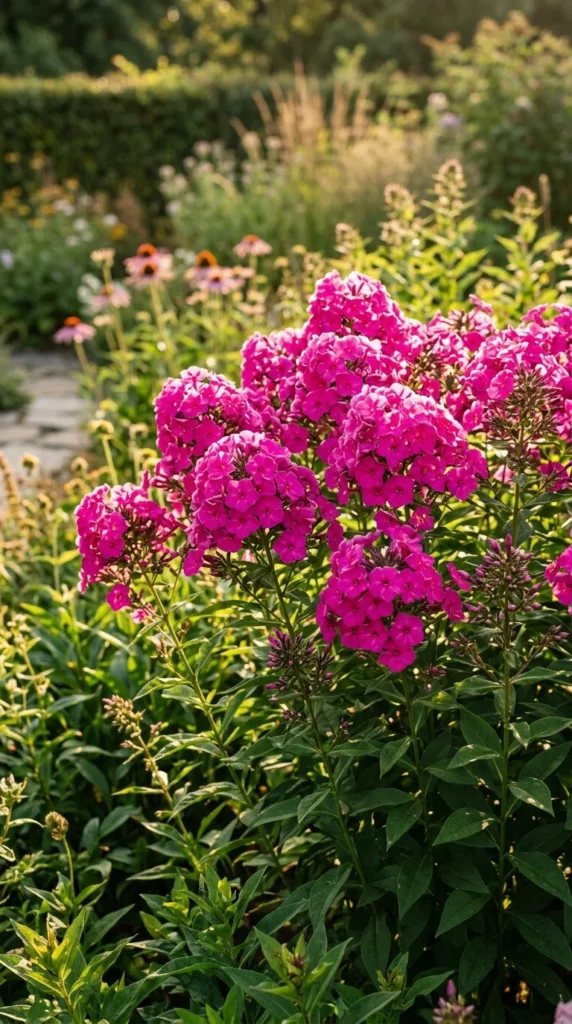
Garden phlox provides large, billowing clusters of intensely fragrant flowers. They fill a vase quickly and act as a wonderful “supporting actor” to larger focal flowers like dahlias. They are perennials that bloom in the heat of mid-to-late summer when many other spring flowers have faded.
20. Anemones
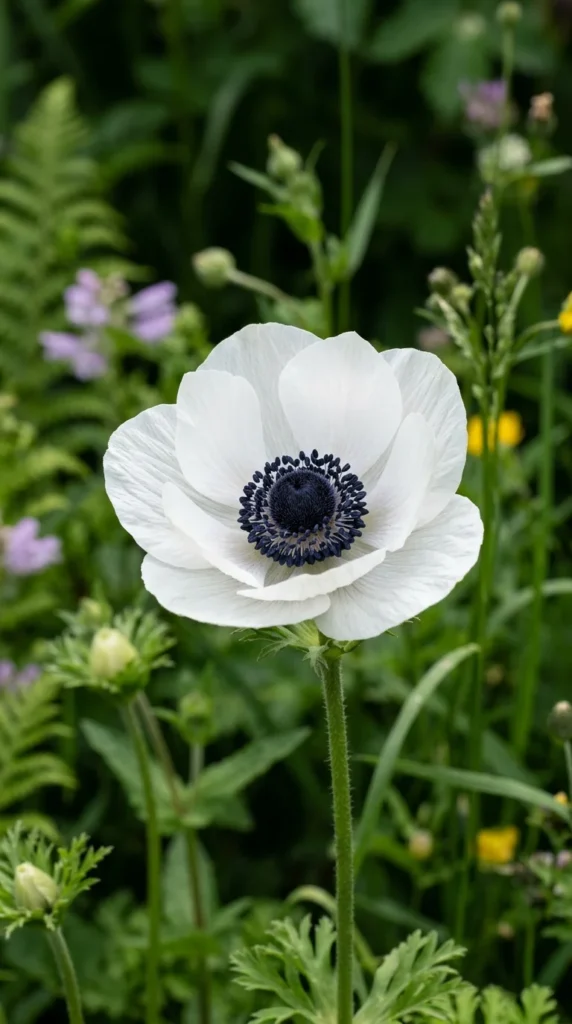
Anemones, specifically the “Galilee” or “Marianne” series, are prized for their high-contrast centers. The white variety with a dark navy-black center is a staple in bridal bouquets. Like ranunculus, they are grown from corms in the cool season and provide an elegant, sophisticated look to the early spring garden.
Tips for a Successful Cutting Garden
To ensure your flowers last as long as possible and your garden stays productive, follow these professional harvesting tips:
- Harvest Early or Late: Cut your flowers in the early morning (after the dew has dried but before the heat of the day) or in the late evening. This ensures the stems are fully hydrated.
- The “Wiggle Test”: For flowers like zinnias and dahlias, grasp the stem about 8 inches below the flower and shake it. If the head floppily wiggles, it’s too young to cut. If the stem stays stiff, it’s ready.
- Clean Tools: Always use sharp, sterilized snips. Bacteria is the number one enemy of vase life.
- Immediate Hydration: Carry a bucket of clean, room-temperature water out to the garden with you. Place the stems into the water immediately after cutting.
- Strip the Foliage: Remove any leaves that will sit below the water line in your vase. Leaves rotting in water create bacteria that will clog the flower’s “veins” and cause premature wilting.