Composting is often referred to as “black gold” by gardeners, and for good reason. It is the natural process of recycling organic matter into a nutrient-rich soil amendment that can rejuvenate tired garden beds, improve soil structure, and reduce the need for chemical fertilizers. While many people think of composting as something reserved for professional farmers or dedicated hobbyists, it is an accessible practice that begins right in the heart of the home: the kitchen.
By diverting your kitchen waste from the landfill and into a compost pile, you are not only reducing methane emissions but also creating a sustainable cycle of growth. However, knowing exactly what can and cannot go into the bin is crucial for a healthy, odorless compost pile. A successful pile requires a balance of “greens” (nitrogen-rich materials) and “browns” (carbon-rich materials).
Here are 20 kitchen scraps you should be composting to transform your waste into a gardener’s treasure.
1. Coffee Grounds
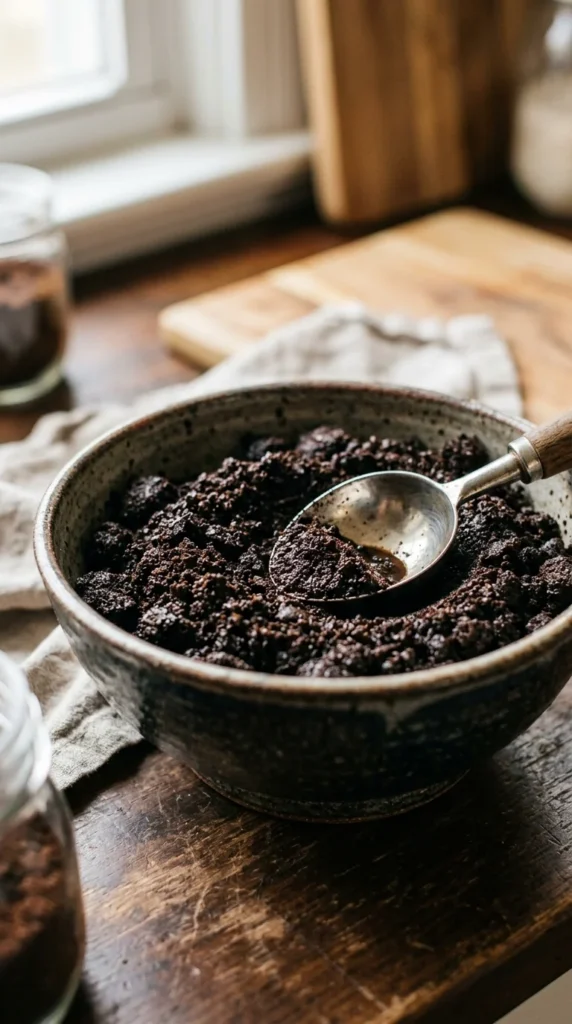
Coffee grounds are a powerhouse for the compost pile. Despite their dark color, they are considered a “green” material because they are high in nitrogen. Nitrogen is essential for the growth and reproduction of the bacteria that break down organic matter. Additionally, coffee grounds help improve soil drainage and aeration. Don’t worry about the acidity; most of the acid is transferred to the liquid coffee you drink, leaving the grounds relatively neutral. Even the paper filters can be tossed in, provided they aren’t bleached with heavy chemicals.
2. Eggshells
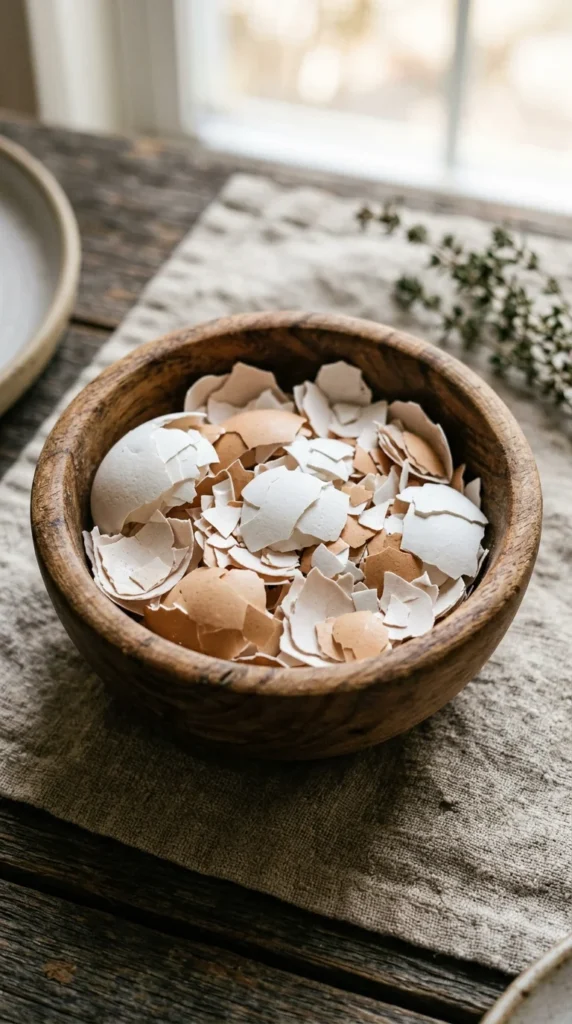
Eggshells are an excellent source of calcium carbonate, a mineral that helps plants build strong cell walls. Before adding them to your compost, it is best to rinse them to remove any lingering egg white and then crush them into small pieces. The smaller the fragments, the faster they will decompose. Calcium-rich compost is particularly beneficial for preventing blossom end rot in tomatoes and peppers.
3. Banana Peels
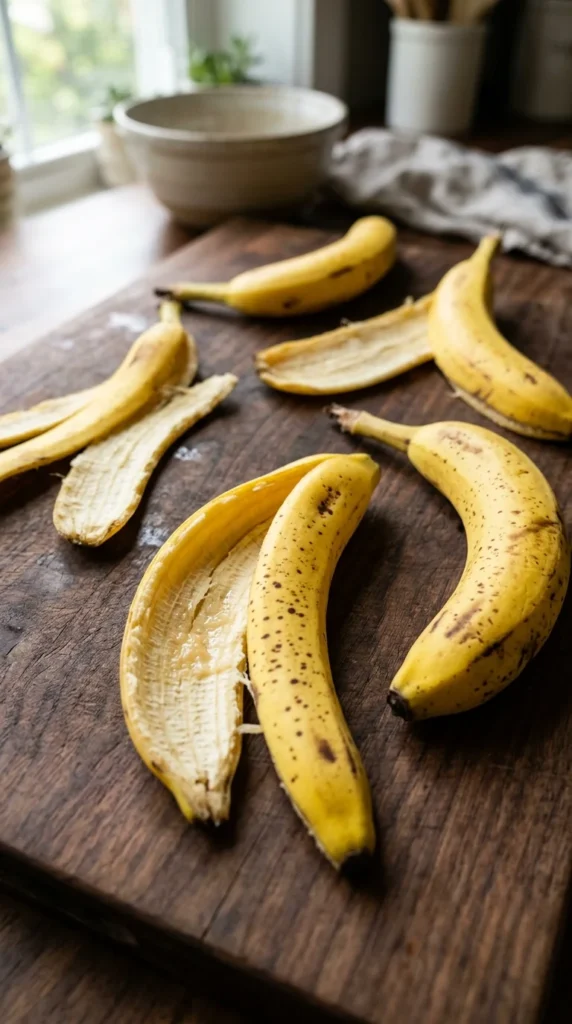
Banana peels are rich in potassium, phosphorus, and magnesium. These minerals are vital for root development and overall plant health. Because they are soft and high in moisture, they break down relatively quickly. To speed up the process even further, you can chop the peels into one-inch pieces before tossing them into the bin.
4. Vegetable Scraps
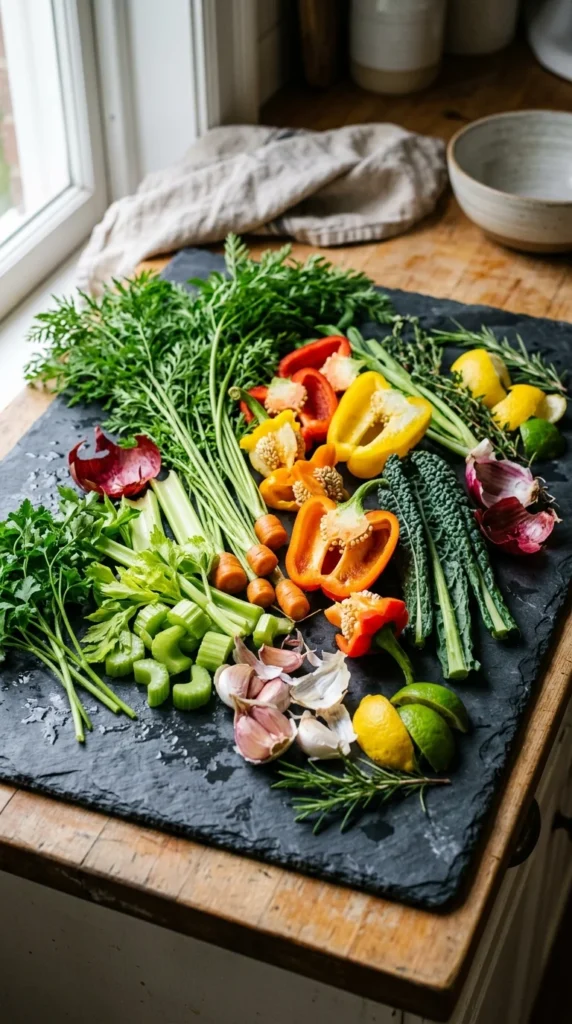
The trimmings from your nightly dinner prep—think carrot tops, broccoli stalks, and bell pepper cores—are the backbone of a good compost pile. These “greens” provide moisture and nitrogen. Since these vary in density, chopping tougher items like broccoli stems will ensure they decompose at the same rate as softer leafy greens.
5. Fruit Peels
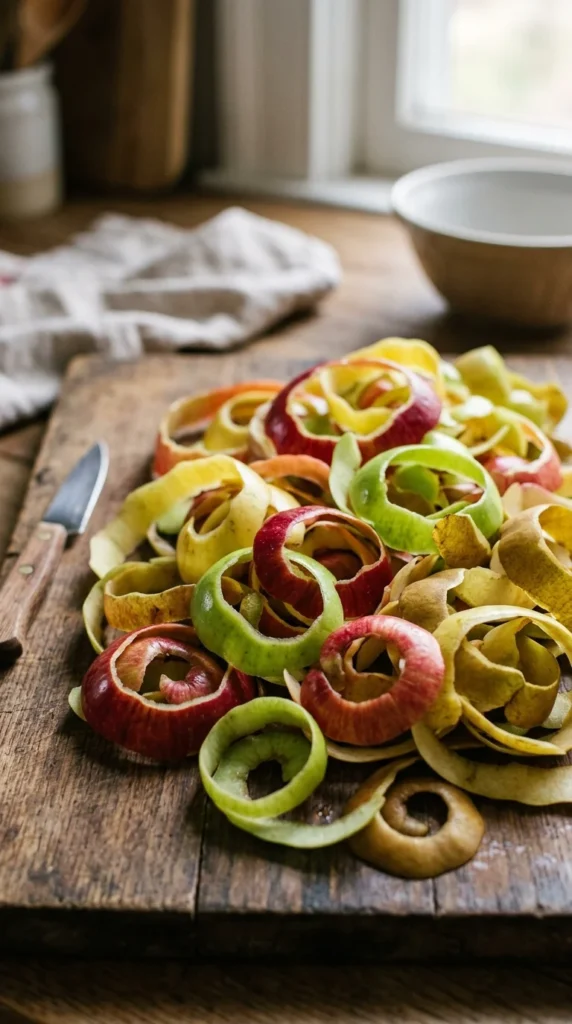
Apple cores, pear skins, and strawberry tops are all fantastic additions. They add sugar and moisture to the pile, which fuels the microbial activity. While most fruit is fine, try to remove any plastic produce stickers, as these are made of plastic and will not break down, often remaining visible in the finished compost for years.
6. Nut Shells
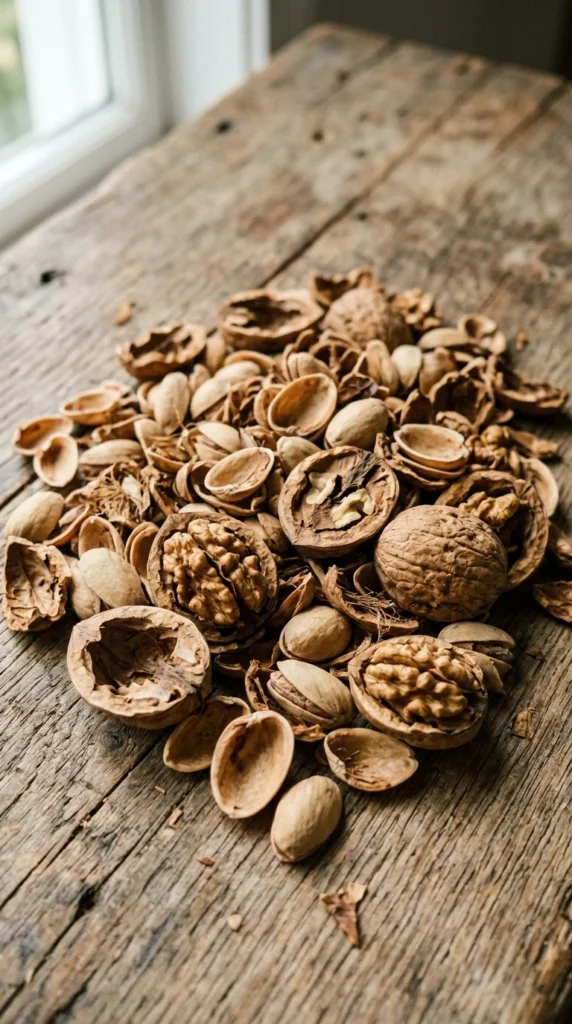
Shells from walnuts, pistachios, and peanuts (as long as they aren’t heavily salted) are great “brown” materials. They provide carbon and help create air pockets within the compost pile, which is necessary for aerobic decomposition. Because they are very dense, they take a long time to break down, so consider crushing them with a hammer before adding them. Note: Avoid black walnut shells, as they contain juglone, a natural chemical that can be toxic to some plants.
7. Tea Bags
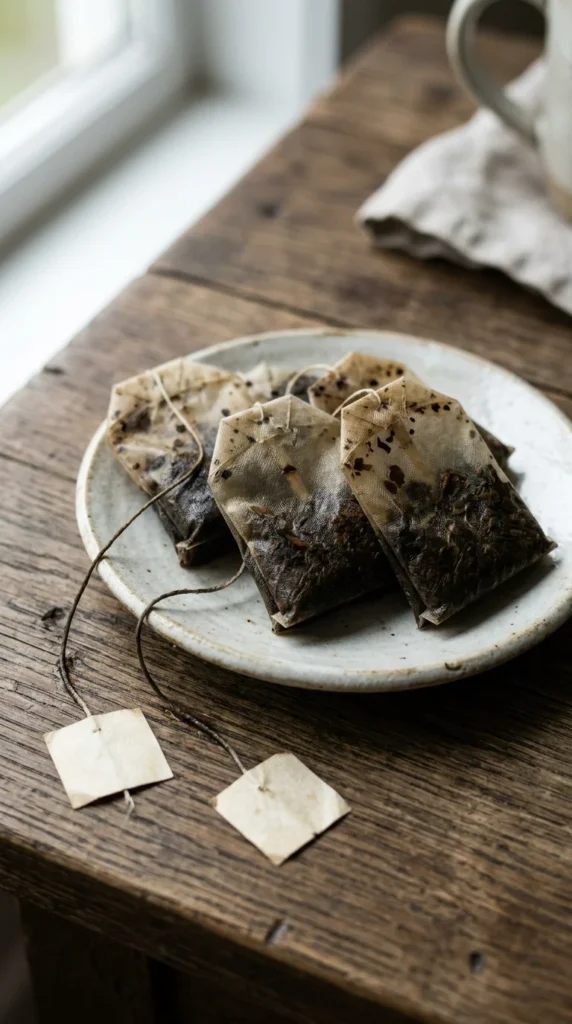
Tea leaves are another excellent nitrogen source. If you use loose-leaf tea, you can toss it straight in. If you use bags, ensure they are made of natural fibers like paper, silk, or muslin. Many modern tea bags contain a small amount of polypropylene (plastic) to keep them sealed, which won’t decompose. If you’re unsure, snip the bag open, compost the leaves, and discard the mesh.
8. Stale Bread
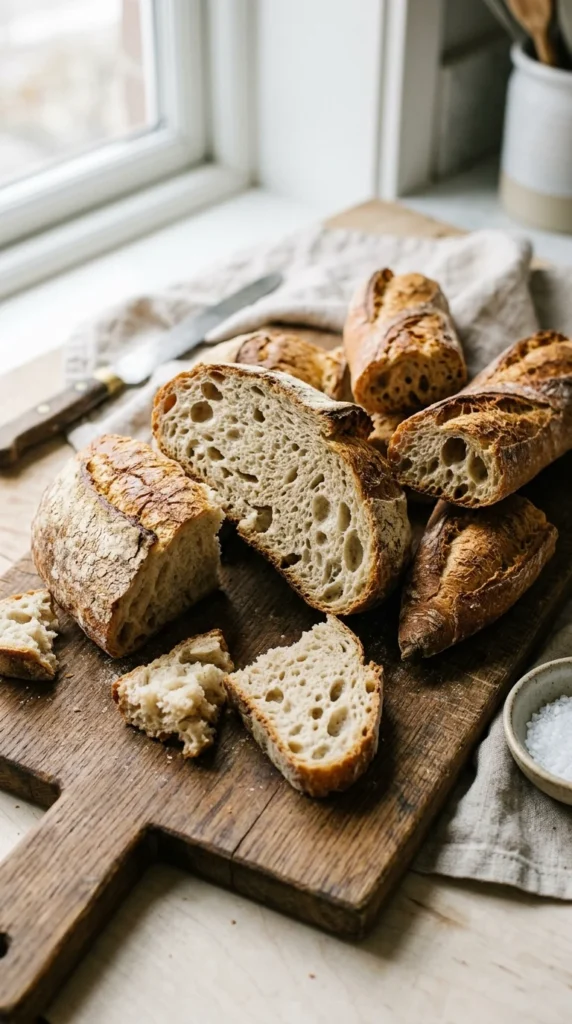
If that loaf of bread has gone too hard to eat, don’t throw it in the trash. Bread, crackers, and even plain pasta can be composted. These provide a quick energy source for the microbes. However, avoid composting bread that is heavily buttered or contains a lot of cheese, as fats and oils can slow down the composting process and attract unwanted pests like rodents.
9. Corn Cobs
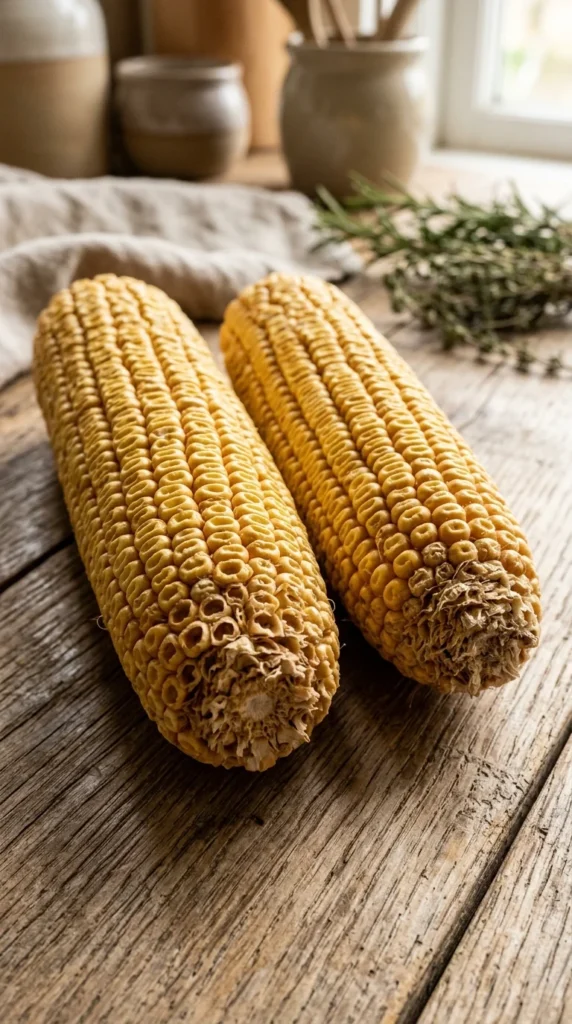
Corn cobs are a fantastic source of carbon. Because they are so sturdy, they provide structure to your pile, allowing oxygen to reach the center. They do take quite a long time to decompose—sometimes over a year—so it is highly recommended to chop or shred them into smaller disks before adding them to the bin.
10. Pasta and Rice
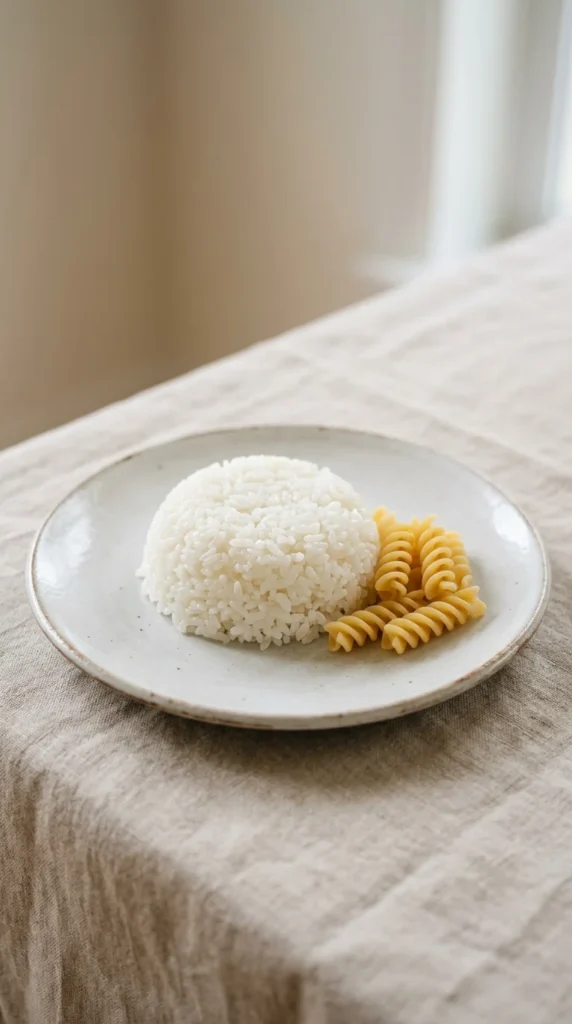
Leftover plain rice and pasta are perfectly fine for the compost. They are essentially carbohydrates that the bacteria will feast upon. The key is to ensure they aren’t covered in heavy sauces, oils, or meat products. Small amounts of grains will disappear into the pile very quickly.
11. Onion Skins
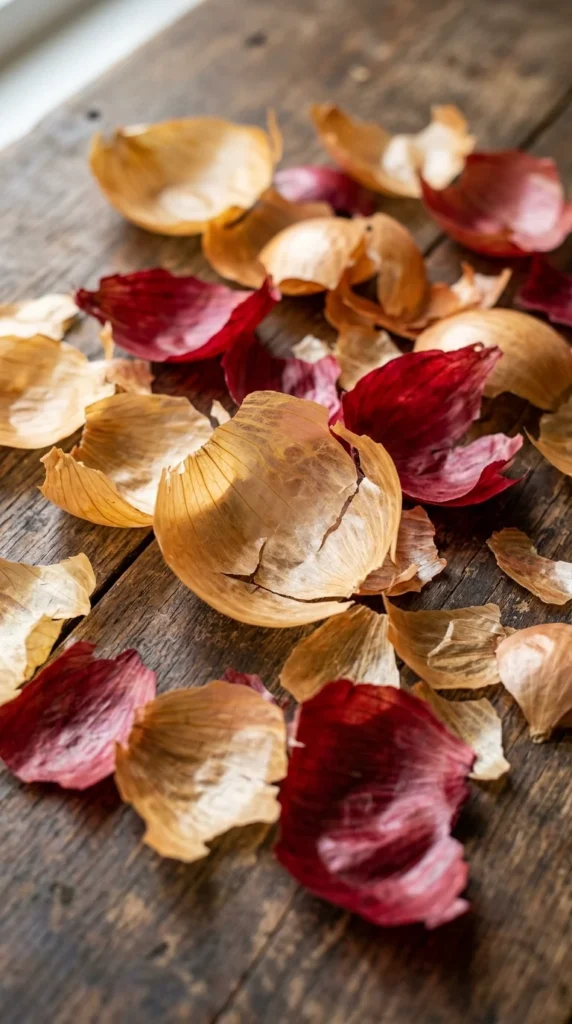
The dry, papery outer layers of onions and the root ends are great for composting. There is a common myth that onions shouldn’t be composted because their strong smell drives away worms; however, in a balanced pile, onions break down just fine. If you use a vermicompost (worm bin), just limit the amount of onions so the environment doesn’t become too acidic for the worms.
12. Garlic Peels
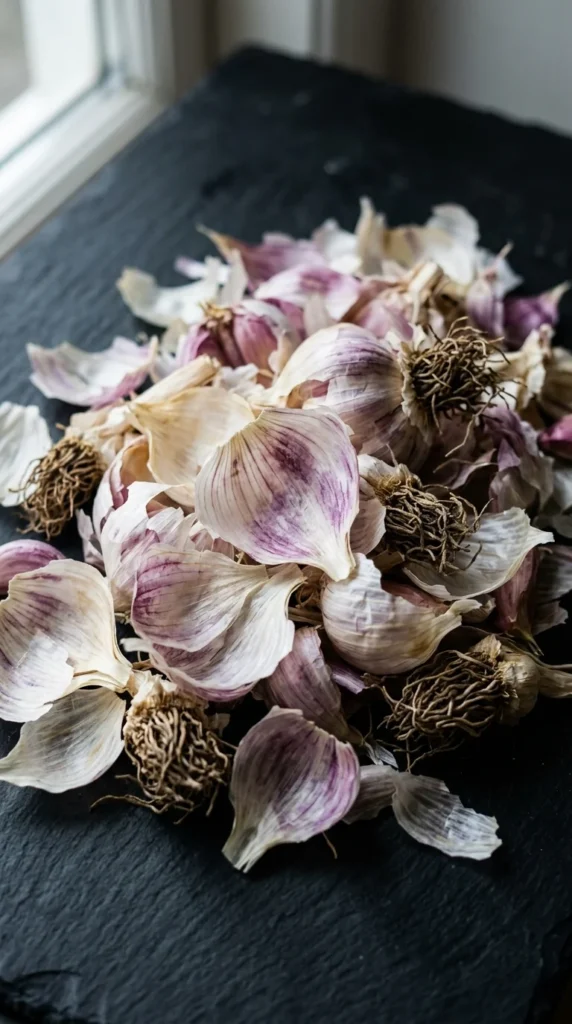
Much like onion skins, garlic peels are a lightweight “brown” material that adds carbon to the mix. They decompose rapidly and contribute to the overall nutrient profile of the soil. Their pungent odor actually helps deter certain pests while the material is still fresh.
13. Potato Skins
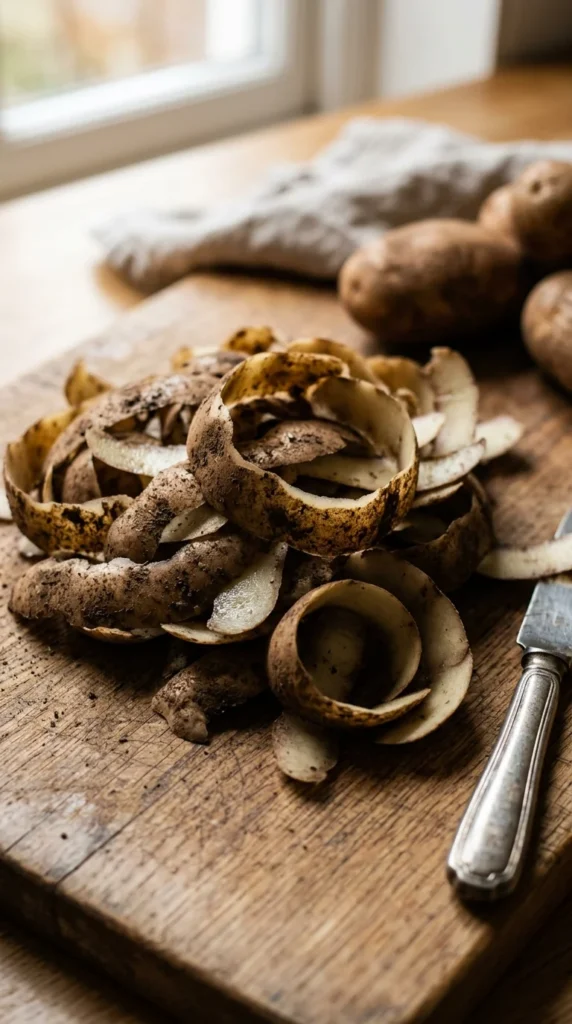
Potato skins are rich in nutrients, but there is one caveat: avoid composting potatoes that show signs of blight or heavy mold. If the potatoes are healthy, the skins are a great addition. If you’re worried about “volunteer” potatoes growing in your compost, make sure to chop the skins or eyes thoroughly.
14. Used Paper Towels
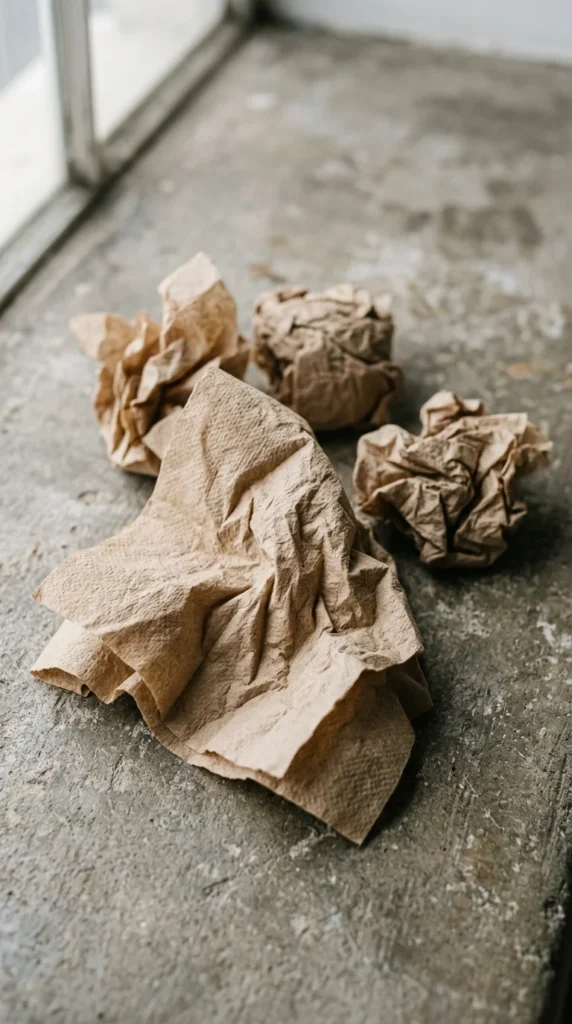
If you use paper towels to wipe up water spills or to dry vegetables, they can go straight into the compost. These are a great source of carbon. However, do not compost paper towels that have been used with chemical cleaning sprays, or those used to wipe up grease, oil, or animal fats, as these can disrupt the pile’s balance.
15. Cardboard Scraps
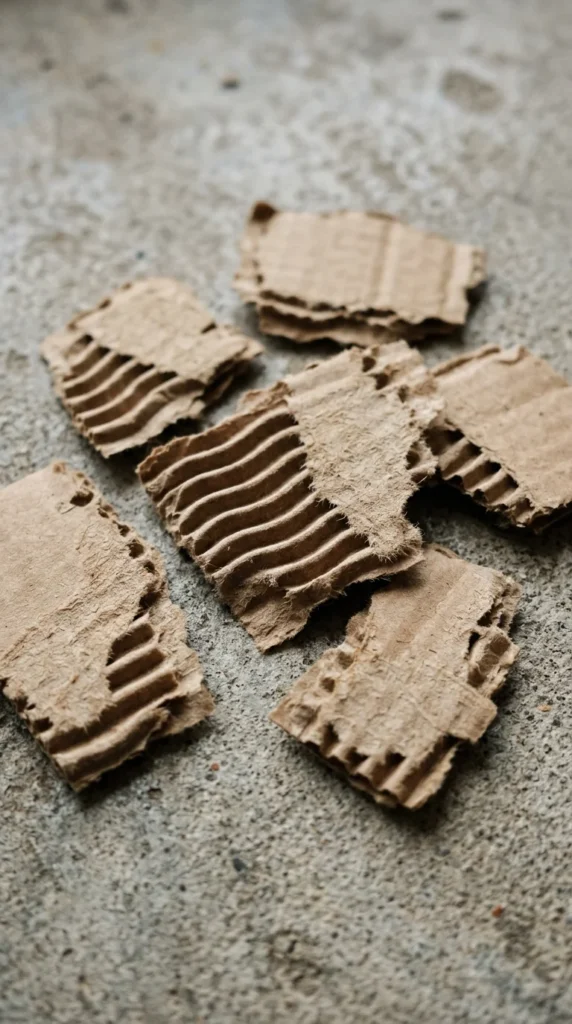
Cereal boxes, egg cartons (paper ones), and corrugated shipping boxes are excellent “browns.” To help them break down, remove any plastic tape or staples and tear the cardboard into small pieces or shreds. Cardboard is particularly useful if your compost pile has become too wet, as it absorbs excess moisture.
16. Herb Stems
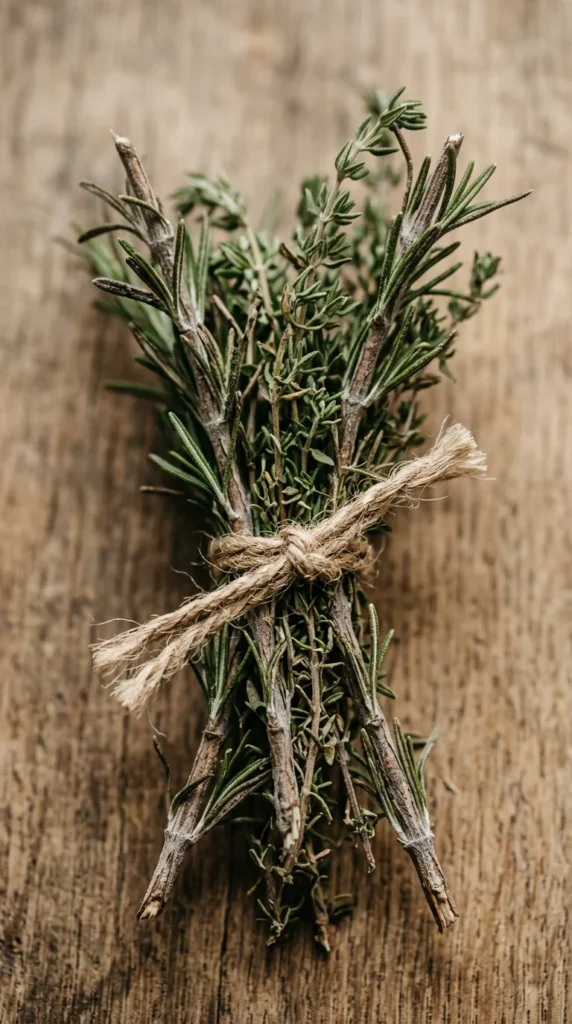
After you’ve stripped the leaves for cooking, the woody stems of rosemary, thyme, oregano, and parsley remain. These take a bit longer to break down than soft leaves but are rich in organic matter. Chopping them into smaller bits will help the bacteria process the fibrous cellulose more efficiently.
17. Citrus Rinds
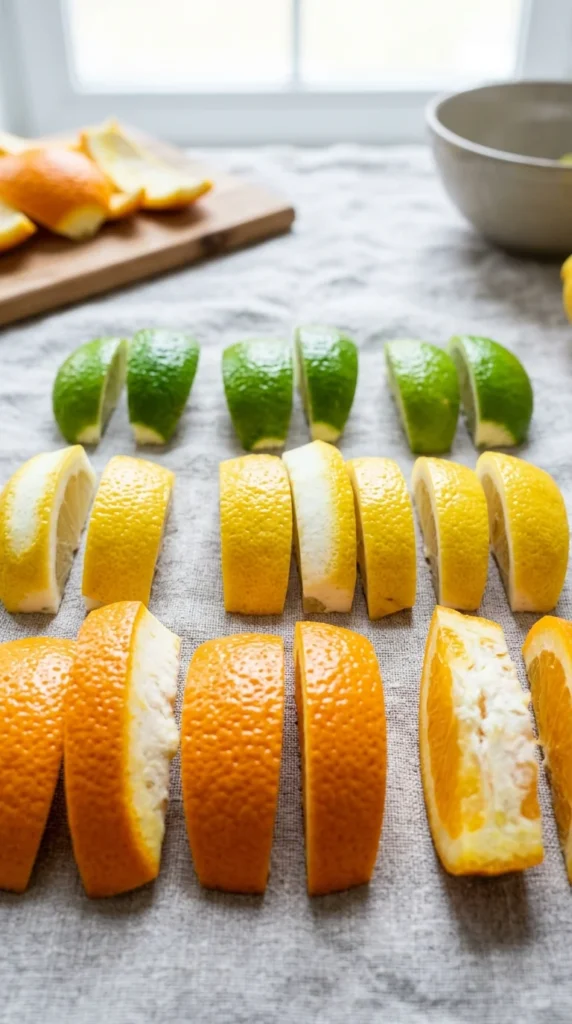
Citrus peels (orange, lemon, lime, grapefruit) are perfectly compostable, though they should be added in moderation. They contain natural oils that can slow down decomposition if there are too many at once. In a traditional outdoor pile, they are fine; in a worm bin, use them sparingly as the acidity can irritate the worms’ sensitive skin.
18. Avocado Pits and Peels
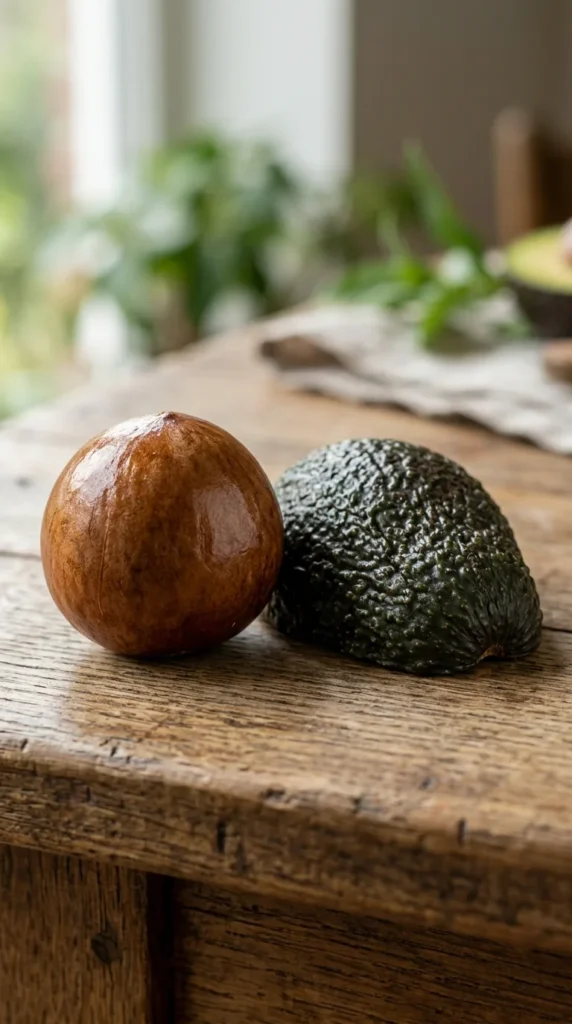
The skins and pits of avocados are very dense and will be among the last things to disappear in your bin. However, they are rich in fats and nutrients that eventually benefit the soil. To speed things up, you can smash the pit with a hammer or cut the leathery skin into strips. Don’t be surprised if you see a small avocado sprout in your pile—this is a common occurrence!
19. Melon Rinds
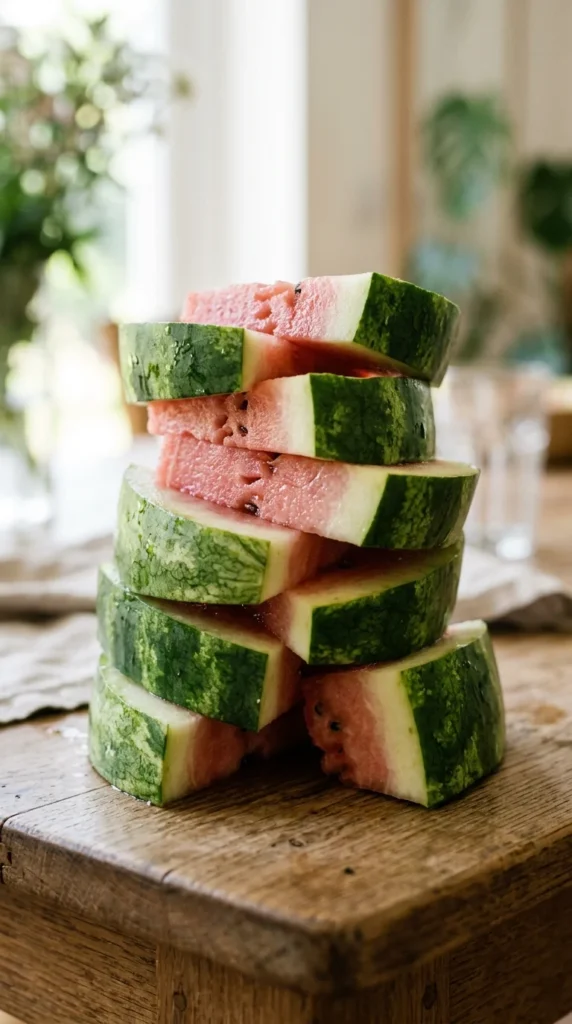
Watermelon, cantaloupe, and honeydew rinds provide a massive amount of moisture to a compost pile. Because they are so watery, they help keep the pile hydrated during hot summer months. To prevent them from attracting too many flies, bury them deep within the center of the compost pile where the heat is highest.
20. Wine Corks
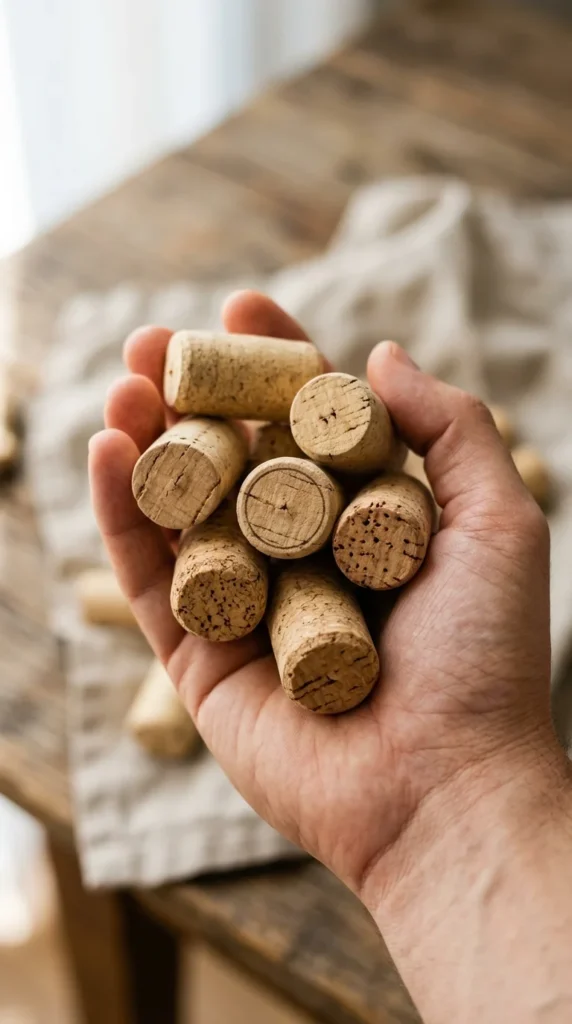
As long as the cork is made of natural cork (bark) and not plastic/synthetic material, it can be composted. Cork is a wood product and acts as a “brown” material. Because cork is designed to be liquid-resistant, it takes a very long time to break down. Chopping them into smaller pieces will significantly speed up the process.
Tips for Successful Composting
To ensure your kitchen scraps turn into high-quality compost, keep these three rules in mind:
- Balance Greens and Browns: Aim for a ratio of about 3 parts “brown” (carbon-rich materials like cardboard and nut shells) to 1 part “green” (nitrogen-rich materials like coffee grounds and veggie scraps).
- Size Matters: The smaller the pieces you put in, the faster the microbes can do their work. A quick chop with a kitchen knife can save months of waiting.
- Aeration: Your compost needs to breathe. Turn your pile once a week with a pitchfork to introduce oxygen, which prevents the pile from becoming “anaerobic” and smelling like rotten eggs.
By keeping these 20 items out of the trash, you’re taking a major step toward a more sustainable lifestyle and a much healthier garden.