Maintaining a healthy garden is a labor of love, but nothing discourages a gardener faster than seeing their hard-earned produce devoured by pests. While chemical pesticides offer a quick fix, they often come with a heavy price: the destruction of beneficial insects, contamination of the soil, and potential health risks for your family. The shift toward organic gardening isn’t just a trend; it is a sustainable approach to creating a balanced ecosystem in your backyard.
Natural pest control focuses on prevention, biological balance, and the use of non-toxic substances. By understanding the lifecycle of your garden and the behavior of the “bad guys,” you can protect your plants without harming the environment. Here are 20 effective, natural ways to keep your garden pest-free.
1. Neem Oil
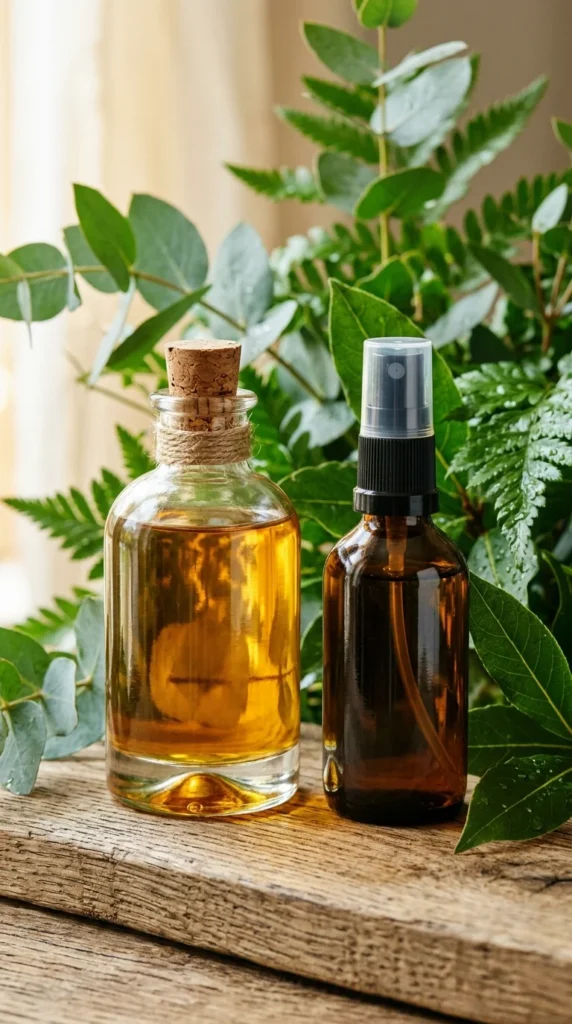
Neem oil is perhaps the most versatile tool in an organic gardener’s arsenal. Extracted from the seeds of the neem tree, this oil contains azadirachtin, a compound that disrupts the hormonal systems of insects.
- How it works: It acts as a repellent, an anti-feedant, and a growth regulator. When insects ingest it, they stop eating and fail to molt into their next life stage.
- Target Pests: Aphids, whiteflies, spider mites, and scale insects.
- Application: Mix two teaspoons of organic neem oil with one teaspoon of mild liquid soap in a gallon of water. Spray directly onto the foliage, especially the undersides of leaves.
2. Diatomaceous Earth
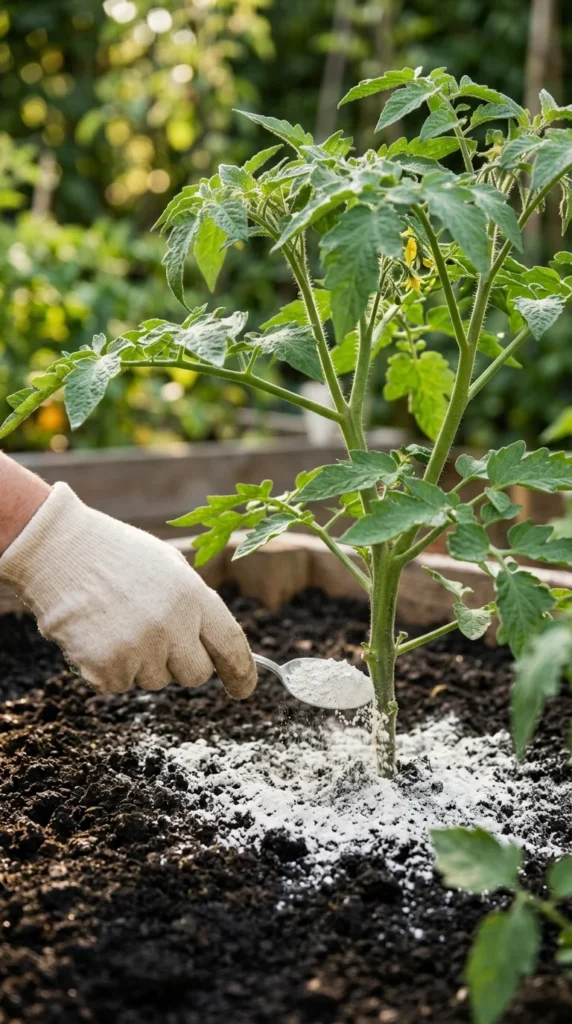
Diatomaceous Earth (DE) is a non-toxic powder made from the fossilized remains of tiny aquatic organisms called diatoms. To the human touch, it feels like flour, but at a microscopic level, it is incredibly sharp.
- How it works: The sharp edges of the DE particles cut through the protective waxy exoskeleton of crawling insects, causing them to dehydrate and die.
- Target Pests: Slugs, snails, ants, cockroaches, and beetles.
- Application: Sprinkle food-grade DE around the base of your plants or create a “barrier” line around the garden bed. Note that it must be reapplied after rain or heavy dew.
3. Garlic Spray
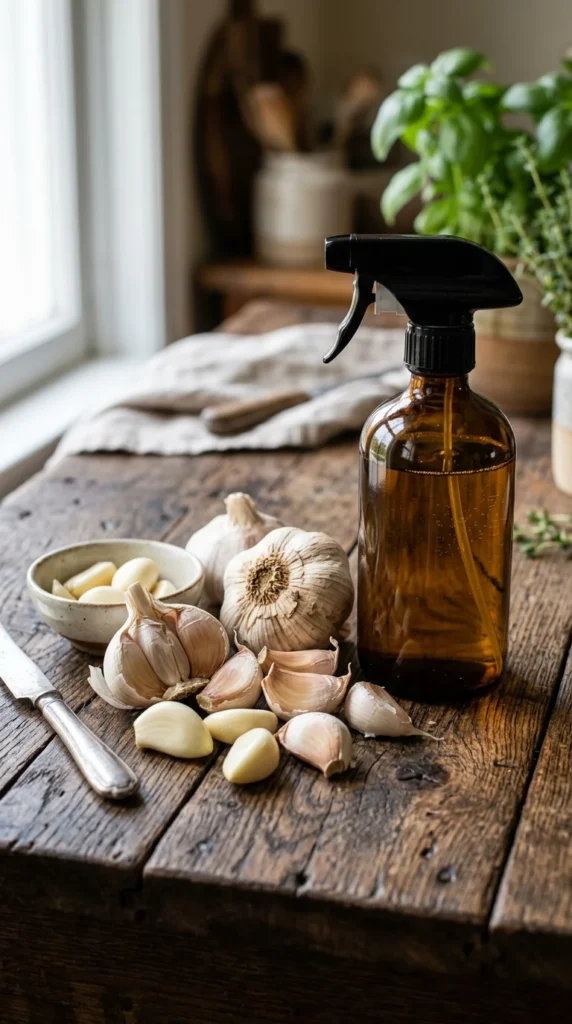
Garlic isn’t just for the kitchen; its strong sulfur compounds make it a powerful deterrent for many garden pests who find the scent overwhelming and toxic.
- How it works: The pungent odor masks the scent of the host plants, making it difficult for pests to locate their food.
- Target Pests: Aphids, Japanese beetles, and even larger mammals like rabbits.
- Application: Puree two whole bulbs of garlic with a small amount of water. Let it sit overnight, strain the liquid, and mix it with a gallon of water and a dash of dish soap.
4. Ladybugs
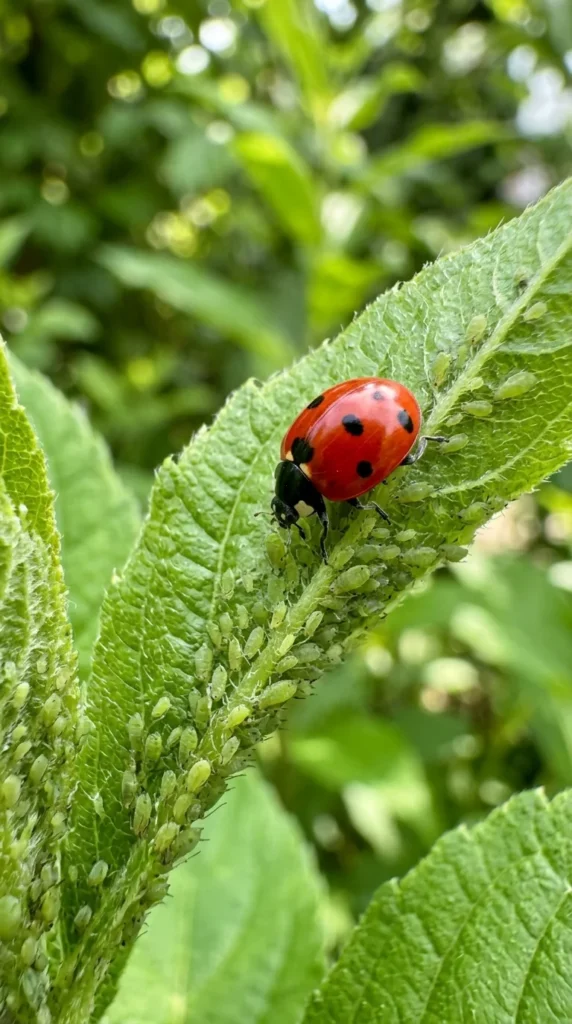
In the world of organic gardening, the enemy of your enemy is your friend. Ladybugs (or ladybird beetles) are voracious predators of soft-bodied insects.
- How it works: A single ladybug can consume up to 5,000 aphids in its lifetime. They are a natural “seek and destroy” mission for your garden.
- Target Pests: Aphids, mealybugs, and mites.
- How to attract them: Plant dill, fennel, or yarrow. You can also purchase live ladybugs from garden centers, but be sure to release them at dusk so they don’t immediately fly away.
5. Companion Planting
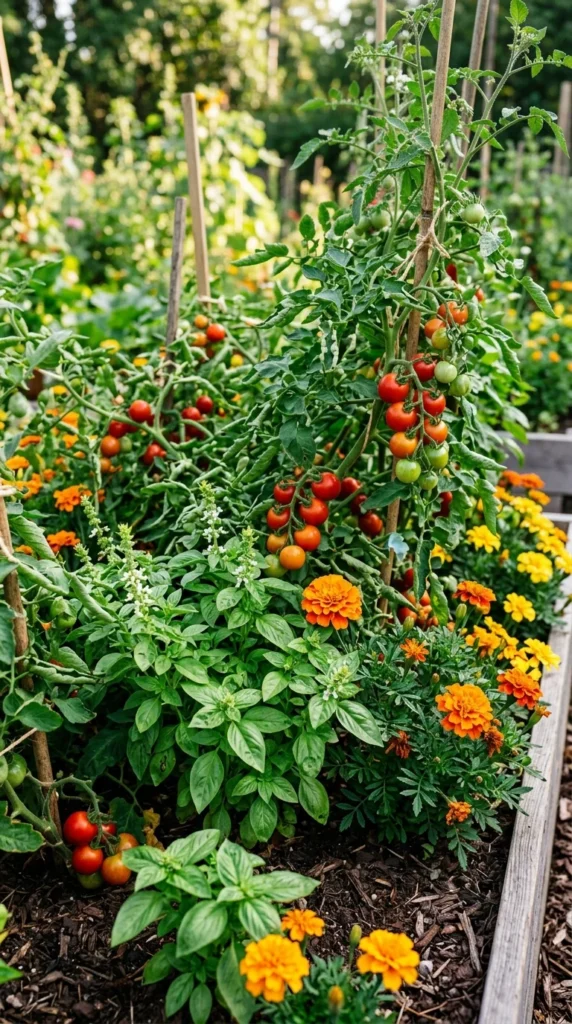
Companion planting is the art of placing specific plants together to enhance growth or repel pests. It creates a “polyculture” that confuses insects.
- How it works: Certain plants emit chemicals or scents that repel pests or attract the predators of those pests.
- Examples: Planting basil near tomatoes repels hornworms, while onions and garlic can deter carrot rust flies.
- Strategy: Research which “plant buddies” work best for your specific vegetable crops to create a natural defense shield.
6. Sticky Traps
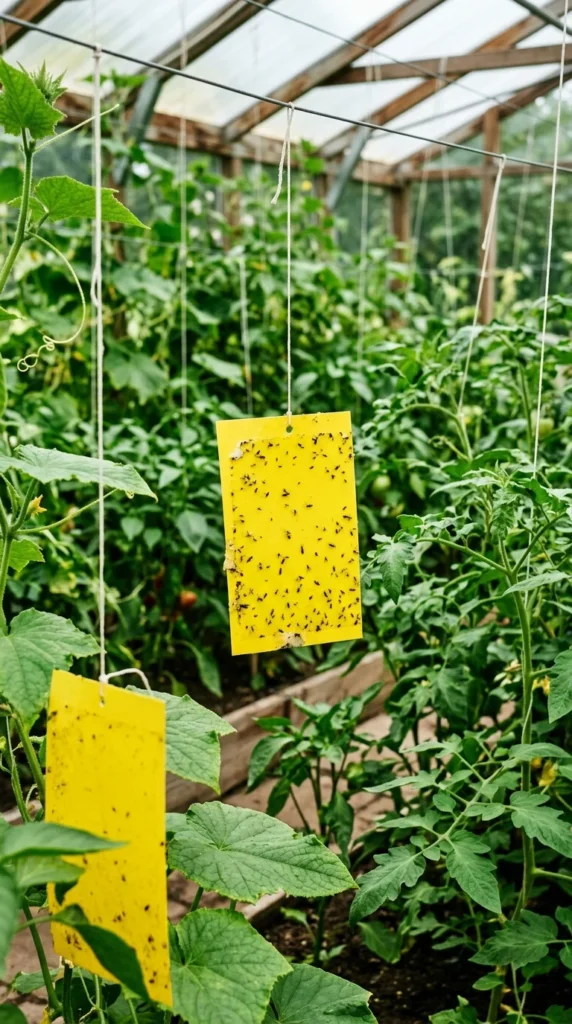
Sometimes, the best way to handle flying pests is to catch them in the act. Sticky traps are bright-colored cards coated with a non-drying adhesive.
- How it works: Pests are naturally attracted to specific colors (yellow for whiteflies and gnats, blue for thrips). Once they land on the card, they are stuck.
- Target Pests: Whiteflies, fungus gnats, and leafminers.
- Application: Hang these cards at plant height throughout your garden or greenhouse. They also serve as an excellent monitoring tool to see which pests are currently active.
7. Epsom Salt
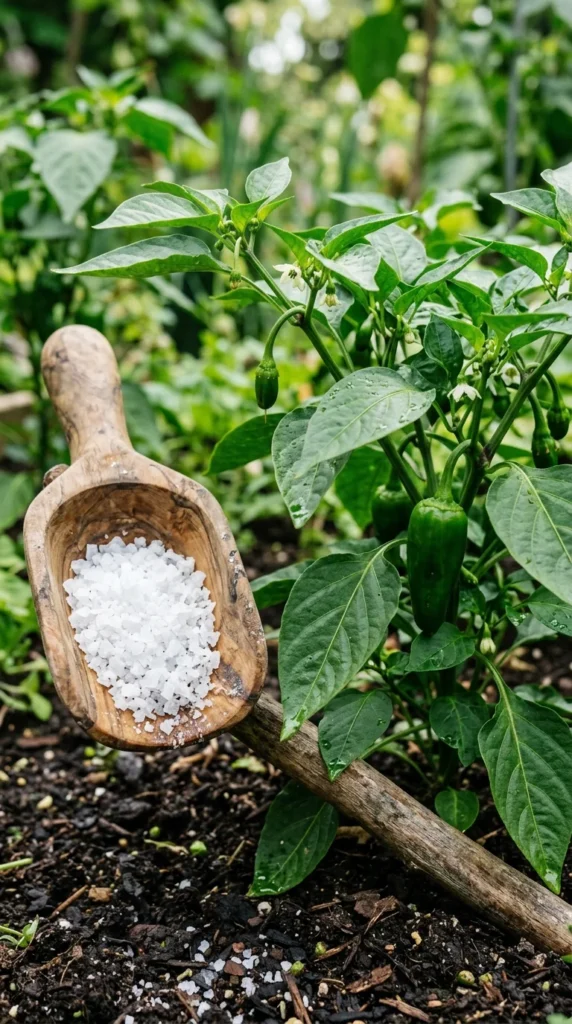
Epsom salt (magnesium sulfate) is widely known as a fertilizer, but it also has pest-deterrent properties, particularly against slimy intruders.
- How it works: While it boosts magnesium levels in the soil, the crystalline structure can be abrasive to soft-bodied pests.
- Target Pests: Slugs, snails, and certain types of beetles.
- Application: Sprinkle a circle of Epsom salt around the base of peppers, roses, or tomatoes. You can also mix it into a spray to deter foliar-feeding insects.
8. Chili Pepper Spray
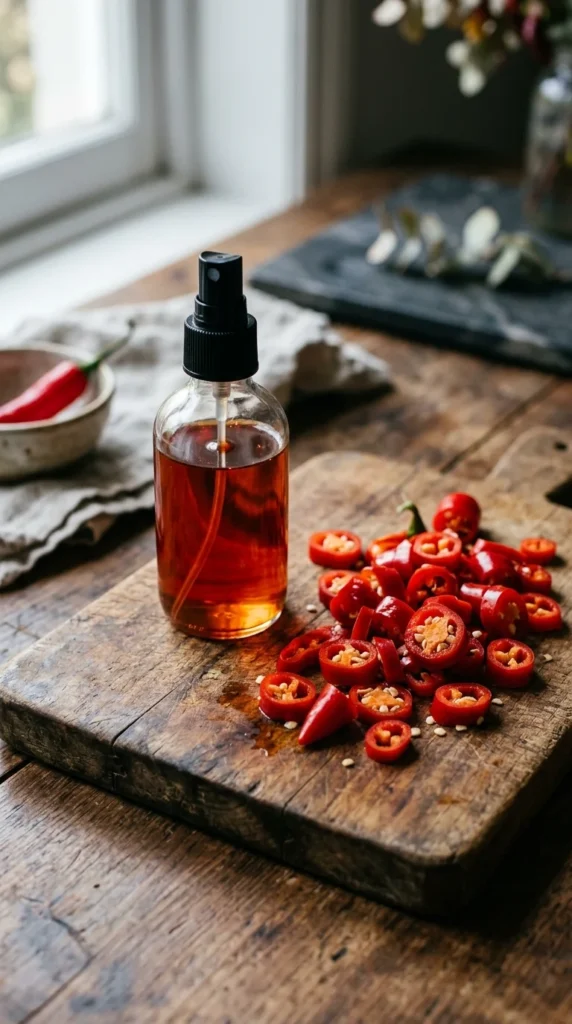
If you want to give your pests a “hot” surprise, chili pepper spray is the answer. Capsaicin, the heat-producing component in peppers, is a natural irritant.
- How it works: It irritates the sensory organs of insects and mammals alike, making your plants taste and smell unbearable.
- Target Pests: Spider mites, aphids, and deer.
- Application: Blend fresh hot peppers (like habaneros or cayenne) with water, strain, and add a drop of soap. Wear gloves and eye protection when applying this, as it is just as irritating to humans!
9. Beer Traps
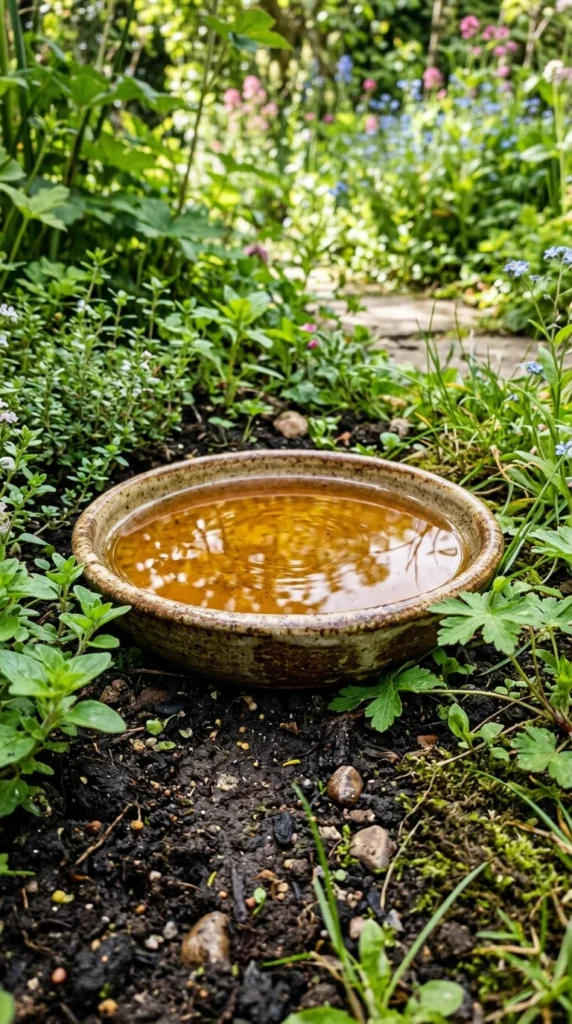
Slugs and snails are notorious for decimated leafy greens overnight. Surprisingly, they have a fatal attraction to the scent of fermenting yeast.
- How it works: The slugs are drawn to the yeast in the beer, crawl into the container, and drown.
- Target Pests: Slugs and snails.
- Application: Bury a shallow container (like a tuna can or a plastic bowl) so the rim is level with the soil. Fill it halfway with beer. Empty and refill every few days.
10. Castile Soap
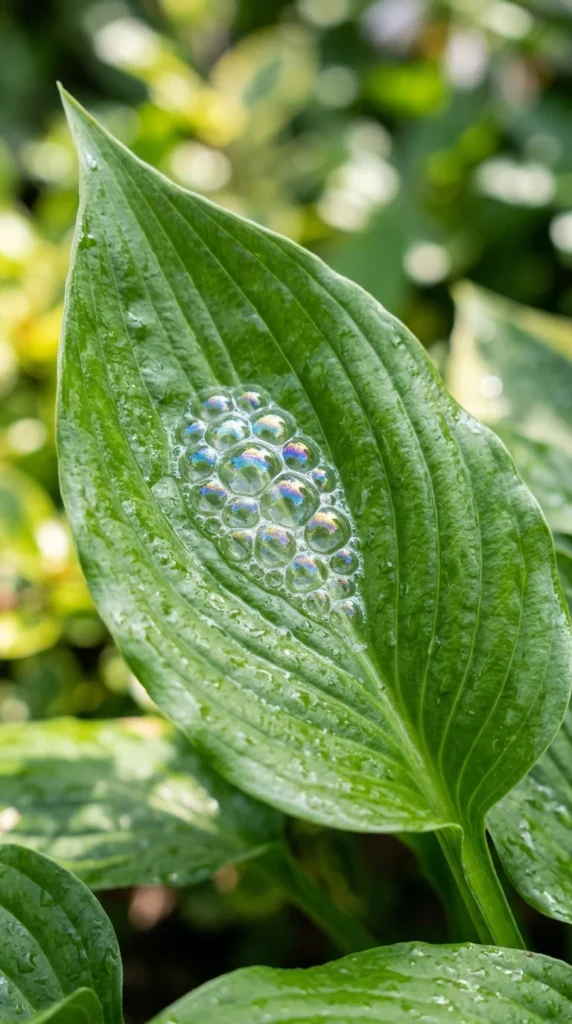
Insecticidal soaps are one of the oldest methods of pest control. Using a pure castile soap (like Dr. Bronner’s) ensures you aren’t adding harsh synthetic detergents to your soil.
- How it works: The fatty acids in the soap break down the protective layers of soft-bodied insects, causing them to suffocate or dehydrate.
- Target Pests: Aphids, whiteflies, and thrips.
- Application: Mix one tablespoon of liquid castile soap per quart of water. Spray directly onto the insects for maximum effectiveness.
11. Floating Row Covers
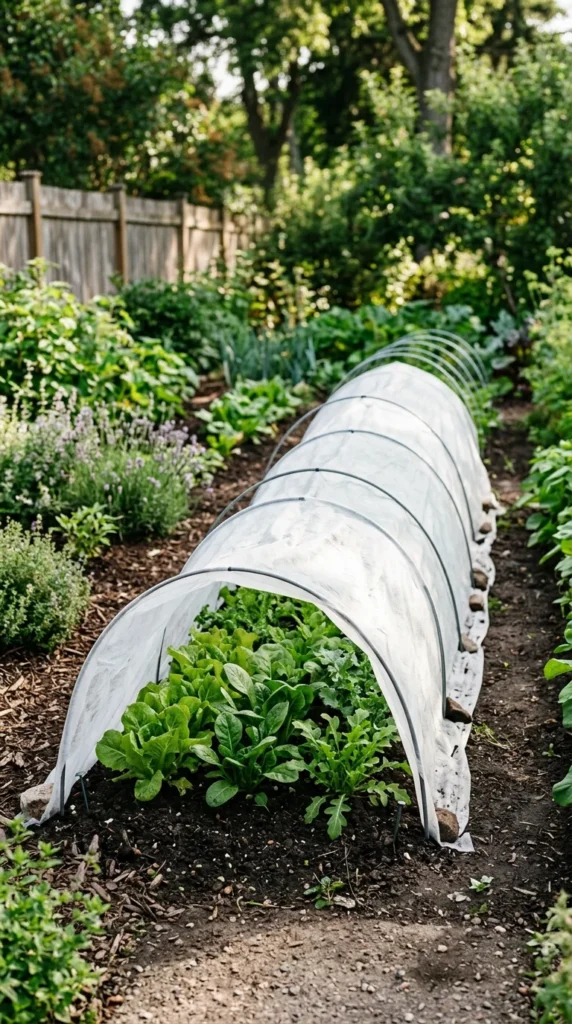
Sometimes the best defense is a physical one. Row covers are lightweight, breathable fabrics that allow light and water through but block insects.
- How it works: It acts as a physical wall that prevents pests from landing on your plants to feed or lay eggs.
- Target Pests: Cabbage moths, squash bugs, and cucumber beetles.
- Application: Drape the fabric over wire hoops and secure the edges with soil or pins. Remember to remove them during flowering if the plant requires pollination by bees.
12. Beneficial Nematodes
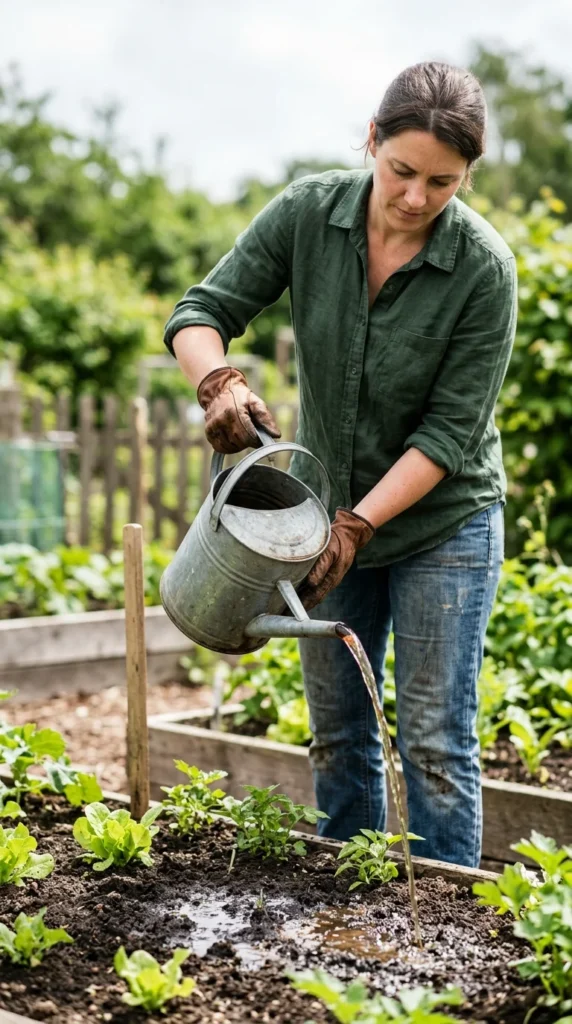
Pests aren’t just on the leaves; many of them live in the soil as larvae. Beneficial nematodes are microscopic worms that hunt down these soil-dwelling enemies.
- How it works: They enter the larvae of pests and release bacteria that kill the host within 24 to 48 hours.
- Target Pests: Grubs, fungus gnats, Japanese beetle larvae, and flea larvae.
- Application: These are usually purchased in a dormant state and mixed with water to be applied to moist soil using a watering can.
13. Essential Oils
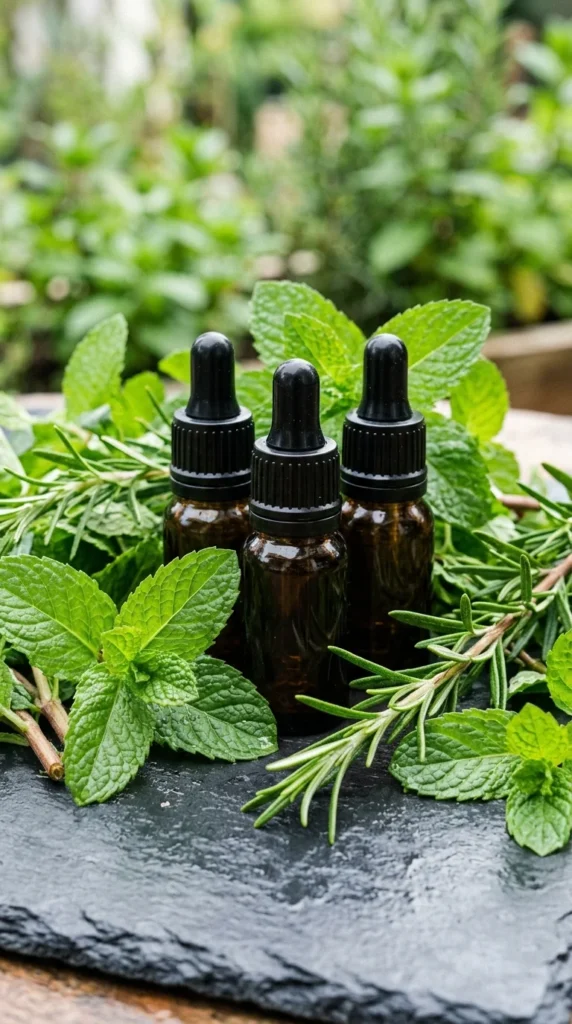
Plants use essential oils to protect themselves in the wild, and you can harness that power in your garden. Oils like peppermint, rosemary, and thyme are naturally insecticidal.
- How it works: The intense aromas and chemical compounds interfere with the nervous systems of pests or mask the scent of the host plant.
- Target Pests: Ants, spiders, and beetles.
- Application: Mix 10–15 drops of essential oil with water and a tiny bit of soap. Peppermint is particularly effective at keeping ants away from garden borders.
14. Coffee Grounds
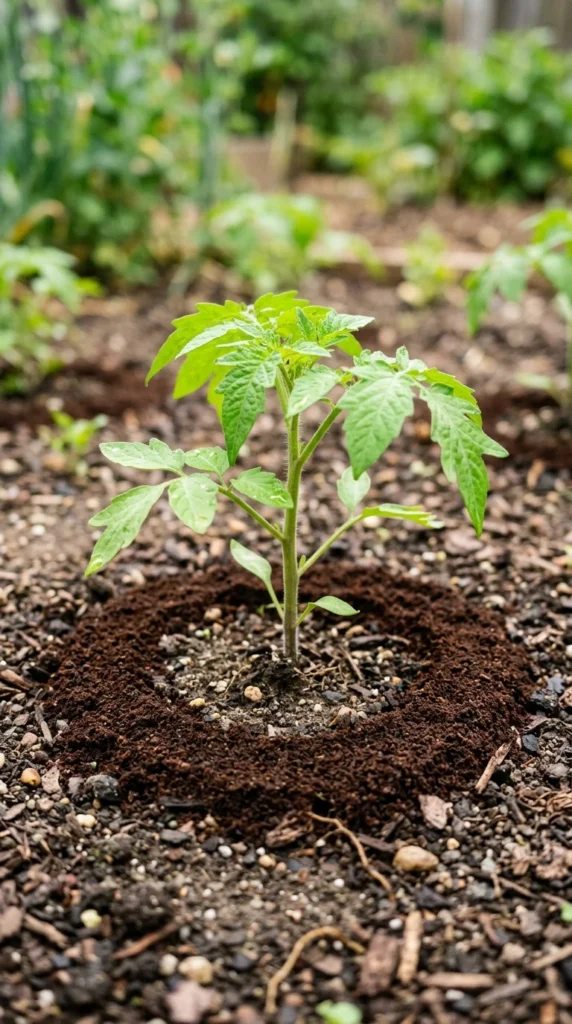
Don’t throw away your morning coffee leftovers! Used coffee grounds are a multi-purpose garden tool that provides nitrogen while deterring pests.
- How it works: The abrasive texture and the residual caffeine are unpleasant for many crawling insects.
- Target Pests: Ants, slugs, and snails.
- Application: Spread a layer of dried coffee grounds around the base of acid-loving plants like blueberries, azaleas, or roses.
15. Eggshells
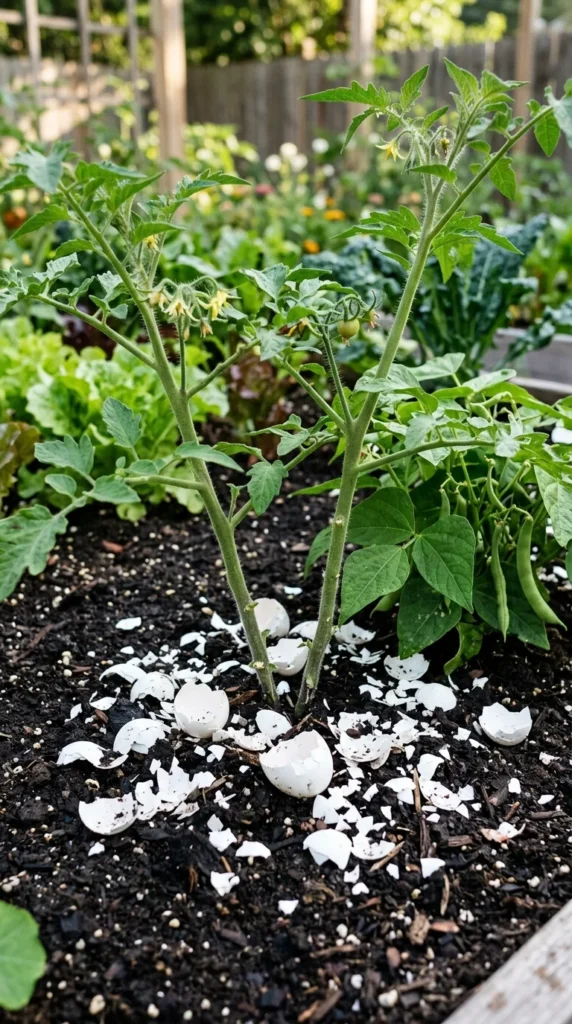
Recycling eggshells is a classic gardening hack that serves two purposes: fertilizing with calcium and creating a “no-go” zone for soft-bodied pests.
- How it works: When crushed into sharp shards, the shells act like “glass” to slugs and snails, preventing them from crossing over to reach your plants.
- Target Pests: Slugs and snails.
- Application: Dry out your eggshells and crush them into small, sharp pieces. Sprinkle them in a thick circle around the stems of vulnerable seedlings.
16. Marigolds
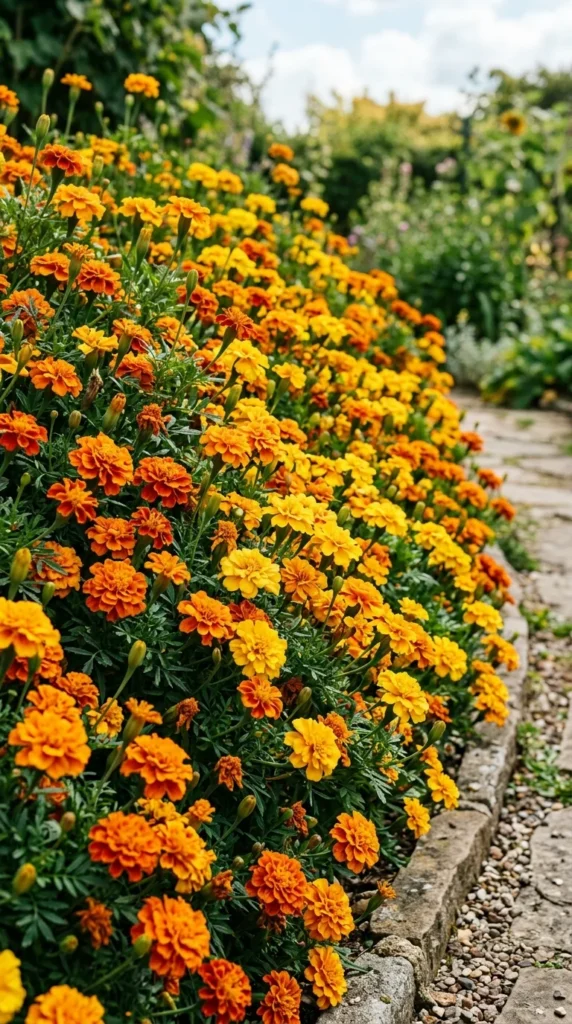
Marigolds are more than just a pretty face in the flower bed. They are world-renowned for their ability to keep a garden “clean.”
- How it works: Marigolds produce a chemical called limonene, which repels whiteflies. Their roots also produce a substance that is toxic to harmful root-knot nematodes in the soil.
- Target Pests: Whiteflies, aphids, and soil nematodes.
- Application: Plant marigolds as a border around your vegetable garden or intersperse them between tomato plants.
17. Water Pressure
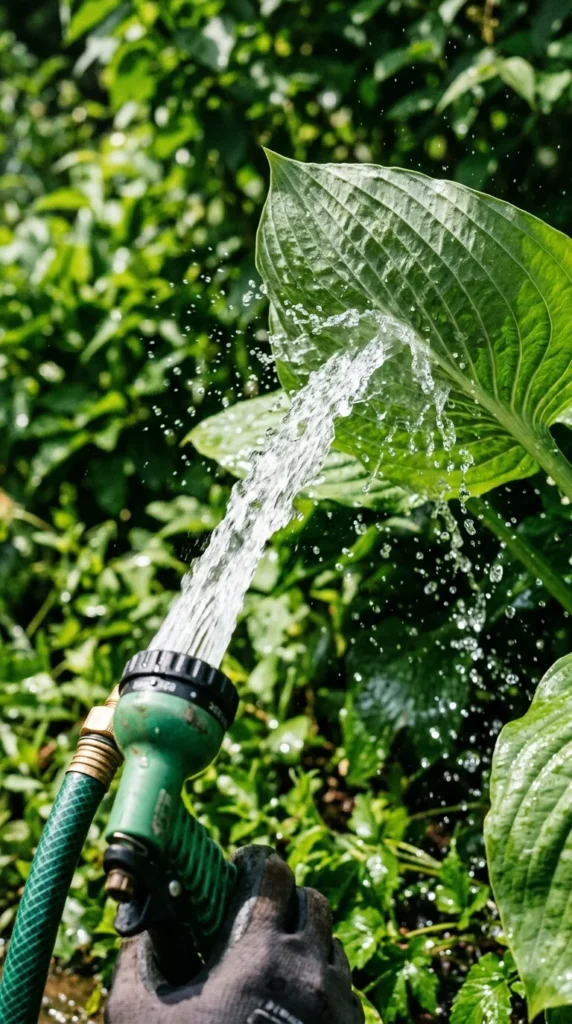
Sometimes the simplest solution is the best. If you catch an infestation early, you can solve it with nothing more than your garden hose.
- How it works: A strong, focused stream of water physically knocks aphids and mites off the plant. Most of these small insects are unable to climb back up before they die or are eaten by ground predators.
- Target Pests: Aphids and spider mites.
- Application: Use a “jet” setting on your hose nozzle. Be sure to spray the undersides of the leaves, where these pests like to hide.
18. Handpicking
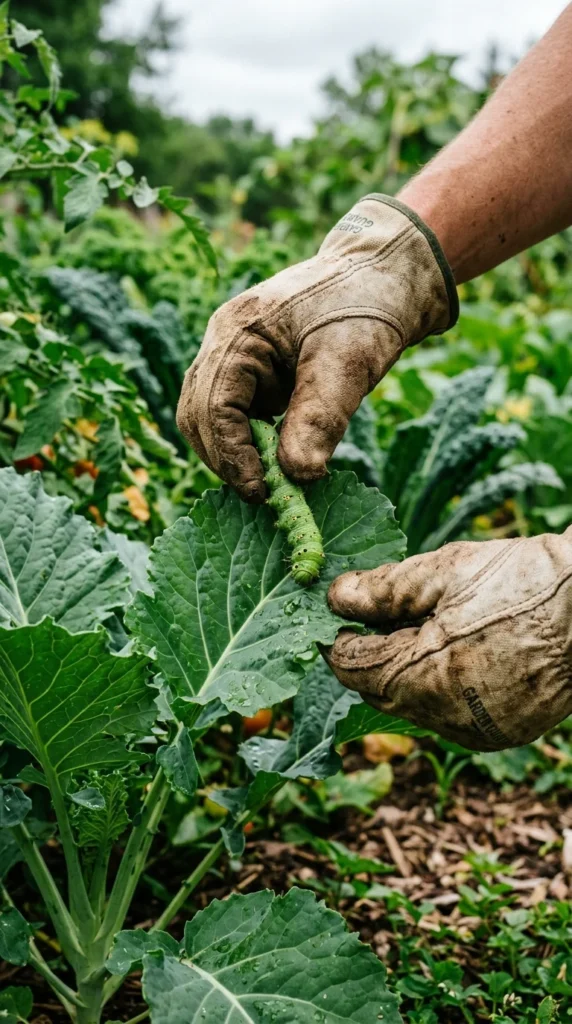
For larger pests, there is no substitute for a daily walk through the garden and a pair of observant eyes.
- How it works: Manually removing pests ensures they are gone immediately without any chemicals or wait times.
- Target Pests: Tomato hornworms, Japanese beetles, and squash bugs.
- Application: Keep a bucket of soapy water nearby. When you find a pest, drop it in the bucket to dispose of it. Morning is the best time for scouting, as many pests are less active then.
19. Bacillus Thuringiensis (Bt)
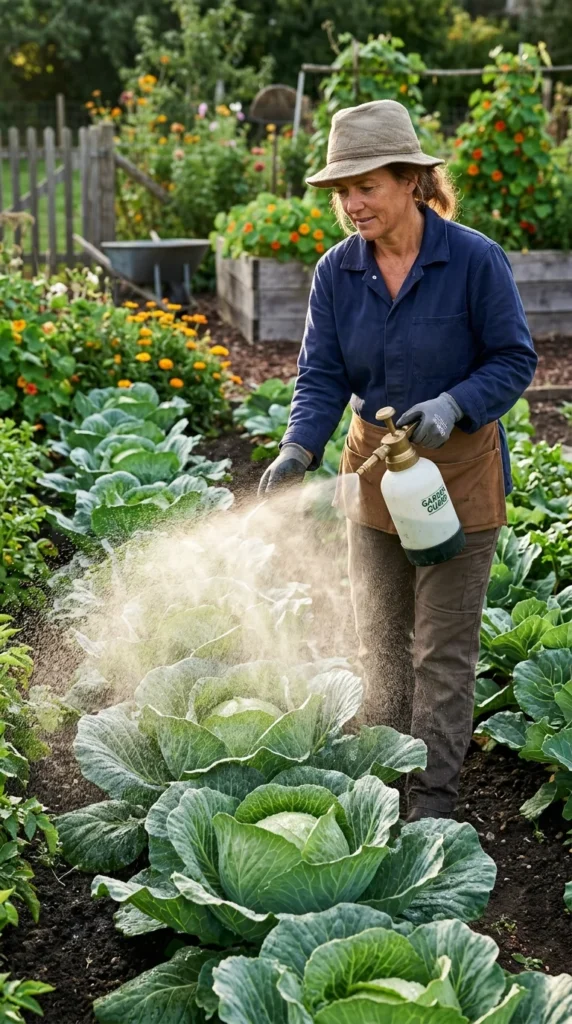
Bt is a naturally occurring bacterium found in the soil that is used as a highly specific biological pesticide.
- How it works: When a caterpillar eats a leaf treated with Bt, the bacteria produce a protein that paralyzes the insect’s digestive tract.
- Target Pests: Cabbage worms, tomato hornworms, and gypsy moths.
- Application: It is usually sold as a liquid or powder. Apply it to the leaves of brassicas and other vulnerable plants. It is harmless to humans, birds, and even honeybees.
20. Copper Tape
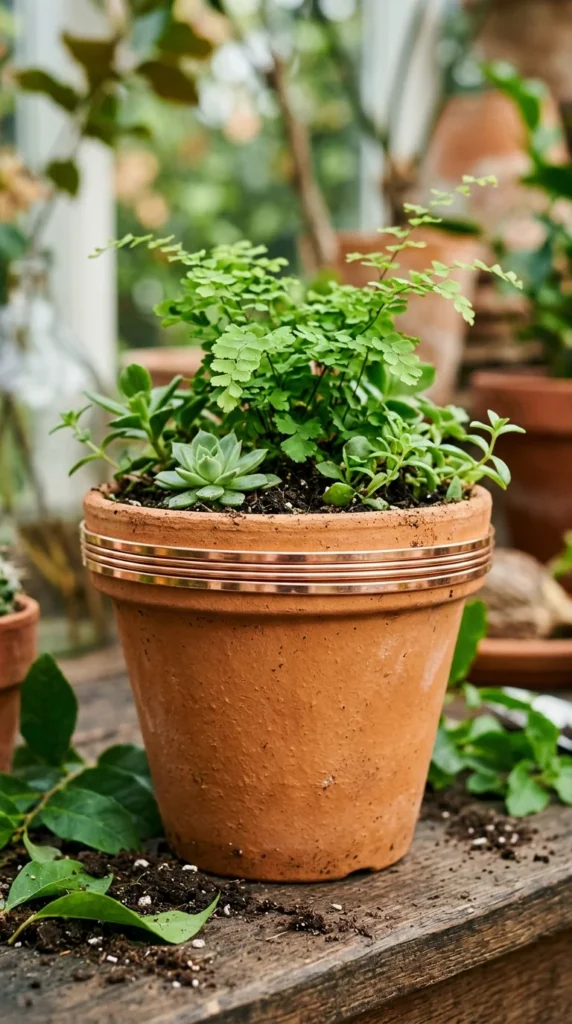
For gardeners struggling with snails and slugs in potted plants, copper tape is a high-tech, low-effort solution.
- How it works: When a slug or snail touches copper, it creates a chemical reaction with their slime that produces a tiny electric shock.
- Target Pests: Slugs and snails.
- Application: Wrap a strip of adhesive copper tape around the rim of your pots or the legs of your garden benches. It provides a permanent, maintenance-free barrier.