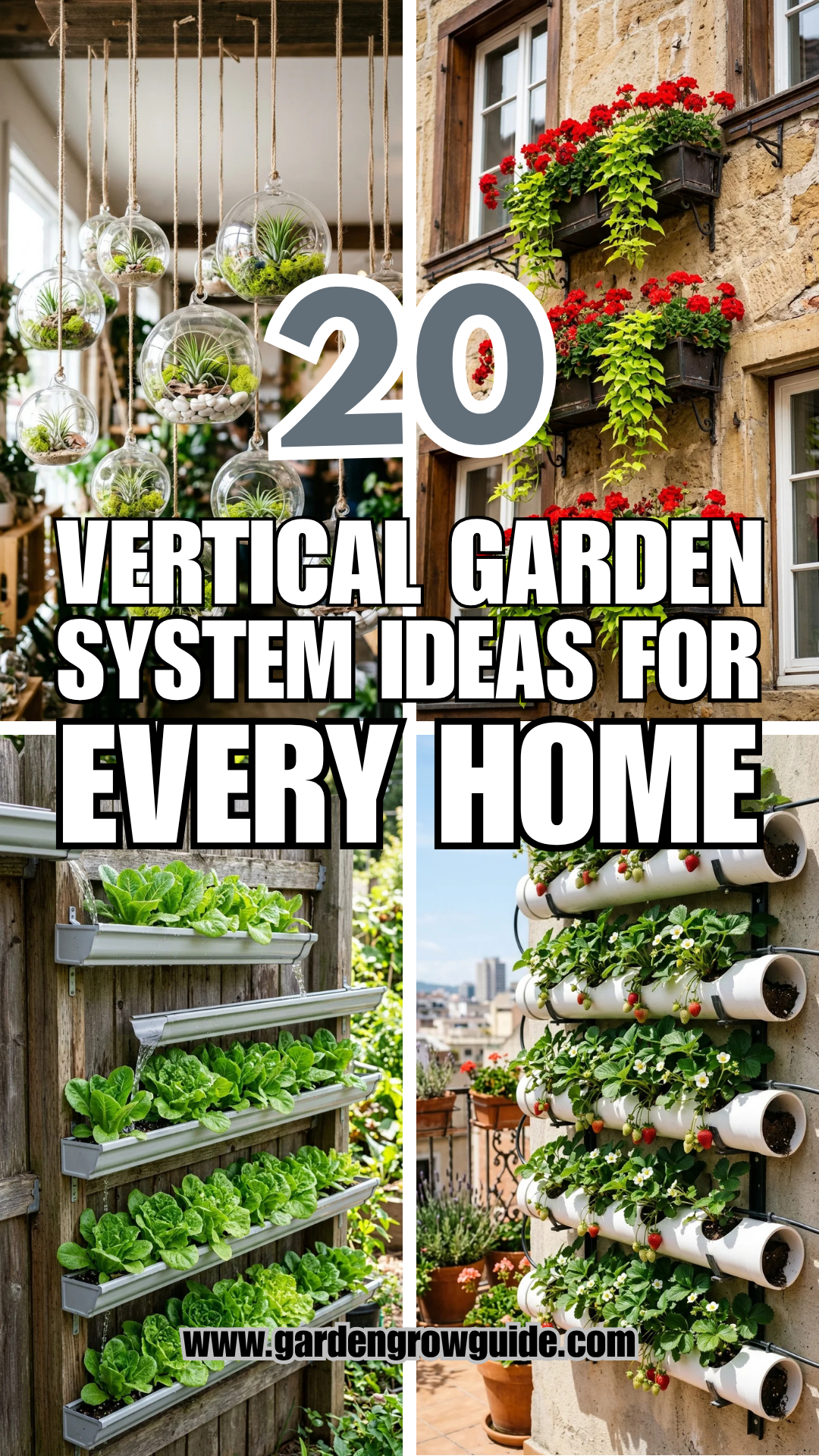
Vertical gardening is a transformative approach to horticulture that defies the limitations of floor space. Whether you live in a compact city apartment or a sprawling suburban estate, growing upward allows you to maximize your greenery, improve air quality, and create a striking visual focal point. From high-tech hydroponic systems to recycled DIY projects, vertical gardens offer a sustainable way to bring nature into any environment.
1. Pocket Planters
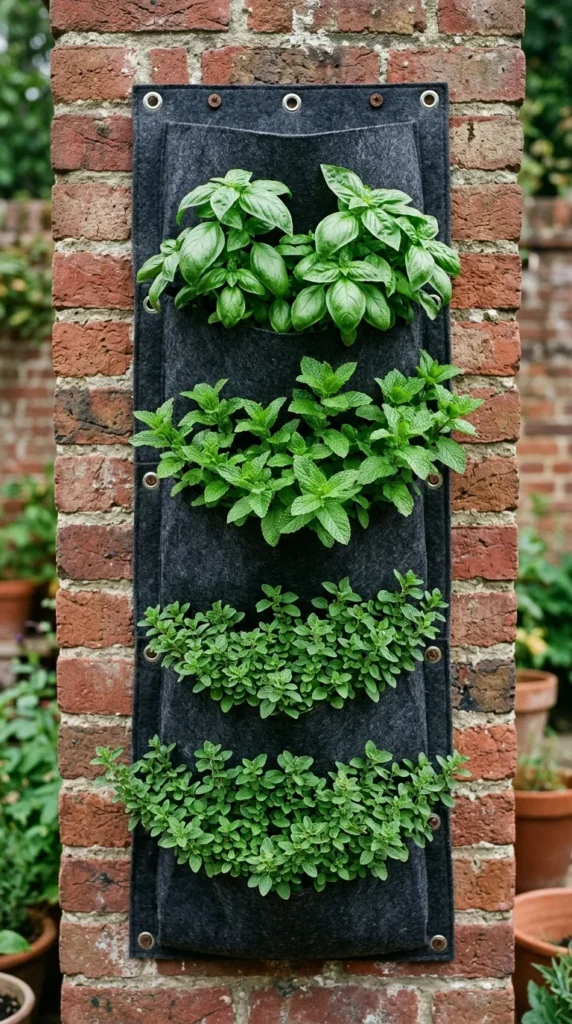
Pocket planters are one of the most accessible ways to start a vertical garden. Usually made from breathable felt or recycled synthetic fabrics, these modular pouches allow for excellent drainage and aeration. They are ideal for growing culinary herbs or small leafy greens. Because the fabric is flexible, these systems can be easily mounted on fences, balcony railings, or interior walls, providing a “living wallpaper” effect that is both functional and beautiful.
2. Trellis Walls
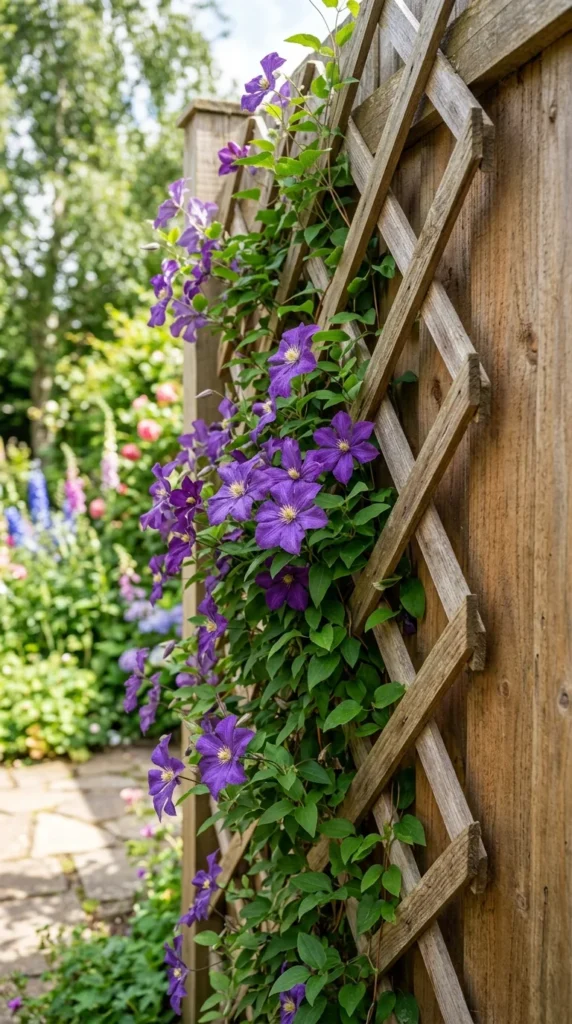
The trellis is a classic vertical gardening staple that relies on the natural climbing instincts of certain plants. By installing a wooden, metal, or plastic lattice against a wall, you provide a skeleton for vining species like jasmine, honeysuckle, or peas. Trellises are excellent for creating privacy screens on patios. Over time, the foliage becomes dense enough to block the wind and prying eyes, turning a simple structure into a lush, green sanctuary.
3. Pallet Gardens
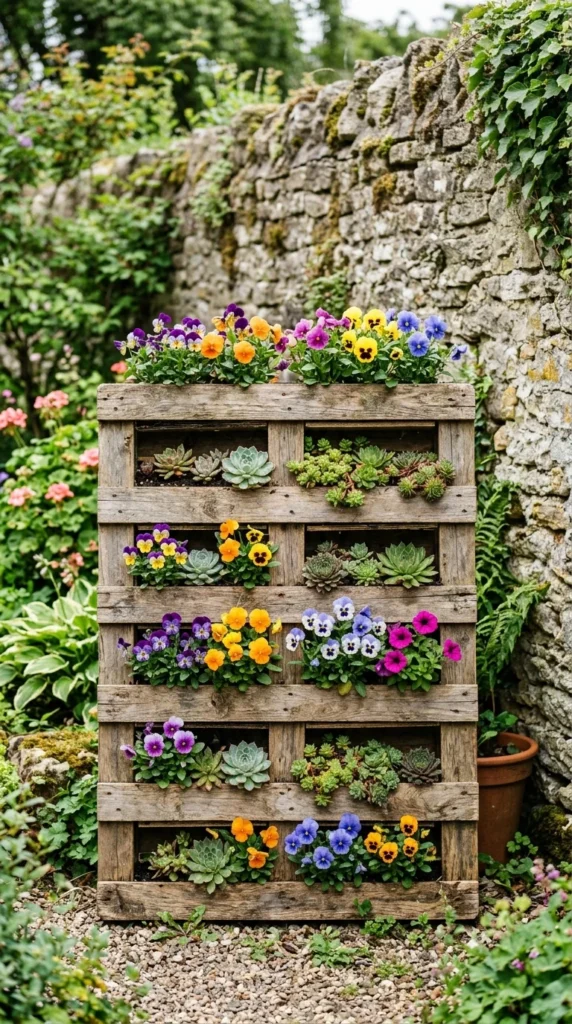
Upcycling wooden pallets is a favorite for eco-conscious gardeners. By sealing the back and bottom of the pallet slats with landscape fabric, you create long, horizontal troughs. This system is perfect for “spiller” plants that hang over the edges, hiding the wood and creating a solid wall of texture. It is a cost-effective solution that adds a rustic, industrial charm to any backyard or terrace.
4. Hydroponic Towers
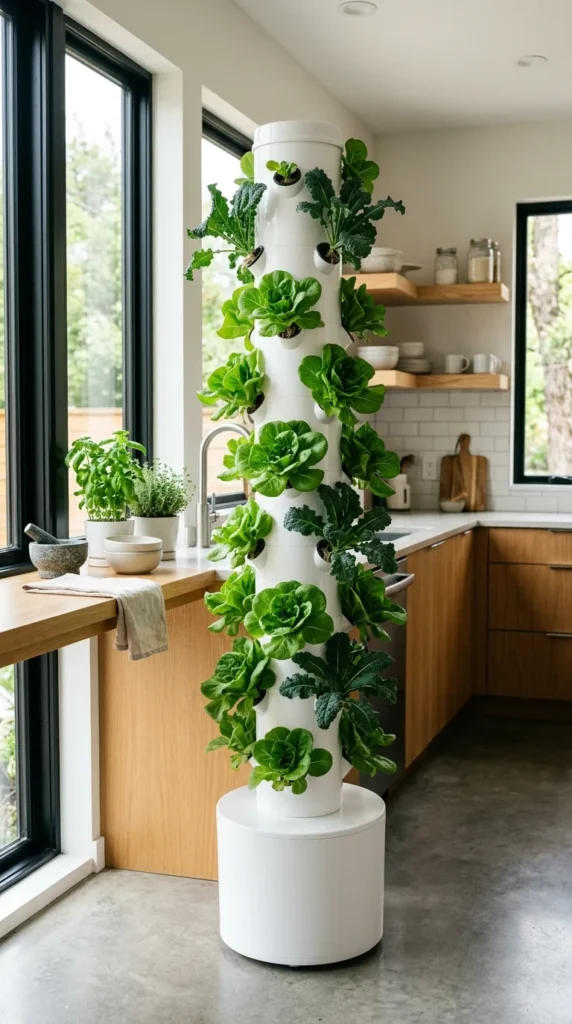
For those looking for a high-tech, low-maintenance option, hydroponic or aeroponic towers are the gold standard. These systems use a nutrient-rich water solution instead of soil, circulating it from a base reservoir up to the top of the tower. The water then trickles down, feeding the roots of the plants. This method allows for faster growth rates and significantly higher yields in a very small footprint, making it perfect for indoor food production.
5. Hanging Terrariums
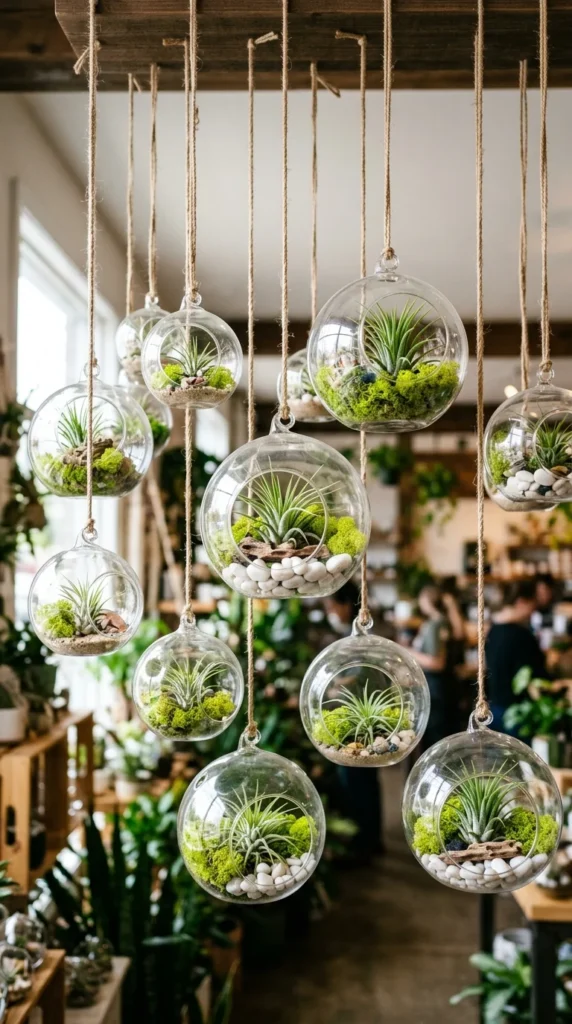
Hanging terrariums offer a more artistic and delicate approach to vertical gardening. These glass vessels are perfect for slow-growing plants like air plants (Tillandsia) or small succulents. Because they are suspended from the ceiling or a dedicated stand, they draw the eye upward and add a sense of ethereal beauty to a room. They require minimal water and are ideal for homeowners who want greenery without the mess of traditional pots.
6. PVC Pipes
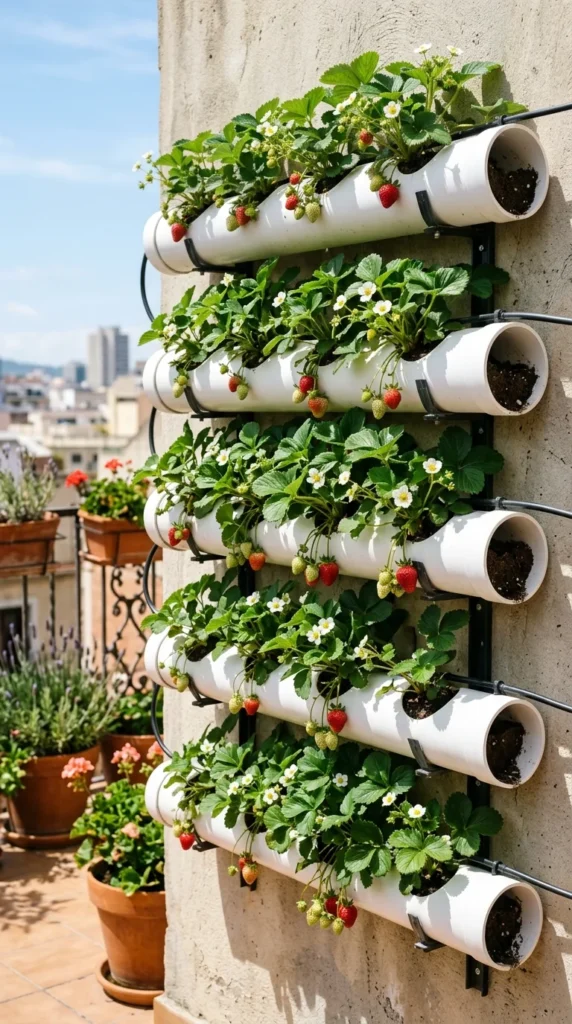
PVC piping is a versatile material for DIY vertical systems. By cutting large holes into the pipe and capping the ends, you can create a series of stacked planters. Some gardeners choose to mount these pipes horizontally, while others stand them vertically and use a central irrigation line. This system is particularly popular for growing strawberries, as it keeps the fruit off the ground and away from pests while making harvesting effortless.
7. Ladder Shelves
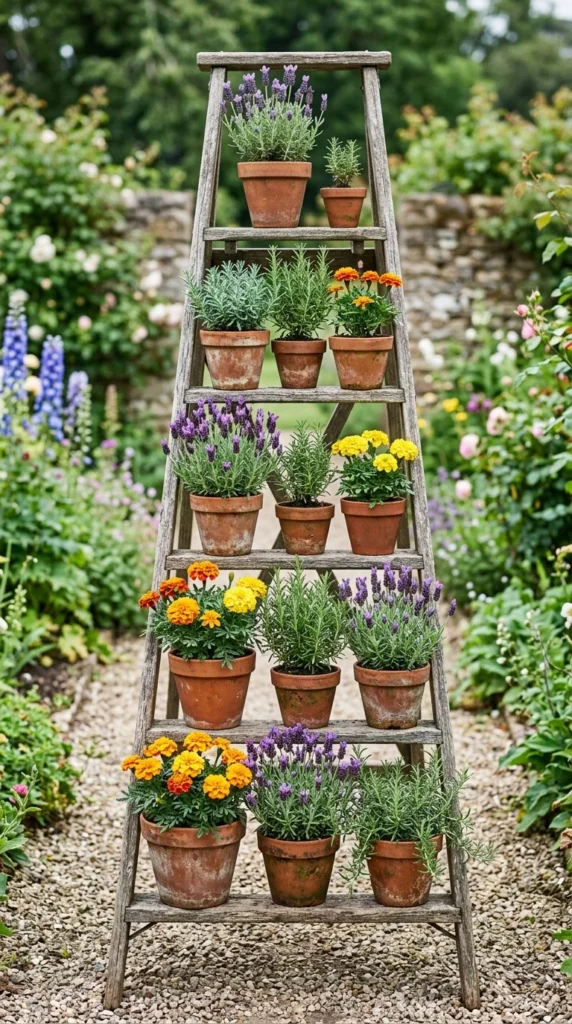
A ladder shelf system provides a tiered vertical display that is easy to move and reconfigure. This is an excellent choice for renters or those who like to change their garden layout frequently. The graduated steps ensure that plants on every level receive adequate sunlight. It’s an ideal way to organize a collection of potted plants into a cohesive, vertical display that looks intentional and stylish.
8. Window Boxes
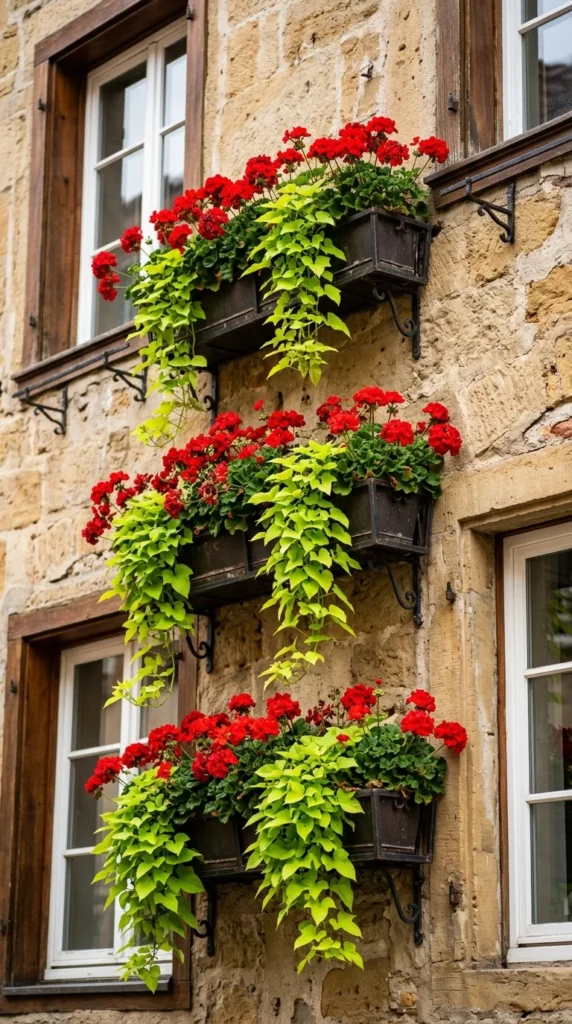
While traditionally placed on windowsills, stacking window boxes vertically on a blank wall creates a “cascading” garden effect. This system is robust and can handle heavier soil and larger plants than felt pockets. It’s a great way to utilize the vertical space between windows or on the side of a garage. When planted with trailing varieties, the boxes eventually disappear behind a curtain of flowers and foliage.
9. Mesh Fencing
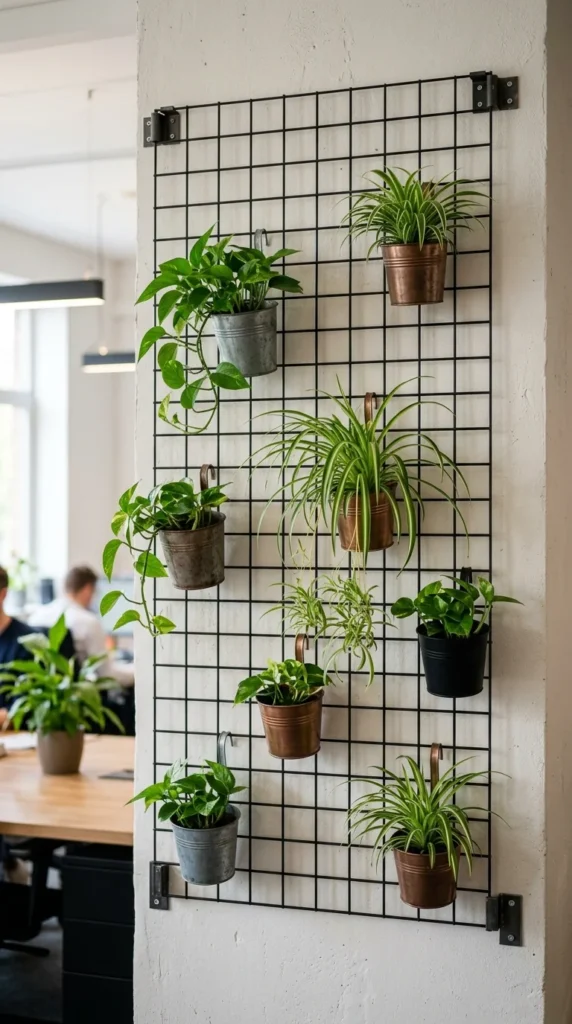
Industrial wire mesh or “cattle panels” offer a minimalist and modern framework for vertical growth. Small pots with hooks can be moved around the mesh easily, allowing for a completely customizable garden. This system is highly breathable and allows for excellent light penetration. It’s often used in modern offices or urban lofts to add a touch of “biophilic design” without occupying valuable floor area.
10. Gutters
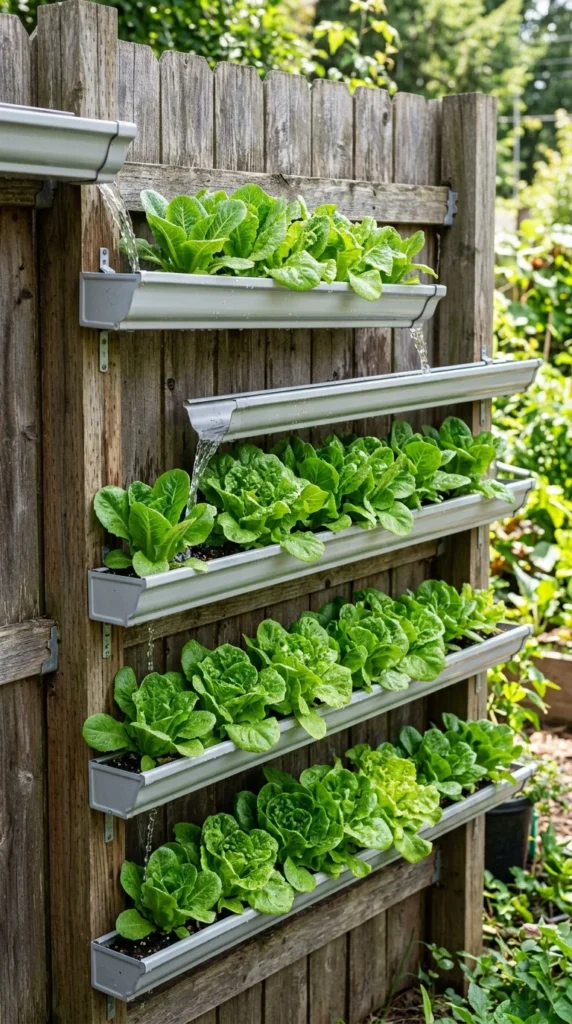
Repurposing rain gutters into planters is a brilliant way to create long, narrow garden rows. Mounted horizontally on a wall or fence, these gutters are the perfect depth for shallow-rooted plants like greens, radishes, and herbs. Some advanced DIYers set them up at a slight angle so that excess water from the top row drains into the one below, creating a self-watering gravity system.
11. Tiered Crates
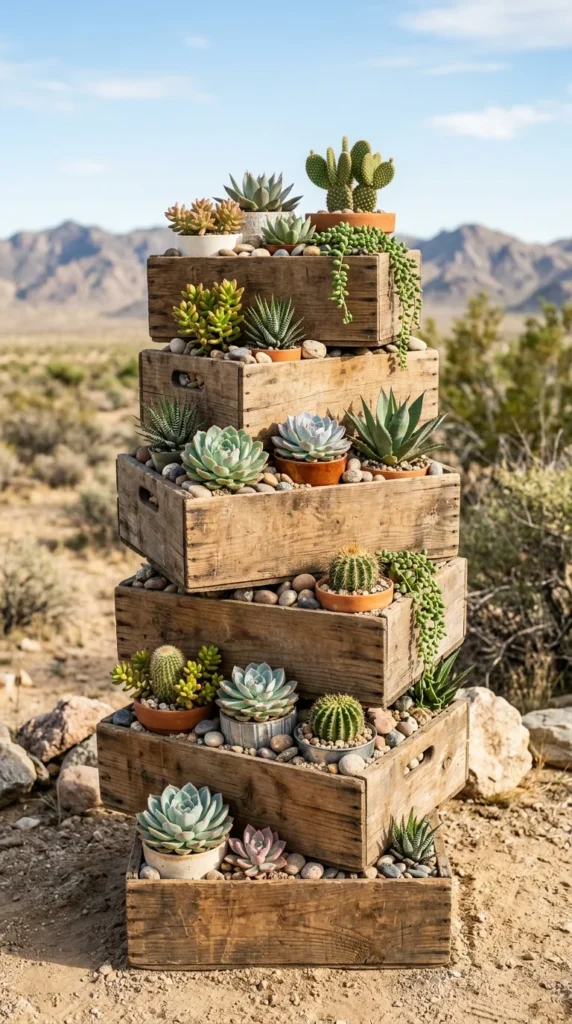
Stacking wooden or plastic crates creates a modular, sculptural garden. By offsetting the crates, you create “shelves” and “pockets” for plants to grow both out of the top and the sides. This method provides deep soil volume, allowing for larger plants or even small shrubs. It’s a rugged, textural look that works well in patio corners or as a temporary seasonal display.
12. Magnetic Tins
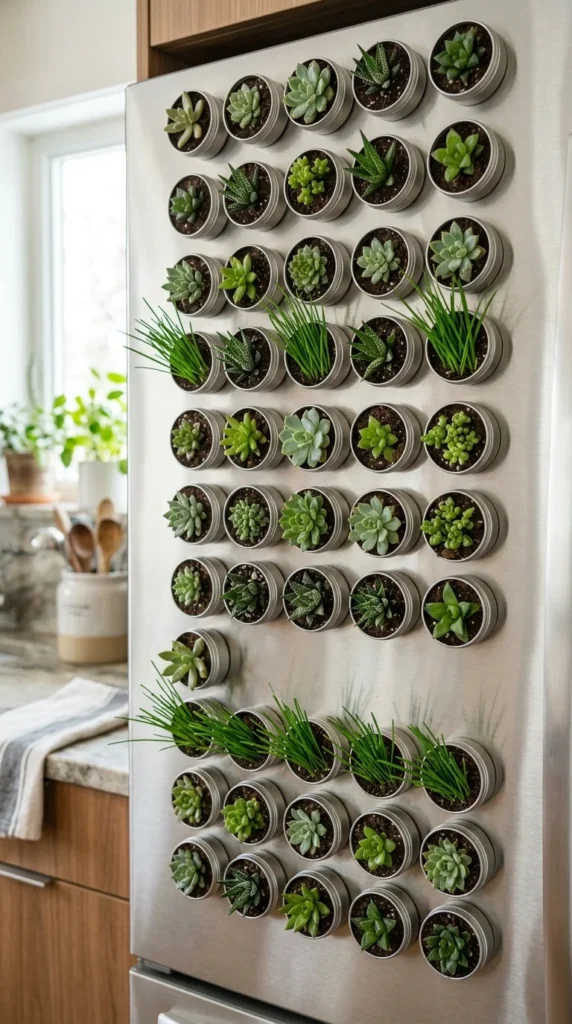
For the ultimate micro-garden, magnetic tins can turn your refrigerator or a metal wall sheet into a vertical herb garden. This is specifically designed for small-scale indoor gardening. It keeps fresh herbs within arm’s reach while cooking and utilizes a surface that is usually ignored. It’s a fun, quirky way to introduce greenery into the heart of the home.
13. Shoe Organizers
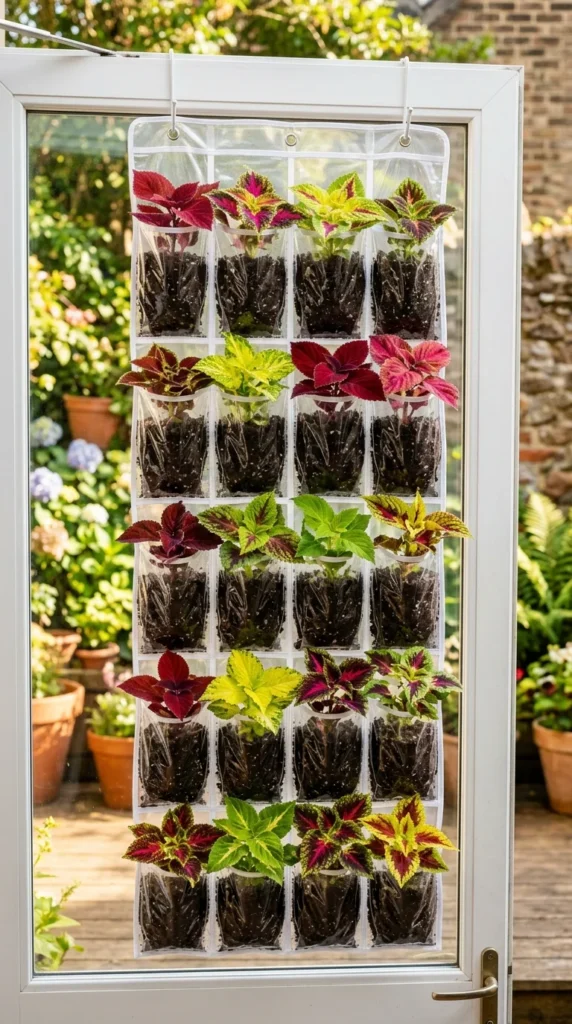
A common household item, the over-the-door shoe organizer, can be repurposed into an effective vertical garden. The individual pockets act as separate containers for plants. While plastic versions are common, canvas or breathable fabric versions are often better for plant health as they prevent root rot. This is an incredibly inexpensive way to grow twenty or more plants in the space of a single door.
14. Stackable Pots
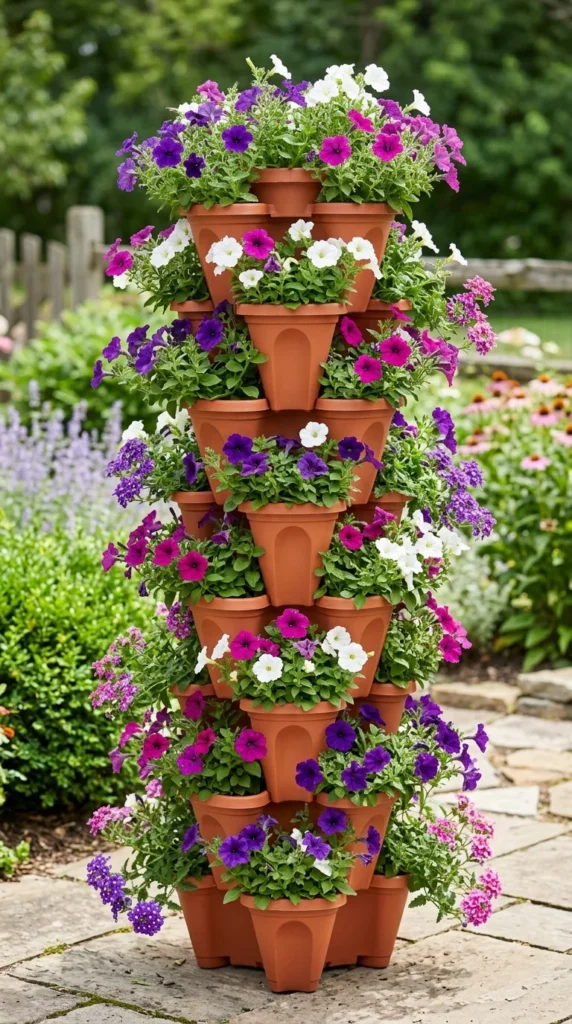
Specifically designed stackable pots feature a central spine or interlocking indentations that allow them to be piled high without tipping. These are usually designed so that water poured into the top tier filters down to the bottom. They are incredibly efficient for small balconies and provide 360-degree planting space, ensuring that you can grow a large volume of flowers or vegetables in a circular footprint.
15. Picture Frames
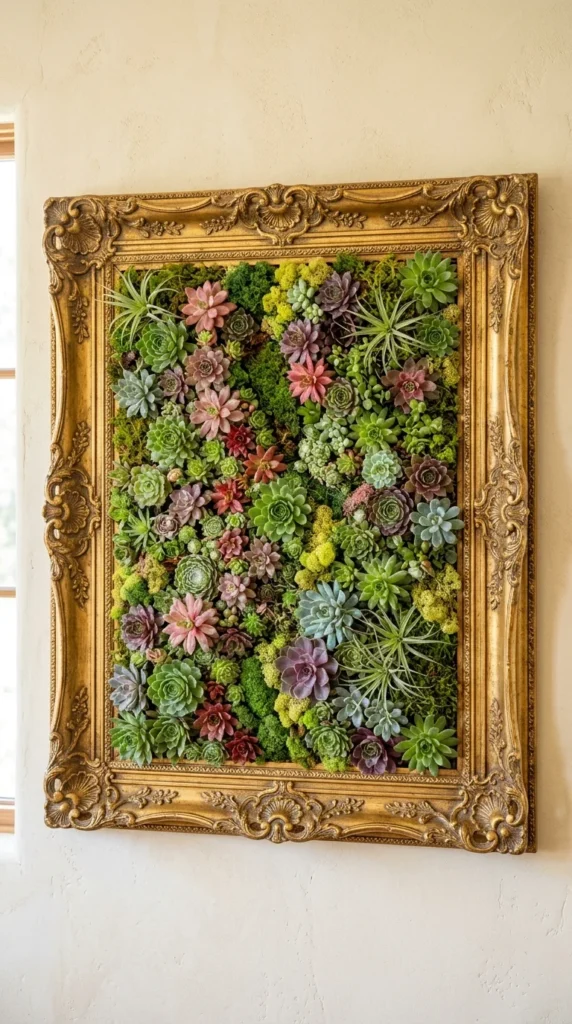
Living picture frames are a form of botanical art. A shallow box is built behind a frame, filled with soil, and covered with a fine wire mesh to hold everything in place. Succulents are the most popular choice for this system because they are hardy and grow slowly. Once established, the frame can be hung on a wall just like a piece of art, creating a stunning, three-dimensional piece of nature.
16. Copper Pipes
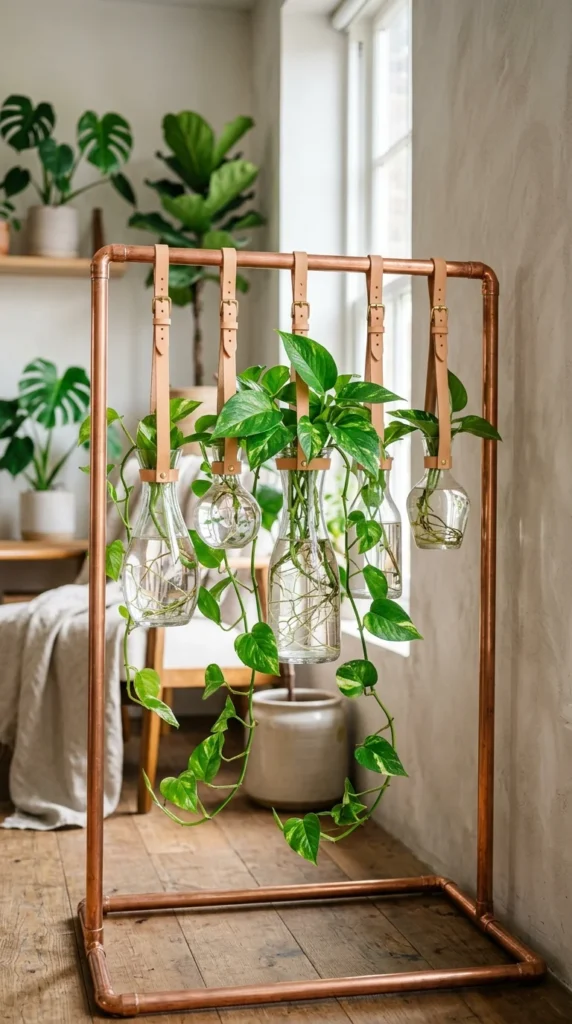
Copper pipe systems provide a sleek, industrial-chic aesthetic. These frames are often used to hold suspended pots or glass jars for propagation. The warmth of the copper contrasts beautifully with the deep greens of tropical plants. This setup works particularly well for water-based growing (hydroculture) or for displaying air plants in a structured, architectural way.
17. Mason Jars
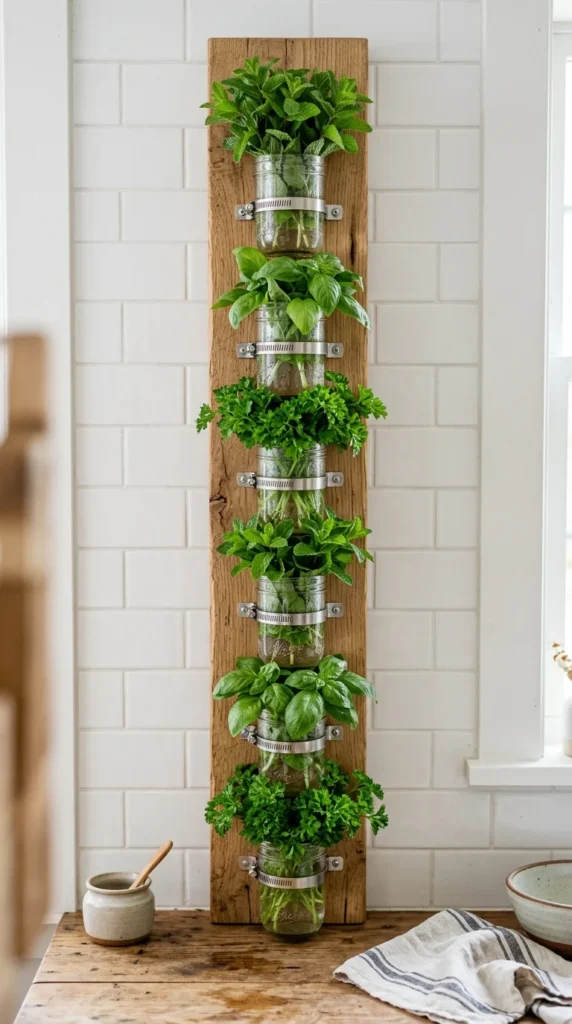
The mason jar garden is a favorite for farmhouse-style interiors. By using metal hose clamps to attach jars to a reclaimed wood board, you create a rustic and organized herb station. While these require careful watering (as they don’t have drainage holes), using a layer of charcoal or pebbles at the bottom helps manage moisture. It’s a beautiful way to keep a “living pantry” in your kitchen.
18. Bamboo Scaffolding
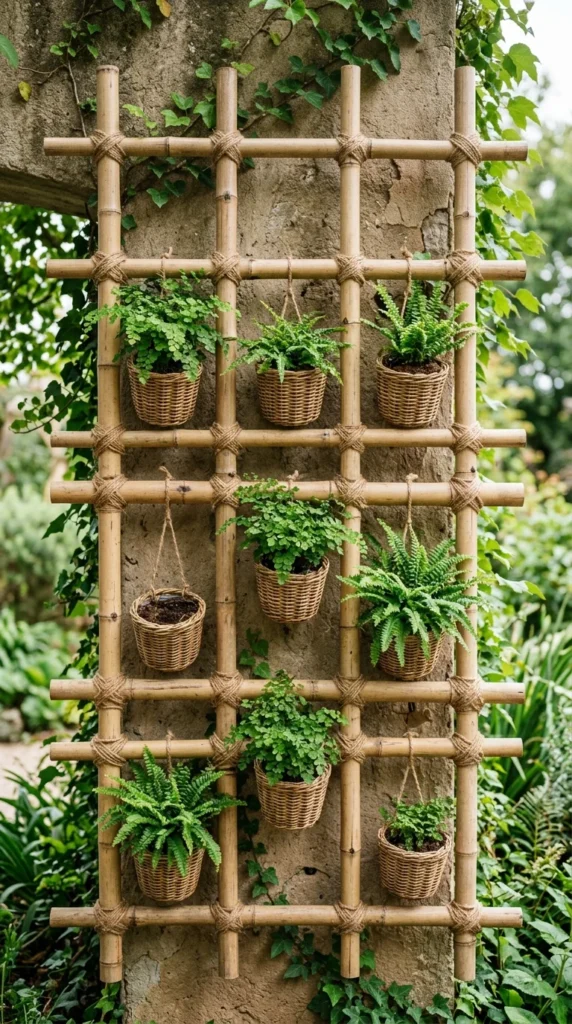
Using bamboo to create a vertical grid offers an organic, Zen-like quality to a garden. Bamboo is strong, lightweight, and weather-resistant. This system allows you to hang baskets at various levels or even train climbing vines to cover the structure entirely. It is a sustainable choice that fits perfectly into tropical or minimalist garden designs.
19. Felt Pockets
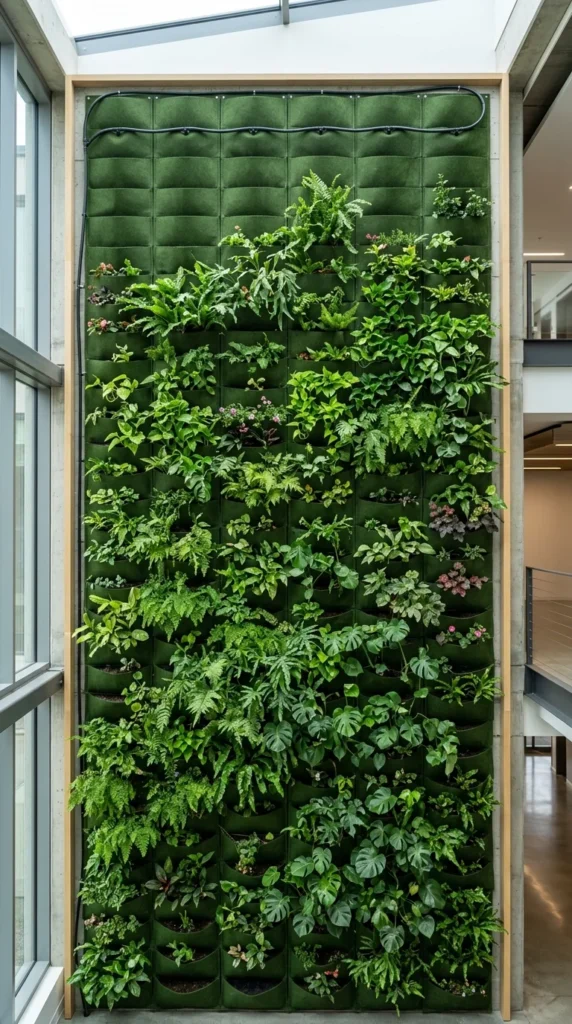
While similar to the basic pocket planter, professional-grade felt wall systems are designed for entire building facades. These systems often include integrated drip irrigation and drainage layers. The felt acts as a growing medium itself, allowing roots to weave into the fabric. This creates a seamless “blanket” of greenery that can regulate building temperature and significantly reduce noise pollution.
20. Modular Blocks
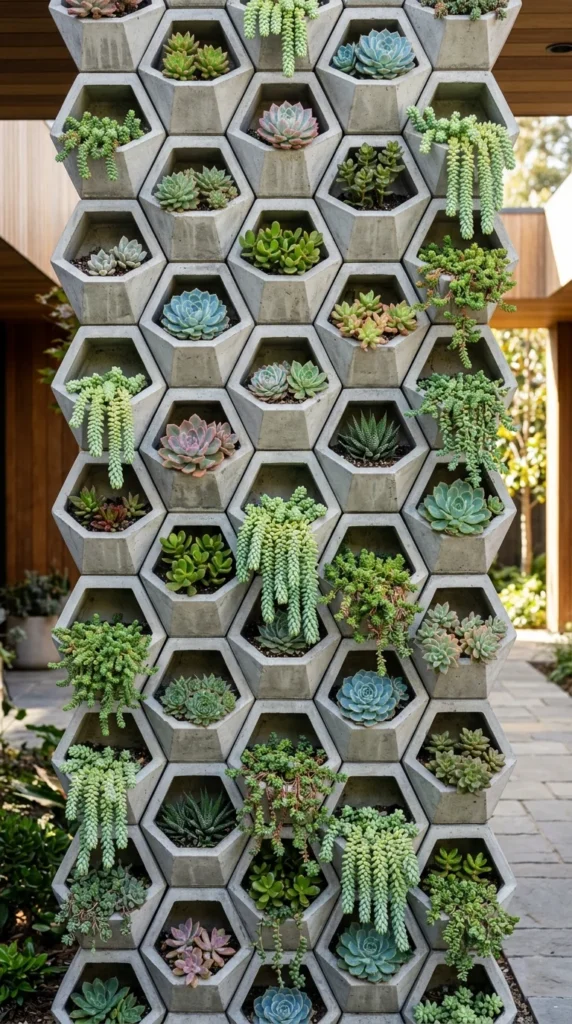
Modular blocks, often made from concrete, ceramic, or recycled plastic, allow you to “build” your garden like a set of Legos. The geometric shapes can be arranged in various patterns to fit the specific dimensions of your space. These systems are incredibly durable and provide a modern, architectural look. Because each block is an independent unit, it is easy to replace individual plants without disturbing the rest of the vertical structure.