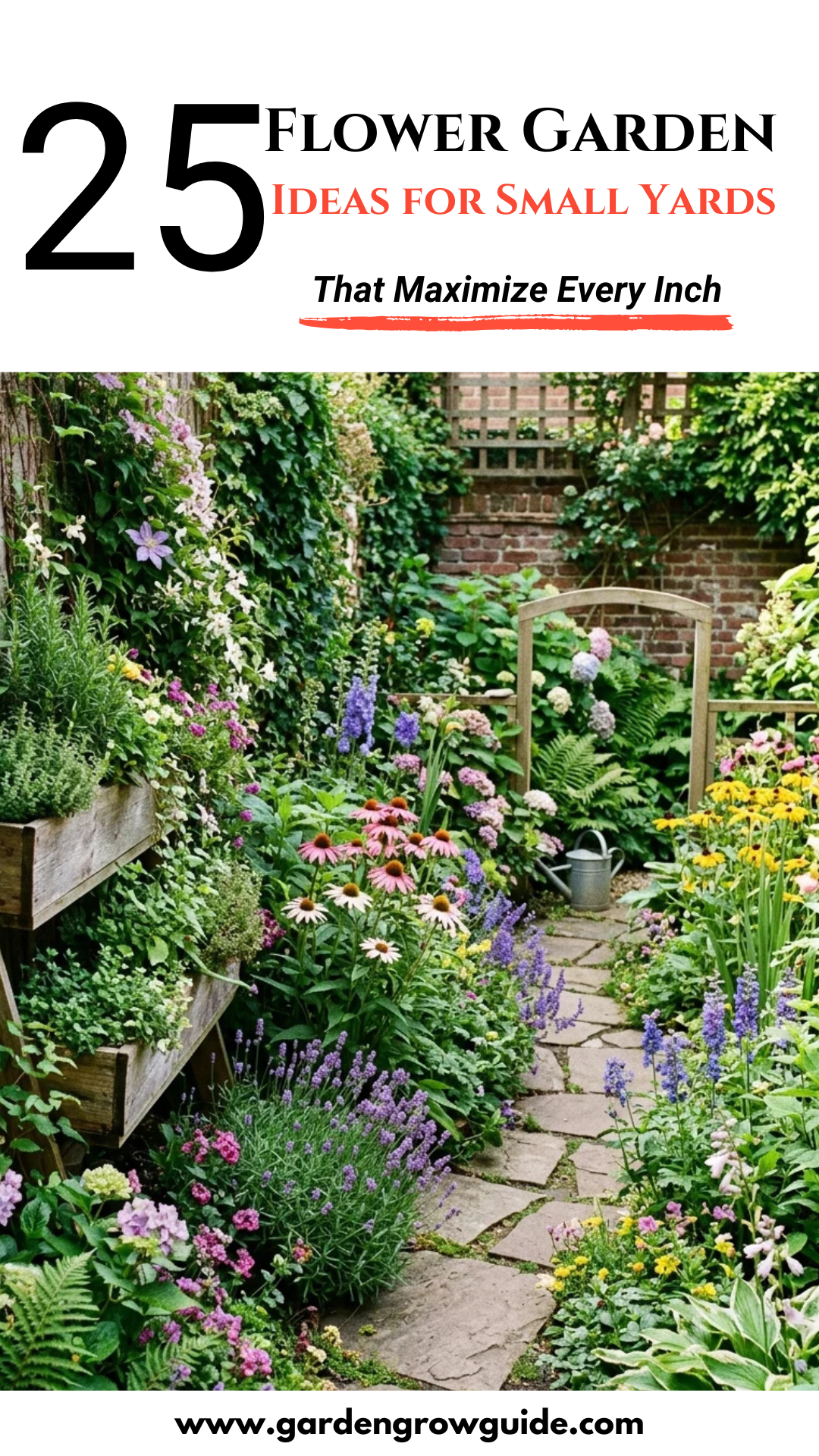
Transforming a small yard into a flourishing floral sanctuary requires a blend of strategic planning and creative design. When square footage is at a premium, the goal shifts from sprawling landscapes to curated, high-impact zones that utilize vertical space, multi-functional elements, and scale-appropriate plant selections. Whether you have a tiny urban patio or a narrow suburban side yard, these 25 ideas will help you maximize every inch of your outdoor space.
1. Vertical Trellises
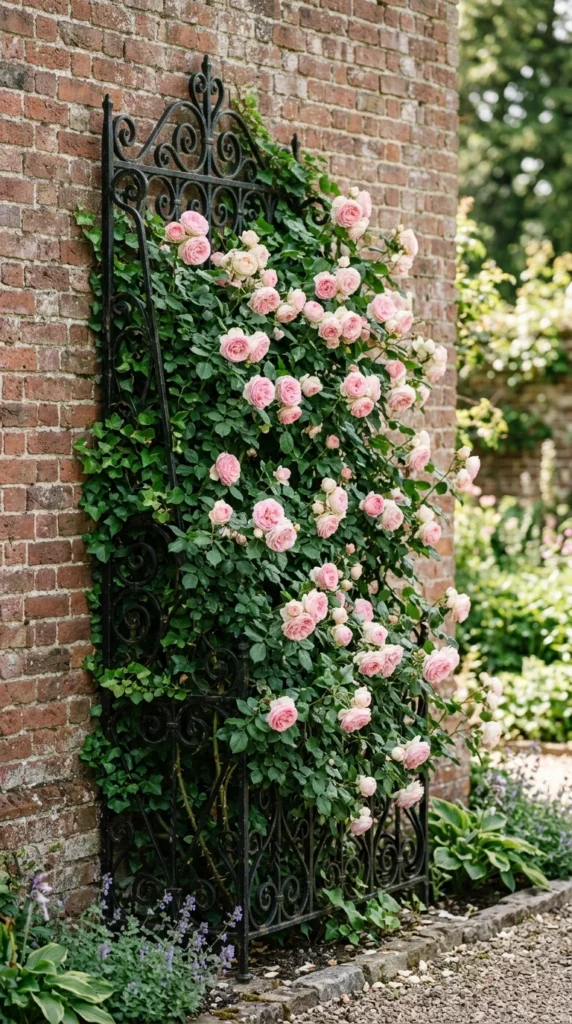
Vertical gardening is the most effective way to add abundance to a small yard without sacrificing floor space. By installing trellises against walls or fences, you can grow climbing species like Clematis, Jasmine, or Morning Glories. These plants draw the eye upward, creating an illusion of height and making the garden feel more expansive.
2. Tiered Planters
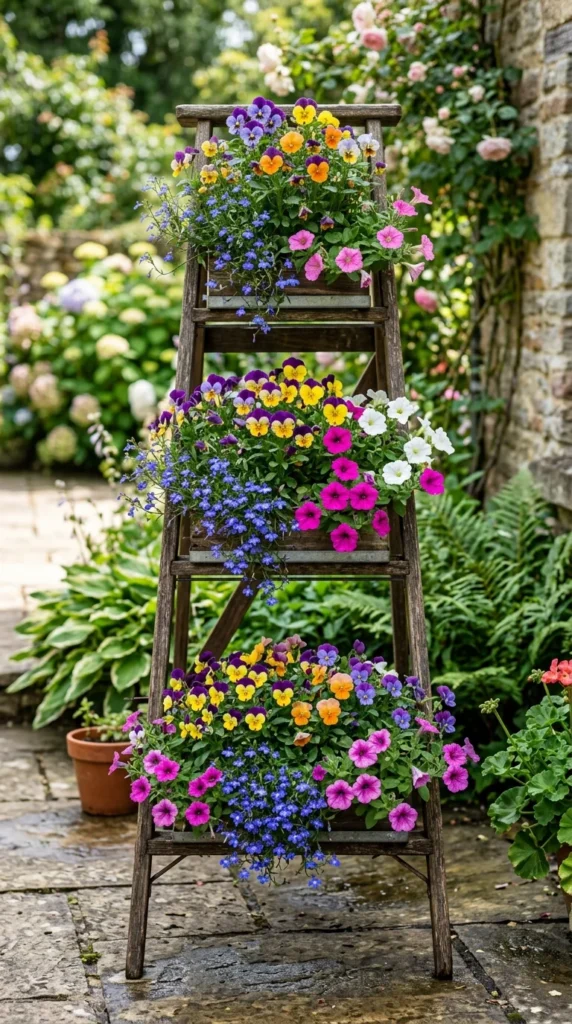
Tiered planters allow you to stack your floral displays. This “bleacher-style” arrangement ensures that every plant receives adequate sunlight while providing a dense wall of color. It is an ideal solution for paved areas where digging into the ground isn’t an option.
3. Hanging Baskets
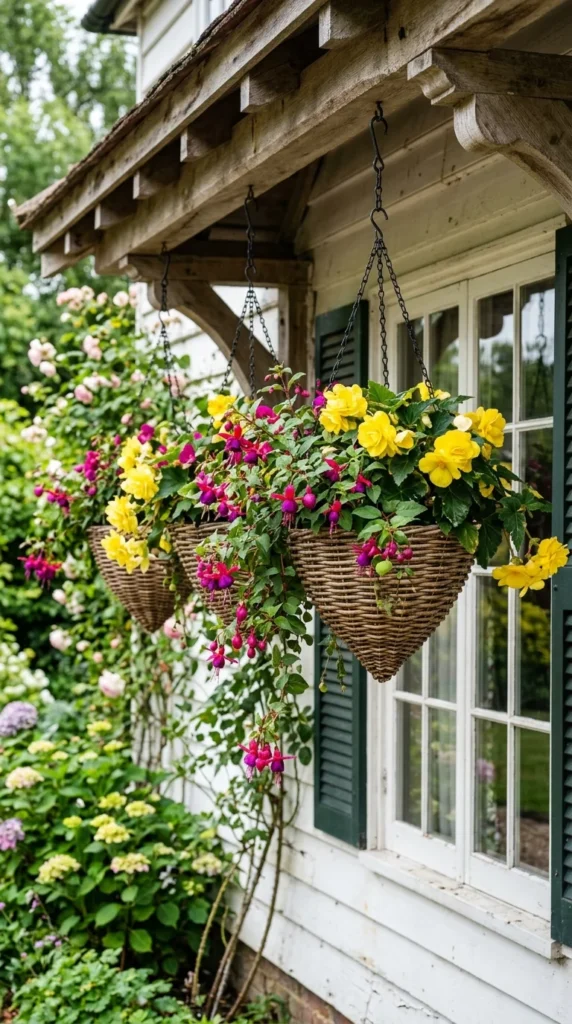
Utilizing the “ceiling” of your outdoor space keeps the ground clear for furniture or pathways. Hanging baskets filled with trailing varieties—such as Calibrachoa or Creeping Jenny—add layers of texture at eye level. For a cohesive look, choose baskets that match your home’s architectural style.
4. Container Clusters
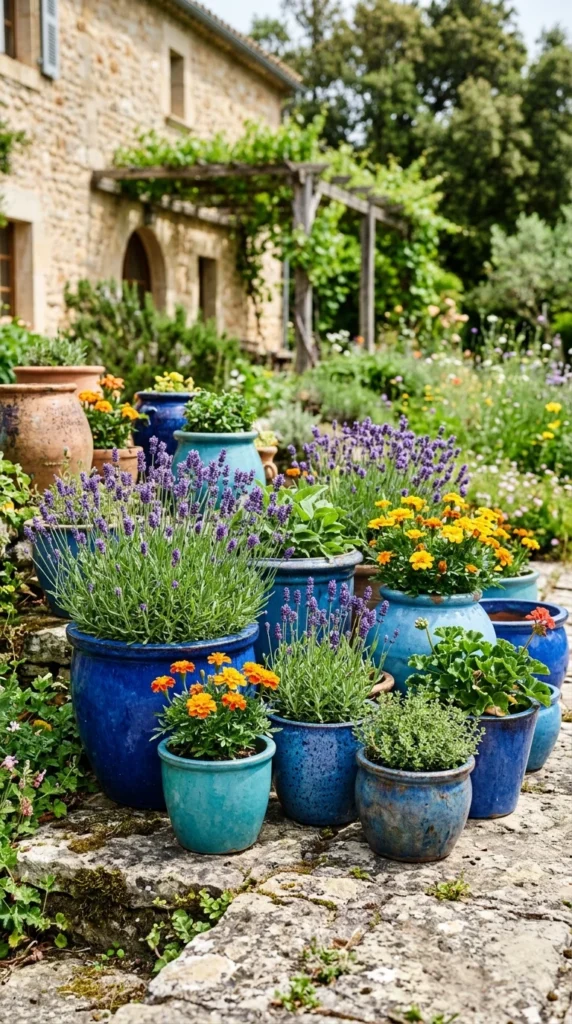
Instead of scattering single pots, group them in clusters of three or five. Varying the heights and sizes of the containers creates a focal point that looks intentional rather than cluttered. This method also creates a localized microclimate that helps plants retain moisture.
5. Window Boxes
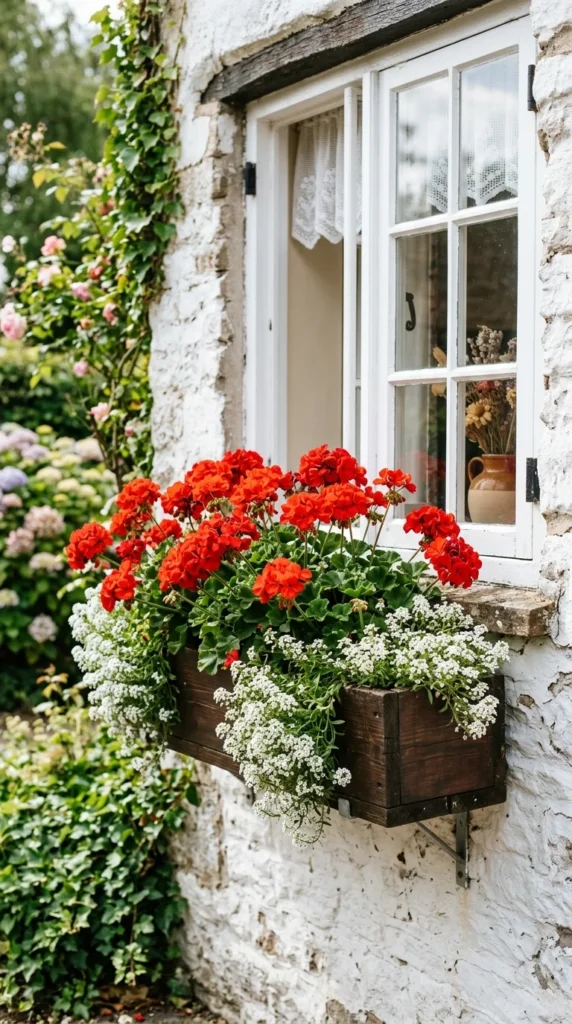
Window boxes are the ultimate space-savers. They bring the garden directly to the house, softening the transition between indoors and out. They are perfect for small-scale flowers and seasonal displays that can be easily swapped throughout the year.
6. Corner Beds
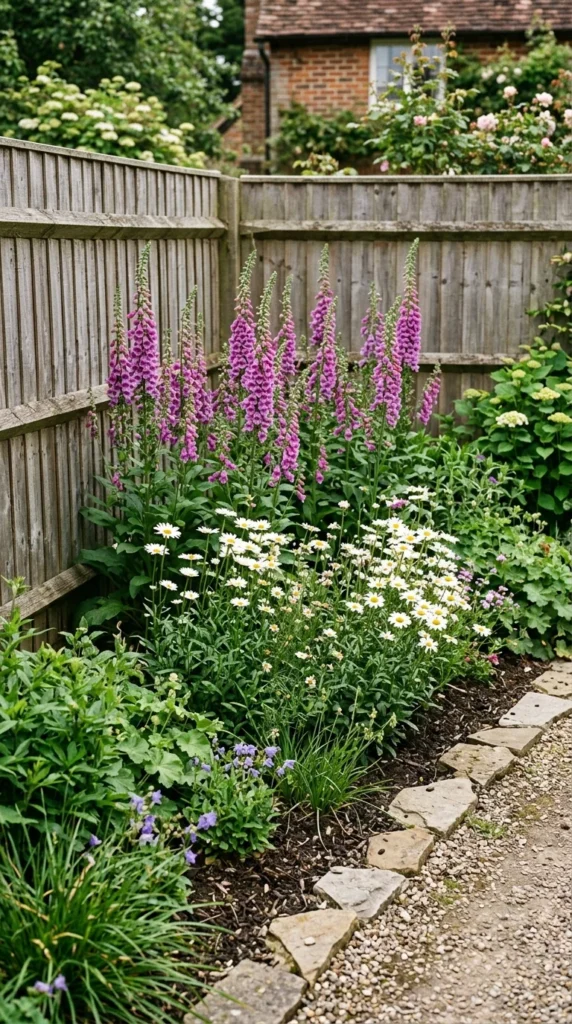
Corners are often underutilized in small yards. By installing a curved or triangular raised bed in a corner, you turn a “dead zone” into a lush pocket of biodiversity. Use the back of the corner for taller architectural plants and the front for low-growing groundcovers.
7. Pathway Borders
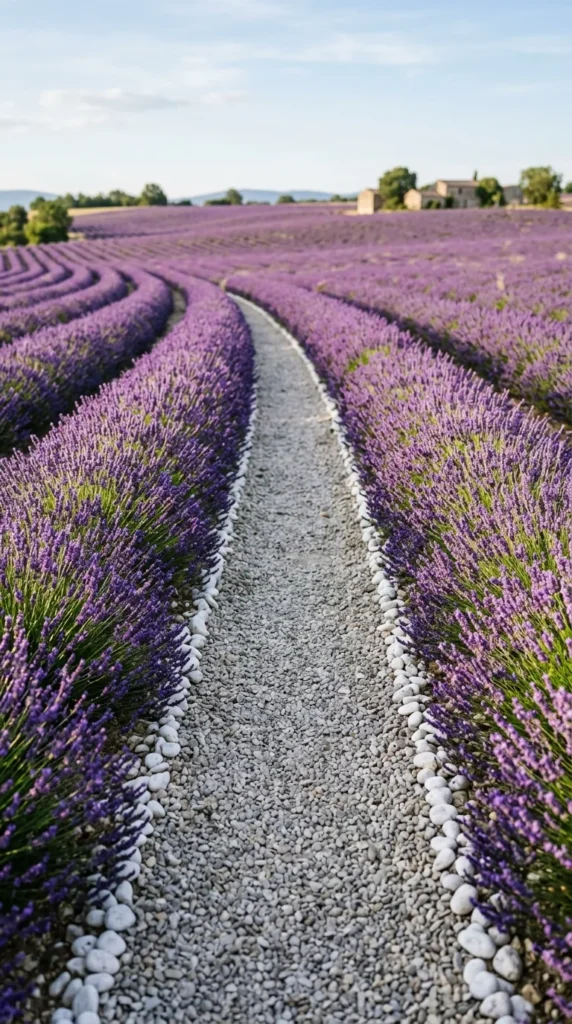
Maximize your walkways by planting low-maintenance flowers along the edges. Fragrant plants like Lavender or Thyme are excellent choices for borders, as they release their scent when brushed against by passersby. This defines the path while adding soft, organic texture to hard landscaping.
8. Living Walls
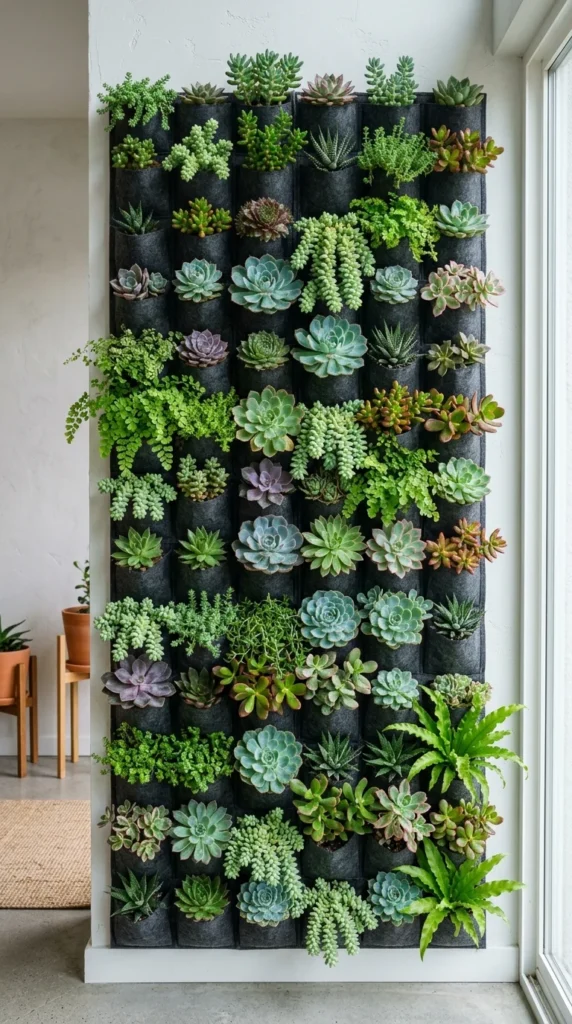
A living wall or green wall is a vertical system where plants are grown in a structured grid. This is a high-impact design choice for small modern yards. It acts as living wallpaper, providing insulation, sound dampening, and a stunning backdrop for outdoor seating areas.
9. Climbing Vines
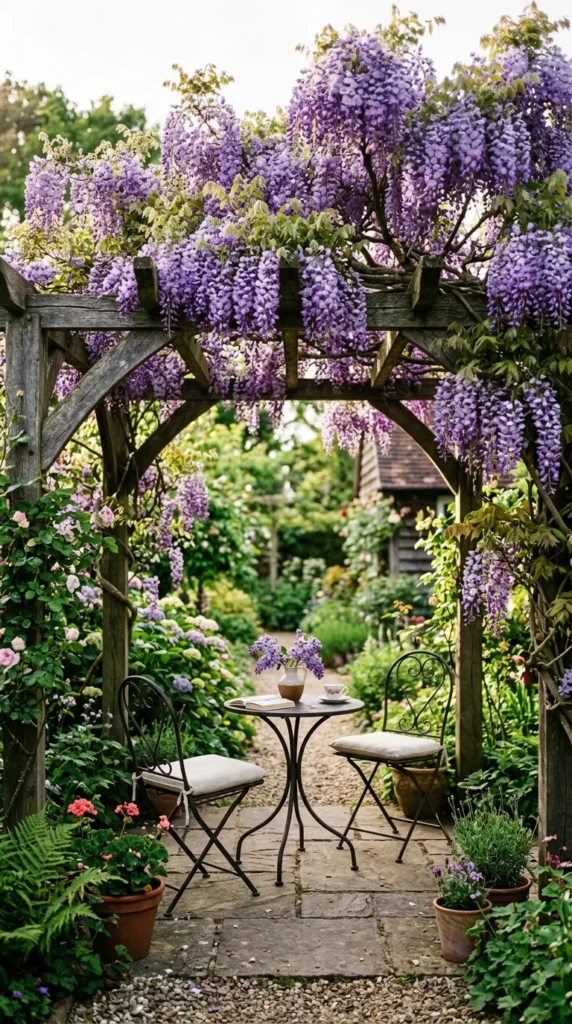
Vines like Wisteria or Honeysuckle can be trained to grow over pergolas, archways, or even simple wire supports. They provide natural shade and privacy without the footprint of a large tree. The overhead canopy of flowers creates an immersive, “secret garden” atmosphere.
10. Dwarf Varieties
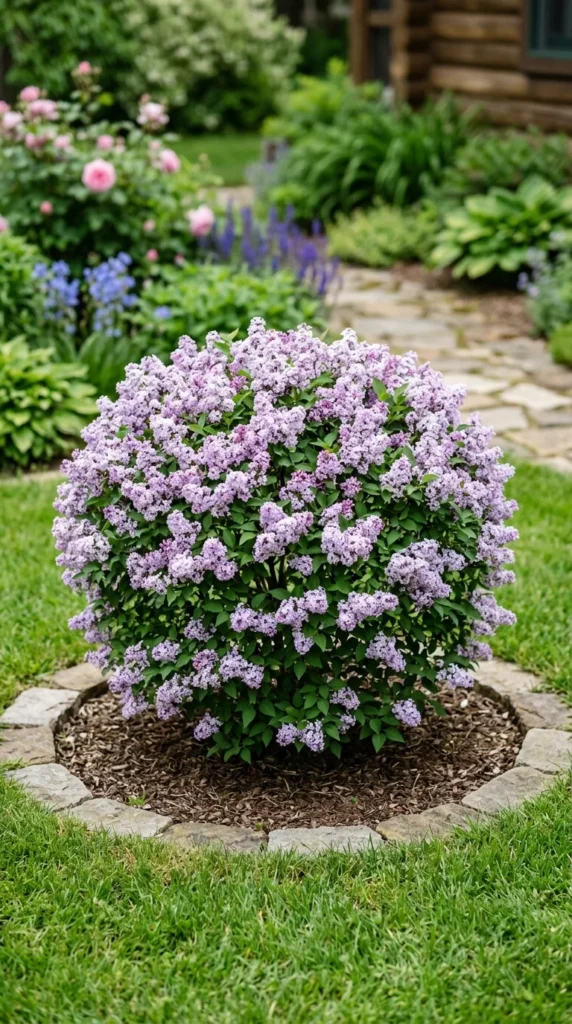
Scale is critical in small gardens. Many popular shrubs and flowers come in “dwarf” or “compact” varieties. These plants are bred to stay small while producing full-sized blooms, ensuring they won’t outgrow their space or crowd out neighboring plants.
11. Raised Beds
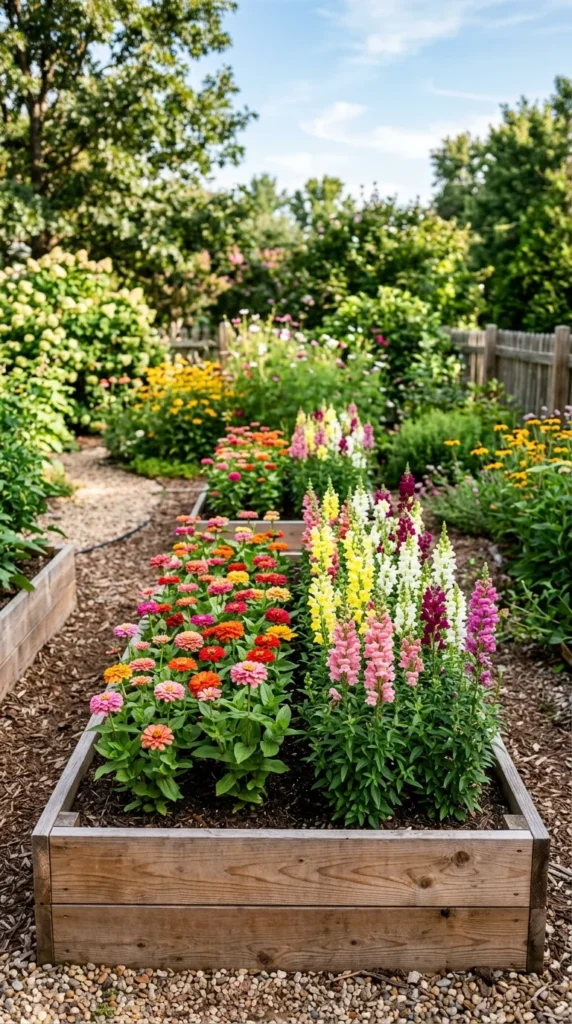
Raised beds provide structure and organization. They allow for better soil control and drainage, which is vital in small yards where the natural soil may be poor. Use them to create “rooms” or zones within the yard, making the space feel more organized and larger than it is.
12. Herb-Flower Mix
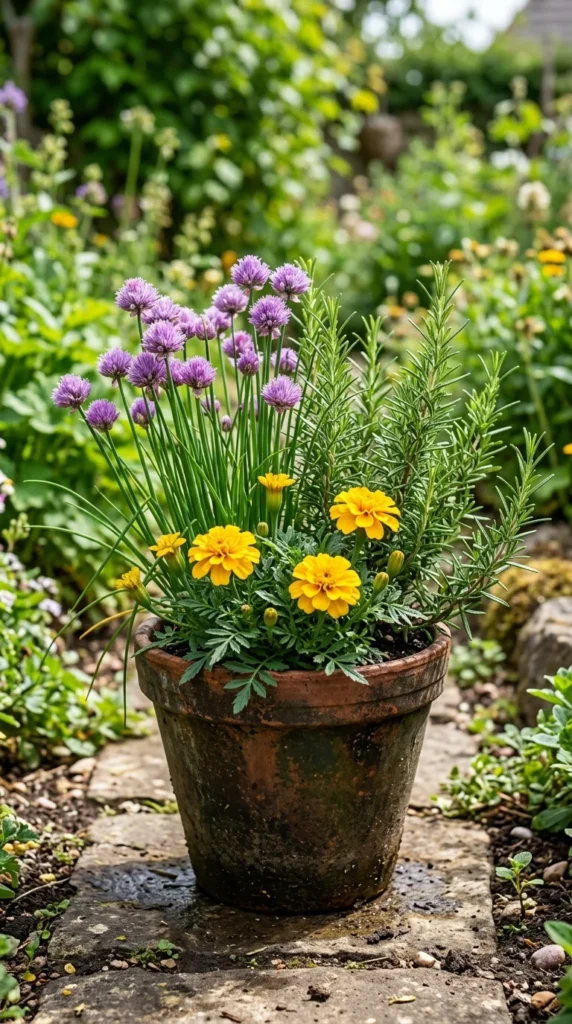
In a small yard, every plant should earn its keep. Mixing edible herbs with ornamental flowers maximizes utility. Pair French Marigolds with Basil or Rosemary; the flowers attract pollinators that help the herbs thrive, and the combination creates a rich tapestry of textures and scents.
13. Repurposed Furniture
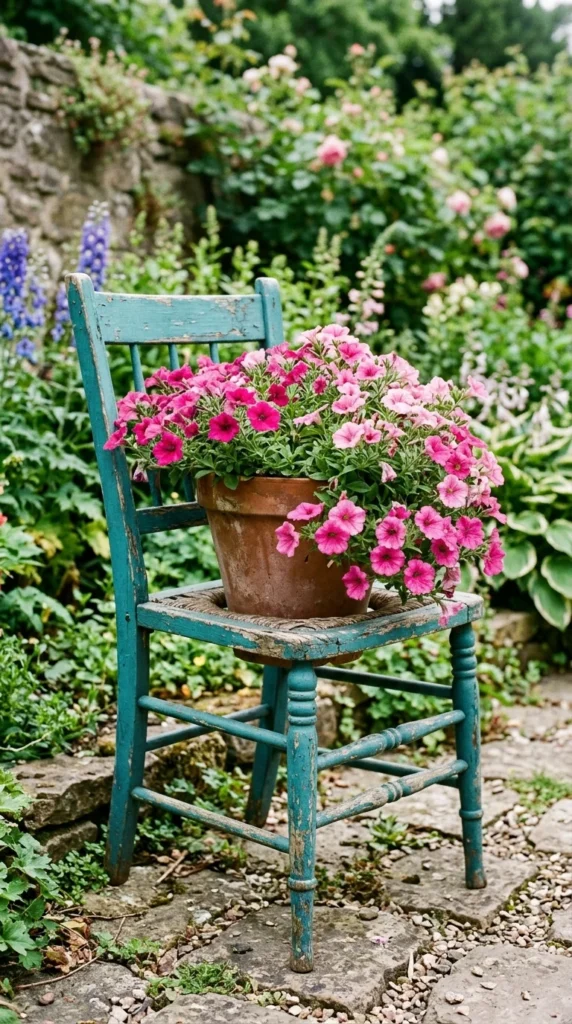
Creative upcycling can add personality to a small yard without requiring a massive renovation. An old ladder, a vintage bicycle with a basket, or even a refurbished dresser can serve as a multi-level plant stand, providing unique character and vertical interest.
14. Monochrome Palette
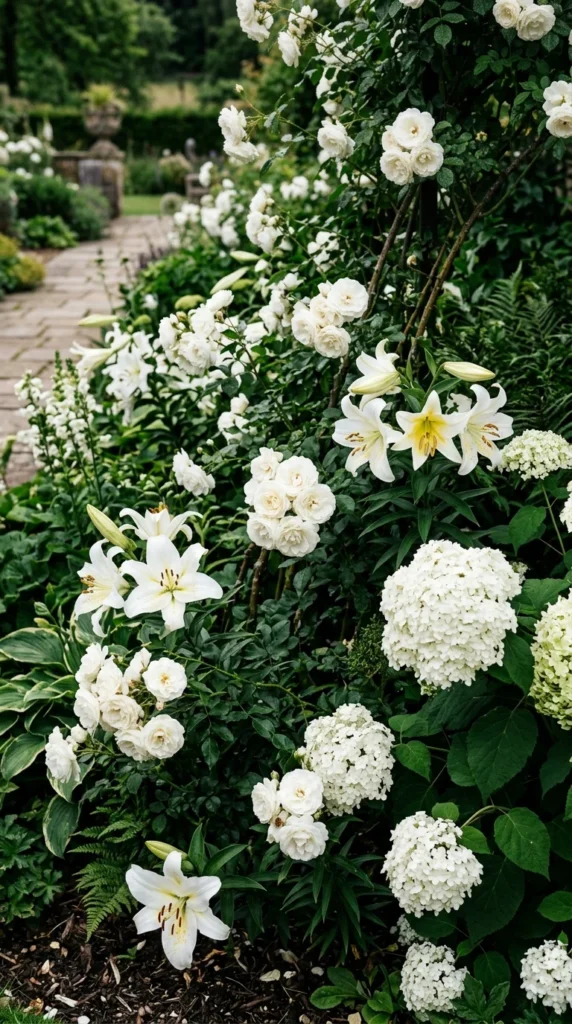
Using a single color palette—such as an “All-White” garden—can make a small space feel more open and sophisticated. Monochromatic schemes reduce visual clutter, allowing the eye to move smoothly across the space. White flowers are particularly effective as they glow in the twilight, extending the garden’s beauty into the evening.
15. Layered Heights
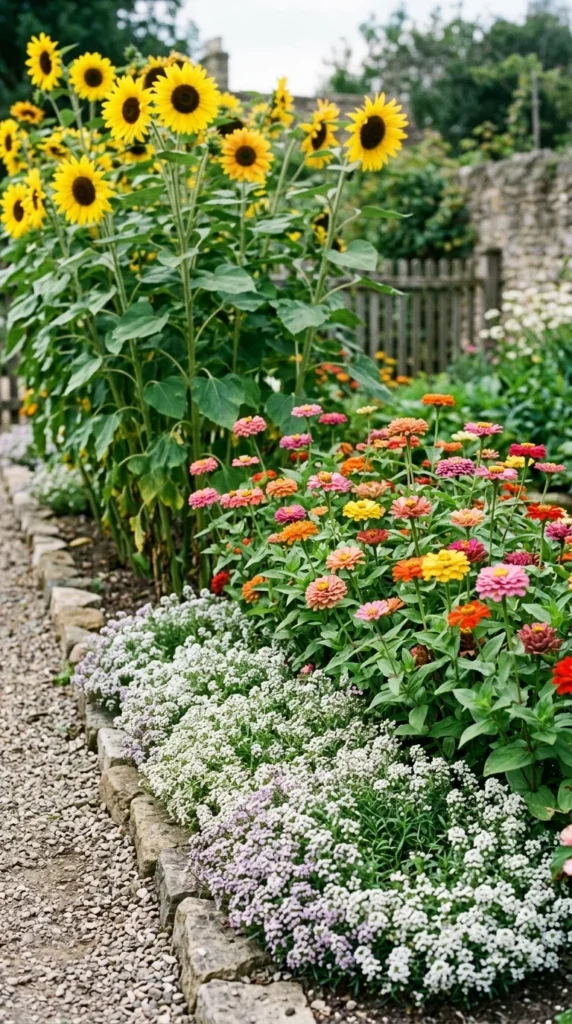
To create depth in a shallow bed, use the “thriller, filler, spiller” technique or plant in three distinct heights. Placing tall plants at the back and short ones at the front creates a sense of perspective, making the garden bed appear deeper than it actually is.
16. Mirror Accents
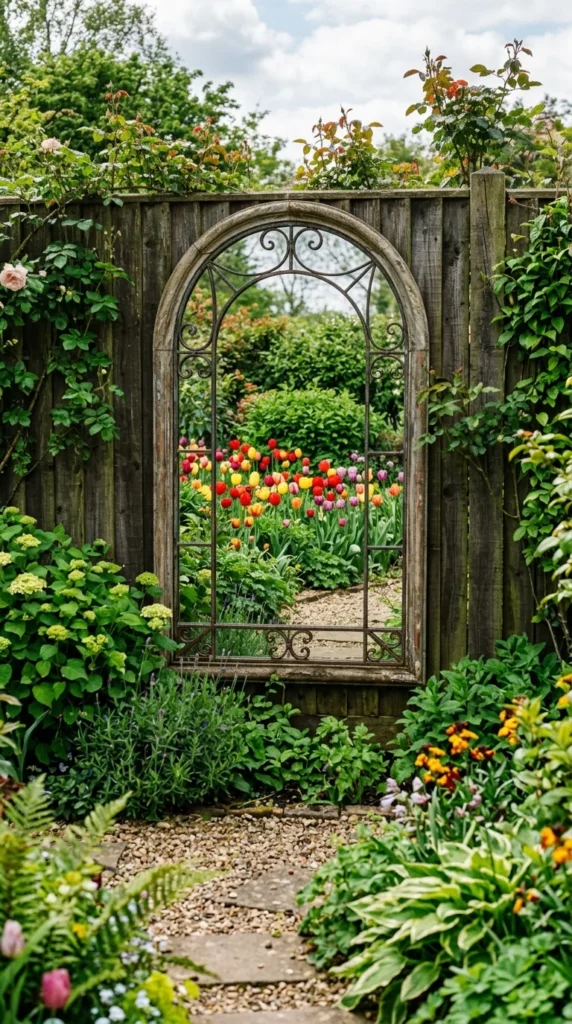
Mirrors are a classic interior design trick that works wonders outdoors. A weather-resistant mirror placed on a fence or wall reflects light into dark corners and creates the illusion of a “window” into another part of the garden, effectively doubling the visual space.
17. Pocket Planters
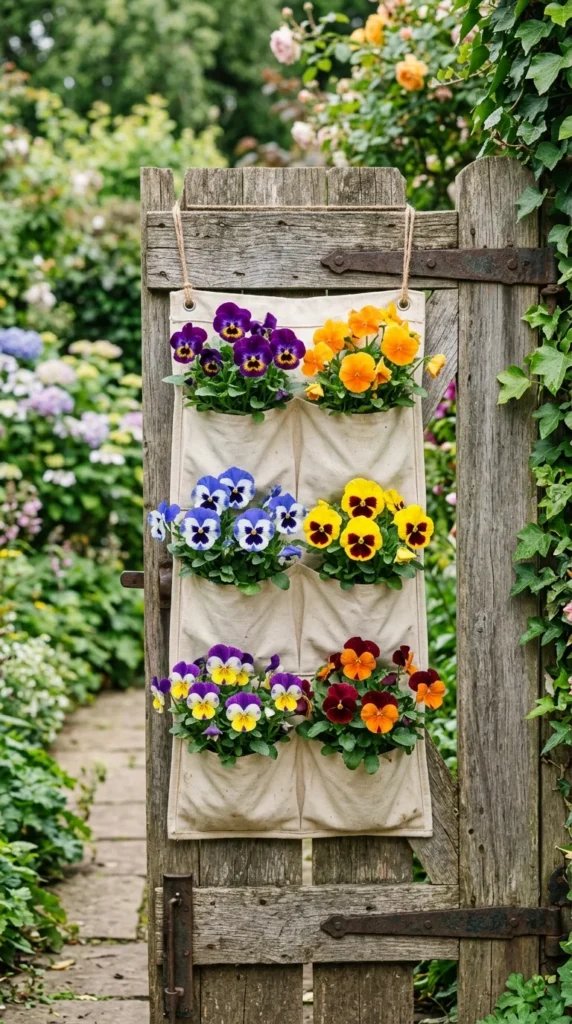
For renters or those with limited wall space, fabric pocket planters are a flexible solution. They can be hung on gates, fences, or balcony railings. They are perfect for annuals and shallow-rooted flowers, allowing you to create a “curtain” of color that can be easily moved or stored.
18. Stepping Stone Flowers
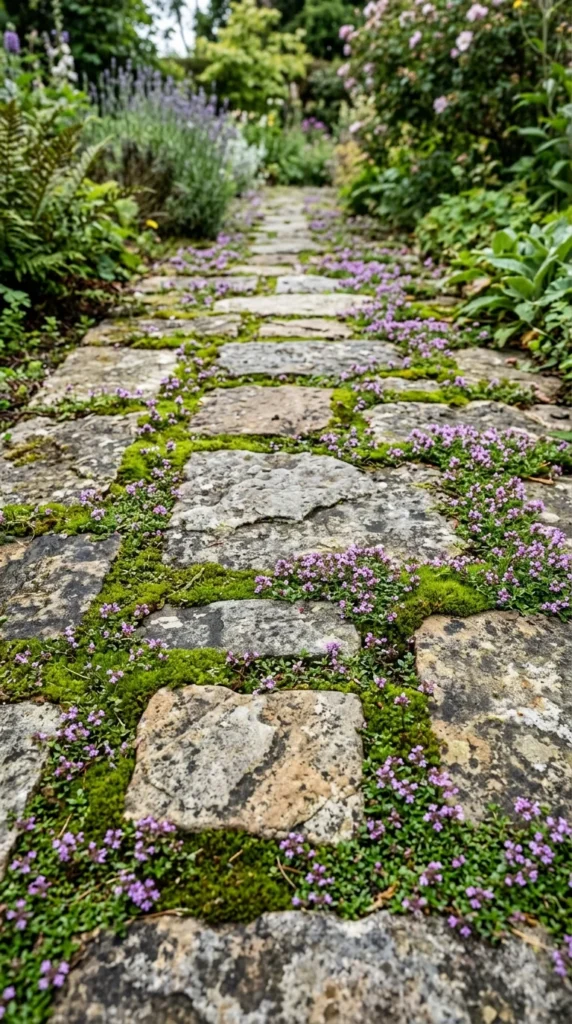
Don’t let the space between your pavers go to waste. Ground-hugging “step-ables” like Creeping Thyme, Irish Moss, or Sedum can be planted in the crevices. This softens the look of hardscaping and ensures that even the ground you walk on contributes to the garden’s floral beauty.
19. Spiral Gardens
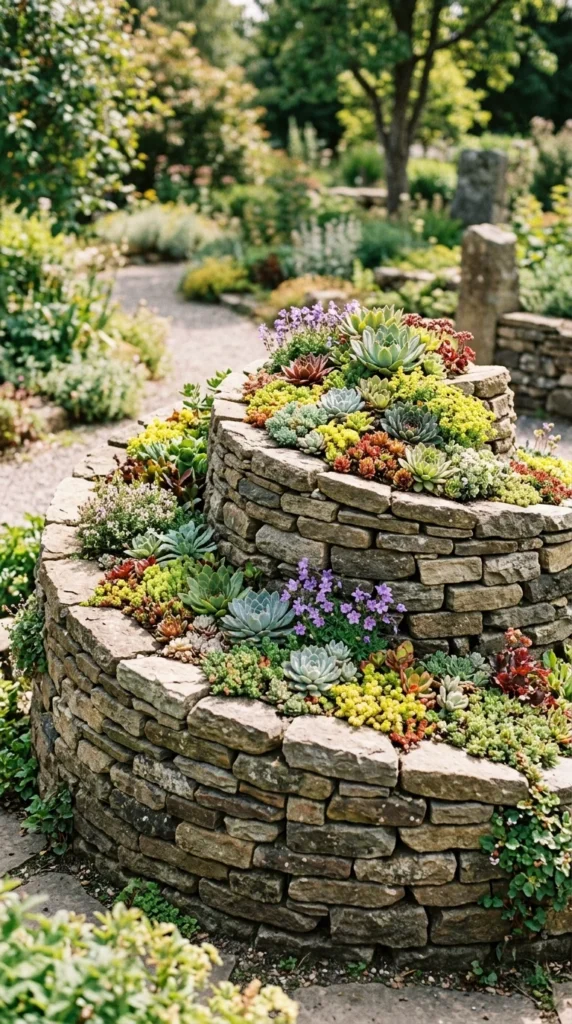
A spiral garden is a space-efficient way to grow a variety of plants with different sun and water needs in one small footprint. The height provides a 360-degree planting surface, allowing you to maximize the number of plants per square foot while creating a striking geometric focal point.
20. Focal Point Tree
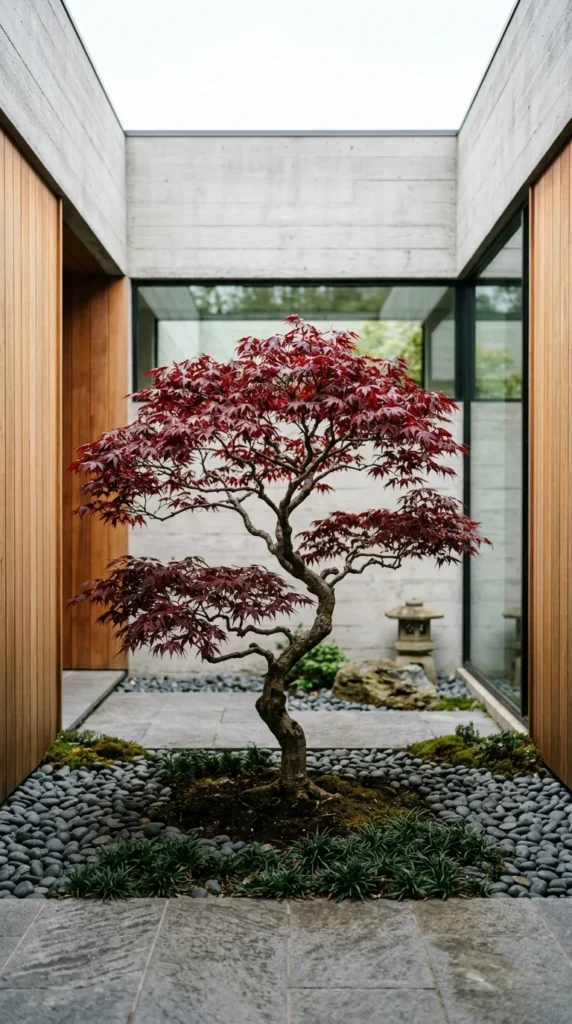
In a small yard, one well-chosen ornamental tree can do the work of ten smaller plants. Select a tree with multi-seasonal interest, such as a Dogwood (flowers in spring, red berries in fall) or a Japanese Maple (striking foliage). It provides a central anchor for the rest of your garden design.
21. Archway Entrances
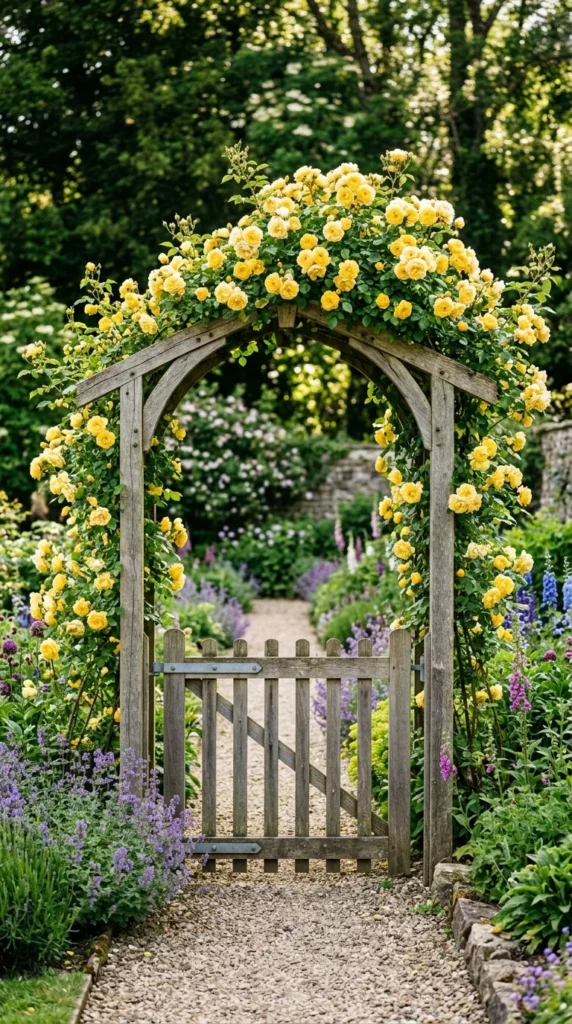
An archway creates a “threshold” that makes entering the yard feel like an event. Even in a tiny space, an arch covered in fragrant climbers creates a sense of mystery and structure. It utilizes the “air space” above a path that would otherwise remain empty.
22. Bench Surround
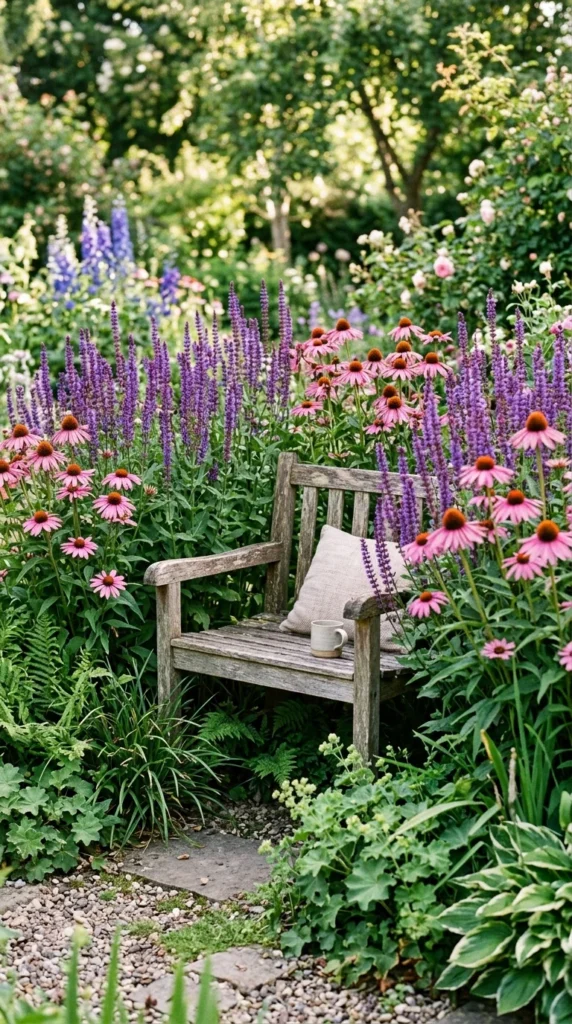
Instead of placing your seating in an open area, wrap it in flowers. Planting tall perennials behind and beside a bench creates a “living chair” effect. This makes the seating area feel private and secluded, providing an immersive floral experience for anyone sitting there.
23. Succulent Gardens
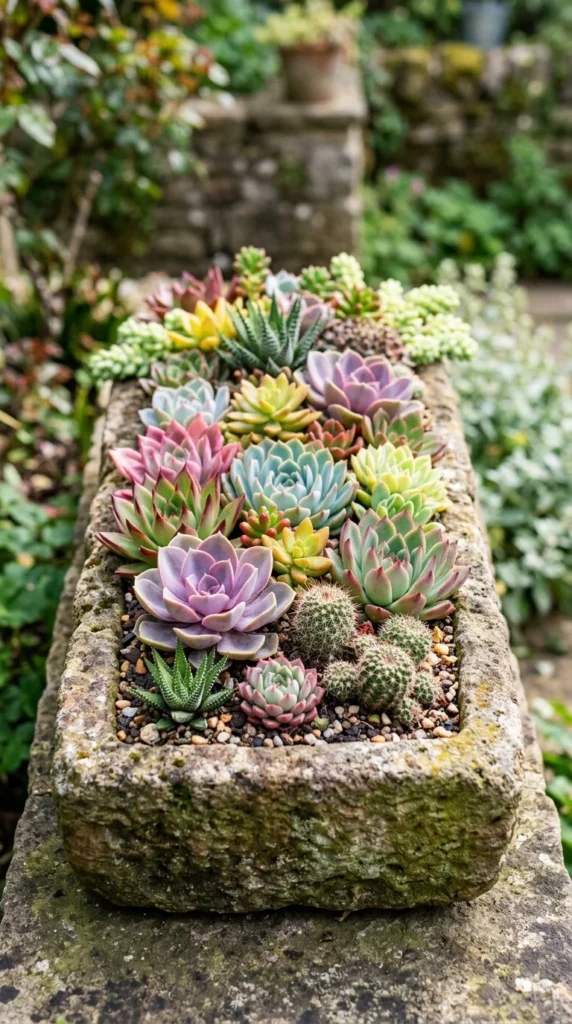
If you have very little soil depth or live in a dry climate, succulents are the perfect small-space solution. Their intricate shapes and colors provide high visual detail in a very small area. They can be grown in shallow bowls, wall cracks, or small troughs, offering a “miniature landscape” feel.
24. Window Sill Mini-Gardens
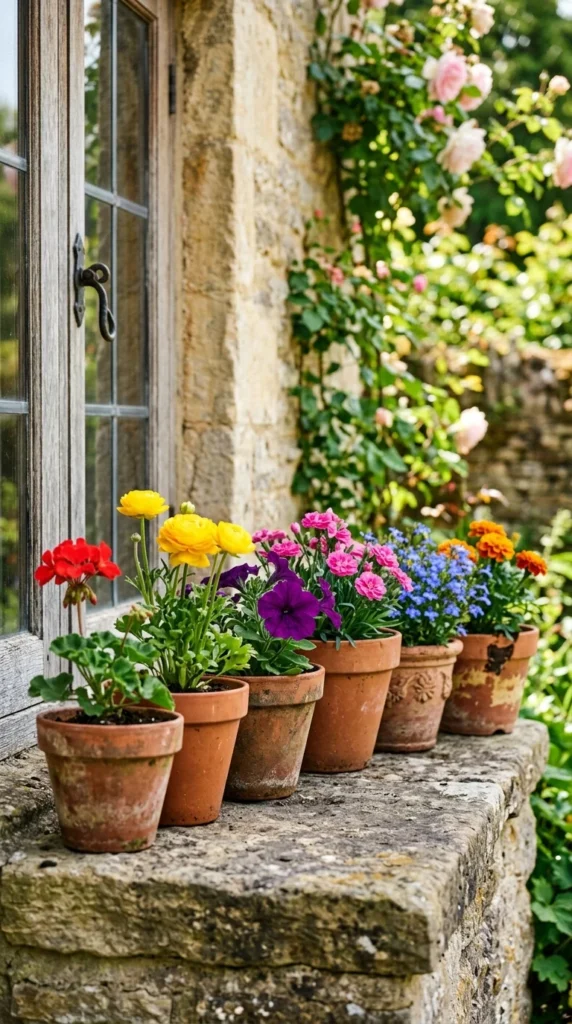
Even the narrowest ledge can host a garden. A collection of small pots on a window sill or a narrow balcony ledge provides a “micro-garden” that is easy to maintain. This is perfect for those who want a garden view from inside their home.
25. Night-Blooming Gardens
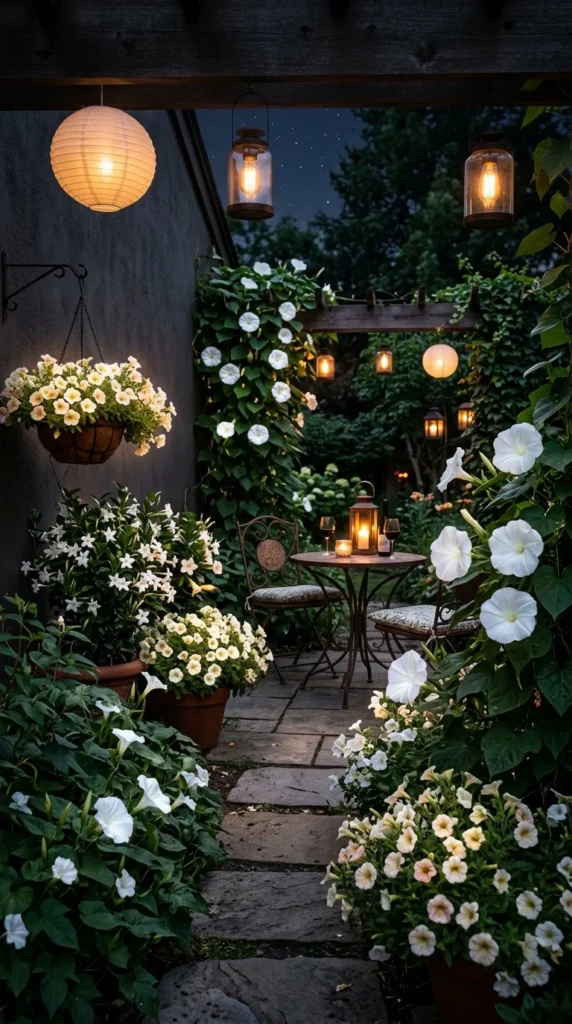
If you primarily use your small yard in the evenings, plant a “Moon Garden.” Focus on white or silver-foliaged plants that reflect moonlight, and flowers like Moonflower or Night-Blooming Jasmine that release their fragrance after dark. This maximizes the utility of your yard during the hours you are most likely to enjoy it.