Gardening is a rewarding hobby, but for many professionals and parents, the luxury of spending hours weeding, pruning, and watering simply isn’t available. Fortunately, a beautiful landscape doesn’t have to be a full-time job. By implementing strategic design choices and selecting resilient plant varieties, you can create a stunning outdoor sanctuary that thrives with minimal intervention. Here are 20 low-maintenance flower garden ideas designed specifically for the busy gardener.
1. Native Plants
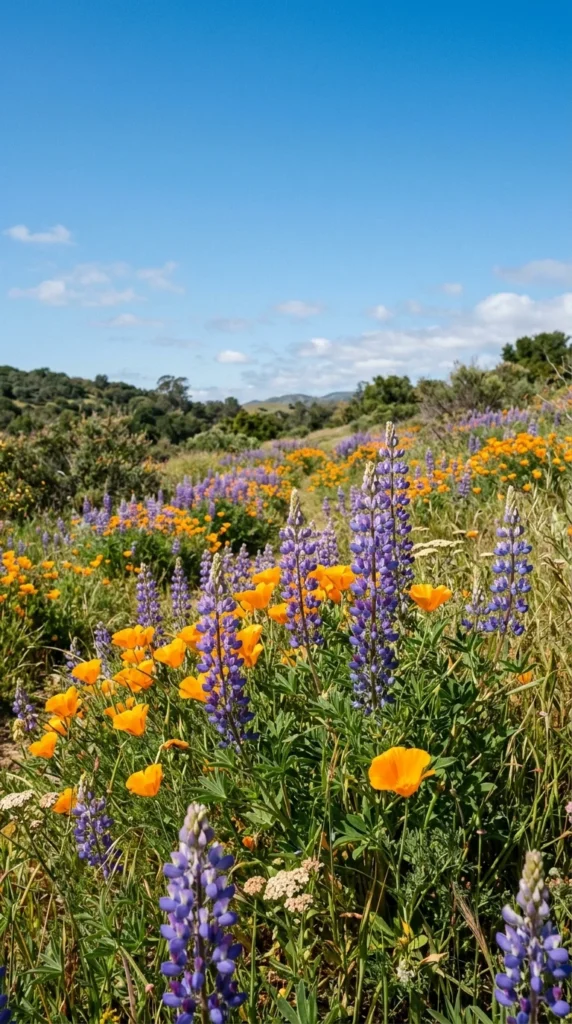
The most effective way to reduce garden chores is to work with nature rather than against it. Native plants are species that occur naturally in your specific region. Because they have evolved to thrive in your local climate and soil conditions, they require significantly less supplemental watering, fertilizer, and pest control than exotic species. Once established, native plants often take care of themselves, providing essential habitats for local pollinators like bees and butterflies.
2. Perennial Borders
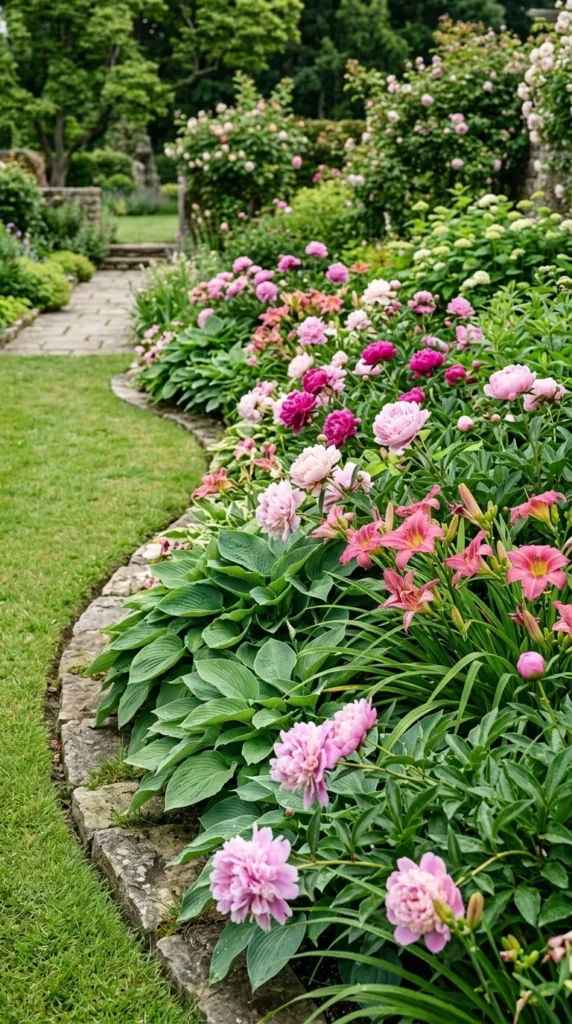
Unlike annuals, which must be replanted every year, perennials return season after season. By focusing your garden design on hardy perennials, you eliminate the annual task of buying and planting new starts. To keep maintenance low, choose “long-lived” perennials such as Peonies, Daylilies, or Siberian Irises. These plants can live for decades with very little division or specialized care, forming a reliable backbone for your garden.
3. Mulching Layers
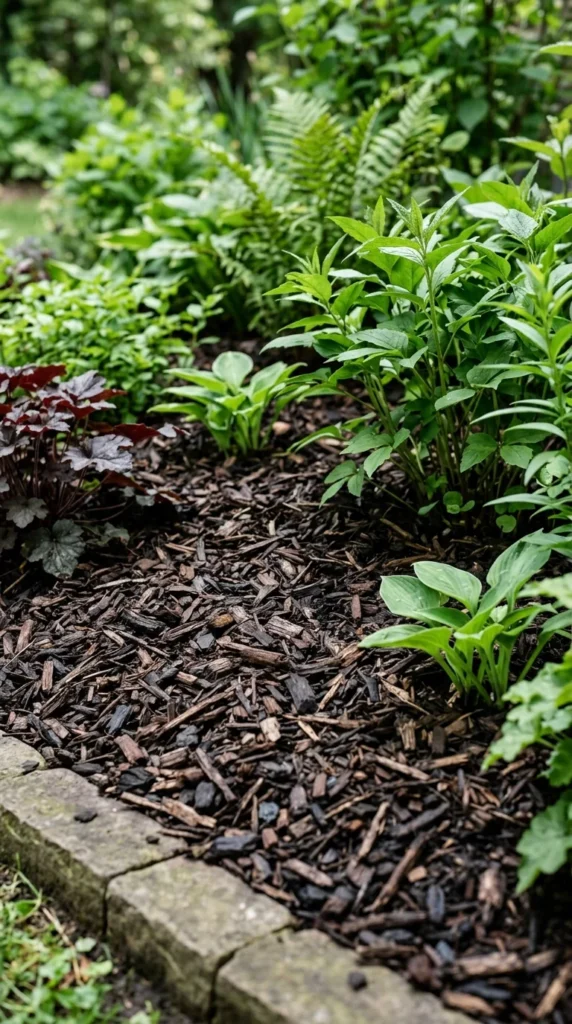
Mulch is a busy gardener’s best friend. Applying a thick layer (2-3 inches) of organic mulch, such as shredded bark or compost, serves multiple purposes. It suppresses weed growth by blocking sunlight from reaching weed seeds, retains soil moisture to reduce the frequency of watering, and regulates soil temperature. As organic mulch breaks down, it also improves soil structure and fertility, reducing the need for chemical fertilizers.
4. Drip Irrigation
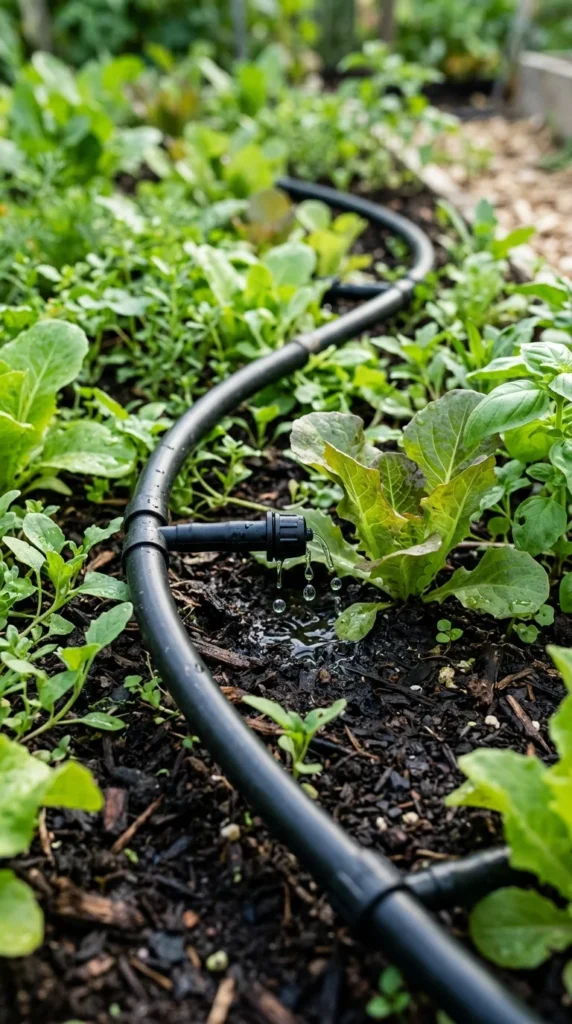
Hand-watering can be one of the most time-consuming aspects of gardening. Installing a drip irrigation system or a soaker hose connected to a simple battery-operated timer automates the process. Drip systems deliver water directly to the roots of the plants, where it is needed most, minimizing evaporation and preventing fungal diseases caused by wet foliage. This “set it and forget it” approach ensures your garden stays hydrated even when you’re away.
5. Groundcover Carpet
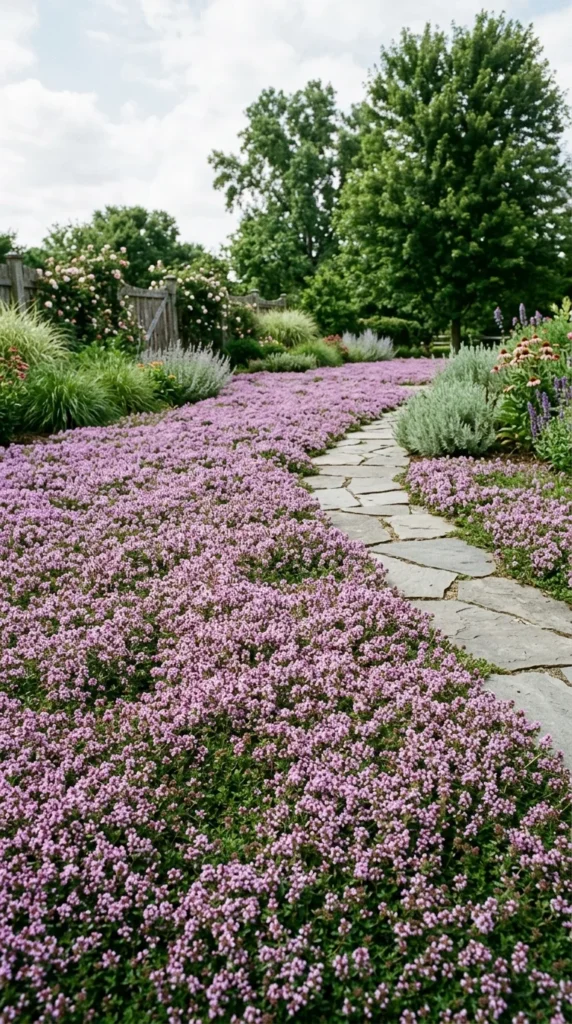
Instead of maintaining a high-maintenance lawn or constantly weeding bare soil, use flowering groundcovers. Plants like Creeping Thyme, Sedum, or Vinca Minor create a living carpet that chokes out weeds and requires no mowing. Many groundcovers offer beautiful blooms and can handle light foot traffic, making them an excellent “green mulch” that adds color and texture to the ground level of your garden.
6. Drought-Tolerant Species
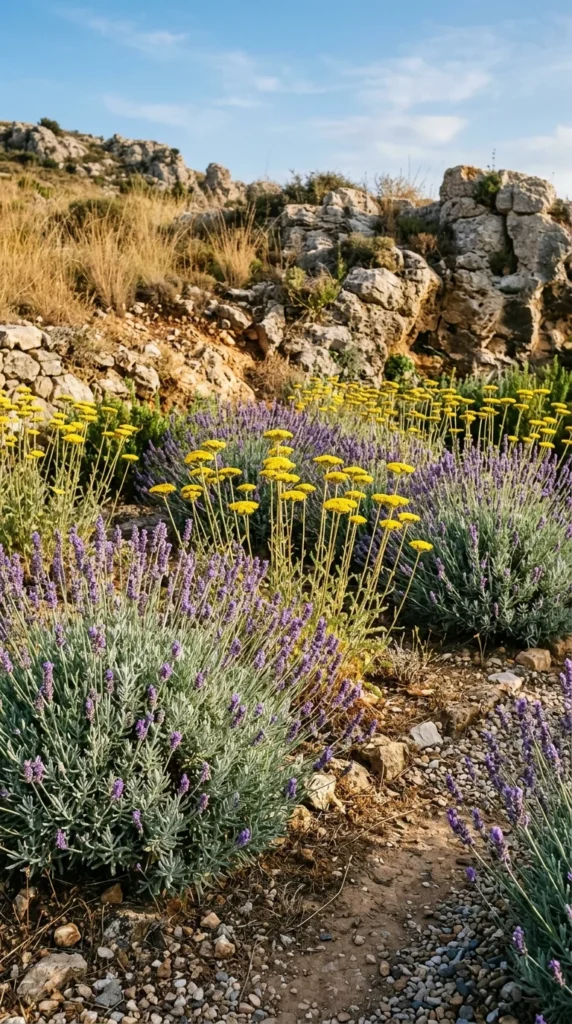
Xeriscaping isn’t just for desert climates. By selecting “water-wise” or drought-tolerant plants, you can drastically reduce the time spent dragging hoses around. Plants like Lavender, Russian Sage, and Coneflowers have evolved to survive long periods without rain. These plants often prefer “lean” soil, meaning you won’t need to spend time or money on soil amendments and heavy fertilization.
7. Self-Seeding Flowers
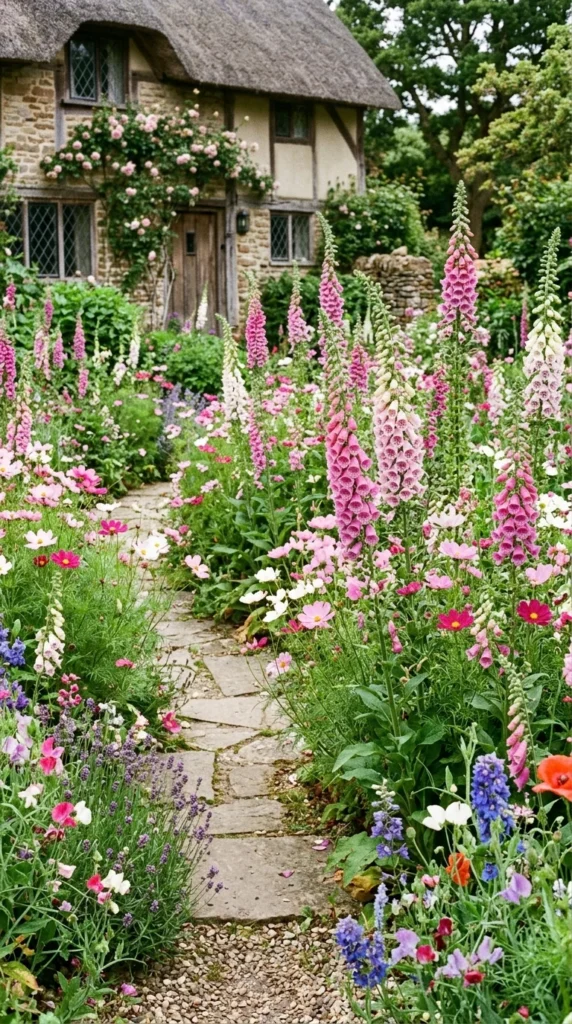
Self-seeding annuals and biennials offer the best of both worlds: the vibrant color of annuals with the “set it and forget it” nature of perennials. Flowers like Forget-Me-Nots, Cosmos, and Poppies drop their seeds at the end of the season, which then sprout the following spring. This creates a natural, ever-changing garden look that requires very little effort beyond the initial planting.
8. Container Gardening
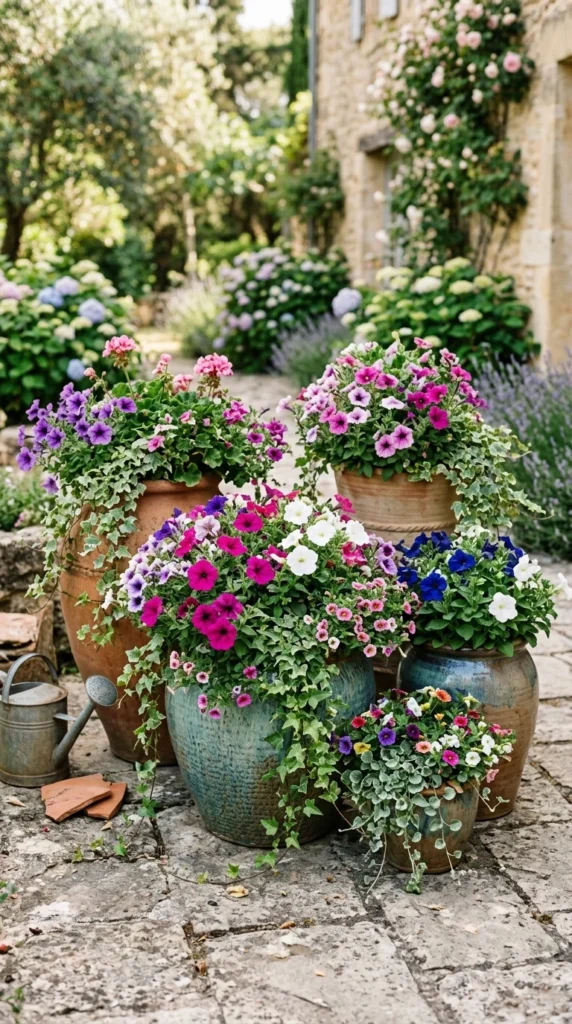
If a large garden bed feels overwhelming, stick to containers. Pots and planters allow you to control the soil quality perfectly and reduce the “territory” you have to weed. Grouping containers together near a water source makes maintenance even easier. Using large pots is a pro-tip for busy gardeners, as larger volumes of soil hold moisture longer than small pots, meaning you won’t have to water as frequently.
9. Wildflower Meadows
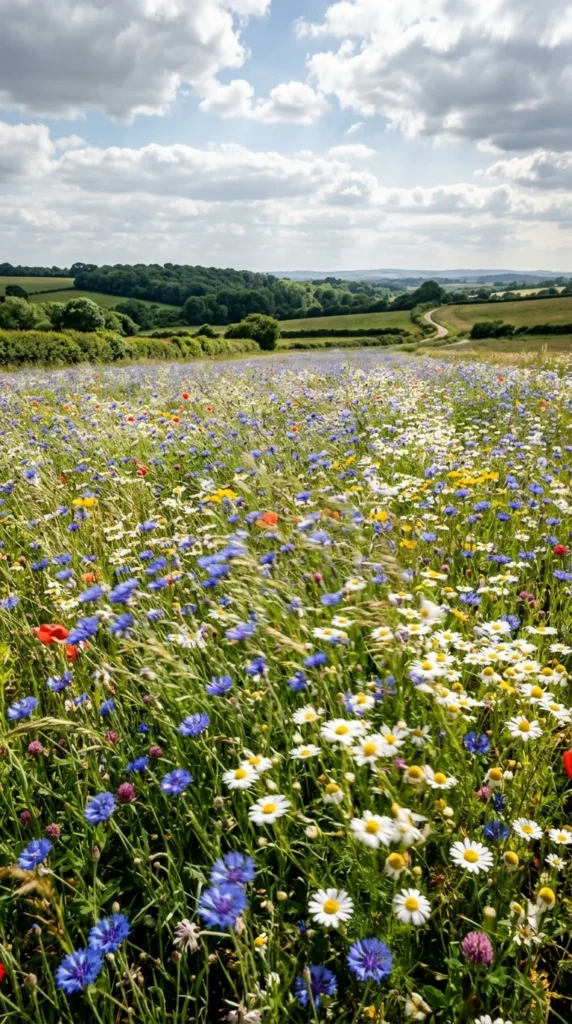
For larger properties, consider replacing a portion of the lawn with a wildflower meadow. After the initial preparation and sowing, a meadow requires only one or two mows a year (usually in late autumn). This approach creates a high-impact visual display that supports local biodiversity. Meadows are meant to look slightly wild, so the pressure to achieve “garden perfection” is completely removed.
10. Ornamental Grasses
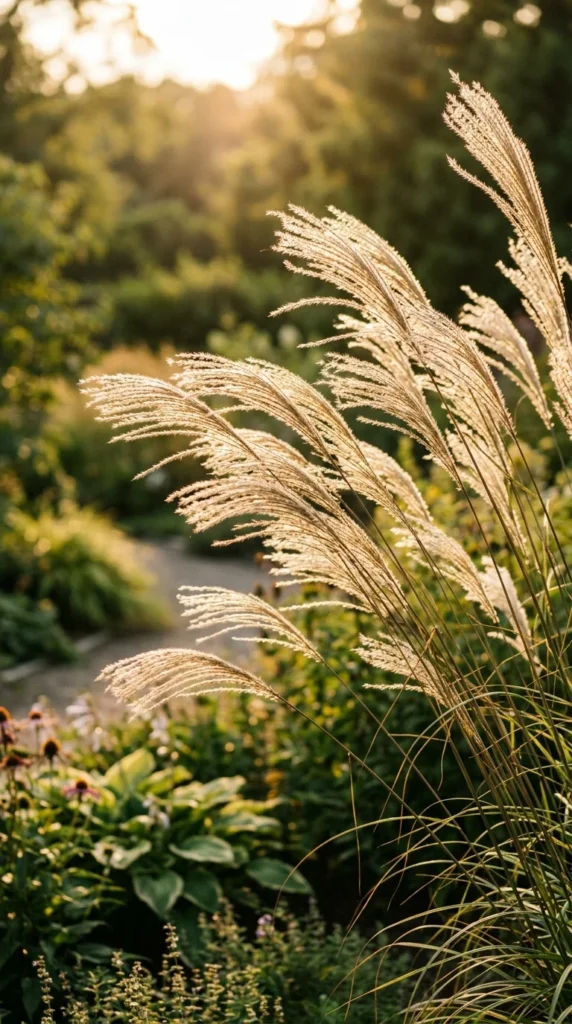
Ornamental grasses are the ultimate low-maintenance plants. They provide structure, movement, and interest throughout the four seasons. Most grasses only require a single “haircut” once a year in late winter or early spring. They are generally pest-resistant, drought-tolerant, and don’t require deadheading (removing spent blooms), making them perfect for a modern, architectural garden design.
11. No-Dig Beds
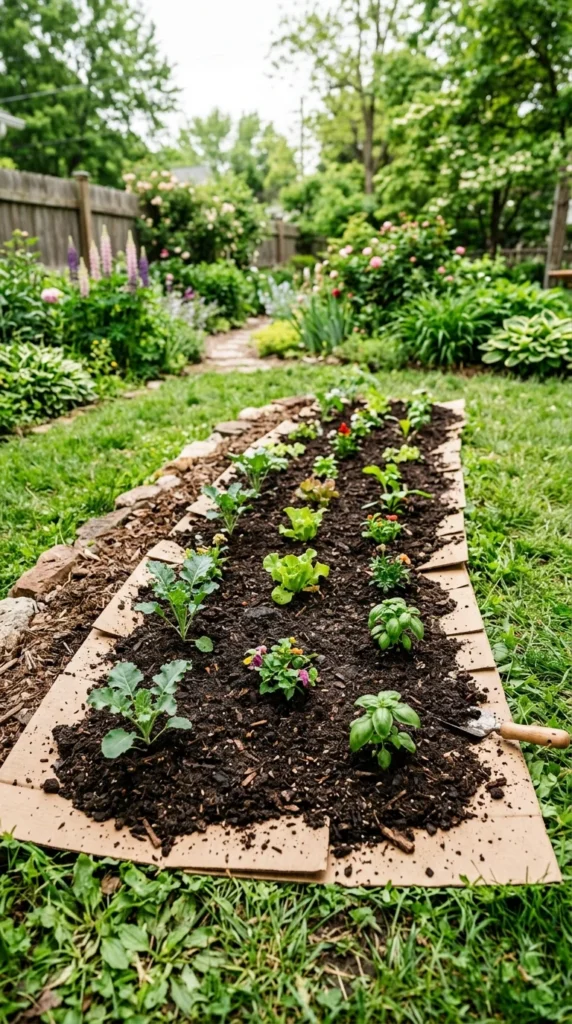
The “No-Dig” method (also known as sheet mulching) is a labor-saving technique for starting new garden beds. Instead of tilling the soil and pulling up weeds—which actually brings buried weed seeds to the surface—you simply layer cardboard or newspaper over the area and cover it with compost and mulch. This smothers existing weeds and grass, and as the layers decompose, they create incredibly rich soil without any heavy lifting.
12. Evergreen Shrubs
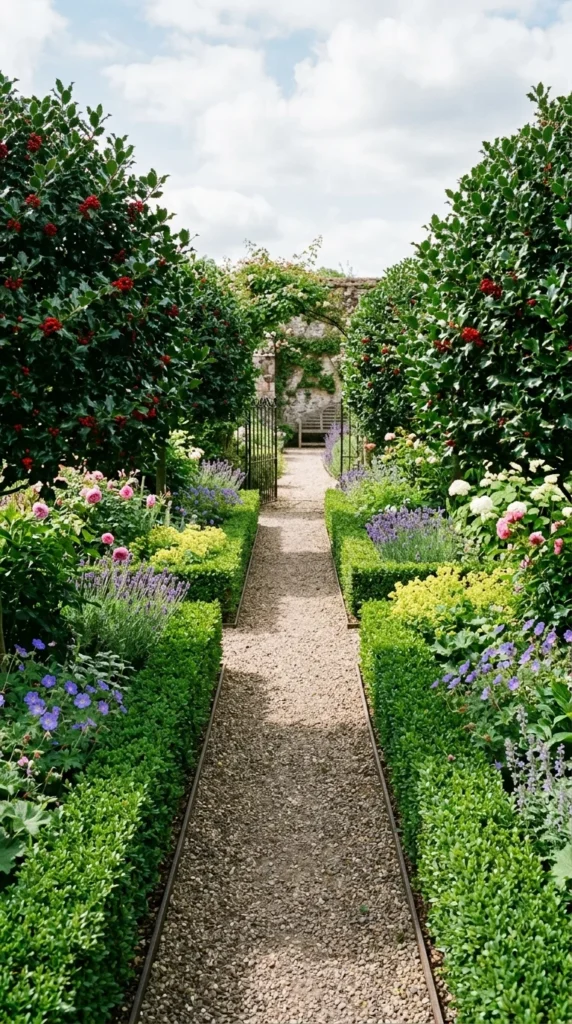
A garden that relies solely on flowers can look bare in the winter. Integrating evergreen shrubs provides year-round structure and reduces the amount of open soil that needs tending. Shrubs like Boxwood, Juniper, or Rhododendron offer consistent greenery and require only occasional pruning once they reach their desired size. They act as a permanent backdrop, allowing you to “fill in the gaps” with fewer flowering plants.
13. Rain Gardens
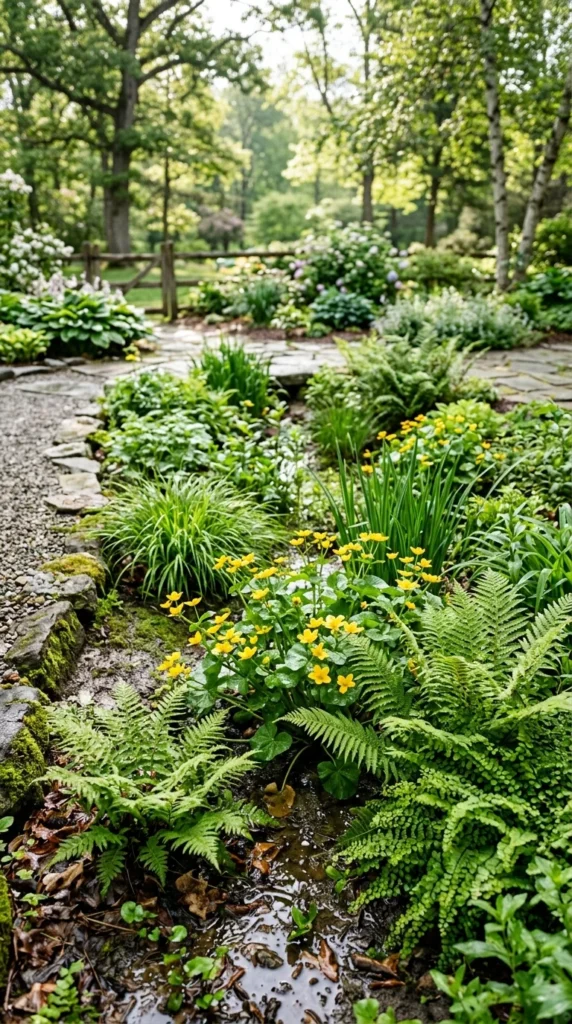
If you have a low spot in your yard that stays soggy, don’t fight it—build a rain garden. By planting moisture-loving species like Cardinal Flower, Sedges, or Joe-Pye Weed in these areas, you create a self-watering system that utilizes natural runoff. Rain gardens help manage stormwater while providing a lush, green aesthetic in areas where traditional garden plants might struggle and rot.
14. Hardy Succulents
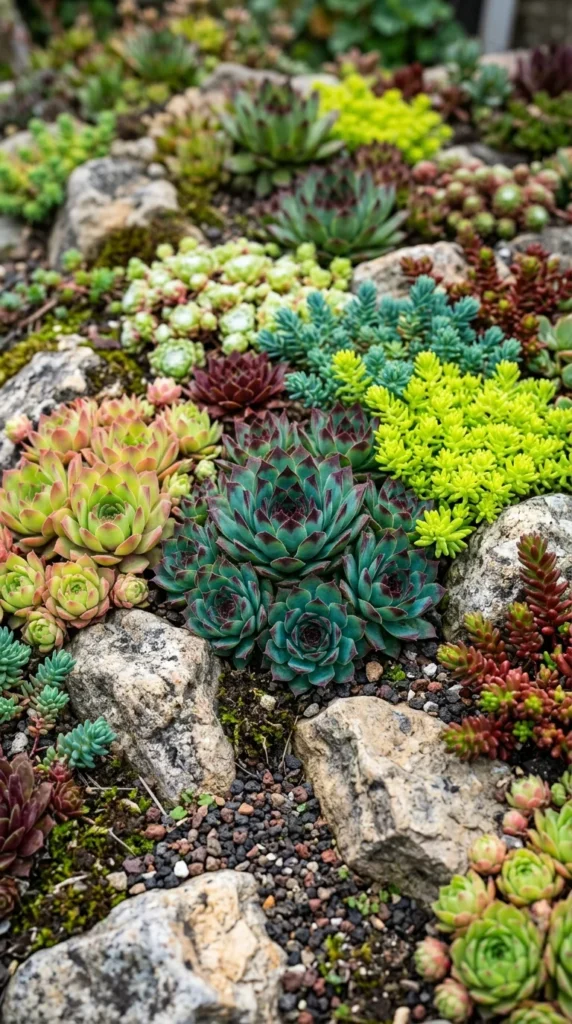
Succulents are the champions of neglect. Varieties like Sempervivum (Hens and Chicks) and upright Sedums (like ‘Autumn Joy’) store water in their fleshy leaves, allowing them to thrive in poor soil and harsh sun. They are incredibly hardy and often spread slowly to fill gaps, requiring almost zero maintenance once they are tucked into a sunny spot or a rocky crevice.
15. Slow-Release Fertilizers
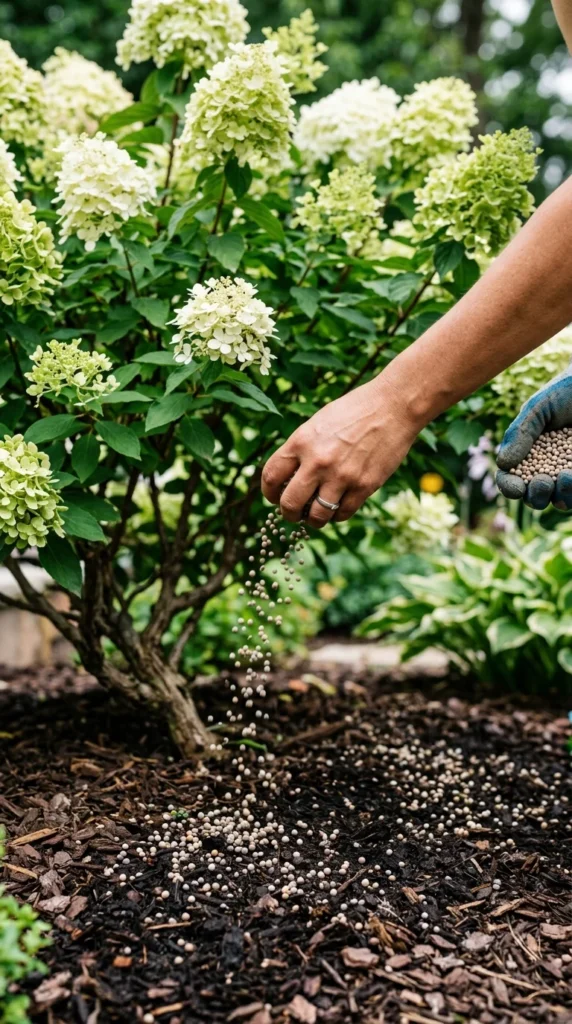
Busy gardeners don’t have time for weekly liquid feeding schedules. Using organic, slow-release granular fertilizers or spikes once or twice a season provides a steady stream of nutrients to your plants. This prevents the “boom and bust” growth cycles associated with quick-acting fertilizers and ensures your flowers have what they need to stay healthy with minimal oversight.
16. Grouping by Water Needs
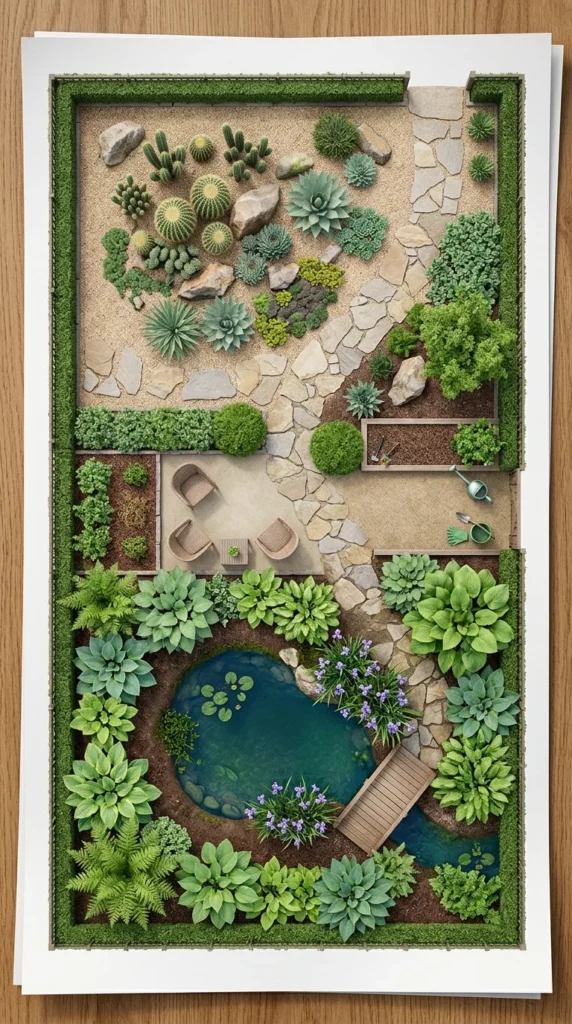
Also known as “hydrozoning,” this technique involves grouping plants with similar water requirements together. By placing your thirstiest plants in one area (perhaps closest to the house or water spigot) and your drought-tolerant plants further away, you streamline your watering routine. You won’t waste time or water giving moisture to plants that don’t need it while accidentally neglecting those that do.
17. Rock Gardens
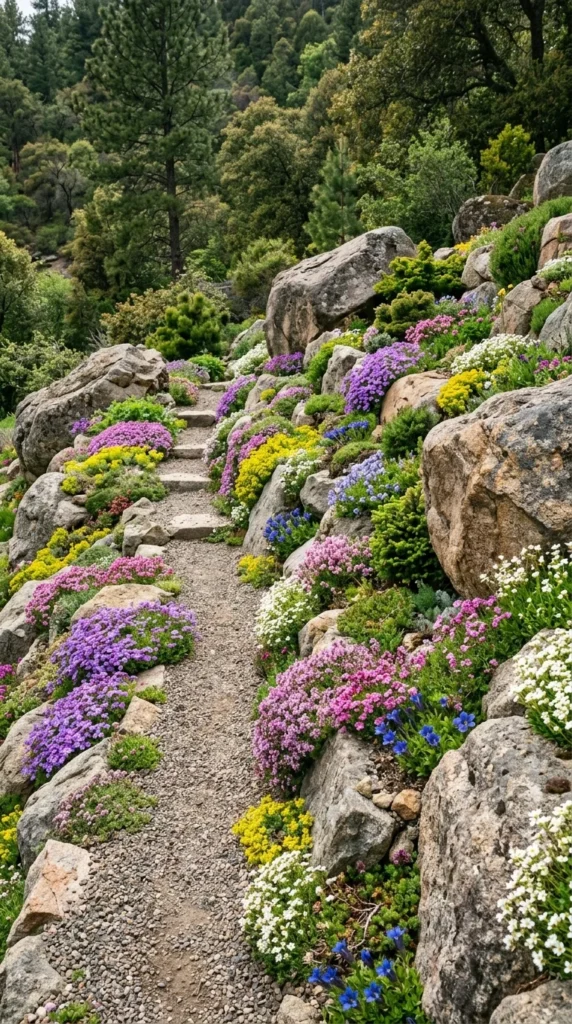
Rock gardens are inherently low-maintenance because they replace large areas of soil with stones, gravel, and boulders. This significantly reduces the area where weeds can take hold. Choosing alpine plants or small perennials that thrive in well-drained, rocky conditions creates a high-contrast, sophisticated look that requires very little water and almost no pruning.
18. High-Quality Soil
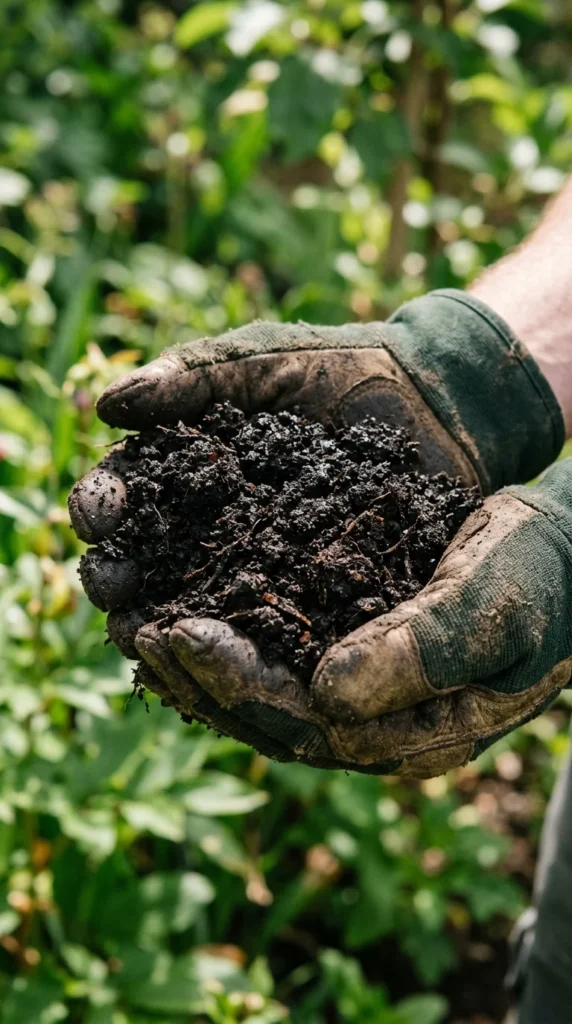
Investing time in your soil at the very beginning saves years of work later. Rich soil filled with organic matter promotes deep root growth and healthy plants that are better able to resist pests and diseases. When plants are healthy and robust, they require less intervention from the gardener. Adding a thick layer of high-quality compost once a year is often the only “work” needed to maintain soil health.
19. Automated Systems
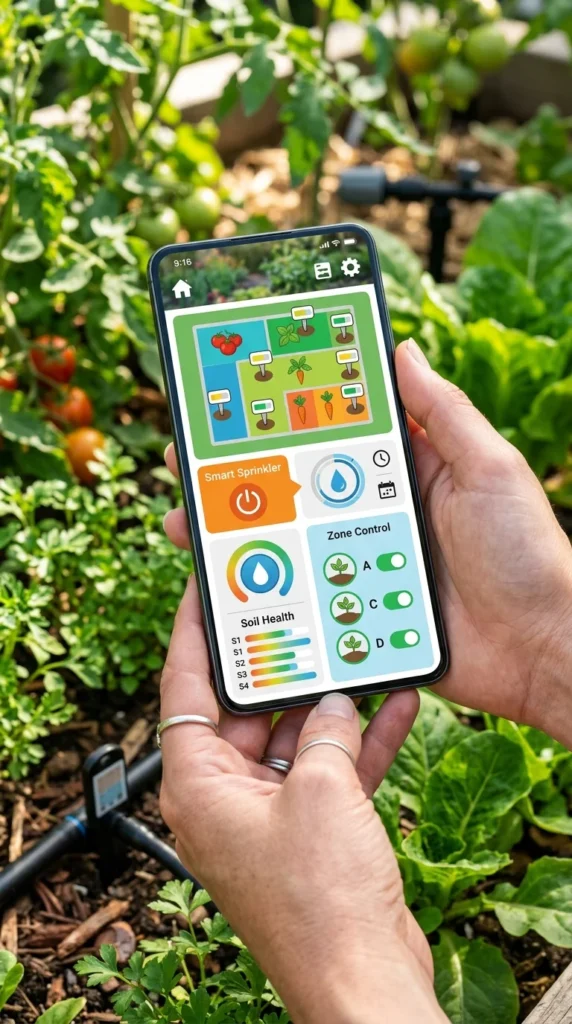
Embrace technology to handle the chores. Smart irrigation controllers can adjust your watering schedule based on local weather forecasts, ensuring you don’t water during a rainstorm. Additionally, robotic lawnmowers (if you have grass) or solar-powered garden lights can automate the aesthetic and maintenance tasks, leaving you with nothing to do but enjoy the view.
20. Minimalist Design
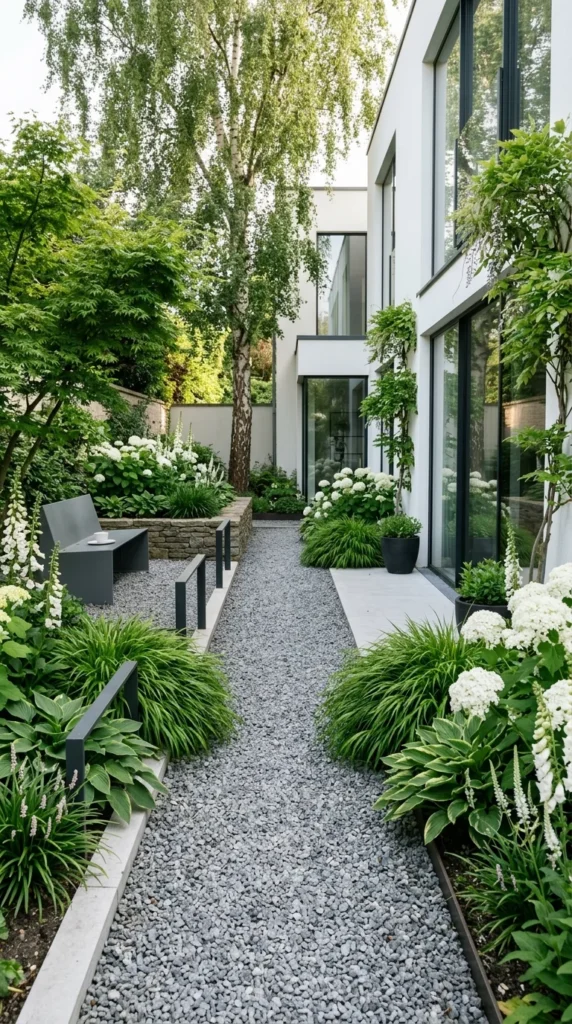
Sometimes, less is truly more. A minimalist garden design uses a limited palette of plants—perhaps only three or four species—repeated in large drifts. This creates a powerful visual impact and simplifies maintenance. When you only have a few types of plants to care for, you quickly learn exactly what they need, making the “work” of gardening predictable, fast, and easy to manage.