The cottage garden is the ultimate expression of botanical romance. Unlike the rigid symmetry of formal French gardens or the minimalist precision of modern landscapes, the cottage style celebrates abundance, diversity, and a touch of “controlled chaos.” Originally designed by humble laborers to provide both food and beauty in small spaces, modern cottage gardens focus on a dense tapestry of colors, textures, and scents.
Starting a cottage garden from scratch is a journey of transformation. It requires moving away from the “lawn-first” mentality and embracing a landscape where every square inch is filled with life. This guide will walk you through the essential steps to turn a blank patch of dirt into a thriving, nostalgic sanctuary.
1. Layout

The first rule of cottage gardening is to abandon the straight line. Traditional cottage gardens are characterized by soft, flowing curves that lead the eye on a journey. When designing your layout, use a garden hose or a bag of flour to mark out winding paths and deep, billowing borders.
The goal is to create “rooms” or hidden corners that aren’t immediately visible from the entrance. This sense of mystery encourages visitors to slow down and explore. Aim for deep beds—at least 4 to 6 feet wide—to allow for the tiered planting that defines the style. By curving your edges, you soften the transition between the garden and the surrounding environment, making the space feel larger and more organic.
2. Foundation

Because cottage gardens are planted so densely, the soil must be exceptionally rich to support such high competition for nutrients. Before a single seed is planted, you must focus on the foundation. Test your soil pH and texture to understand what you are working with.
Most cottage plants thrive in well-draining soil packed with organic matter. Incorporate a generous amount of well-rotted manure, leaf mold, or homemade compost into your beds. This not only provides nutrients but also improves soil structure, helping sandy soils hold moisture and clay soils drain better. Mulching is equally critical; a thick layer of organic mulch will suppress weeds—which can be difficult to pull in a dense garden—and keep roots cool during the heat of summer.
3. Hardscaping
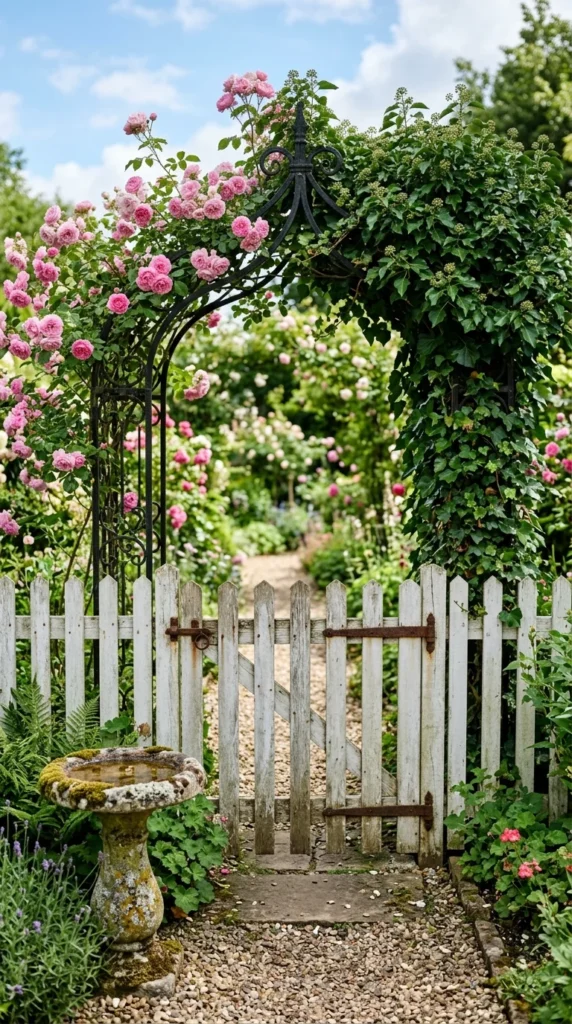
Hardscaping in a cottage garden should feel as though it has been there for decades. Avoid modern, polished materials like glass, chrome, or poured concrete. Instead, opt for natural materials that weather beautifully over time. Weathered brick, flagstone, gravel, and reclaimed wood are the staples of this style.
Fences and gates serve two purposes: they provide a structural “skeleton” for the garden and offer support for climbing plants. A classic white picket fence or a rustic wattle fence provides the perfect backdrop for colorful blooms to spill over. Arbors, obelisks, and trellises are essential for adding vertical interest, allowing you to grow clematis, honeysuckle, and climbing roses high above the ground, creating a three-dimensional floral experience.
4. Flora
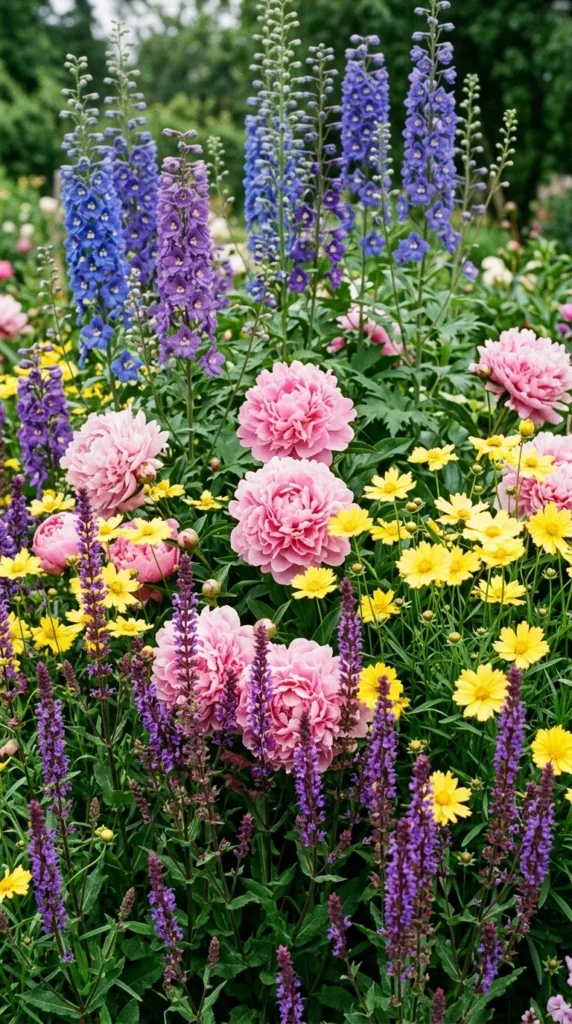
The heart of the cottage garden is the plants. To achieve the signature look, you must mix plant types with reckless abandon. Start with your “anchors”—long-lived perennials like peonies, delphiniums, and hardy geraniums. These form the permanent structure of your borders.
Layer in biennials like foxgloves and hollyhocks, which provide the soaring vertical height that cottage gardens are famous for. Fill the gaps with annuals like cosmos, zinnias, and sweet peas; these provide instant color and can be changed from year to year. Don’t forget the “spillers” like Alchemilla mollis (Lady’s Mantle) or bellflowers that soften the edges of your paths. The key is to plant closely so that as the plants mature, they knit together to form a seamless carpet of foliage and flower, leaving no room for weeds to take hold.
5. Aromatics
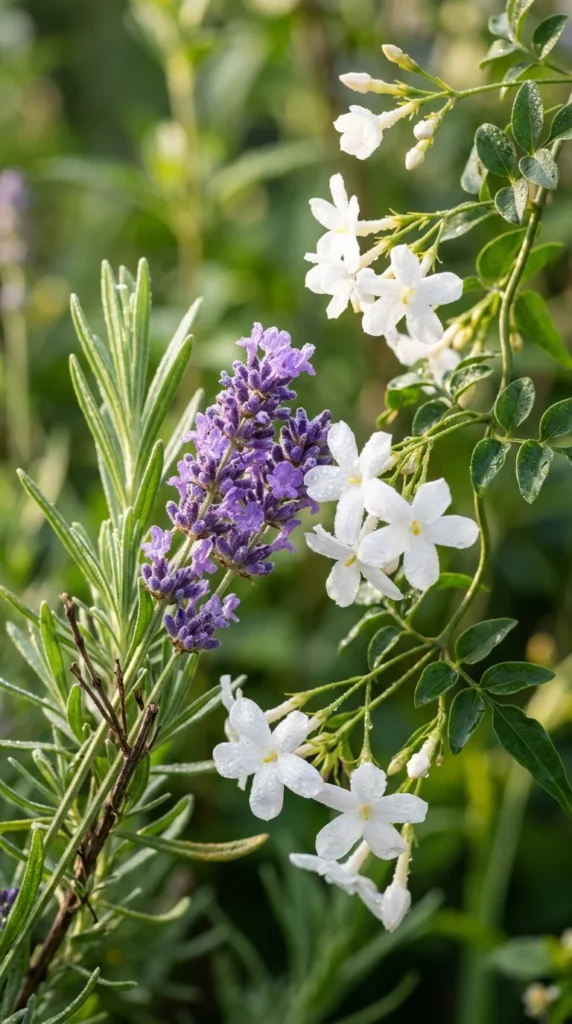
A true cottage garden is a sensory experience, and fragrance is just as important as visual beauty. When selecting plants, prioritize those that release scent at different times of the day. Planting aromatic herbs like rosemary, thyme, and lavender along the edges of paths allows their scent to be released whenever someone brushes against them.
For evening enjoyment, include “moonlight” plants like jasmine, honeysuckle, or evening primrose, which release their intoxicating perfumes as the sun goes down. Lilacs and mock orange shrubs can provide a powerful scent in late spring, while scented-leaf geraniums and roses offer variety throughout the summer. By layering scents, you create a garden that feels alive and immersive.
6. Biodiversity
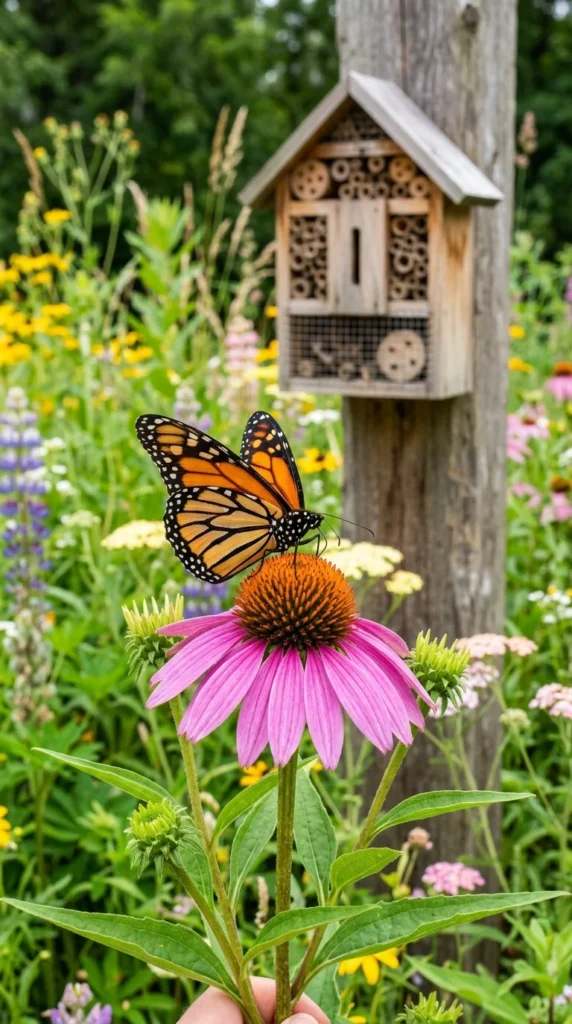
Cottage gardens are naturally eco-friendly because they mimic a meadow’s diversity. To make your garden truly beautiful, you should invite the local wildlife to share it. Choose a variety of flower shapes—tubular flowers for hummingbirds, flat-topped flowers like yarrow for hoverflies, and open-faced daisies for bees.
Avoid using chemical pesticides or herbicides, as these kill the beneficial insects that help manage pests naturally. Incorporate a small water feature, such as a stone basin or a tiny pond, to provide a drinking spot for birds and dragonflies. By fostering biodiversity, your garden becomes a self-sustaining ecosystem where ladybugs eat aphids and birds keep caterpillar populations in check, reducing the amount of work you have to do.
7. Maintenance
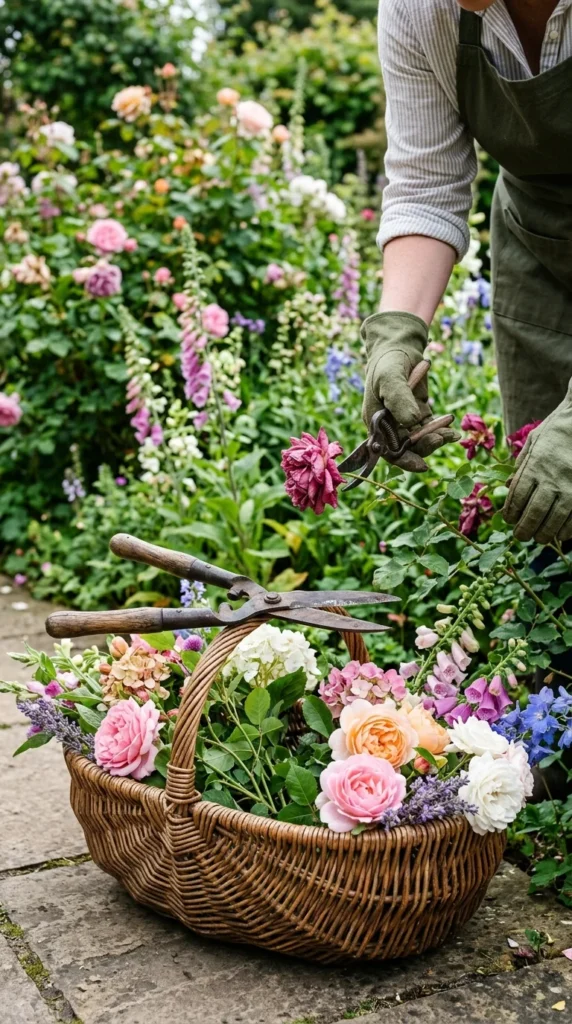
While the cottage garden looks effortless, it does require a specific type of maintenance known as “editing.” Because plants are grown so closely together, you must occasionally step in to ensure one plant doesn’t overwhelm its neighbors. Deadheading—the process of removing spent flowers—is the most frequent task. This prevents the plant from putting energy into seed production and encourages it to produce more blooms.
In the autumn, resist the urge to clear everything away. Leave seed heads for the birds and hollow stalks for overwintering insects. Every few years, you may need to lift and divide large clumps of perennials to maintain their vigor. The beauty of the cottage garden is that it is never “finished”; it is a living, breathing entity that evolves with you, rewarding your efforts with a spectacular show of resilience and grace.