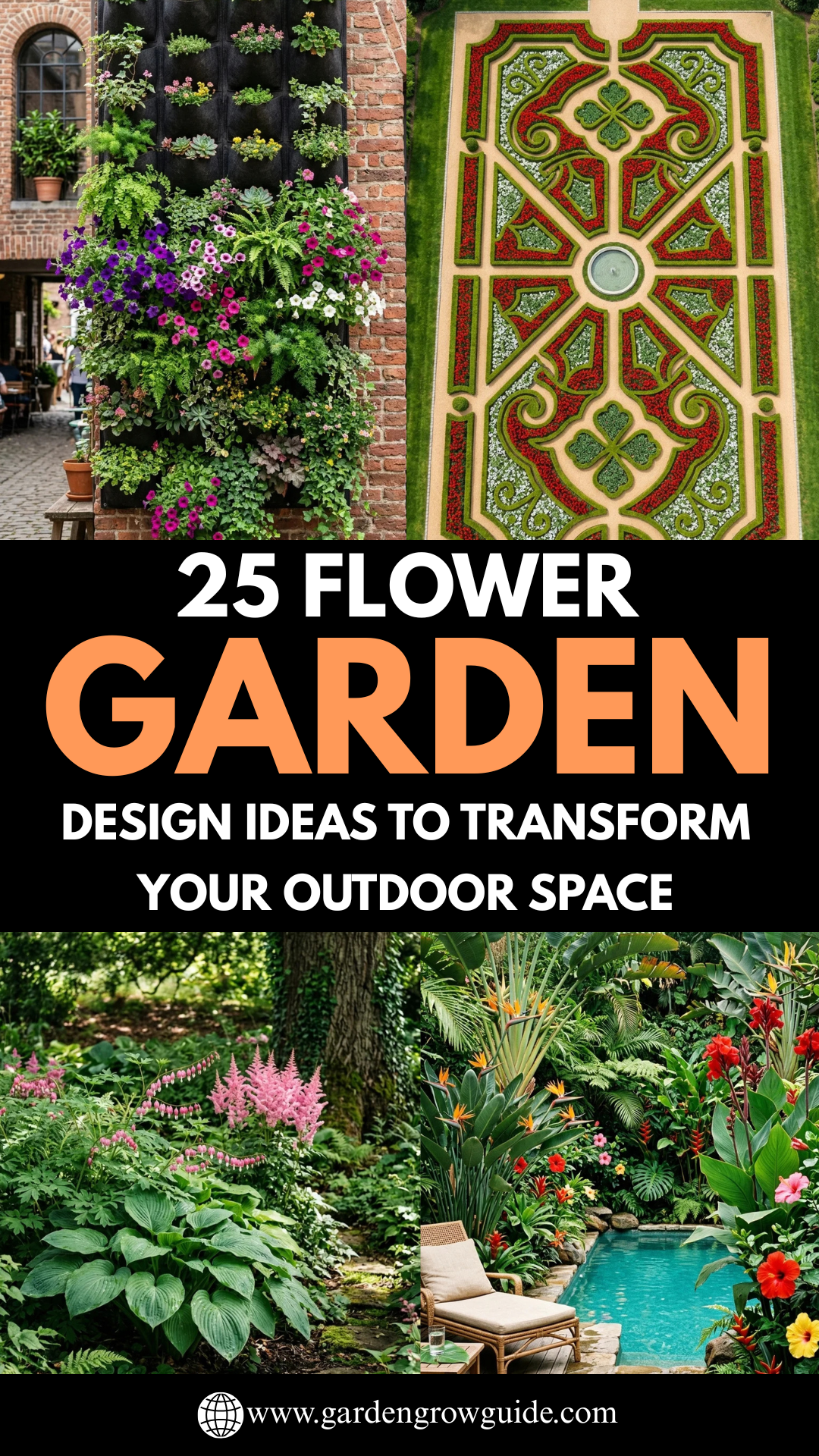
Creating a flower garden is more than just a hobby; it is an act of artistry that turns a patch of soil into a living canvas. Whether you have a sprawling backyard or a compact urban balcony, the right design can elevate your home’s aesthetic, boost your mood, and provide a vital sanctuary for local wildlife. From the structured elegance of formal estates to the whimsical chaos of a cottage garden, these 25 design ideas will help you reimagine your outdoor space.
1. Cottage Style
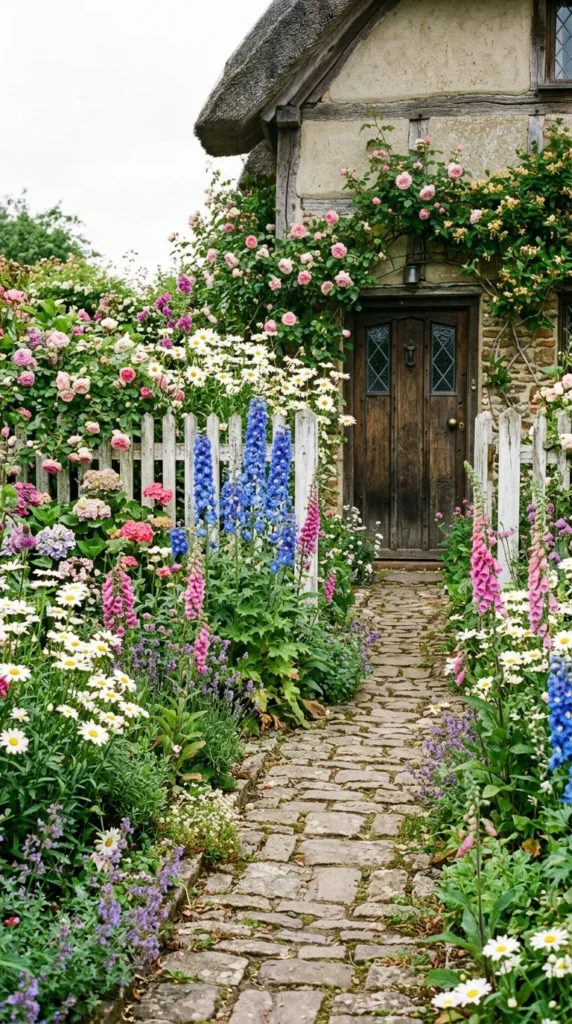
The quintessential cottage garden is defined by its informal, dense planting and a mix of ornamental and edible plants. Instead of neat rows, flowers are allowed to spill over paths and intermingle. Focus on traditional favorites like hollyhocks, peonies, and lavender to create a nostalgic, romantic atmosphere that feels effortless yet lush.
2. Wildflower Meadow
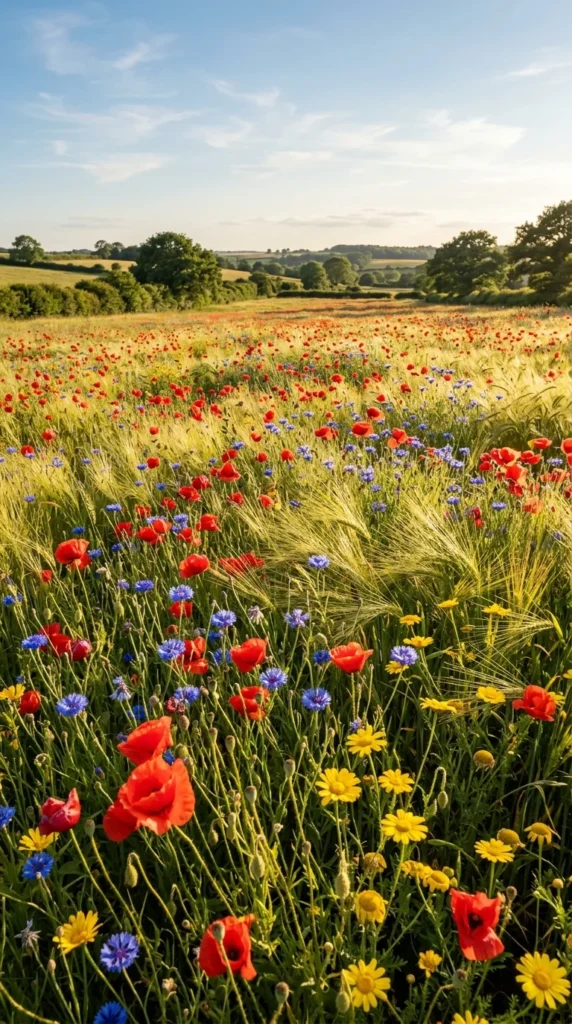
For those seeking a low-maintenance and eco-friendly option, a wildflower meadow is the perfect solution. This design mimics nature by using native species that thrive with minimal intervention. It provides a massive boost to local biodiversity, attracting butterflies, bees, and birds while creating a soft, ethereal landscape that changes beautifully with the seasons.
3. Modern Minimalist
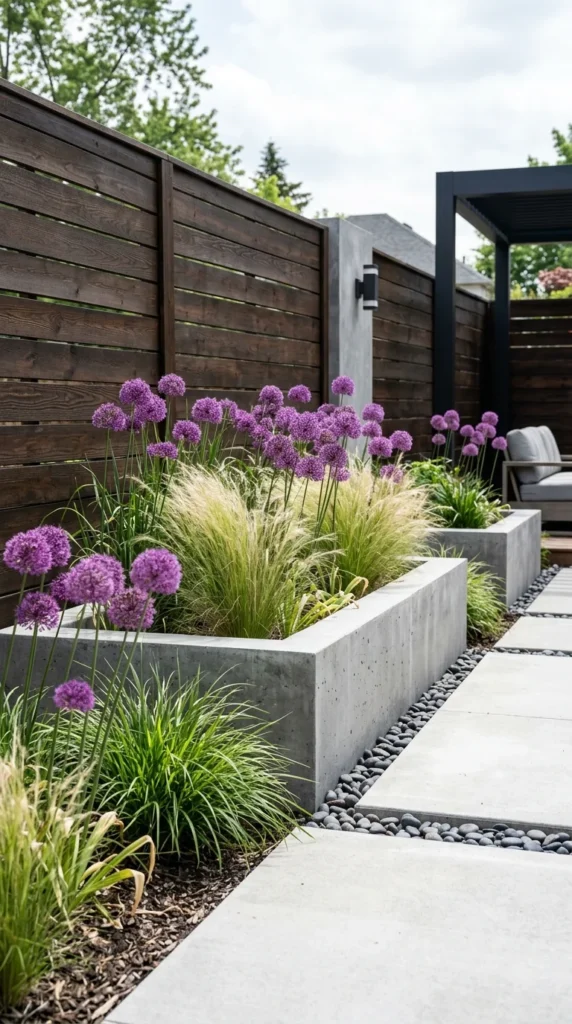
Modern design focuses on “less is more.” Use structural plants with strong shapes, such as agave or tall Alliums, and stick to a restrained color palette. Incorporating hardscaping elements like smooth gravel, slate, or geometric concrete planters helps emphasize the form of the flowers rather than their sheer volume.
4. Vertical Garden
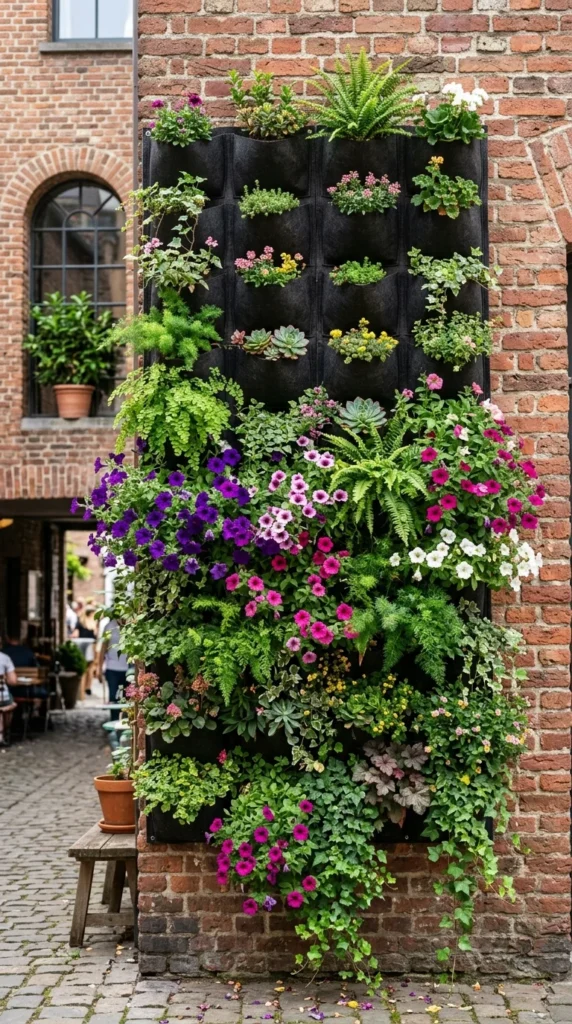
When ground space is limited, look upward. Vertical gardens utilize walls, fences, or specialized trellises to display flowers. Using “living wall” modules or simple hanging tiers allows you to grow a variety of species, such as cascading lobelia or climbing clematis, transforming a blank wall into a masterpiece of texture and color.
5. Container Clusters
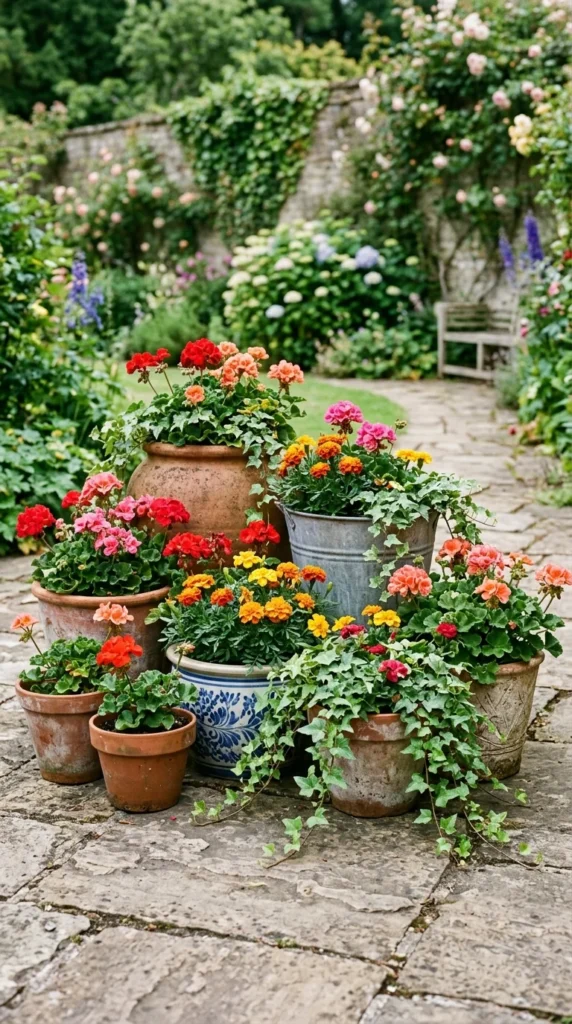
Container gardening offers ultimate flexibility. By grouping pots of different sizes, shapes, and materials, you can create a dynamic focal point that is easy to rearrange. This method is ideal for renters or those with paved courtyards, allowing for high-impact floral displays without the need for digging.
6. Pollinator Haven
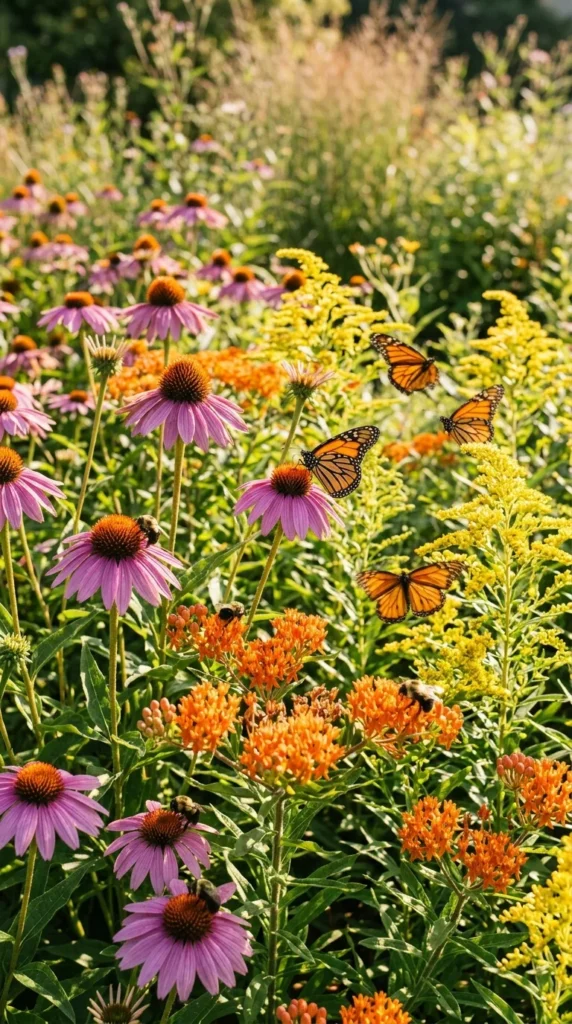
Design with a purpose by selecting plants that provide nectar and pollen. Species like zinnias, buddleia (butterfly bush), and milkweed are essential for supporting declining insect populations. A pollinator garden not only looks vibrant but also creates a buzzing, lively ecosystem right outside your window.
7. Monochromatic Border
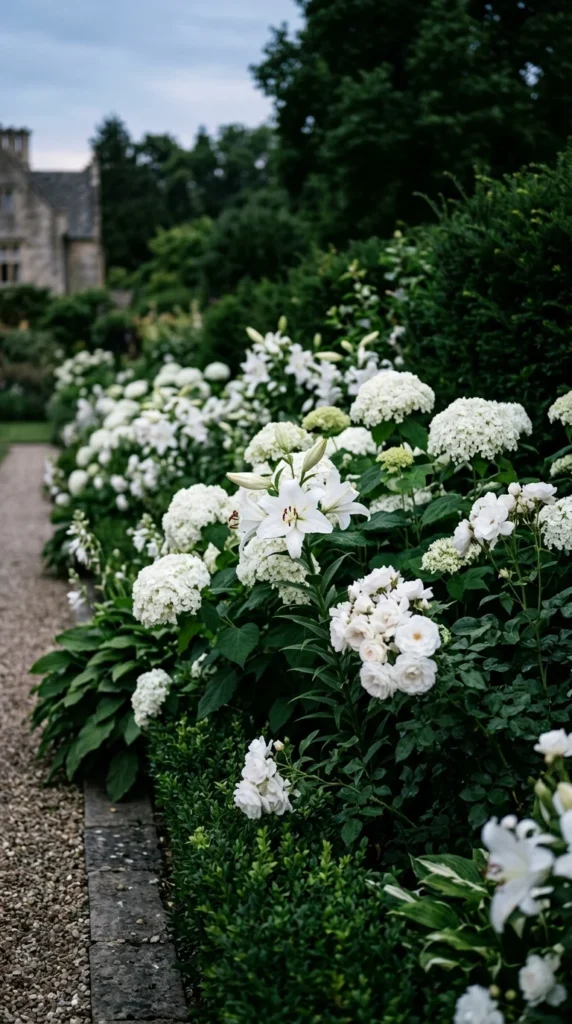
A monochromatic garden uses different shades and textures of a single color to create a sophisticated and cohesive look. A “White Garden” (popularized by Sissinghurst) feels cool and elegant, while an all-red or all-yellow border can feel energetic and bold. The key is to vary the heights and leaf shapes to maintain visual interest.
8. English Rose Garden
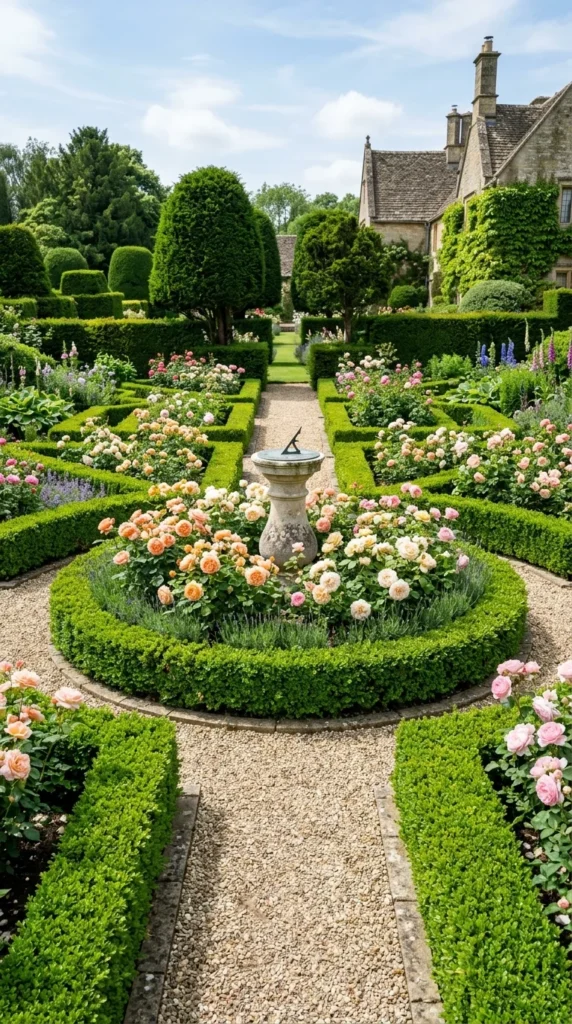
The rose garden is a timeless classic. Designating a specific area for various rose varieties—climbing, shrub, and tea roses—creates a sensory experience defined by heady scents and exquisite petals. Incorporating structures like obelisks or arches allows climbing roses to provide vertical interest and architectural height.
9. Rock Garden
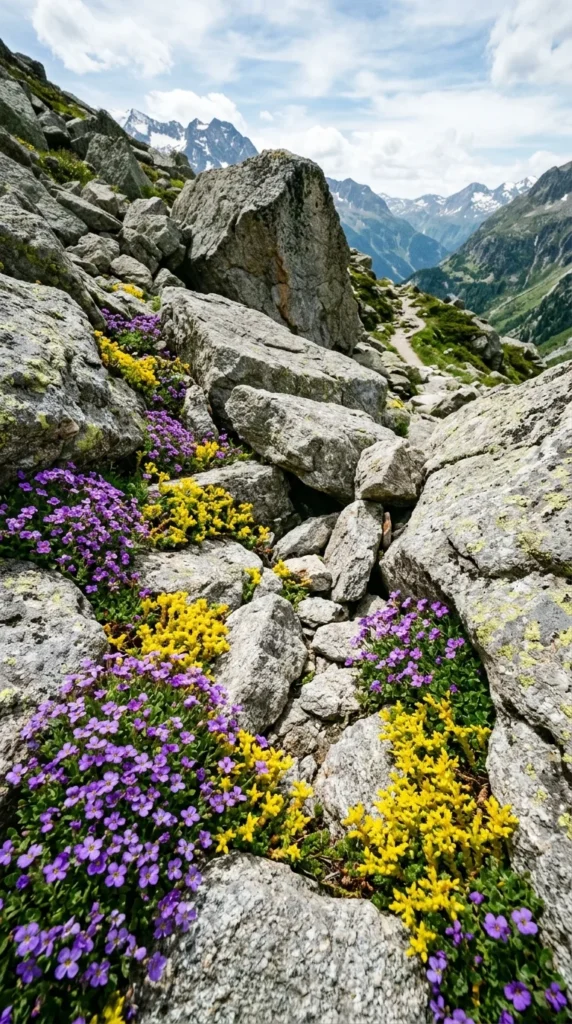
Inspired by high-altitude landscapes, rock gardens use stones to create drainage and microclimates for specialized plants. Alpine flowers, succulents, and low-growing herbs thrive in these conditions. This design is perfect for sloped yards or areas with poor soil, offering a rugged, naturalistic beauty.
10. Shade Sanctuary
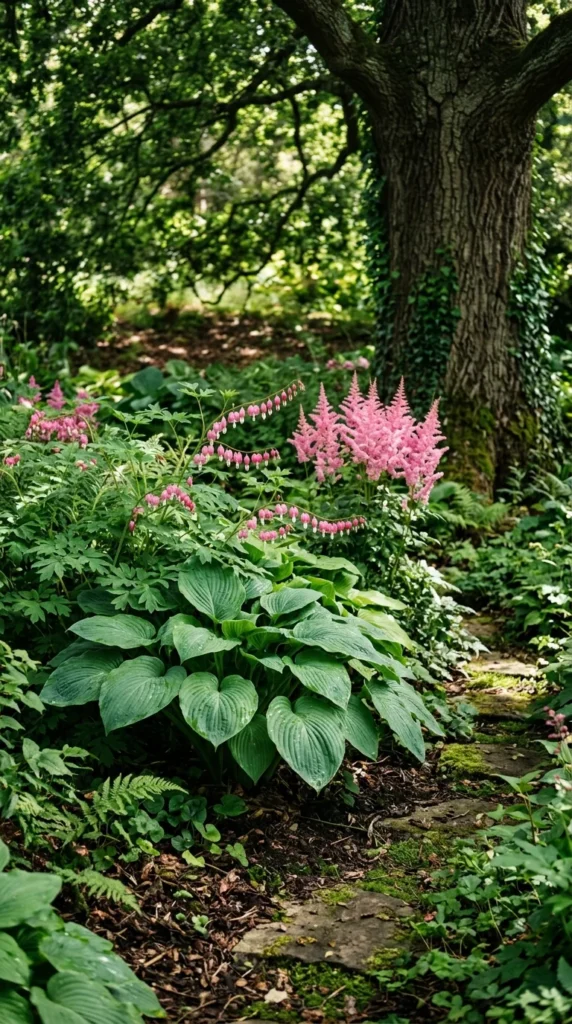
Shadowy areas don’t have to be bare. A shade garden utilizes plants that thrive in low light, focusing on leaf texture and subtle blooms. Hostas, ferns, and hellebores provide a lush, woodland feel that remains cool and inviting during the heat of summer.
11. Cutting Garden
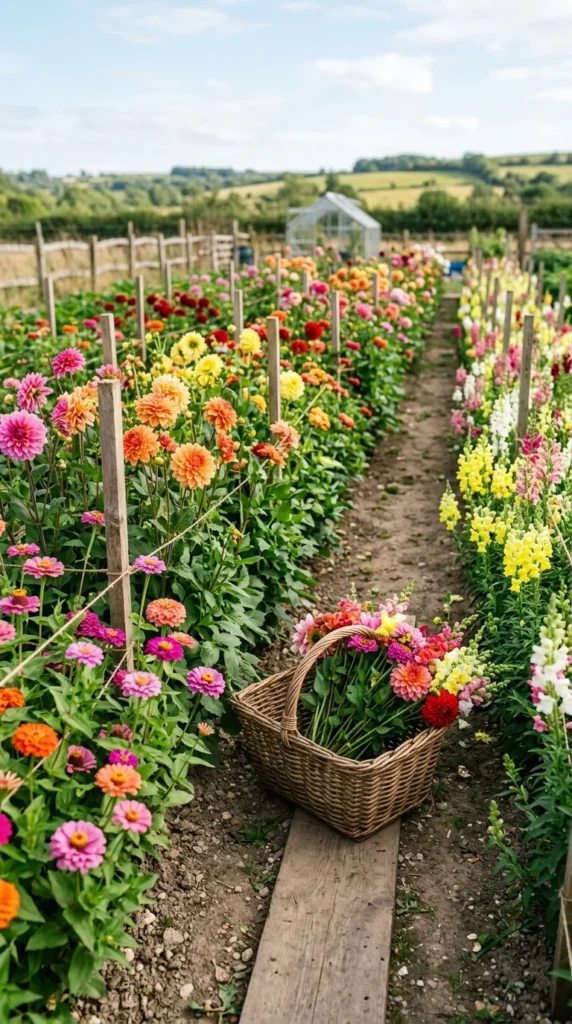
If you love having fresh flowers in your home, dedicate a portion of your garden specifically for harvesting. A cutting garden is usually arranged in rows for easy access and focuses on high-yield, long-stemmed varieties. This allows you to pick bouquets frequently without ruining the aesthetic of your main ornamental beds.
12. Formal Parterre
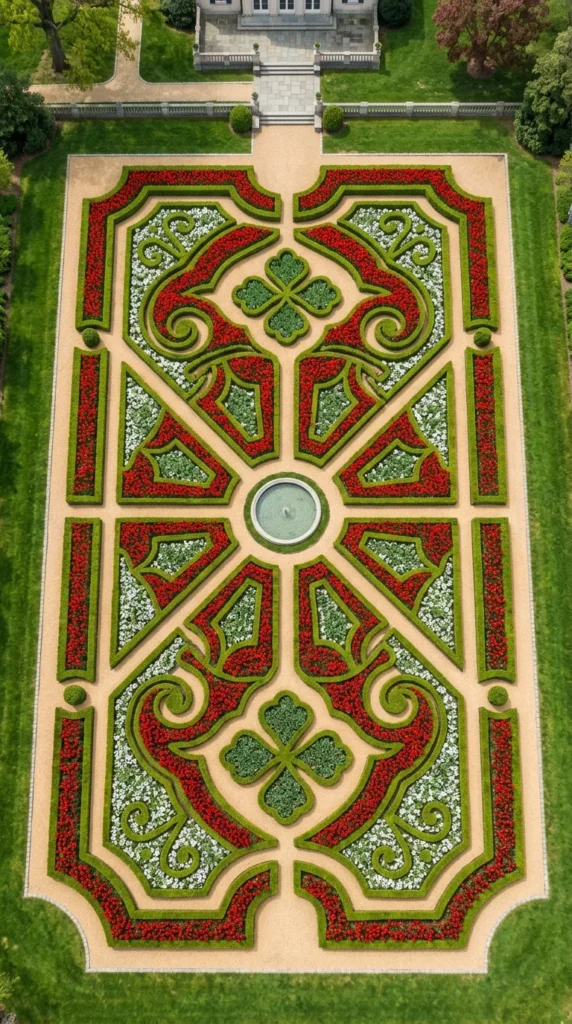
Drawing inspiration from French and Italian Renaissance gardens, a parterre uses symmetrical patterns and clipped hedging to create a highly structured environment. This design is perfect for front yards where you want to project a sense of order and classical elegance.
13. Tropical Oasis
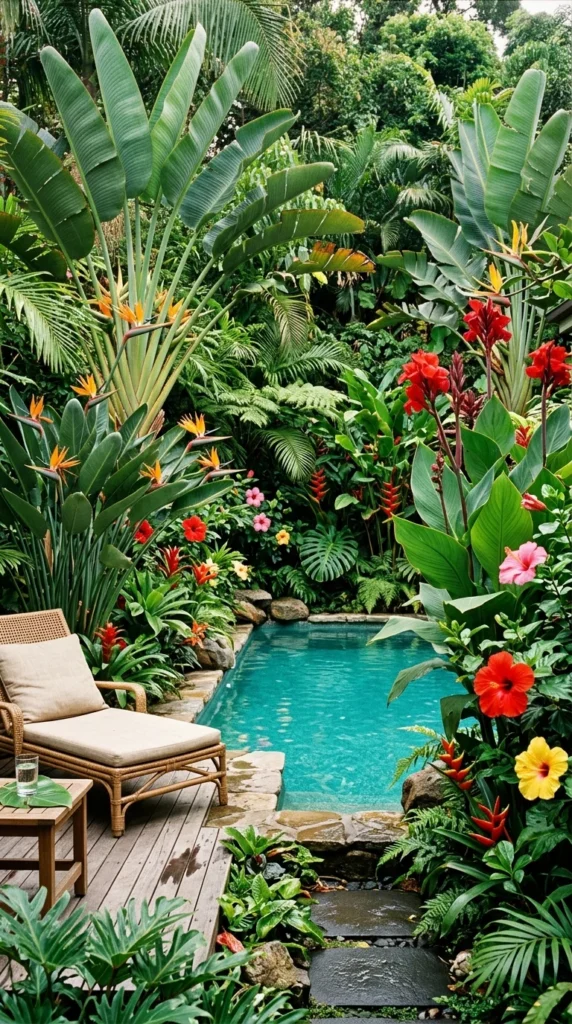
You don’t need to live in the tropics to enjoy a lush, exotic look. By using “tropical look-alikes” or tender perennials that are moved indoors for winter, you can create a high-drama garden. Focus on large leaves, bold colors (oranges, hot pinks, bright yellows), and dense layering to achieve a jungle aesthetic.
14. Drought-Tolerant Xeriscape
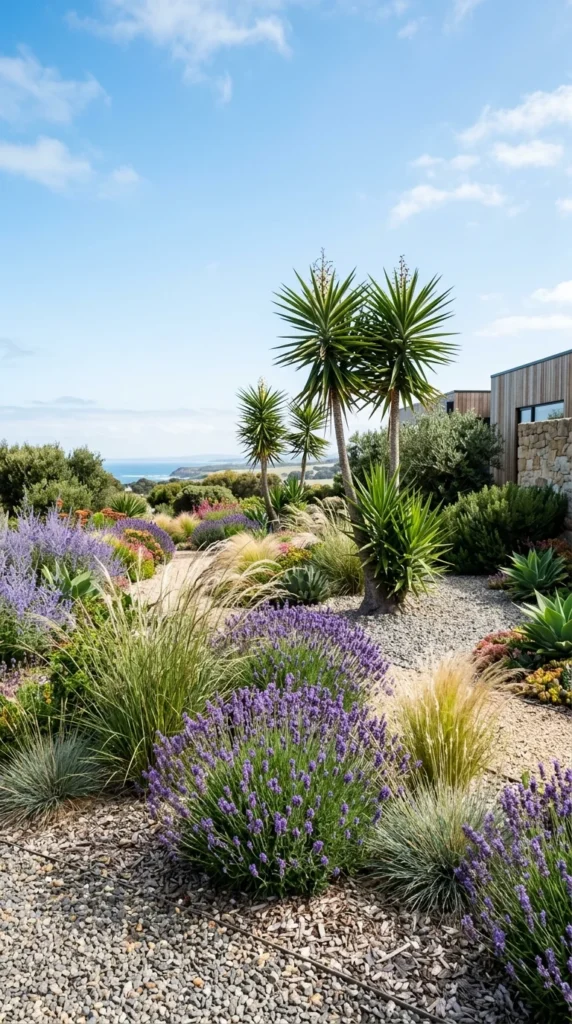
In arid climates or for those looking to conserve water, xeriscaping is a beautiful and responsible choice. This design relies on succulents, Mediterranean herbs, and native drought-resistant flowers. When paired with decorative gravel and boulders, it creates a clean, textured look that requires very little irrigation.
15. Moon Garden
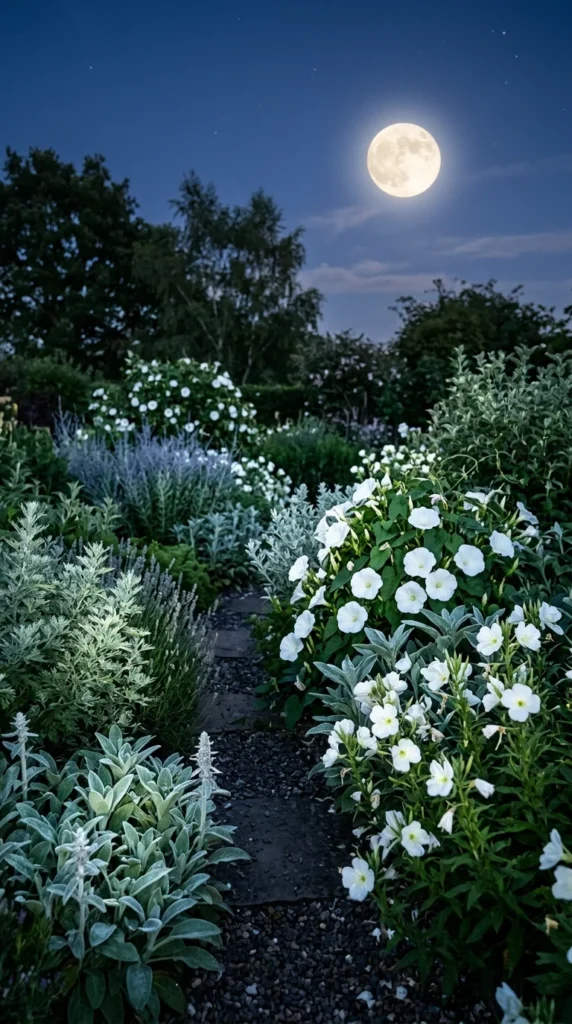
A moon garden is designed to be enjoyed at night. It features white or pale yellow flowers that reflect moonlight and plants with silver foliage (like Lamb’s Ear or Artemisia). Many of these plants, such as Jasmine or Nicotiana, release their strongest scents after the sun goes down, creating a magical evening retreat.
16. Raised Beds
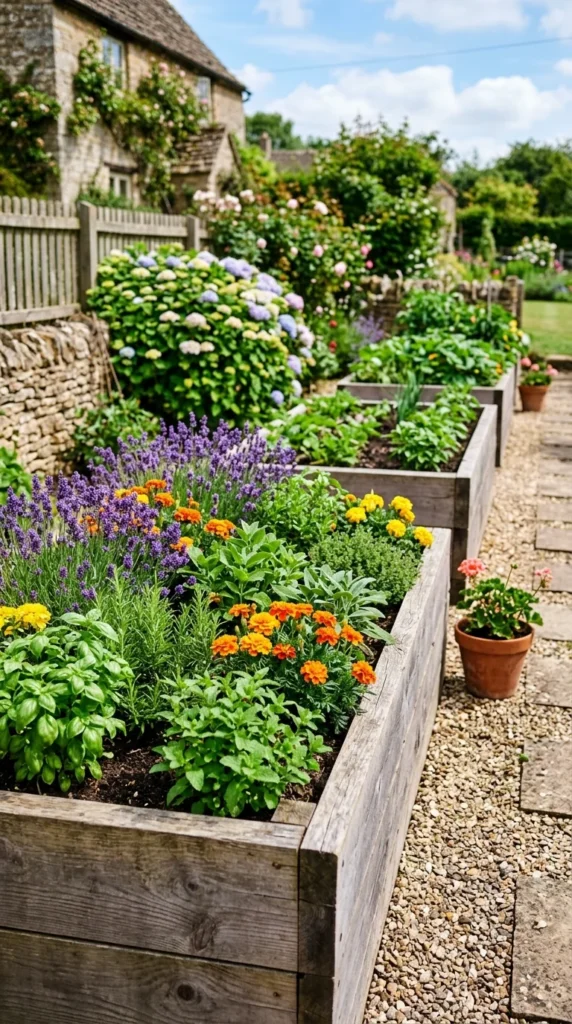
Raised beds are excellent for organizing a flower garden, especially if your native soil is of poor quality. They provide better drainage, warm up faster in the spring, and are easier on the back for planting and weeding. They also add a structured, tidy look to any backyard layout.
17. Window Boxes
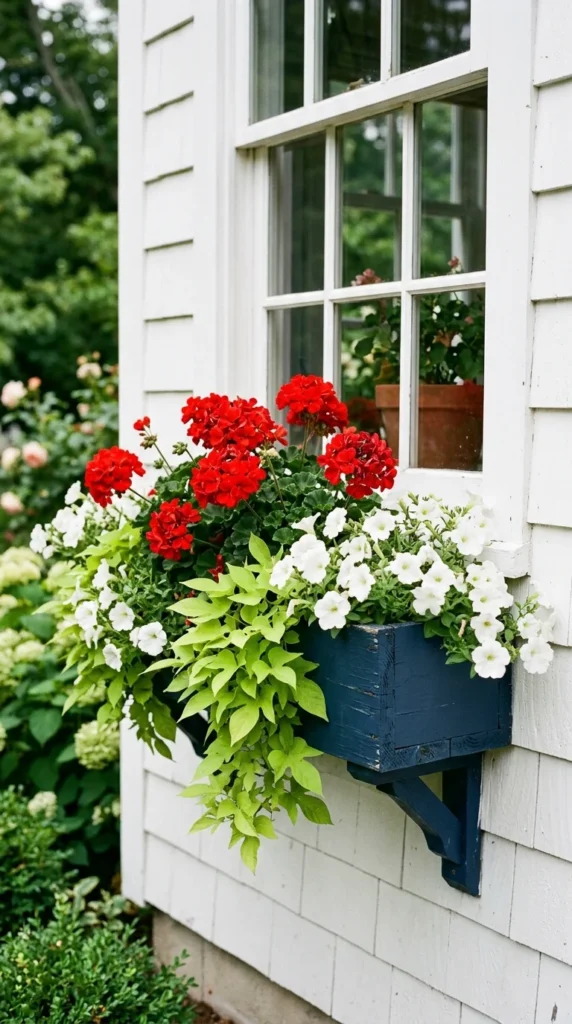
Window boxes bring the garden right up to your home’s architecture. They add curb appeal and allow you to enjoy flowers from both inside and outside the house. The key to a great window box is the “thriller, filler, and spiller” method: a tall plant for height, mounded plants to fill space, and trailing plants to hang over the edge.
18. Tiered Terracing
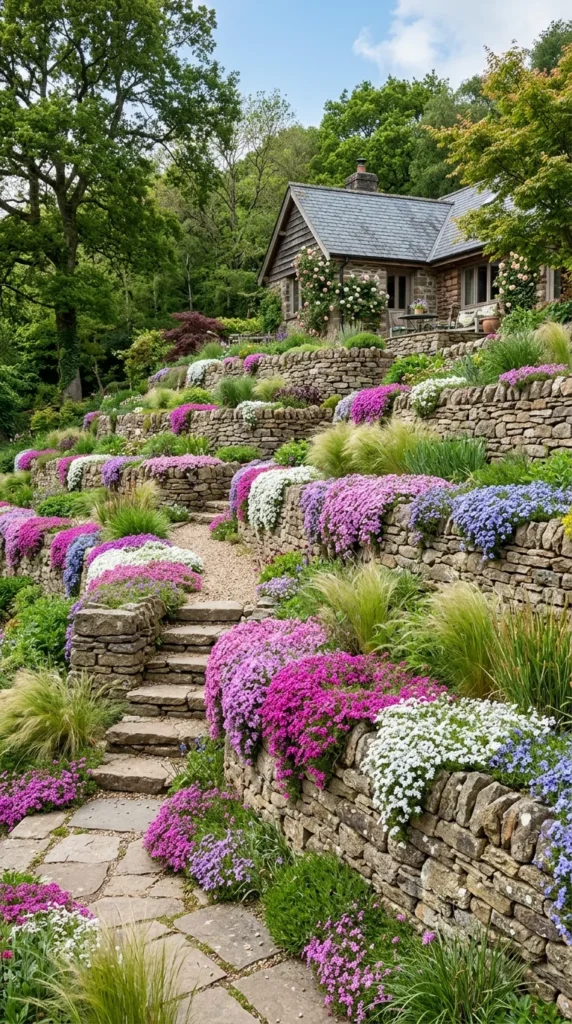
If your yard is on a hill, terracing is a functional and stunning design choice. By creating “steps” with retaining walls, you prevent erosion and create multiple flat planting zones. Each tier can feature a different color theme or plant type, turning a difficult slope into a cascading floral waterfall.
19. Pathway Liners
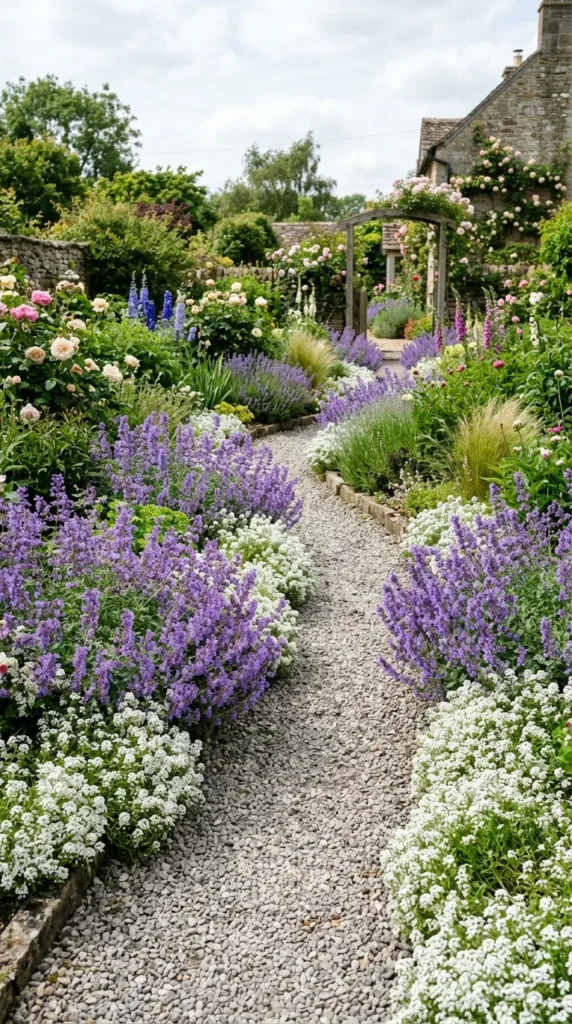
Flowers used as path liners serve to define walkways and soften the edges of hardscaping. Using fragrant plants like lavender or creeping thyme ensures that as you walk through the garden, your movement releases a pleasant aroma. This makes the simple act of moving through your yard a sensory experience.
20. Woodland Retreat
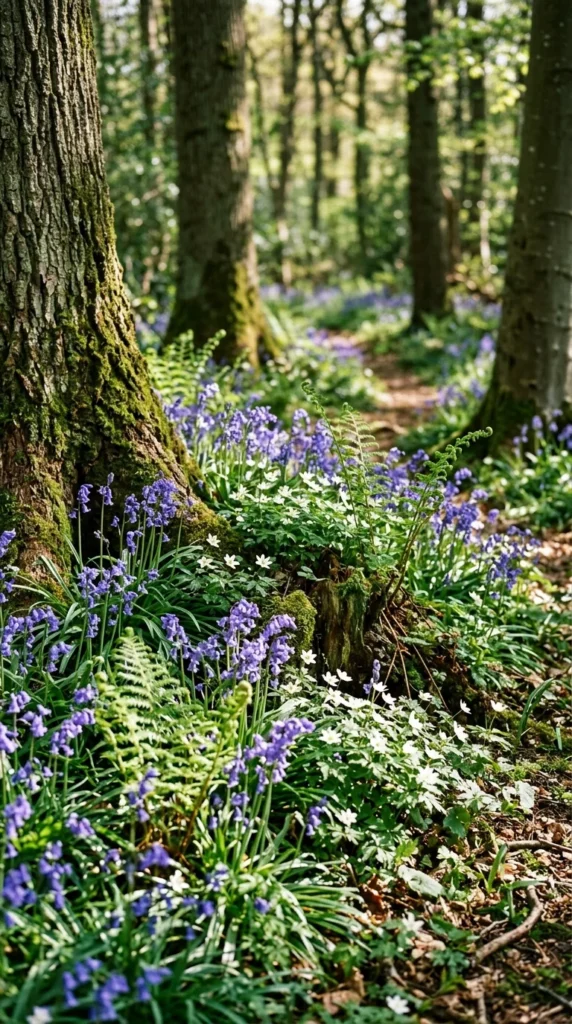
For properties with established trees, a woodland garden works with the natural canopy. It emphasizes soft, organic shapes and plants that prefer filtered light. Incorporating a simple log bench or a birdbath enhances the feeling of a quiet, natural sanctuary hidden away from the world.
21. Sensory Garden
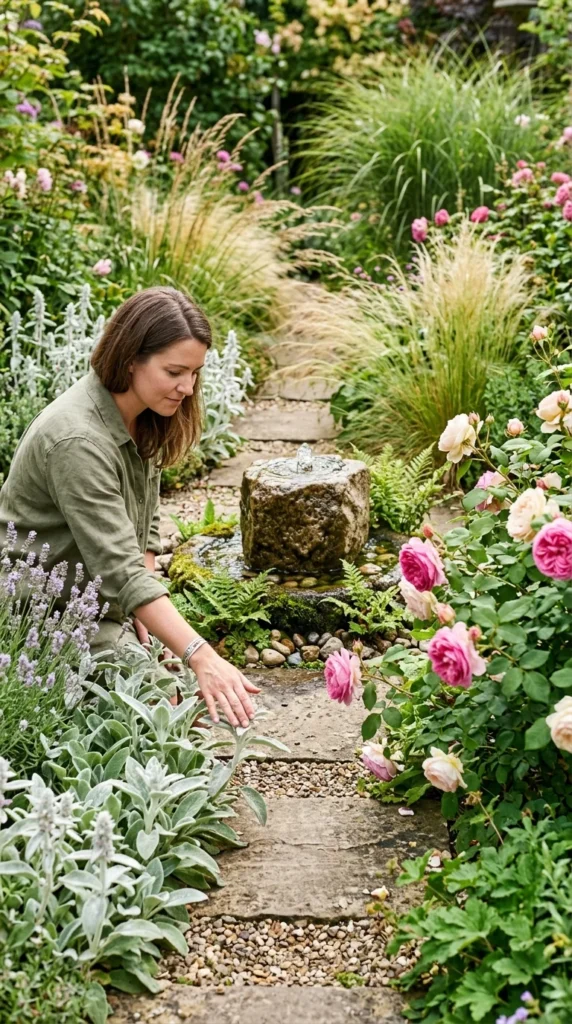
A sensory garden is designed to stimulate all five senses. Include plants with unique textures (soft leaves, papery seed pods), strong fragrances, edible flowers (like nasturtiums), and plants that make sound in the wind (like bamboo or grasses). This design is particularly engaging for children and therapeutic for adults.
22. Japanese Zen Garden
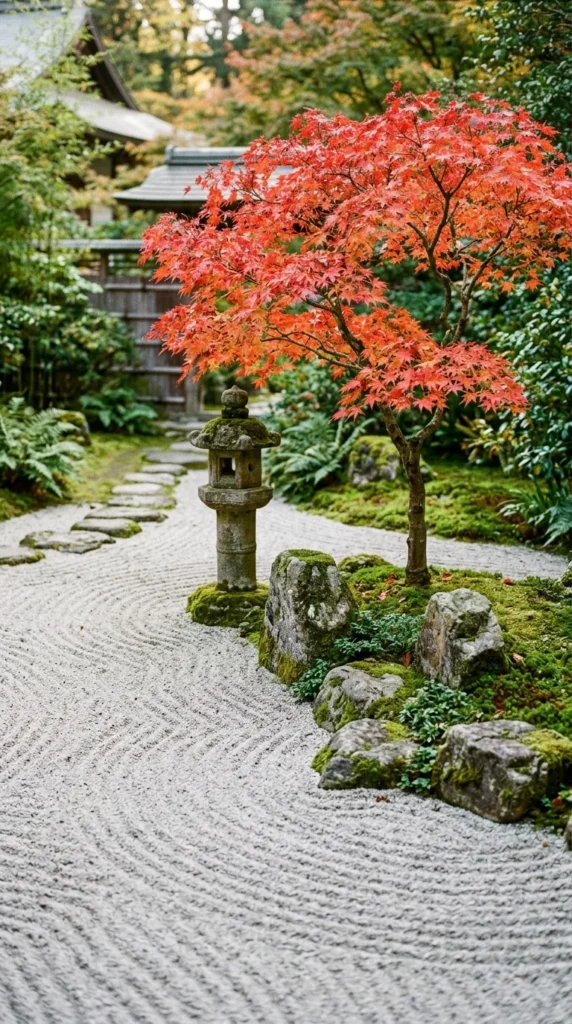
While traditional Zen gardens focus on rocks and sand, “Karesansui” styles often incorporate carefully pruned flowering shrubs like Azaleas or Camellias. The focus is on balance, tranquility, and the beauty of individual specimens rather than a riot of color. It is a space designed for meditation and reflection.
23. Romantic Pergola
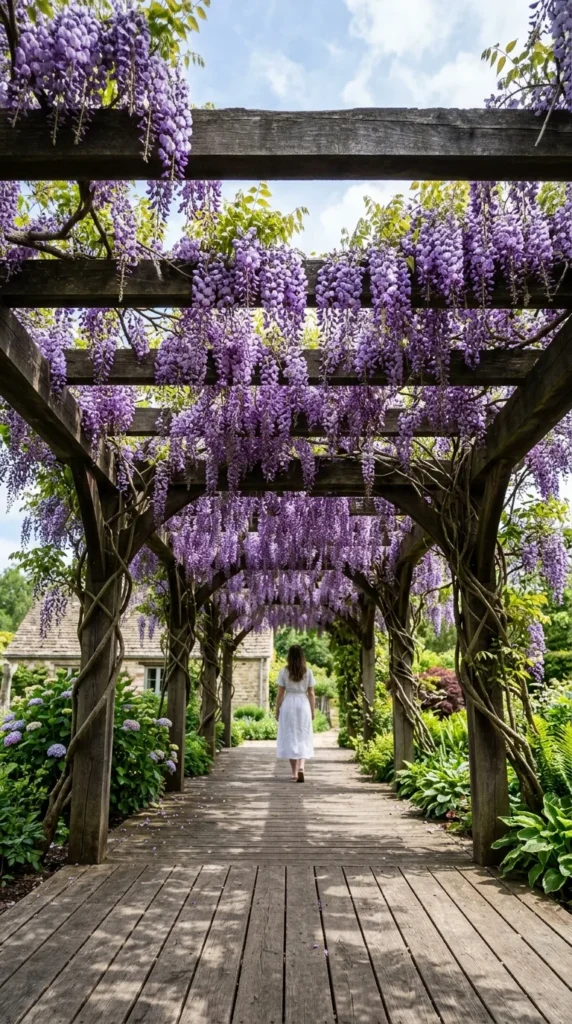
A pergola provides a structural skeleton for climbing flowers. Whether it’s wisteria, honeysuckle, or climbing hydrangea, these plants create a living ceiling that provides shade and fragrance. It turns an ordinary patio into an enchanting “outdoor room” perfect for dining and entertaining.
24. Coastal Drift
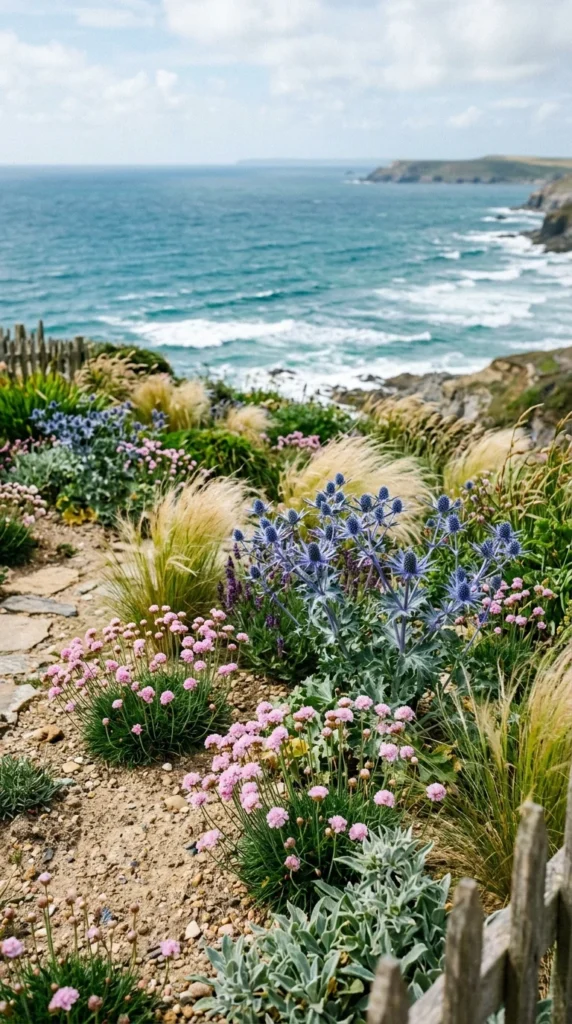
Coastal gardens must contend with salt spray and wind. Design with hardy, salt-tolerant plants that have a rugged beauty. Use materials like driftwood, weathered grey timber, and smooth sea stones to complement the seaside environment, creating a garden that feels like a natural extension of the beach.
25. Layered Perennials
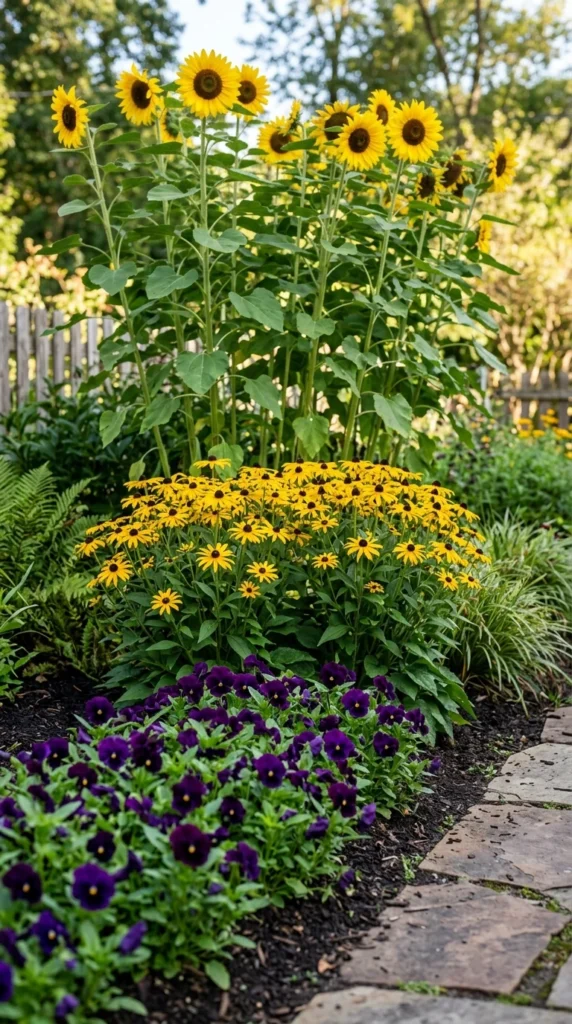
The most professional-looking gardens utilize “layering.” By placing the tallest plants at the back, mid-sized plants in the center, and low-growing “ground covers” at the front, you create a sense of depth and abundance. This ensures that every flower is visible and the garden feels full and lush from every angle.