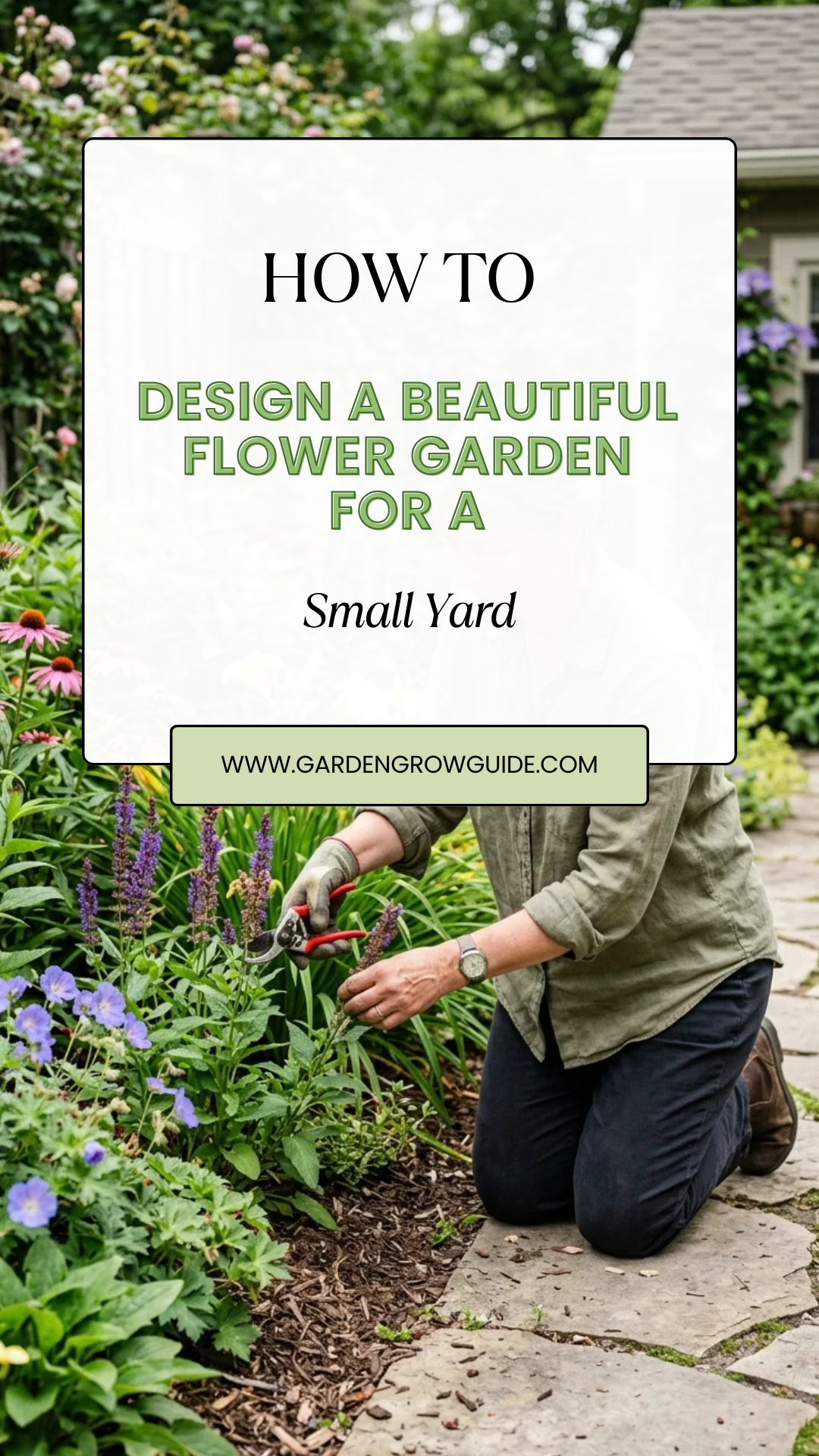
Creating a breathtaking flower garden does not require acres of land. In many ways, a small yard offers a unique advantage: it allows for a high level of detail, intimacy, and control that large estates often lack. With the right design principles, you can transform a cramped outdoor space into a lush, multi-dimensional sanctuary that feels expansive and inviting.
1. Verticality
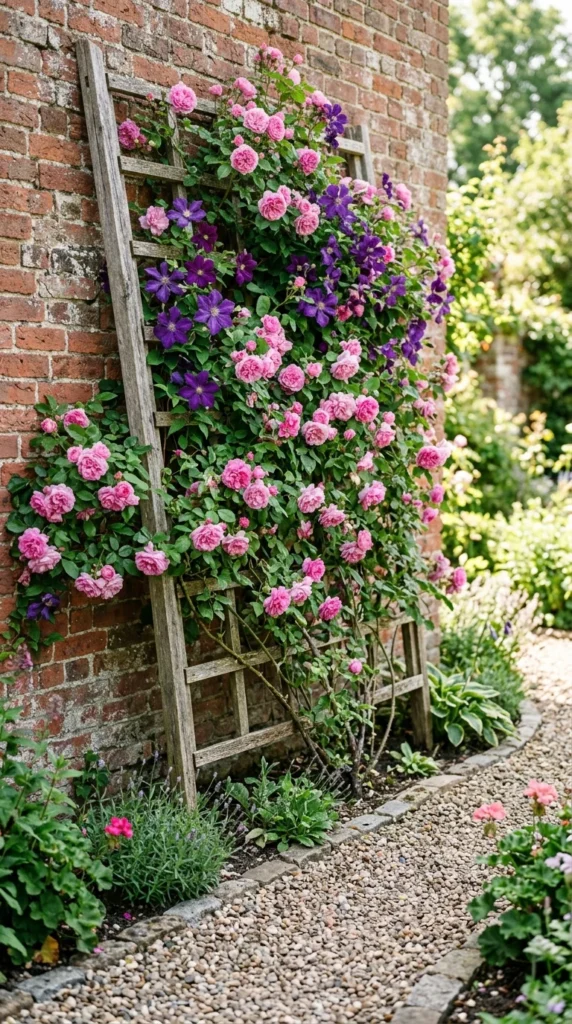
When horizontal square footage is limited, the only way to go is up. Vertical gardening is the secret weapon of the small-yard designer. By utilizing walls, fences, and freestanding structures, you can double or triple your planting area without encroaching on your walking space.
- Trellises and Arbors: These structures provide support for climbing plants like honeysuckle, jasmine, or morning glories. An arbor over a gate can create a sense of transition, making the garden feel like a separate world.
- Wall-Mounted Planters: Use modular vertical wall systems or simple hanging pockets to grow small flowering annuals or herbs.
- Hanging Baskets: Elevate your blooms to eye level. Cascading flowers like petunias, fuchsias, and lobelia add a layer of color above the ground, drawing the eye upward and making the space feel taller.
2. Layering
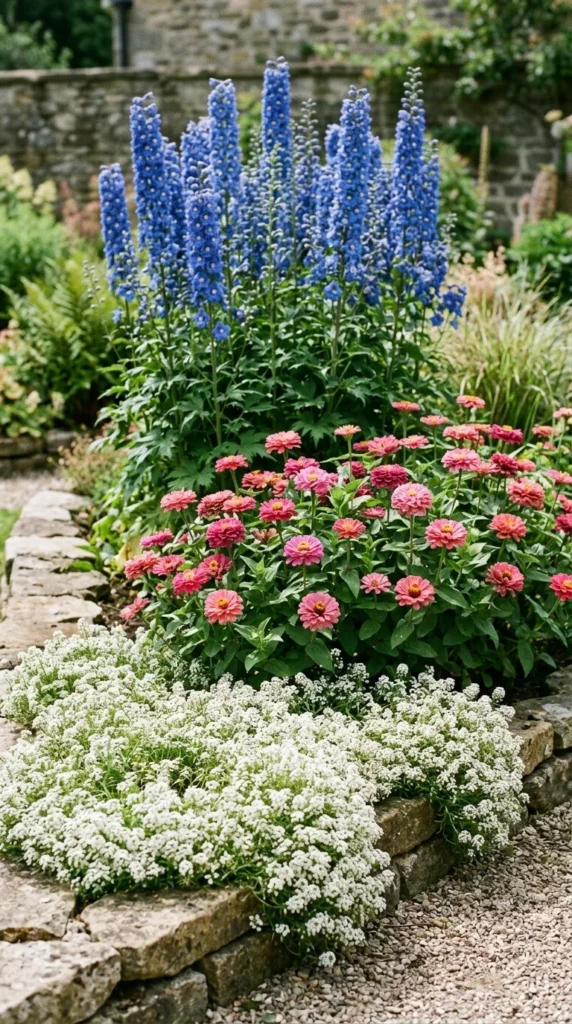
To prevent a small garden from looking flat and uninspired, you must master the art of layering. This technique involves arranging plants based on their mature height to create depth and a sense of abundance.
- The Background: Position your tallest plants, such as foxgloves, sunflowers, or tall ornamental grasses, against the perimeter. This creates a “green wall” that hides fences and provides a backdrop for smaller blooms.
- The Middle Ground: This is where the bulk of your color should reside. Choose medium-height perennials like coneflowers, black-eyed Susans, and salvia.
- The Foreground: Use low-growing “creepers” or edging plants to soften the borders of your garden beds. Sweet alyssum, creeping phlox, and pansies are excellent choices for filling in gaps and spilling over onto pathways.
3. Color
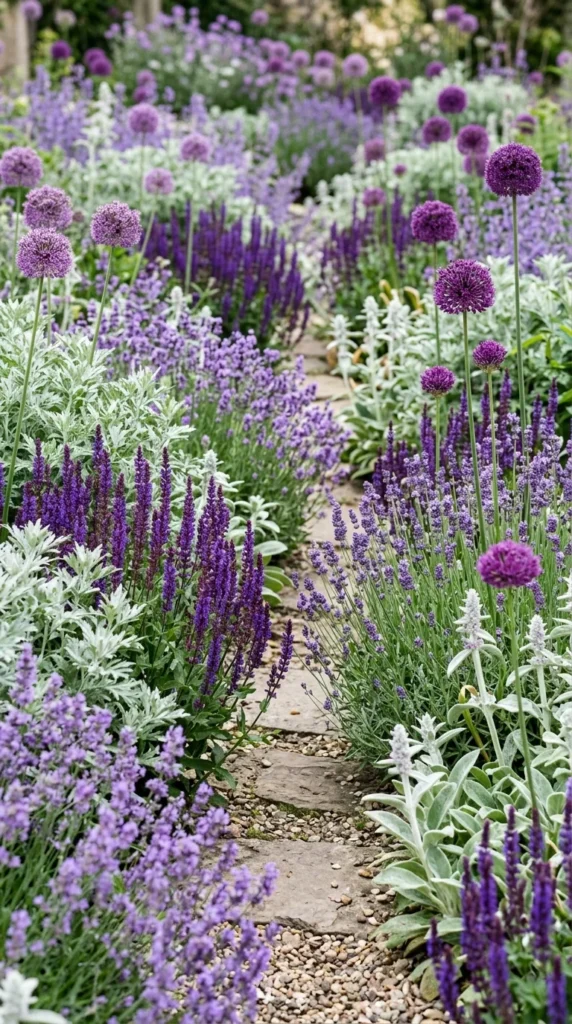
Color choice is critical in small spaces because it dictates the visual “weight” of the garden. While a riot of every color can be charming, it can also make a small space feel cluttered and chaotic.
- Cool Tones for Distance: Blue, purple, and soft green flowers tend to recede from the eye. Using these colors at the far end of a small yard can create an optical illusion of more depth.
- Warm Tones for Impact: Red, orange, and yellow flowers “advance” toward the eye. Use these sparingly as focal points or near the entrance of the garden to create a warm, welcoming vibe.
- Monochromatic Schemes: Designing a garden around a single color—such as an “all-white” moon garden—can provide a sophisticated, cohesive look that makes the space feel larger and more organized.
4. Containers
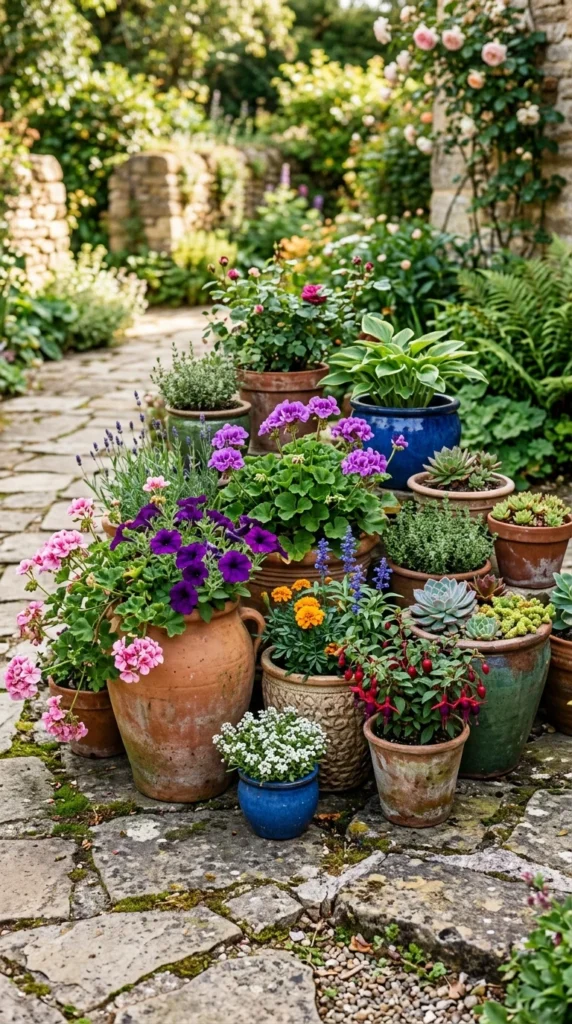
Containers are the ultimate flexible tool for small-space gardening. They allow you to grow plants that might not thrive in your native soil and enable you to rearrange your garden whenever you desire a change of scenery.
- Varying Heights: Use pot feet, bricks, or small pedestals to vary the height of your containers. This mimics the layering found in traditional garden beds.
- The Thriller, Filler, Spiller Method: In each large pot, include one tall “thriller” (like a canna lily), several “fillers” (like geraniums), and one “spiller” (like sweet potato vine) to create a professional-looking arrangement.
- Mobility: Choose pots with wheels or lightweight resin materials if you need to move plants to follow the sun throughout the day.
5. Focus
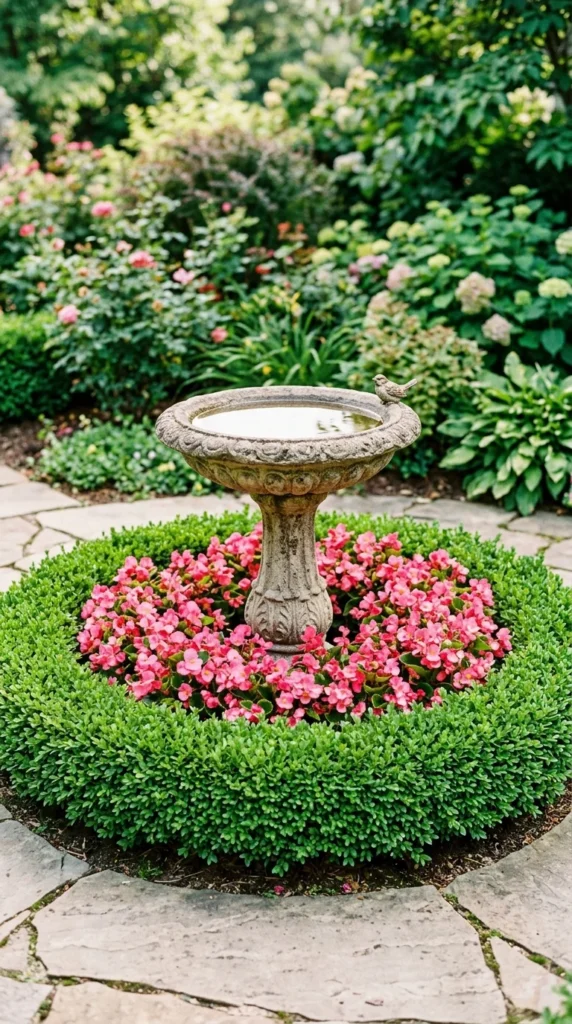
Every garden needs a focal point—a single element that captures the viewer’s attention and gives the eye a place to rest. In a small yard, a focal point prevents the space from feeling like a jumbled collection of plants.
- Statuary and Art: A small stone sculpture, a decorative birdbath, or even a brightly painted bench can serve as a centerpiece.
- Specimen Plants: A single, striking plant—such as a Japanese Maple with its intricate leaves or a large, blooming hydrangea—can act as the star of the show.
- Water Features: A small, bubbling fountain adds sound and movement, which can distract from nearby neighborhood noise and create a peaceful atmosphere.
6. Paths
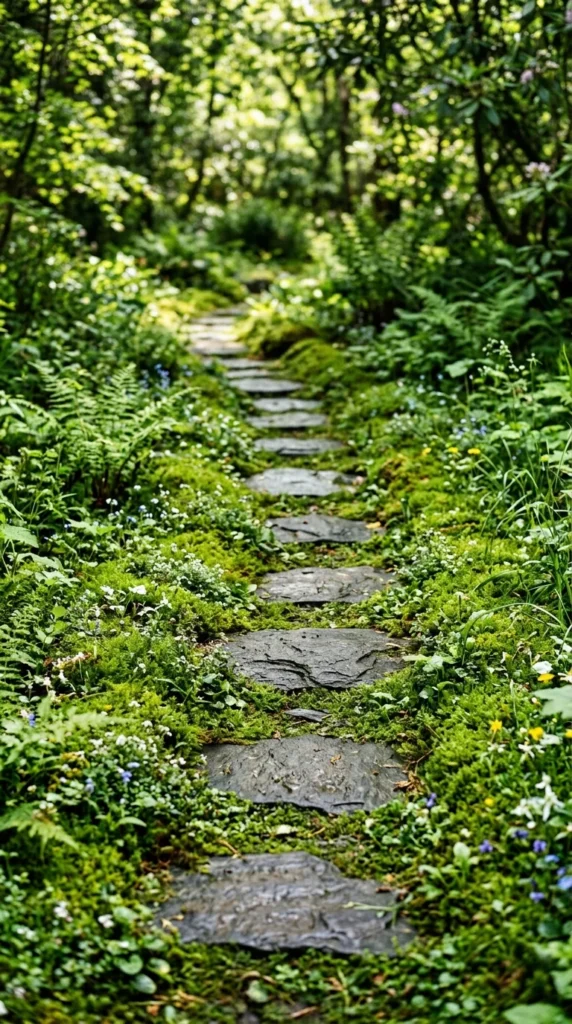
It may seem counterintuitive to take up precious planting space with a walkway, but a well-designed path is essential for a small garden. Paths define the “rooms” of your yard and invite exploration.
- Curved Lines: Avoid straight lines, which can make a small yard feel like a box. A gently curving path suggests that there is more to see around the bend, adding a sense of mystery and depth.
- Material Choice: Use materials that complement your home’s architecture. Flagstone, pea gravel, or even reclaimed bricks can add texture and character.
- Plants Between Stones: Fill the gaps between stepping stones with “steppable” plants like woolly thyme or Irish moss. This softens the hardscaping and integrates the path into the garden.
7. Seasons
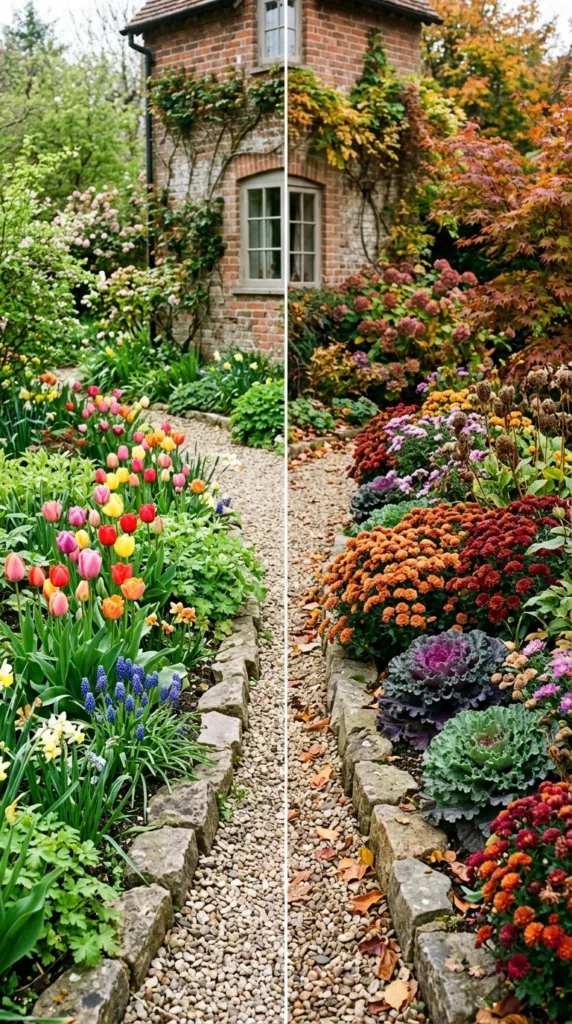
One of the biggest mistakes in small-yard design is choosing plants that only bloom at the same time. To keep your garden beautiful year-round, you must plan for seasonal succession.
- Spring Bulbs: Plant tulips, daffodils, and crocuses in the fall. These will provide the first burst of color when the ground thaws.
- Summer Stars: This is the peak season for most perennials and annuals. Focus on heat-tolerant varieties that will stay vibrant through July and August.
- Autumn Interest: As summer blooms fade, rely on asters, chrysanthemums, and plants with interesting seed heads or foliage changes.
- Winter Structure: Don’t forget about the “bones” of the garden. Evergreens, boxwoods, and woody shrubs provide shape and greenery even when the flowers are gone.
8. Maintenance
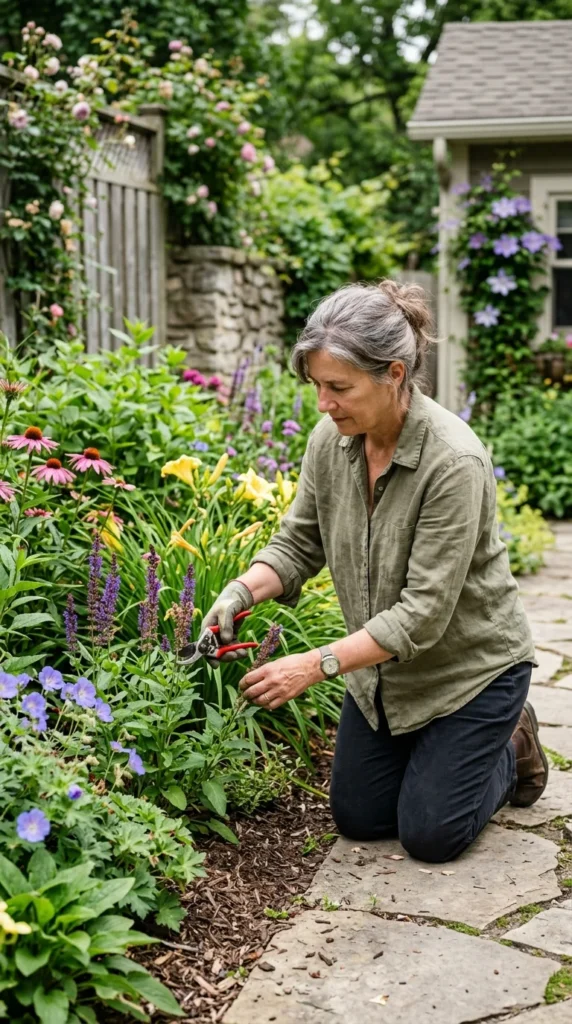
In a small garden, every weed and dead leaf is visible. High-impact design requires consistent, albeit manageable, maintenance.
- Deadheading: Regularly removing spent blooms encourages the plant to produce more flowers rather than putting energy into seed production.
- Mulching: A thick layer of organic mulch (like shredded bark) keeps weeds down, retains moisture, and gives the garden a finished, professional look.
- Pruning: Keep fast-growing plants in check so they don’t overwhelm their neighbors. In a small space, “thuggish” plants can quickly take over and ruin the intended design.
- Soil Health: Because the planting area is limited, the soil works harder. Amend your beds annually with compost to ensure your flowers have the nutrients they need to reach their full potential.