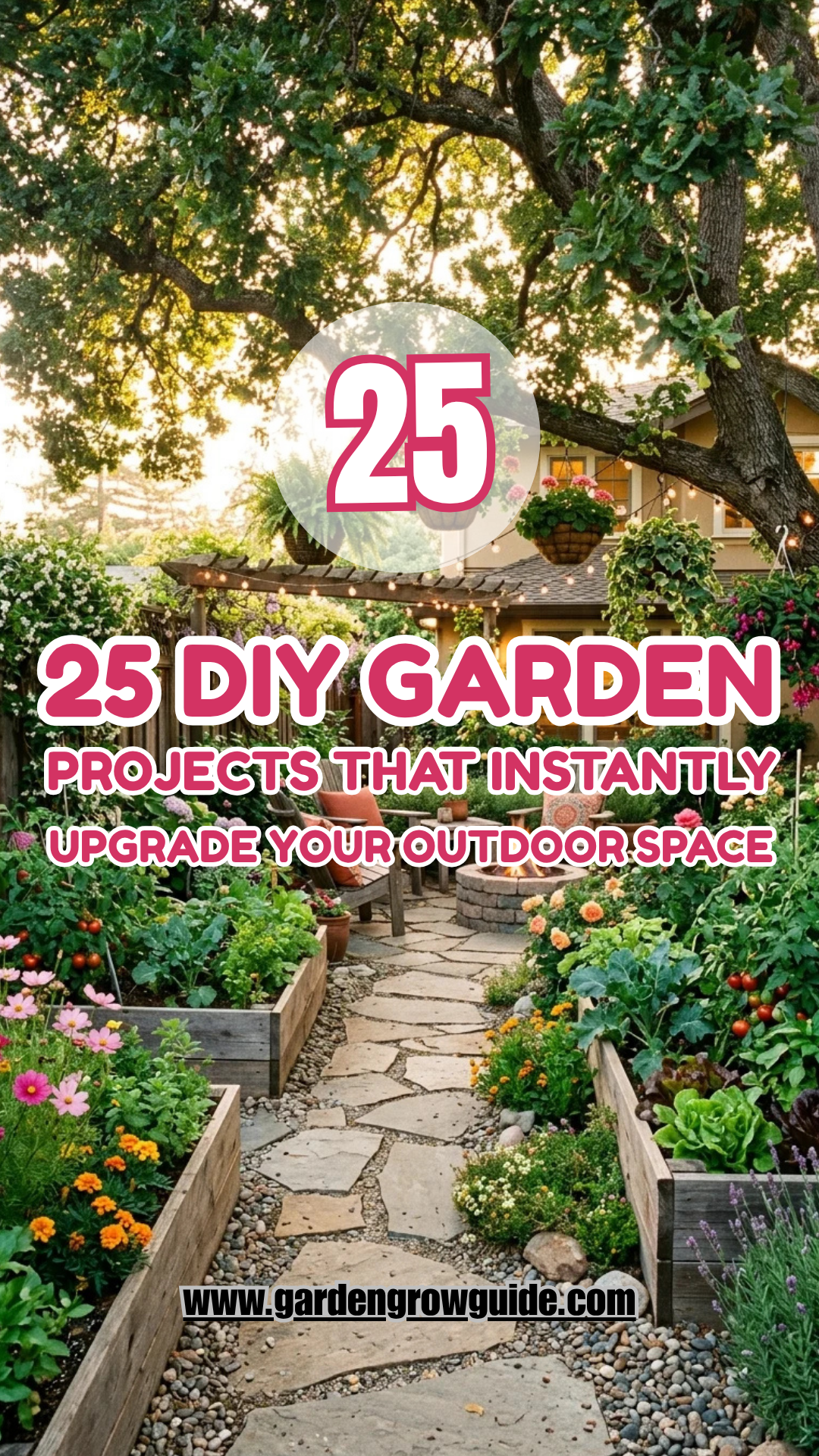
Transforming a backyard from a simple plot of grass into a personal sanctuary doesn’t require a professional landscaper or a massive budget. With a bit of creativity, some basic tools, and a weekend of effort, you can implement DIY projects that add character, functionality, and value to your home. Whether you are looking to grow your own food, attract local wildlife, or create a serene space for relaxation, these 25 projects offer something for every gardener.
1. Vertical Garden
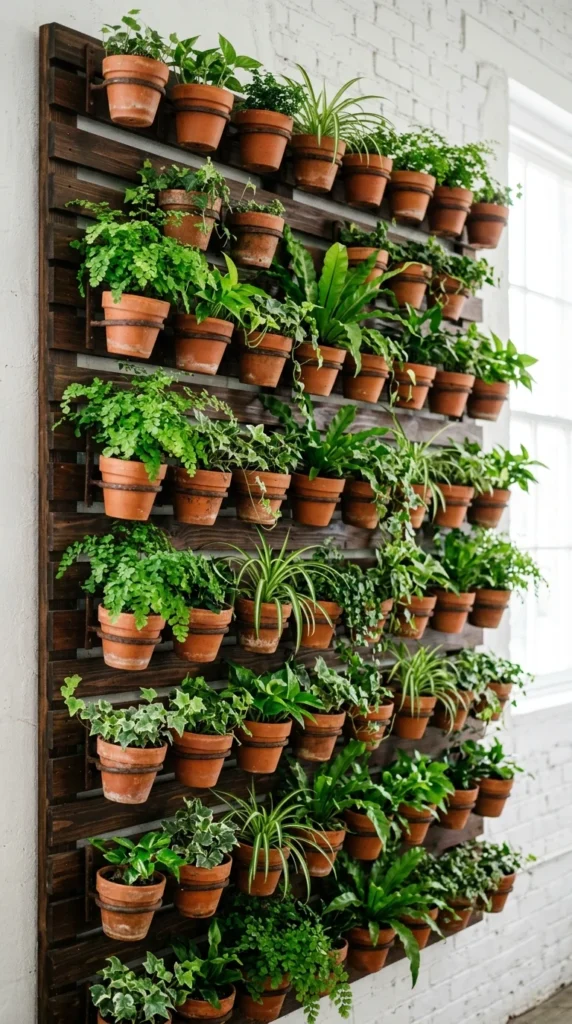
Vertical gardens are the ultimate solution for small outdoor spaces or bare walls. By growing upwards, you maximize your planting area without sacrificing floor space. You can construct a simple frame using cedar wood and attach landscape fabric pockets or small pots. This setup is ideal for growing strawberries, herbs, or ornamental succulents. Not only does it provide a lush green backdrop, but it also helps insulate your home and improve air quality.
2. Pallet Planter
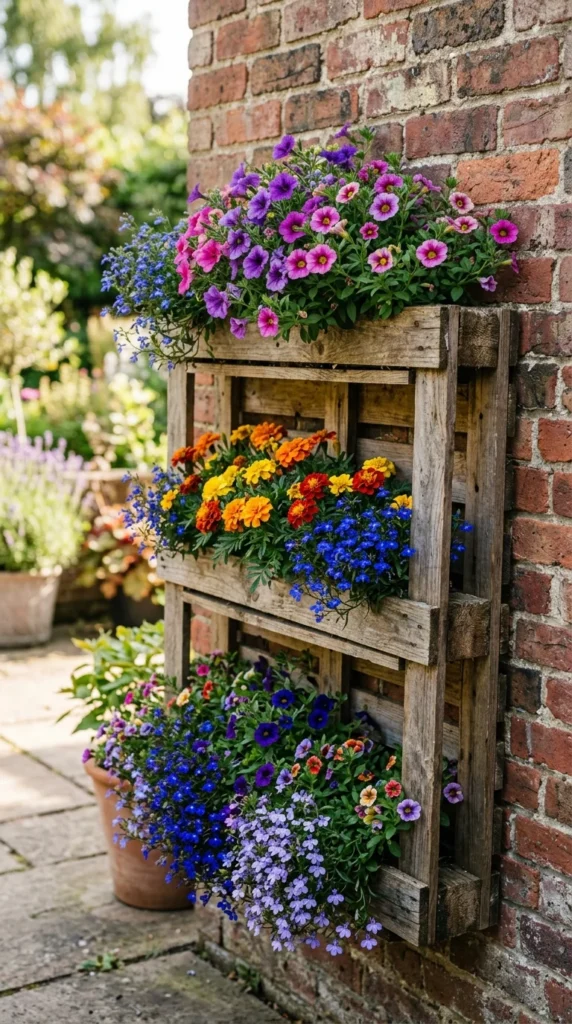
Shipping pallets are widely available and often free, making them a favorite for DIY enthusiasts. To create a pallet planter, ensure the wood is heat-treated (marked with HT) rather than chemically treated. Sand down the rough edges, staple landscape fabric to the back and bottom of the slats to create “pockets,” and fill them with high-quality potting soil. This rustic addition is perfect for a kitchen herb garden right outside your back door.
3. Stepping Stones
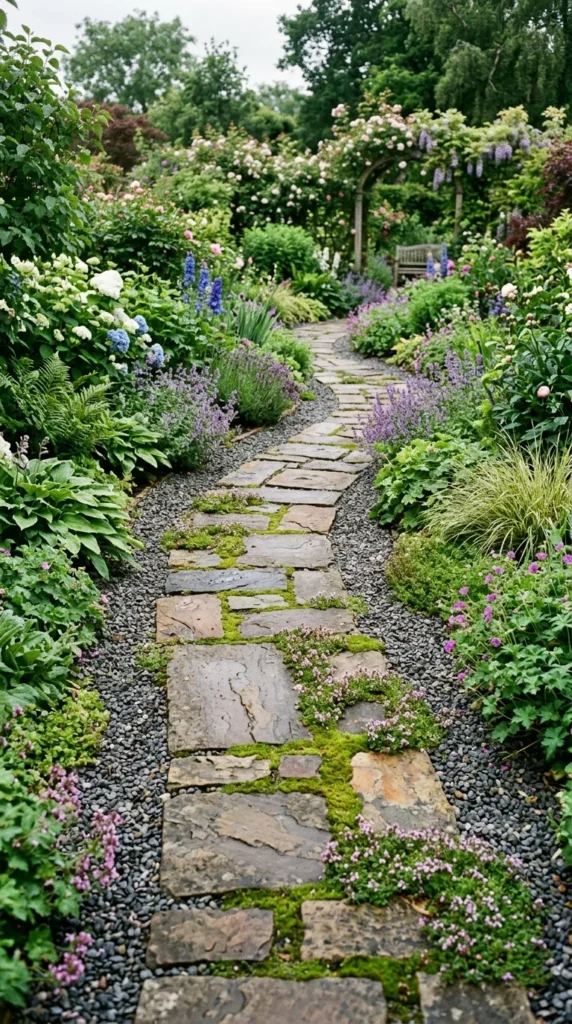
Adding a pathway creates a sense of order and guides visitors through your garden’s best features. You can create custom stepping stones using quick-set concrete and plastic molds. For a personal touch, embed smooth river pebbles, colorful sea glass, or even leaf imprints into the wet concrete. A well-placed path prevents soil compaction and keeps your feet dry during the rainy season.
4. Solar Mason Jars
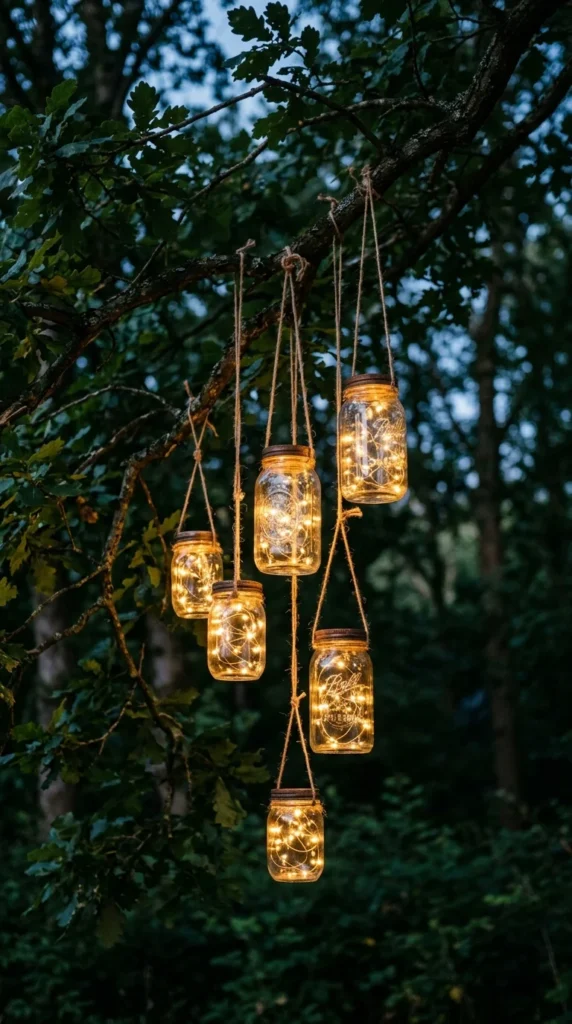
Lighting is key to enjoying your garden after sunset. Solar-powered mason jar lights are an eco-friendly and inexpensive way to add ambiance. Simply place a small solar-cell lid on a standard mason jar and hang them from trees, shepherd’s hooks, or place them along a deck railing. They charge during the day and automatically flicker to life at dusk, creating a magical, firefly-like effect.
5. Raised Beds
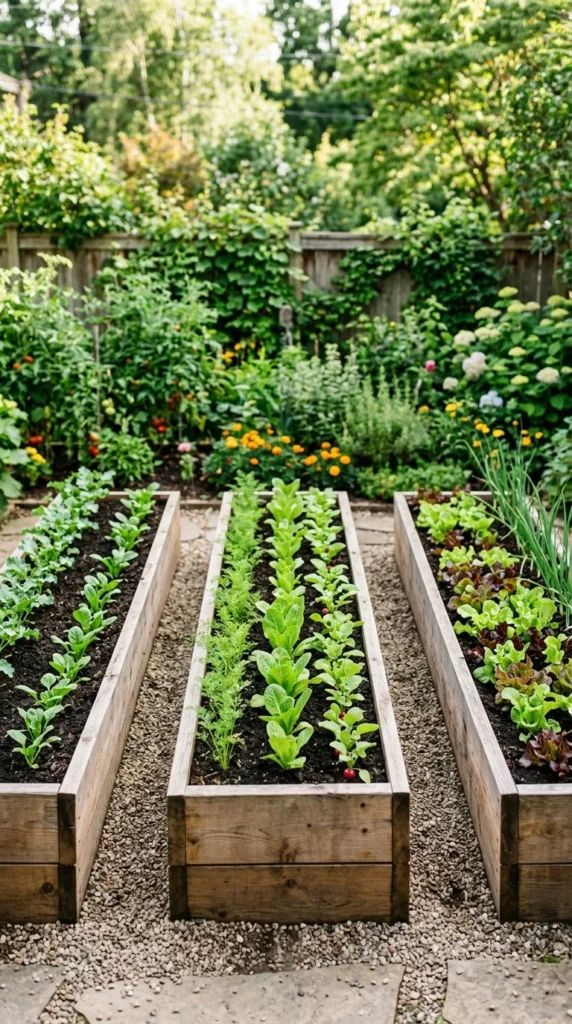
Raised garden beds offer superior drainage, better soil control, and easier access for those with back issues. Building them is straightforward: create a rectangular frame from rot-resistant wood like cedar or redwood. Line the bottom with hardware cloth to deter gophers and fill with a mix of compost and topsoil. Raised beds warm up faster in the spring, allowing for a longer growing season.
6. Bamboo Trellis
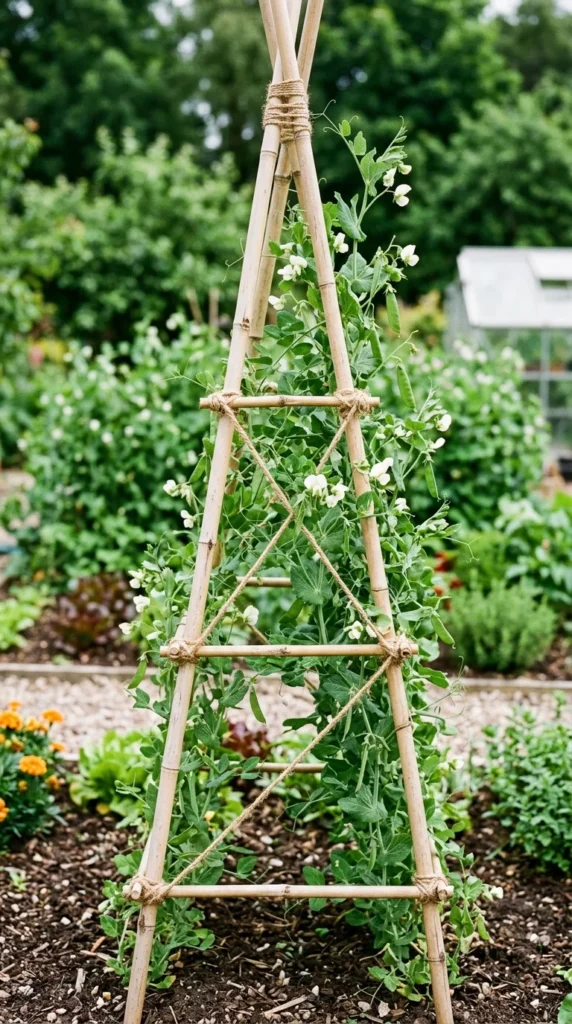
For climbing plants like peas, beans, or clematis, a trellis is a necessity. A DIY bamboo trellis is both functional and aesthetically pleasing, offering a Zen-like quality to the garden. You can build a simple fan shape or a more complex teepee structure. Bamboo is incredibly strong yet flexible, and its natural tan color complements almost any plant variety.
7. Mosaic Birdbath
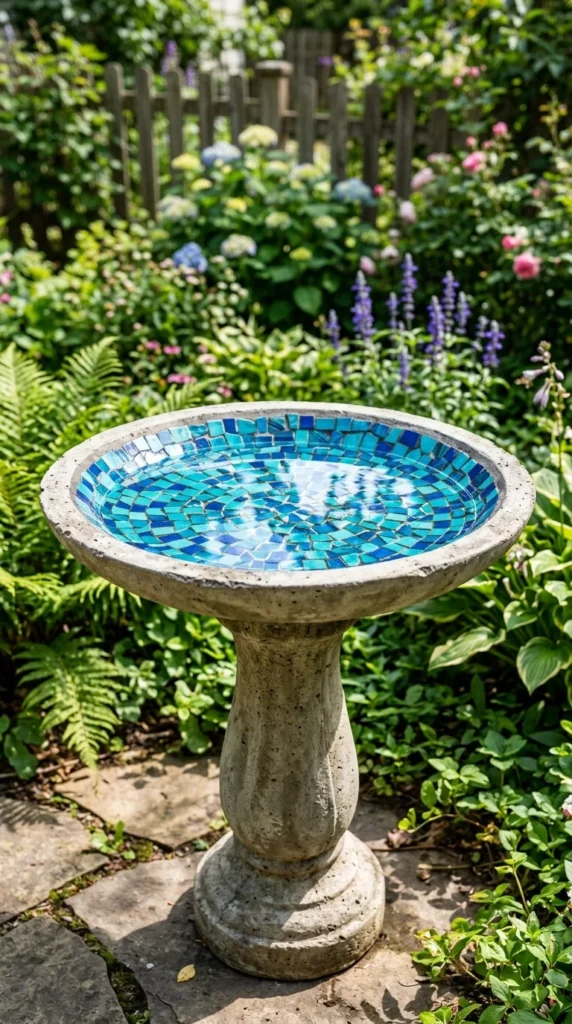
Attracting birds to your garden provides natural pest control and a soothing soundtrack. You can transform a plain concrete birdbath into a work of art using the mosaic technique. Use waterproof adhesive to attach pieces of broken pottery, glass gems, or tiles to the surface, then seal it with grout. This project adds a pop of color and a focal point to your flower beds.
8. Stone Edging
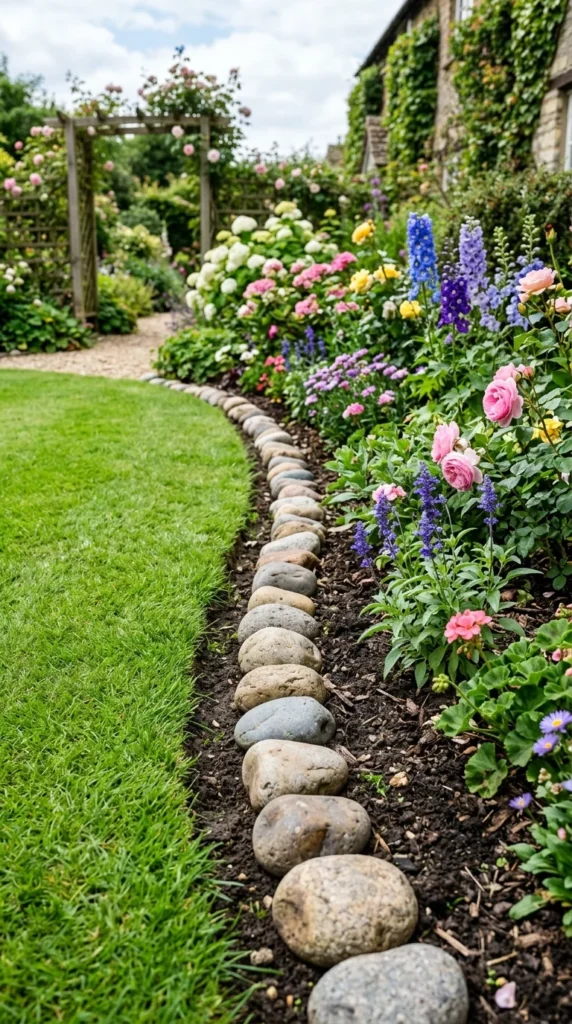
Edging gives your garden a professional, finished look. While plastic edging often cracks or lifts, natural stone provides a timeless and durable border. Dig a shallow trench along the edge of your flower beds and nestle large stones or bricks tightly together. This prevents grass from encroaching on your plants and makes mowing much easier.
9. Herb Spiral
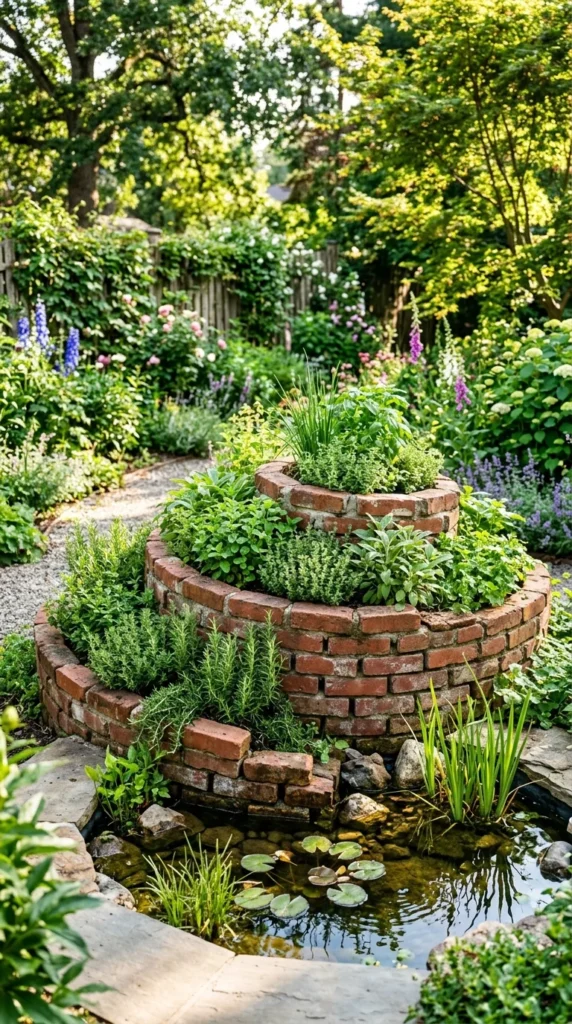
An herb spiral is a permaculture classic that allows you to grow plants with different needs in a very small footprint. The top of the spiral is dry and sunny (perfect for rosemary), while the bottom stays cool and moist (ideal for mint or parsley). This vertical construction uses gravity to manage water runoff and creates multiple microclimates in one beautiful, sculptural element.
10. Concrete Fire Pit
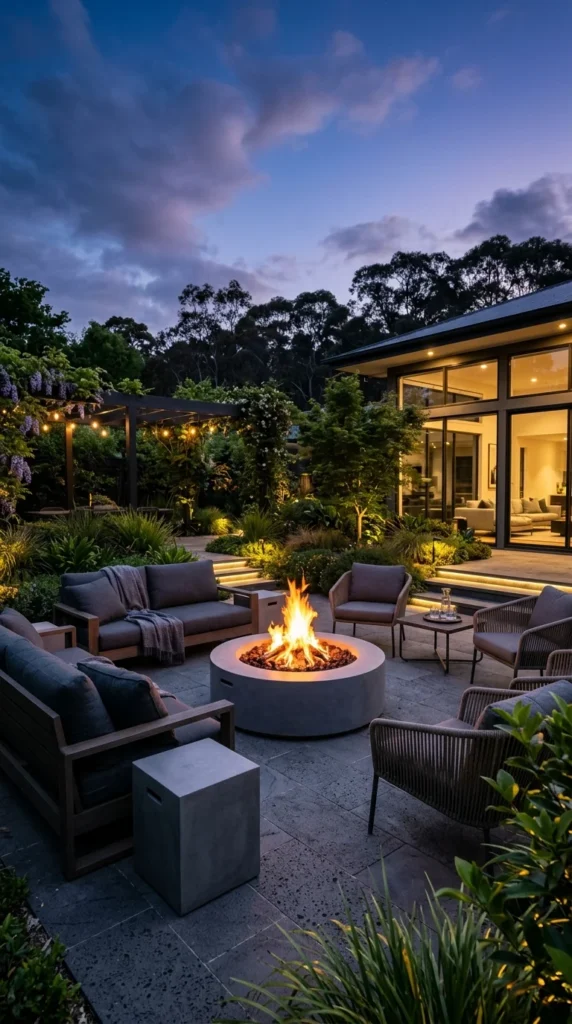
A fire pit is the ultimate backyard gathering spot. You can build one safely by clearing a circular area and laying down a base of gravel or sand. Use fire-rated bricks or heavy concrete blocks to build the circular wall, ensuring the structure is stable. This project not only upgrades the look of your yard but also extends the usability of your outdoor space into the autumn and winter months.
11. Tree Bench
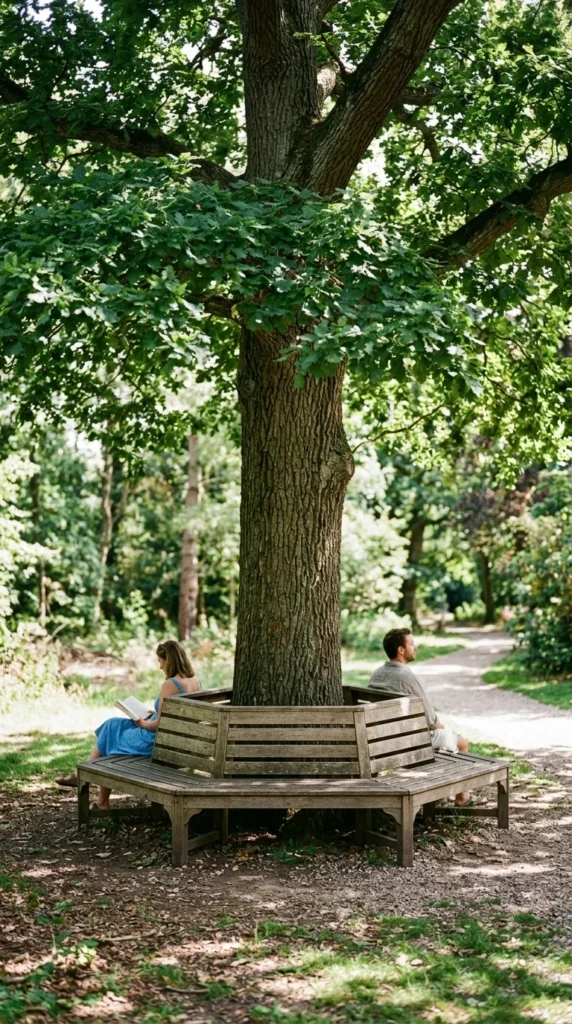
If you have a large shade tree, a wrap-around bench is a fantastic way to utilize the space underneath. This project requires more precise measuring and cutting, but the result is a stunning architectural feature. It provides a cool place to sit during the heat of the day and protects the tree’s root zone from heavy foot traffic.
12. Rain Barrel
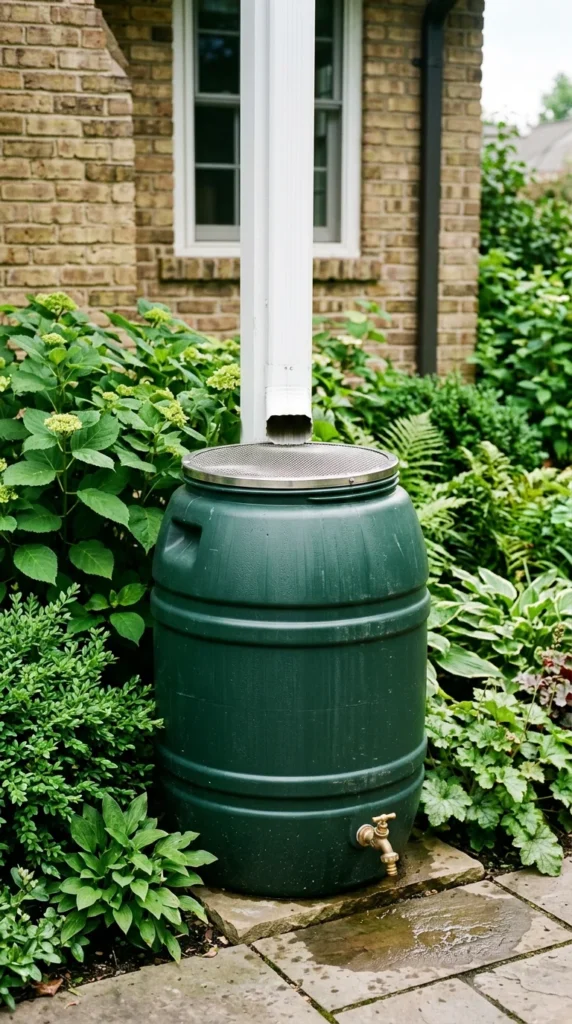
Conserving water is vital for any gardener. A DIY rain barrel collects runoff from your roof, providing “soft” water that is free of chlorine and minerals found in tap water. Simply divert your downspout into a large, food-grade barrel equipped with an overflow valve and a spigot. It’s an easy way to lower your water bill while keeping your garden hydrated during dry spells.
13. Pot Fountain
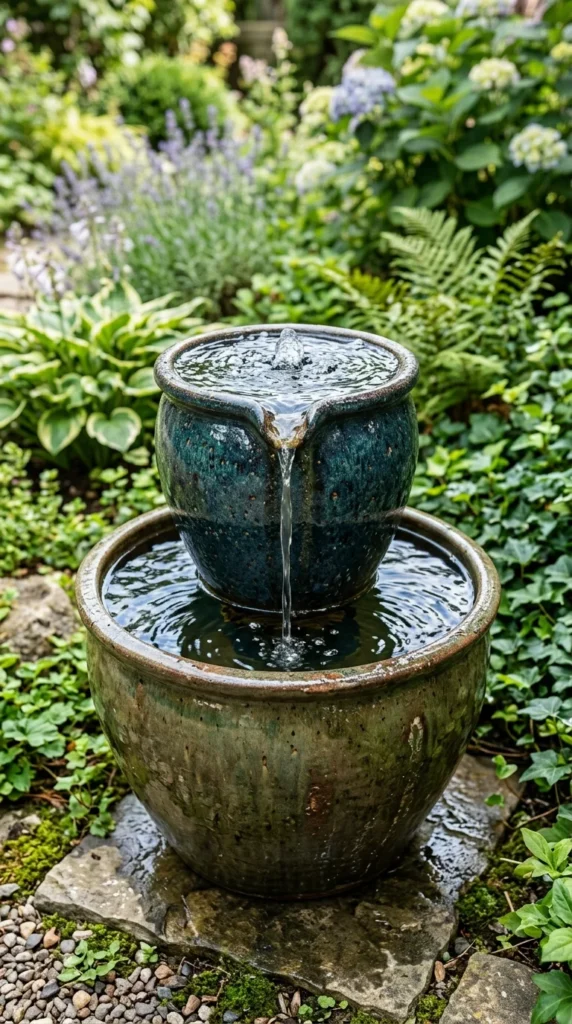
The sound of running water instantly creates a sense of tranquility. You can make a simple recirculating fountain using two decorative pots and a small submersible pump. Place the pump in the bottom pot, run the tubing up through the top pot, and fill with water and decorative stones. It’s a low-maintenance way to introduce movement and sound into a quiet corner of the garden.
14. Bug Hotel
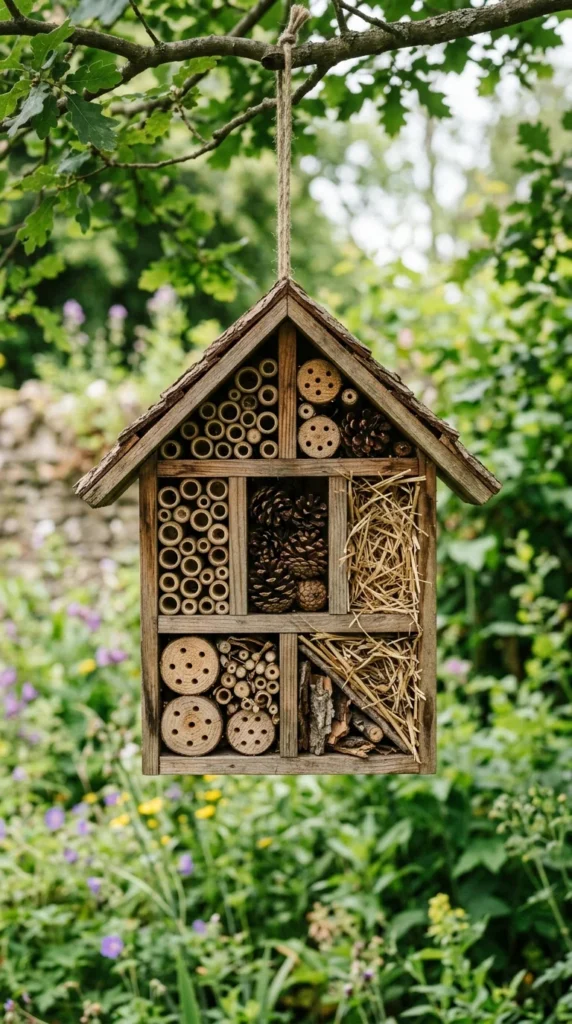
Beneficial insects like solitary bees and ladybugs are essential for pollination and pest control. A “bug hotel” provides them with a safe place to nest and hibernate. Use scrap wood to create a frame and fill it with different textures: hollow stems, bark, and pinecones. Hang it in a sunny, sheltered spot to encourage a healthy ecosystem in your backyard.
15. Chalkboard Planters
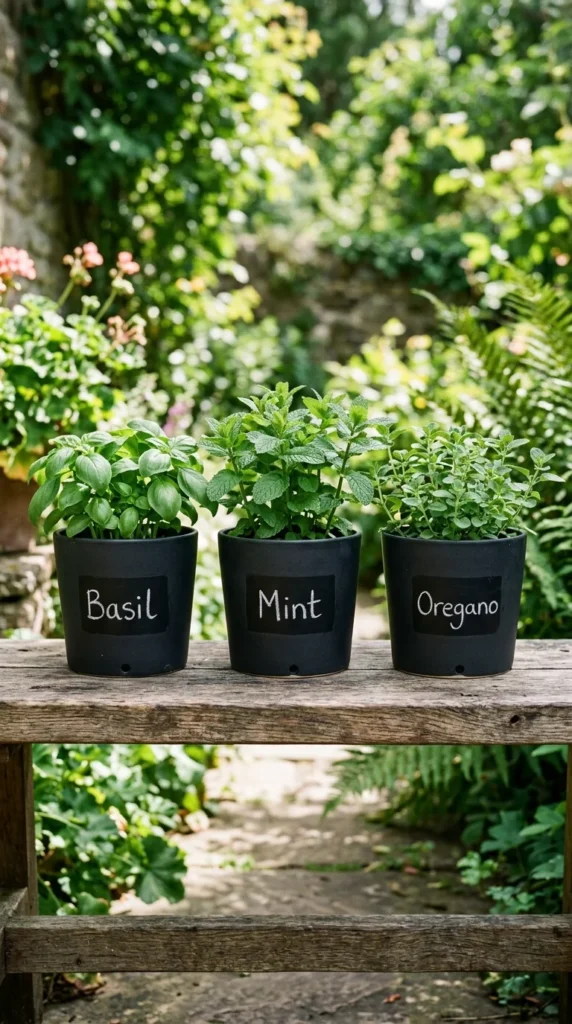
Organization can be stylish. By applying a patch of chalkboard paint to your terra cotta or ceramic pots, you can easily label your plants. This is especially helpful in herb gardens where different varieties might look similar in their early stages. Plus, if you rotate your crops, you can simply wipe off the chalk and relabel the pot.
16. Tire Planters
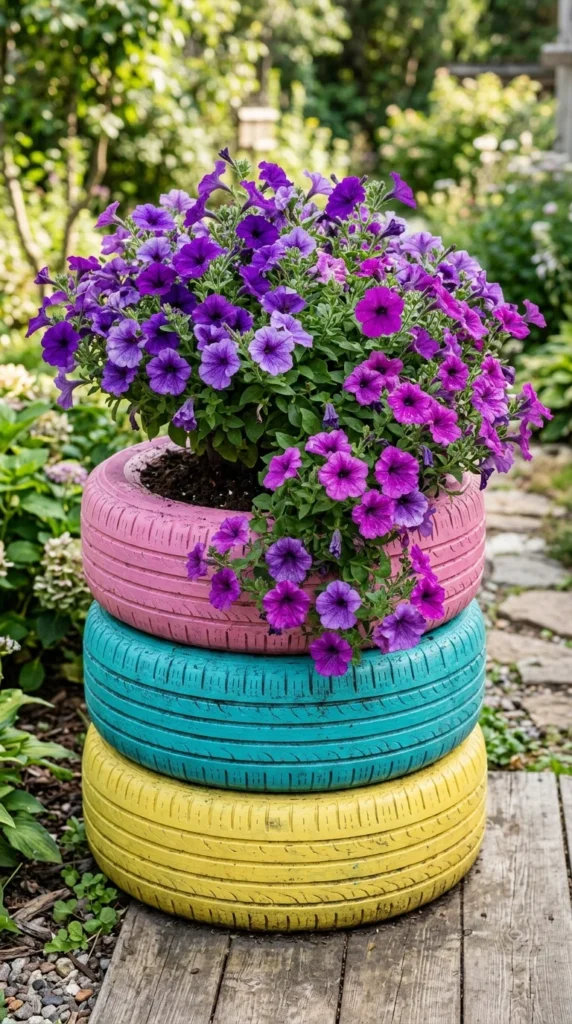
Upcycling old tires keeps them out of landfills and adds a playful, industrial-chic vibe to the garden. Thoroughly wash the tires and use outdoor-rated spray paint to give them a fresh look. You can stack them to create height or hang them from a sturdy fence. They are particularly durable and hold up well against the elements year-round.
17. Ladder Plant Stand
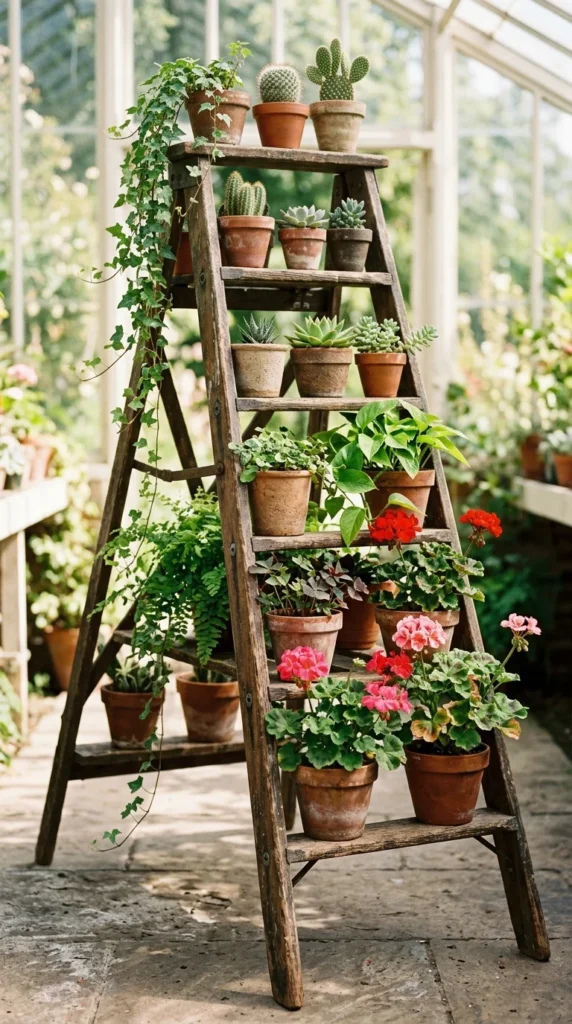
A vintage wooden ladder makes an excellent multi-tiered plant stand. It allows you to display a large collection of potted plants in a very small footprint. This is a great project for a patio or porch where you want to add height and visual interest. Leave the wood weathered for a rustic look, or paint it a bright color to make it a statement piece.
18. Rope Lighting
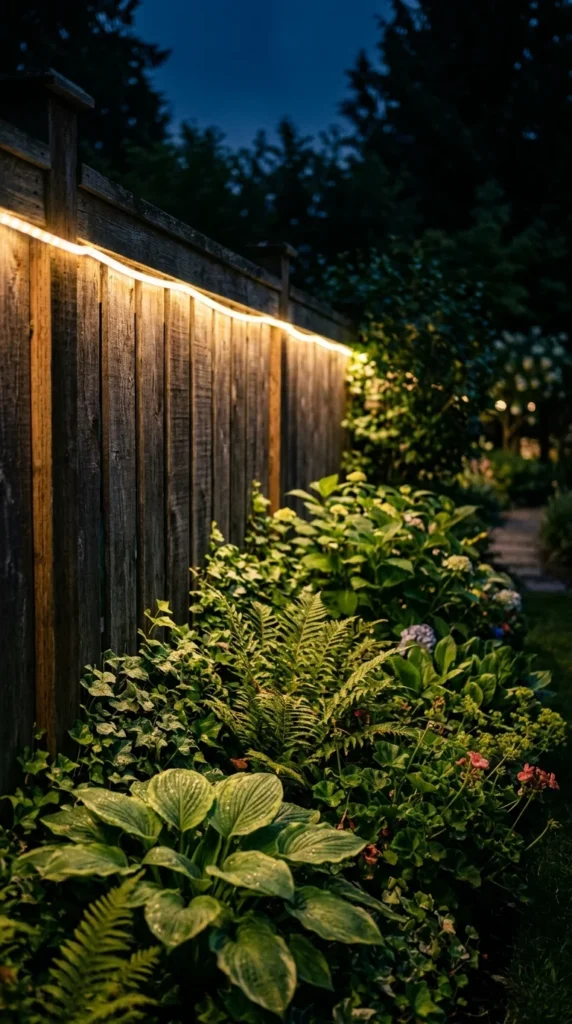
Rope lighting is a subtle way to illuminate pathways or garden borders. Because the LEDs are encased in a flexible tube, they are highly weather-resistant. Tucking them under a deck railing or along the bottom of a garden bed creates a high-end “glow” effect that is much softer than traditional floodlights. It adds safety by highlighting changes in elevation or the edge of a path.
19. Cinder Block Bench
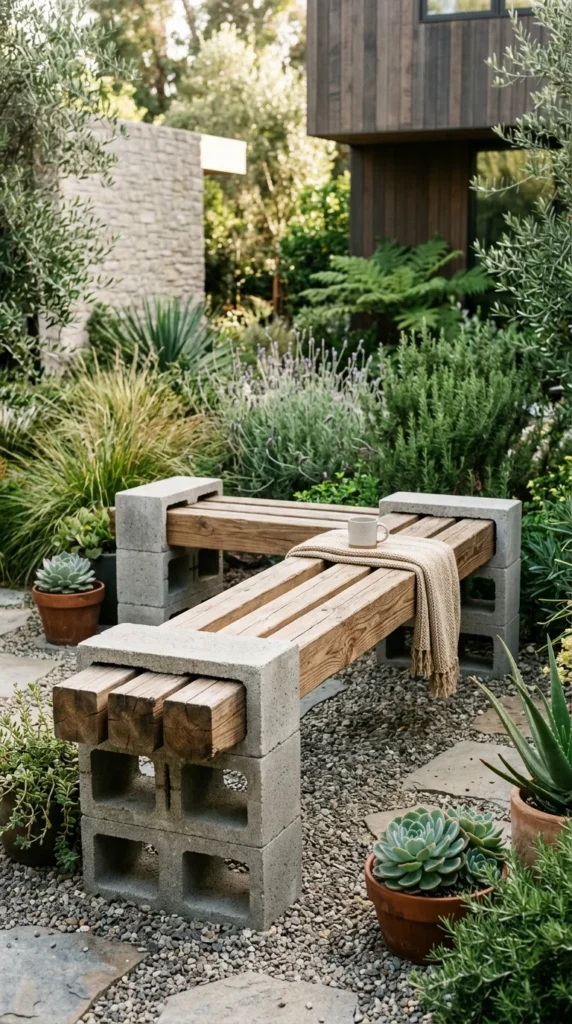
This project is the epitome of “low effort, high impact.” Cinder block benches require no fasteners or glue—the weight of the blocks and the beams keeps everything in place. You can paint the cinder blocks to match your home’s exterior and add colorful outdoor cushions for extra comfort. It’s a sturdy, modern seating solution that can be assembled in less than an hour.
20. Hanging Succulent Frame
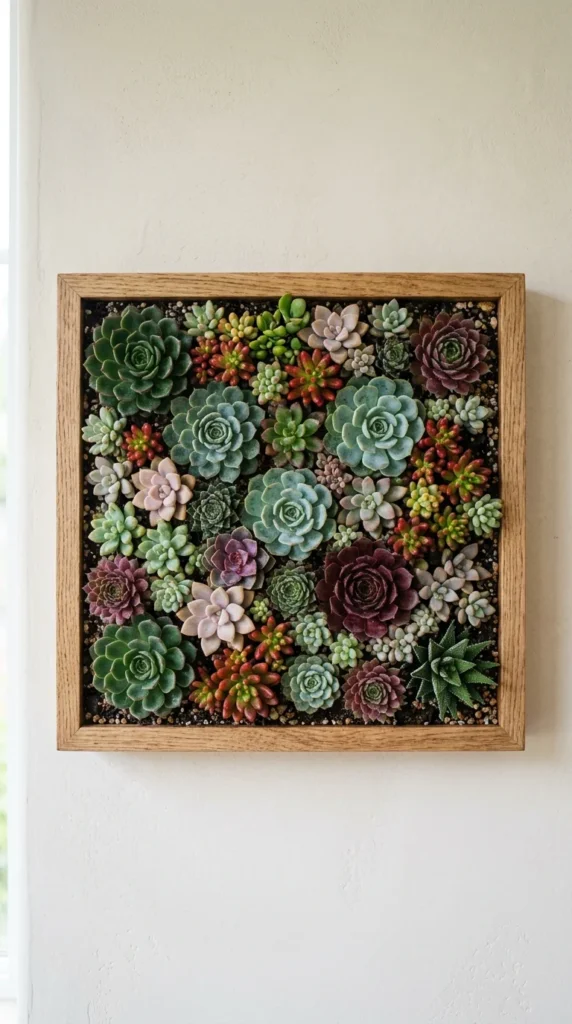
Succulents are the perfect candidates for living art because they are hardy and have shallow root systems. To make a succulent frame, use a shadow box or a deep picture frame. Secure a layer of chicken wire over the soil to hold the plants in place. Once the succulents have rooted (usually after a few weeks of lying flat), you can hang the frame vertically for a stunning piece of outdoor wall decor.
21. Window Boxes
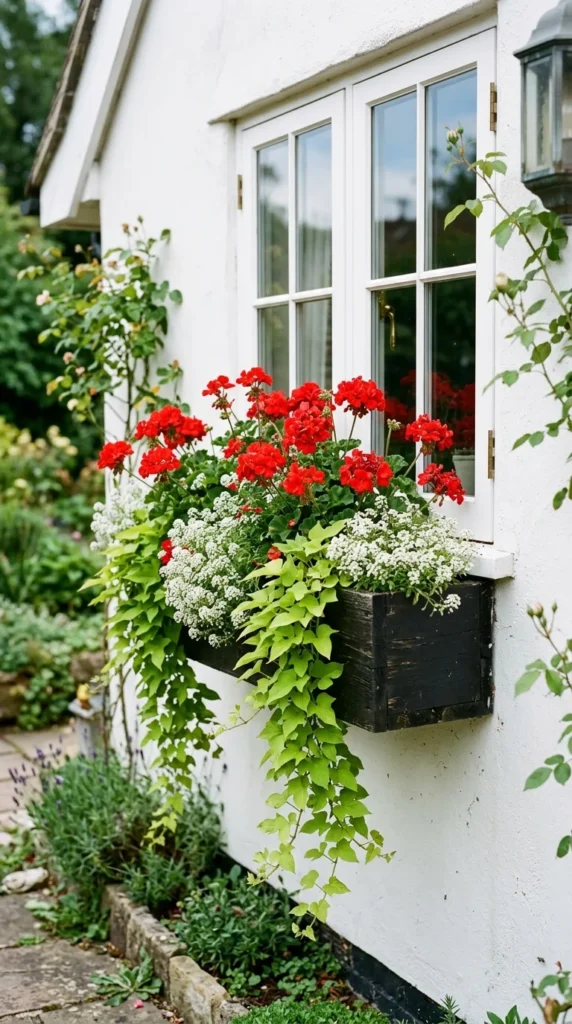
Window boxes provide instant curb appeal and allow you to enjoy your garden from the inside of your home. Ensure your boxes have proper drainage holes and are securely mounted to the wall or windowsill. Mixing “thrillers” (tall plants), “fillers” (mounded plants), and “spillers” (trailing plants) creates a professional, lush look that changes with the seasons.
22. Tree Stump Planter
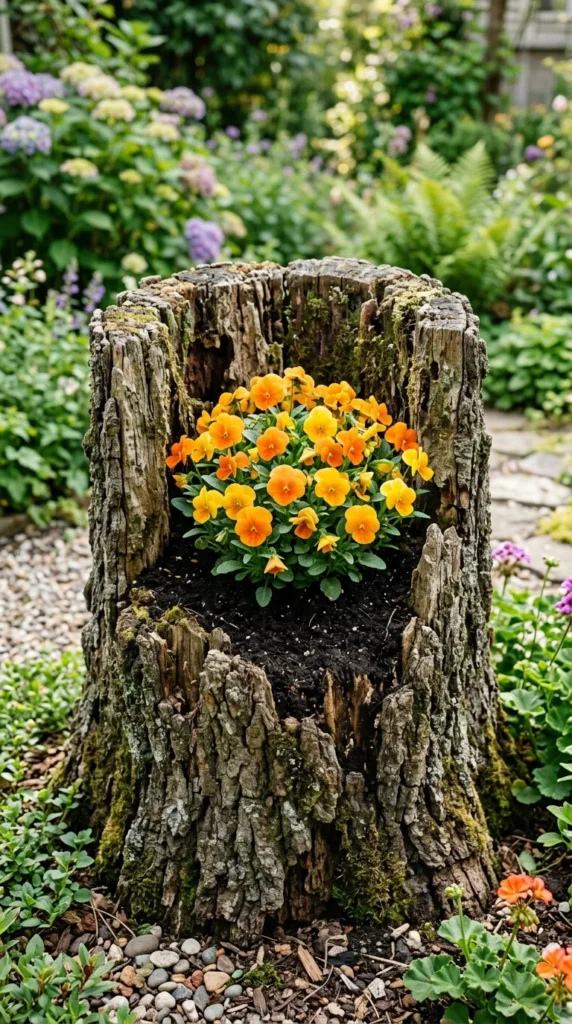
Instead of paying to have a tree stump ground down, turn it into a natural planter. Hollow out the center of the stump using a drill or a chisel, fill it with compost-rich soil, and plant flowers or ferns. As the stump naturally decays over many years, it provides nutrients to the plants inside, creating a beautiful cycle of life in your garden.
23. Privacy Lattice
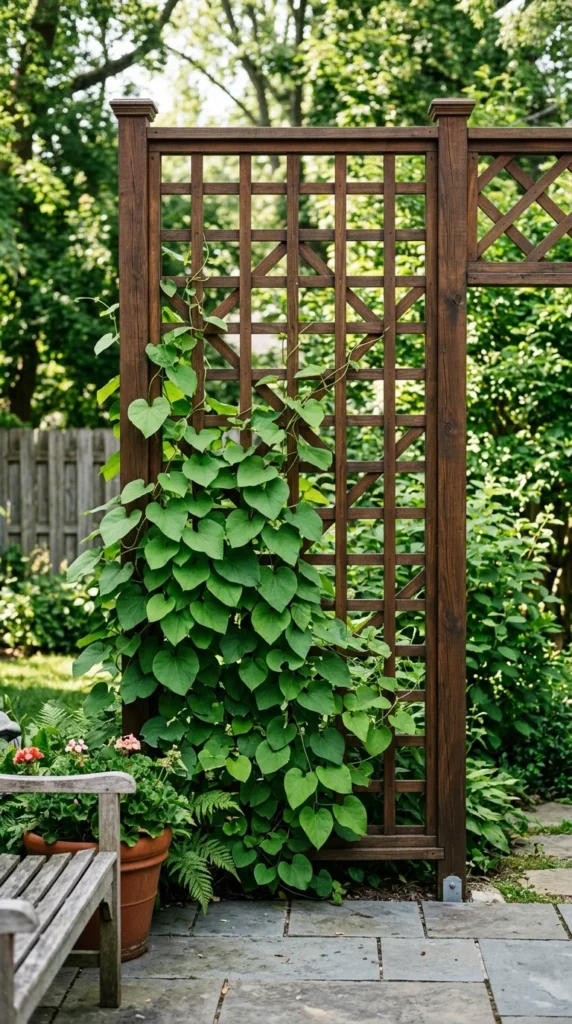
If your backyard feels a bit too exposed, a DIY privacy screen made of lattice panels can offer seclusion without completely blocking light or airflow. You can frame the lattice with 2x4s and anchor it into the ground or attach it to your existing deck. Growing fragrant climbers like jasmine or honeysuckle on the lattice adds both beauty and a wonderful scent to your private retreat.
24. Gravel Patio
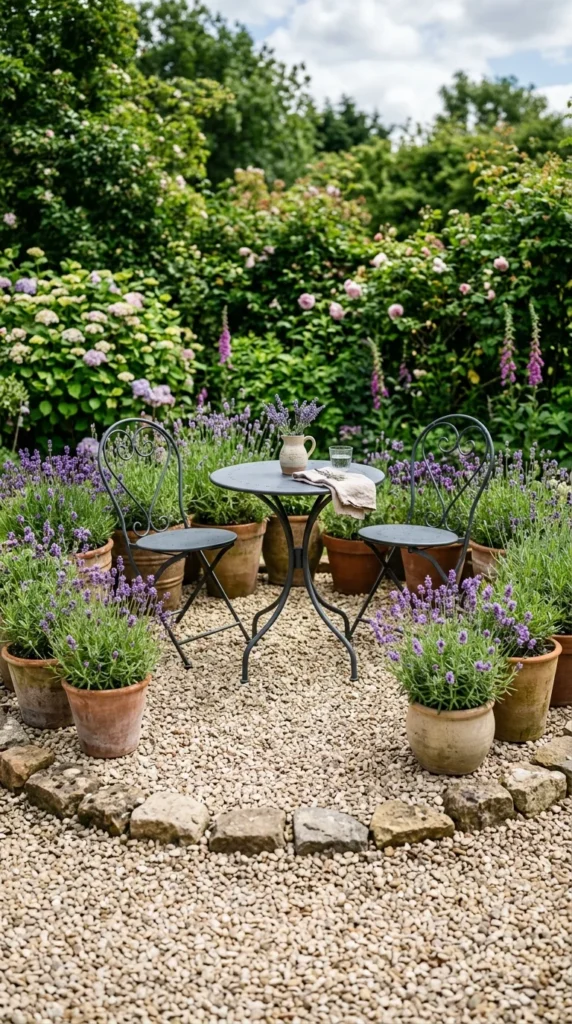
Creating a hardscaped area doesn’t have to involve heavy paving stones or pouring concrete. A gravel patio is permeable, inexpensive, and easy to install. Simply level the ground, lay down heavy-duty landscape fabric to prevent weeds, and spread 2-3 inches of pea gravel or crushed stone. It’s a perfect base for a dining set or a pair of lounge chairs.
25. Wine Bottle Border
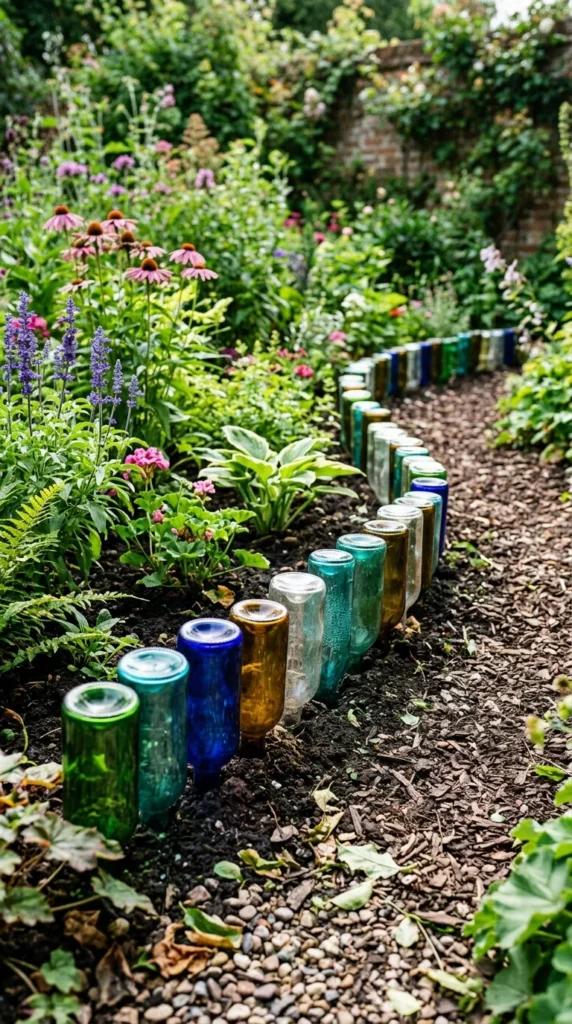
For a whimsical and eco-friendly garden border, use recycled glass bottles. By burying the bottles neck-down halfway into the soil, you create a sturdy and colorful edge for your flower beds. When the sun hits the glass, it creates a beautiful stained-glass effect. This is a great way to repurpose materials and add a unique, handmade touch to your outdoor landscape.