Creating a stunning garden doesn’t require a massive bank account or a professional landscaping crew. With a bit of creativity, some basic tools, and a willingness to upcycle everyday items, you can transform a dull backyard into a vibrant sanctuary. The secret to budget gardening lies in “repurposing”—seeing the potential in items others might consider trash. From old wooden pallets to discarded tin cans, the possibilities for customization are endless.
1. Pallet Planters
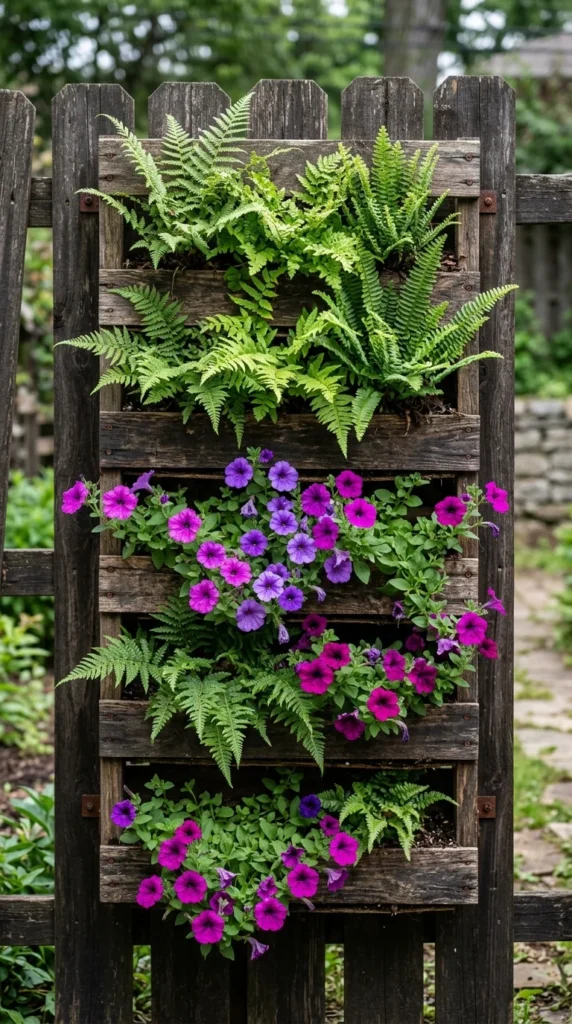
Wooden pallets are the holy grail of budget DIY projects. Often available for free behind hardware stores or via online marketplaces, they provide a sturdy framework for vertical gardening. To create a pallet planter, start by sanding down any rough edges to prevent splinters. Staple heavy-duty landscape fabric to the back, bottom, and sides of the pallet to create “pockets” for the soil. Lay the pallet flat, fill it with high-quality potting mix, and plant your chosen flora—succulents, herbs, or cascading flowers work best. Once the plants have established roots (usually after two to three weeks), you can lean the pallet against a wall or bolt it to a fence, saving valuable ground space while adding a rustic, leafy aesthetic to your patio.
2. Tin Cans
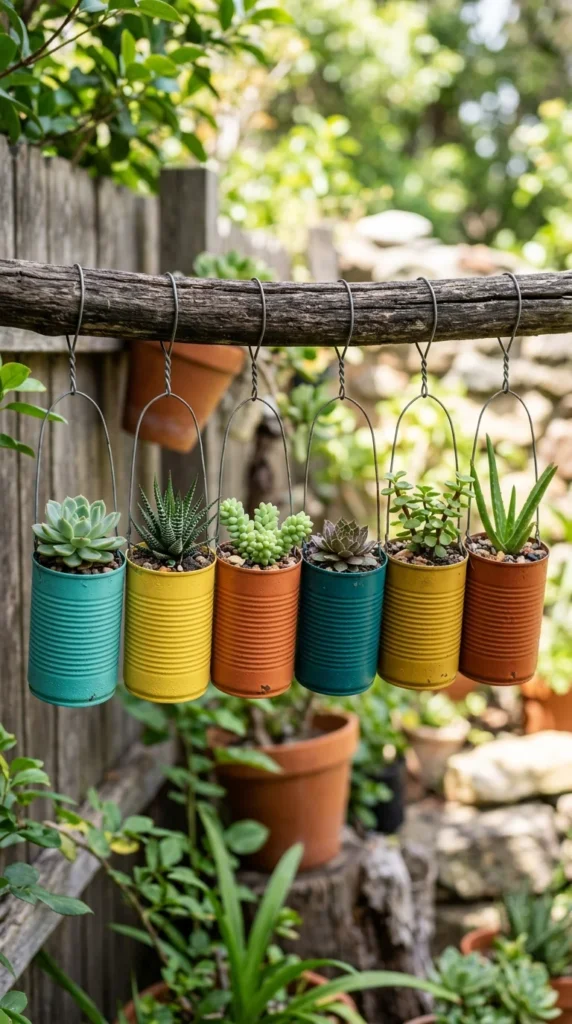
Before you toss your soup or vegetable cans into the recycling bin, consider their potential as charming, small-scale planters. Tin cans are perfect for an indoor-outdoor herb garden. After cleaning the cans and removing labels, use a hammer and a large nail to punch several drainage holes in the bottom. For a polished look, apply a coat of outdoor-rated spray paint in vibrant colors or a metallic finish. These can be grouped on a windowsill, nailed to a wooden board to create a vertical herb wall, or even used as tea light lanterns by punching decorative patterns into the sides. They are a zero-cost way to add pops of color and functionality to your garden.
3. Glass Bottles
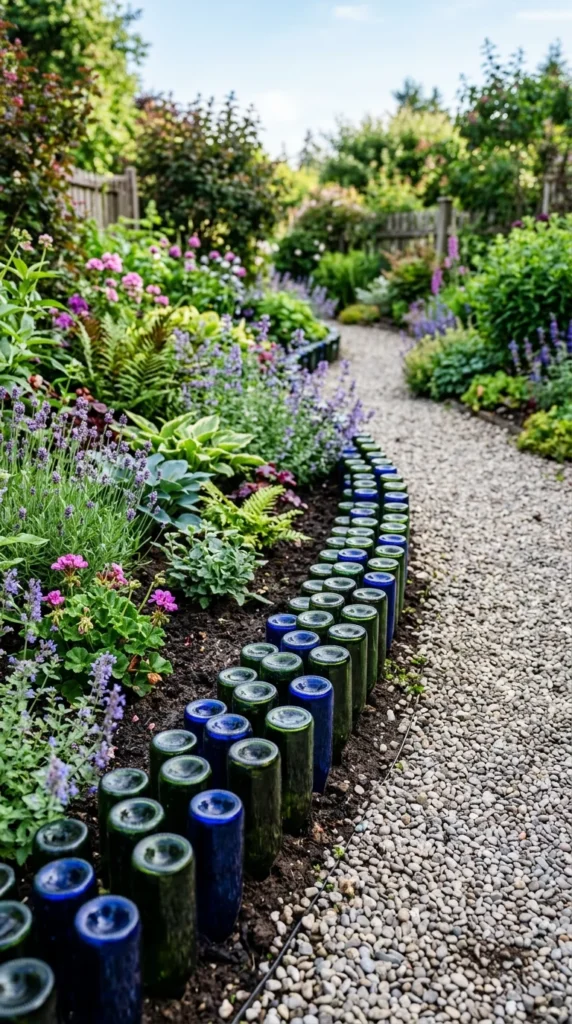
Empty wine or soda bottles can be repurposed into unique garden edging or decorative borders. Instead of buying expensive plastic or stone edging, collect glass bottles of similar sizes. Dig a shallow trench along the edge of your flower bed or garden path. Insert the bottles upside down, neck-first, into the soil until only the bottom half is visible. This creates a durable, weather-resistant border that catches the sunlight and adds a touch of whimsy. For a more organized look, group bottles by color, or mix and match for a mosaic effect. Beyond edging, glass bottles can also be filled with water and inverted into large pots to act as slow-release watering globes for thirsty plants.
4. Cinder Blocks
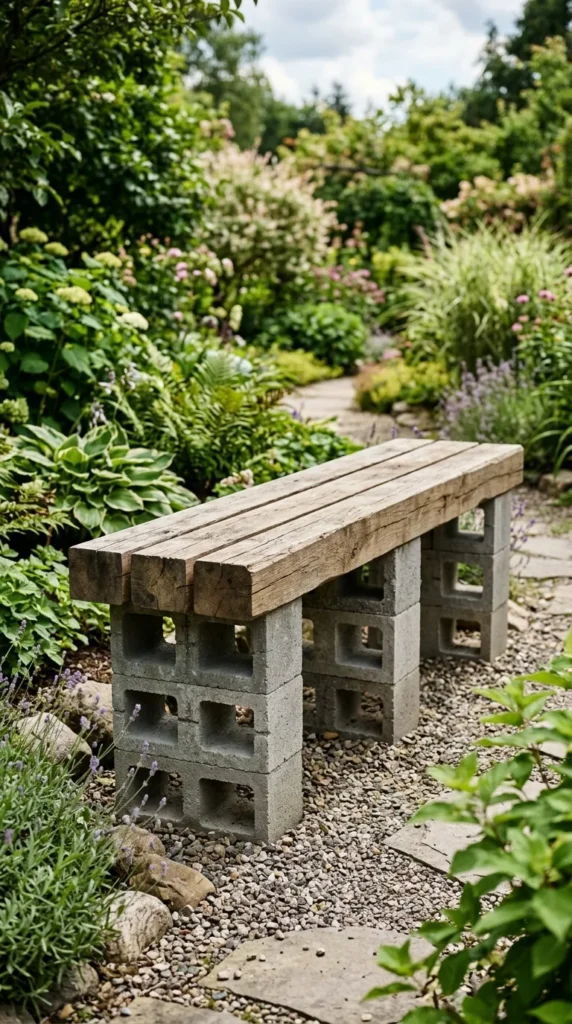
Cinder blocks are incredibly affordable and offer a modern, industrial look to any garden. Their geometric shape makes them perfect for modular DIY projects. One of the most popular uses is creating a “living wall” or a raised planter bed. By stacking blocks in a staggered formation, the hollow centers of the blocks become individual planting pockets for succulents or small flowers. Furthermore, cinder blocks can be used to create sturdy, low-cost outdoor furniture. By sliding 4×4 wooden beams through the top holes of two stacked block pillars, you can create a minimalist garden bench in under an hour without using a single power tool.
5. Old Tires
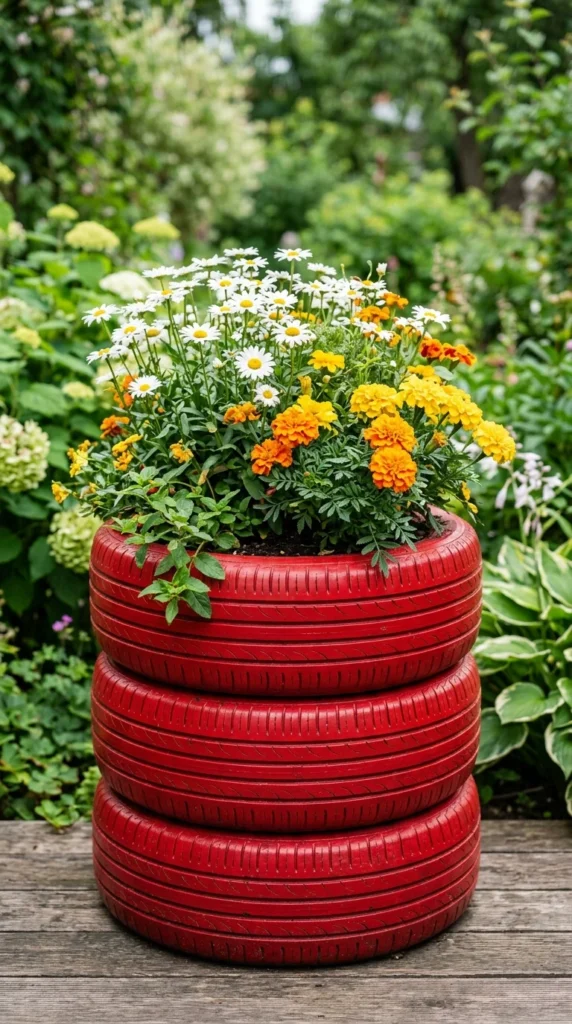
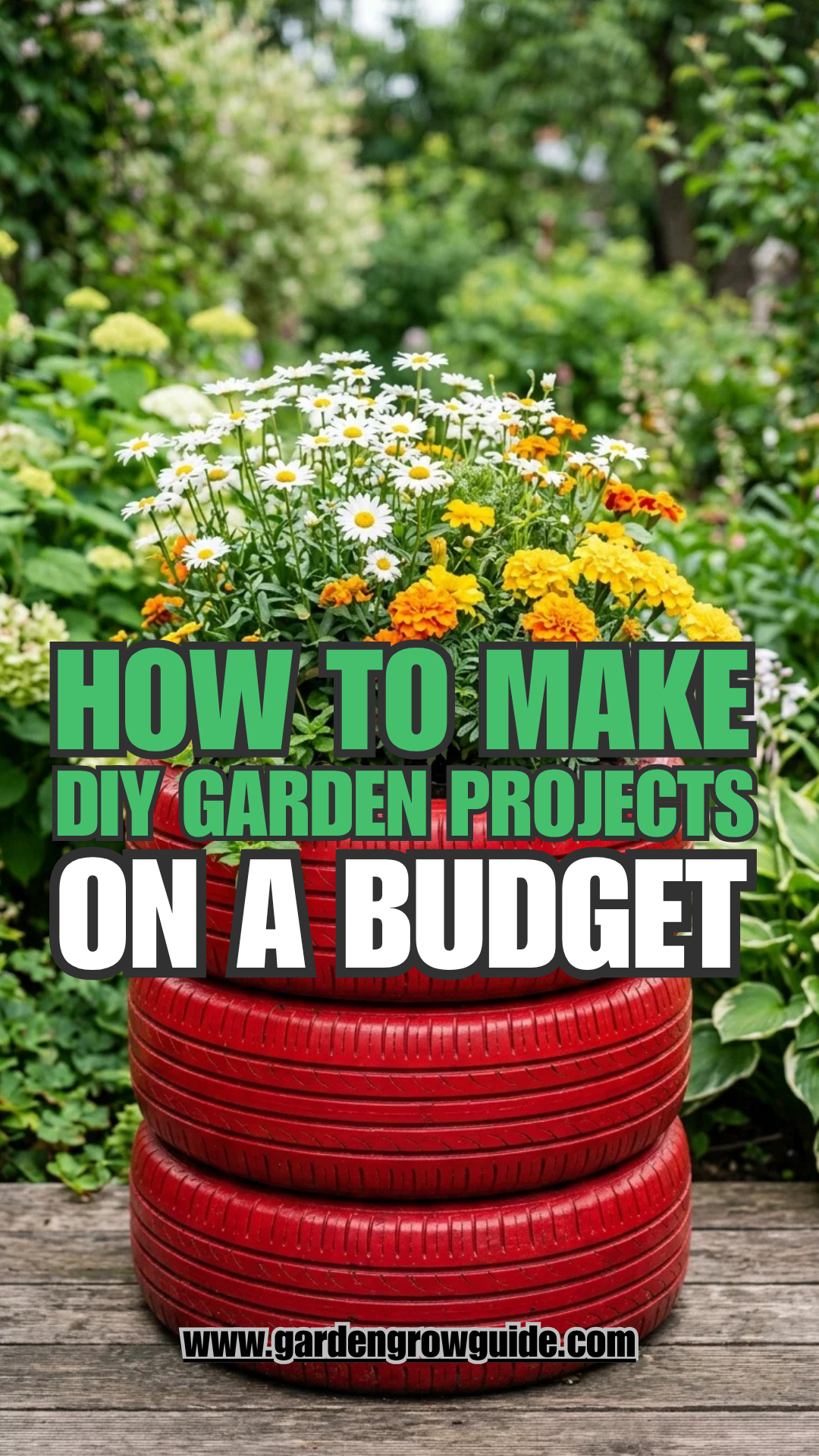
Old tires are a major environmental concern in landfills, but in a garden, they are durable, flexible, and free building materials. A single tire can be painted and used as a stand-alone planter, or multiple tires can be stacked to create a tiered garden for potatoes or deep-rooted vegetables. If you have a large tree, a classic tire swing remains one of the simplest and most nostalgic DIY projects. For a more sophisticated look, wrap a tire in thick manila rope using heavy-duty adhesive to create a nautical-themed outdoor ottoman or “pouf.” Always ensure you drill drainage holes in the bottom of tire planters to prevent water from stagnating and attracting mosquitoes.
6. Plastic Bottles
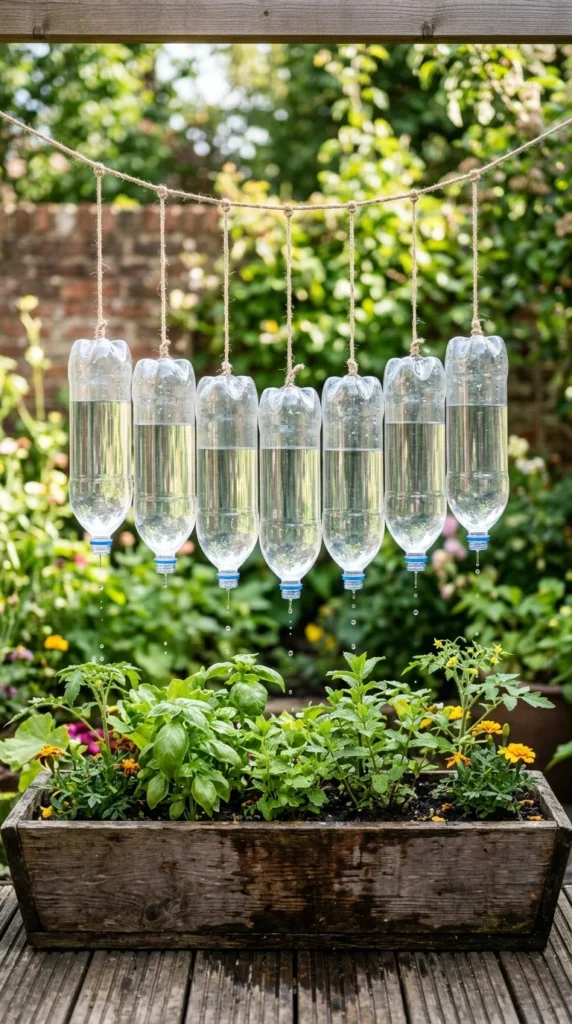
The versatility of plastic soda and water bottles makes them ideal for various functional garden hacks. One of the most effective uses is a DIY drip irrigation system. By poking small holes in the cap and burying the bottle neck-down near the roots of a plant, you can ensure a steady supply of water directly where it’s needed, reducing evaporation and waste. Additionally, large plastic bottles can be cut in half to create mini-greenhouses (cloches) for young seedlings, protecting them from frost and pests. For those with limited space, a series of bottles hung horizontally with a “window” cut into the side can serve as a suspended vertical garden for lettuce and strawberries.
7. Wooden Ladders
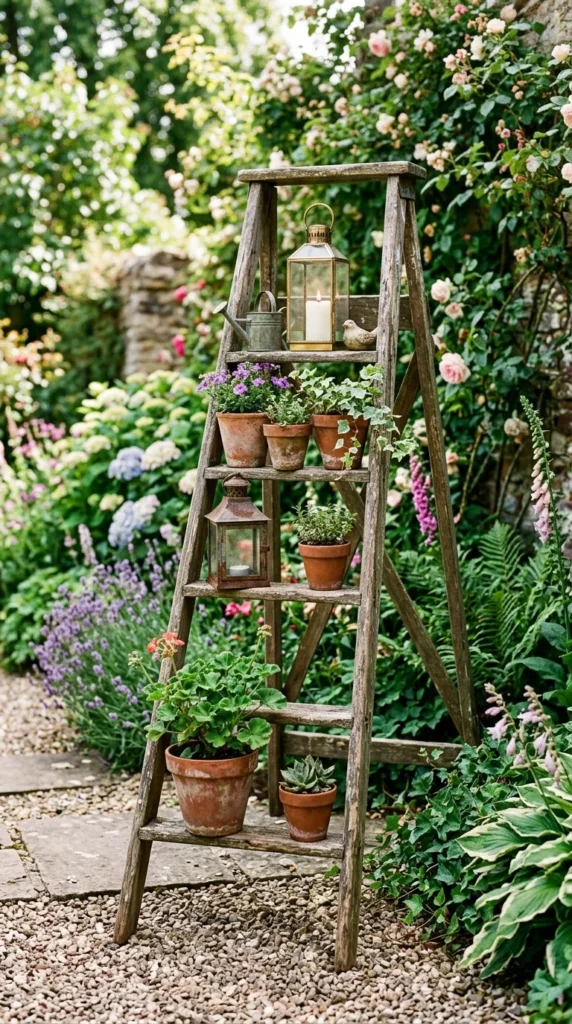
An old wooden ladder that is no longer safe for climbing is a goldmine for garden decor. A ladder provides instant height and multiple levels for displaying plants, which is particularly useful in small courtyards or on balconies. You can leave the wood in its weathered, natural state for a “shabby chic” look or give it a fresh coat of white or pastel paint. Place larger pots on the bottom rungs and smaller cascading plants, like ivy or “string of pearls,” on the upper steps. Ladders can also be used as a trellis for climbing plants like sweet peas or clematis, allowing them to weave through the rungs as they grow.
8. Egg Cartons
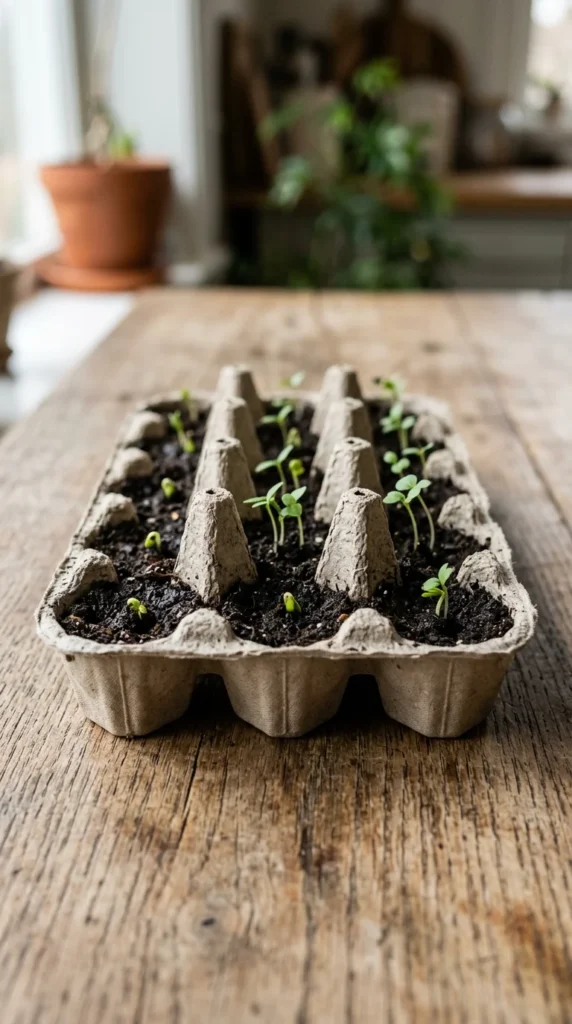
When it comes to starting seeds, there is no need to buy plastic starter trays. Cardboard egg cartons are the perfect biodegradable solution. Simply fill each cell with seed-starting mix, plant your seeds, and keep them moist. Once the seedlings are strong enough to be moved outdoors, you can cut the individual cardboard cups apart and plant them directly into the ground. The cardboard will naturally decompose in the soil, allowing the roots to grow through. This method minimizes “transplant shock,” as the delicate root systems are never disturbed. It’s an eco-friendly and cost-effective way to jumpstart your vegetable garden every spring.
9. Tea Kettles
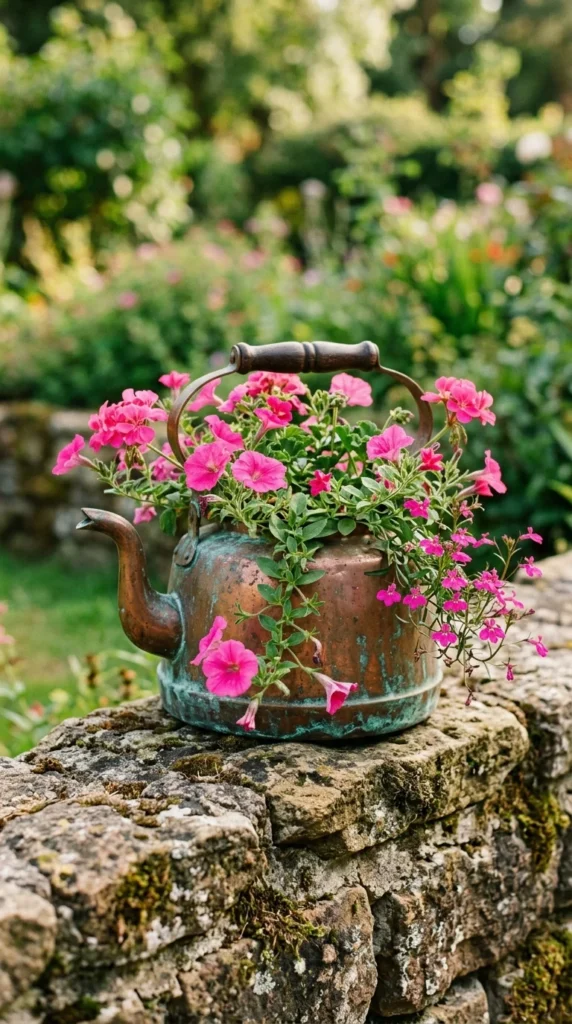
Thrift stores and garage sales are filled with old kitchenware that has lost its internal coating but remains structurally sound. Vintage metal tea kettles, colanders, and large stockpots make for eccentric and durable planters. A colander is especially useful because it comes with built-in drainage holes, making it perfect for plants that require excellent aeration, like strawberries or succulents. A tea kettle adds a touch of “Alice in Wonderland” charm to a garden nook. These items act as focal points, drawing the eye and giving your garden a unique personality that mass-produced plastic pots simply cannot replicate.
10. Tree Stumps
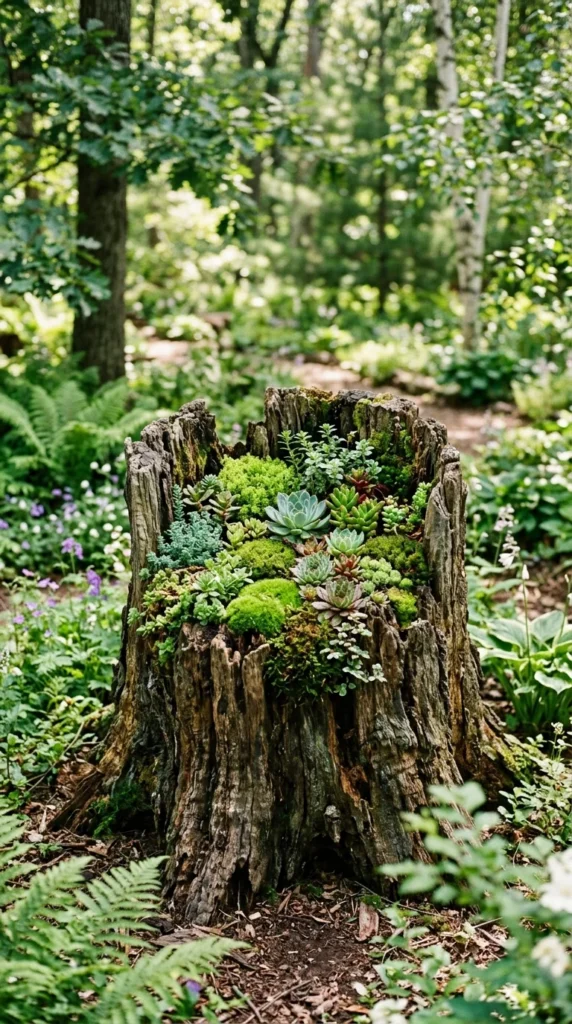
If you’ve had to remove a tree, don’t pay to have the stump ground away. Instead, turn it into a “stumpnery”—a planter made from the stump itself. Use a drill or a chisel to hollow out the center of the stump, leaving a few inches of wood around the perimeter. Fill the cavity with a mixture of compost and soil. Stumps are ideal for moisture-loving plants because the decaying wood helps retain water. Over time, the stump will continue to decompose naturally, providing nutrients to the plants inside. You can also use smaller logs to create “log planters” to line a driveway or frame a doorway, blending your DIY projects seamlessly with the natural environment.
Essential Tips for Budget Gardening Success
While sourcing materials for free or cheap is the first step, maintaining a budget-friendly garden requires a bit of long-term strategy.
- Propagate Your Plants: Instead of buying new plants, learn the art of taking cuttings. Many perennials, such as lavender, rosemary, and hydrangeas, can be grown from a simple stem cutting dipped in rooting hormone.
- Make Your Own Compost: Stop buying bagged soil and fertilizers. A simple compost bin made from four wooden stakes and some chicken wire can turn your kitchen scraps and yard waste into “black gold” for your garden.
- Seed Swapping: Join local gardening groups or visit “seed libraries” at your local community center. Gardeners are often happy to trade seeds from their most successful crops for something new.
- Buy “End of Season”: If you must buy tools or decorative items, wait until the end of summer or early autumn. Garden centers often clear out their inventory at 50-75% off to make room for holiday decor.
- Mulch for Free: Wood chips are often available for free from local arborists who are looking for a place to dump their clippings. Mulching heavily reduces the need for watering and weeding, saving you both time and money in the long run.
By focusing on upcycling and utilizing natural resources, you can create a high-end garden look on a shoestring budget. These projects not only save money but also reduce waste and provide a deep sense of satisfaction as you watch your repurposed creations bloom.