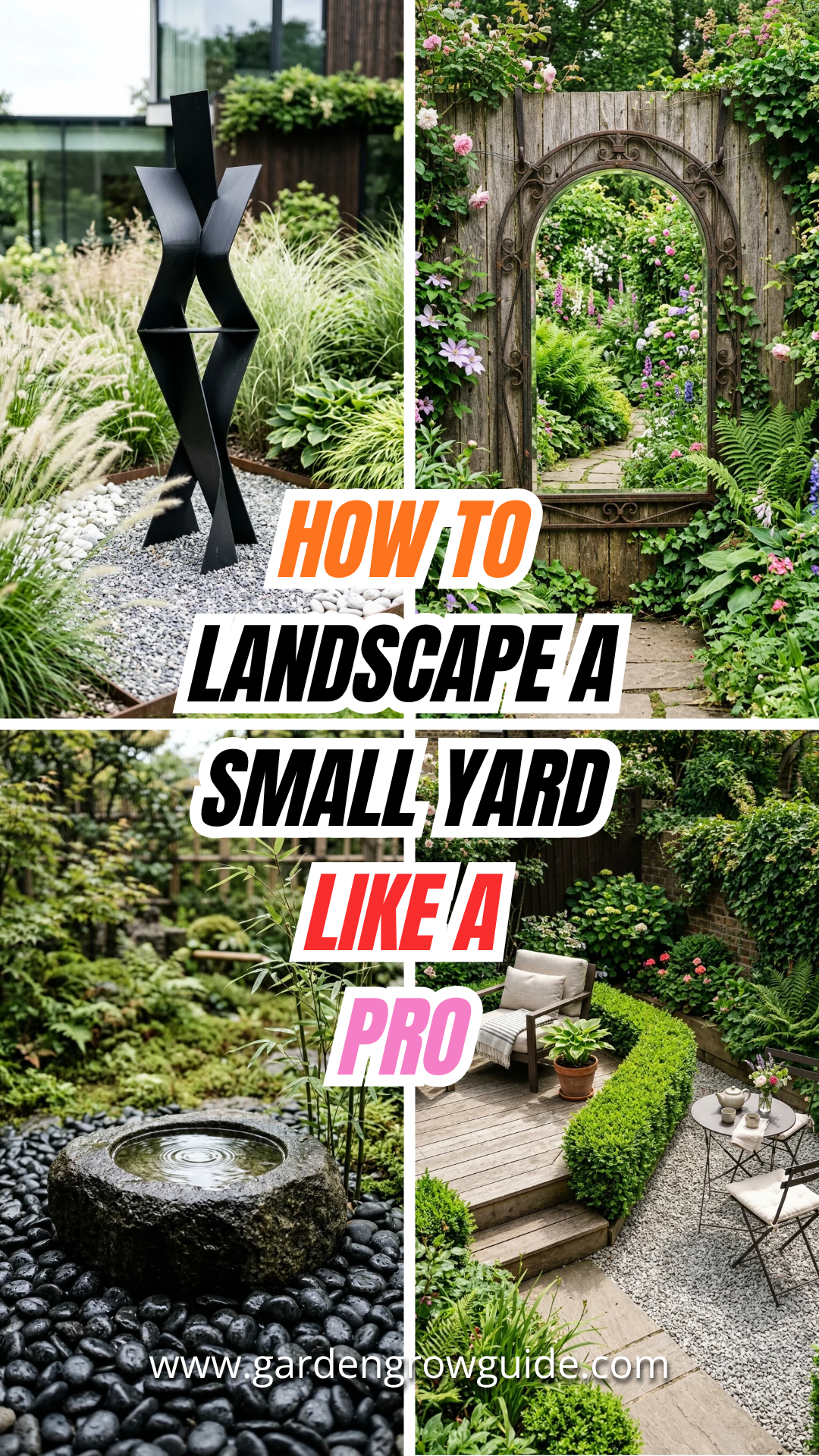
Transforming a compact outdoor space into a functional, beautiful retreat requires more than just a green thumb; it requires strategic design and a professional approach to spatial management. When square footage is at a premium, every square inch must serve a purpose. Professional landscapers don’t view a small yard as a limitation; they see it as an opportunity to create a high-impact, jewel-box environment where detail and intimacy take center stage.
By applying professional design principles—such as scale, verticality, and zoning—you can make a tiny patio or a narrow side yard feel expansive and inviting. The goal is to lead the eye, create a sense of movement, and provide a seamless transition between the indoors and the outdoors. Here is a comprehensive guide on how to landscape your small yard like a seasoned pro.
1. Vertical Gardening
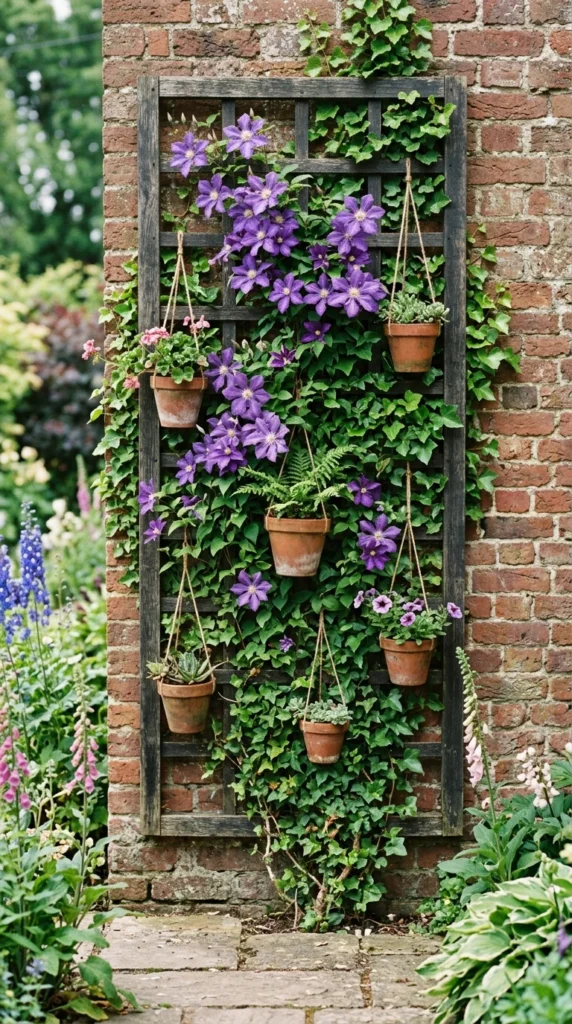
In a small yard, the most valuable real estate is often the air above your head. Vertical gardening is the cornerstone of professional small-space design because it draws the eye upward, creating an illusion of height and volume without sacrificing floor space. You can utilize walls, fences, and freestanding structures to host a variety of greenery.
Professionals often use living walls—modular systems that allow plants to grow directly on a vertical surface—to create a lush, “jungle” feel. If a living wall is too complex, simple trellises with climbing roses, jasmine, or honeysuckle can add fragrance and color. Using hanging planters at varying heights also adds a sense of depth. This technique not only maximizes planting space but also serves as a natural privacy screen, masking unsightly fences or neighboring views.
2. Focal Points
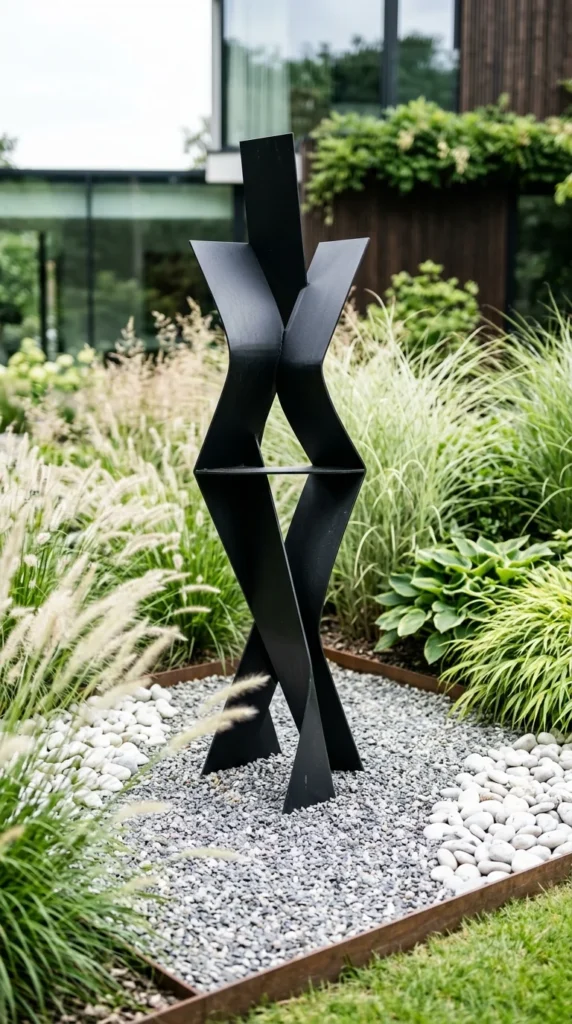
One of the biggest mistakes DIY landscapers make in small yards is cluttering the space with too many small objects. Professionals do the opposite: they choose one or two bold focal points to anchor the design. A focal point gives the eye a place to rest and prevents the yard from feeling chaotic.
This could be a striking piece of garden art, a large ornamental pot, or a unique specimen tree like a Japanese Maple. By placing a significant element at the furthest point of the yard, you draw the viewer’s gaze through the space, making the yard feel longer than it actually is. Ensure the focal point is in proportion with the surroundings; it should be large enough to command attention but not so massive that it overwhelms the area.
3. Strategic Lighting
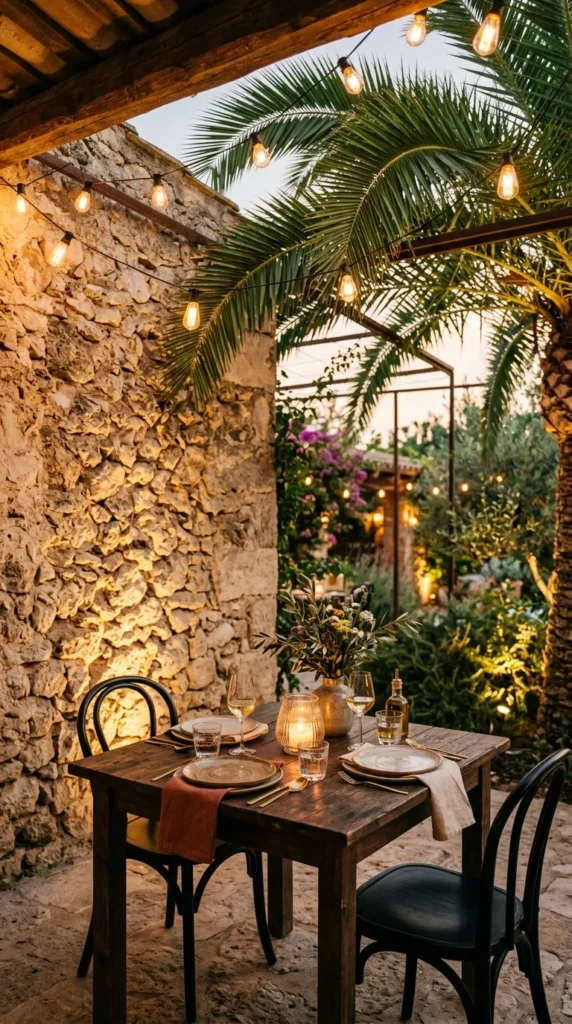
Professional landscaping doesn’t disappear when the sun goes down. In fact, strategic lighting is one of the most effective ways to make a small yard feel luxurious and spacious. Layered lighting—combining ambient, task, and accent lights—creates a three-dimensional effect that adds depth to the garden at night.
Use “up-lighting” to illuminate the trunks of trees or the texture of a stone wall, which adds a sense of drama and height. Path lights should be used sparingly to guide movement without cluttering the walkway. For small seating areas, soft string lights or lanterns provide a warm, intimate glow. By illuminating the perimeter of the yard, you push back the “walls” of darkness, making the boundaries of your property feel more distant.
4. Multi-functional Furniture
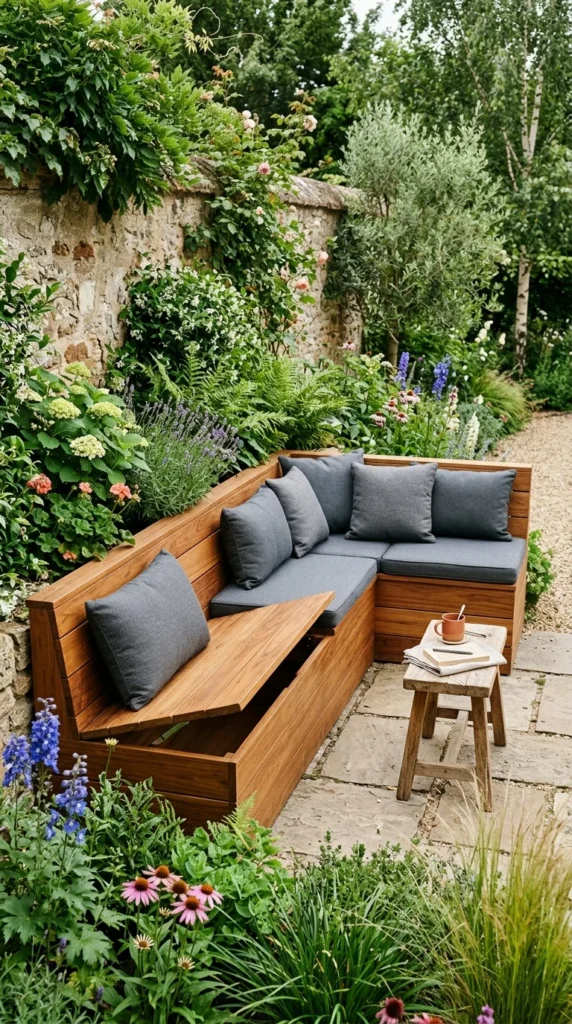
In a small yard, furniture must be both stylish and smart. Professionals often opt for built-in seating, such as benches integrated into retaining walls or planters. This eliminates the need for bulky chairs that take up precious floor space and can make a yard feel cramped.
Look for pieces that serve double duty: an ottoman that works as a coffee table, or a dining table with leaves that can be folded down when not in use. Transparent furniture, such as “ghost chairs” made of clear acrylic, is another pro trick; these pieces provide seating without visual weight, allowing the eye to travel right through them to the garden beyond. Always prioritize quality over quantity; two comfortable, well-placed chairs are better than a full dining set that leaves no room to walk.
5. Layered Planting
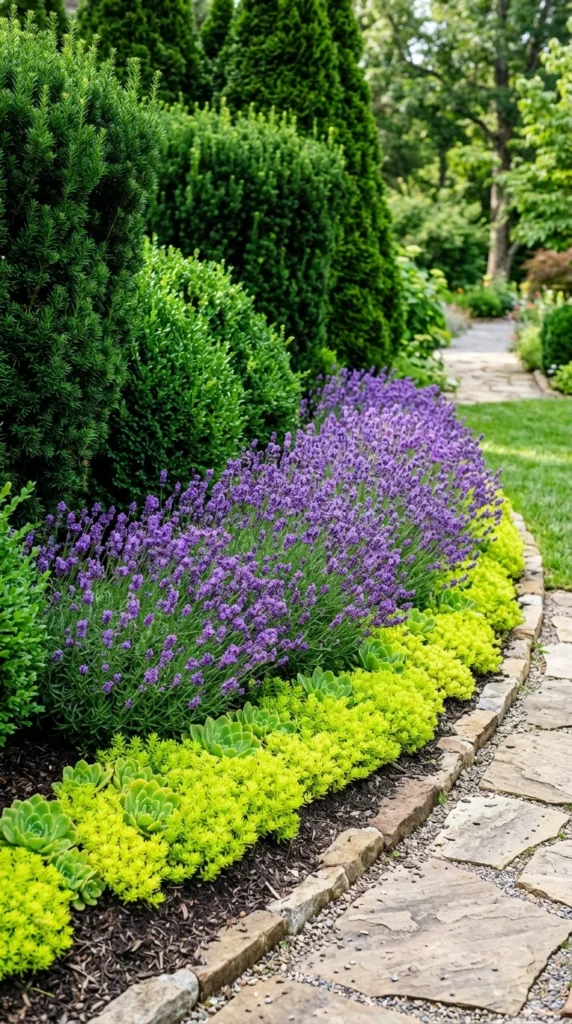
To make a small garden feel lush and established, professionals use a technique called “layering.” Instead of planting in a single row, arrange plants in tiers based on their height. This creates a sense of abundance and masks the boundaries of the yard.
Start with the tallest plants (hedges or small trees) at the back, followed by mid-sized perennials or shrubs, and finish with low-growing groundcovers or annuals at the front. Use different textures and leaf shapes to create visual interest; for example, pair the broad, waxy leaves of a hosta with the fine, feathery fronds of a fern. This variation in texture makes the planting beds feel deeper and more complex, tricking the brain into perceiving more space than there actually is.
6. Zoning Areas
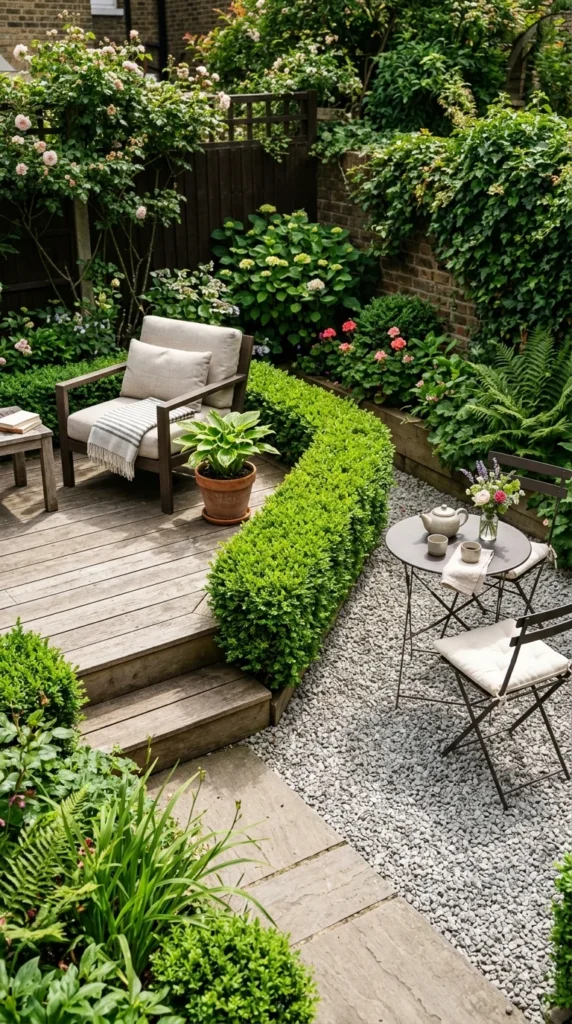
Even the smallest yard can be divided into “rooms.” Zoning is the practice of defining specific areas for different activities, such as a dining area, a lounge corner, or a small play space. Professionals use changes in materials, levels, or plantings to signal these transitions.
For example, you might use a bluestone patio for the dining area and transition to a pea gravel or wood chip area for a fire pit. Using outdoor rugs is another excellent way to define a “room” and add color. By breaking the yard into smaller sections, you actually make it feel larger because the eye perceives multiple distinct spaces rather than one small, singular box.
7. Color Palette
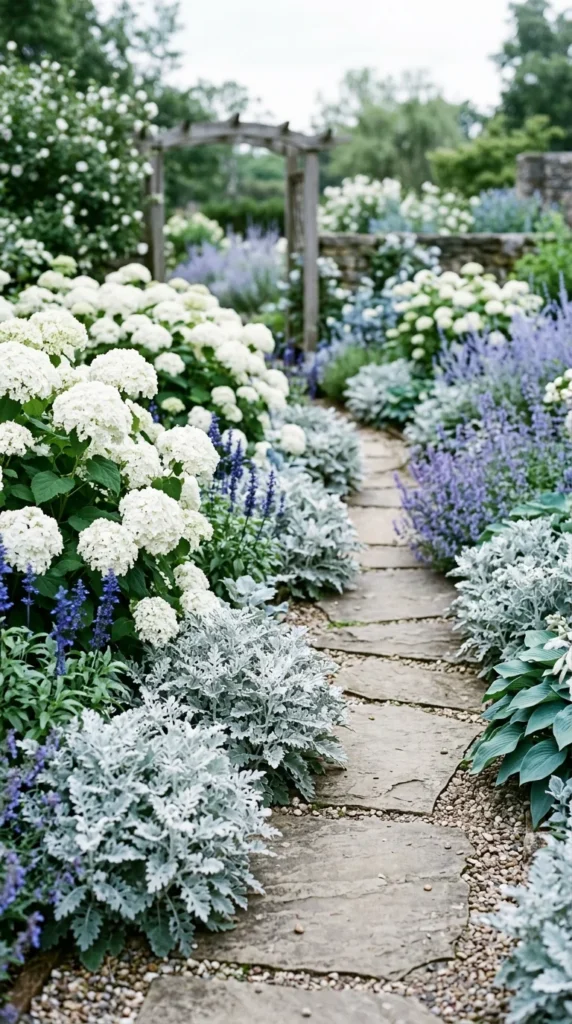
A professional landscape usually features a carefully curated color palette. In small yards, a chaotic mix of too many colors can make the space feel cluttered and “noisy.” Pros often stick to a limited palette to create a sense of harmony and expansion.
Cool colors, such as blues, purples, and whites, tend to recede from the viewer, making a space feel larger and more airy. In contrast, warm colors like red, orange, and yellow advance toward the eye, which can make a small space feel even smaller (though more intimate). Using various shades of the same color—a monochromatic scheme—is a sophisticated way to add depth while maintaining a clean, professional look.
8. Water Features
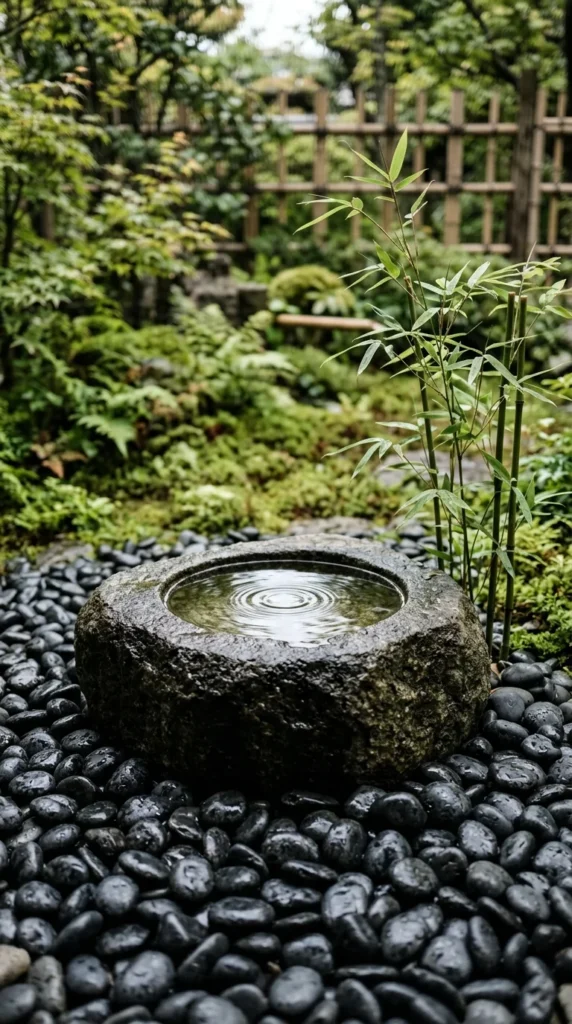
The sound of trickling water is a powerful tool in small-scale landscaping. It provides a sensory experience that can mask neighborhood noise, such as traffic or air conditioners, creating a private sanctuary. You don’t need a massive pond to achieve this effect; professionals often use “plug-and-play” fountains, wall-mounted water features, or simple bubbling urns.
A water feature also introduces movement and light reflection into the yard. A still reflective pool can act like a horizontal mirror, reflecting the sky and the surrounding plants, which doubles the visual impact of your greenery. Keep the design simple and the scale appropriate to the space to ensure it complements rather than crowds the yard.
9. Edging and Paths
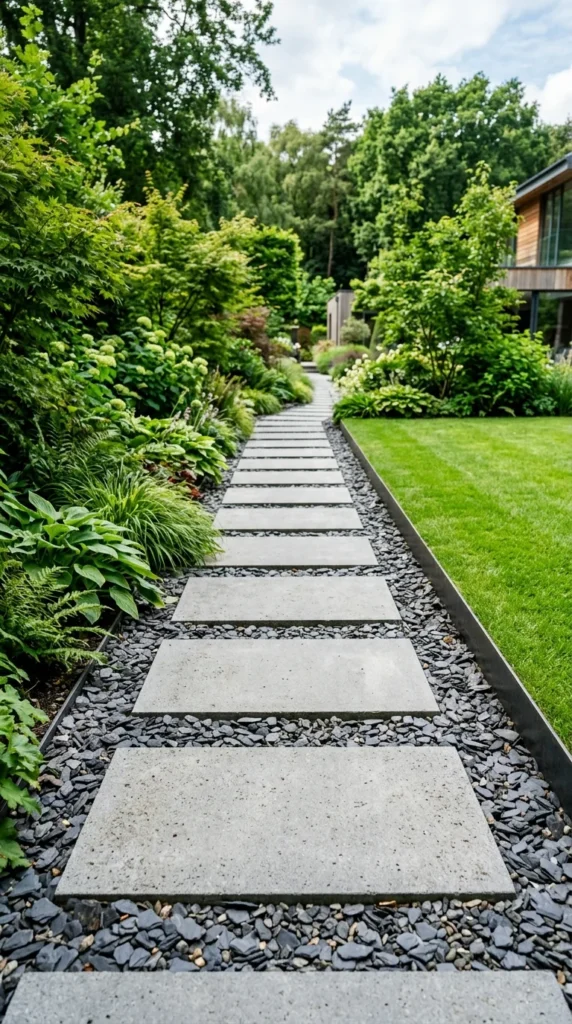
Clean lines are the hallmark of a professional landscape. In a small yard, crisp edging between the lawn, the garden beds, and the walkways provides structure and prevents the space from looking overgrown. Use materials like metal, brick, or stone to create a permanent border.
When it comes to paths, professionals often use “stepping stones” or oversized pavers with gaps in between. This allows groundcover plants or moss to grow between the stones, softening the look. A winding path, even a short one, creates a sense of journey and mystery. If you can’t see the end of the path immediately, the yard feels like it has more to explore.
10. Mirror Magic
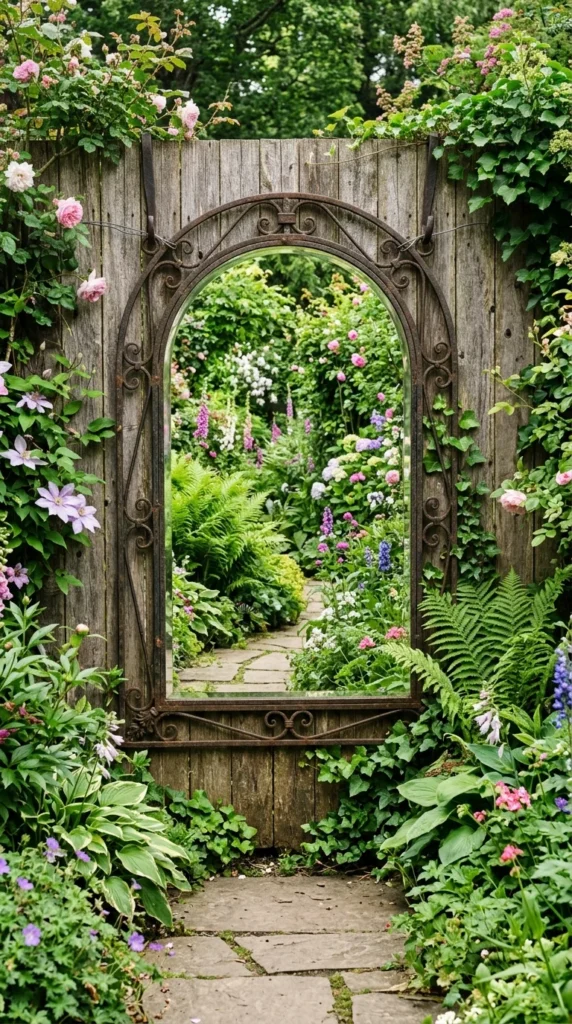
One of the best-kept secrets of professional small-space designers is the use of mirrors. Just as they work indoors to expand a room, garden mirrors can transform a cramped outdoor corner. By mounting a weather-resistant mirror on a fence or wall, you can reflect light into shady spots and create the illusion of a “window” into another part of the garden.
To make this look professional, frame the mirror with climbing plants or place it behind a thin layer of foliage. This hides the edges and makes the reflection look like a natural opening or a hidden path. It’s a clever trick that adds depth, light, and a touch of whimsy to any small landscape.