
Xeriscaping is far more than just a gardening trend; it is a sustainable philosophy that transforms outdoor spaces into vibrant, low-maintenance ecosystems. Derived from the Greek word “xeros,” meaning dry, xeriscaping focuses on water conservation through thoughtful design and the use of native and drought-resistant plants. Contrary to the common misconception that these gardens consist only of rocks and cacti, a well-executed xeriscape can be lush, colorful, and teeming with life. As global water resources become increasingly precious, adopting these principles allows homeowners to reduce water consumption by 50% to 75% while creating a stunning visual sanctuary.
1. Planning
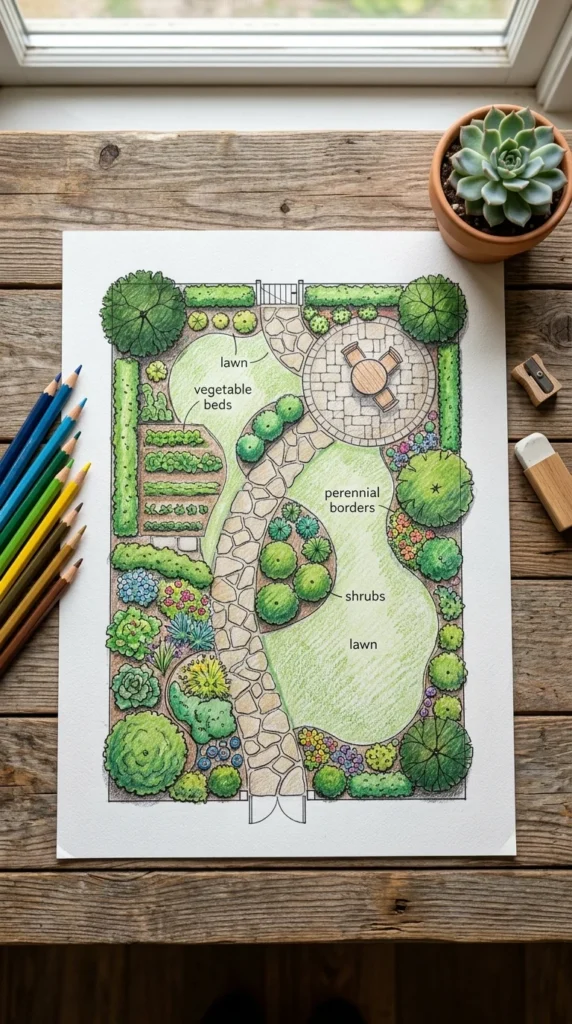
The foundation of any successful xeriscape is a comprehensive plan. Unlike traditional gardening where plants might be placed based solely on aesthetics, xeriscaping requires “hydrozoning.” This is the practice of grouping plants with similar water, sunlight, and soil requirements together. By creating zones, you ensure that you aren’t overwatering a drought-tolerant shrub just to keep a thirstier perennial alive.
When planning, consider the natural topography of your yard. Low-lying areas that naturally collect water are ideal for plants that can handle occasional moisture, while high, sloped areas should be reserved for the hardiest desert species. Consider how the sun moves across your property throughout the day, noting areas of intense afternoon heat and pockets of deep shade. A good design also incorporates “hardscaping”—the use of non-living elements like patios, walkways, and retaining walls—to reduce the total plantable area and add structural interest.
2. Soil
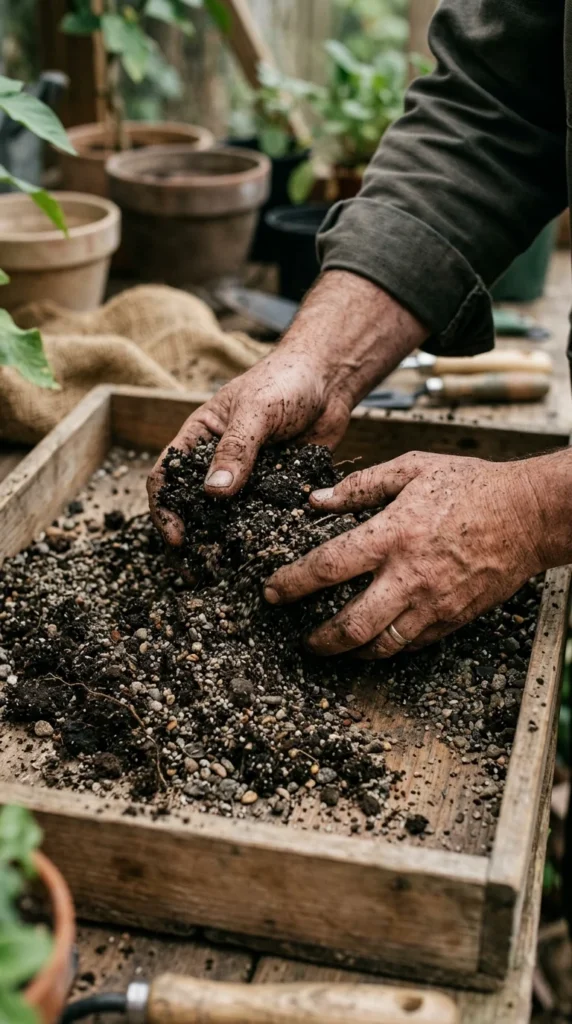
Healthy soil is the lifeblood of a xeriscape, but the requirements differ from traditional gardens. Most drought-tolerant plants, particularly succulents and Mediterranean herbs, require exceptional drainage. If water sits around the roots of these plants for too long, they will succumb to root rot.
Before planting, perform a simple drainage test by digging a hole, filling it with water, and timing how long it takes to empty. If it takes hours, you will need to amend the soil. Incorporating organic matter like compost can improve the water-holding capacity of sandy soils while simultaneously breaking up heavy clay to improve aeration. For many desert-native species, adding pea gravel or expanded shale to the soil mix provides the sharp drainage they crave. Understanding your soil’s pH is also crucial, as many native plants have specific alkalinity or acidity preferences that affect their ability to absorb nutrients.
3. Turf
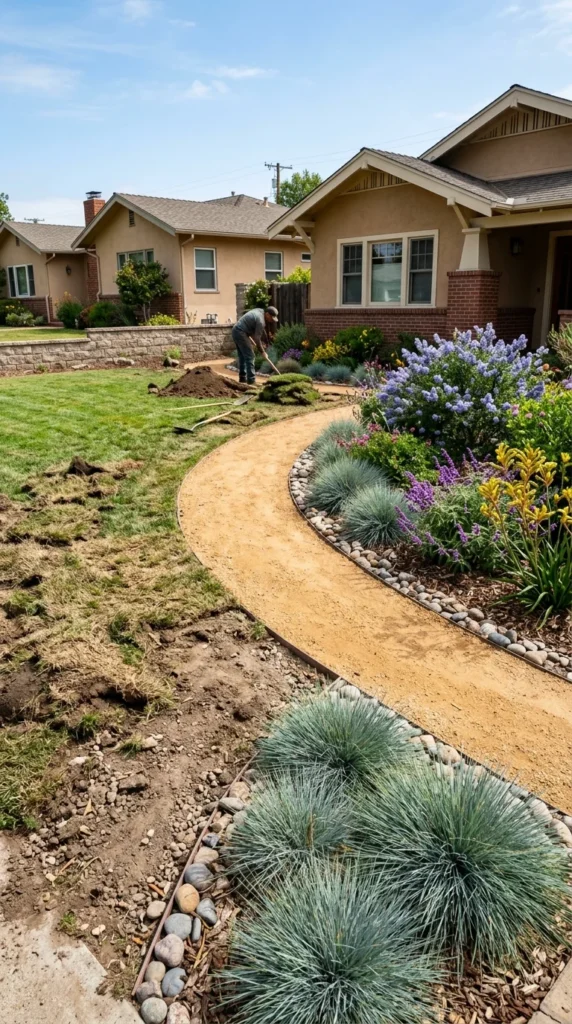
In a traditional landscape, the lawn is often the primary water consumer. Xeriscaping encourages the reduction or total elimination of “functional turf”—areas of grass that are rarely used for recreation and exist only for aesthetics. By replacing these water-thirsty monocultures with more diverse plant life or hardscape elements, you drastically reduce your environmental footprint.
If you still desire the look of a lawn, consider “meadow-scaping” with native grasses that require minimal mowing and a fraction of the water. Species like Buffalo grass or Blue Grama provide a soft, green carpet but are evolutionarily adapted to survive long periods of drought. Alternatively, you can use groundcovers like creeping thyme or silver carpet (Dymondia margaretae), which provide lush coverage, handle light foot traffic, and produce charming blooms.
4. Plants
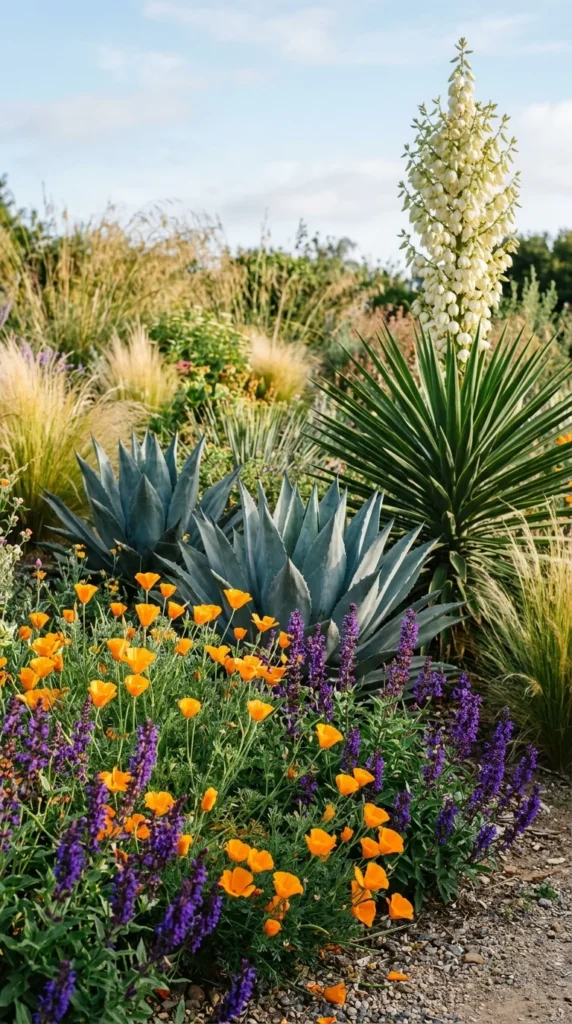
Selecting the right plants is the most creative and rewarding part of xeriscaping. The golden rule is to prioritize native species. Native plants have spent thousands of years adapting to your local climate, soil conditions, and rainfall patterns. They are naturally resistant to local pests and provide essential habitats for native pollinators like bees, butterflies, and birds.
Look for plants with physical adaptations to heat. Silver or grey foliage, like that found in Lavender or Artemisia, reflects sunlight and helps keep the plant cool. Small or needle-like leaves reduce the surface area through which water can evaporate. Succulents store water in their fleshy leaves and stems, allowing them to thrive during dry spells. To create a stunning visual impact, play with “repetition and variety.” Use a limited palette of plants but repeat them in drifts or clusters to create a sense of rhythm and harmony throughout the garden.
5. Mulch
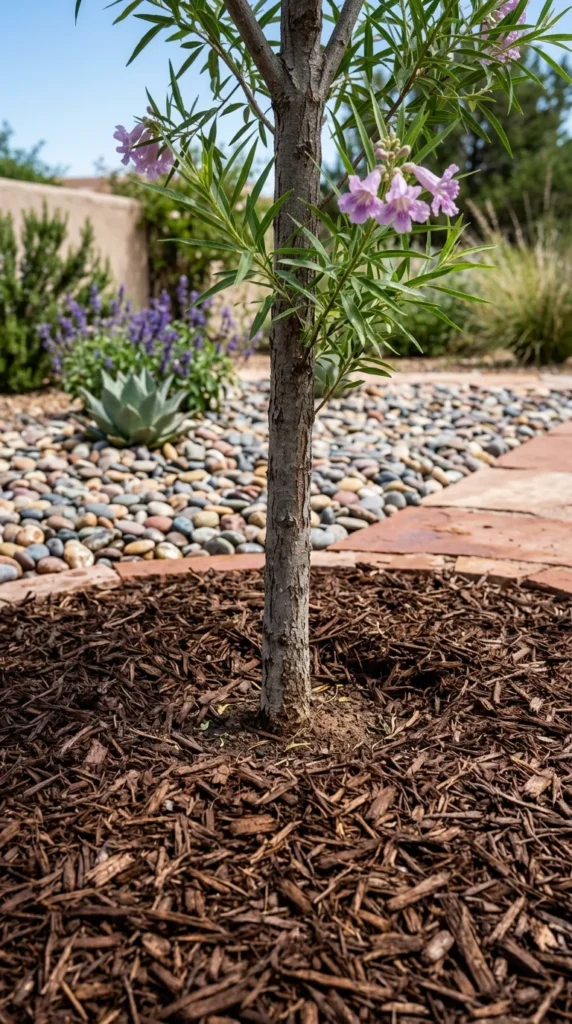
Mulch is the “secret weapon” of a water-wise garden. A thick layer of mulch (typically 2 to 4 inches) performs several vital functions: it suppresses weed growth, regulates soil temperature, and, most importantly, prevents moisture from evaporating from the soil surface.
In xeriscaping, there are two primary types of mulch: organic and inorganic. Organic mulches, such as shredded bark, wood chips, or pine needles, eventually decompose and add nutrients back into the soil. These are excellent for garden beds with shrubs and perennials. Inorganic mulches, like gravel, river rock, or decomposed granite, are ideal for succulent gardens and areas where you want a clean, modern aesthetic. Stone mulches also help keep the “crown” of certain plants dry, preventing rot during rainy seasons.
6. Irrigation
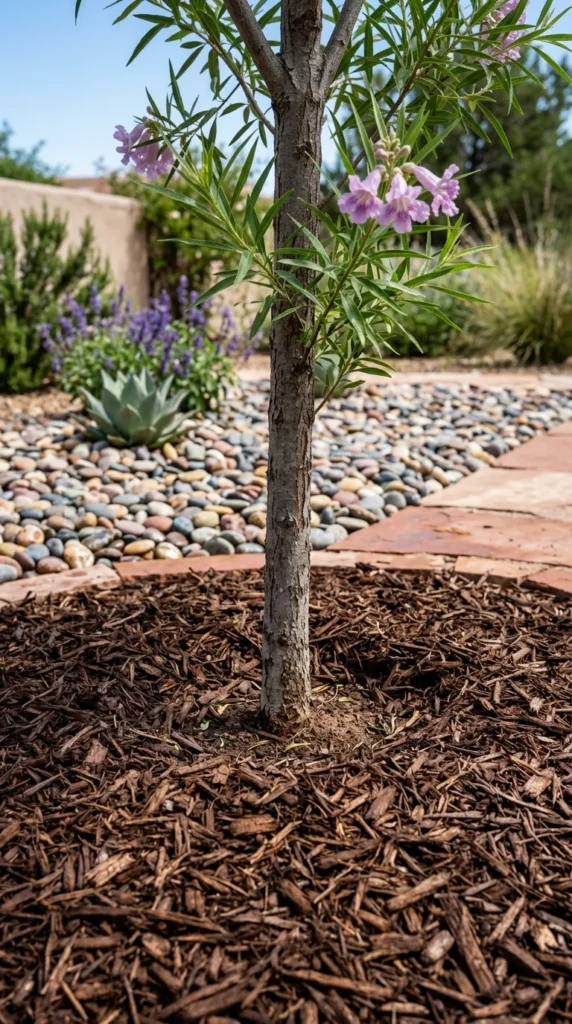
While the goal of a xeriscape is to thrive on natural rainfall, new plants need supplemental water until they are established (usually one to two growing seasons). Even established gardens may need a drink during extreme heatwaves. The key is efficiency.
Drip irrigation is the gold standard for xeriscaping. Unlike overhead sprinklers, which lose a significant amount of water to evaporation and wind drift, drip systems deliver water directly to the root zone of each plant. This encourages deep root growth, making the plants more resilient over time. Smart irrigation controllers can further enhance efficiency by adjusting watering schedules based on real-time local weather data, ensuring you never water during a rainstorm. Remember the mantra: “water deeply and infrequently.” This teaches plants to send their roots deep into the earth in search of moisture.
7. Maintenance
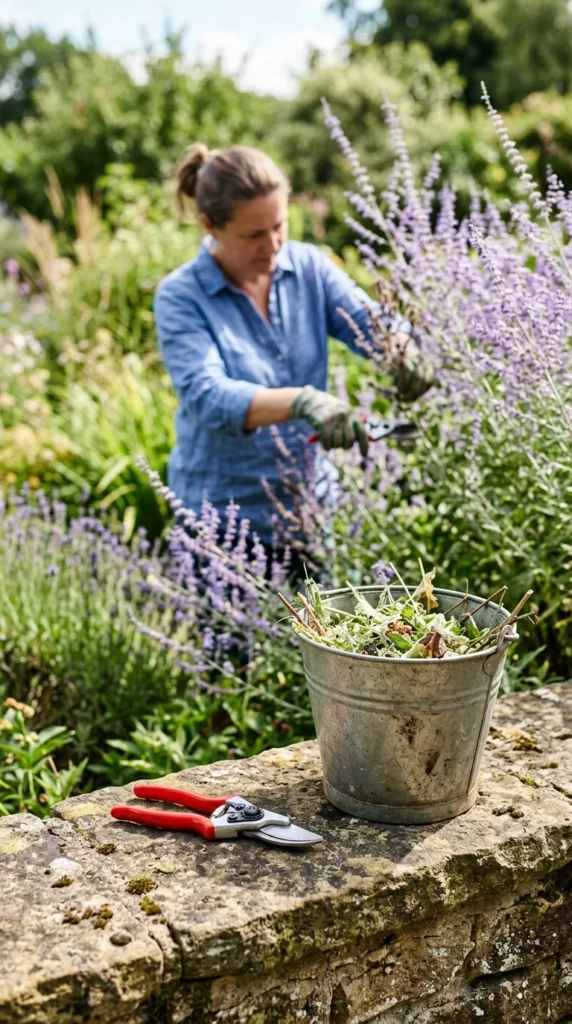
One of the greatest appeals of a xeriscape is its low-maintenance nature, but “low maintenance” does not mean “no maintenance.” A beautiful garden still requires a watchful eye and occasional intervention.
Regular tasks include weeding, especially in the spring, to ensure that invasive species don’t steal precious water from your intentional plantings. Pruning is necessary to remove dead or diseased wood and to maintain the desired shape of shrubs and trees. For many xeriscape perennials, “deadheading” (removing spent flowers) can encourage a second flush of blooms and keep the garden looking tidy. Over time, you may also need to replenish mulch layers as they settle or decompose. By spending just a small amount of time each month on these tasks, you ensure that your water-wise oasis remains a stunning and healthy environment for years to come.