Managing a sloped yard can feel like an uphill battle. Between soil erosion, drainage issues, and the sheer difficulty of mowing a steep incline, many homeowners view their hilly terrain as a liability. However, professional landscape architects often view slopes as an opportunity to create depth, drama, and distinct “outdoor rooms” that flat lots simply cannot replicate. By utilizing the right structural elements and planting strategies, you can turn a challenging grade into a breathtaking vertical masterpiece.
1. Retaining Walls
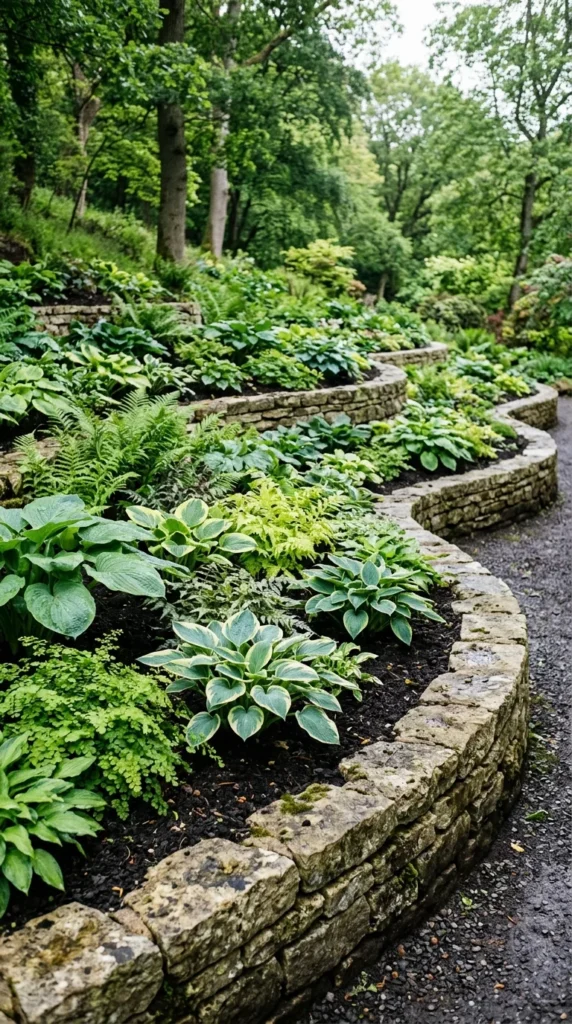
Retaining walls are the backbone of sloped landscaping. They serve a dual purpose: providing structural integrity to prevent soil from sliding and creating flat, usable areas for gardening or lounging. Materials can range from natural fieldstone and timber to modern poured concrete or interlocking masonry blocks. By staggering the height and depth of these walls, you can soften the “fortress” look and create a more organic, tiered appearance that integrates seamlessly with the rest of your home’s architecture.
2. Terraced Gardens
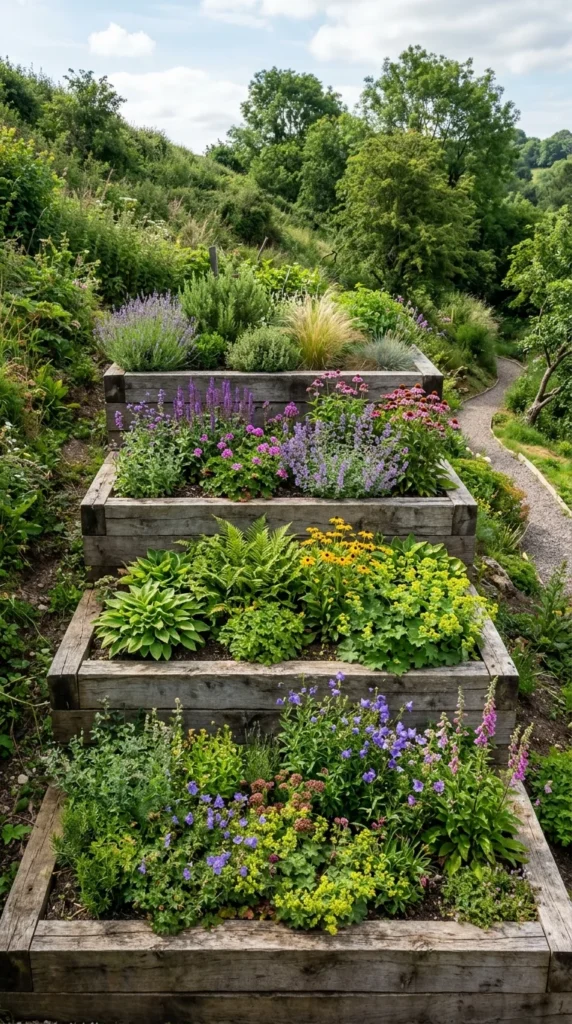
Terracing is the process of turning a single steep incline into a series of smaller, manageable “steps.” This is one of the most effective ways to manage water runoff. Instead of rain rushing down the hill and washing away mulch and topsoil, it soaks into each level. Terraced gardens allow for diverse planting schemes; you can have a rose garden on the sunny top tier and shade-loving woodland plants on the cooler bottom tier.
3. Stone Stairs
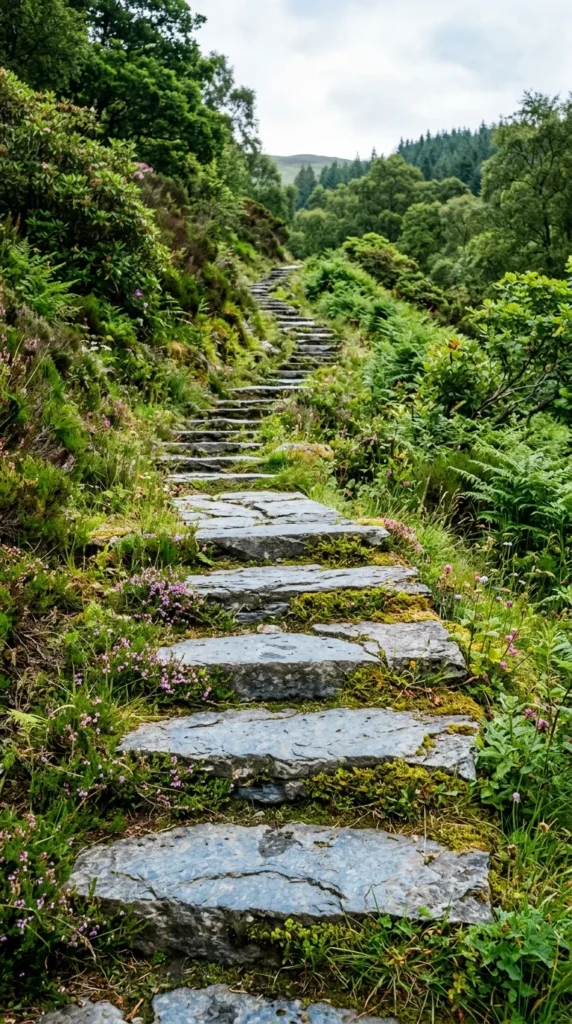
When a slope is too steep for a comfortable walk, stone stairs provide both safety and a sense of journey. Using large, heavy slabs of natural stone ensures the steps won’t shift over time. To make the climb feel less strenuous, landscape designers often incorporate landings—wider flat areas—where people can pause and enjoy the view. Planting low-growing groundcovers like “Stepables” around the edges helps the stairs look as though they have been part of the landscape for centuries.
4. Natural Waterfalls
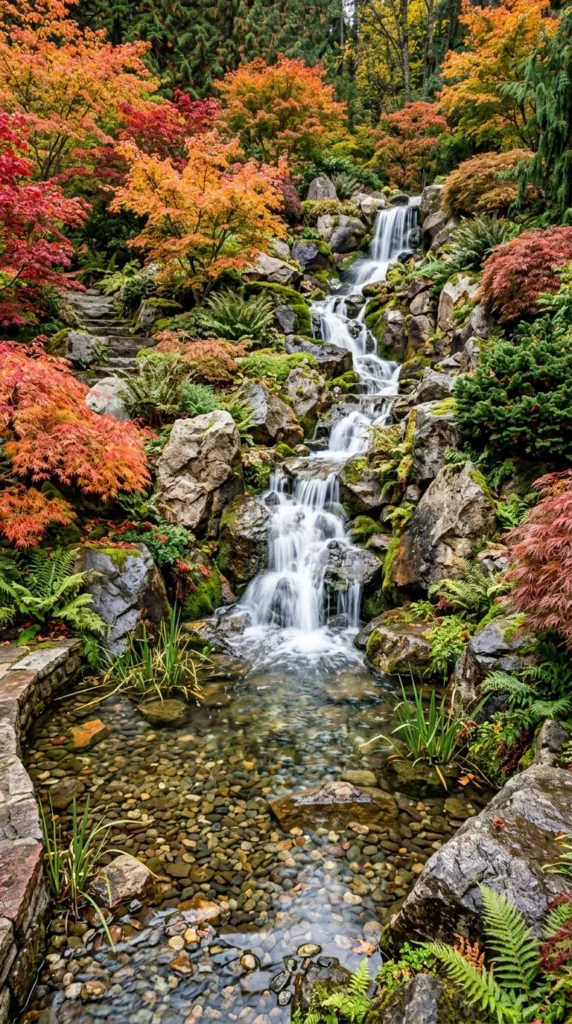
Gravity is your best friend when it comes to water features. A sloped yard is the perfect canvas for a cascading waterfall or a “disappearing” stream. Because the water moves downward naturally, you can create a series of drops and pools that provide a soothing soundscape. This not only adds immense aesthetic value but also helps to aerate the water if you choose to include a pond with fish at the bottom.
5. Tiered Decking
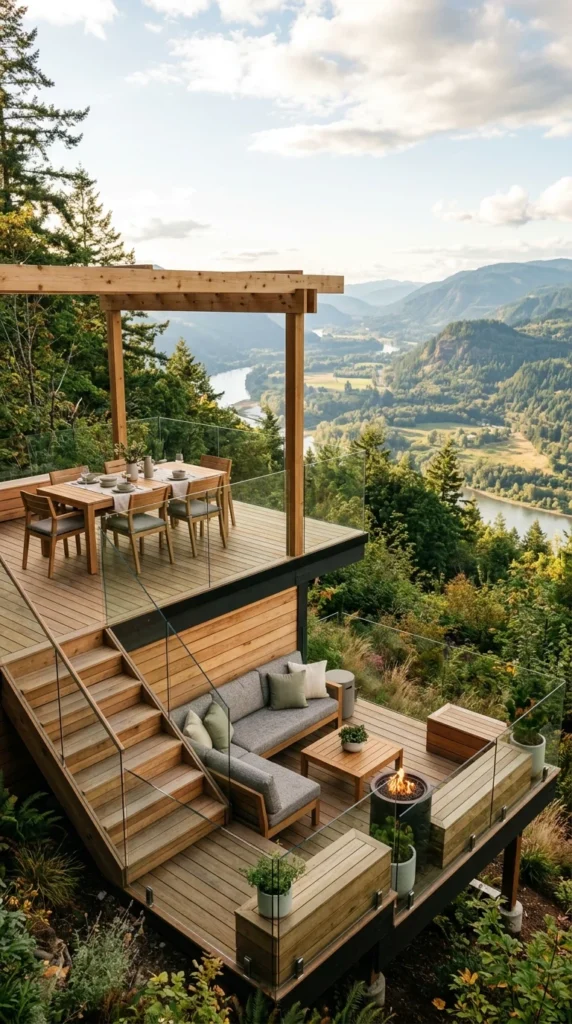
If the slope is too steep or the soil too unstable for heavy masonry, a tiered wooden or composite deck is an excellent alternative. By building a structure on piers, you can create massive amounts of flat living space without moving tons of earth. Different levels can be designated for specific activities: a top level for outdoor dining, a middle level for a fire pit, and a bottom level for a hot tub or a shaded hammock area.
6. Native Groundcovers
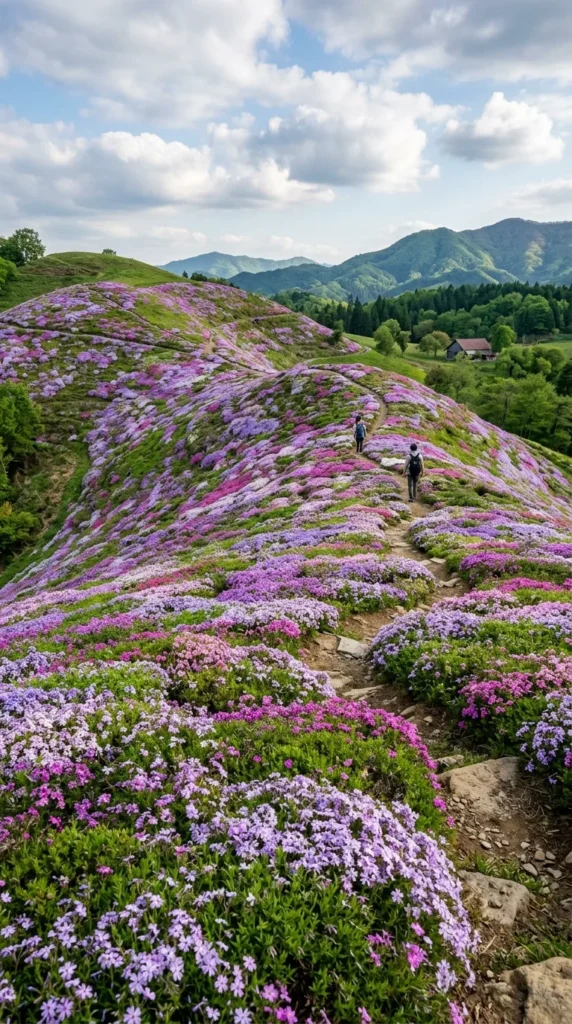
Mowing a lawn on a steep slope is dangerous and difficult. Replacing grass with native groundcovers is a low-maintenance solution that stabilizes the soil. Plants like creeping juniper, vinca minor, or creeping phlox have extensive root systems that “knit” the soil together, preventing erosion. Once established, these plants require little to no supplemental watering and create a lush, evergreen carpet that looks beautiful year-round.
7. Sunken Fire Pits
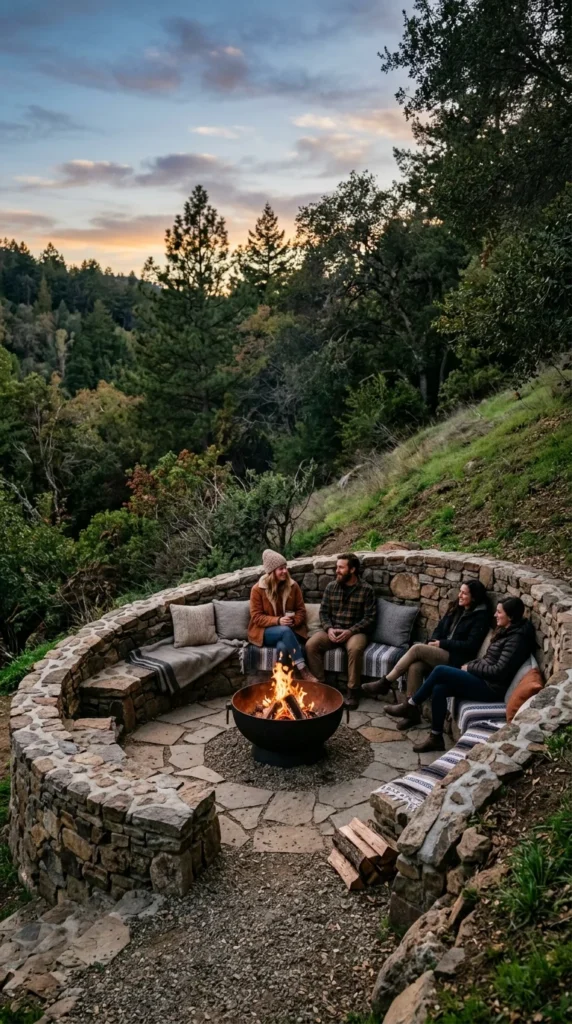
Using the natural “cut” of a slope can create a cozy, protected atmosphere for a fire pit. By excavating into the hill and installing a retaining wall that doubles as seating, you create a natural amphitheater effect. This design provides privacy from neighbors and protection from the wind, making it a perfect year-round gathering spot.
8. Dry Creek Beds
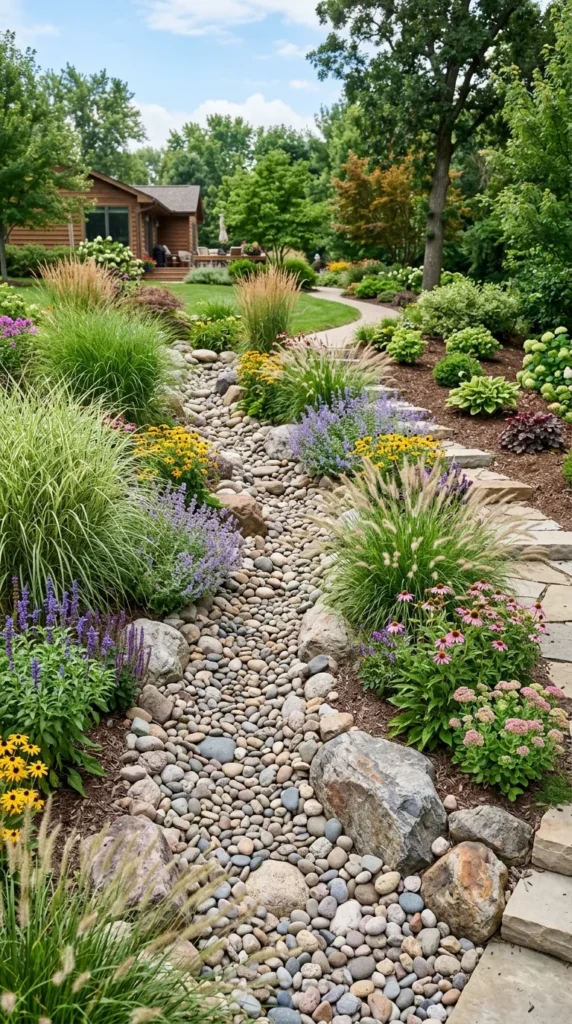
A dry creek bed is a functional and attractive way to manage drainage. During heavy rain, it acts as a channel to direct water away from your home’s foundation. During dry spells, the mix of river rocks, pebbles, and boulders provides a beautiful “zen” aesthetic. Adding plants like Blue Fescue or Sedum along the edges enhances the natural look of a dried-up river path.
9. Raised Planter Boxes
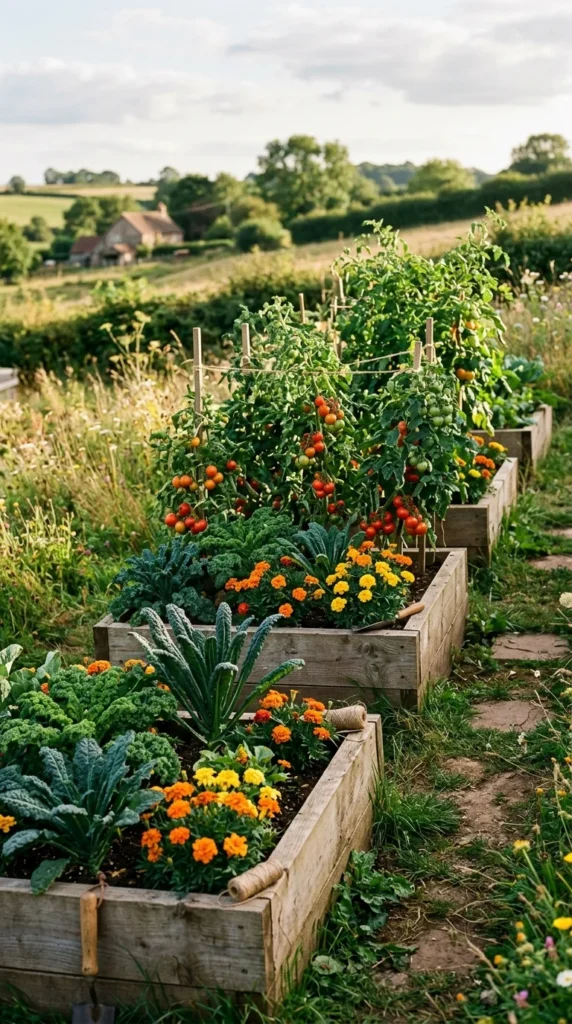
If you want to grow vegetables on a slope, raised beds are essential. Sloped soil often drains too quickly or unevenly, leaving some plants parched and others drowned. Building level planter boxes allows you to control the soil quality and ensures that water is distributed evenly to your crops. Stepping the boxes up the hill makes harvesting easier on your back as well.
10. Winding Paths
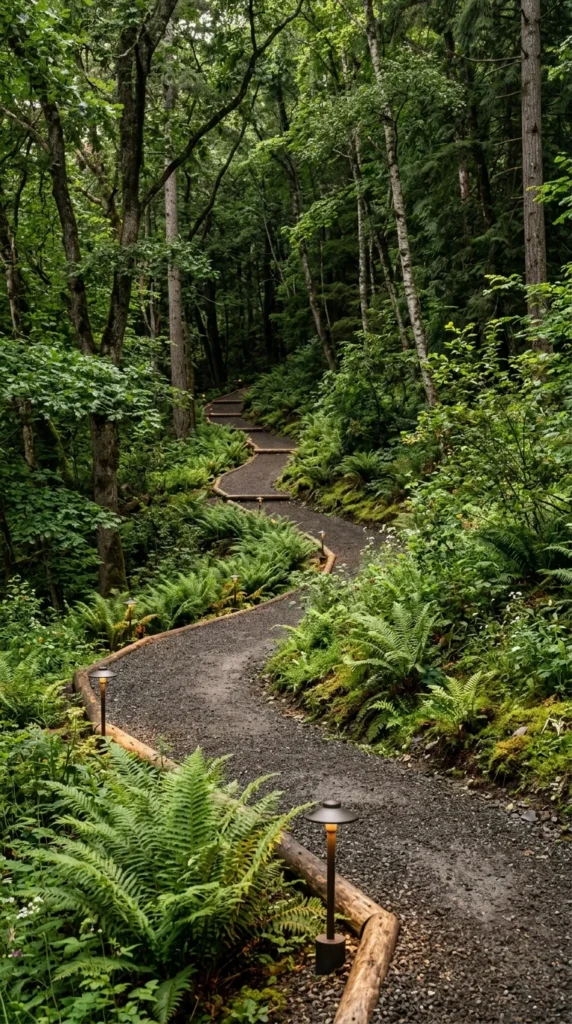
Directly ascending a steep hill can be exhausting. A “switchback” or winding path mimics the trails found in mountainous national parks. By lengthening the walking distance through curves, you decrease the steepness of the climb. This approach also allows you to “tour” different sections of your garden, revealing new plants and views at every turn.
11. Boulder Outcroppings
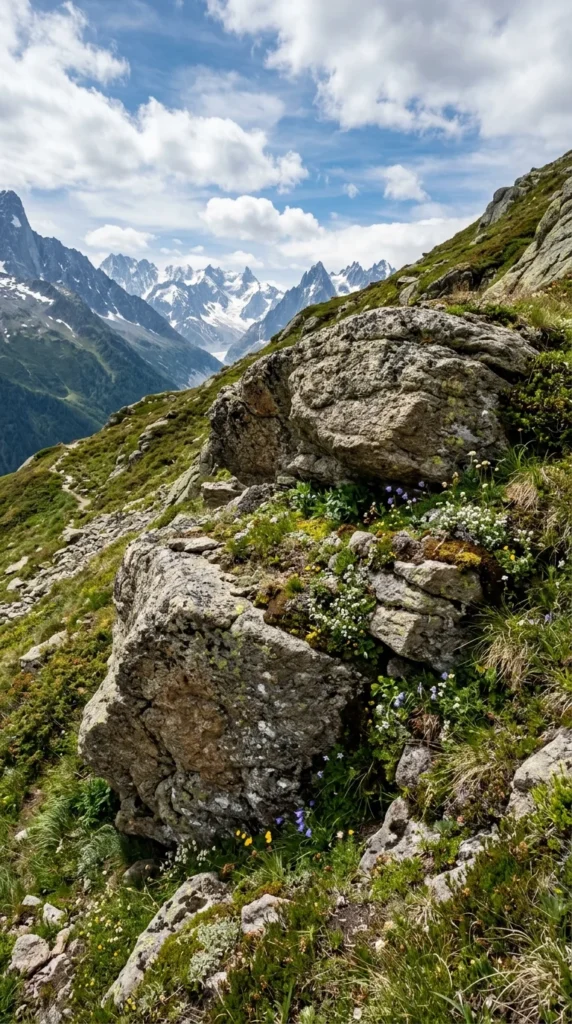
To make a sloped yard look more natural, incorporate large boulders. “Keying” boulders into the slope—burying about one-third of the rock—makes them look like they are part of the underlying bedrock. These rocks act as mini-retaining walls and provide a rugged, mountainous aesthetic. They also create microclimates; the north side of a boulder stays cool and moist, while the south side absorbs heat, allowing for a wider variety of plant life.
12. Hillside Seating Nooks
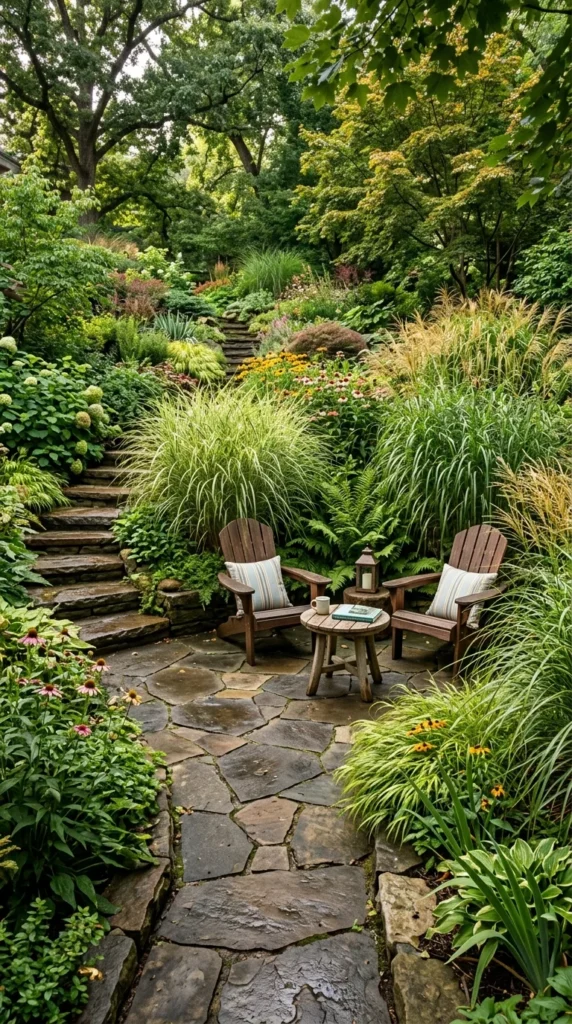
Sometimes the best view in the yard is halfway up the hill. Creating a small “destination” spot gives you a reason to explore the slope. A simple leveled area with a few pavers and comfortable chairs can transform a “pass-through” space into a private retreat. This is an excellent way to utilize sections of the yard that would otherwise be ignored.
13. Vertical Vine Trellises
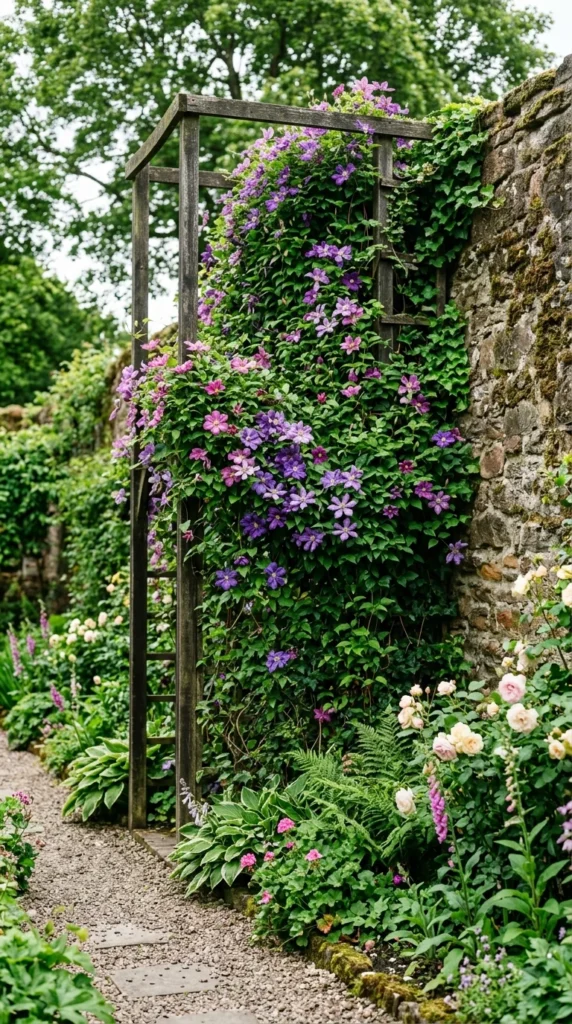
Slopes often come with tall retaining walls that can look a bit stark. Vertical gardening is the solution. Installing trellises or cable systems allows climbing plants like wisteria, jasmine, or climbing roses to soften the hard edges of the masonry. This adds a layer of lushness and can help cool the yard during hot summer months.
14. Rock Gardens
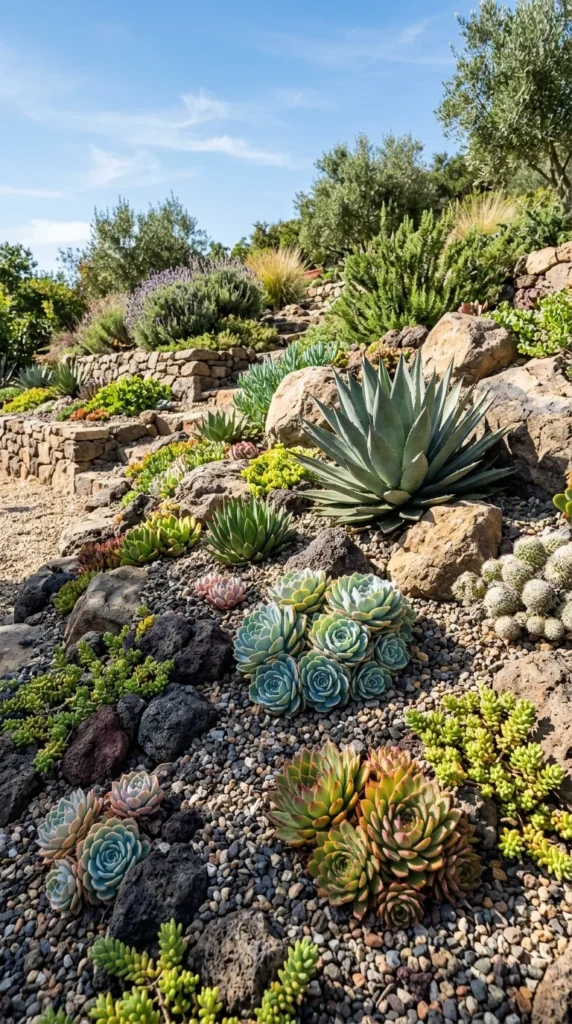
For arid climates or very steep, rocky slopes, a dedicated rock garden is ideal. These gardens focus on plants that thrive in well-drained, lean soil. By using different sizes and colors of stones, you can create a high-contrast, sculptural look that requires almost no water or maintenance once the plants are established.
15. Slide Integration
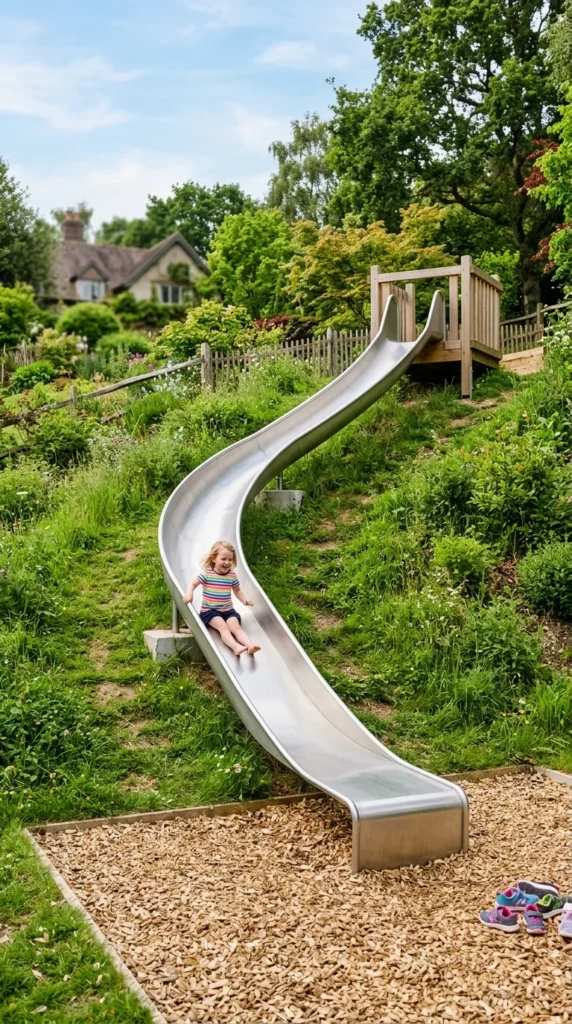
If you have children, a sloped yard is a dream come true for play. Instead of a bulky standalone swing set, you can install a slide directly onto the grade of the hill. It’s safer because there’s no high platform to fall off of, and it integrates the play area into the landscape rather than having it stick out.
16. Gabion Baskets
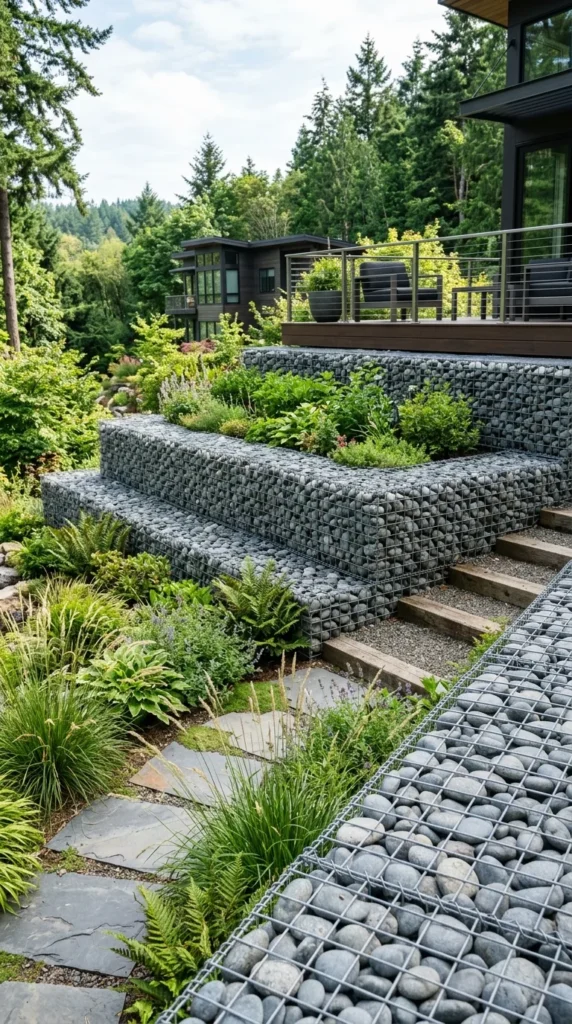
Gabion baskets—wire cages filled with rocks—are a modern and highly effective way to stabilize a slope. They are “permeable,” meaning water can flow right through them, which prevents the hydrostatic pressure that often causes solid concrete walls to crack or lean. They offer a unique industrial-chic look that pairs well with modern architecture.
17. Wildflower Meadows
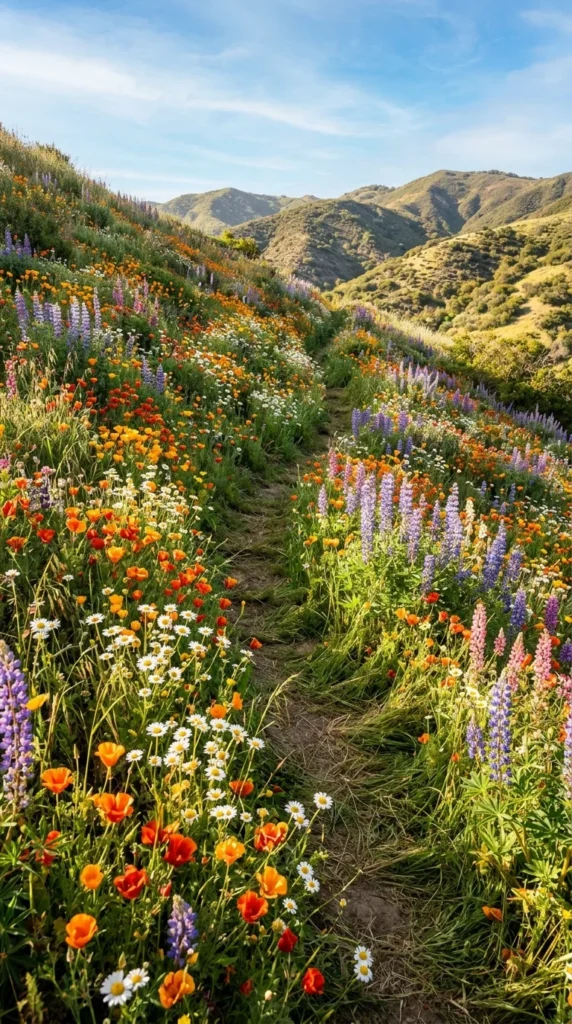
For a large, difficult-to-reach slope, consider a wildflower meadow. This “set it and forget it” approach involves sowing a mix of native seeds. The flowers attract pollinators like bees and butterflies and provide a changing tapestry of color throughout the seasons. The deep roots of native wildflowers are also excellent for stabilizing the soil against heavy rains.
18. Tiered Vegetable Plots
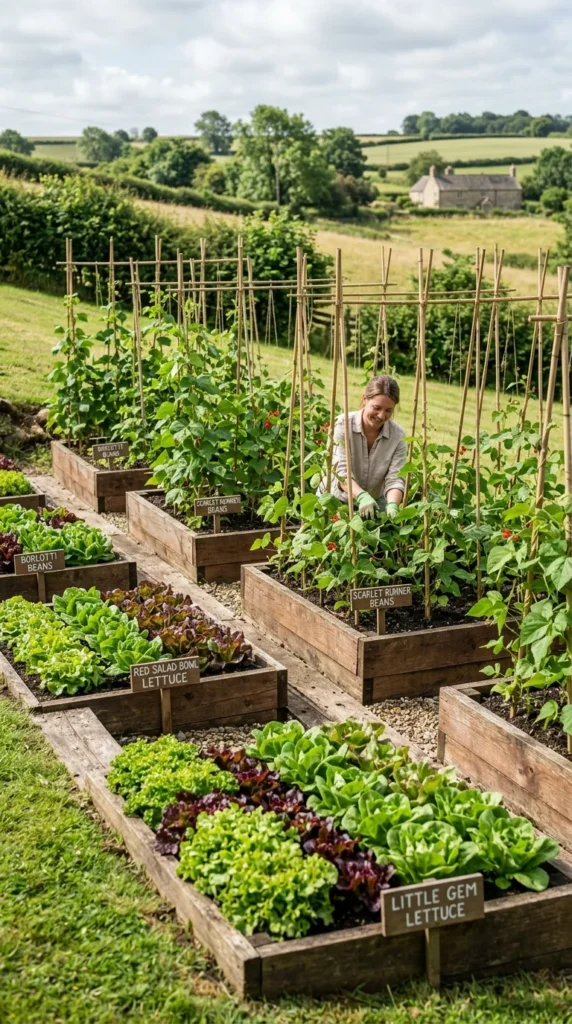
Utilizing a slope for food production is an ancient technique. By tiering your vegetable plots, you can maximize sun exposure. In the Northern Hemisphere, a south-facing slope is a goldmine for sun-loving plants like tomatoes and peppers, as each tier gets full sun without being shaded by the row in front of it.
19. Infinity Edge Pools
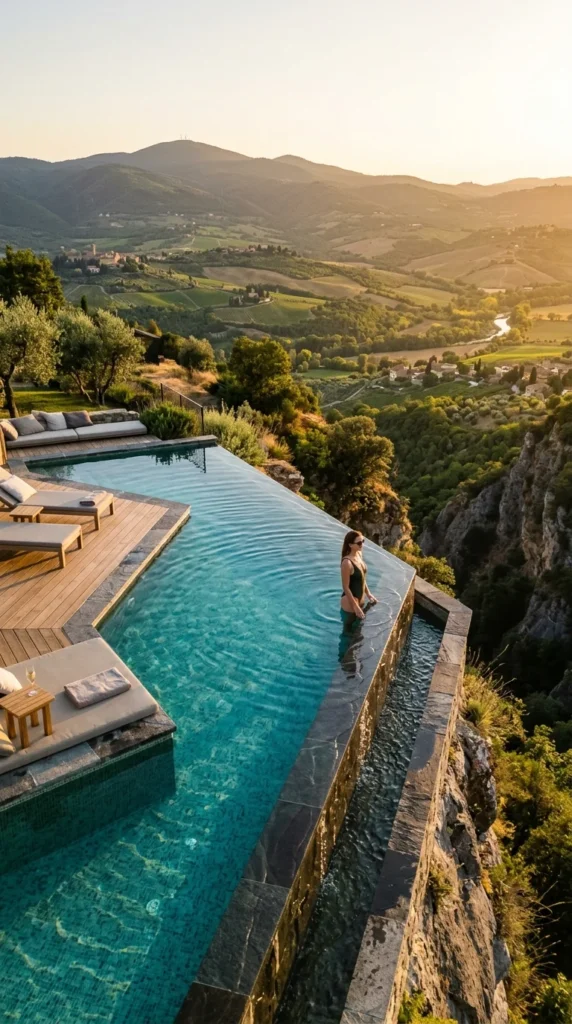
If budget is no object, the “infinity” or “negative edge” pool is the ultimate sloped yard luxury. By building the pool on the edge of a decline, the water line appears to merge with the horizon. This requires significant engineering but creates a world-class resort feel in your own backyard.
20. Woodland Trails
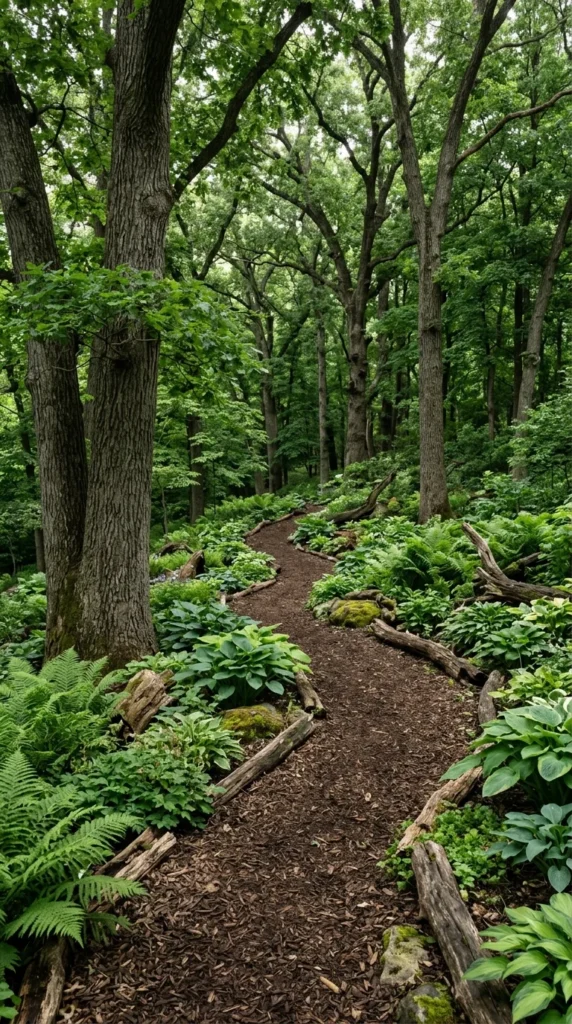
If your slope is heavily wooded, don’t fight the shade. Clear a narrow, winding path and line it with woodchips or shredded bark. Plant shade-tolerant species like bleeding hearts, trilliums, and various ferns. This creates a “forest bathing” experience and turns a dark, steep area into a magical woodland walk.
21. Lighting Accents
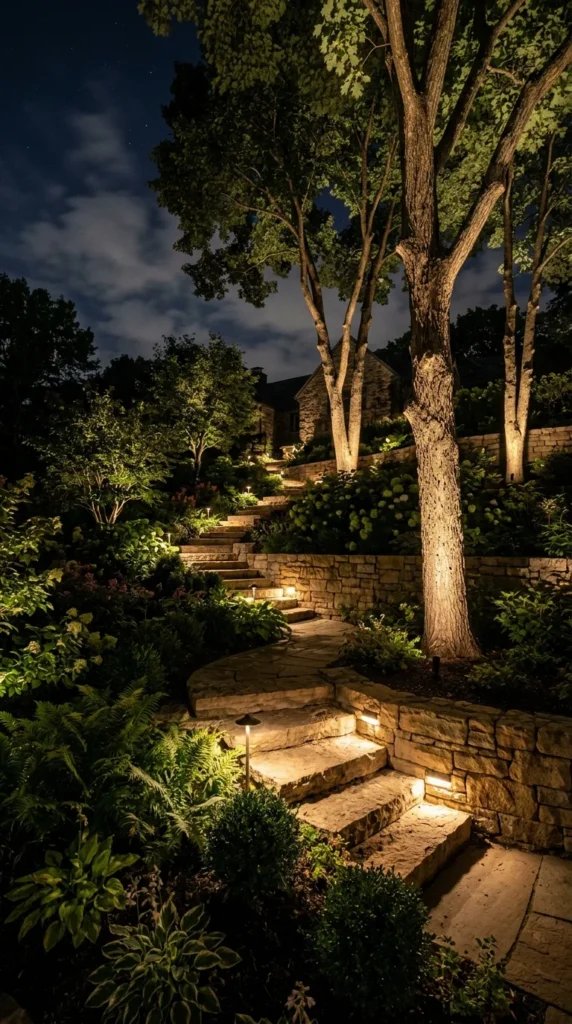
Lighting is crucial for sloped yards, both for safety and beauty. “Moonlighting”—placing lights high in trees to shine downward—creates soft shadows on the terraces below. “Step lighting” ensures that nobody trips on the stairs at night. Properly placed lights can highlight the textures of stone walls and the silhouettes of ornamental grasses.
22. Permeable Pavers
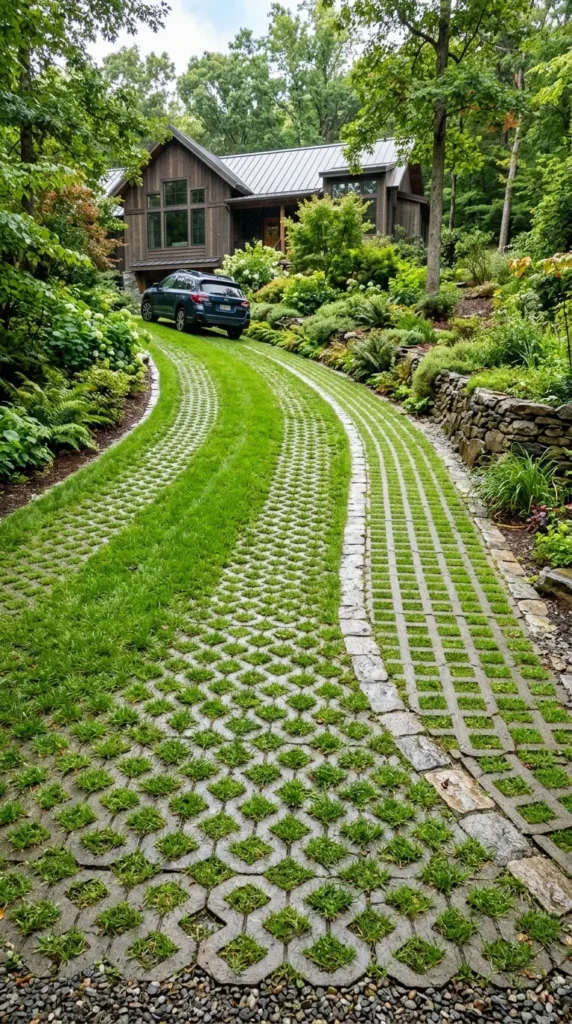
Runoff is the biggest enemy of a sloped yard. Permeable pavers allow water to seep through the joints and into the ground rather than rushing down to the street or the neighbor’s yard. These are ideal for sloped driveways or paths where you need a hard surface but want to remain environmentally conscious.
23. Decorative Grasses

Ornamental grasses are perfect for slopes because they are incredibly hardy and have deep, fibrous root systems. Their movement adds a dynamic element to the landscape; they sway and “dance” in the wind, catching the light in ways that static plants do not. They are also excellent at hiding any minor imperfections in the grade.
24. Bridge Features
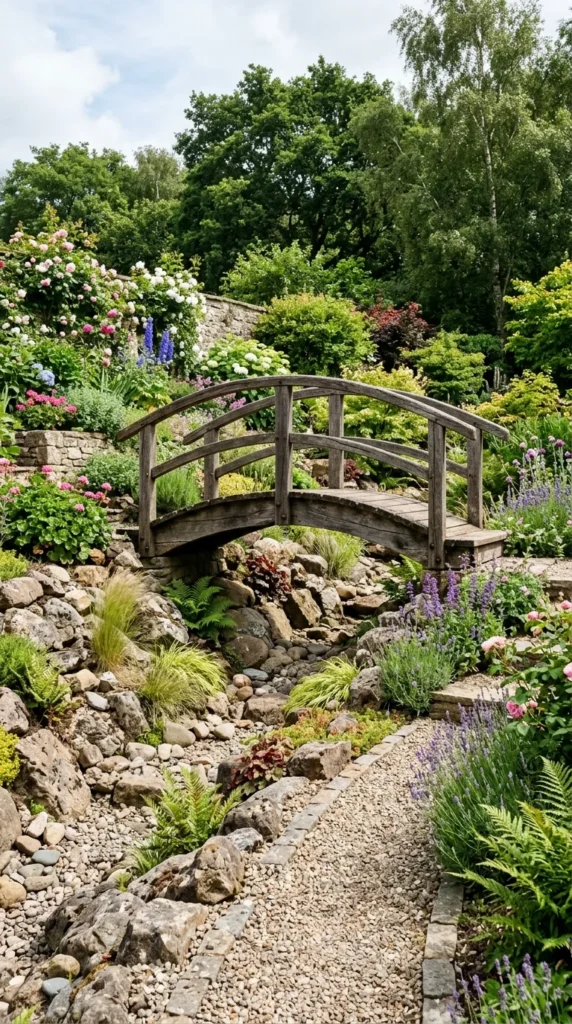
A bridge can add a touch of whimsy and architectural interest to a sloped yard. It can be used to span a dry creek bed, a steep gully, or simply to connect two different terraced levels. A bridge creates a focal point and adds a sense of “adventure” to the garden layout.
25. Hidden Grottoes
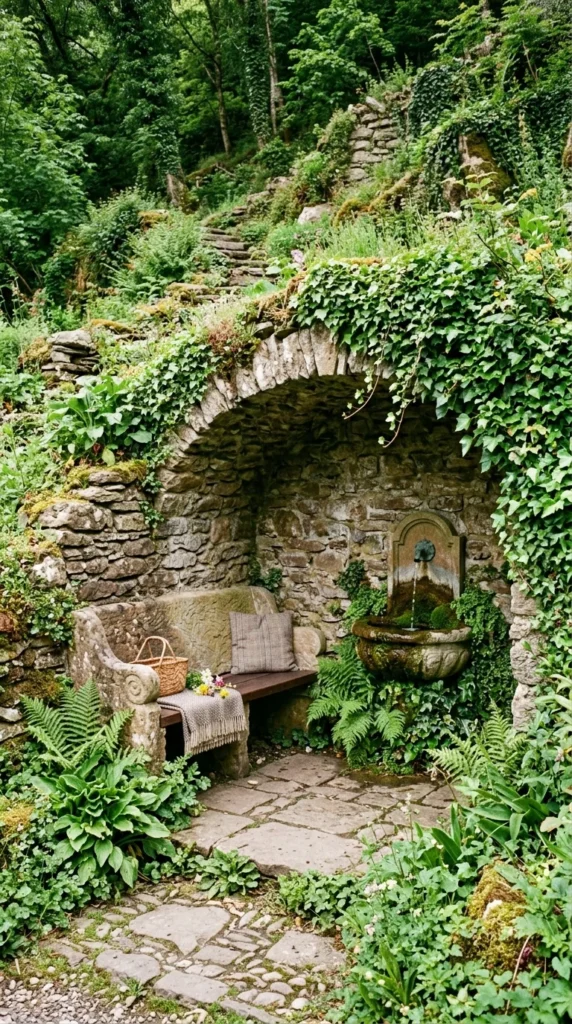
For the ultimate secret garden feel, use the slope to build a grotto. By excavating a small “cave” or alcove into the hillside and lining it with stone, you create a cool, shaded retreat that feels completely separated from the rest of the world. It’s the perfect spot for meditation or reading on a hot summer day.