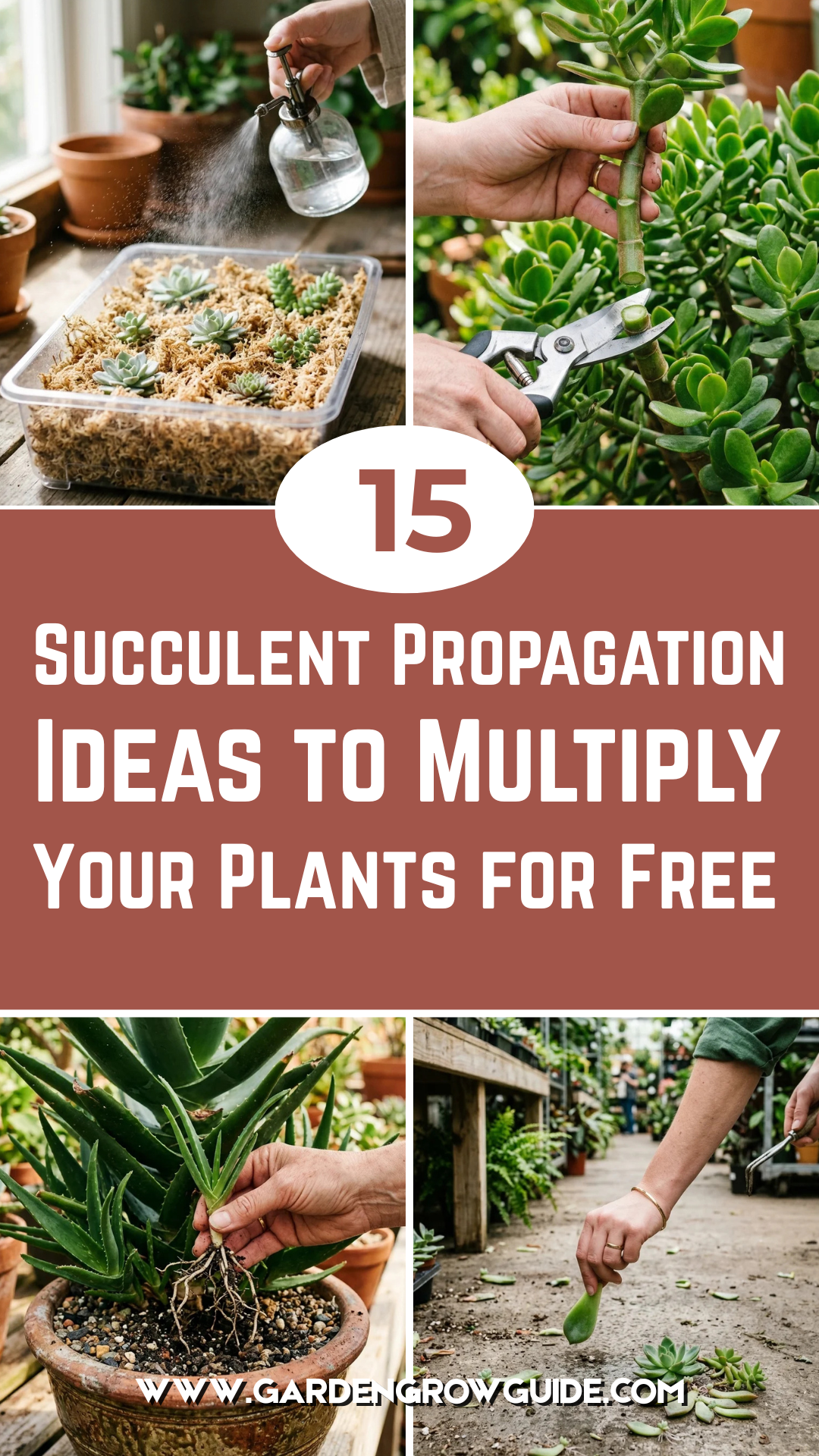
Succulents are among the most rewarding plants for home gardeners, not just for their sculptural beauty and low-maintenance nature, but for their incredible ability to reproduce. Propagation is the process of creating new plants from existing ones, and with succulents, this often feels like magic. Whether you are looking to fill a large garden space, create handmade gifts, or simply save a plant that has grown too “leggy,” mastering propagation techniques allows you to expand your collection without spending a dime.
From leaf cuttings to advanced grafting, the methods vary in difficulty and speed. Understanding the biological needs of these desert-dwellers—specifically their need for a “callous” period and well-draining substrate—is the key to success. This guide explores 15 creative and effective ways to multiply your succulent family.
1. Leaf Cuttings
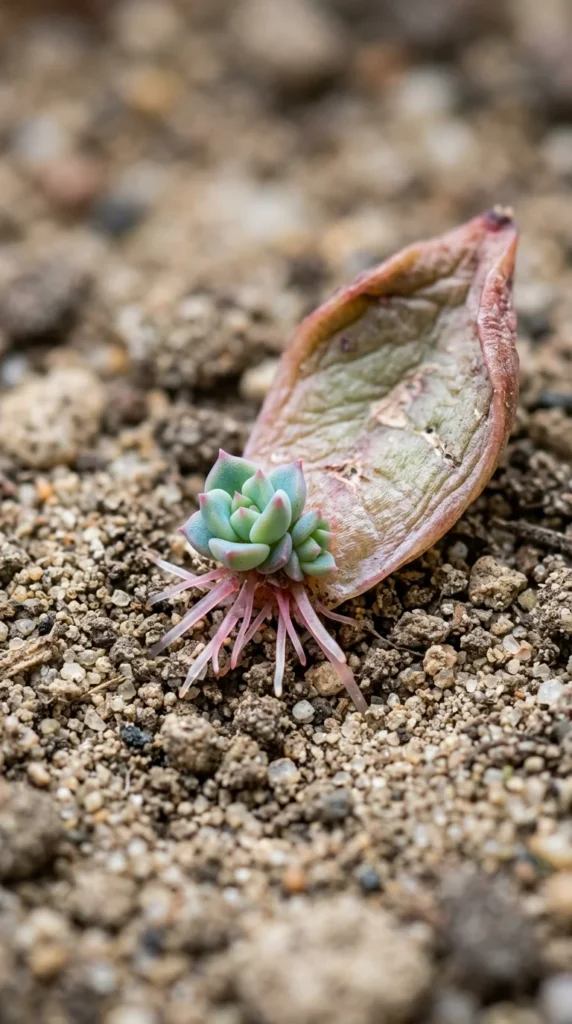
The most popular and arguably easiest method is leaf propagation. This works best with succulents that have fleshy leaves, such as Echeveria, Sedum, and Graptopetalum. The process involves gently twisting a healthy leaf off the main stem, ensuring a “clean pull” where the entire leaf base remains intact. If the leaf snaps in the middle, it likely won’t grow.
Once removed, the leaves must be left in a dry, shaded area for two to three days to callous over. This prevents the leaf from absorbing too much water and rotting. After the callous forms, lay the leaves on top of well-draining succulent soil. Mist them occasionally, and within a few weeks, you will see tiny pink roots searching for soil and a miniature plantlet forming at the base.
2. Stem Cuttings
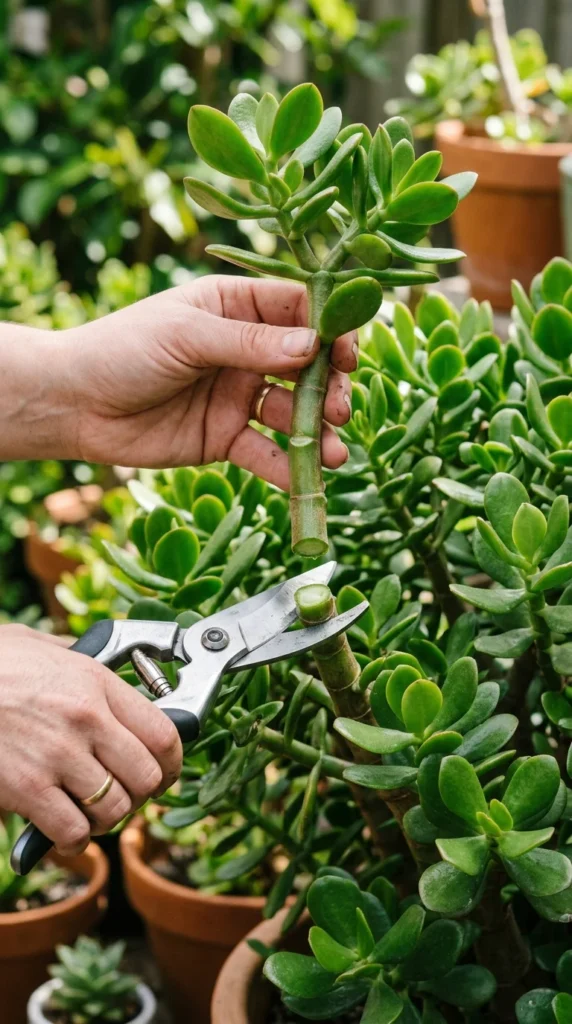
Stem cuttings are ideal for “leggy” succulents that have stretched out due to a lack of sunlight or for bushier varieties like Jade plants and Aeoniums. By cutting the top portion of a plant, you not only get a new plant but often encourage the original “mother” plant to branch out and become fuller.
When taking a stem cutting, use a sterilized knife or scissors. Remove the bottom few leaves to expose an inch or two of the stem. Just like leaf cuttings, the stem needs several days to dry and callous. Once dry, insert the stem directly into dry soil. Refrain from watering for at least a week to allow roots to begin forming in search of moisture.
3. Offsets
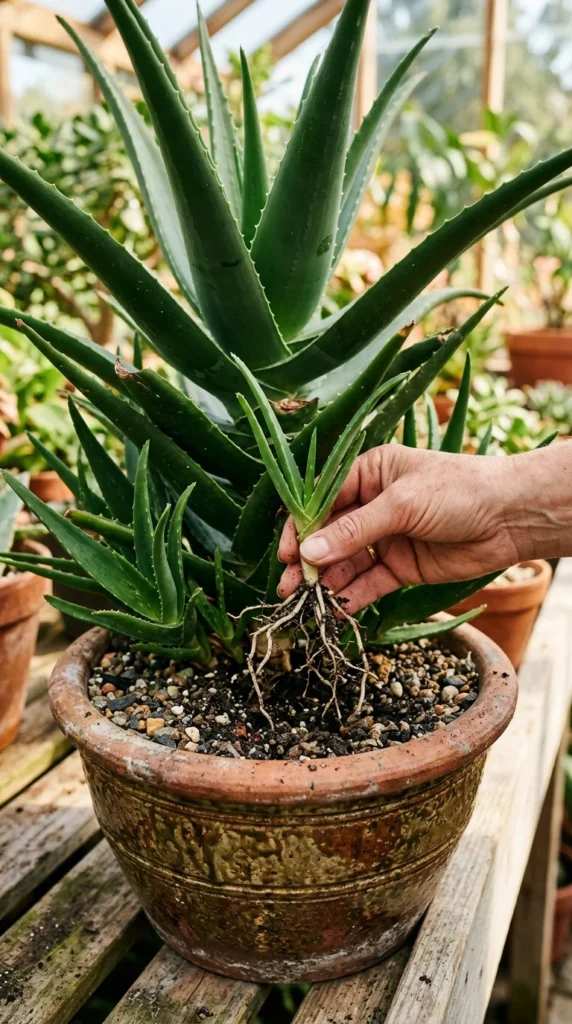
Many succulents, such as Aloe, Haworthia, and “Hens and Chicks” (Sempervivum), naturally produce “pups” or offsets. These are miniature versions of the parent plant that sprout from the base or via underground runners.
Propagation via offsets is highly successful because the pup often already has its own established root system. To propagate, gently move the soil away to see where the pup is attached to the mother. Use a clean blade to snip the connection, ensuring the pup keeps as many of its own roots as possible. Pot it up immediately in its own container, and it will quickly establish itself as an independent plant.
4. Water Propagation
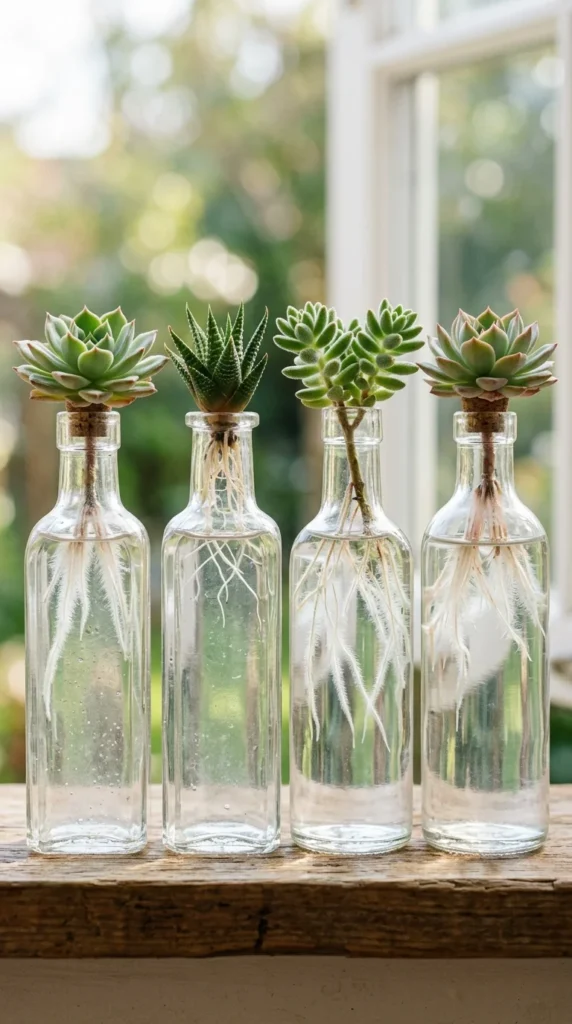
While succulents are drought-tolerant, many enthusiasts swear by water propagation for faster root development. This method allows you to monitor root growth in real-time. It is particularly effective for stem cuttings that are struggling to root in soil.
To do this, take a callous-hardened cutting and suspend it over a jar of water. You can use plastic wrap with a hole poked through it to keep the plant from falling in. The base of the stem should be just millimeters above the water line or barely touching it. The humidity triggers rapid root growth. Once the roots are about an inch long, the plant can be transitioned into soil.
5. Beheading
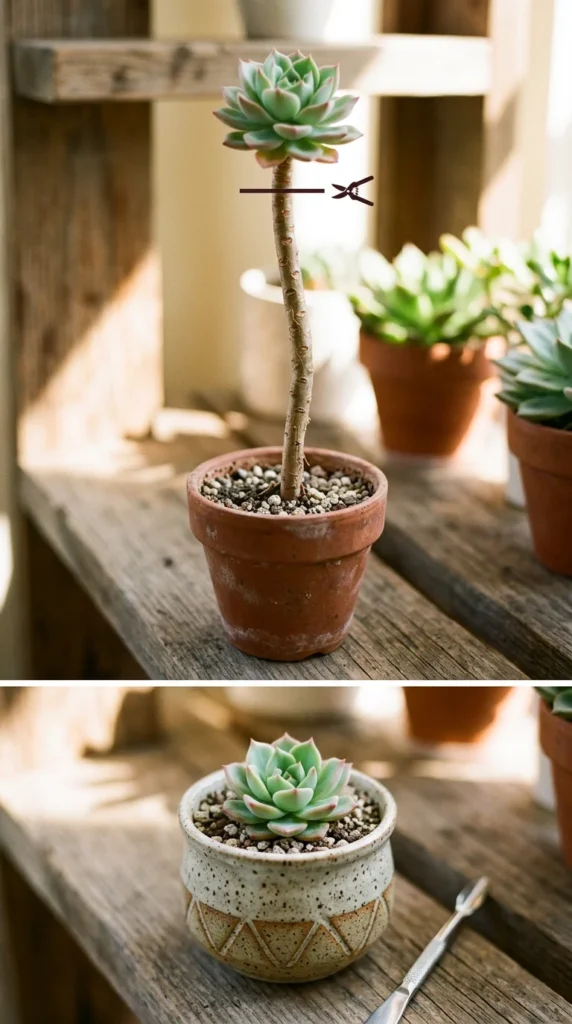
“Beheading” sounds drastic, but it is the best way to rejuvenate a succulent that has become unsightly and tall. This often happens to Echeverias when they don’t get enough light.
By cutting the “head” (the top rosette) off, you can replant it as a fresh, compact succulent. The remaining stump, if left in its original pot, will usually produce multiple new tiny rosettes along the length of the bare stem within a few weeks. This results in one beautiful new plant and a cluster of babies from the old one.
6. Division
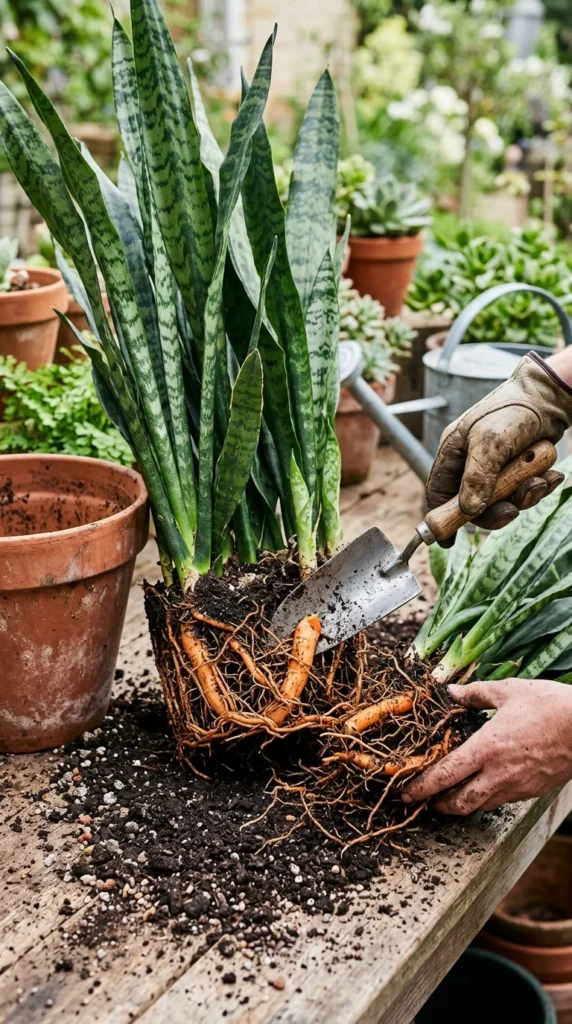
Division is used for succulents that grow in dense clumps or have underground rhizomes, such as Snake Plants or certain types of Agave. Unlike leaf cuttings, which take months to look like a “real” plant, division gives you several full-sized plants instantly.
To propagate by division, remove the entire plant from its pot and gently shake off the excess soil. Identify natural separation points in the root ball. You may need a sharp, serrated knife to cut through thick roots or rhizomes. Ensure each divided section has a healthy portion of roots and leaves before repotting them individually.
7. Seed Sowing
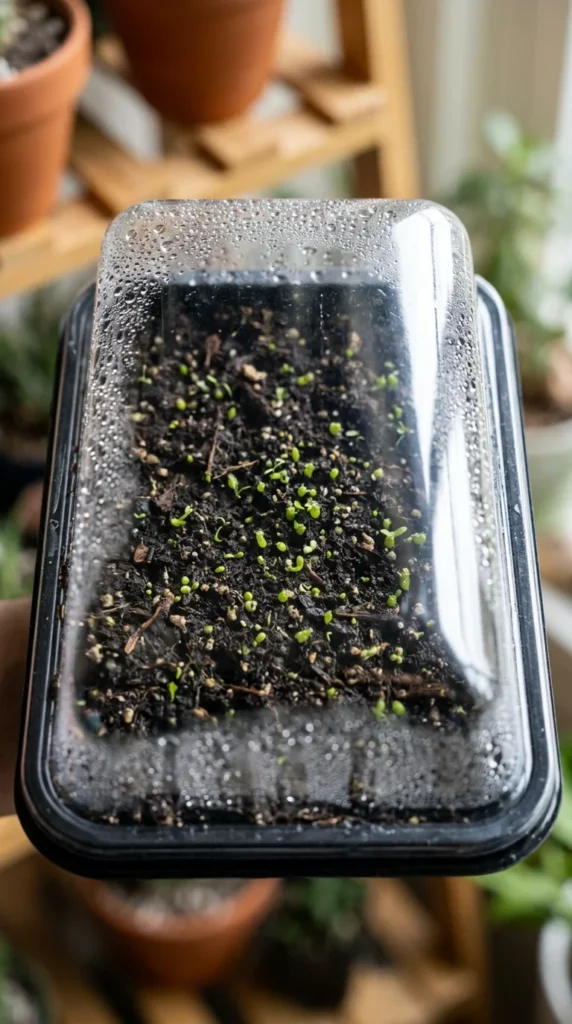
If you have patience and want to grow rare varieties, sowing seeds is a fascinating method. Succulent seeds are often as tiny as dust. They require a very fine, well-draining soil mix and a consistently warm, humid environment to germinate.
Scatter the seeds on the surface of the soil—do not bury them, as they often need light to germinate. Cover the container with a plastic lid or bag to retain moisture. It can take anywhere from a few days to several months for seeds to sprout, and the resulting plants will take a year or more to reach a recognizable size, but the variety of plants you can grow from seed is unmatched.
8. Air Propagation
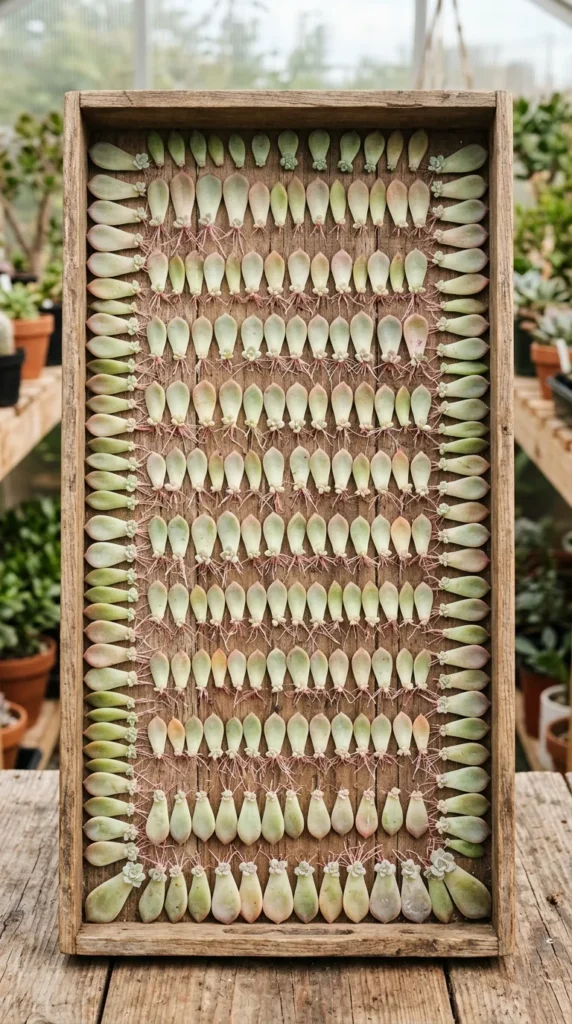
Air propagation is a “set it and forget it” method. Instead of placing leaves on soil, you simply place them in a tray in a spot with bright, indirect light and good airflow.
The theory behind air propagation is that the leaf contains all the moisture and nutrients necessary to produce a new plant. By not putting them on soil, you eliminate the risk of overwatering or fungal issues in the early stages. Once the mother leaf has completely shriveled and the new plantlet has a decent root system, you can move it to a permanent soil home.
9. Ziploc Bag Method
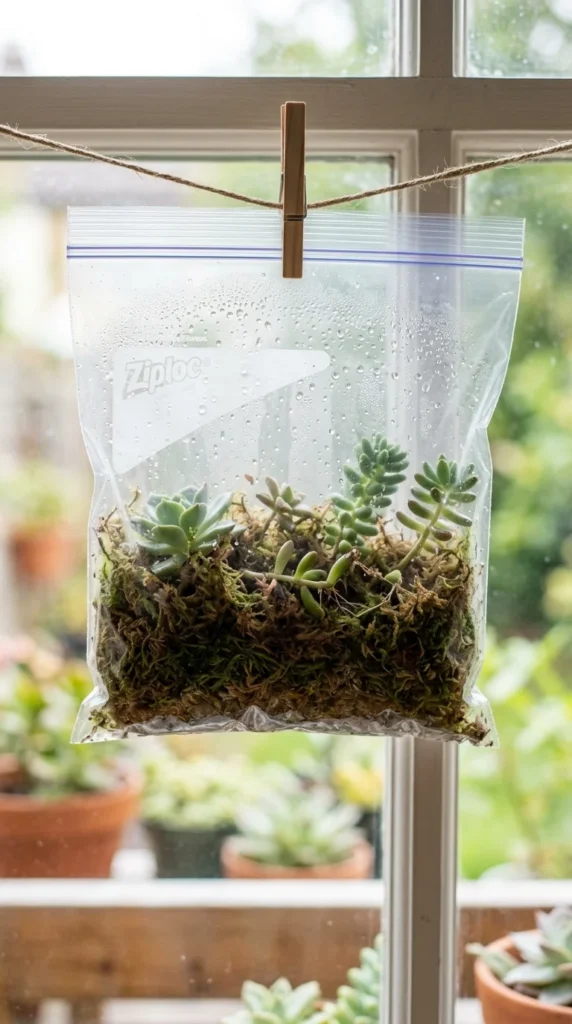
The Ziploc bag method creates a mini-greenhouse environment. This is particularly useful for stubborn cuttings or for propagating in very dry climates where leaves might dry out before they can root.
Place a small amount of slightly damp (not soaking) moss or a paper towel in the bag, add your calloused cuttings, and blow some air into the bag before sealing it. The trapped CO2 and humidity encourage the plant to “reach out” with roots. Check the bag every few days to ensure no mold is forming.
10. Egg Carton Nursery
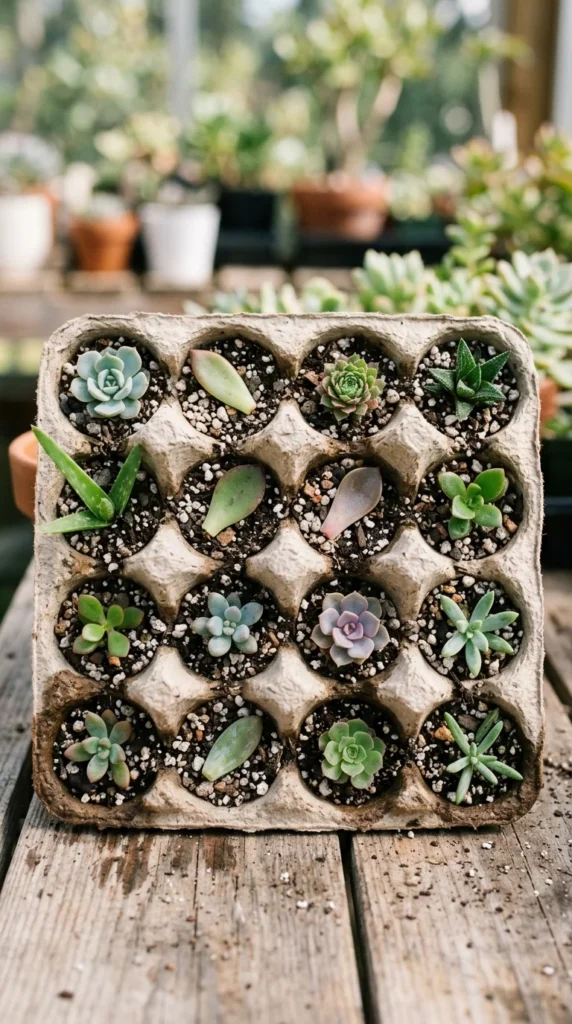
Upcycling egg cartons is a sustainable and effective way to organize your propagation projects. Cardboard cartons are especially useful because they are porous; they breathe and help regulate moisture levels, preventing the delicate roots from sitting in stagnant water.
Label each “cell” of the carton with the date and species name. When the plants outgrow their tiny cardboard homes, you can actually cut the individual cells apart and plant the cardboard directly into a larger pot, as it will naturally decompose, preventing root shock.
11. Terrarium Starts
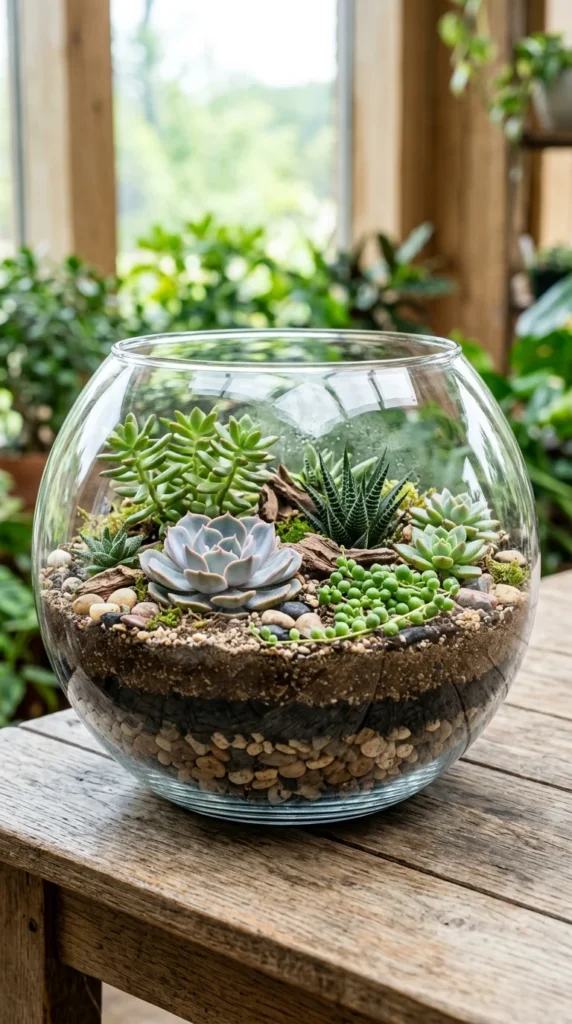
While long-term succulent growth in terrariums can be tricky due to drainage issues, they make excellent “nurseries” for propagation. The enclosed glass environment keeps the temperature stable and the humidity slightly higher than the rest of the house.
Place small pups or rooted cuttings into a glass vessel with a sandy substrate. The visual appeal of a propagation terrarium makes it a beautiful centerpiece while your plants are maturing. Just be careful to provide plenty of light and avoid overwatering, as there are no drainage holes.
12. Proplifting
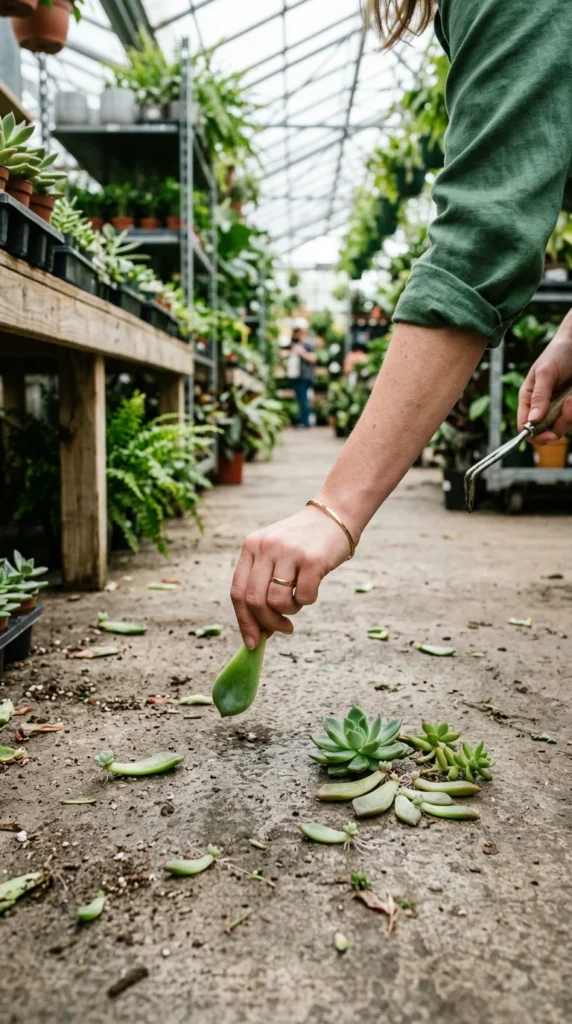
“Proplifting” is a community term for rescuing fallen leaves from the floors of big-box garden centers or nurseries. Many of these leaves would otherwise be swept up and thrown away.
Most stores are happy to let you take the fallen leaves if you ask. These “found” leaves are often already calloused and sometimes even starting to sprout. It is a completely free way to acquire new and different species that you might not already have in your collection.
13. Cactus Grafting
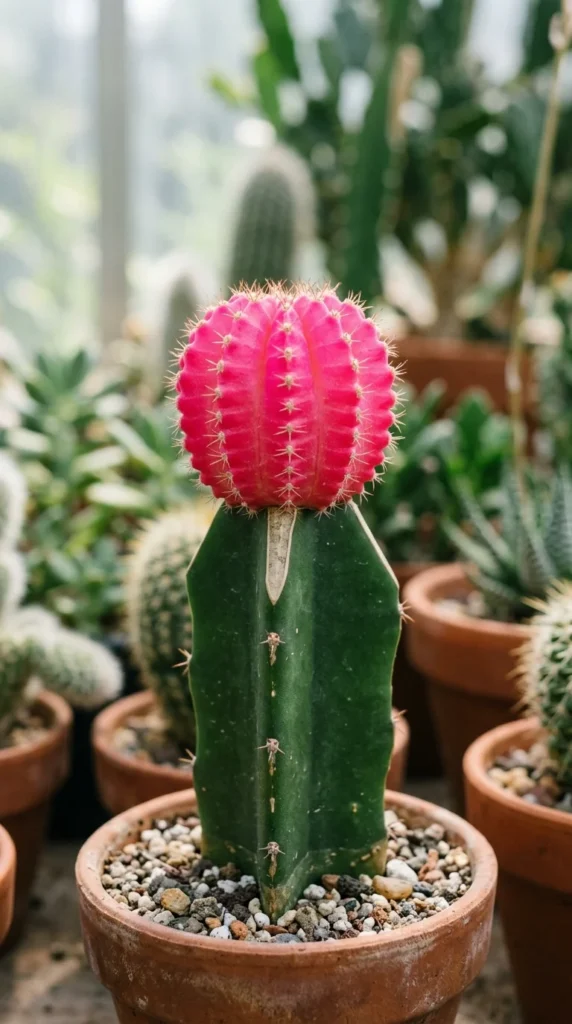
Grafting is an advanced propagation technique used for succulents that cannot produce chlorophyll on their own (like the bright red or yellow Moon Cacti) or to speed up the growth of slow-growing species.
You take a “scion” (the top plant) and a “rootstock” (the bottom plant, usually a hardy species like Hylocereus). You cut both to expose the vascular cambium (the ring inside the plant), press them together, and secure them with rubber bands. Over time, the two plants fuse their circulatory systems, and the rootstock provides nutrients to the scion.
14. Vertical Propagation
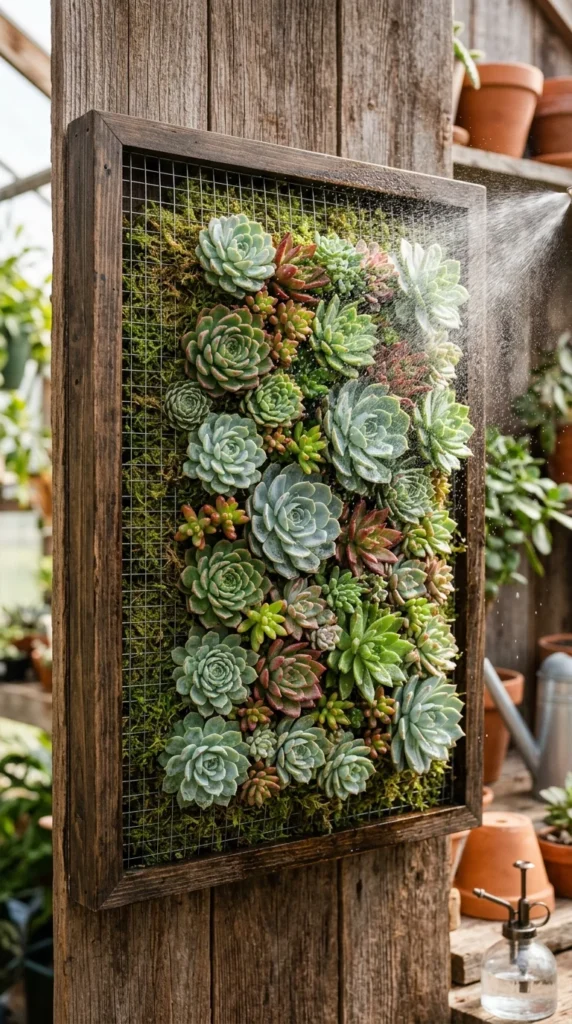
If you are short on horizontal space, vertical propagation is the answer. Using a frame or a “living wall” setup, you can insert unrooted cuttings directly into a medium like coco coir or moss held behind a wire mesh.
Gravity helps with drainage, and the plants will naturally tilt their heads toward the light. This is a great way to grow “curtain” succulents like String of Pearls or String of Bananas, as they can immediately start trailing downward as they root.
15. Sphagnum Moss Propagation
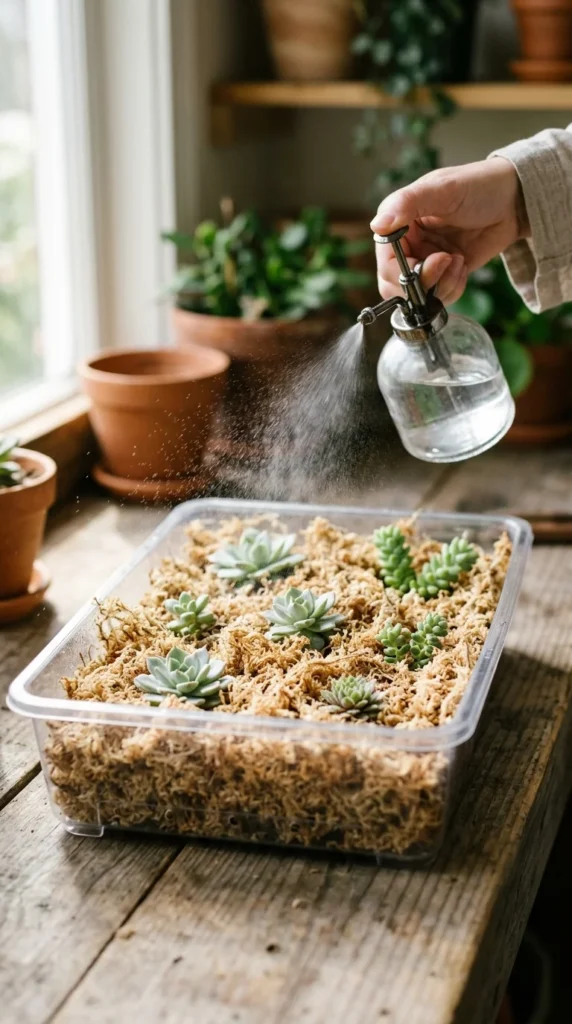
Sphagnum moss is a fantastic alternative to soil for propagation. It is sterile, highly absorbent, and airy, which provides the perfect balance of moisture and oxygen to developing roots.
Many collectors use “moss boxes” for their most prized or fragile cuttings. Simply dampen the moss, wring out the excess water, and nestle your cuttings inside. The roots tend to grow very thick and fuzzy in moss, making the transition to soil much easier later on.