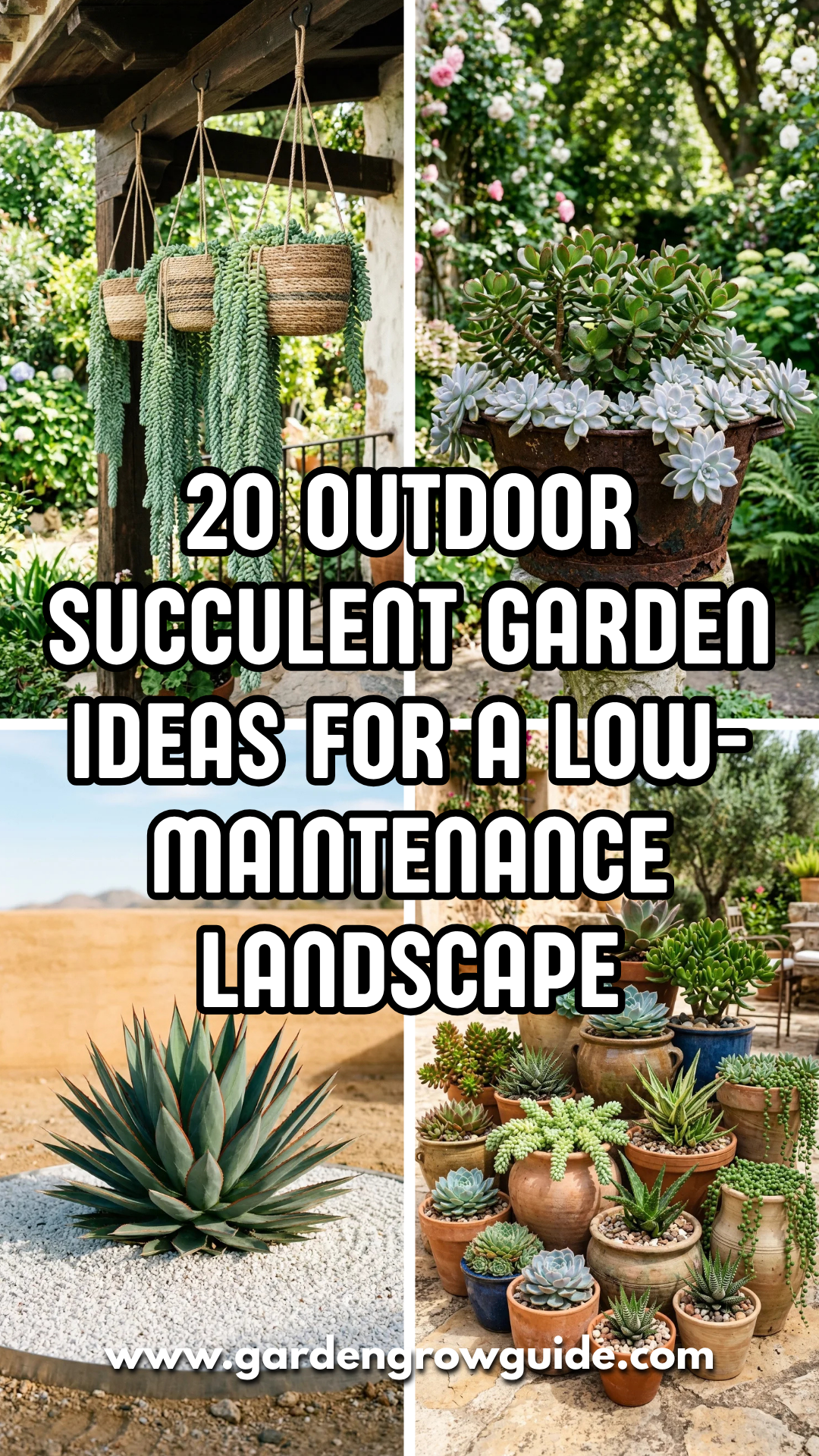
Succulents have revolutionized modern landscaping, offering a perfect blend of structural beauty and environmental resilience. For homeowners looking to reduce water consumption without sacrificing aesthetic appeal, these fleshy-leaved plants are the ultimate solution. Whether you live in a Mediterranean climate or a region with harsh summers, succulents provide a “plant-it-and-forget-it” charm that thrives on neglect. This guide explores 20 creative ways to integrate these hardy specimens into your outdoor space, turning any yard into a lush, water-wise sanctuary.
1. Rock Gardens
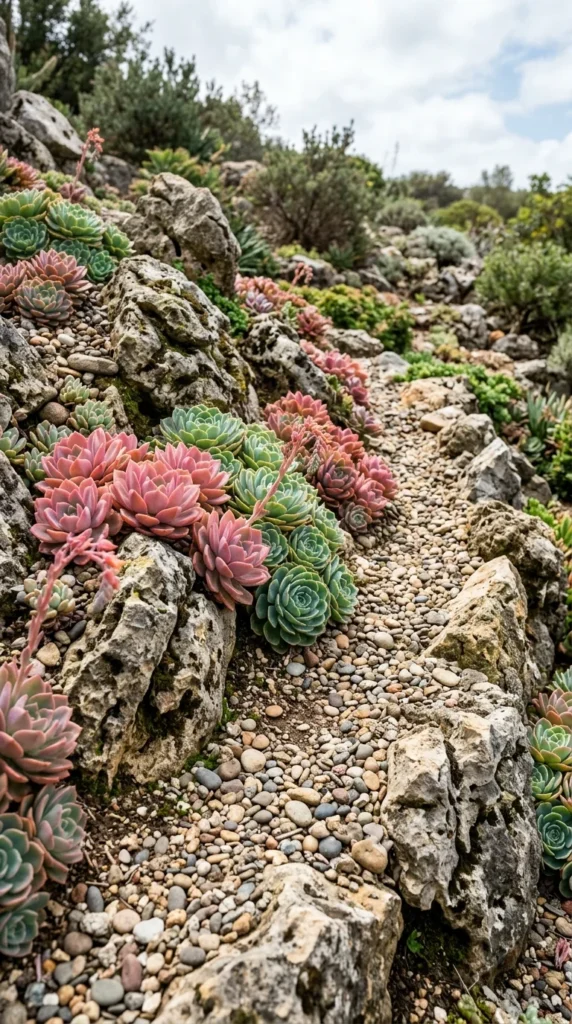
Rock gardens are the natural habitat for many succulent species. By mimicking their native environments, you create a drainage-friendly zone where they can flourish. Use a mix of large “anchor” rocks and smaller gravel to create depth. Succulents like Sempervivum (Hens and Chicks) are perfect for tucking into the crevices of stones, where their roots can stay cool while their foliage soaks up the sun.
2. Vertical Walls
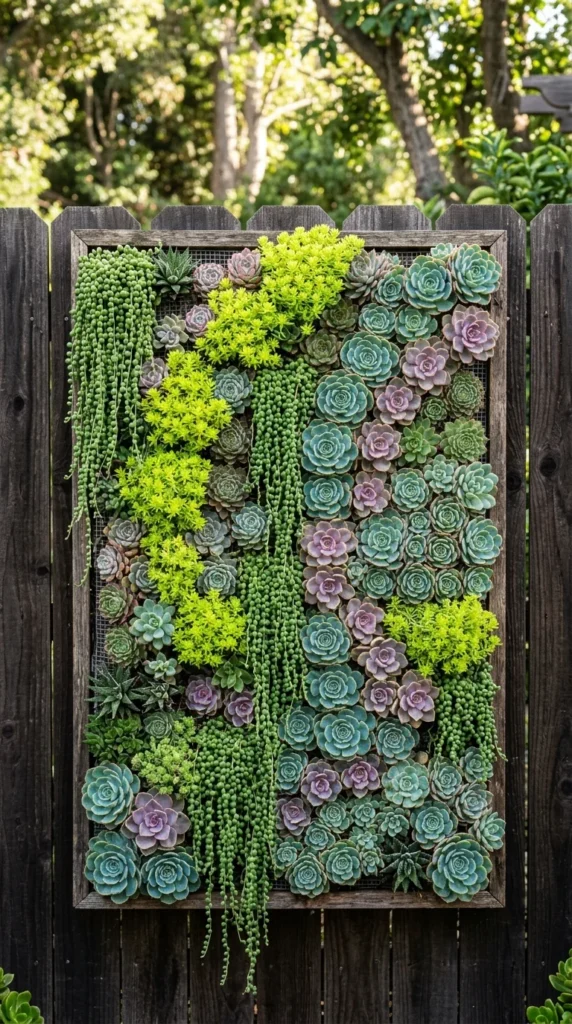
Vertical gardening is ideal for small patios or urban balconies. Using a modular wall planter or a repurposed wooden pallet, you can create a living tapestry. Succulents are particularly suited for vertical growth because their shallow root systems don’t require deep soil. Choose varieties with different growth habits—upward-reaching Crassula and cascading Senecio rowleyanus—to add movement to the display.
3. Recycled Containers
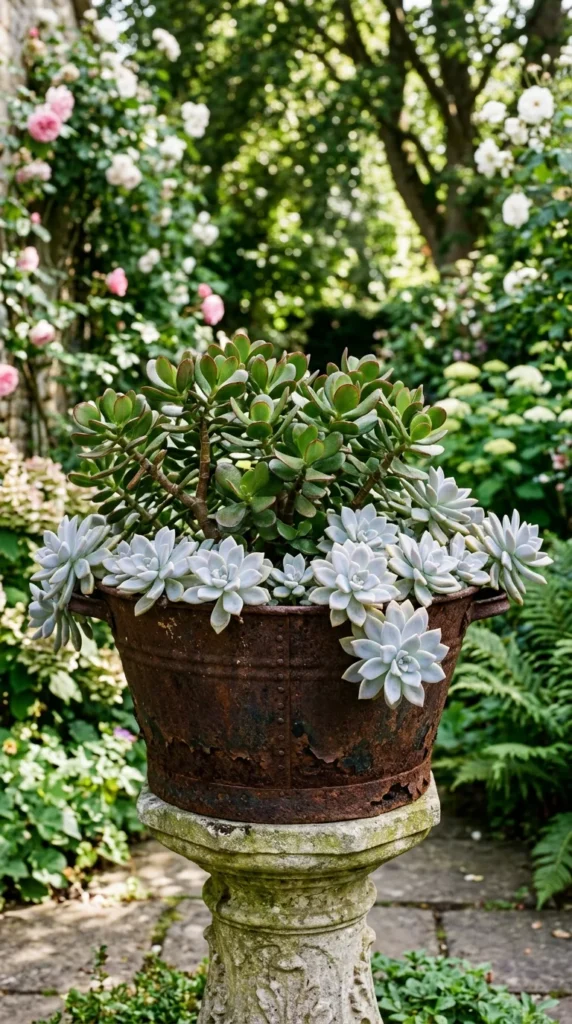
Sustainability meets style when you repurpose old items into succulent planters. From rusted metal troughs and vintage tea tins to old work boots and wheelbarrows, succulents can grow in almost anything as long as there is adequate drainage. These unique containers add personality to your garden and serve as excellent conversation starters.
4. Succulent Pathways
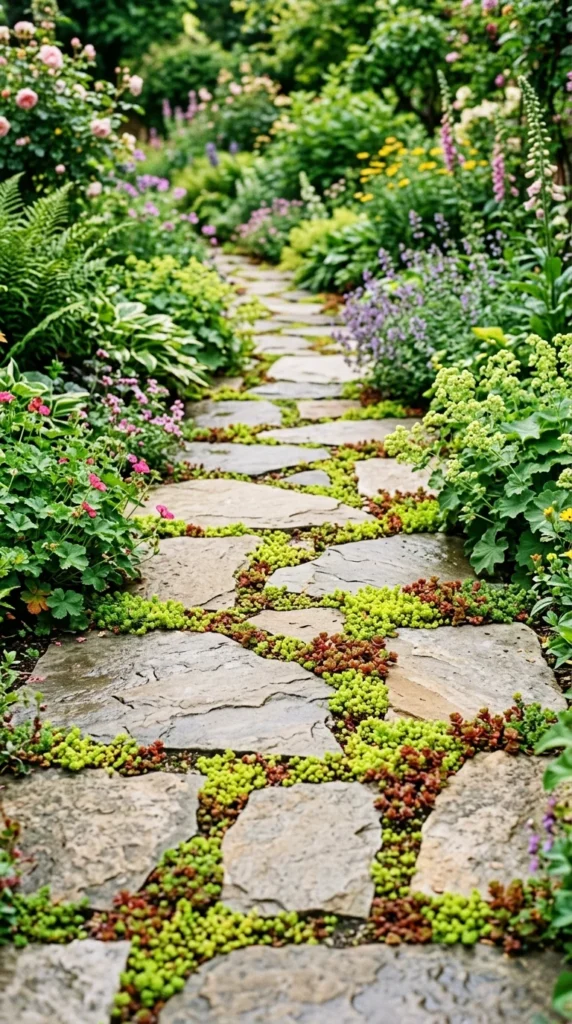
Traditional mortar or mulch between stepping stones can be high-maintenance. Instead, fill those gaps with “step-able” succulents. Low-growing Sedum varieties can handle light foot traffic and will spread to fill the cracks, creating a lush, carpet-like effect that suppresses weeds and stays green year-round.
5. Focal Points
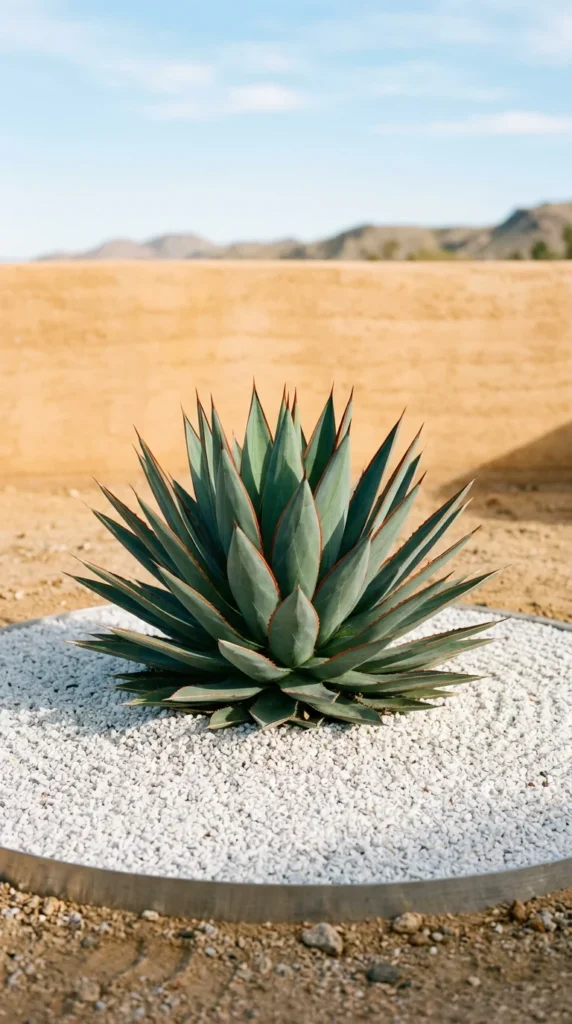
In a low-maintenance landscape, less is often more. Using a single, large specimen plant as a focal point can create more impact than a crowded bed. Varieties like the Agave americana or a large Aloe arborescens provide architectural structure and a sense of permanence. Surround the base with a clean mulch of crushed glass or river stone to emphasize the plant’s unique silhouette.
6. Color Gradients
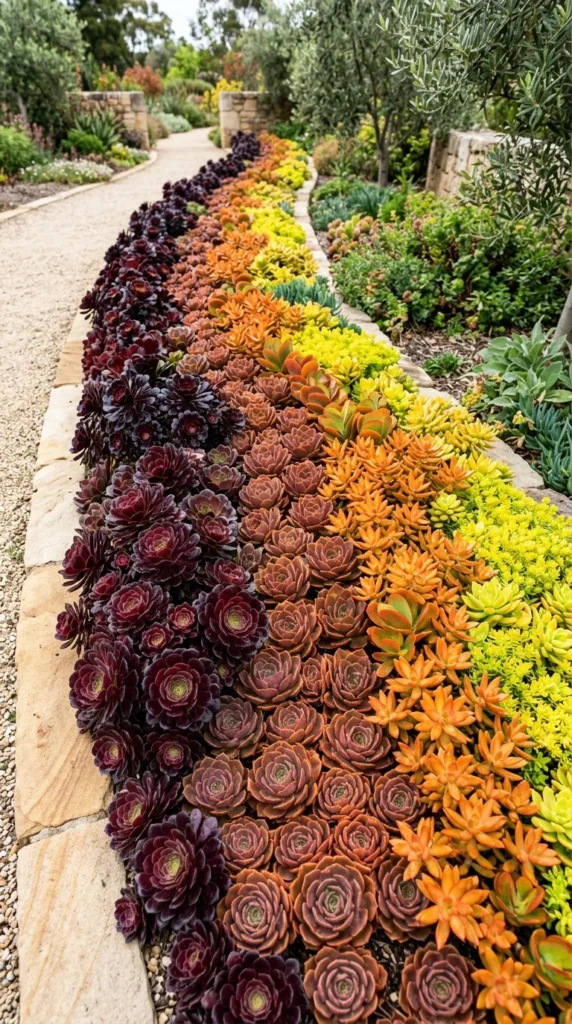
Succulents come in every color of the rainbow, and many change hues based on sun exposure and temperature (a process often called “stressing”). You can design your garden using a color gradient, moving from cool blues and greys to fiery reds and oranges. This technique adds a professional, designer feel to even the simplest garden beds.
7. Ground Covers
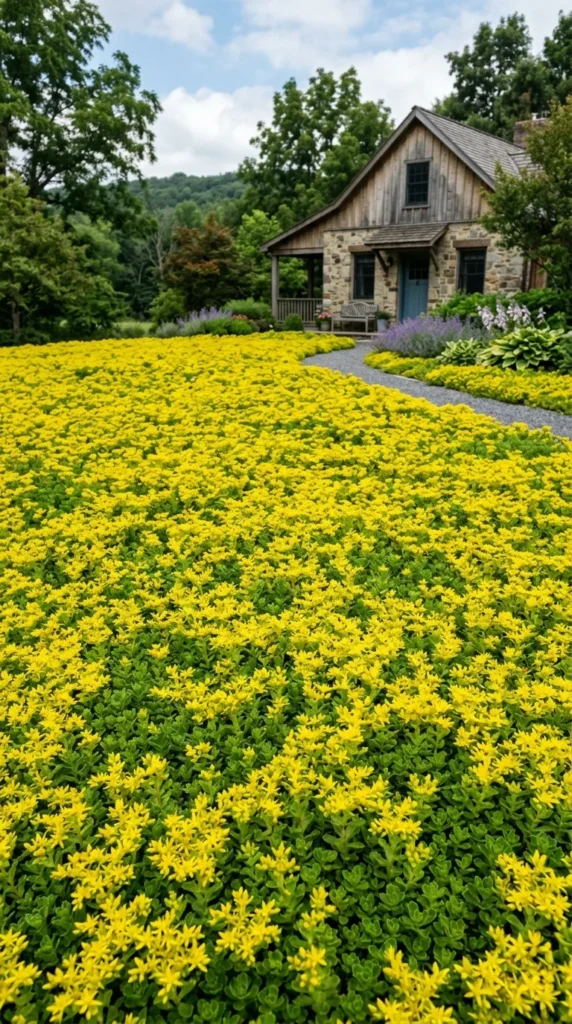
If you’re tired of mowing the lawn, consider a succulent ground cover. Varieties like Delosperma (Ice Plant) or Drosanthemum offer rapid growth and spectacular floral displays. These plants create a dense mat that holds soil in place, prevents erosion, and requires a fraction of the water a traditional lawn would need.
8. Xeriscape Borders
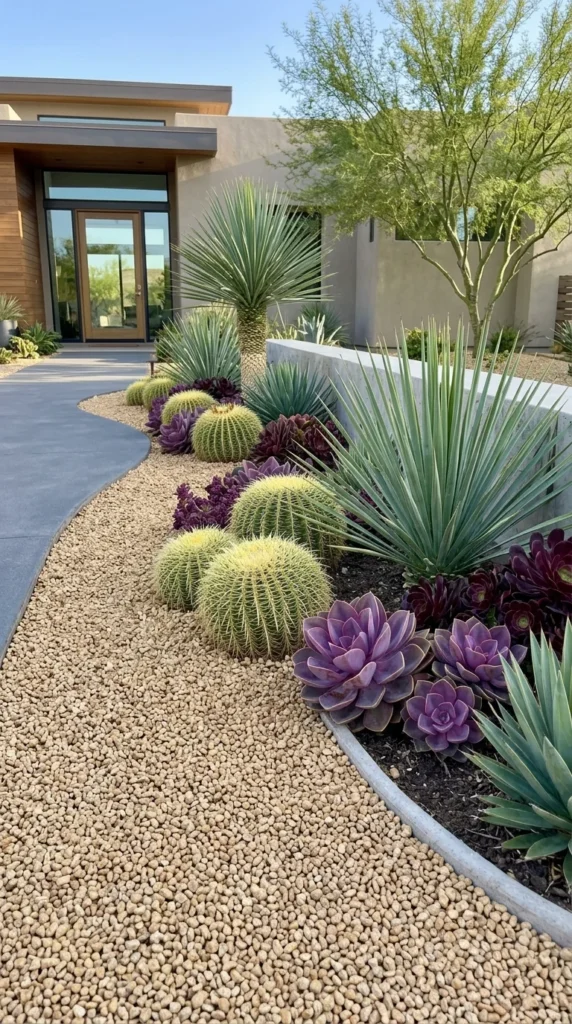
Xeriscaping is the practice of landscaping with slow-growing, drought-tolerant plants. A succulent border along a fence or driveway is an excellent way to implement this. By grouping plants with similar water needs, you can install a simple drip irrigation system or rely solely on rainfall in many climates.
9. Potted Clusters
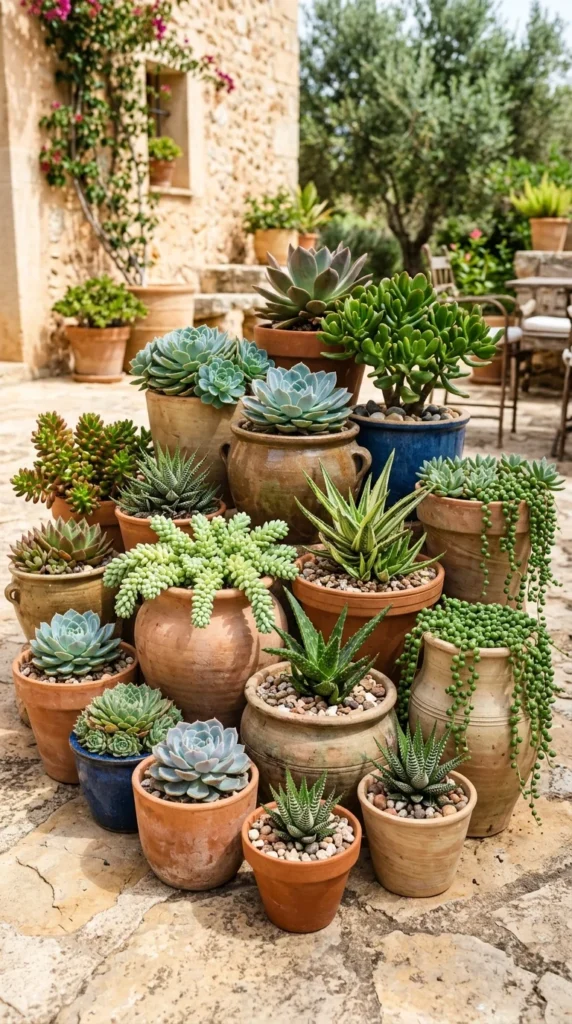
Creating a “potted forest” allows you to move your plants around based on the season or your aesthetic mood. Grouping pots of different heights, textures, and colors adds visual interest to corners of a deck or porch. This method is also practical for those in colder climates, as the pots can be easily moved indoors when the first frost hits.
10. Fire Pits
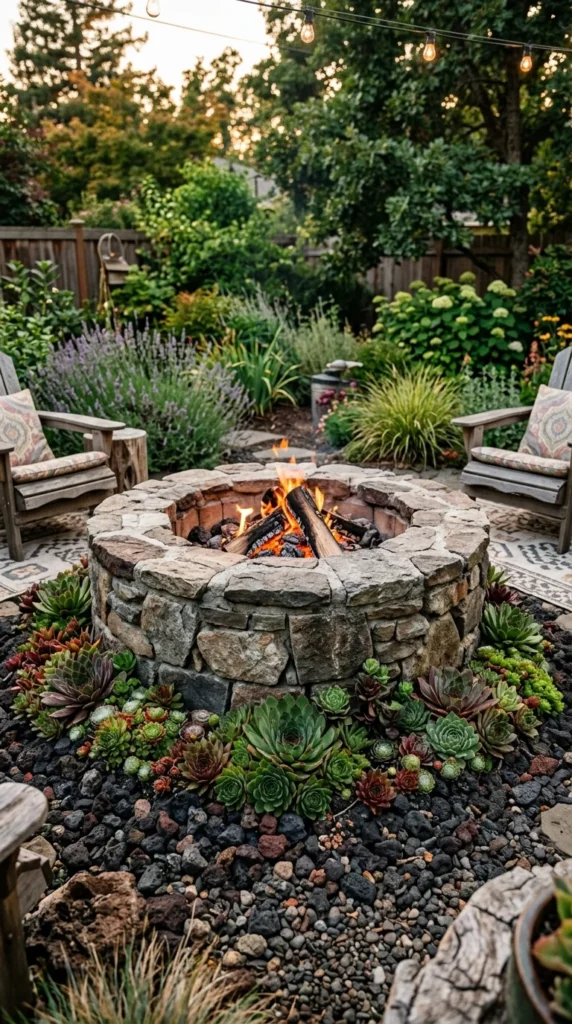
Succulents are naturally fire-resistant because of the high water content in their leaves. This makes them a safe and beautiful choice for landscaping around outdoor fire pits or BBQ areas. Use low-growing, hardy varieties that won’t be bothered by the occasional stray spark or the heat radiating from the stones.
11. Dry Rivers
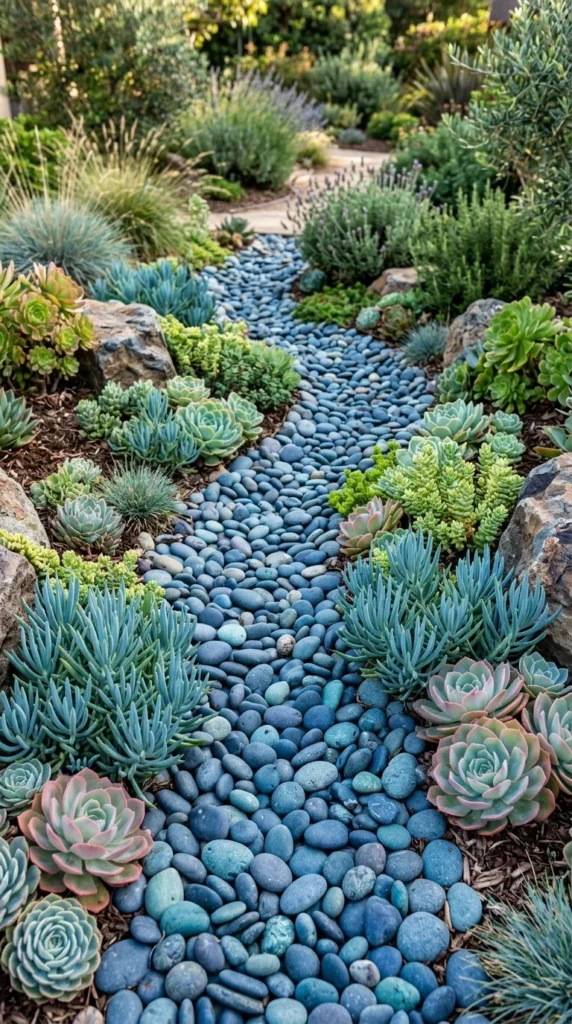
A dry river bed is a classic xeriscaping technique that provides a visual sense of water without the actual usage. Use smooth river pebbles to create a winding “stream” through your yard and plant succulents along the edges. Varieties like Senecio serpens (Blue Chalksticks) work beautifully here, as their color mimics the cool tones of water.
12. Living Pictures
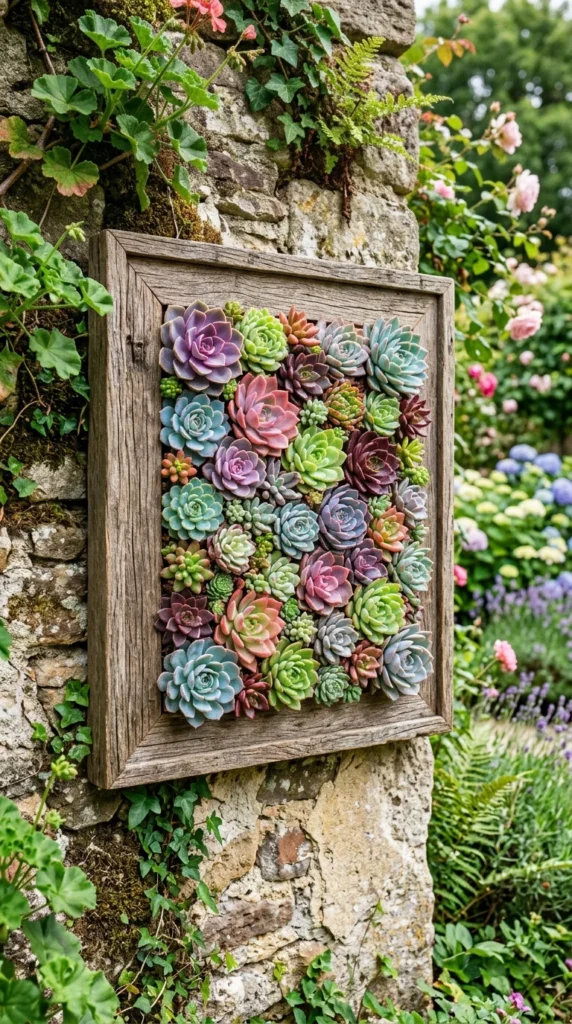
Transform a blank exterior wall into a gallery with living succulent frames. These “living pictures” use a shallow box filled with succulent soil and covered with chicken wire to hold the plants in place. Over time, the succulents grow together to form a seamless, colorful mosaic that requires only an occasional misting or a soak.
13. Birdbath Planters
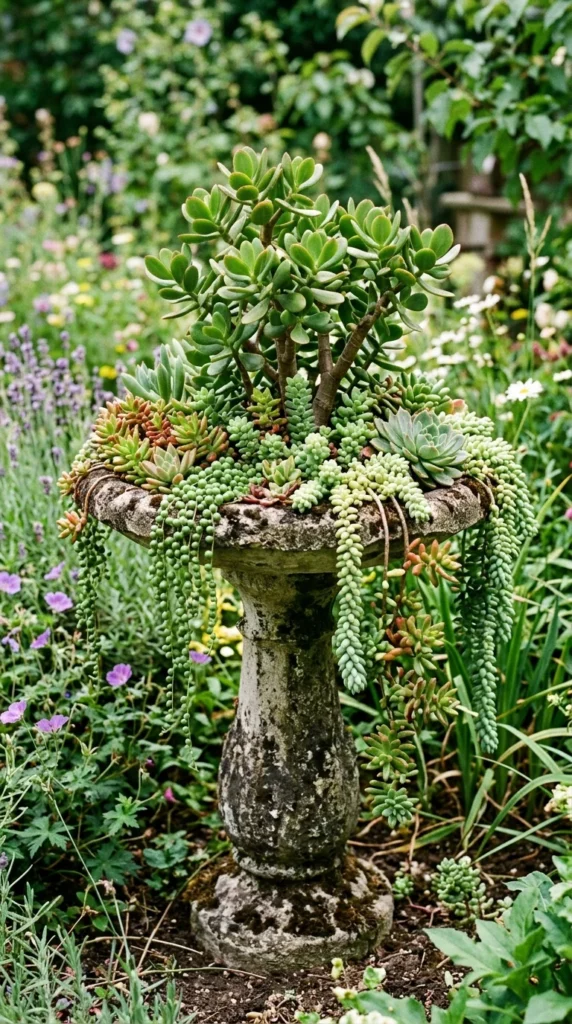
If you have an old birdbath that no longer holds water, don’t throw it away. Its shallow basin is the perfect depth for a succulent arrangement. Fill it with a fast-draining potting mix and create a miniature landscape. This elevates the plants, protecting them from pests and making them a central feature of the garden.
14. Terraced Slopes
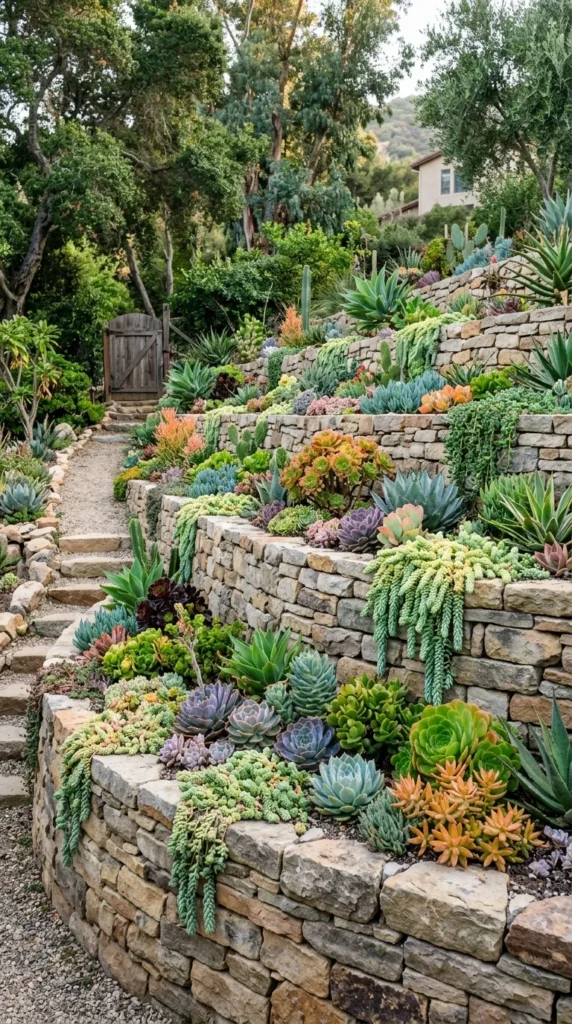
Slopes can be difficult to landscape because of water runoff and erosion. Terracing a slope with stone or timber walls creates flat “shelves” that are perfect for succulents. This arrangement allows for excellent drainage—which succulents crave—and creates a dramatic, tiered look that can be seen from a distance.
15. Tree Stumps
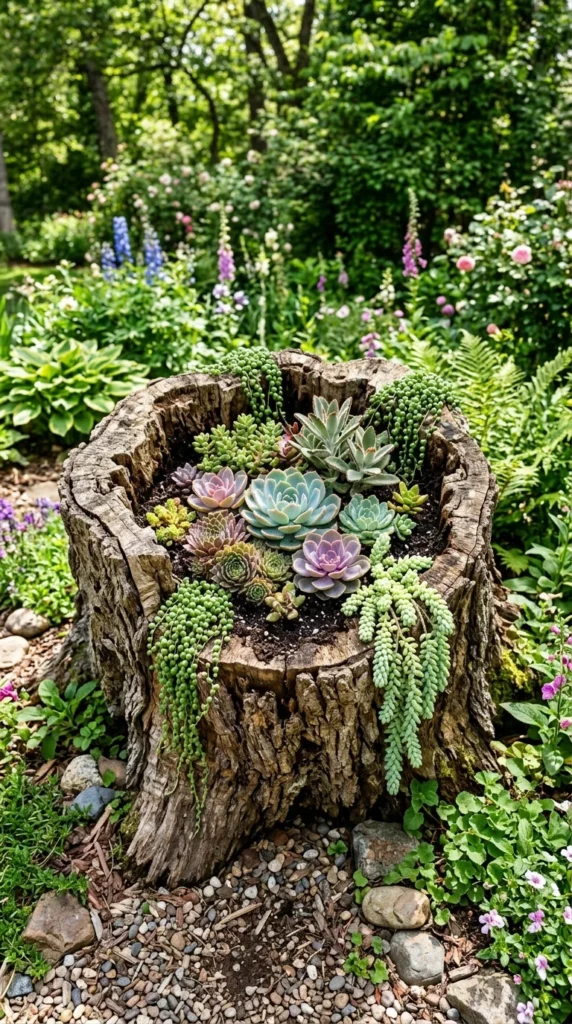
Instead of paying to have an old tree stump removed, turn it into a natural planter. The decaying wood provides organic matter, while the elevated position ensures the succulents get plenty of light. This rustic, woodland-inspired look works particularly well with “forest” succulents like Schlumbergera or hardy Sedums.
16. Coastal Themes
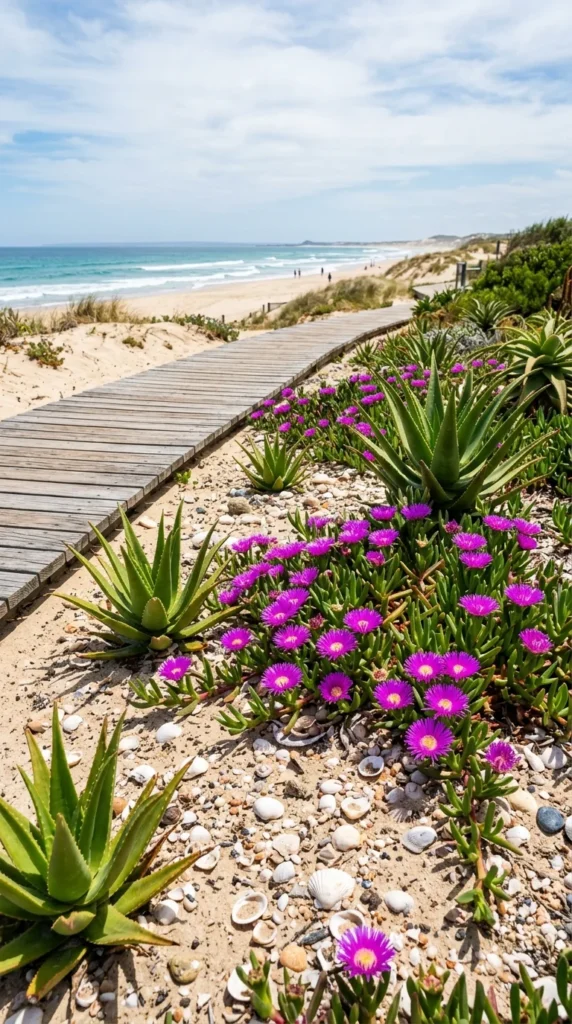
Succulents are famously salt-tolerant, making them ideal for coastal landscapes where salt spray can kill more delicate plants. Combine them with ornamental grasses, driftwood, and sea-glass mulch to create a beachy, relaxed vibe that can withstand the harsh ocean breeze.
17. Modern Minimalism
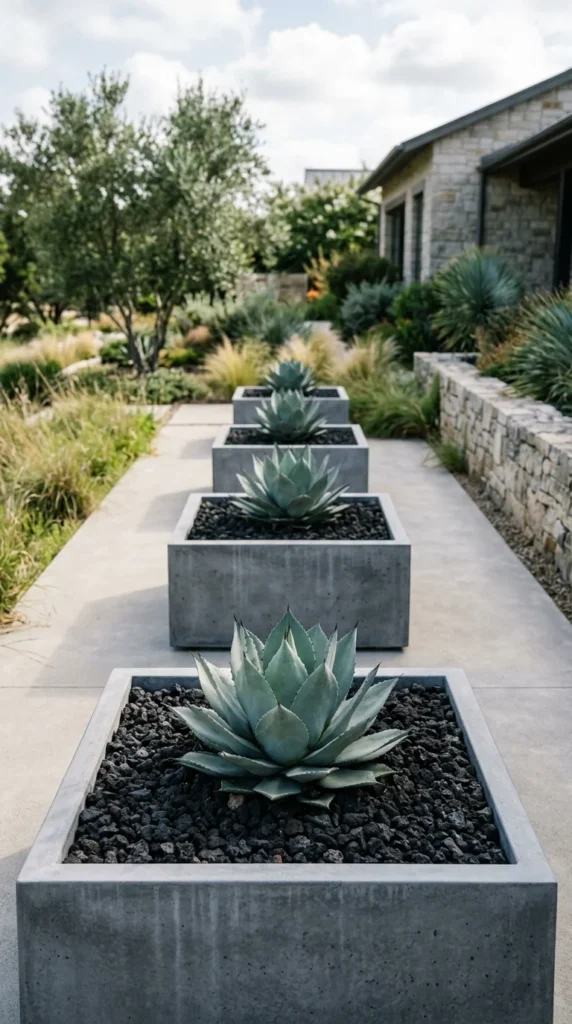
For fans of modern architecture, succulents are the perfect botanical companion. Their clean lines and geometric shapes fit seamlessly into minimalist designs. Use uniform containers and a single type of top-dressing (like black lava rock or white pebbles) to create a sophisticated, high-end look that requires almost zero pruning.
18. Desert Oasis
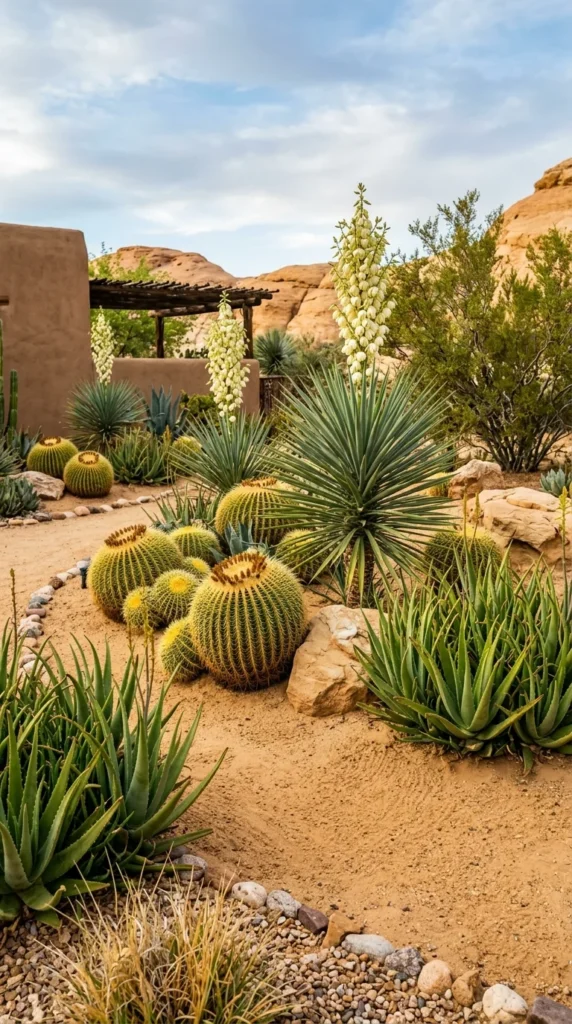
Embrace the arid aesthetic by creating a mini-desert in your backyard. Focus on variety in height: use tall Cereus cacti for verticality, medium-sized Aloes for texture, and low-growing Mammillaria for detail. This type of garden is virtually self-sustaining once established and provides a striking, sculptural landscape.
19. Hanging Baskets
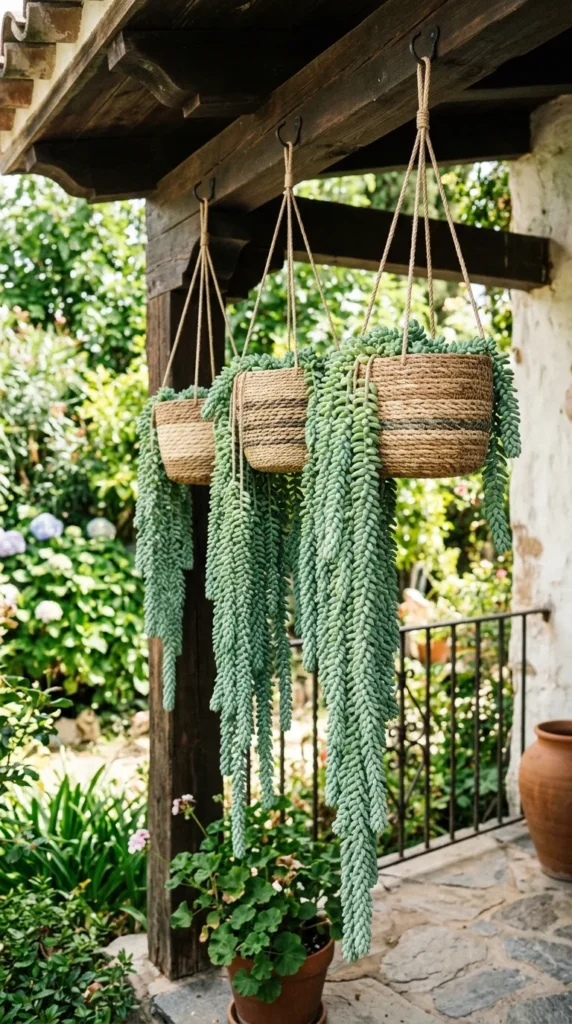
While we often think of succulents as ground plants, many look their best when allowed to trail. Hanging baskets filled with Sedum morganianum (Burro’s Tail) or Ceropegia woodii (String of Hearts) add a layer of greenery to your outdoor living spaces without taking up any floor real estate.
20. Vintage Wheelbarrows
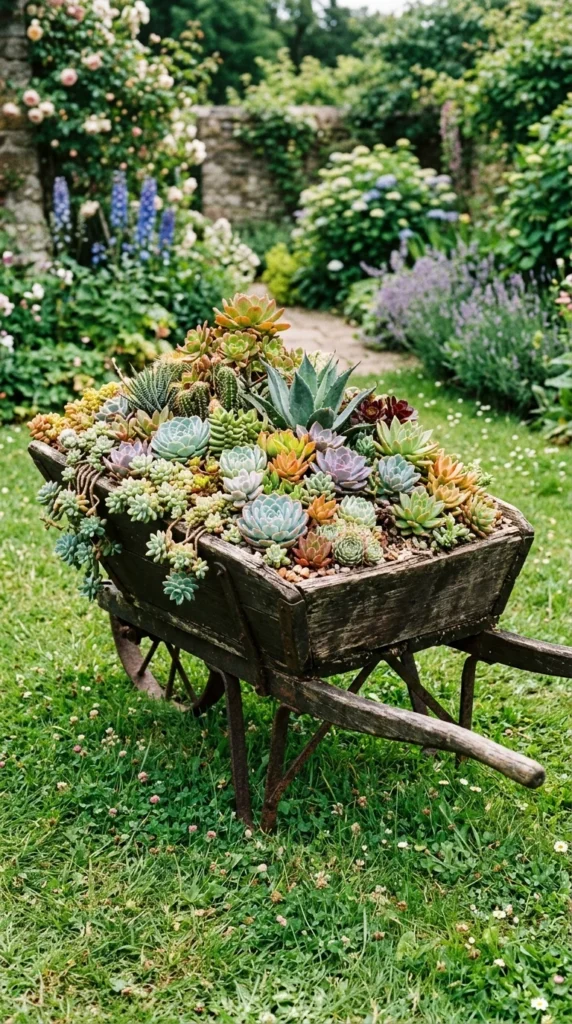
A vintage wheelbarrow serves as a mobile garden bed that adds a touch of farmhouse charm to your landscape. Because wheelbarrows are relatively shallow, they are perfect for the root systems of succulents. You can move the wheelbarrow around your yard to follow the sun or to clear space for outdoor gatherings.
Tips for Succulent Success
To keep your succulent garden looking its best with minimal effort, keep these three golden rules in mind:
- Drainage is Non-Negotiable: Succulents hate “wet feet.” Always use a sandy, gritty soil mix and ensure your containers have large drainage holes. If planting in the ground, amend heavy clay soil with pumice or perlite.
- Sunlight Matters: Most succulents need at least 4 to 6 hours of bright light to maintain their compact shapes and vibrant colors. However, in extremely hot climates, some afternoon shade can prevent the leaves from scorching.
- Water Deeply, But Infrequently: Instead of light daily misting, give your succulents a thorough soaking until water runs out of the drainage holes, then wait for the soil to be completely bone-dry before watering again. During the winter months, most outdoor succulents require very little to no supplemental water.