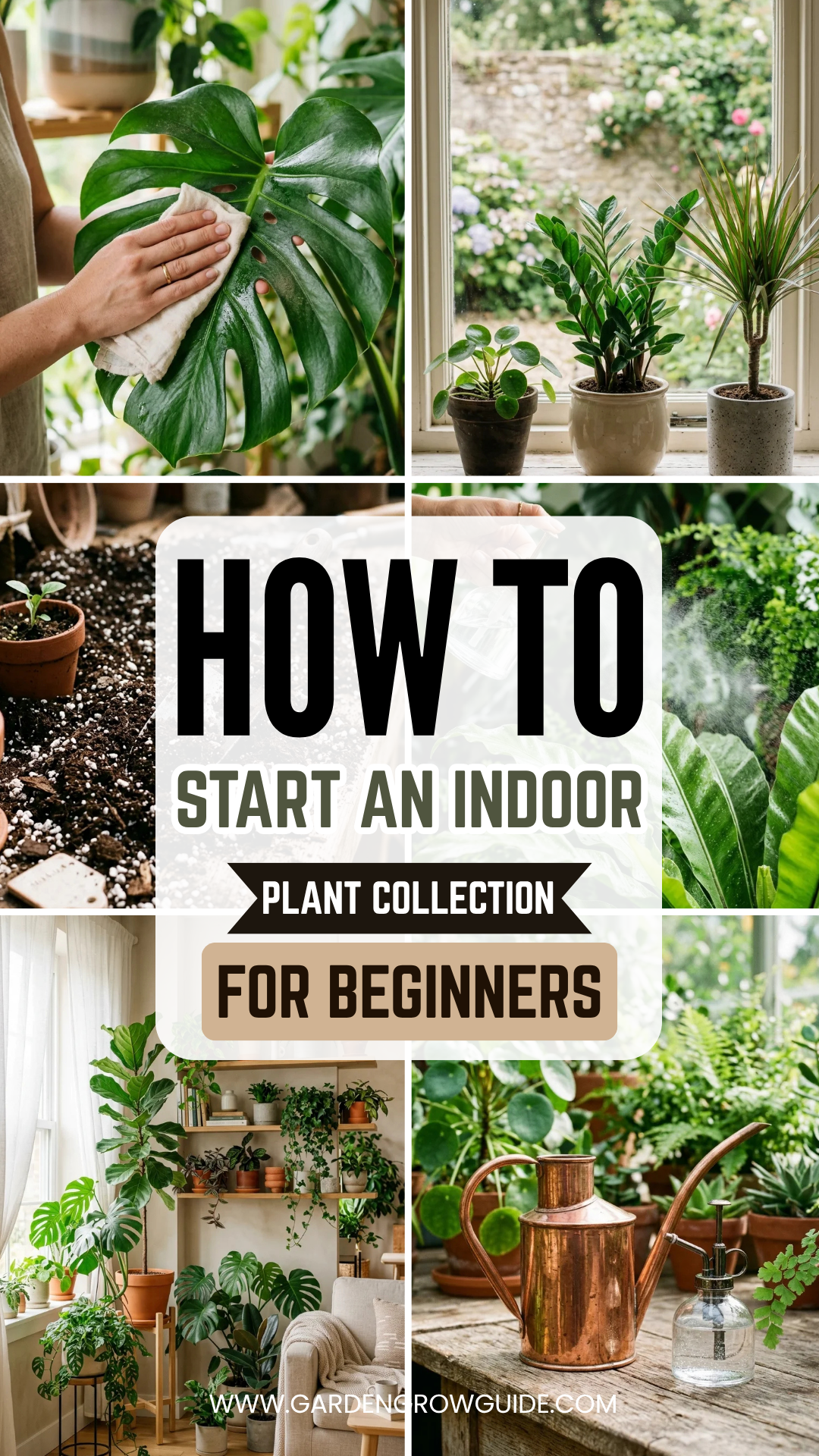
The journey of transforming a living space into a verdant sanctuary is one of the most rewarding hobbies a person can undertake. Beyond the undeniable aesthetic appeal, indoor plants are scientifically proven to reduce stress, improve air quality, and boost productivity. However, for many beginners, the prospect of keeping a living thing alive inside four walls can feel daunting. Starting an indoor plant collection isn’t about having a “green thumb”; it is about understanding the fundamental needs of your plants and matching them to your unique home environment.
1. Light Assessment
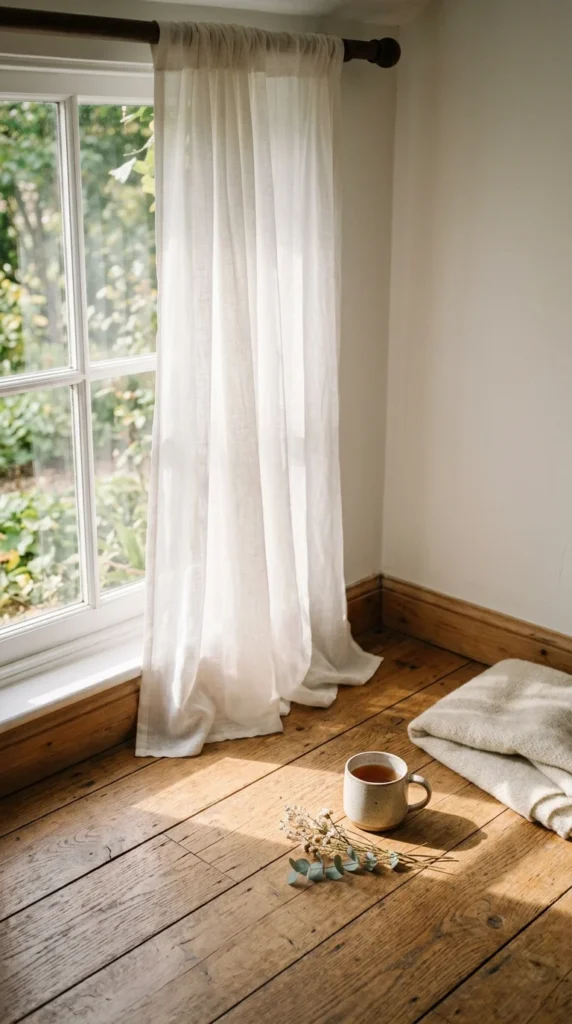
Before purchasing your first plant, you must perform a “light audit” of your home. Light is the primary food source for plants, and different species have vastly different requirements.
- Bright Indirect Light: This is the “gold standard” for most houseplants. It refers to a spot near a window that gets plenty of light but isn’t hit by direct sun rays. North or East-facing windows are often ideal.
- Direct Sunlight: This is found in South or West-facing windows. Only “sun-loving” plants like cacti and succulents can handle the intensity of these rays without their leaves scorching.
- Low Light: These are areas far from windows or in rooms with small openings. While no plant can grow in total darkness, some “low-light tolerant” plants can survive in these dim conditions.
2. Snake Plant
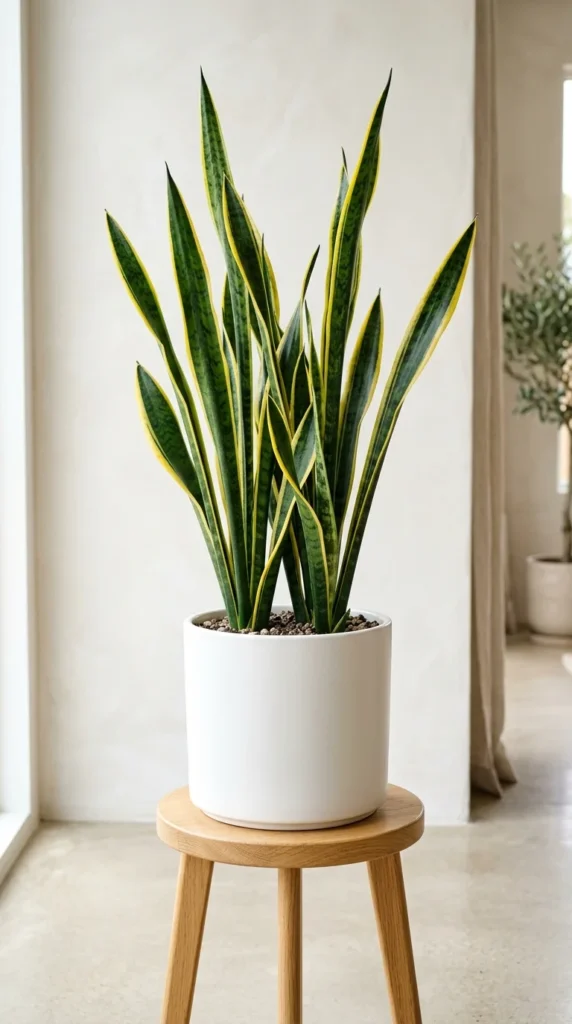
The Snake Plant (Sansevieria) is widely considered the ultimate beginner plant. It is nearly indestructible and thrives on neglect.
- Resilience: It can tolerate very low light levels and infrequent watering.
- Air Purification: It is one of the few plants that converts CO2 into oxygen at night, making it an excellent choice for bedrooms.
- Care Tip: Only water when the soil is completely dry to the bottom of the pot. Overwatering is the only way to kill a Snake Plant.
3. Pothos Vine
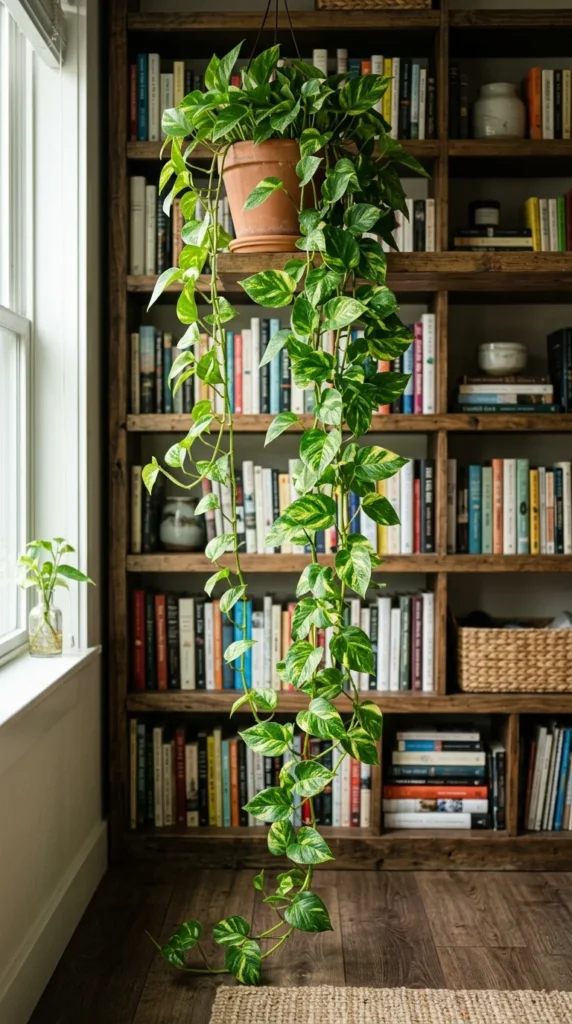
Often called “Devil’s Ivy,” the Pothos is the perfect choice for those who want a “jungle” look quickly. Its fast-growing vines can be trained to climb walls or trail from hanging baskets.
- Communication: Pothos plants “talk” to you. When they are thirsty, their leaves will wilt slightly. Once watered, they perk right back up.
- Propagation: You can easily grow new plants by cutting a vine and placing it in a glass of water.
- Versatility: It handles low to medium light with ease.
4. Watering Tools
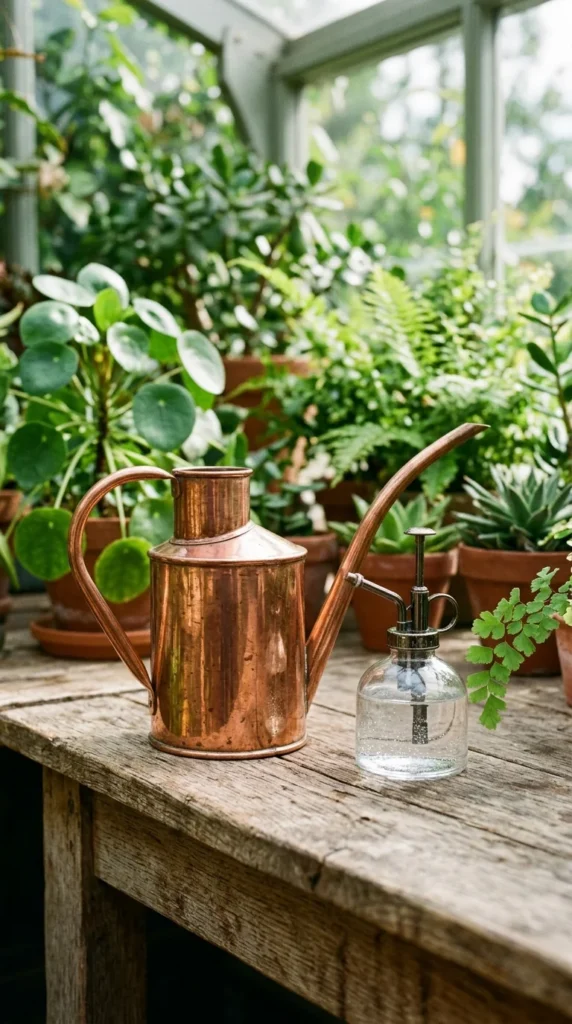
Success with indoor plants often depends on using the right tools for the job. A long-spouted watering can is essential because it allows you to direct water precisely to the base of the plant, keeping the foliage dry and preventing fungal issues.
- The Finger Test: Before watering, stick your finger two inches into the soil. If it feels damp, wait. If it’s dry, it’s time to water.
- Water Quality: Some sensitive plants, like Calatheas, are finicky about tap water chemicals. Using filtered water or letting tap water sit out overnight can help.
5. Proper Drainage
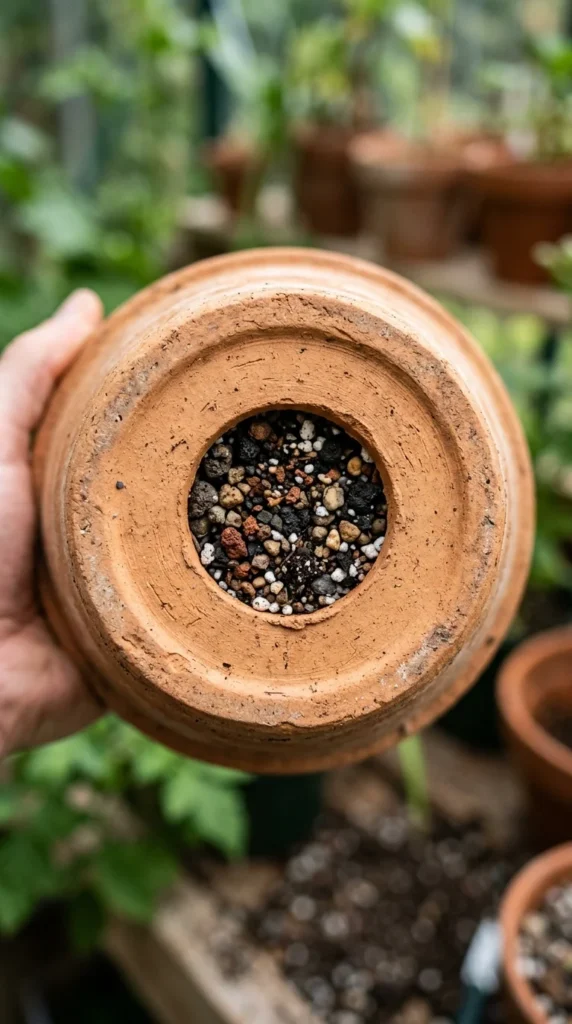
One of the most common mistakes beginners make is choosing a decorative pot without a drainage hole. Without a way for excess water to escape, the roots sit in soggy soil, leading to “root rot”—a silent killer of houseplants.
- Nursery Pots: Keep your plants in their plastic nursery pots (which have holes) and simply place them inside your decorative “cache” pots.
- Terracotta: This porous material allows the soil to breathe and dry out more evenly, which is great for beginners who tend to overwater.
6. Humidity Control
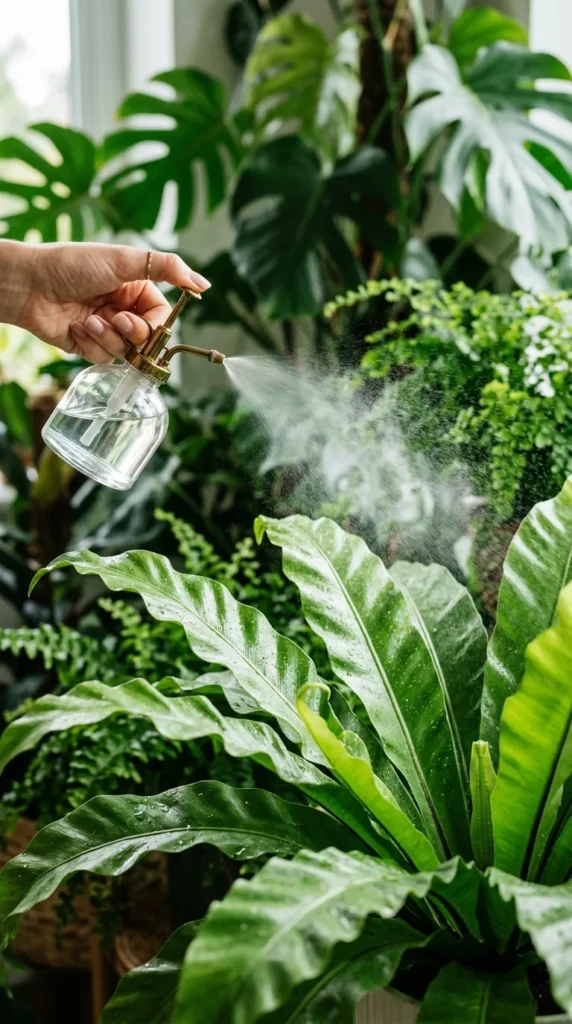
Many popular houseplants originate from tropical rainforests where the air is thick with moisture. Modern homes, especially those with air conditioning or heating, tend to have very dry air.
- Misting: Spritzing your plants daily can provide a temporary boost in humidity.
- Pebble Trays: Placing a tray filled with pebbles and water beneath your plant pots creates a micro-climate of humidity as the water evaporates.
- Grouping: Grouping plants together creates a collective humidity zone as they naturally release moisture through their leaves.
7. Potting Mix
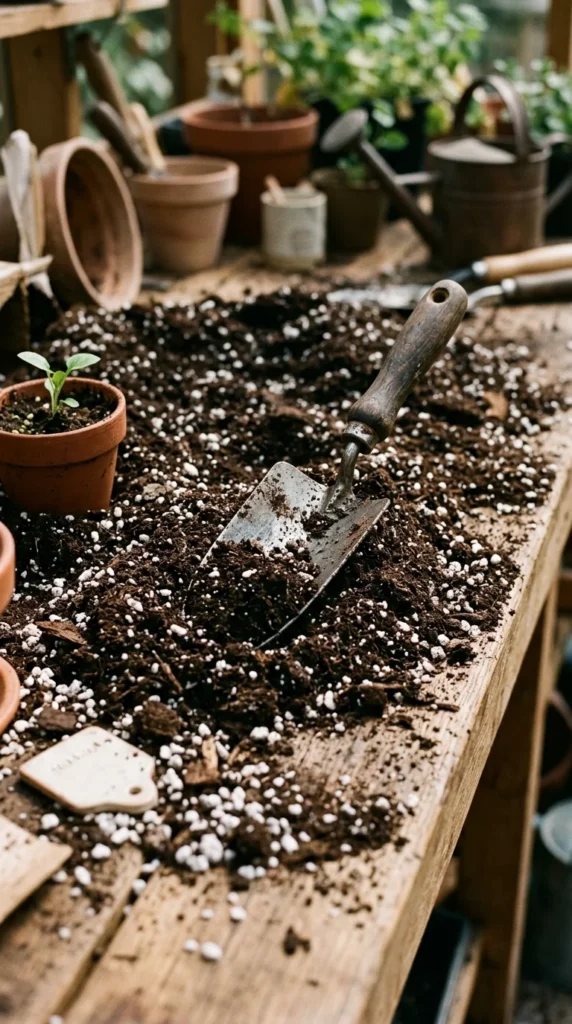
Not all dirt is created equal. Using outdoor garden soil for indoor plants is a recipe for disaster; it is too heavy and can carry pests.
- Aeration: A good indoor potting mix should be light and fluffy, usually containing ingredients like peat moss, coco coir, and perlite (the little white “popcorn” bits).
- Customization: For cacti and succulents, add extra sand or pumice to ensure the water drains away almost instantly.
8. Maintenance Routine
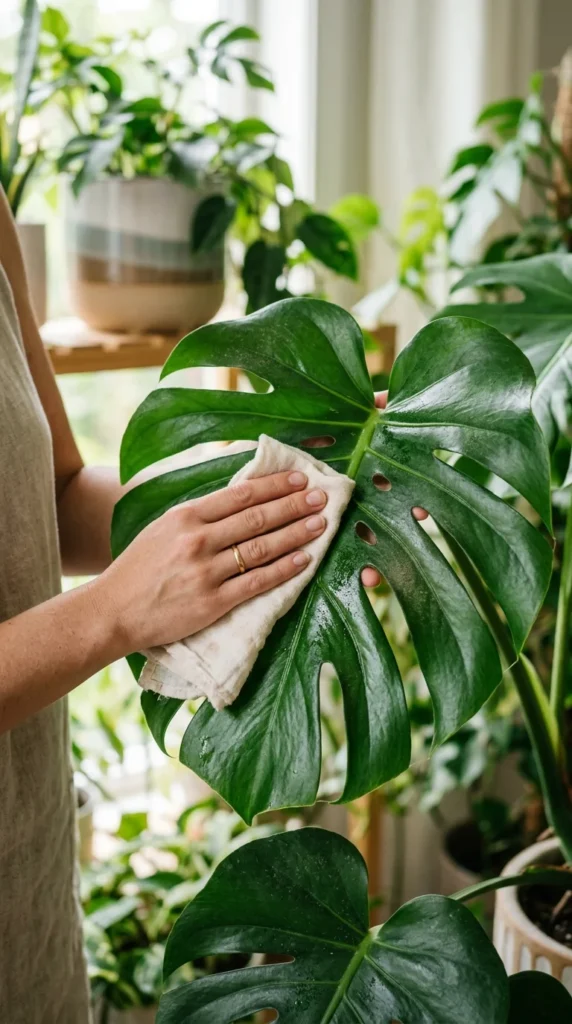
A collection requires ongoing attention beyond just watering. Regular maintenance keeps your plants healthy and looking their best.
- Dusting: Dust on leaves blocks sunlight and prevents the plant from “breathing.” Wipe leaves with a damp cloth once a month.
- Pruning: Don’t be afraid to snip off yellow or brown leaves. This allows the plant to direct its energy toward new, healthy growth.
- Rotating: Plants naturally grow toward the light. Rotate your pots a quarter-turn every week to ensure they grow straight and symmetrical.
9. Pest Management
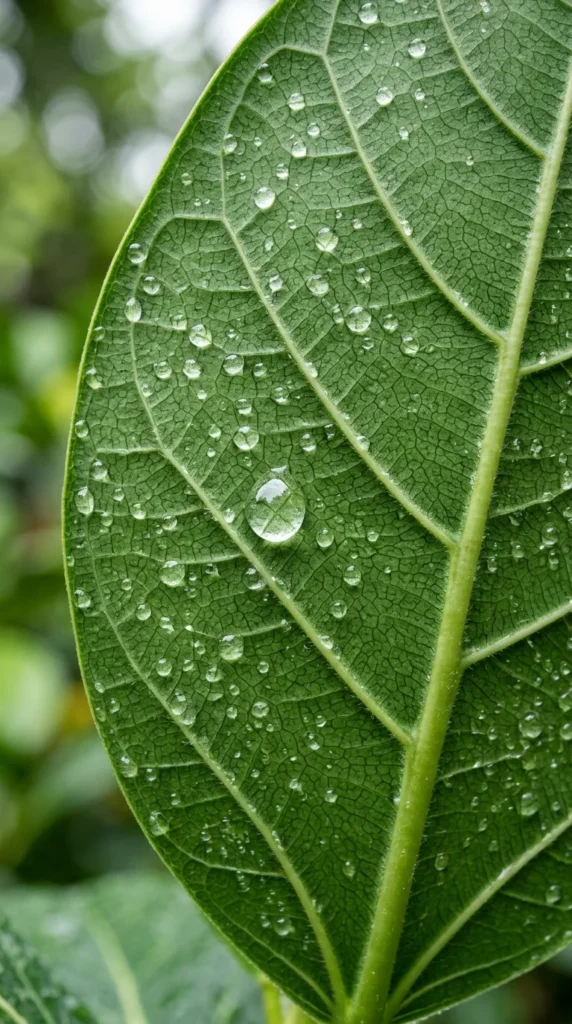
Eventually, every plant parent will encounter a pest. The key is early detection. Look for small webs (spider mites), sticky residue (aphids), or tiny white tufts (mealybugs).
- Neem Oil: This organic solution is a staple for indoor gardeners. It acts as both a pesticide and a leaf shiner.
- Isolation: If you bring a new plant home, keep it away from your existing collection for two weeks to ensure it isn’t “hitching a ride” for any unwanted bugs.
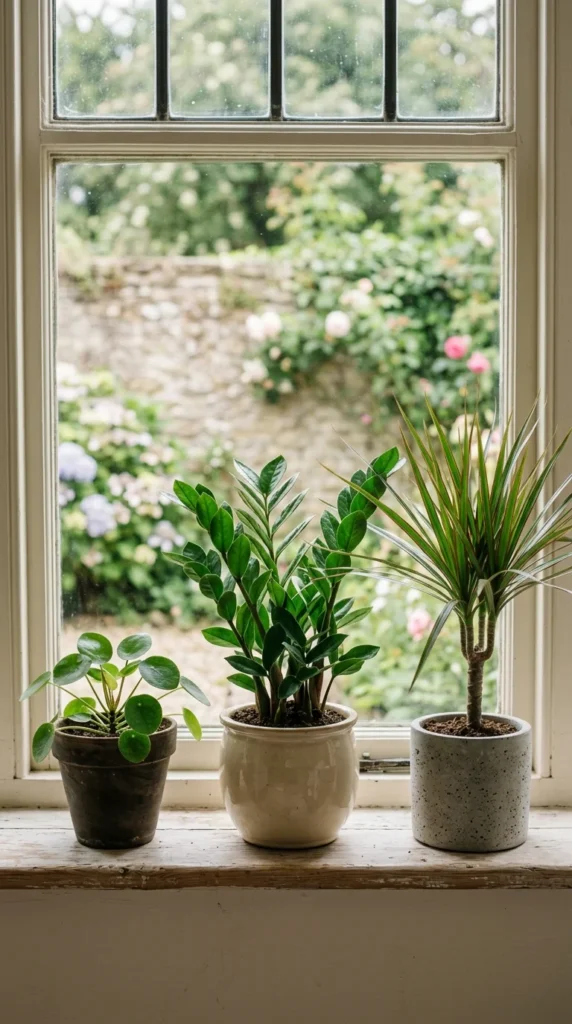
10. Slow Expansion
The “urban jungle” aesthetic is tempting, but the fastest way to get overwhelmed is to buy twenty plants at once. Start with two or three “easy” varieties. Once you understand their watering cycles and growth patterns, add a more challenging species. Building a collection slowly allows you to learn the personality of each plant, turning a chore into a meditative and life-affirming practice.