Bringing nature indoors is one of the most rewarding ways to enhance your living space. Not only do plants add aesthetic value and a splash of color, but they also offer significant health benefits, such as air purification and stress reduction. For those new to gardening, the prospect of keeping a living thing healthy can feel daunting. However, many indoor plants are remarkably resilient, requiring minimal intervention to thrive.
The key to success as a beginner is choosing “low-maintenance” species that are forgiving of common mistakes like irregular watering or imperfect lighting. This guide explores 25 of the best indoor plants for beginners, providing the essential tips you need to transform your home into a verdant sanctuary.
1. Snake Plant
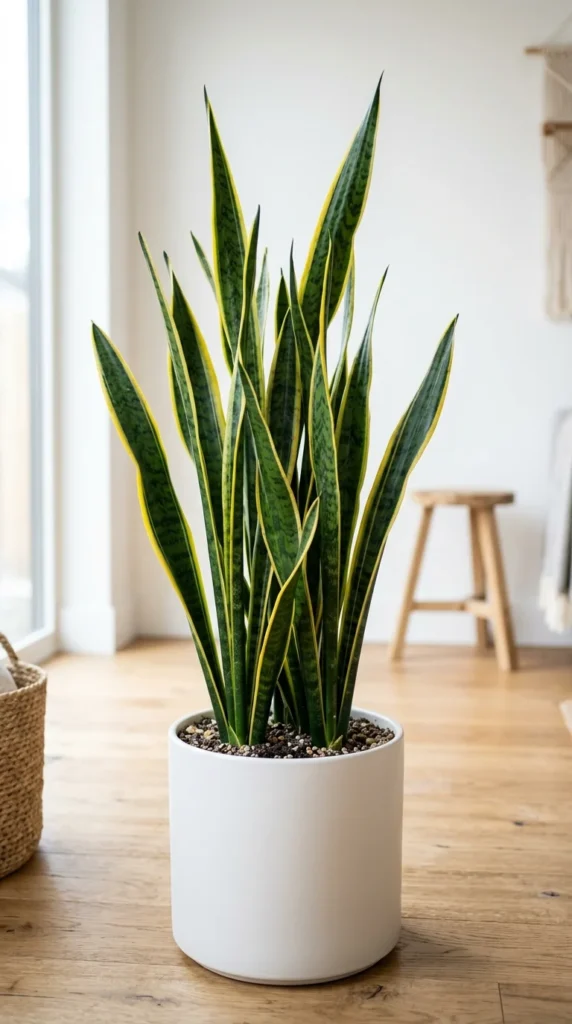
Known scientifically as Sansevieria, the Snake Plant is arguably the most resilient houseplant in existence. It is famous for its ability to survive in low light conditions and go for weeks without water. Its upright, architectural leaves make it a favorite for modern interior design.
- Light: Thrives in low to bright indirect light.
- Water: Allow the soil to dry out completely between waterings.
- Pro Tip: This plant is an excellent air purifier, known for converting CO2 into oxygen at night.
2. Pothos
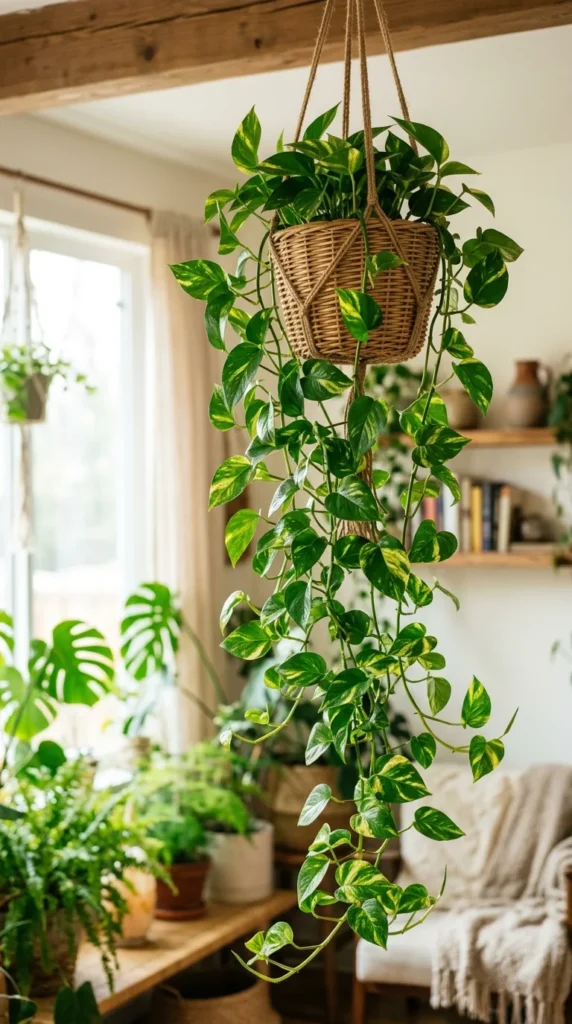
Often called “Devil’s Ivy,” Pothos is a fast-growing vine that is incredibly difficult to kill. It can handle a variety of lighting conditions and is very expressive; when it needs water, its leaves will wilt slightly, giving you a clear signal.
- Light: Prefers bright, indirect light but tolerates low light.
- Water: Water when the top inch of soil feels dry.
- Pro Tip: You can easily propagate Pothos by snitching a cutting and placing it in a jar of water.
3. Spider Plant
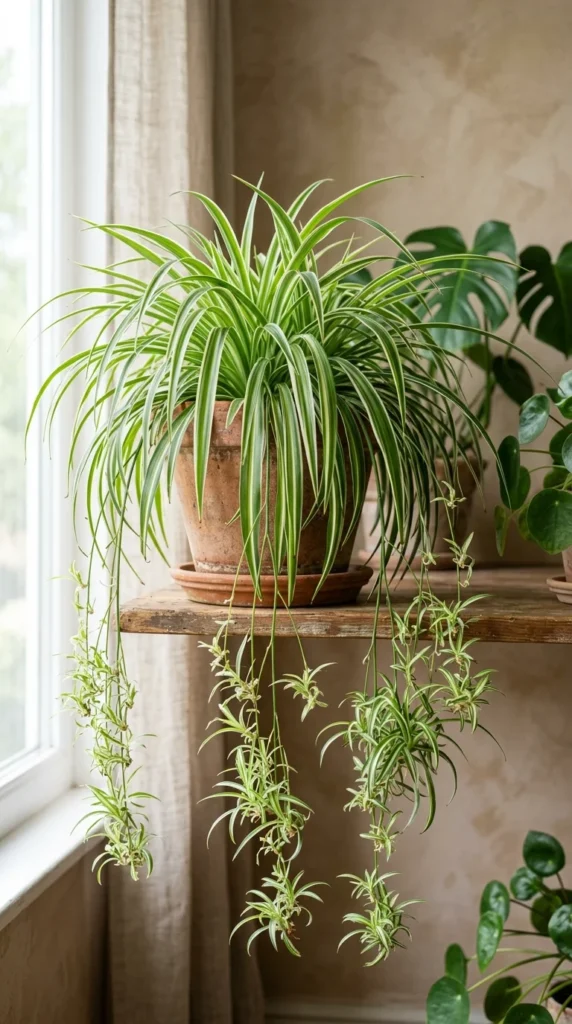
The Spider Plant is a classic choice for beginners. It produces “pups” or smaller versions of itself on long stems, which can be detached and planted to create new plants. It is highly adaptable and can survive in many different environments.
- Light: Bright, indirect light is best.
- Water: Water once or twice a week, allowing the soil to dry slightly.
- Pro Tip: If the tips of the leaves turn brown, try using filtered water, as they can be sensitive to fluoride in tap water.
4. ZZ Plant
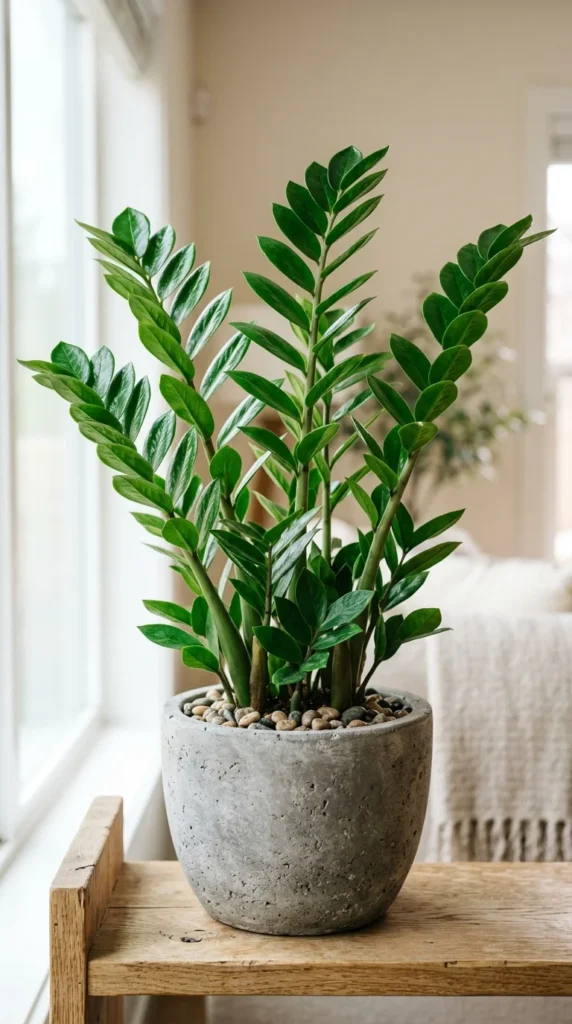
The ZZ Plant (Zamioculcas zamiifolia) is the ultimate “set it and forget it” plant. It features glossy, dark green leaves that look almost artificial because they are so perfect. It stores water in its thick rhizomes, making it extremely drought-tolerant.
- Light: Can handle very low light levels, including windowless offices with fluorescent lights.
- Water: Only water when the soil is bone-dry.
- Pro Tip: Avoid overwatering at all costs; this plant prefers to be dry rather than wet.
5. Peace Lily
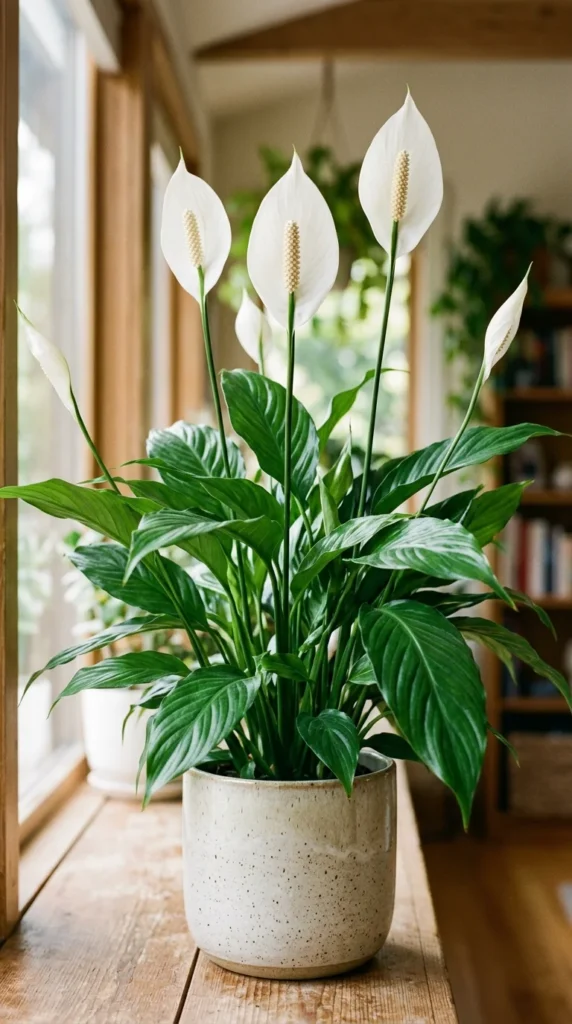
If you want a plant that flowers indoors, the Peace Lily is an excellent choice. While it isn’t a true lily, it produces beautiful white “blooms” that last for weeks. It is also one of the best plants for removing indoor toxins.
- Light: Low to medium indirect light.
- Water: Keep the soil consistently moist but not soggy.
- Pro Tip: The Peace Lily will dramatically droop when it’s thirsty, making it a great “communicator” for new plant owners.
6. Aloe Vera
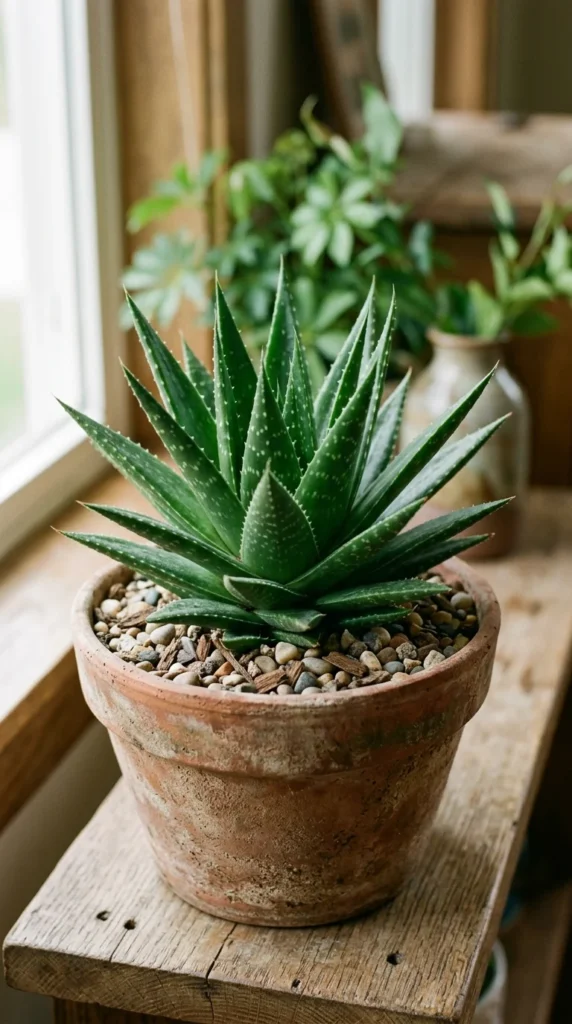
Aloe Vera is a functional plant that every home should have. Its thick leaves contain a soothing gel used to treat minor burns and skin irritations. As a succulent, it requires very little maintenance as long as it gets enough light.
- Light: Bright, direct sunlight is preferred.
- Water: Water deeply but infrequently; let the soil dry out between sessions.
- Pro Tip: Use a sandy, well-draining potting mix to prevent root rot.
7. Rubber Tree
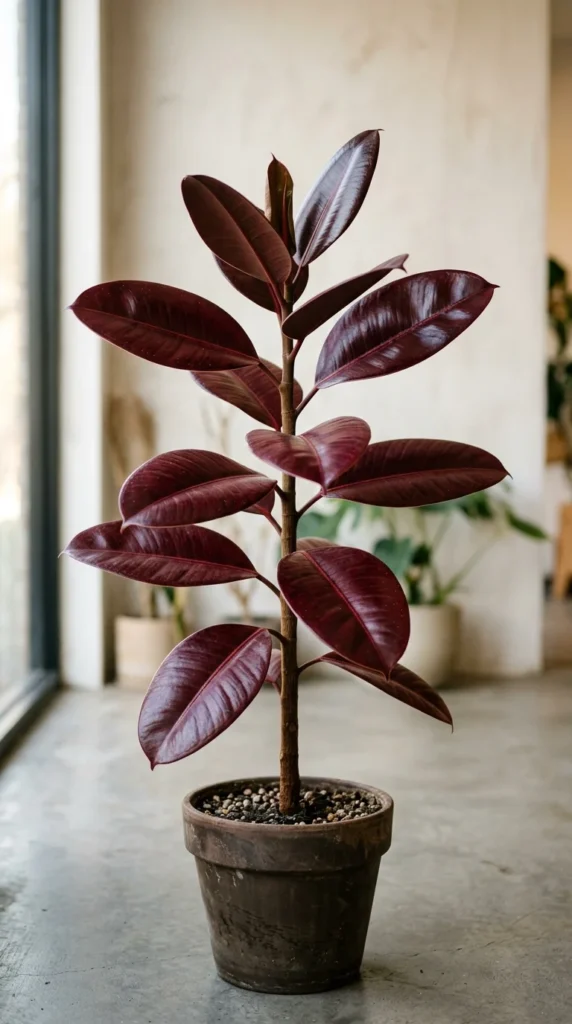
The Rubber Tree (Ficus elastica) is a striking plant that can grow into a large indoor tree over time. Its leaves are thick and leathery, giving it a bold, sculptural appearance. It is much hardier than its cousin, the Fiddle Leaf Fig.
- Light: Bright, indirect light.
- Water: Water when the top of the soil becomes dry; reduce watering in the winter.
- Pro Tip: Wipe the large leaves with a damp cloth occasionally to remove dust and keep them shining.
8. Jade Plant
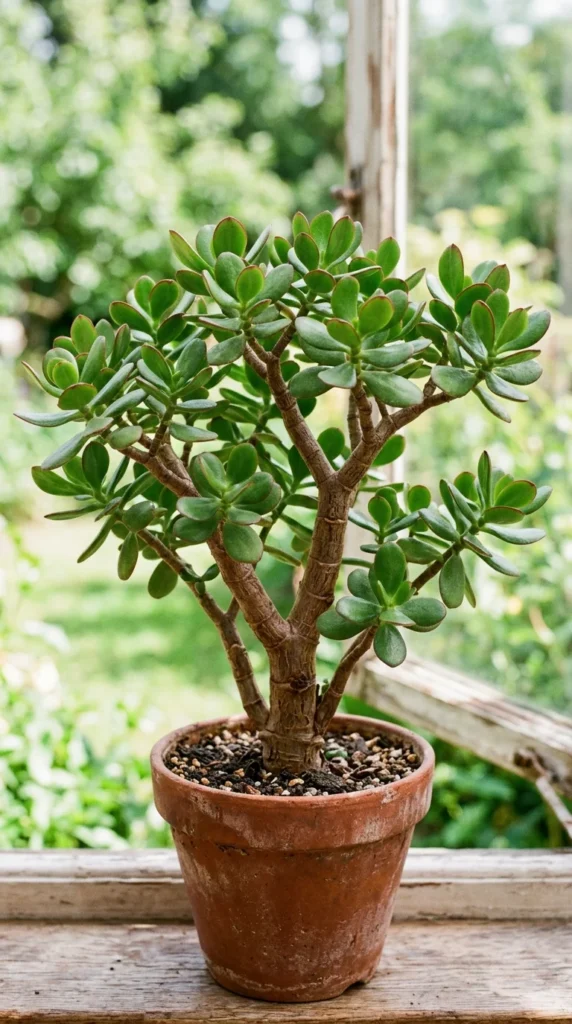
The Jade Plant is a type of succulent that symbolizes good luck and prosperity. It grows slowly and can live for decades, often being passed down through generations. It has a miniature tree-like appearance that makes it very charming.
- Light: Full sun to bright indirect light.
- Water: Water when the leaves start to look slightly wrinkled or the soil is dry.
- Pro Tip: Overwatering is the biggest threat to a Jade Plant; always ensure the pot has drainage holes.
9. Cast Iron Plant
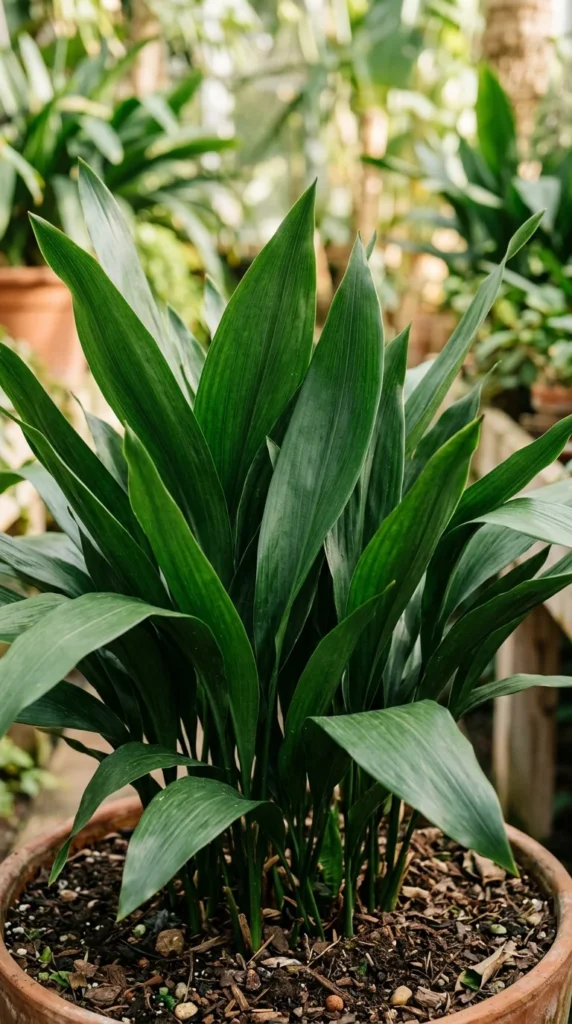
Living up to its name, the Cast Iron Plant (Aspidistra elatior) is nearly indestructible. It was a favorite in Victorian-era homes because it could survive the dim light and poor air quality of the time. It is perfect for those “dark corners” where nothing else will grow.
- Light: Low light to medium indirect light.
- Water: Allow the soil to dry out mostly before watering again.
- Pro Tip: This is a slow grower, so don’t be discouraged if you don’t see new leaves immediately.
10. Lucky Bamboo
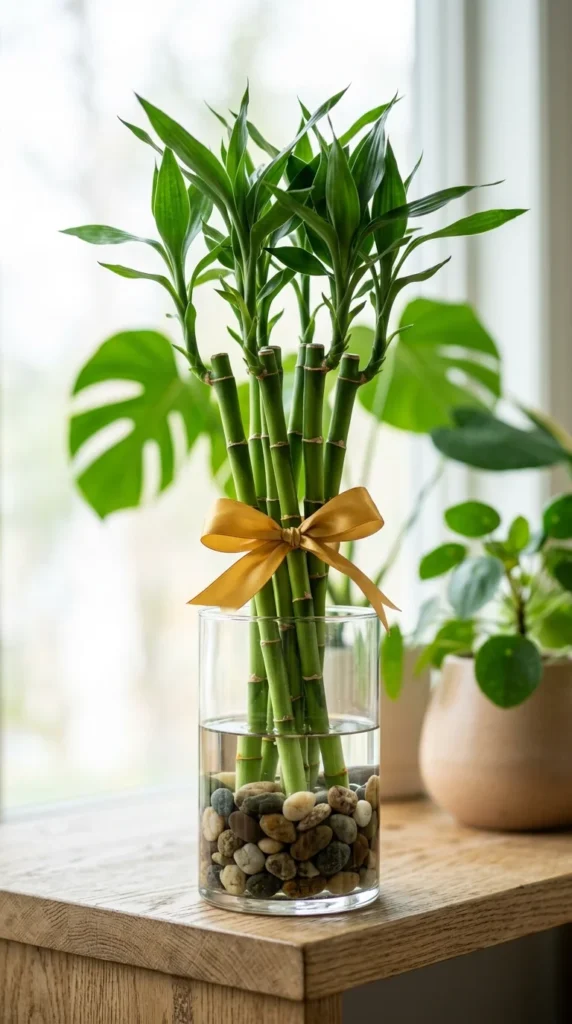
Interestingly, Lucky Bamboo isn’t actually bamboo; it’s a type of Dracaena. It is most commonly grown in water with pebbles, making it a very clean and easy-to-manage desk plant. It is often associated with Feng Shui.
- Light: Bright, indirect light.
- Water: If growing in water, change the water every two weeks and use distilled or filtered water.
- Pro Tip: Ensure the roots are always submerged in water.
11. English Ivy
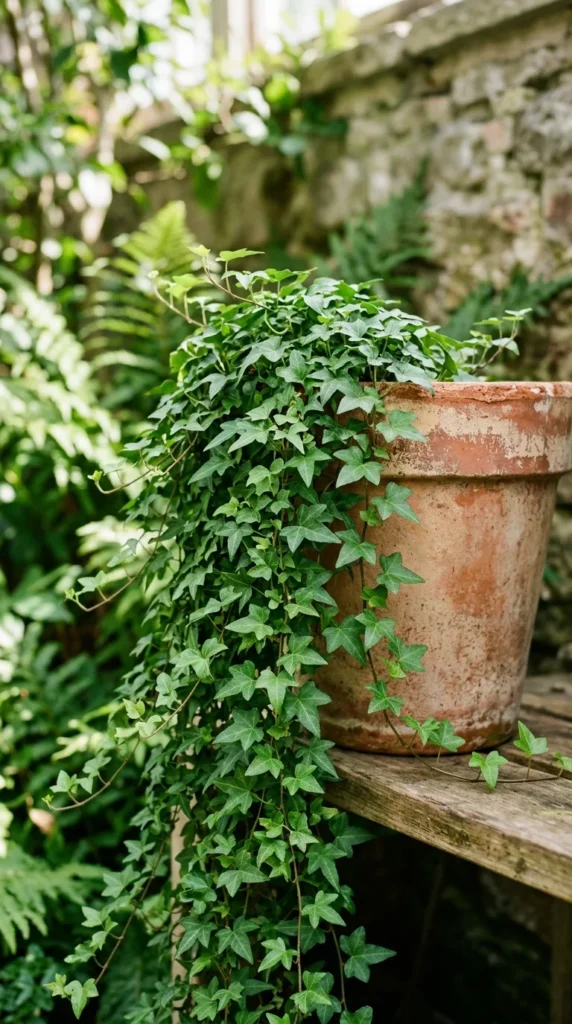
English Ivy is a classic climbing or trailing plant. It is exceptionally hardy and can be trained to grow along a trellis or allowed to spill over the sides of a bookshelf. It’s also noted for its ability to filter mold particles from the air.
- Light: Bright, indirect light.
- Water: Prefers moist soil but can handle occasional drying out.
- Pro Tip: This plant loves humidity; misting the leaves occasionally can help it thrive in dry indoor air.
12. Heartleaf Philodendron
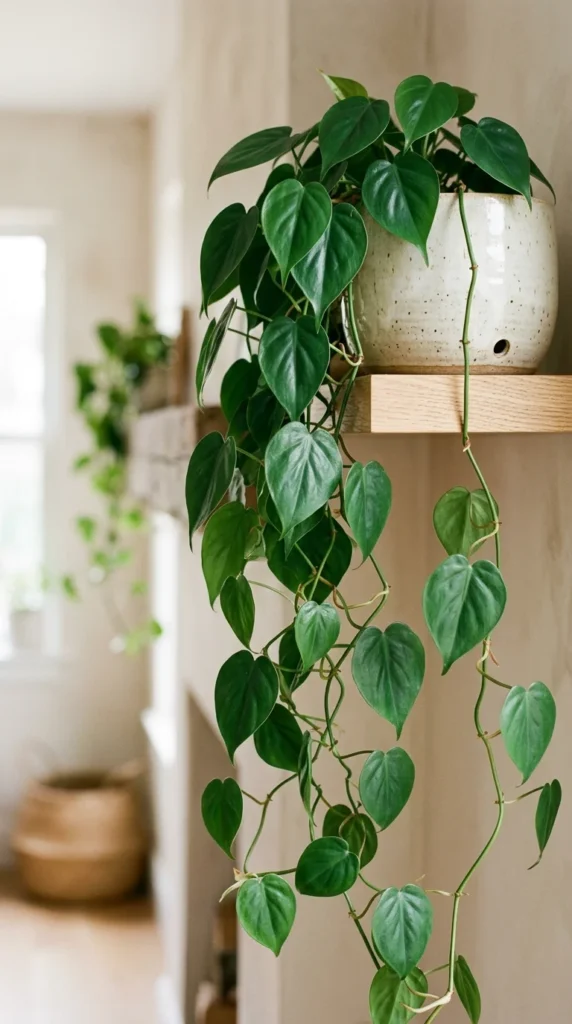
Often confused with Pothos, the Philodendron has thinner, more delicate-looking leaves and a heart-shaped silhouette. It is incredibly tolerant of various indoor conditions and grows very quickly.
- Light: Low to medium indirect light.
- Water: Water when the top half of the soil is dry.
- Pro Tip: If the vines get too long, simply snip them off to encourage a bushier growth habit.
13. Monstera Deliciosa
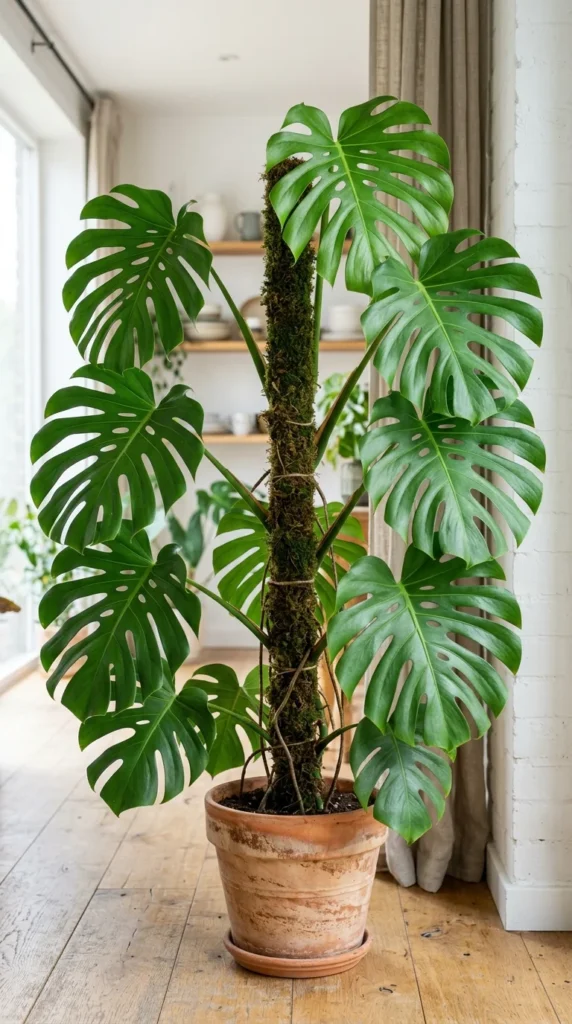
Also known as the “Swiss Cheese Plant,” the Monstera has become an icon of interior design. While it looks exotic, it is actually quite easy for beginners to manage. It needs space to grow, as it can become quite large.
- Light: Bright, indirect light.
- Water: Water every 1–2 weeks, allowing the soil to dry out halfway.
- Pro Tip: The holes in the leaves, called fenestrations, develop as the plant matures and receives adequate light.
14. Chinese Evergreen
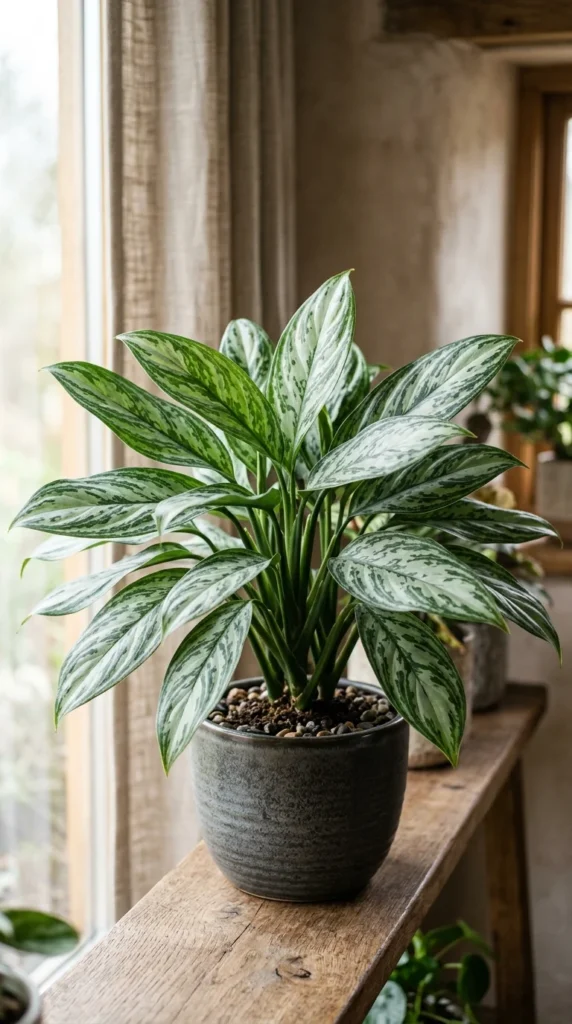
The Chinese Evergreen (Aglaonema) is one of the most durable indoor plants. It comes in many varieties with different leaf patterns, including greens, silvers, and even pinks. It handles low light and air-conditioned rooms very well.
- Light: Low to medium light.
- Water: Water when the soil is dry, but it can handle being slightly moist.
- Pro Tip: The darker green varieties can grow in near-shade, while variegated ones need a bit more light.
15. Boston Fern
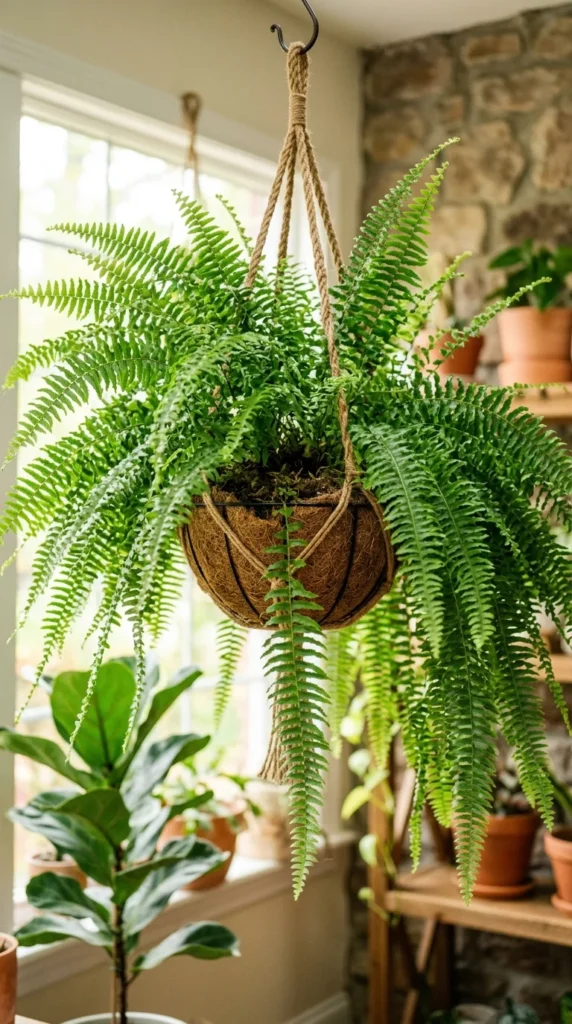
Boston Ferns are classic porch and parlor plants. They are famous for their lush, feathery fronds. While they require a bit more attention regarding humidity, they are generally hardy and fast-growing once they find their “happy spot.”
- Light: Bright, indirect light.
- Water: Keep the soil consistently damp.
- Pro Tip: Place this plant in a bathroom or kitchen where humidity levels are naturally higher.
16. Parlor Palm
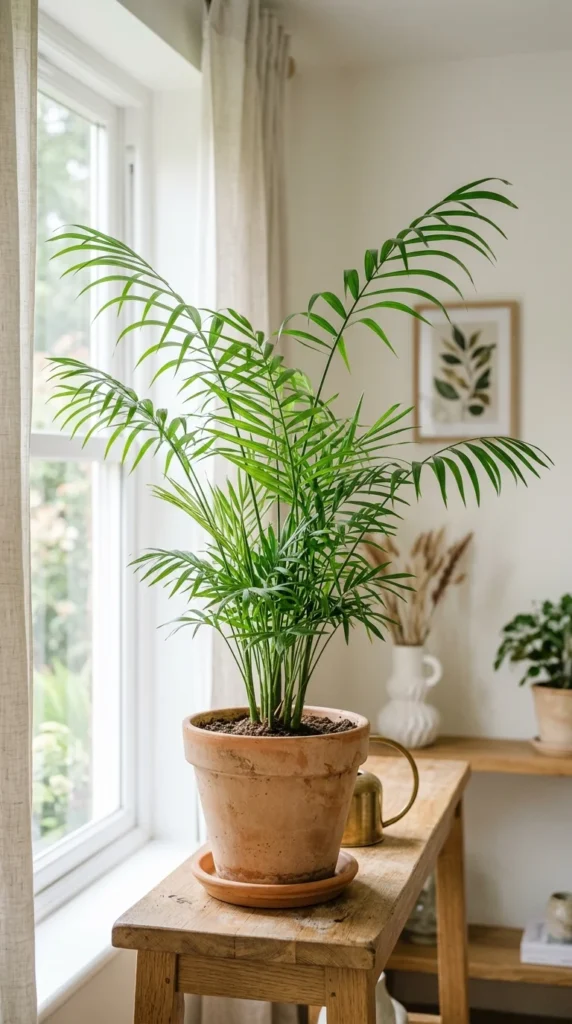
The Parlor Palm has been a popular indoor choice since the Victorian era. It stays relatively small and grows slowly, making it perfect for apartments. It adds a tropical feel to any room without the difficult care requirements of other palms.
- Light: Low to medium light.
- Water: Water when the top inch of soil is dry.
- Pro Tip: This palm is non-toxic to cats and dogs, making it a safe choice for pet owners.
17. Bromeliad
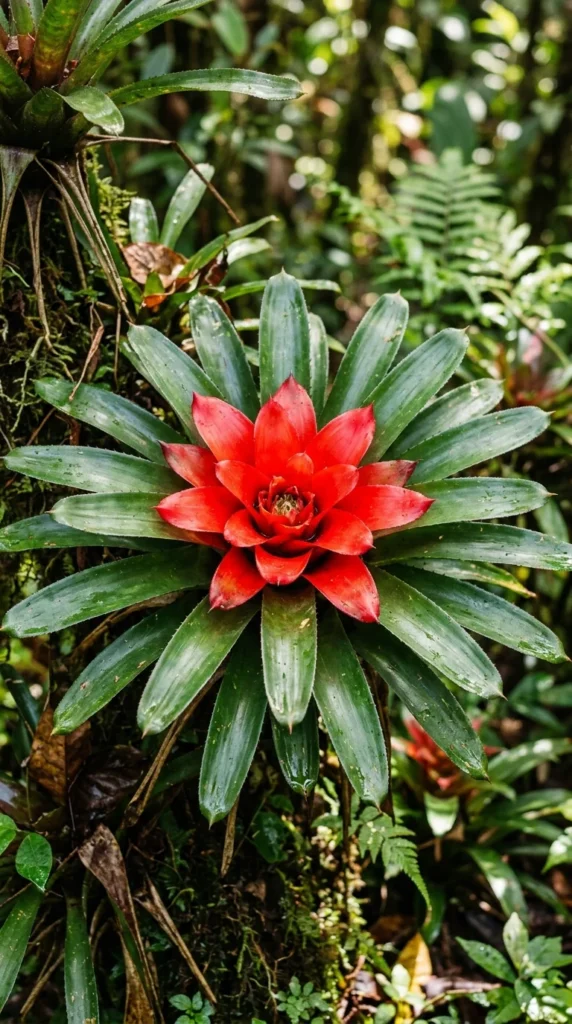
For a burst of tropical color, Bromeliads are fantastic. These plants have a unique way of drinking; they have a central “cup” formed by their leaves where they collect water. They are long-lasting and bring an exotic flair to the home.
- Light: Bright, indirect light.
- Water: Keep water in the central cup of the plant and change it regularly.
- Pro Tip: Bromeliads usually bloom only once, but they produce “pups” at the base that can be replanted to start the cycle again.
18. Aspidistra
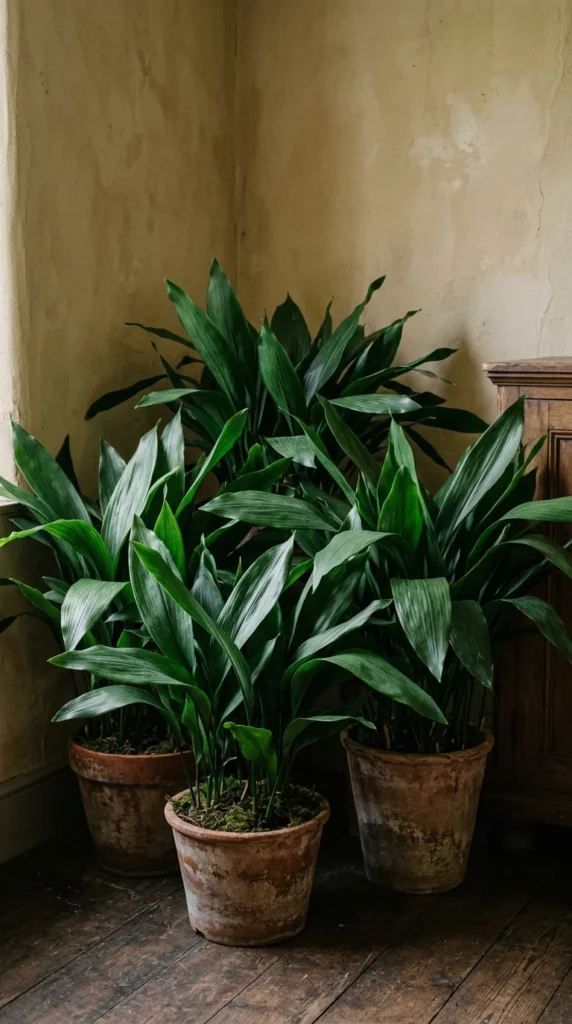
Often called the “Cast Iron Plant” (previously mentioned), the Aspidistra is the gold standard for low-maintenance greenery. It can handle neglect, dust, and temperature fluctuations like a pro.
- Light: Very low light.
- Water: Low water needs; let it dry out significantly.
- Pro Tip: This is the perfect plant for hallways or rooms with north-facing windows.
19. Zebra Cactus
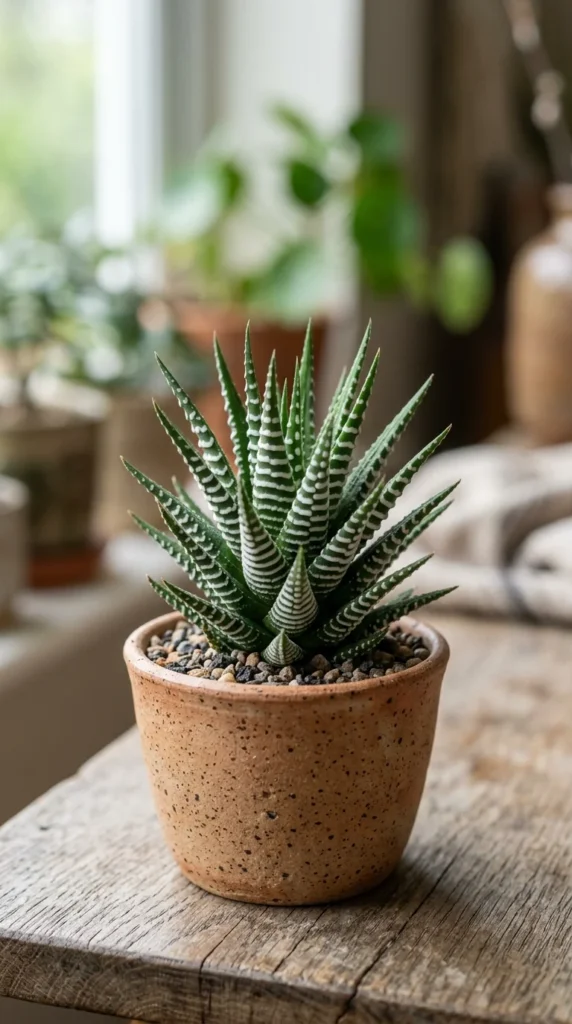
The Zebra Cactus (Haworthia) is a tiny, striking succulent. Unlike many other succulents that require intense direct sun, Haworthia is much more tolerant of indirect light. Its compact size makes it perfect for windowsills or desks.
- Light: Bright, indirect light.
- Water: Water sparingly, about once every 2–3 weeks.
- Pro Tip: These plants are slow growers and don’t require frequent repotting.
20. African Violet
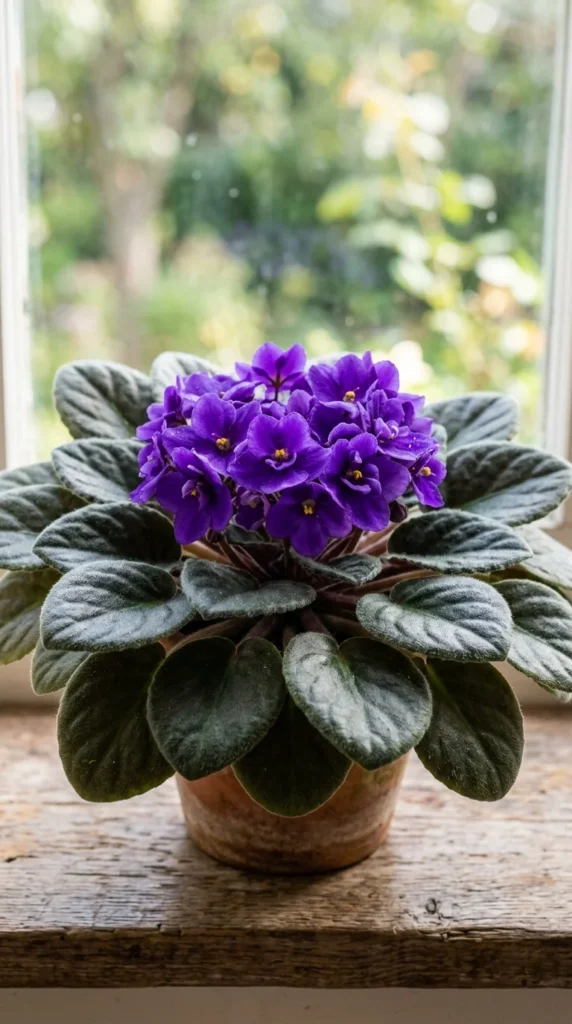
African Violets are loved for their fuzzy leaves and year-round blooming potential. They are a bit more specific about their watering (they don’t like their leaves to get wet), but once you master that, they are very rewarding.
- Light: Bright, indirect light.
- Water: Water from the bottom by placing the pot in a saucer of water for 15 minutes.
- Pro Tip: Use a specialized African Violet potting mix for the best results.
21. String of Pearls
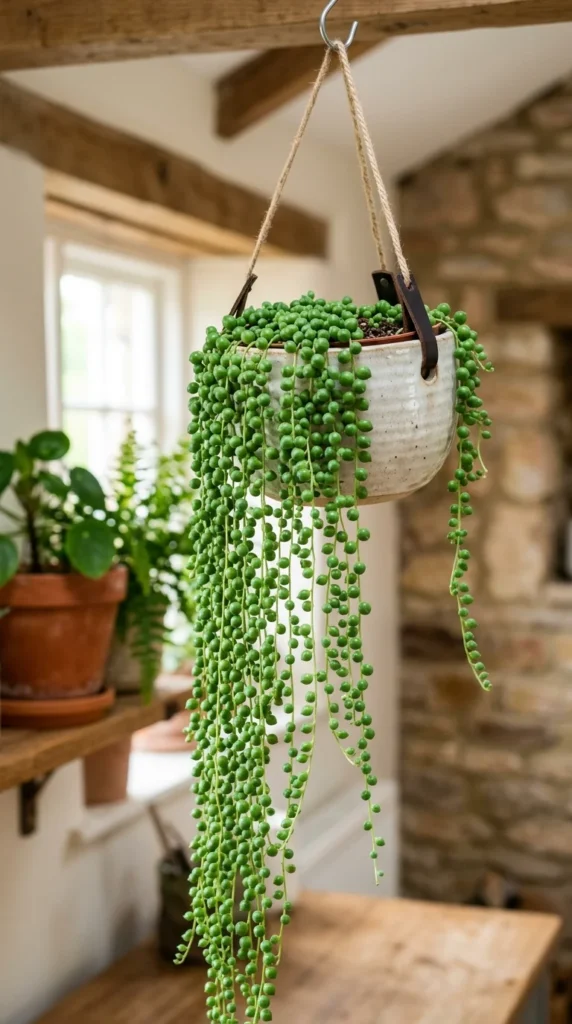
This unique succulent features spherical leaves that look like green pearls on a string. It looks stunning in a hanging planter where the “pearls” can drape downward.
- Light: Bright, indirect light.
- Water: Water when the “pearls” look slightly puckered.
- Pro Tip: Be careful not to overwater, as the delicate stems can rot easily.
22. Yucca Cane
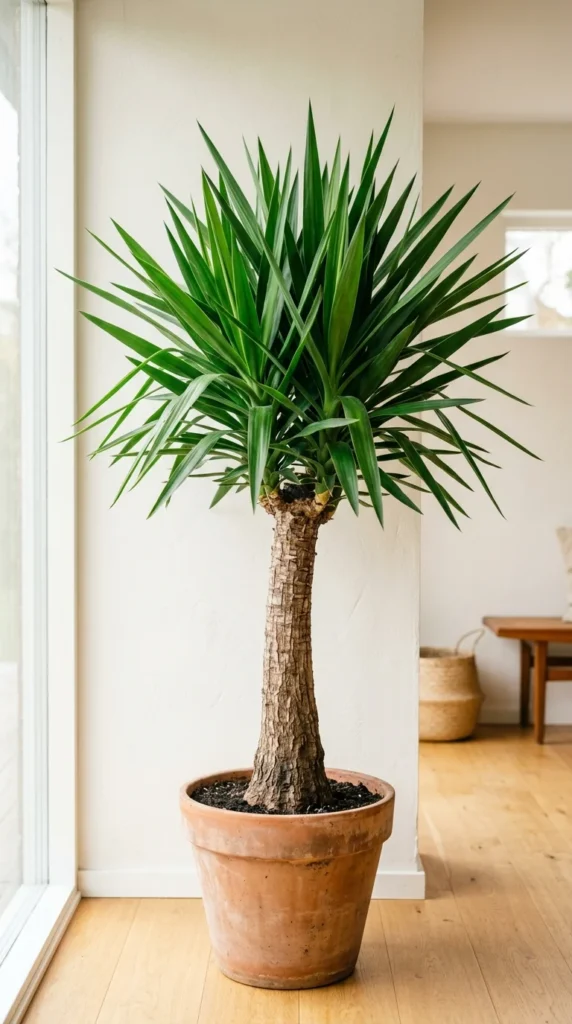
The Yucca Cane is a tough, drought-tolerant plant that looks like a miniature palm tree. It’s a great floor plant for beginners because it can handle a wide range of light and water conditions.
- Light: Bright, direct or indirect light.
- Water: Water only when the top half of the soil is dry.
- Pro Tip: Yucca leaves can be sharp, so place it in an area where people won’t brush against it.
23. Prayer Plant
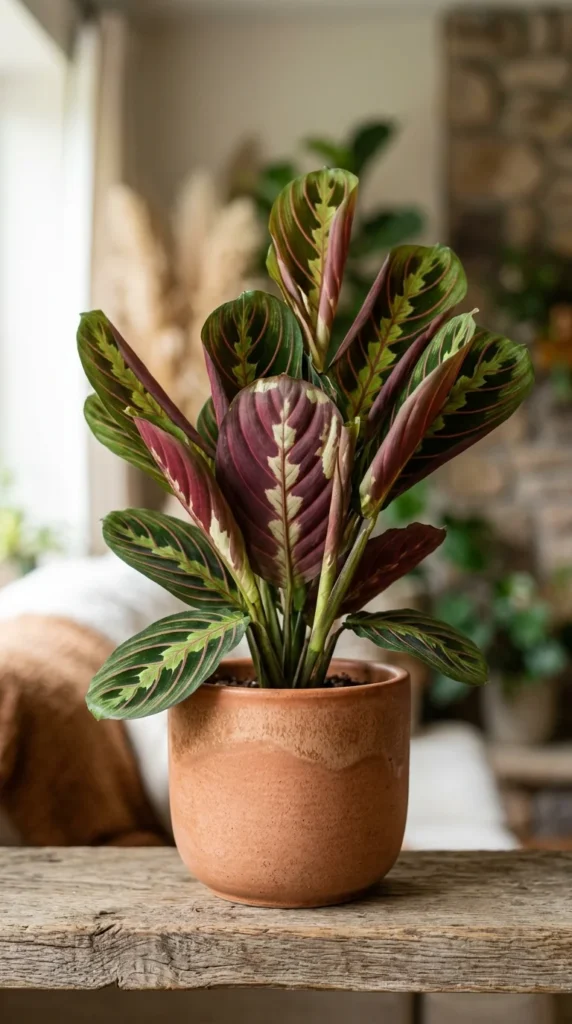
The Prayer Plant (Maranta) is famous for its “nyctinasty”—its leaves fold up at night as if in prayer and open again in the morning. The stunning patterns on the leaves make it a visual centerpiece.
- Light: Medium to bright indirect light.
- Water: Keep the soil moist but never soggy.
- Pro Tip: Use lukewarm water, as cold water can shock the roots.
24. Air Plants
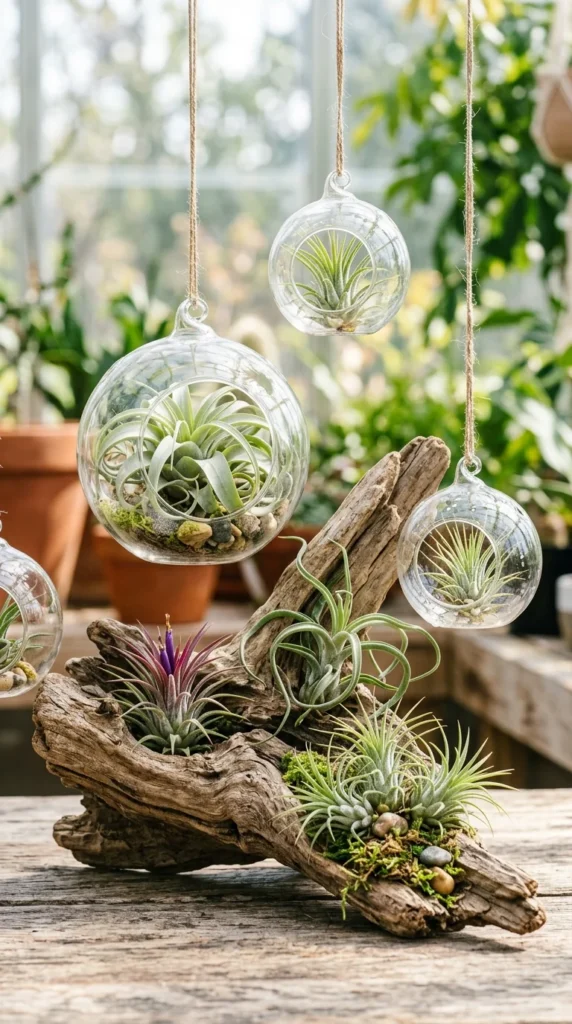
Air plants (Tillandsia) are unique because they don’t require soil at all. They absorb water and nutrients through their leaves. They can be placed almost anywhere—mounted on wood, placed in glass terrariums, or set on a shelf.
- Light: Bright, indirect light.
- Water: Soak them in a bowl of water for 20–30 minutes once a week.
- Pro Tip: After soaking, shake off excess water and let them dry upside down to prevent rot in the center.
25. Christmas Cactus
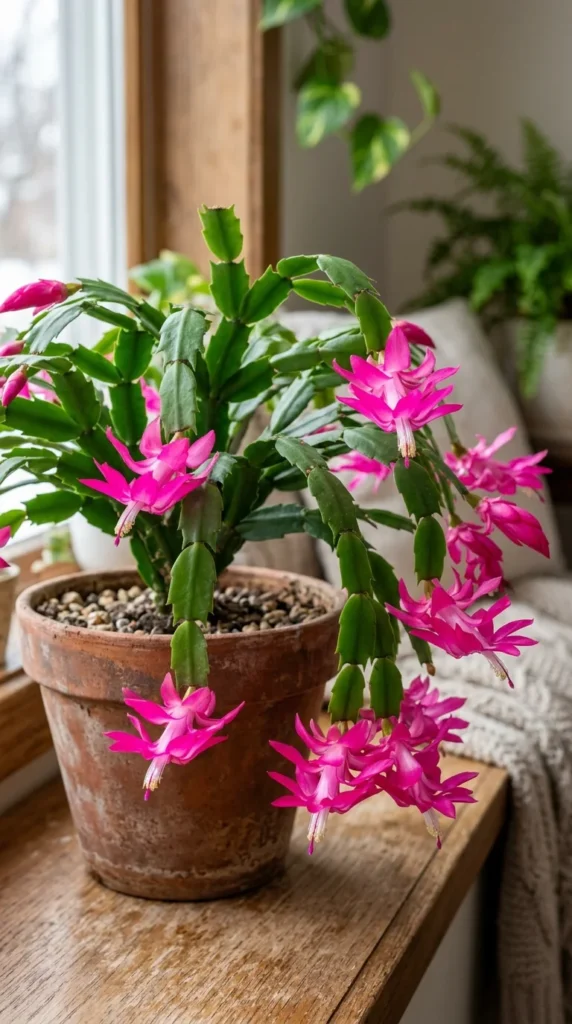
Unlike desert cacti, the Christmas Cactus is a tropical cactus that thrives in cooler temperatures and higher humidity. It is known for its beautiful blooms that appear in the late fall or winter, adding color to the home during the holidays.
- Light: Bright, indirect light.
- Water: Water when the top inch of soil is dry.
- Pro Tip: To encourage blooming, the plant needs long periods of darkness and cooler temperatures in the autumn.