Bringing a piece of the outdoors inside is one of the most rewarding ways to enhance your living space. Houseplants do more than just provide aesthetic appeal; they are known to improve air quality, boost mood, and reduce stress. However, for many beginners, the transition from “plant admirer” to “plant parent” can feel daunting. Success in indoor gardening isn’t about having a “green thumb”—it is about understanding the fundamental biological needs of your plants and learning how to mimic their natural environments within your home.
1. Light
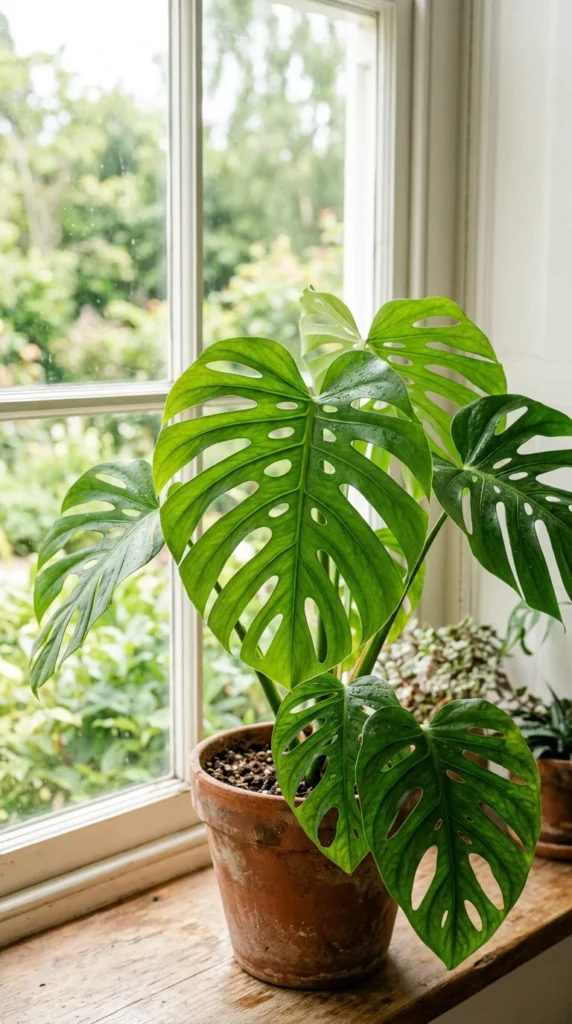
Light is the most critical factor in plant survival because it is the primary energy source for photosynthesis. Different plants have evolved in different environments, meaning their light requirements vary significantly.
- Bright Direct Light: This refers to sunlight that hits the plant’s leaves directly without any obstruction. Cacti, succulents, and bird of paradise thrive in south-facing windows where they can soak up 6+ hours of intense sun.
- Bright Indirect Light: This is the “sweet spot” for most tropical houseplants. It is light that is bright enough to read by but is filtered through a sheer curtain or bounces off a nearby wall. Philodendrons and Monsteras love this.
- Low Light: Some plants, like the Snake Plant or ZZ Plant, can tolerate areas with very little natural light. However, “low light” does not mean “no light.” Every plant needs some photons to survive.
To determine your light levels, observe the shadows. A sharp, well-defined shadow indicates bright light, while a soft, blurry shadow indicates medium to low light.
2. Watering
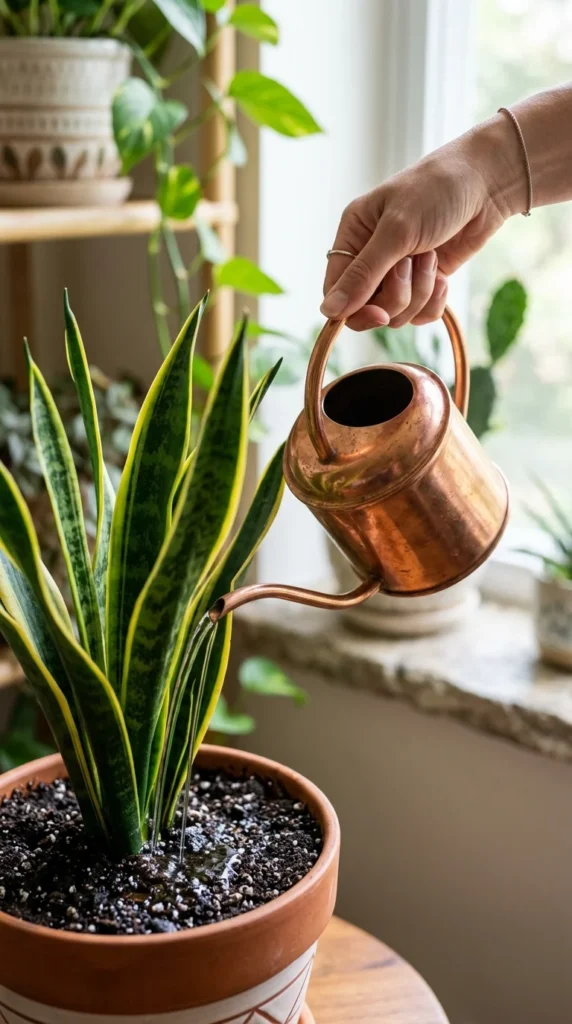
The fastest way to kill a houseplant is through improper watering. Most beginners tend to overwater, which leads to root rot—a condition where roots suffocate and decompose due to a lack of oxygen in waterlogged soil.
- The Finger Test: Before watering, stick your finger about two inches into the soil. If it feels moist or cool, wait a few days. If it feels bone-dry, it is time to water.
- Drainage is Key: Always use a pot with a drainage hole. This allows excess water to escape, preventing the roots from sitting in a pool of stagnant water.
- Watering Technique: When you water, do so thoroughly until water runs out of the drainage holes at the bottom. This ensures the entire root ball is hydrated and helps flush out any accumulated salts or minerals.
- Water Quality: Some sensitive plants, like Calatheas, are picky about tap water minerals. Using filtered or distilled water can prevent brown, crispy leaf edges.
3. Soil
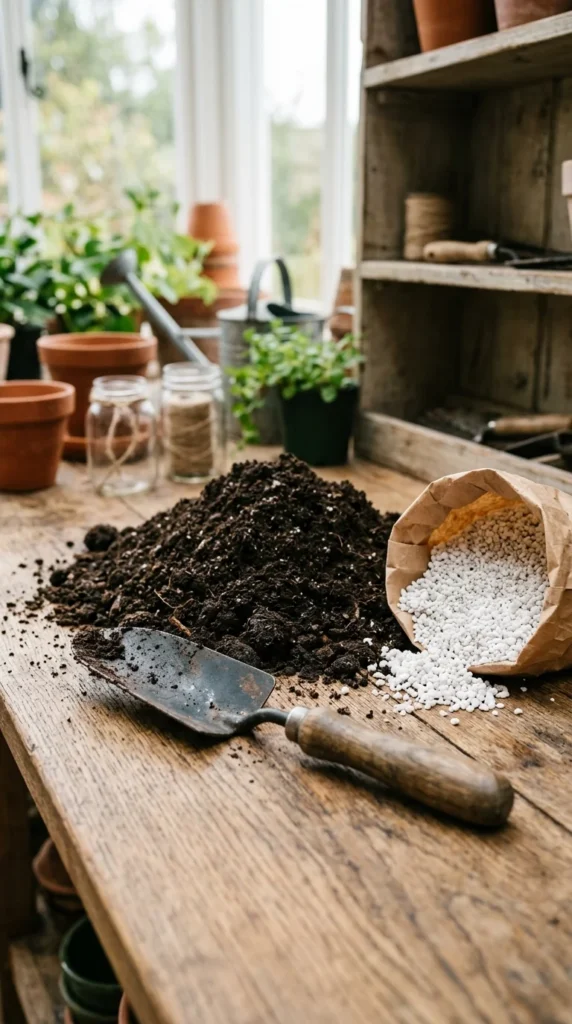
Standard garden soil from your backyard is too heavy and dense for indoor pots; it can trap too much moisture and harbor pests. Instead, use a high-quality “potting mix” specifically formulated for houseplants.
- Aeration: Most indoor plants need a mix that “breathes.” You can improve any standard potting soil by adding perlite or orchid bark. This creates air pockets, allowing roots to grow easily and water to drain quickly.
- Specialty Mixes: Some plants have unique needs. Cacti and succulents require a gritty, sandy mix that dries out almost instantly. Orchids need chunky bark or sphagnum moss rather than traditional soil.
4. Humidity
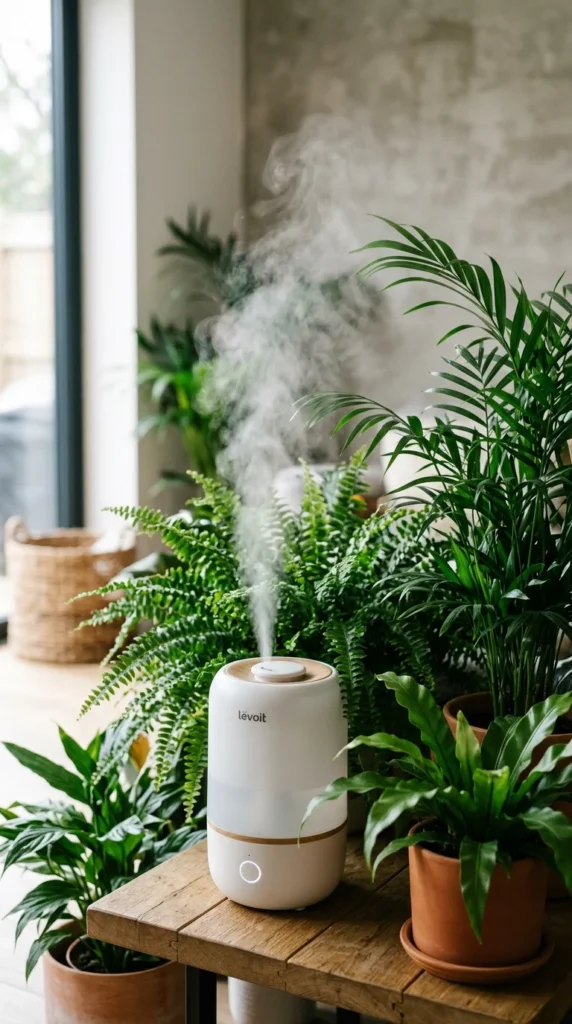
Many popular houseplants originate from tropical rainforests where the air is thick with moisture. Modern homes, especially those with central heating or air conditioning, tend to have very dry air.
- Signs of Low Humidity: If the tips of your leaves are turning brown and crispy despite the soil being moist, your plant likely needs more humidity.
- Increasing Moisture: You can use a dedicated room humidifier, which is the most effective method. Alternatively, you can place your plants on a “pebble tray”—a tray filled with stones and water. As the water evaporates, it creates a localized humid microclimate around the plant.
- Grouping Plants: Plants release moisture through their leaves in a process called transpiration. By grouping your plants together, you create a small pocket of higher humidity that benefits the entire collection.
5. Temperature
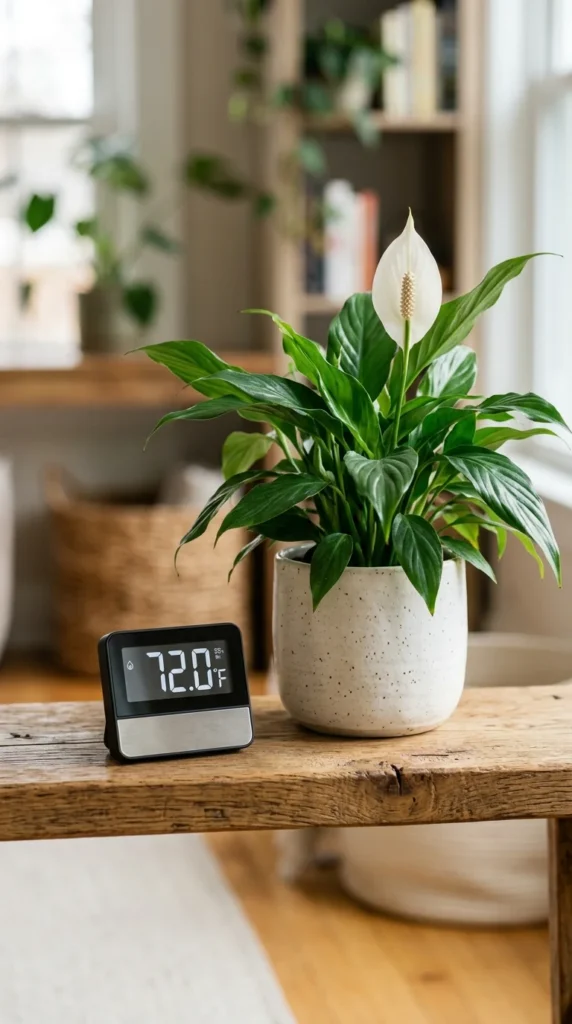
Most houseplants are comfortable in the same temperature range as humans: between 65°F and 75°F (18°C–24°C). However, they are very sensitive to sudden fluctuations.
- Avoid Drafts: Keep your plants away from drafty windows in the winter and blasting air conditioning vents in the summer. Sudden cold or hot air can cause plants to drop their leaves in stress.
- Heat Sources: Do not place plants directly on top of radiators or near fireplaces. The intense dry heat will dehydrate the foliage faster than the roots can drink.
6. Fertilizing
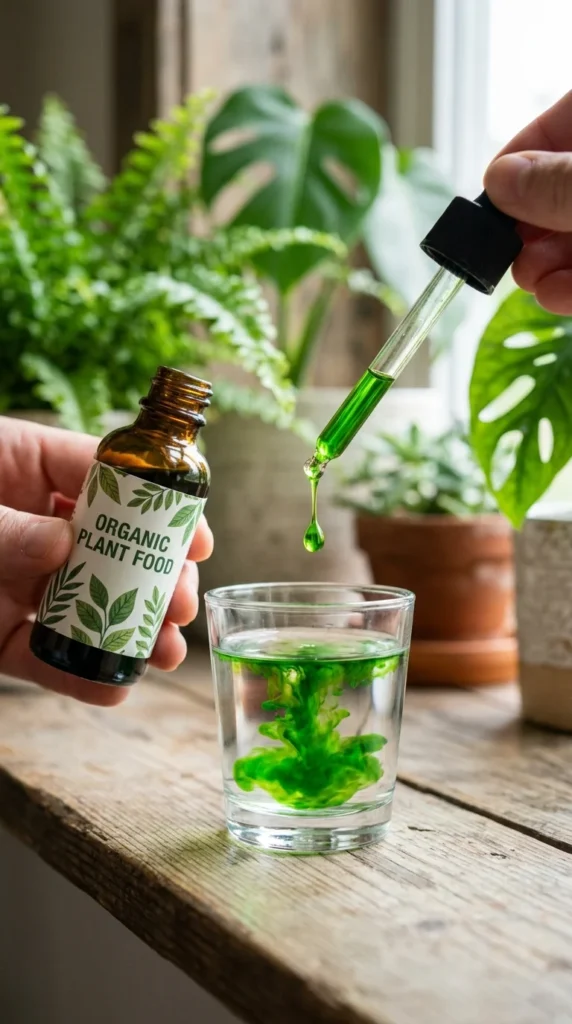
Think of fertilizer as a vitamin supplement, not a meal. Plants get their “food” from sunlight; fertilizer simply provides essential minerals like nitrogen, phosphorus, and potassium (NPK) that are depleted from the soil over time.
- Timing: Only fertilize during the active growing season, which is usually spring and summer. Most plants go dormant or slow down in the winter and do not require extra nutrients.
- Dilution: For beginners, it is often safer to dilute your fertilizer to half the strength recommended on the bottle. Over-fertilizing can “burn” the roots and lead to yellowing leaves.
7. Pruning
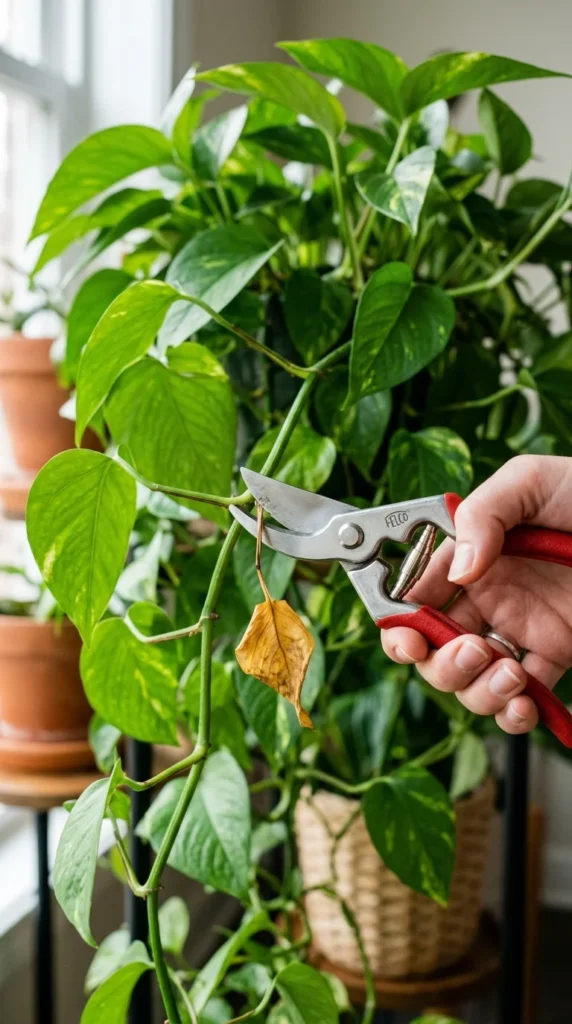
Pruning is an essential part of plant maintenance that keeps your greenery looking its best and encourages new, healthy growth.
- Removing Dead Weight: Always snip off yellowing or dead leaves. This prevents the plant from wasting energy on dying foliage and removes potential hiding spots for pests.
- Encouraging Fullness: If a plant like a Pothos or Tradescantia becomes “leggy” (long stems with few leaves), you can prune the ends. This signals the plant to branch out from the base, resulting in a bushier, fuller look.
- Sanitation: Always use clean, sharp scissors or shears to make your cuts. This ensures a clean wound that heals quickly and prevents the spread of bacteria.
8. Repotting
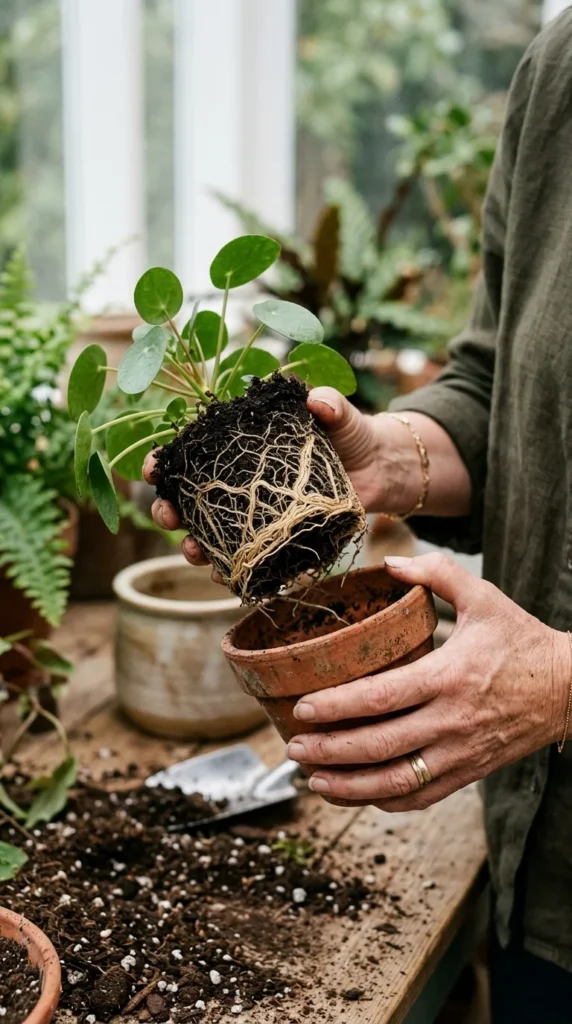
Plants eventually outgrow their containers. If you see roots growing out of the drainage holes or if the plant seems to need water much more frequently than before, it is likely root-bound and needs a bigger home.
- The Rule of Thumb: Choose a new pot that is only 1 to 2 inches larger in diameter than the current one. Jumping to a pot that is too large can lead to “overpotting,” where the excess soil stays wet for too long, risking root rot.
- Root Care: When repotting, gently tease the roots apart if they are circling the bottom. This encourages them to grow outward into the new soil.
9. Pests
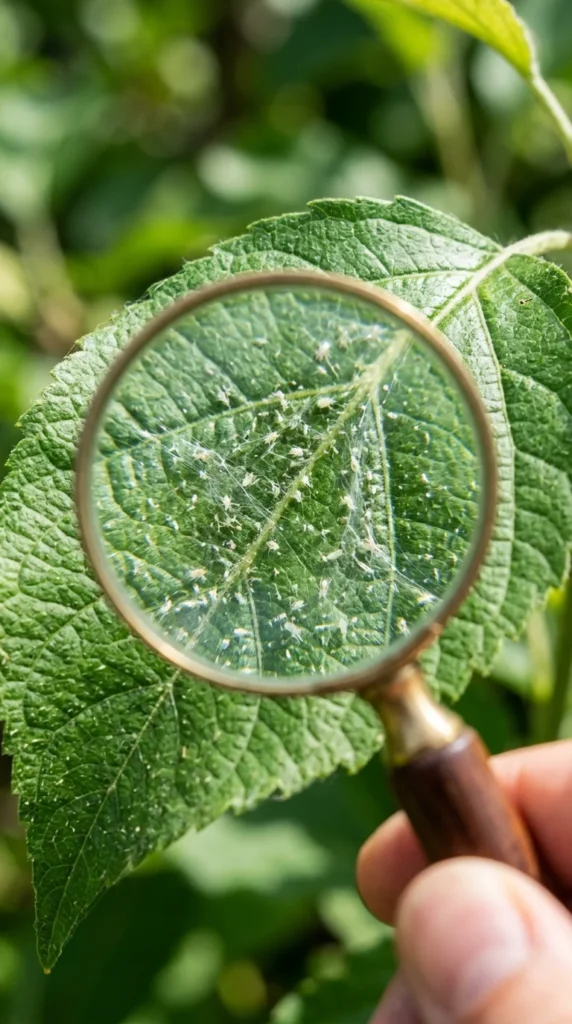
Even the most careful plant parent will encounter pests eventually. The key is early detection and consistent treatment.
- Common Culprits: Look out for Fungus Gnats (tiny black flies), Mealybugs (white, cottony tufts), and Spider Mites (fine webbing on the undersides of leaves).
- Treatment: For most pests, a simple solution of neem oil or insecticidal soap works wonders. Wipe down the leaves and spray the soil according to the product instructions.
- Quarantine: When you bring a new plant home, keep it away from your other plants for about two weeks to ensure you aren’t accidentally introducing an infestation to your collection.
10. Selection
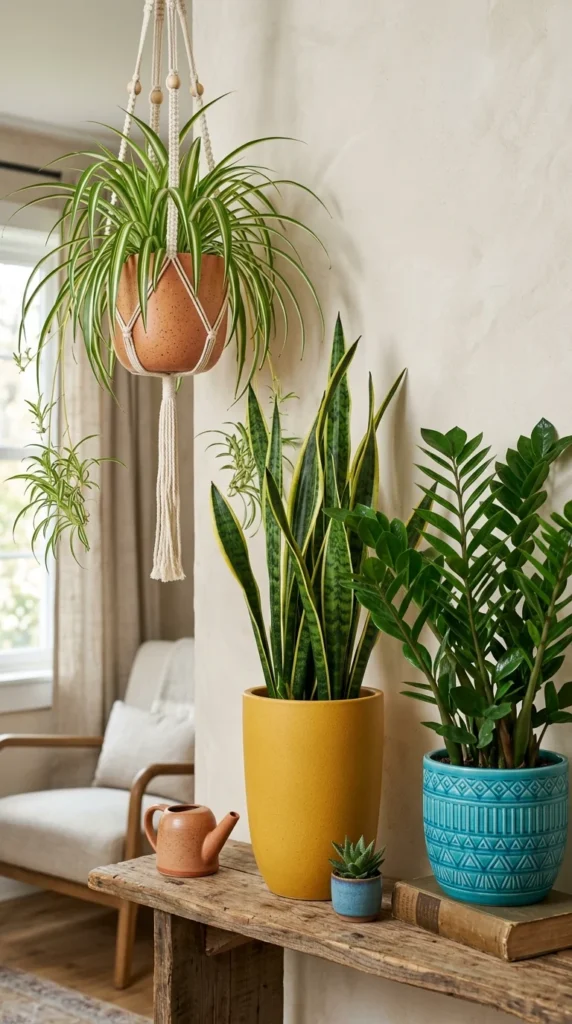
The best way to succeed as a beginner is to choose plants that are forgiving. Not all plants are created equal; some are “divas,” while others are remarkably resilient.
- Snake Plant (Sansevieria): Virtually indestructible. It can handle low light and can go weeks without water.
- ZZ Plant (Zamioculcas zamiifolia): Thrives on neglect and has beautiful, waxy green leaves.
- Pothos (Epipremnum aureum): A fast-growing vine that is very easy to propagate and tells you when it’s thirsty by slightly wilting its leaves.
- Spider Plant (Chlorophytum comosum): Adaptable and produces “babies” that you can pot up and give to friends.
By starting with these hardy varieties and following the fundamental rules of light, water, and environment, you will build the confidence and skill needed to grow a thriving indoor jungle.