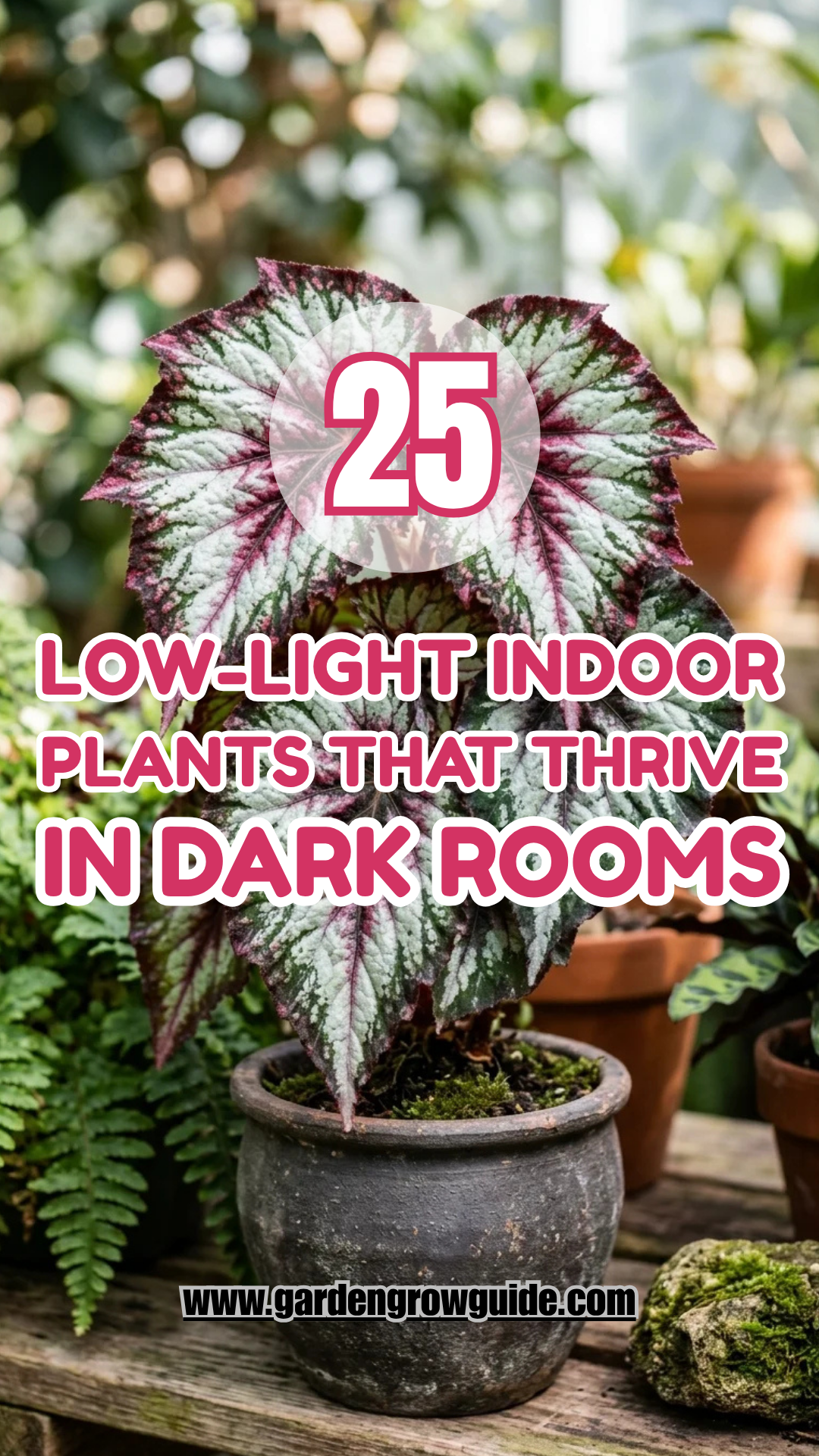
Many urban dwellers and homeowners face the same challenge: a love for greenery but a lack of bright, sun-drenched windows. Whether you live in a basement apartment, have a north-facing office, or simply want to breathe life into a hallway, the light levels in your home shouldn’t dictate your ability to garden. While all plants need some light to photosynthesize, certain species have evolved in the deep shadows of rainforest floors or under dense forest canopies, making them perfectly adapted to low-light environments.
Here is a comprehensive guide to 25 low-light indoor plants that will not only survive but thrive in the darker corners of your home.
1. Snake Plant
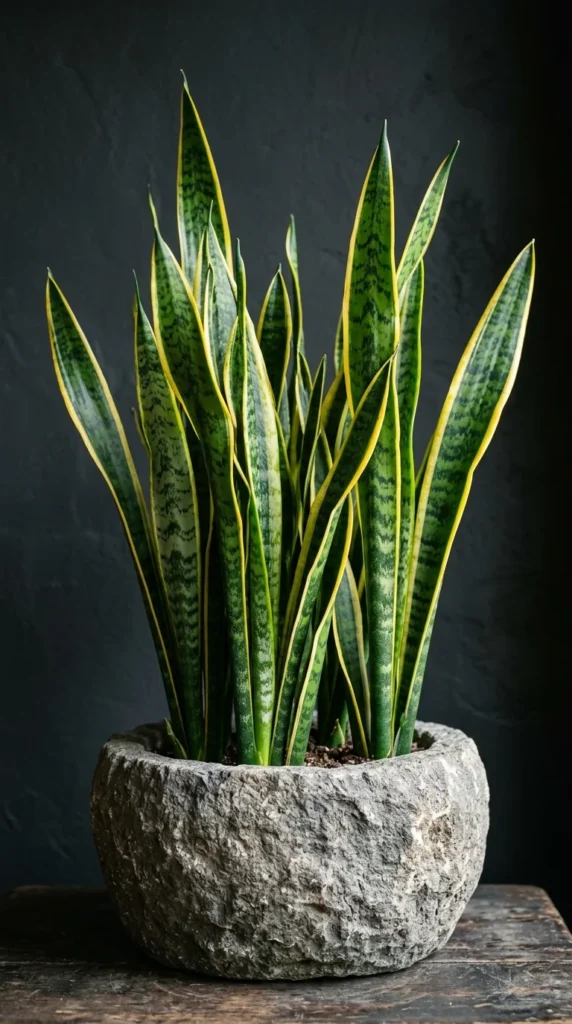
The Snake Plant (Sansevieria) is arguably the most resilient indoor plant in existence. Known for its architectural, upright leaves, it is famously difficult to kill. It can tolerate weeks of neglect and very low light levels, making it ideal for windowless offices or hallways. Beyond its toughness, it is a champion at filtering indoor air pollutants like formaldehyde and benzene.
2. ZZ Plant
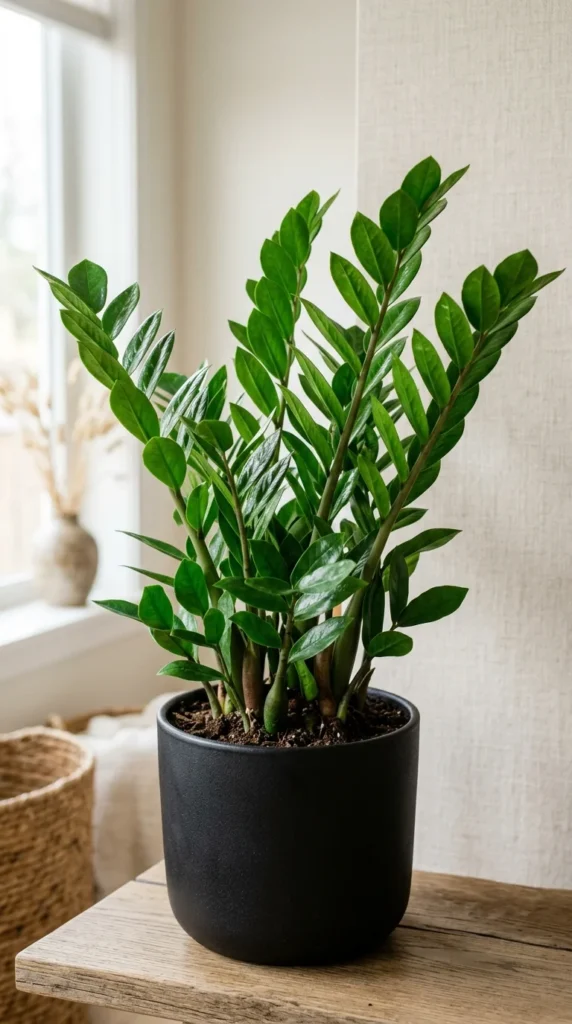
The ZZ Plant (Zamioculcas zamiifolia) is often mistaken for a plastic plant because its leaves are so shiny and perfect. It is extremely drought-tolerant thanks to the large rhizomes under the soil that store water. It thrives in low to medium indirect light and can even handle fluorescent office lighting without missing a beat.
3. Pothos
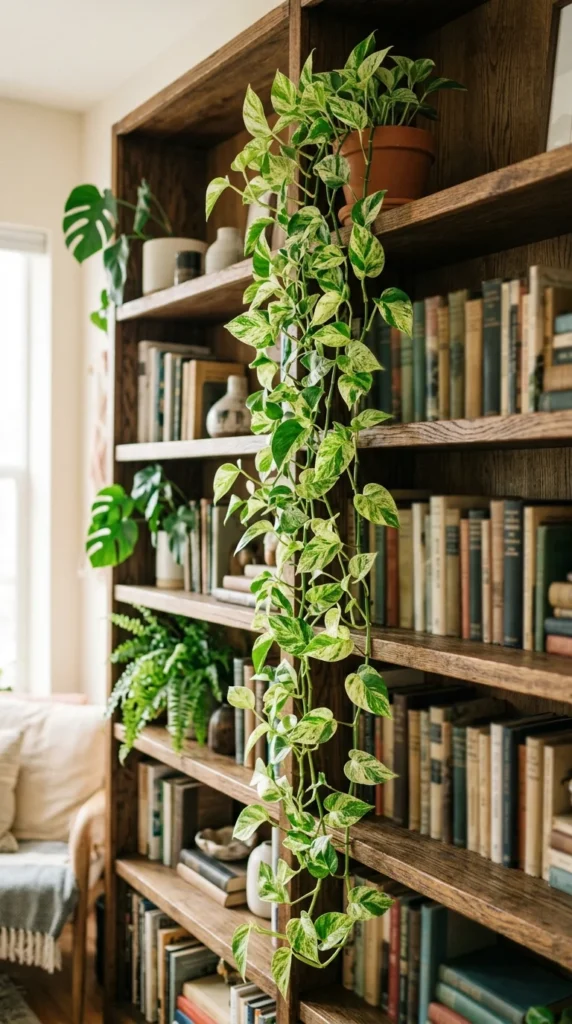
Often called “Devil’s Ivy,” Pothos is a versatile trailer that can grow several feet long. While variegation may fade slightly in very dark rooms, the plant remains vigorous. It is incredibly easy to propagate in water, allowing you to turn one plant into a whole collection for every dark corner of your house.
4. Peace Lily
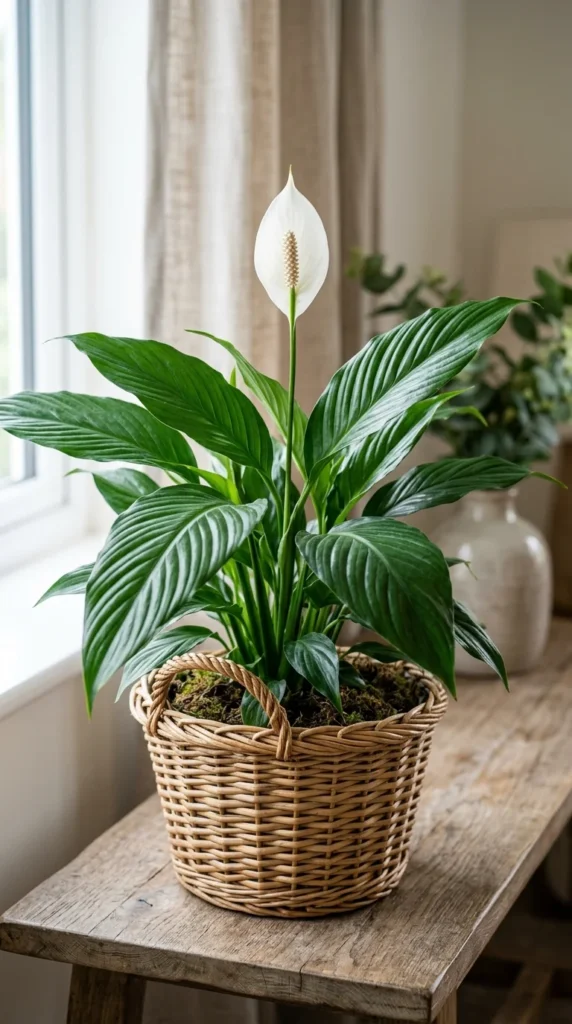
The Peace Lily (Spathiphyllum) is one of the few low-light plants that will actually produce flowers in shadier conditions. Its deep green foliage acts as a living barometer; when the plant needs water, its leaves will dramatically droop, only to perk up hours after being hydrated. It’s an excellent choice for bedrooms.
5. Spider Plant
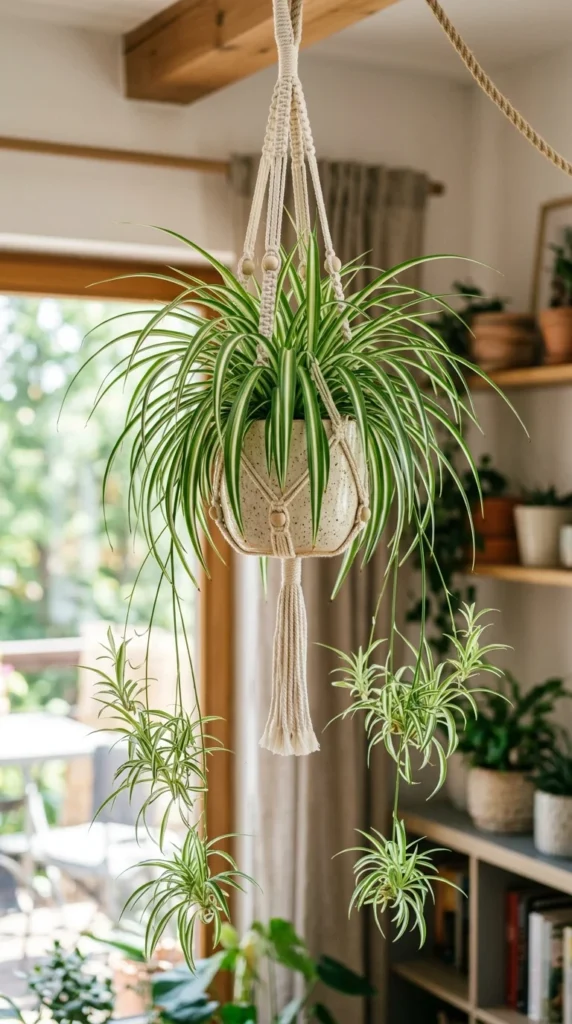
The Spider Plant (Chlorophytum comosum) is a classic for a reason. It is incredibly adaptable and produces “pups” that can be snipped off and replanted. While it prefers bright indirect light, it is highly tolerant of lower light levels, though its growth may slow down and the white stripes may become less pronounced.
6. Cast Iron Plant
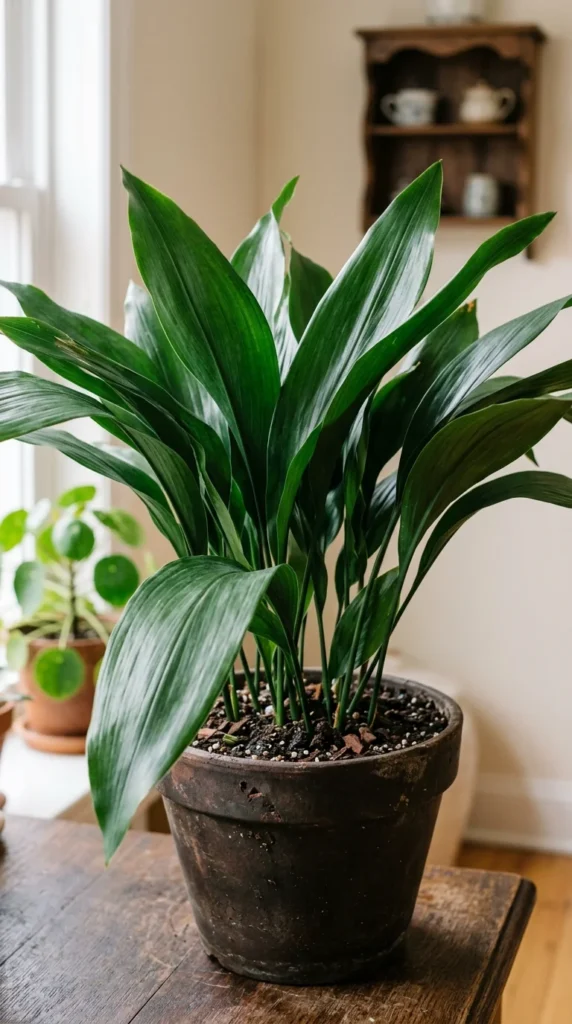
The Cast Iron Plant (Aspidistra elatior) earned its name by being nearly indestructible. It was a favorite in Victorian-era homes because it could survive the dim light and coal smoke of the time. It grows slowly, but it is incredibly hardy against temperature fluctuations and low light.
7. Chinese Evergreen
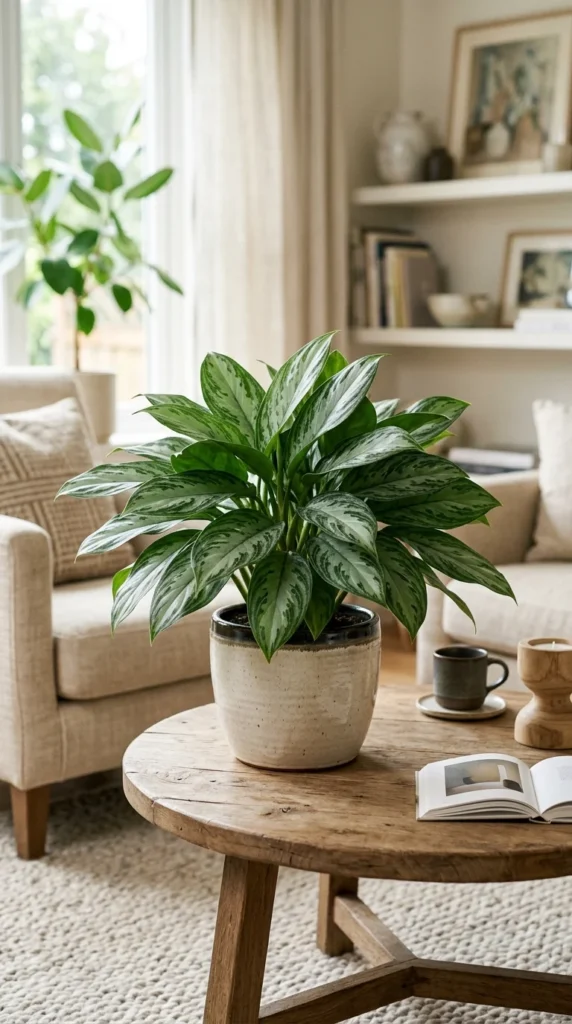
Aglaonema, or Chinese Evergreen, comes in many varieties, ranging from deep green to speckled silver and even pink. For the darkest rooms, stick to the darker green varieties, as they contain more chlorophyll and are better at processing limited light.
8. Calathea
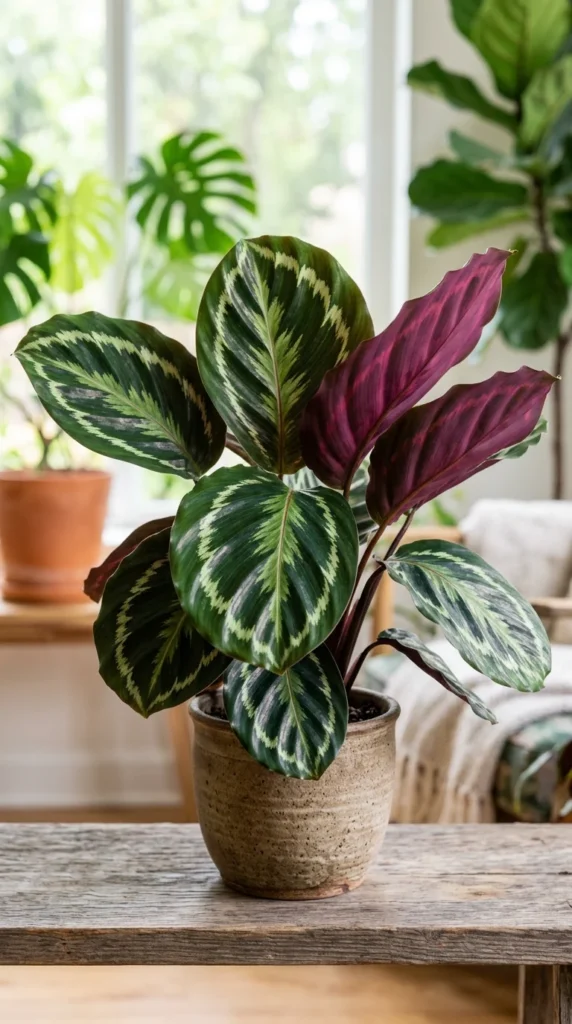
Calatheas are known as “Prayer Plants” because their leaves fold up at night. They thrive in the high-humidity, low-light conditions that mimic the floor of a tropical rainforest. They are slightly more finicky about water quality—preferring filtered water—but their stunning leaf patterns make the effort worthwhile.
9. Parlor Palm
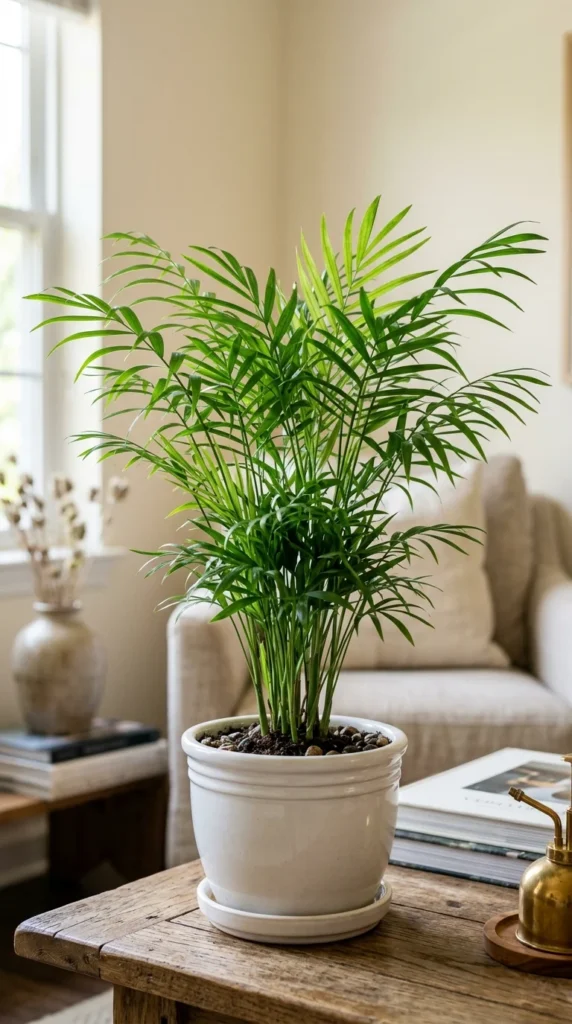
The Parlor Palm (Chamaedorea elegans) has been a popular indoor plant since the Victorian era. It is one of the few palms that won’t complain in a dark corner. It grows slowly and stays relatively compact, making it a perfect tabletop accent for a dim room.
10. Nerve Plant
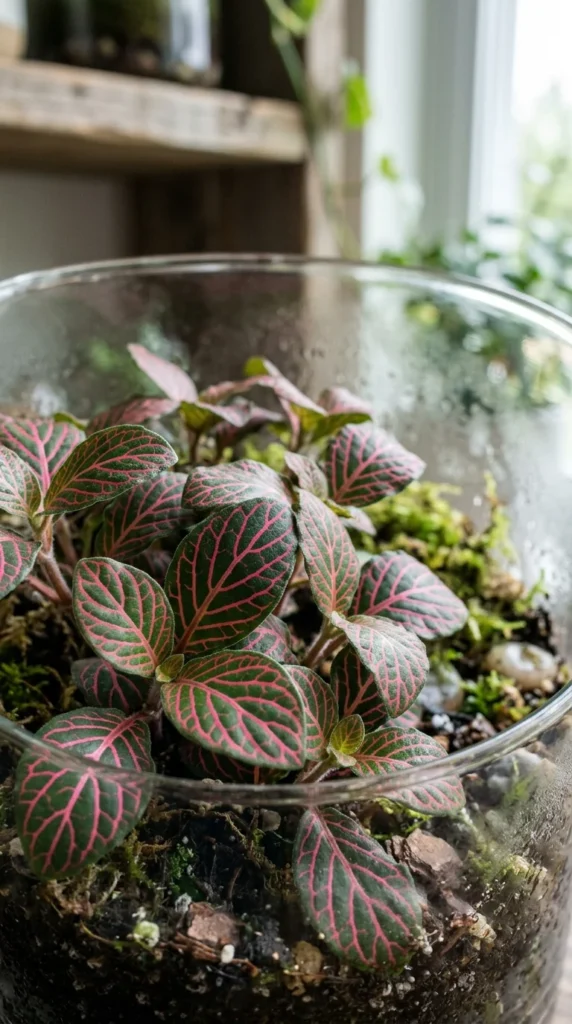
The Nerve Plant is a low-growing beauty that thrives on moisture and shade. Because it loves humidity, it is a popular choice for terrariums or bathrooms with small windows. If it gets too dry, it will “faint” dramatically, but a quick misting or watering usually revives it instantly.
11. Bird’s Nest Fern
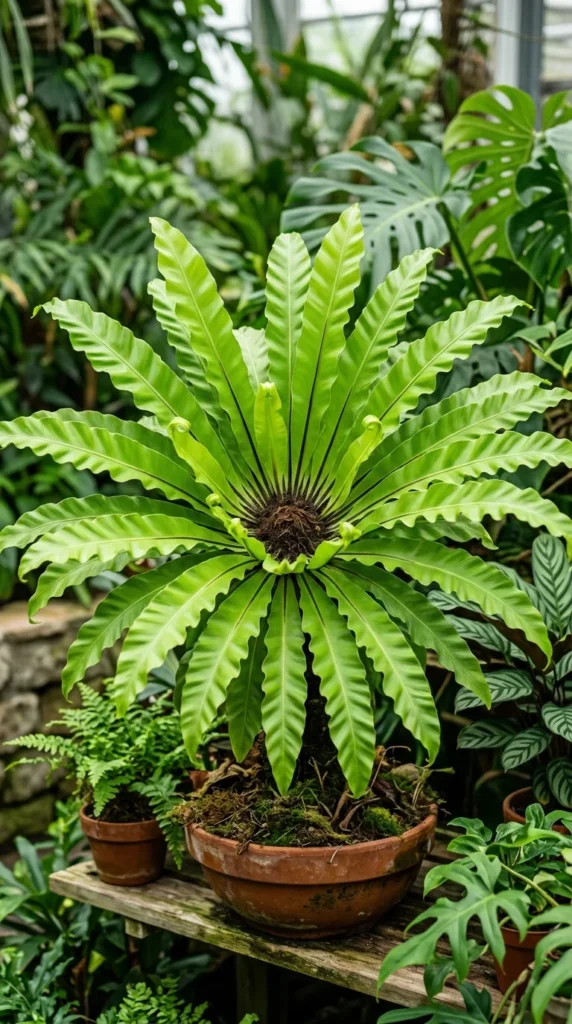
Unlike many ferns that have tiny, messy leaflets, the Bird’s Nest Fern (Asplenium nidus) has large, solid fronds. It loves the indirect light of a bathroom and the humidity from a shower. It is an epiphyte, meaning in nature it grows on other trees, so it appreciates a well-draining soil mix.
12. Prayer Plant
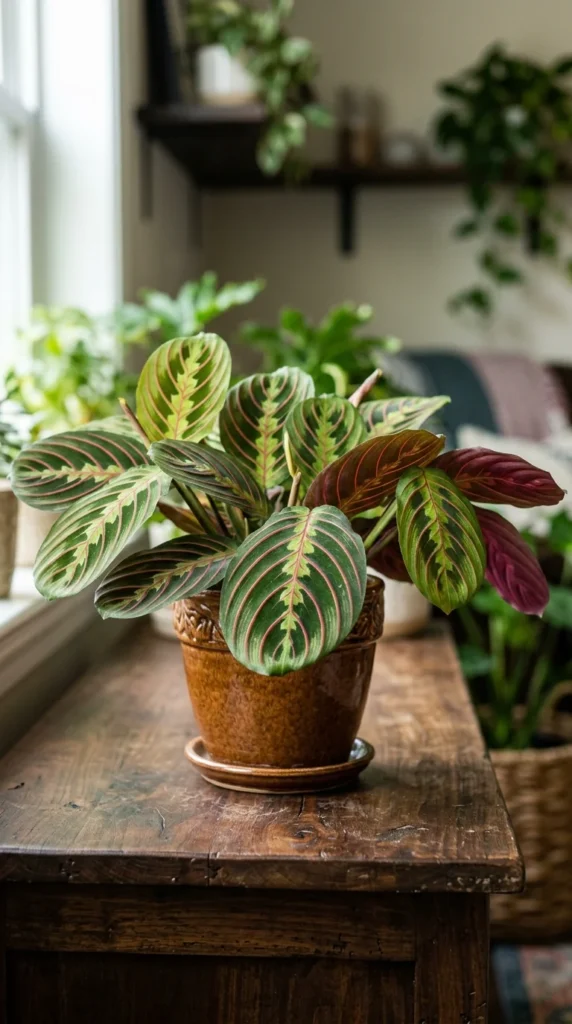
The Maranta, or Prayer Plant, is a cousin to the Calathea and shares its habit of folding leaves at night. It is a low-growing plant that looks beautiful in hanging baskets. It prefers consistent moisture and indirect light, making it a great companion for a north-facing window.
13. Heartleaf Philodendron
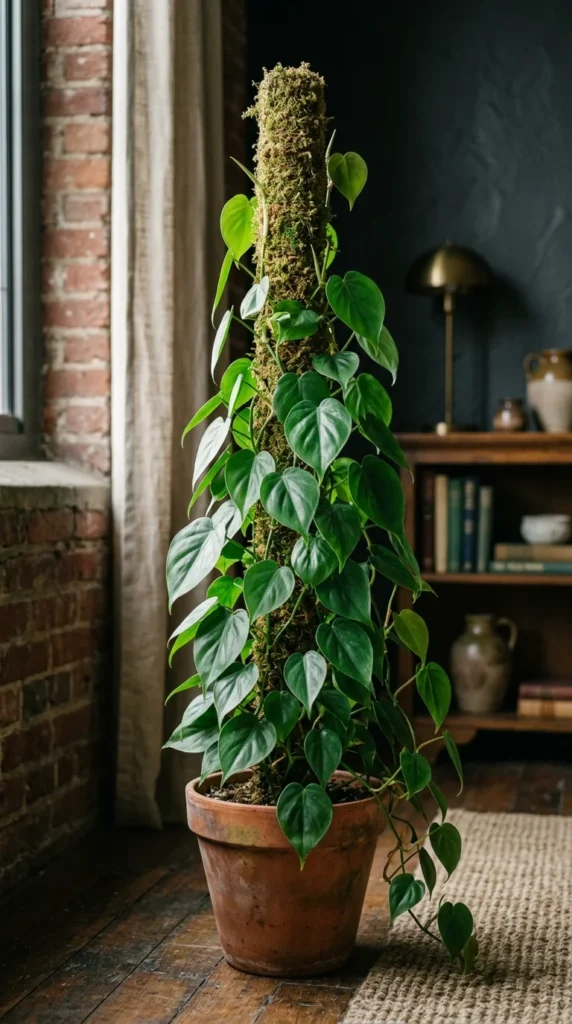
Often confused with Pothos, the Heartleaf Philodendron is even more tolerant of low light. Its stems are thinner and its leaves have a more distinct heart shape with a soft, matte texture. It is a vigorous grower and very forgiving of occasional underwatering.
14. Lucky Bamboo
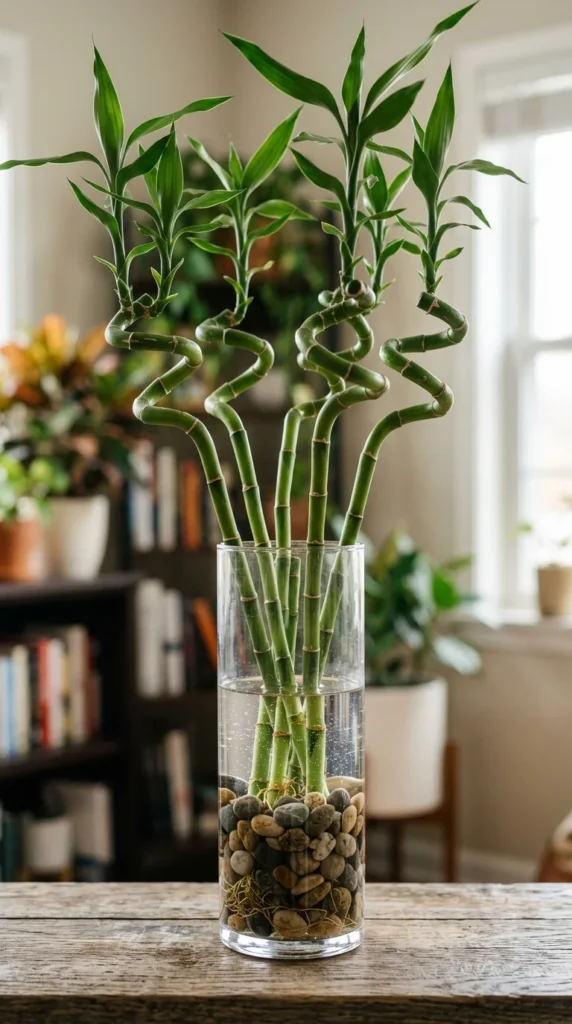
Lucky Bamboo (Dracaena sanderiana) isn’t actually bamboo at all, but a member of the Dracaena family. It can grow entirely in water with just a few pebbles for support. It is extremely sensitive to direct sunlight, which can scorch its leaves, so it actually prefers the dimmer parts of a room.
15. Maidenhair Fern
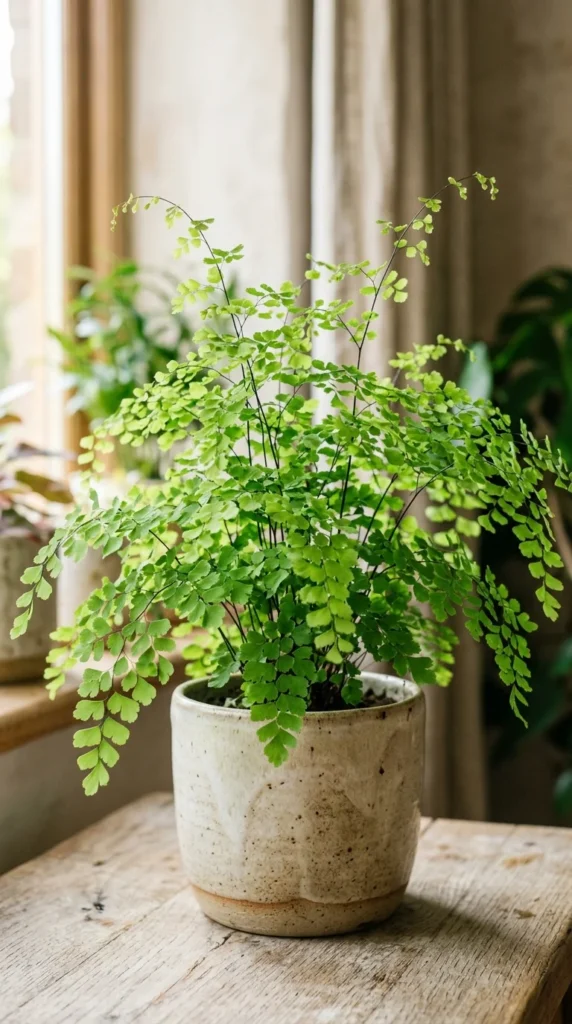
The Maidenhair Fern is perhaps the most delicate-looking plant on this list. While it is famous for being difficult, its secret is “low light and high moisture.” If you keep it in a shady spot and never let the soil dry out, it will reward you with a cloud-like display of ethereal foliage.
16. Rex Begonia
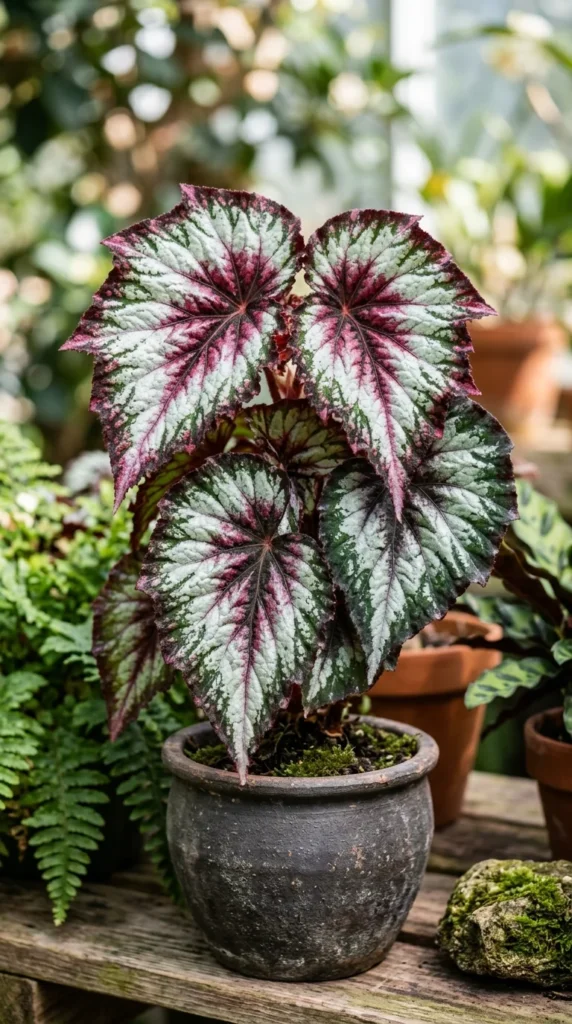
Rex Begonias are grown for their foliage rather than their flowers. They come in an incredible array of colors and patterns. They thrive in “bright shade,” meaning they don’t want any direct sun, making them perfect for the interior of a room rather than the windowsill.
17. English Ivy
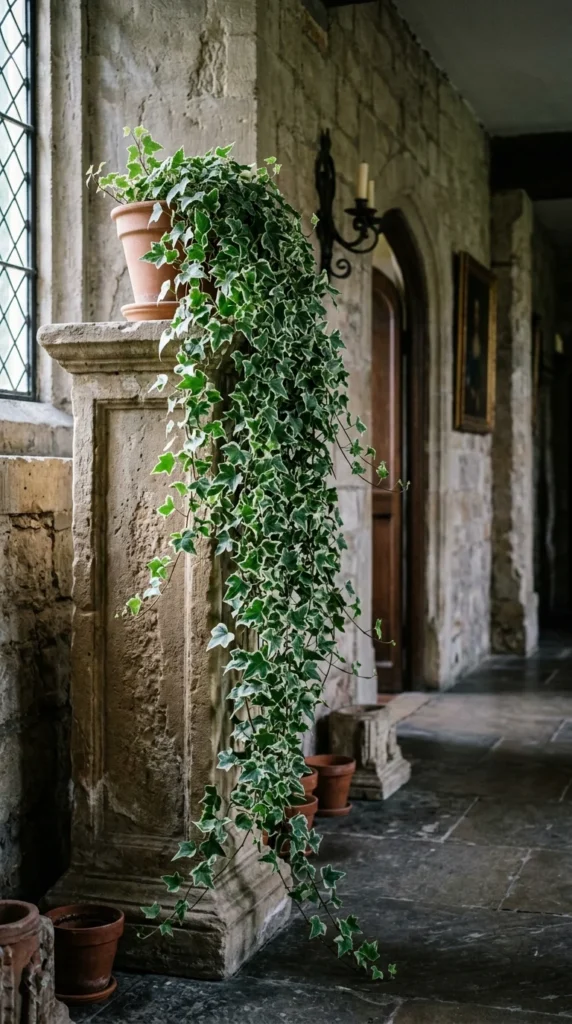
English Ivy is a hardy climber that prefers cooler temperatures and indirect light. It’s an excellent choice for those drafty spots in the house where other tropical plants might struggle. It also helps reduce airborne mold particles, making it a functional addition to your home.
18. Peperomia
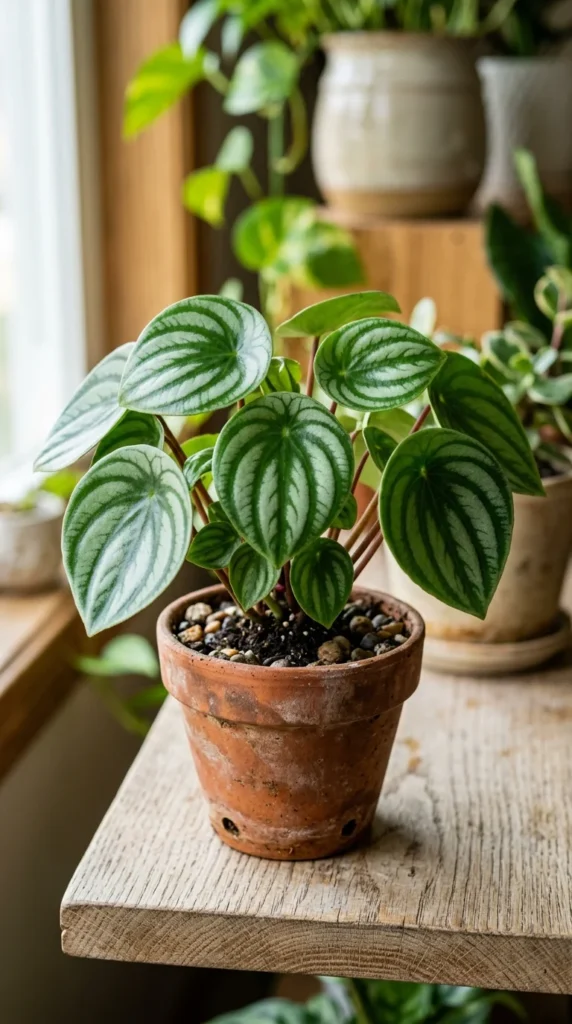
With over 1,000 species, Peperomias offer a huge variety of looks. Most have thick, succulent-like leaves that store water, meaning they don’t need constant attention. They are small-statured plants that fit perfectly on bookshelves or desks in low-light environments.
19. Swiss Cheese Vine
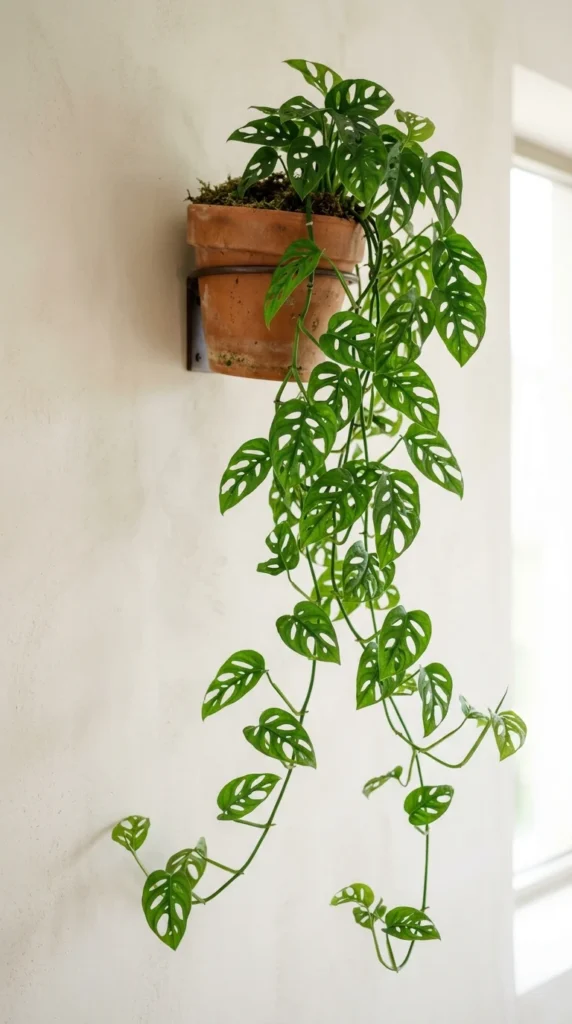
While its famous cousin, the Monstera deliciosa, likes more light, the Monstera adansonii (Swiss Cheese Vine) is much more tolerant of lower light levels. It is a fast-growing trailer that adds a tropical, jungle-like feel to any room without requiring a greenhouse setup.
20. Boston Fern
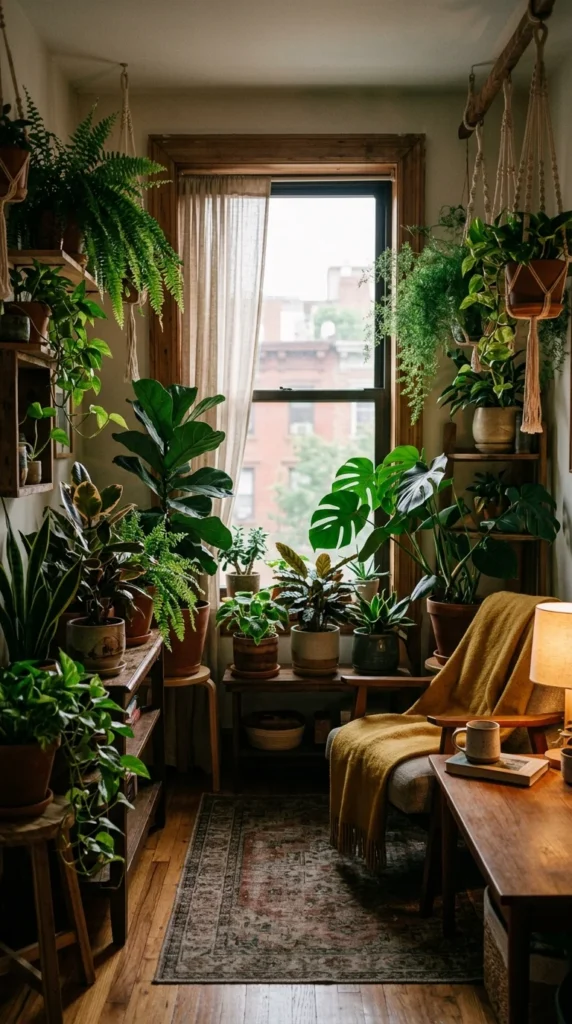
The Boston Fern is the quintessential porch plant, but it makes a wonderful indoor plant for low-light areas like bathrooms. It loves humidity and moist soil. Its fountain-like shape is perfect for filling empty corners or sitting on a pedestal.
21. Dragon Tree
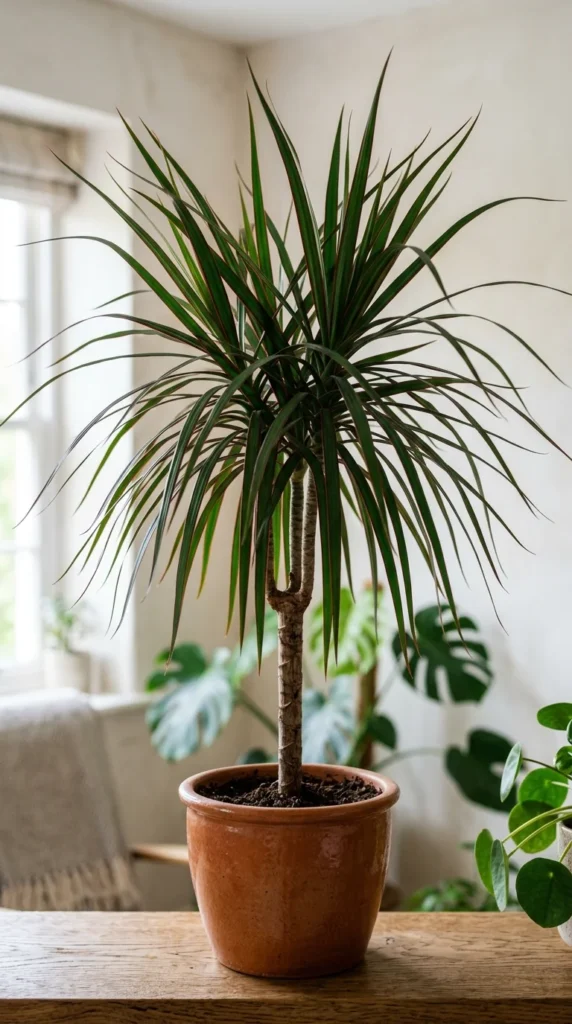
The Dragon Tree (Dracaena marginata) is a slow-growing plant that can eventually reach the ceiling. It is very tolerant of low light, though its growth will be even slower in darker rooms. It’s a great way to add height and a “tree-like” feel to a room that doesn’t get enough light for a Ficus.
22. Arrowhead Vine
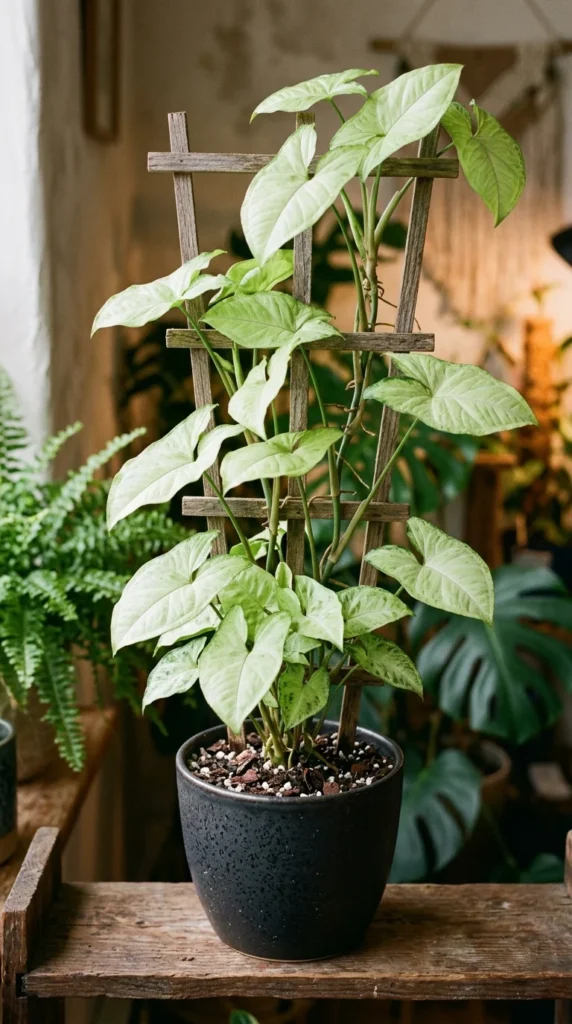
The Arrowhead Vine (Syngonium podophyllum) starts as a bushy plant and eventually begins to trail or climb. It comes in various shades of green, bronze, and pink. The darker green varieties are exceptionally good at living in low-light conditions.
23. Creeping Fig
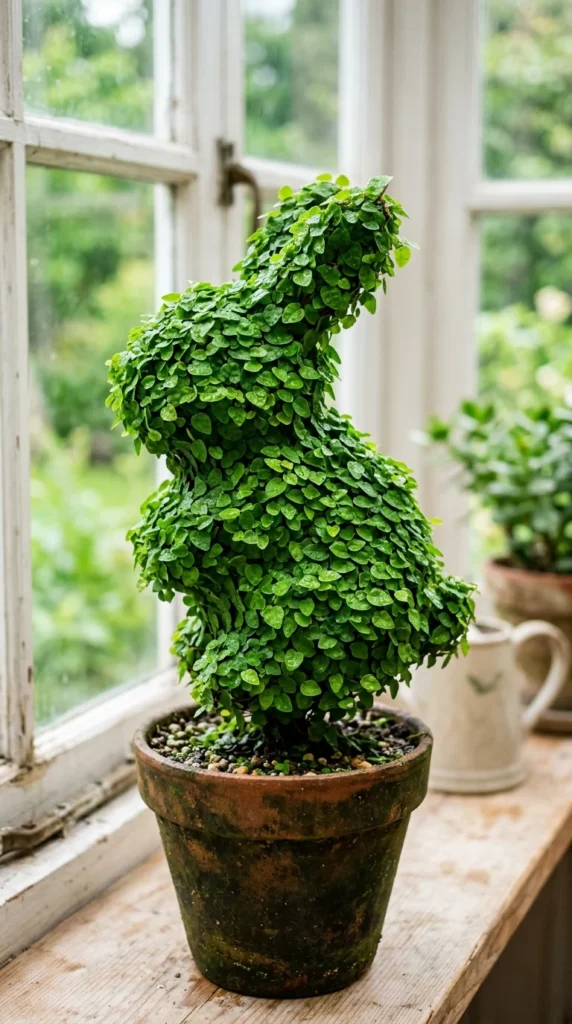
Ficus pumila, or Creeping Fig, is a fast-growing creeper with tiny leaves. It loves a shady, humid spot and can be trained to grow over frames or up walls. It’s a great choice for adding a “cottagecore” aesthetic to a room with limited light.
24. Bromeliad
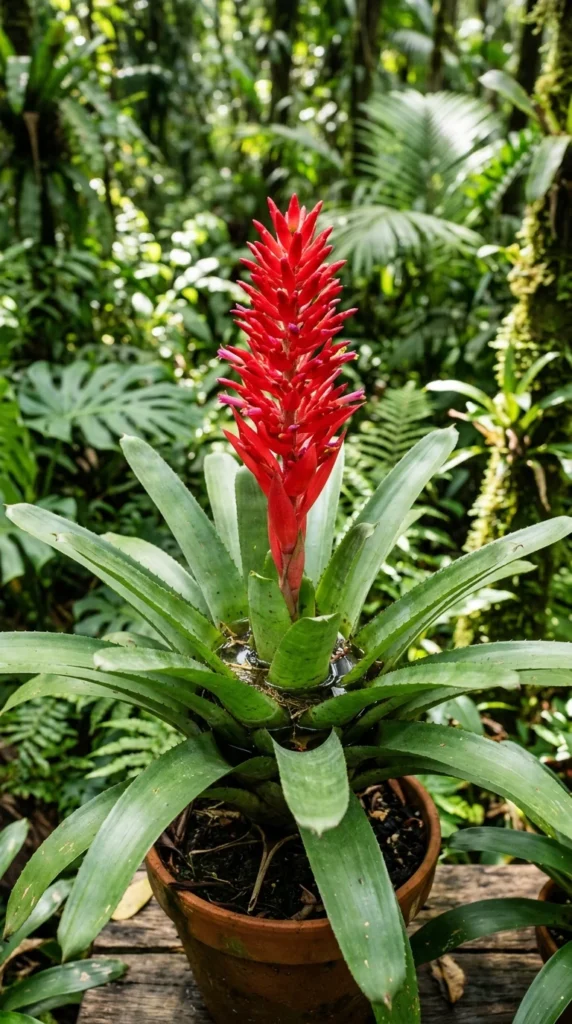
While many people think of Bromeliads as sun-lovers, many varieties (like Guzmania) actually thrive in the dappled light of the forest floor. They add a pop of tropical color to a dark room, and their unique way of “drinking” through their central cup makes them a fascinating conversation piece.
25. Christmas Cactus
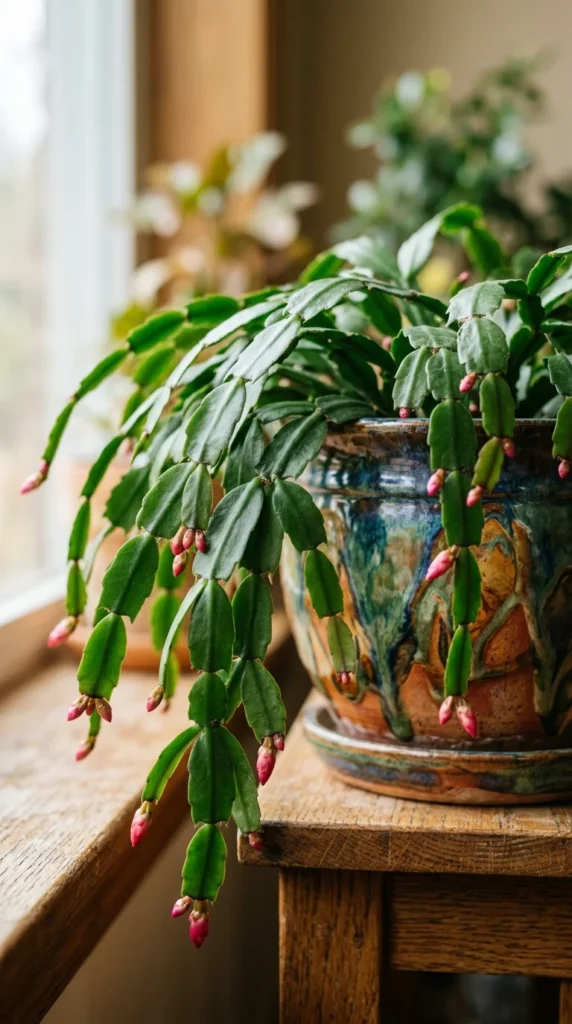
The Christmas Cactus (Schlumbergera) is a forest cactus, not a desert cactus. In the wild, it grows on trees in the shade. It prefers indirect light and cool temperatures. To get it to bloom, it actually requires long periods of darkness, making it the perfect inhabitant for a naturally dark room.
Pro-Tips for Caring for Low-Light Plants
To ensure your low-light plants don’t just survive but actually look beautiful, keep these four golden rules in mind:
- Don’t Overwater: Plants in low light process water much slower than those in the sun. Always check the soil with your finger before watering; if it’s still damp, wait a few days.
- Clean the Leaves: Dust acts as a barrier to the little light the plant is receiving. Gently wipe leaves with a damp cloth every month so they can photosynthesize efficiently.
- Rotate Your Plants: Even in a dark room, there is usually a “light side” and a “shadow side.” Rotate your pots a quarter turn every week to prevent the plant from leaning too far toward the light source.
- Use the Right Soil: Choose a well-draining potting mix. Since the water evaporates slower in low light, you want to make sure the roots aren’t sitting in soggy, oxygen-deprived soil.