The foundation of every successful garden is not the seeds you buy or the tools you use, but the soil beneath your feet. Healthy soil is a living ecosystem teeming with bacteria, fungi, and minerals that work in harmony to nourish plants. Over time, garden soil can become depleted of nutrients, compacted, or poorly drained. Improving your soil naturally avoids the harsh chemicals found in synthetic fertilizers and builds a sustainable environment for years to come. Here are 25 effective ways to boost your soil health naturally.
1. Compost
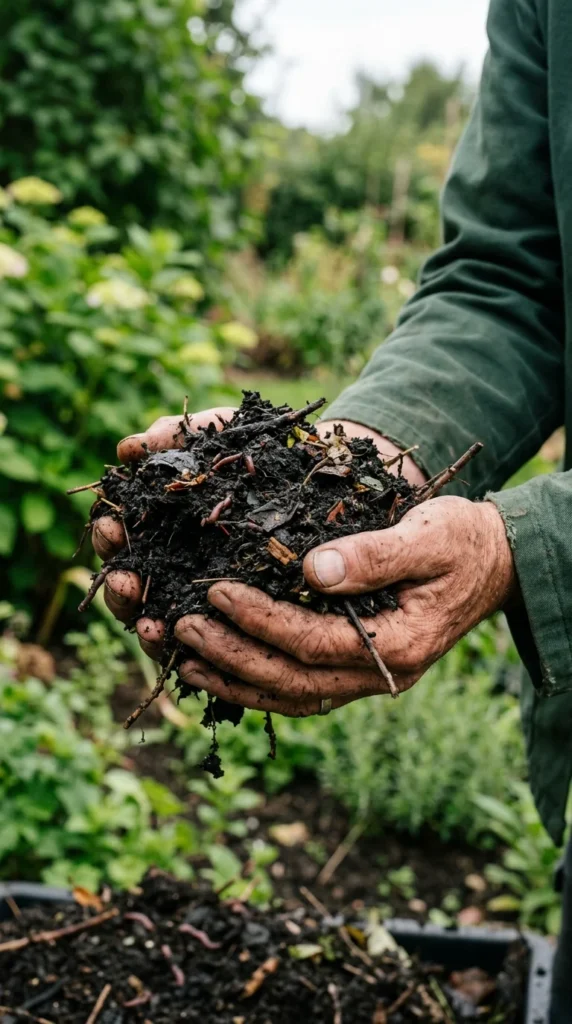
Compost is often referred to as “black gold” for a reason. It is the ultimate soil conditioner, providing a slow-release source of essential nutrients like nitrogen, phosphorus, and potassium. By recycling kitchen scraps and yard waste, you create a humus-rich material that improves soil structure, increases water retention in sandy soils, and improves drainage in heavy clay.
2. Mulching
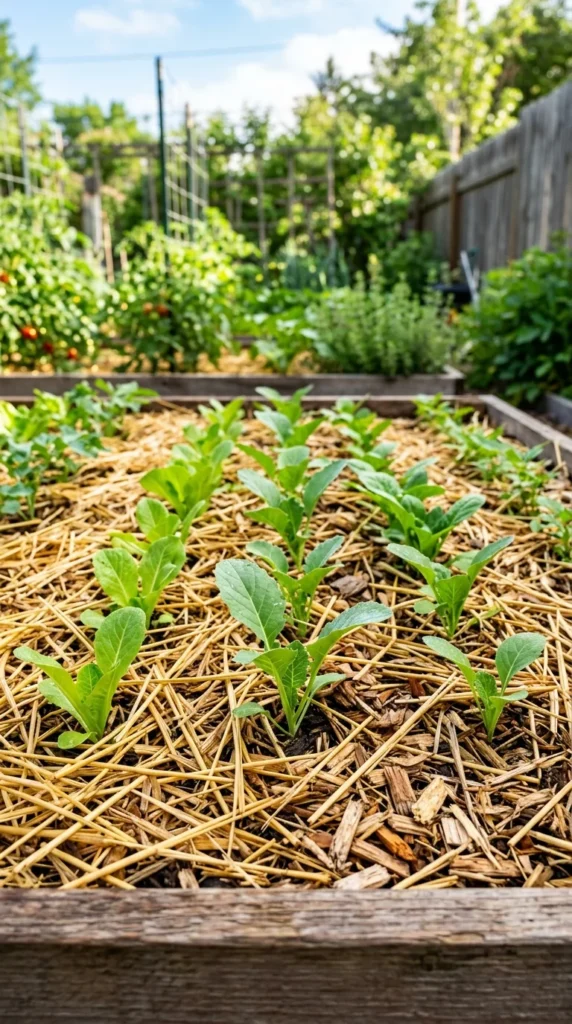
Mulching involves covering the soil surface with organic materials such as straw, bark, or wood chips. This layer acts as a protective blanket, suppressing weeds, regulating soil temperature, and preventing moisture evaporation. As the mulch breaks down over time, it feeds the microorganisms in the soil, further enriching the earth.
3. Cover Crops
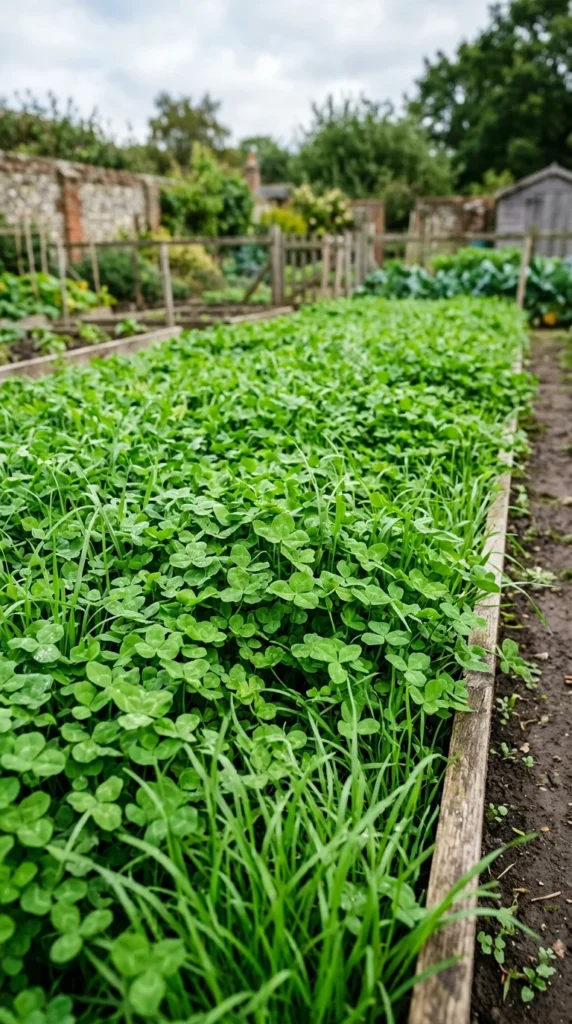
Often called “green manure,” cover crops like clover, vetch, or rye are planted during the off-season. They prevent soil erosion and nitrogen leaching. Leguminous cover crops have the unique ability to “fix” nitrogen from the air into the soil through their roots, making it available for the next season’s vegetables.
4. Manure
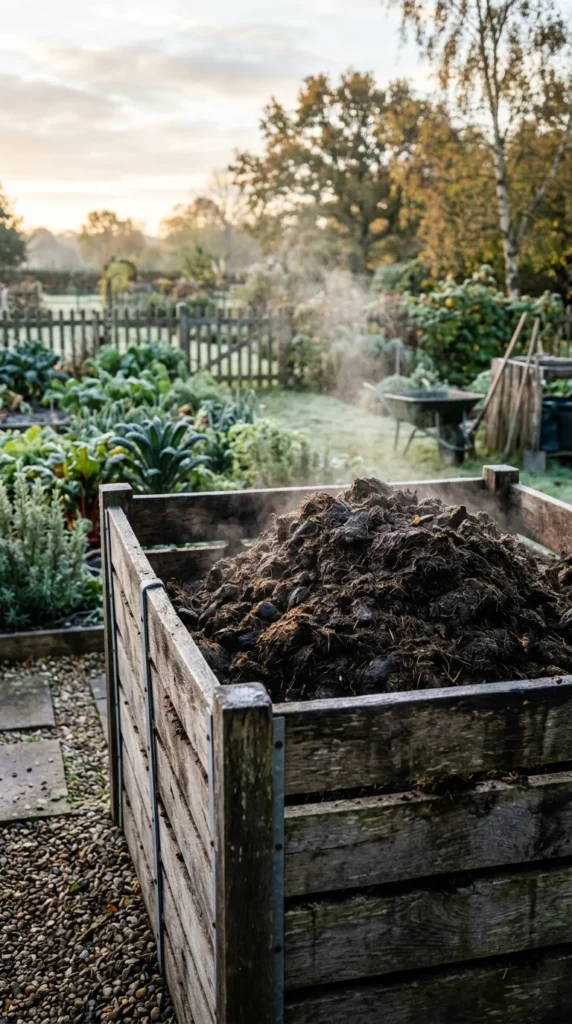
Aged animal manure from herbivores like horses, cows, or chickens is a powerhouse of nutrients. It is crucial to use “well-rotted” manure, as fresh manure is too “hot” and can burn plant roots with excess nitrogen. Once aged, it adds significant organic bulk and nitrogen to the soil.
5. Leaf Mold
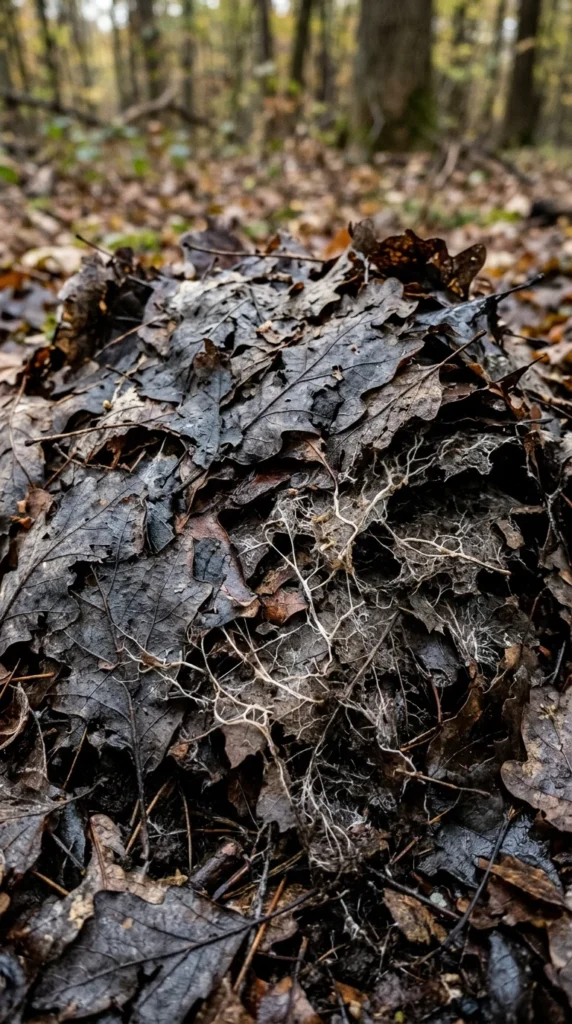
Leaf mold is simply composted leaves. Unlike regular compost, which is bacterially driven, leaf mold is produced through fungal decomposition. It doesn’t provide high nutrient levels, but it is unparalleled for improving soil structure and water-holding capacity. It creates a soft, spongy texture that roots love.
6. Worm Castings
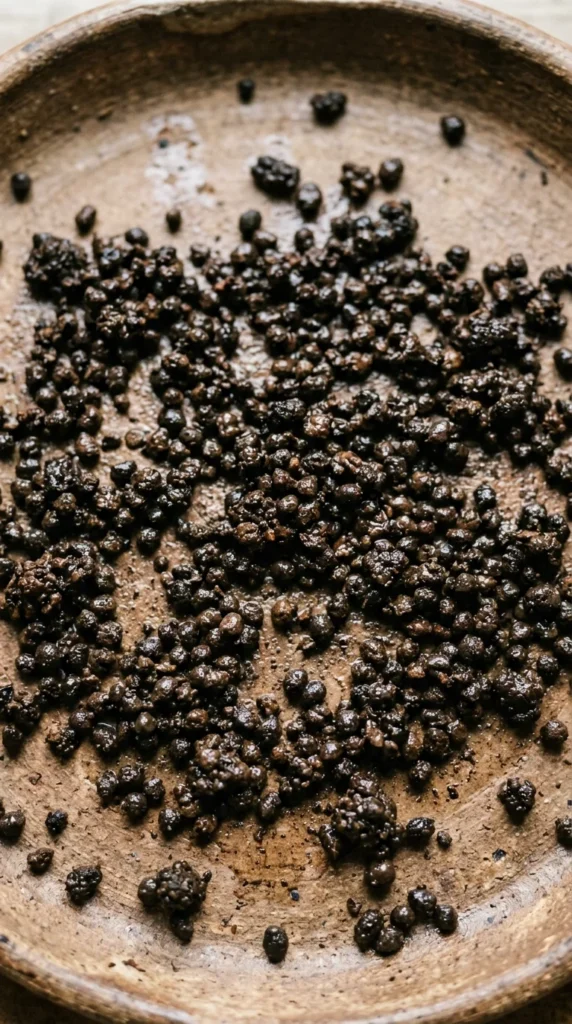
Worm castings, or vermicompost, are the waste products of earthworms. They are incredibly rich in beneficial microbes and plant-available nutrients. Adding castings to your soil introduces enzymes that help plants resist diseases and pests while significantly boosting growth rates.
7. Biochar
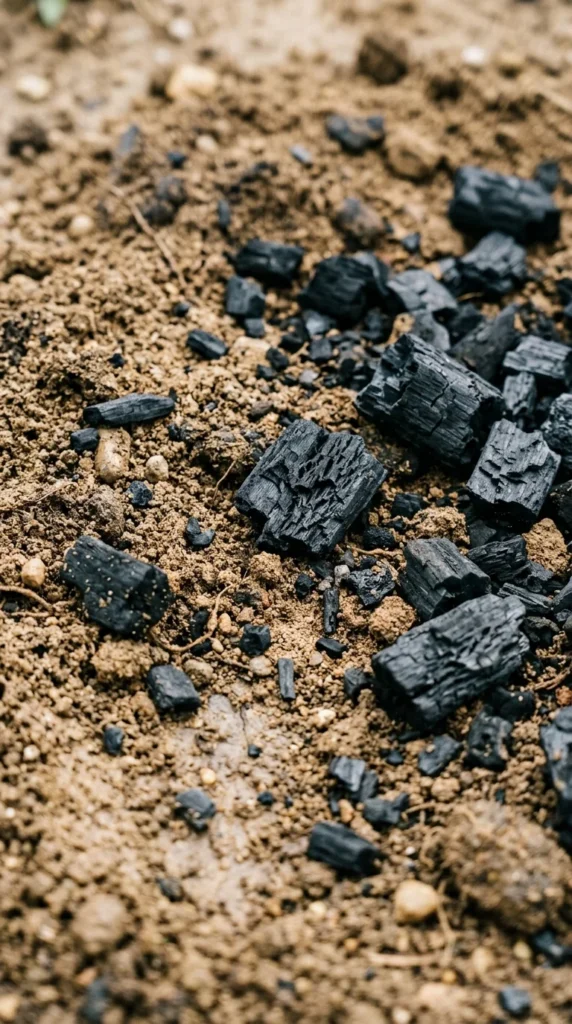
Biochar is a form of charcoal produced from organic waste through pyrolysis. It is highly porous and acts like a “coral reef” for soil microbes, providing them with a place to live. It stays in the soil for hundreds of years, helping to retain moisture and nutrients that would otherwise wash away.
8. No-Till Gardening
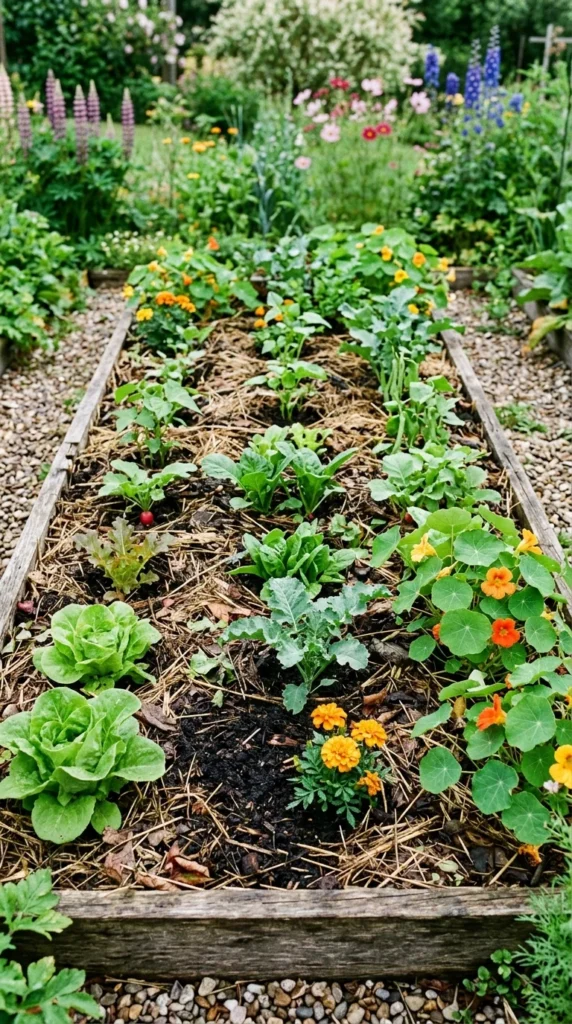
Tilling or digging can disrupt the complex network of fungal hyphae and kill beneficial earthworms. No-till gardening involves layering organic matter on top of the soil and letting nature do the work. This method preserves the soil’s natural structure and keeps the carbon sequestered in the ground.
9. Crop Rotation
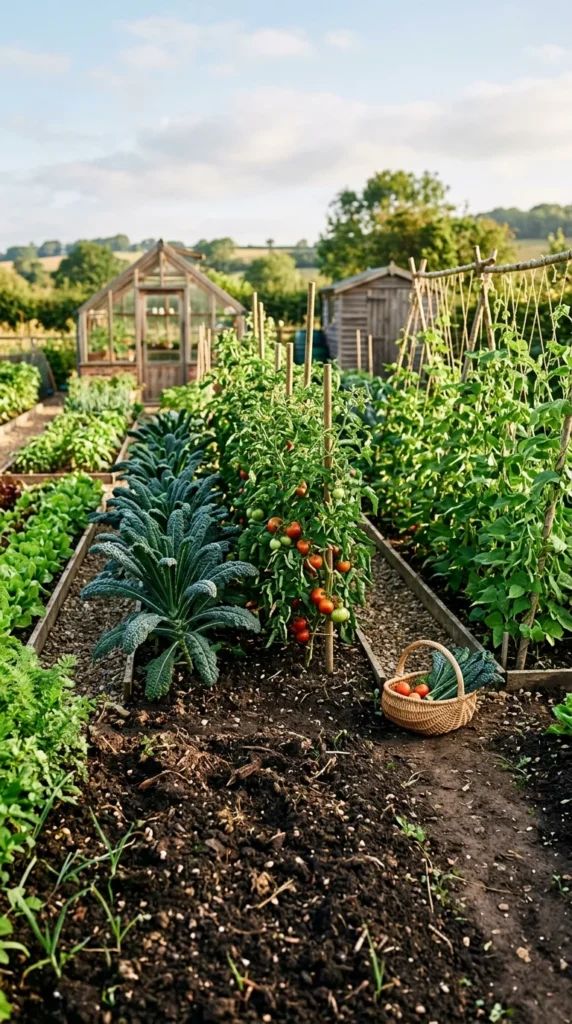
Planting the same crops in the same spot year after year depletes specific nutrients and allows pests to build up. By rotating your crops—for example, planting nitrogen-fixing beans where nitrogen-hungry corn was the previous year—you maintain a balanced nutrient profile and break pest cycles naturally.
10. Coffee Grounds
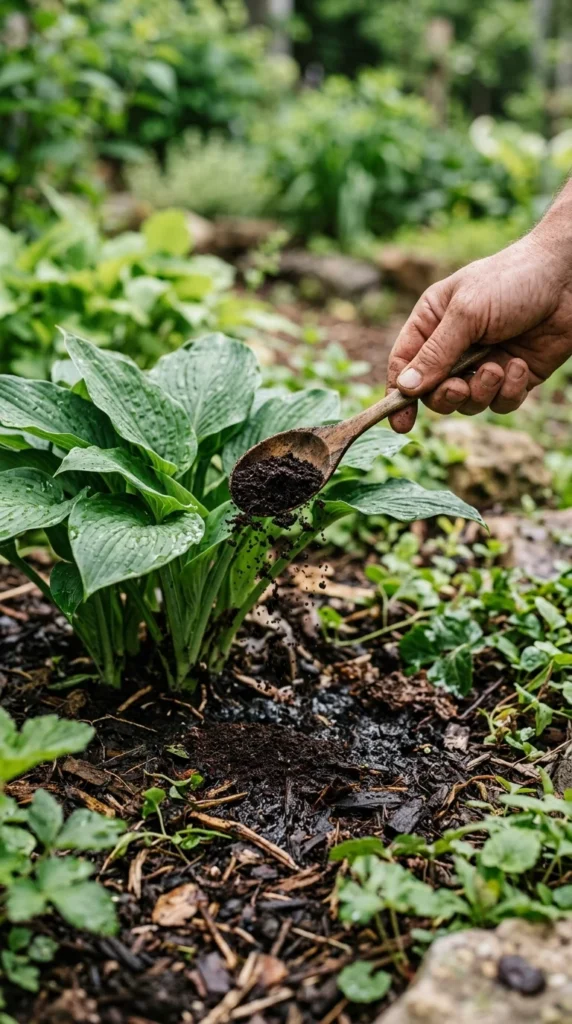
Used coffee grounds are a great source of nitrogen. Despite their reputation, they are generally near-neutral in pH after being brewed. They improve soil tilth and are a favorite snack for earthworms. Simply sprinkle them on the surface or mix them directly into the top inch of soil.
11. Eggshells
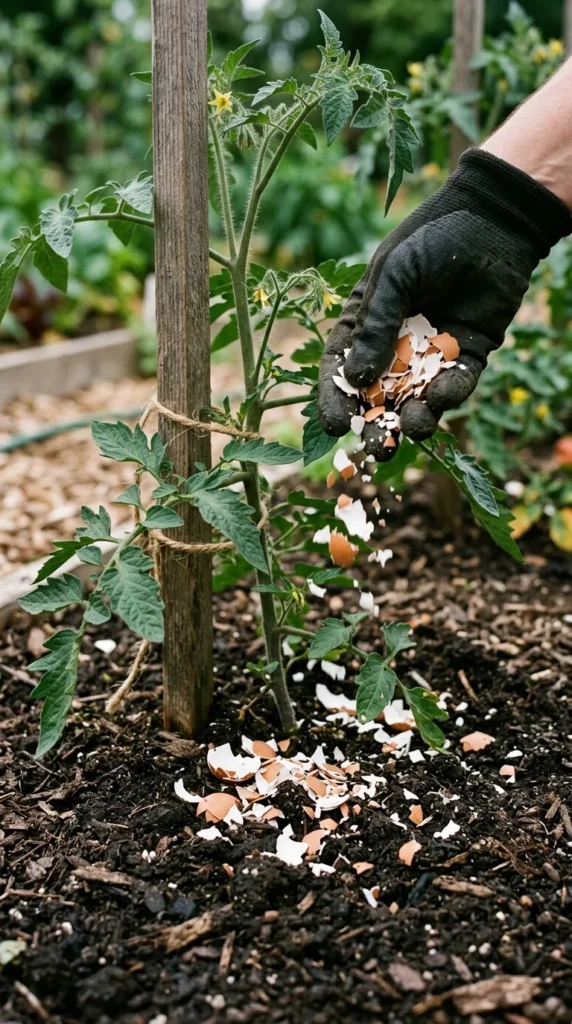
Eggshells are composed almost entirely of calcium carbonate. When crushed and added to the soil, they provide a slow-release source of calcium, which is vital for preventing blossom end rot in tomatoes and peppers. For faster absorption, grind them into a fine powder before application.
12. Banana Peels
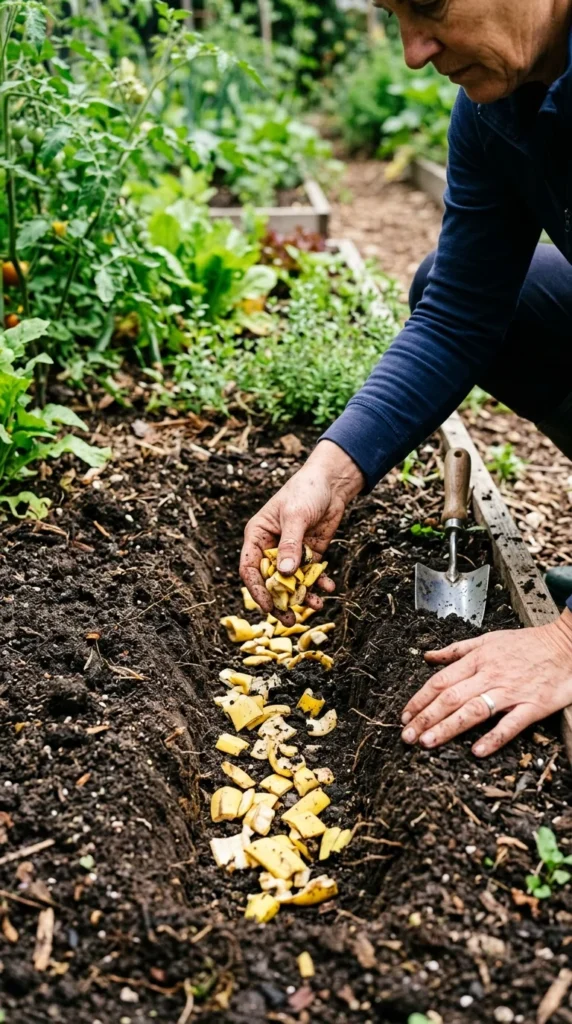
Banana peels are rich in potassium, an essential nutrient for flower and fruit development. You can chop them up and bury them near the base of your plants or soak them in water to create a potassium-rich “tea.” As they decompose, they also add small amounts of magnesium and phosphorus.
13. Wood Ash
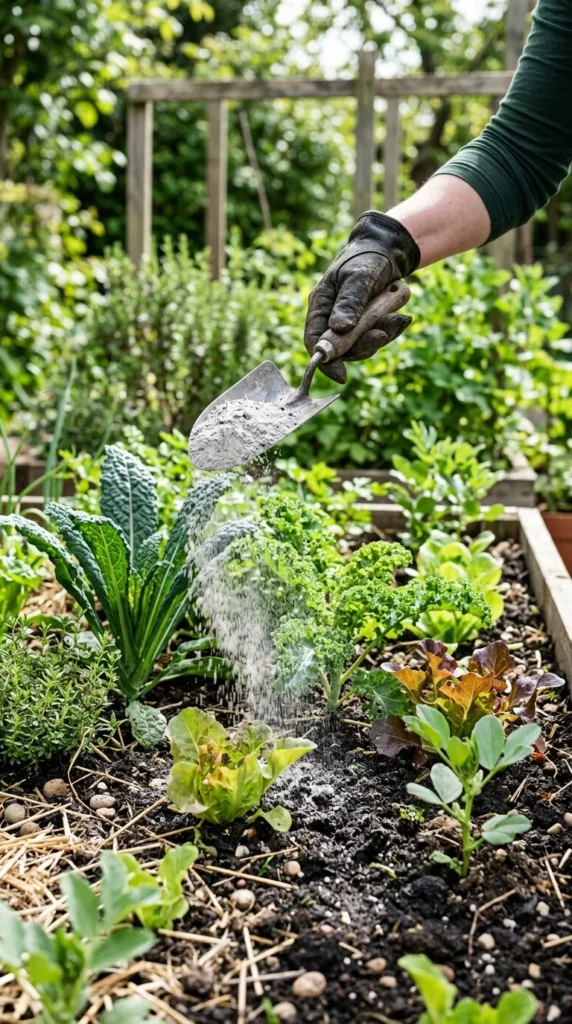
Ash from untreated wood fires is an excellent source of lime and potassium. It is highly alkaline, so it’s best used in acidic soils to raise the pH level. Use it sparingly, as a little goes a long way in adjusting soil chemistry and providing trace minerals.
14. Green Manure
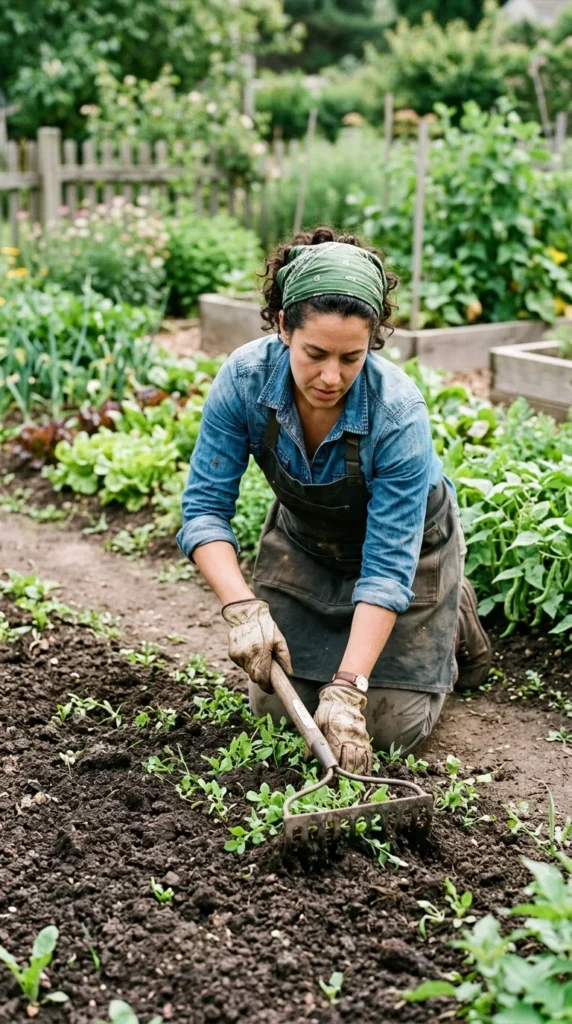
While cover crops are grown over winter, green manure involves growing fast-growing plants like mustard or buckwheat during the growing season and then cutting them down while they are still green. This fresh plant matter is incorporated into the soil, where it quickly decomposes and provides a nitrogen boost.
15. Seaweed
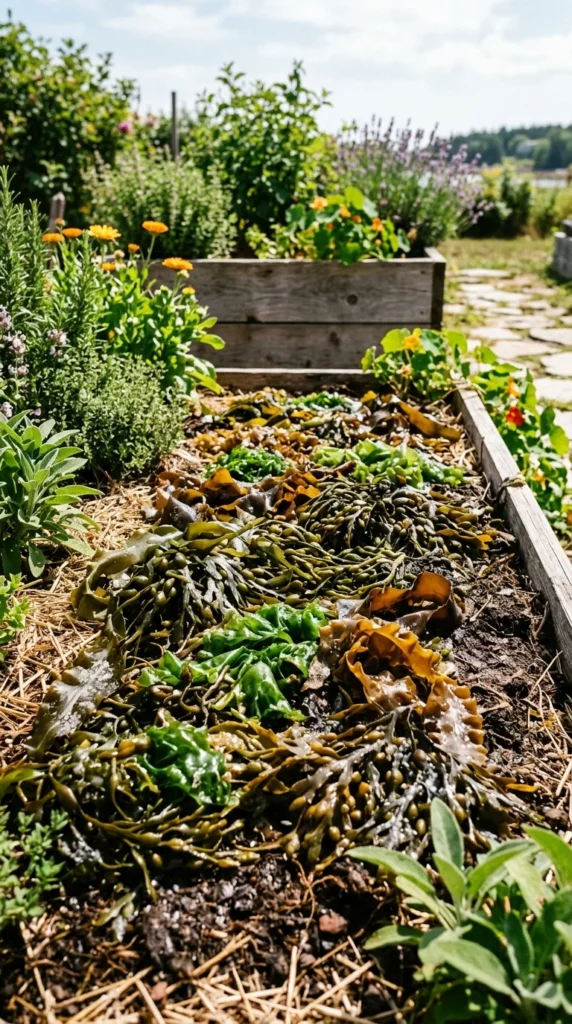
If you live near a coast, seaweed is a fantastic, free soil amendment. It contains over 60 trace minerals and growth hormones that stimulate plant development. Unlike land-based weeds, seaweed doesn’t contain seeds that will sprout in your garden. Rinse it first to remove excess salt.
16. Grass Clippings
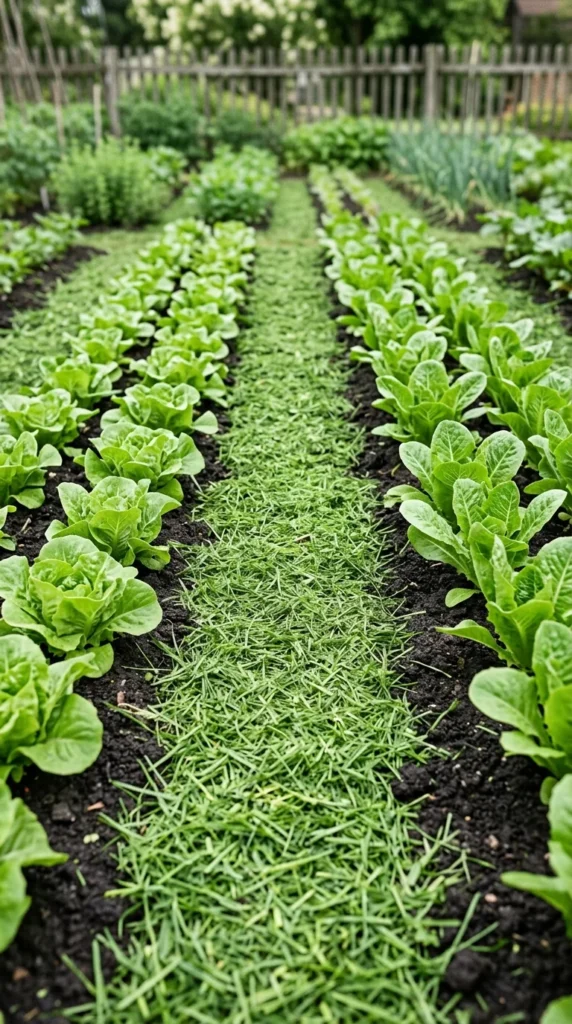
Fresh grass clippings are high in nitrogen. When used as a mulch or mixed into the soil, they break down rapidly, providing a quick nutrient boost. Ensure the clippings are free from herbicides or pesticides, and apply them in thin layers to prevent them from matting and becoming anaerobic.
17. Mycorrhizal Fungi
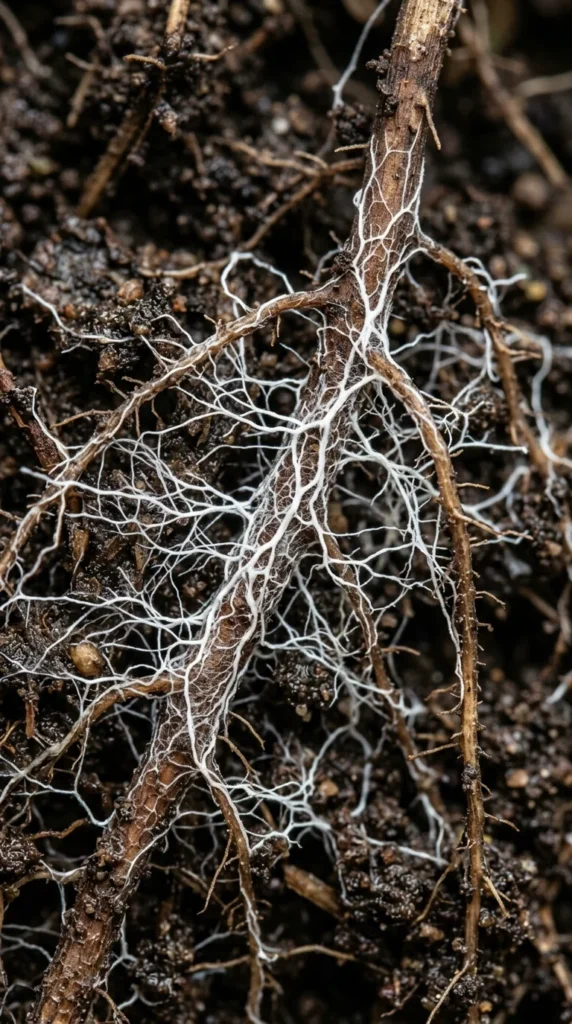
Adding mycorrhizal inoculants to your soil creates a symbiotic relationship with plant roots. These fungi extend the reach of the root system, helping the plant absorb water and phosphorus that would otherwise be unreachable. This is particularly helpful in poor or depleted soils.
18. Epsom Salts
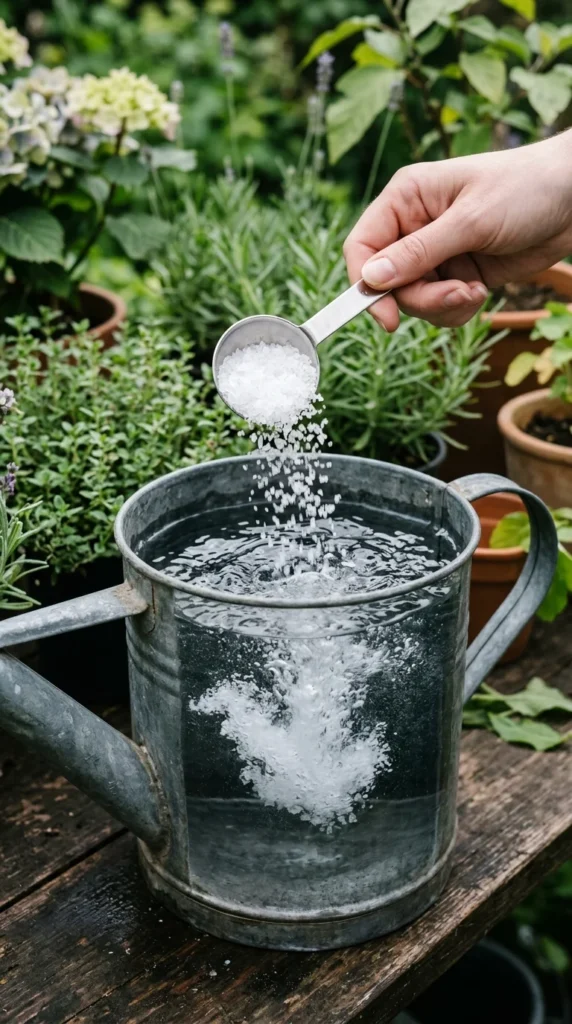
Epsom salt is magnesium sulfate. If your soil is deficient in magnesium—often signaled by yellowing leaves—a small amount of Epsom salt can help. It aids in chlorophyll production and helps plants take up phosphorus. It is especially beneficial for heavy feeders like roses and peppers.
19. Alfalfa Meal
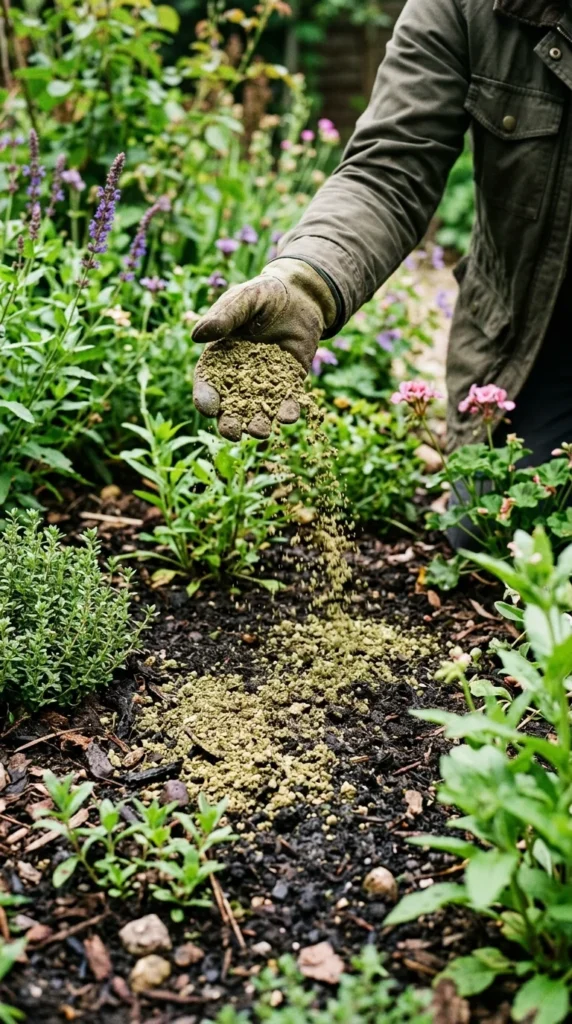
Alfalfa meal is a plant-based fertilizer that provides nitrogen, phosphorus, and potassium. It also contains triacontanol, a natural growth stimulant. It breaks down at a moderate speed, making it an excellent long-term soil builder for perennial beds.
20. Bone Meal
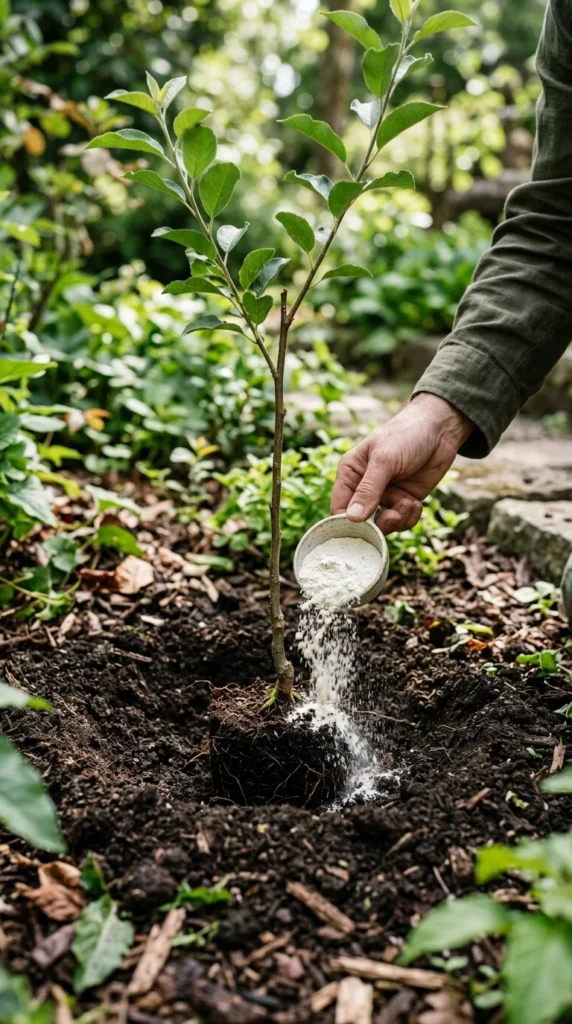
Bone meal is a slow-release source of phosphorus and calcium. It is essential for root development and the production of flowers and seeds. It is best applied at the time of planting to ensure the nutrients are available right where the new roots are growing.
21. Blood Meal
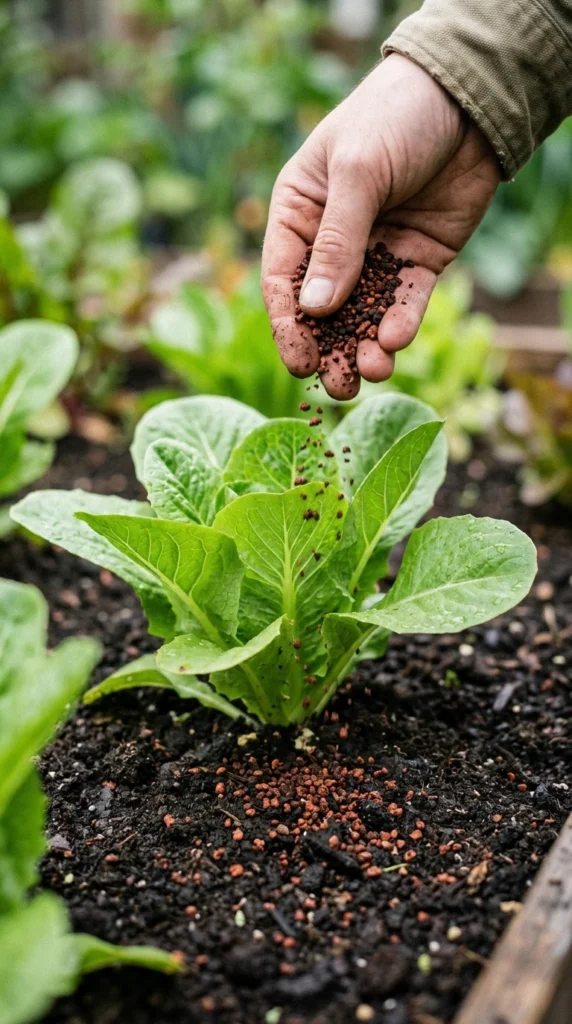
Blood meal is a dry powder made from animal blood and is one of the highest natural sources of nitrogen. If your plants are stunted or pale green, a light application of blood meal can provide a rapid recovery. It also acts as a mild deterrent for certain garden pests like rabbits.
22. Rock Dust
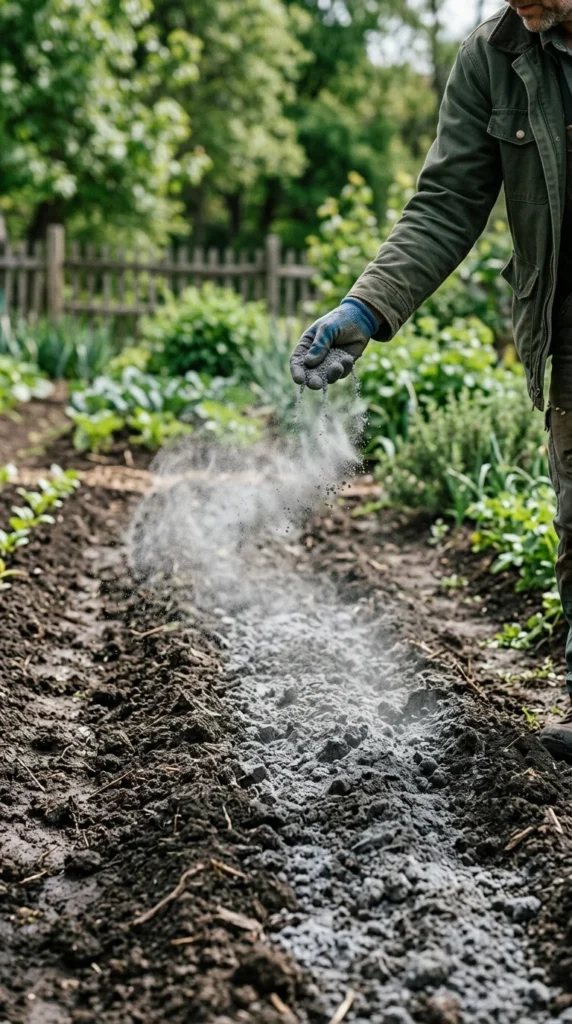
Also known as rock flour, this material provides a wide array of trace minerals that are often missing from commercial fertilizers. Glacial rock dust or basalt dust can “remineralize” the soil, supporting the health of microorganisms and improving the nutritional value of the vegetables grown in it.
23. Hugelkultur
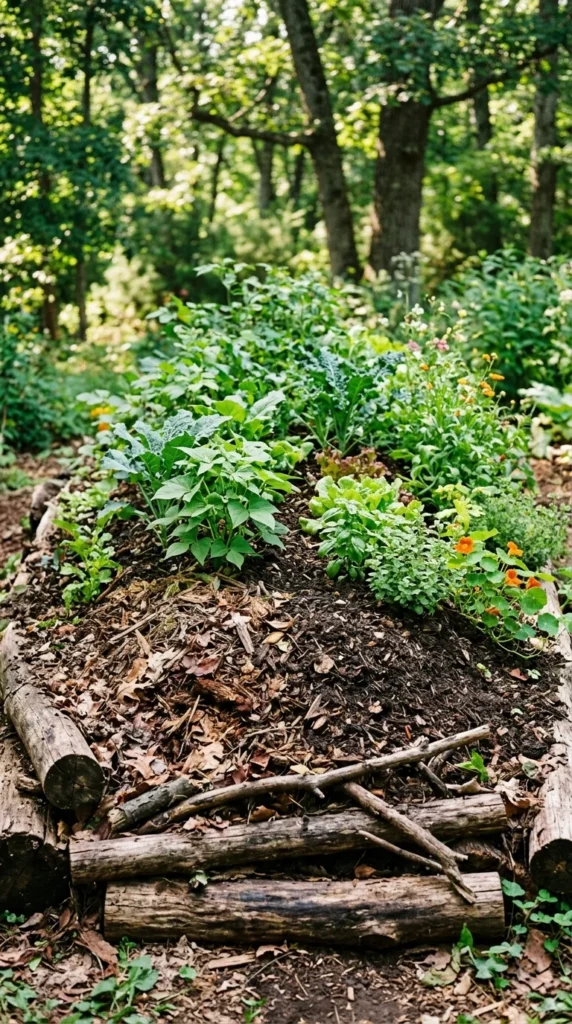
Hugelkultur is the practice of burying large amounts of wood (logs and branches) under a mound of soil. As the wood slowly decays over decades, it creates a self-tilling, moisture-retaining environment. The decaying wood generates heat, which can slightly extend the growing season in cooler climates.
24. Compost Tea
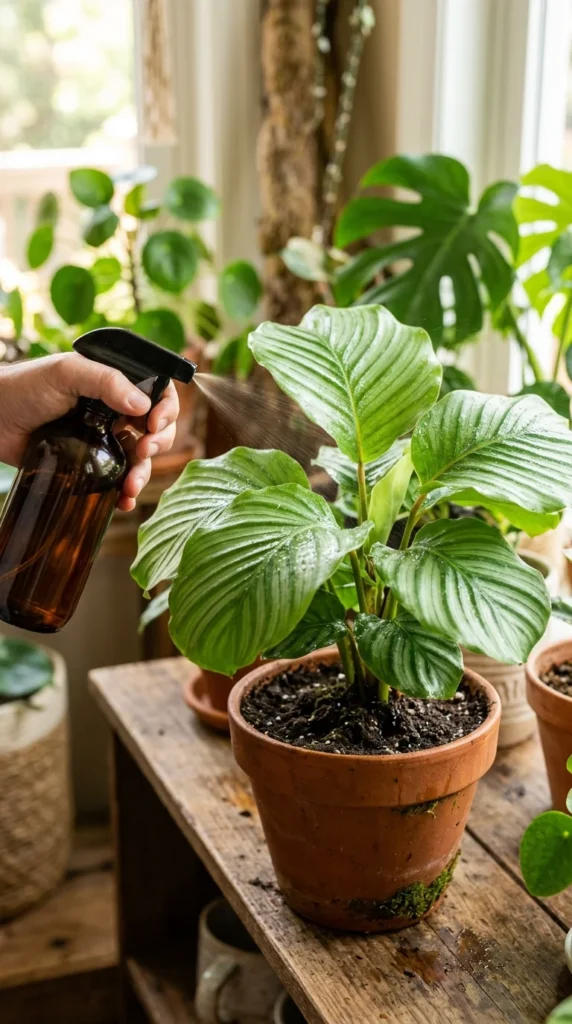
Compost tea is made by steeping compost in water, often with an air pump to encourage aerobic bacteria. This liquid gold can be used as a soil drench or a foliar spray. It delivers a concentrated dose of beneficial microbes and soluble nutrients directly to the plants and the top layer of soil.
25. Soil Testing

The most natural way to improve soil is to understand exactly what it needs. A soil test identifies the current pH and nutrient levels, preventing you from over-applying amendments that might cause imbalances. By testing your soil every few years, you can make informed, natural choices to keep your garden thriving.