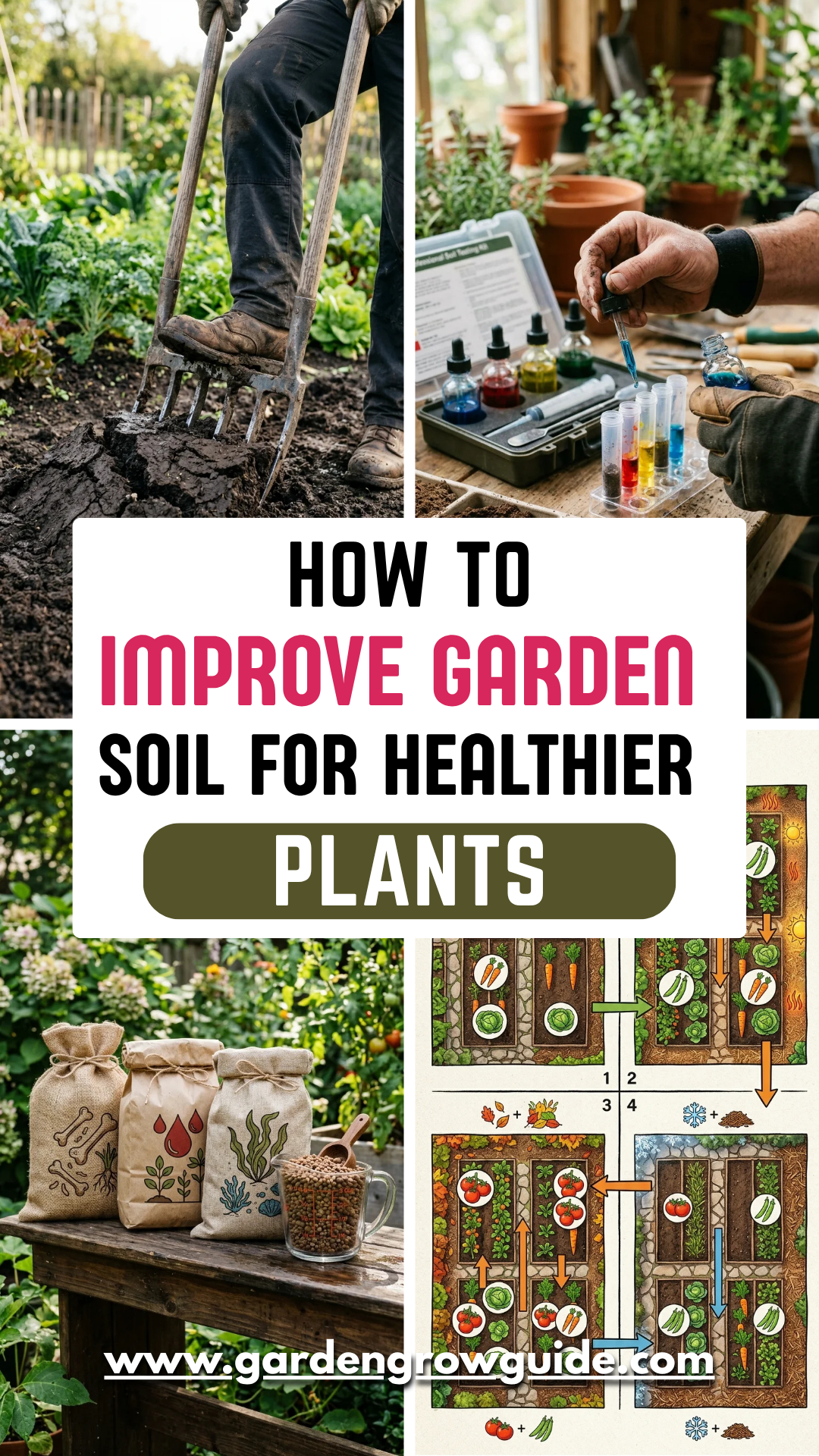
The secret to a thumb so green it looks painted isn’t found in a bottle of expensive fertilizer or a high-tech irrigation system; it is found beneath your fingernails. Soil is not merely “dirt.” It is a complex, living ecosystem teeming with bacteria, fungi, minerals, and organic matter. For a plant to thrive, its roots must be able to breathe, drink, and eat within this subterranean world.
Whether you are dealing with heavy clay that turns into bricks in the summer or sandy soil that drains water like a sieve, soil improvement is a journey, not a destination. By understanding the composition of your earth and implementing consistent, natural strategies, you can transform a barren patch of land into a high-yielding sanctuary for your plants.
1. Soil Testing
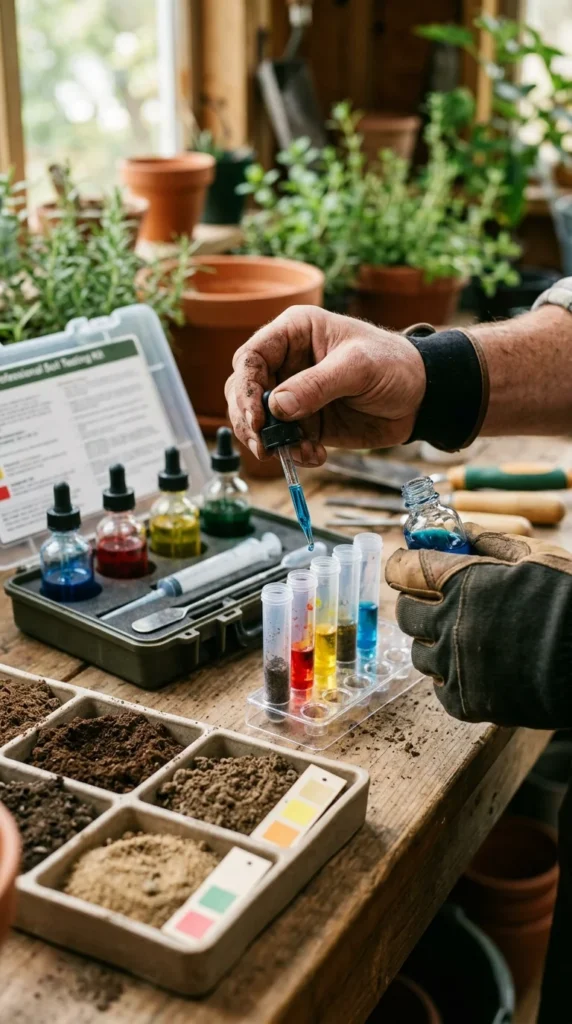
Before you begin adding amendments, you must know what your soil is lacking. A soil test is the diagnostic tool that prevents guesswork. It measures the pH levels—how acidic or alkaline your soil is—and the concentrations of primary nutrients: Nitrogen (N), Phosphorus (P), and Potassium (K).
Most garden plants prefer a slightly acidic to neutral pH (between 6.0 and 7.0). If your soil is too acidic, plants cannot absorb nutrients even if they are present. Conversely, overly alkaline soil can “lock up” essential minerals like iron. You can purchase DIY kits at garden centers, but for the most accurate results, send a sample to a local university extension office. They provide a detailed breakdown and specific recommendations for your geographical area.
2. Organic Compost
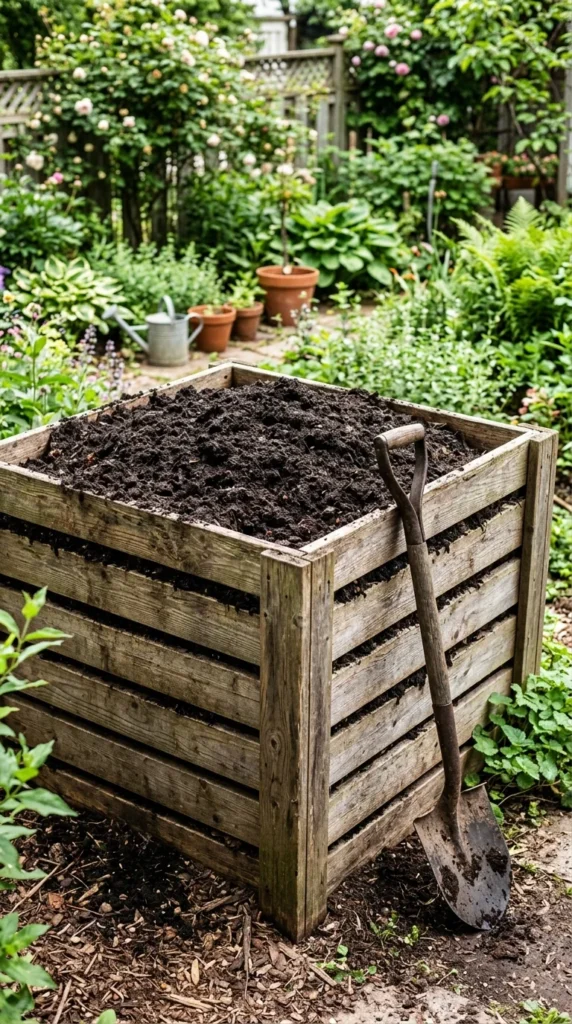
Compost is frequently referred to as “black gold” by experienced gardeners, and for good reason. It is the single most effective way to improve soil structure. Compost consists of decomposed organic matter—kitchen scraps, yard waste, and leaves—that has been broken down by microbes.
When added to clay soil, compost binds small particles into larger “peds,” creating space for air and water to move. In sandy soil, compost acts like a sponge, helping the ground retain moisture and nutrients that would otherwise wash away. Aim to add a 2- to 3-inch layer of finished compost to your garden beds every spring and fall. You can work it into the top few inches of soil or simply lay it on top as a mulch.
3. Mulching Layers
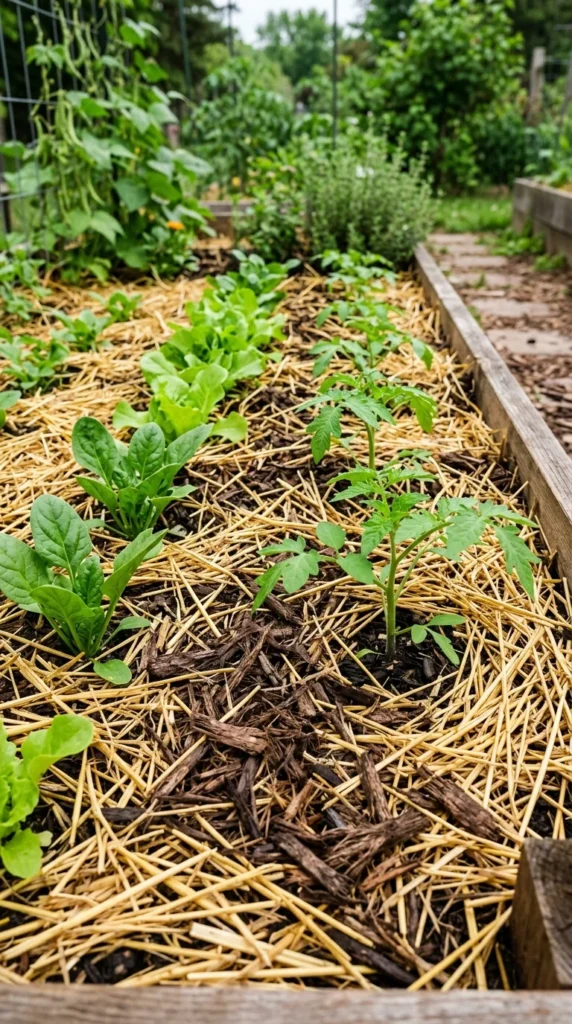
Mulching is the process of covering the soil surface with organic or inorganic materials. In nature, soil is rarely naked; it is covered by fallen leaves and decaying plants. By mimicking this, you protect the soil from the baking sun, which kills beneficial microbes, and from heavy rain, which causes erosion and compaction.
Organic mulches, such as straw, shredded leaves, or wood chips, gradually decompose and add nutrients back into the earth. Mulch also suppresses weeds, which compete with your plants for nutrients. For vegetable gardens, clean straw or grass clippings (free of herbicides) are excellent choices. For perennial beds, wood chips or bark mulch provide a longer-lasting protective barrier.
4. Cover Crops
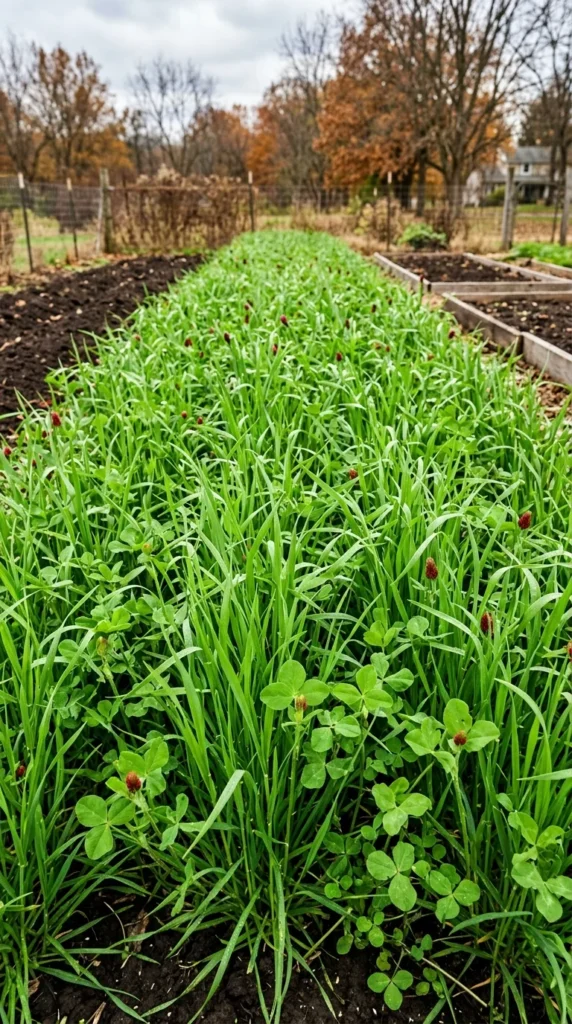
Often called “green manure,” cover crops are plants grown specifically to be turned back into the soil rather than harvested. They are typically planted in the off-season, such as late autumn or early spring. Popular choices include clover, hairy vetch, rye, and buckwheat.
Cover crops serve several vital functions. Their deep roots break up compacted subsoil, a process known as “biological tilling.” Leguminous cover crops, like clover and vetch, have a unique relationship with bacteria that allows them to “fix” nitrogen from the air and store it in their roots. When the crop is mowed and tilled into the soil, that nitrogen is released, providing a massive boost for the next season’s heavy-feeding plants, like tomatoes or corn.
5. Proper Aeration
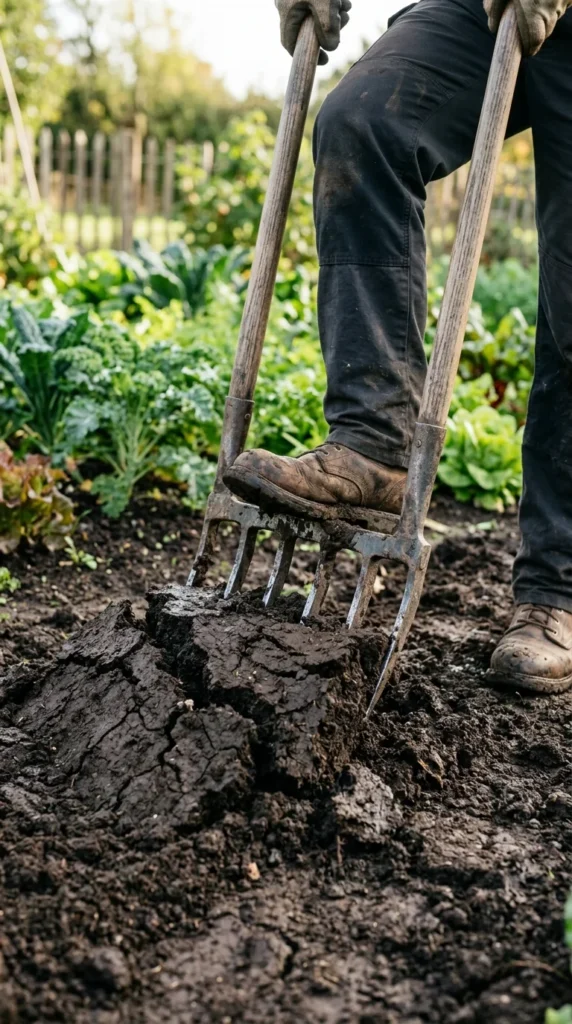
Soil compaction is the enemy of root growth. When soil is stepped on frequently or worked while wet, the tiny air pockets between soil particles collapse. Without oxygen, plant roots suffocate, and beneficial aerobic bacteria die off, replaced by anaerobic bacteria that can cause root rot.
To improve aeration, avoid tilling your garden excessively, as this can actually destroy soil structure over time. Instead, use a tool like a broadfork or a garden fork to gently lift and loosen the soil without turning it over completely. This preserves the delicate layers of the soil food web while allowing oxygen and water to penetrate deep into the root zone. Creating permanent walking paths also ensures that you never step on the growing areas, keeping the soil light and fluffy.
6. Beneficial Microbes
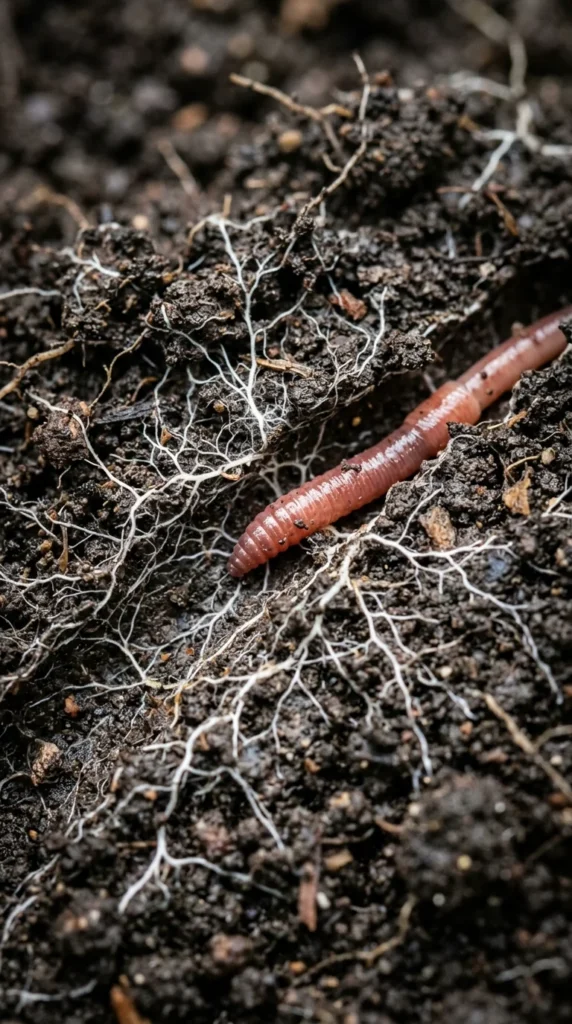
Healthy soil is alive. A single teaspoon of rich garden soil contains more microorganisms than there are people on Earth. These include mycorrhizal fungi, which attach to plant roots and help them absorb phosphorus and water, and earthworms, which act as nature’s rototillers.
To encourage these organisms, avoid using synthetic chemical fertilizers and pesticides, which can be toxic to the soil food web. Instead, focus on feeding the soil with organic matter. You can also “inoculate” your soil by adding compost tea or purchasing mycorrhizal spores to dust onto your seeds at planting time. The more diverse the microbial life in your soil, the more resilient your plants will be against diseases and pests.
7. Nutrient Amendments
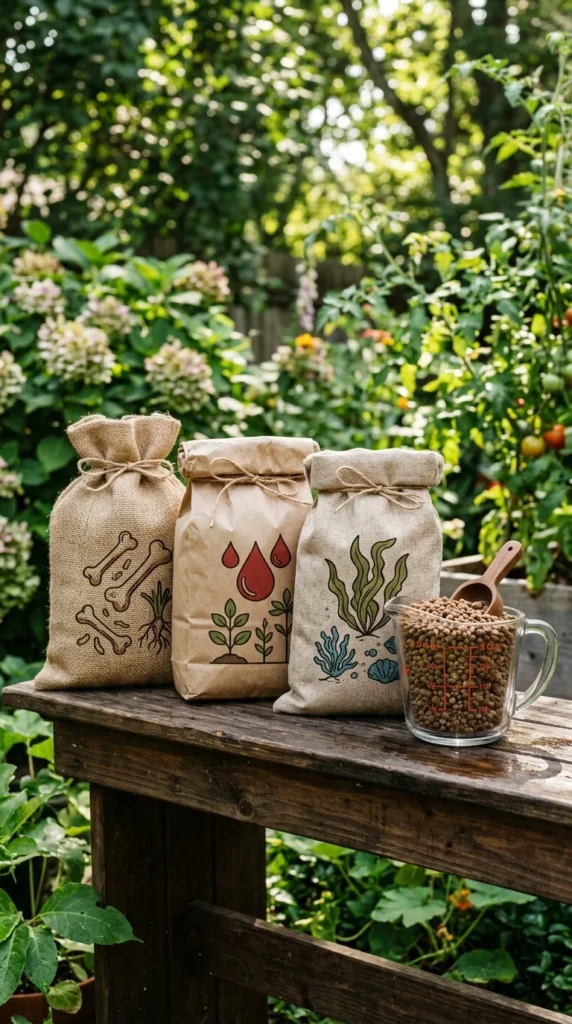
While compost provides a broad spectrum of nutrients, sometimes your soil needs a specific boost based on your soil test results. Organic amendments are slow-release alternatives to synthetic fertilizers, meaning they feed the soil over a long period rather than providing a quick, short-lived chemical spike.
- Nitrogen: If your plants are stunted and yellowing, add blood meal or feather meal.
- Phosphorus: For strong root development and flowering, use bone meal or rock phosphate.
- Potassium: To improve overall plant vigor and disease resistance, add greensand or kelp meal.
- pH Adjusters: If your soil is too acidic, add garden lime (calcium carbonate). If it is too alkaline, add elemental sulfur or peat moss.
8. Crop Rotation
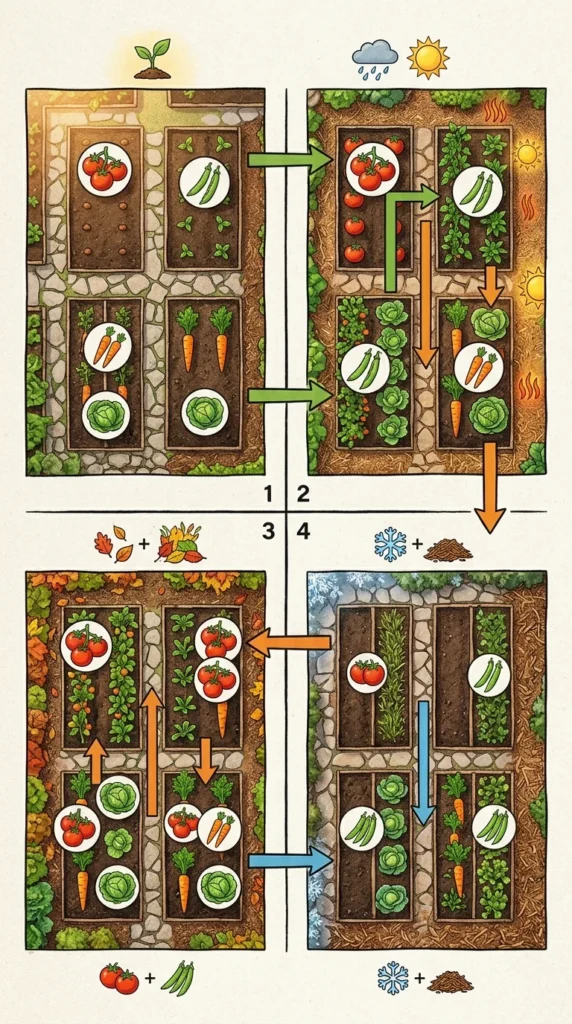
Improving soil health also involves managing how you use it. Planting the same crop in the same spot year after year leads to “soil fatigue.” Different plants have different nutritional demands; for example, corn is a heavy nitrogen feeder, while root vegetables like carrots crave potassium.
By rotating your crops, you ensure that no single nutrient is completely depleted. Additionally, crop rotation breaks the life cycle of soil-borne pests and diseases. A common four-year rotation cycle involves moving “leaf” plants (lettuce), “fruit” plants (tomatoes), “root” plants (carrots), and “legumes” (peas) through different beds each season. The legumes actually help replenish the nitrogen used by the previous year’s leaf and fruit crops, creating a self-sustaining cycle of soil fertility.