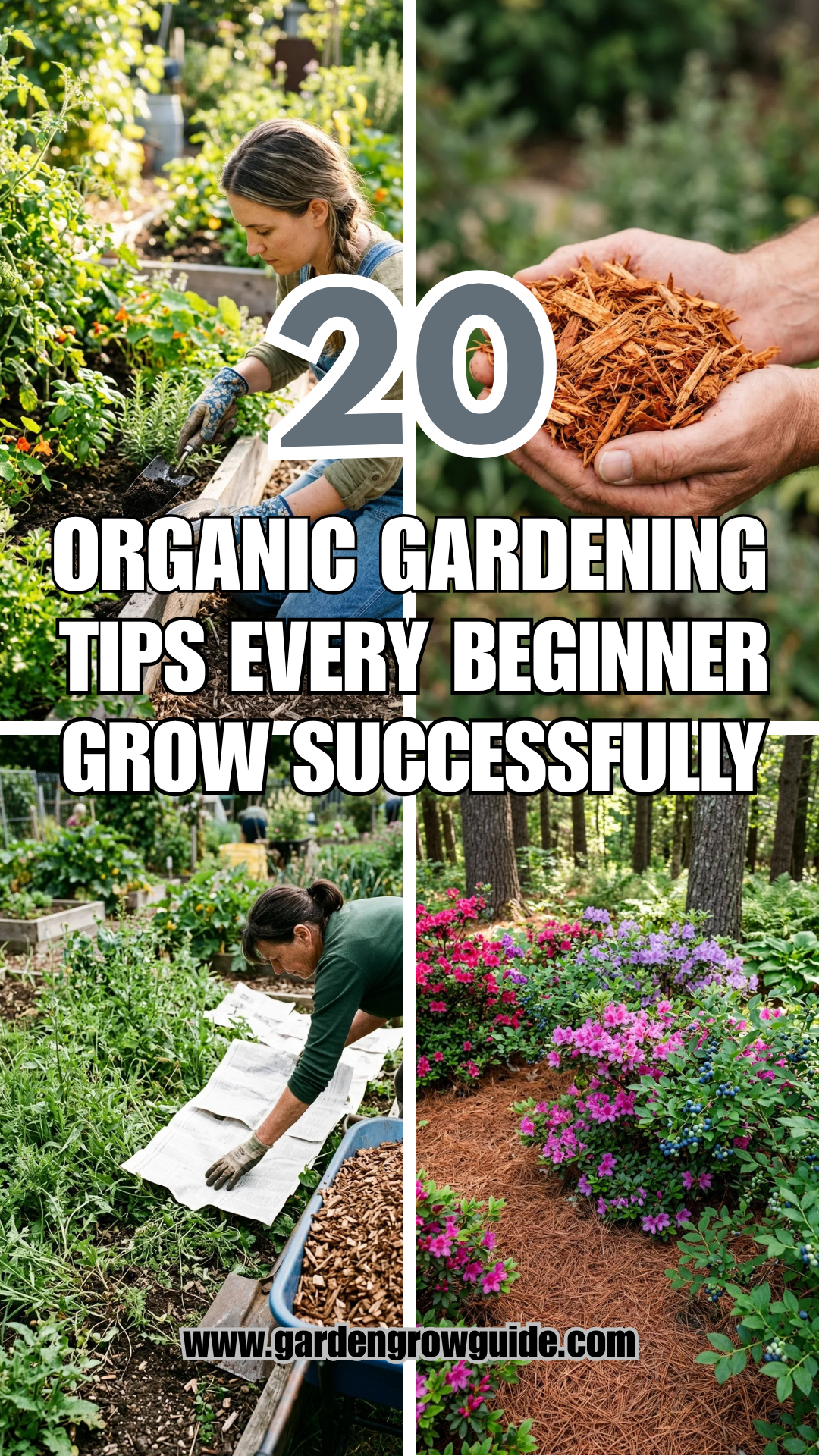
Organic gardening is more than just a hobby; it is a commitment to working with nature rather than against it. By avoiding synthetic fertilizers and chemical pesticides, you create a self-sustaining ecosystem that produces healthier food and fosters a thriving environment for local wildlife. For beginners, the transition to organic methods can seem daunting, but it essentially boils down to soil health and biodiversity.
Whether you have a sprawling backyard or a few pots on a balcony, these twenty essential tips will help you establish a flourishing organic sanctuary.
1. Soil Testing
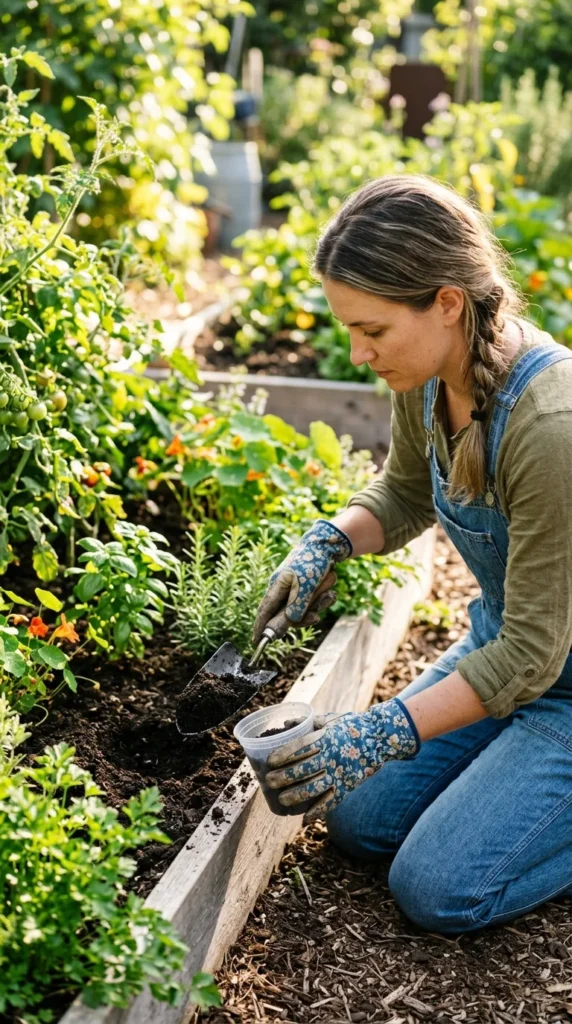
Before you plant a single seed, you must understand the foundation of your garden. A soil test reveals the pH level and nutrient profile of your earth. Most vegetables thrive in slightly acidic to neutral soil (pH 6.0 to 7.0). Organic gardening relies on “feeding the soil to feed the plants.” By knowing what nutrients are missing—such as nitrogen, phosphorus, or potassium—you can amend the soil naturally rather than guessing. Local university extensions often provide low-cost soil testing kits that offer detailed reports on organic matter content.
2. Quality Compost
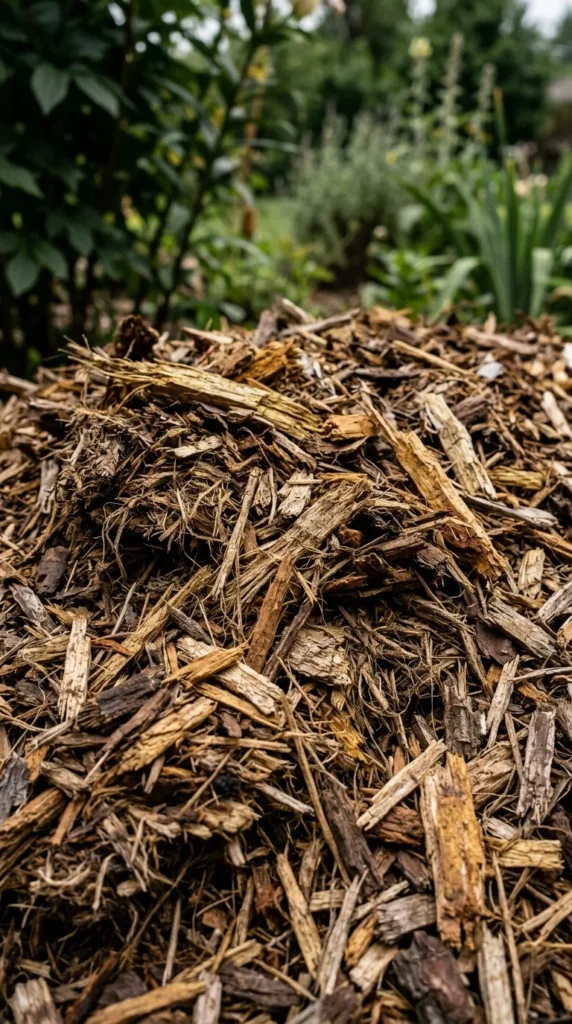
Compost is often referred to as “black gold” for a reason. It is the ultimate organic fertilizer, improving soil structure, water retention, and microbial activity. Instead of throwing away kitchen scraps like coffee grounds, eggshells, and vegetable peelings, start a compost pile. A good balance of “greens” (nitrogen-rich materials) and “browns” (carbon-rich materials like dried leaves or cardboard) will break down into a nutrient-dense amendment that breathes life into tired soil.
3. Heirloom Seeds
When shopping for seeds, look for labels marked “Organic” or “Heirloom.” Heirloom seeds are varieties that have been passed down through generations, often selected for their superior flavor and hardiness. Unlike many hybrid seeds, heirlooms are open-pollinated, meaning you can save the seeds from your harvest and plant them again next year. This creates a sustainable cycle and ensures your plants are well-adapted to your specific local climate over time.
4. Companion Planting
Plants, much like people, have “friends” they grow better with. Companion planting is the practice of placing specific plants near each other to deter pests, improve pollination, or enhance growth. For example, planting marigolds with tomatoes can help repel harmful nematodes, while basil can improve the flavor of tomatoes and ward off flies. Understanding these relationships allows you to use biological synergy to protect your garden without chemicals.
5. Mulch Power
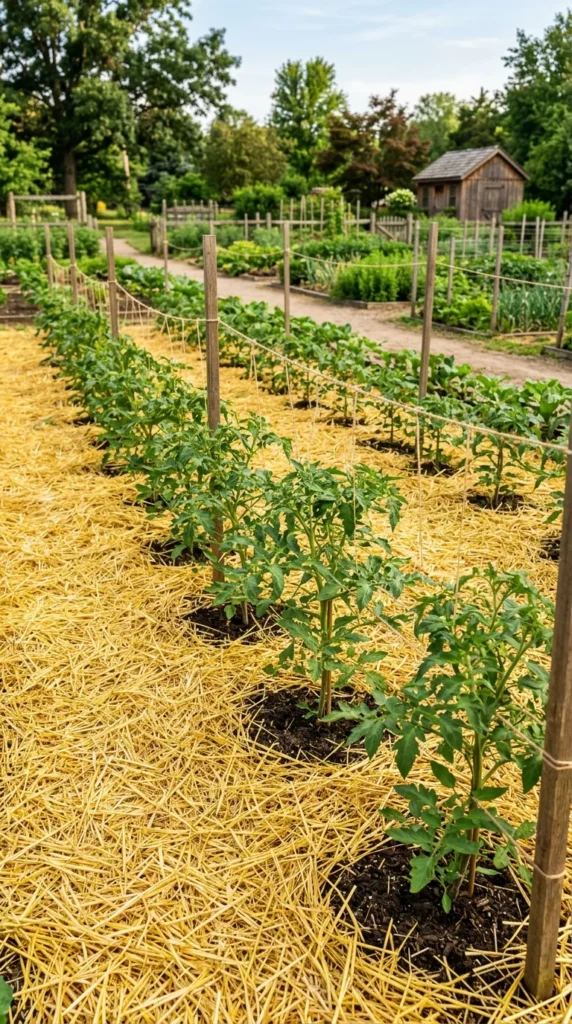
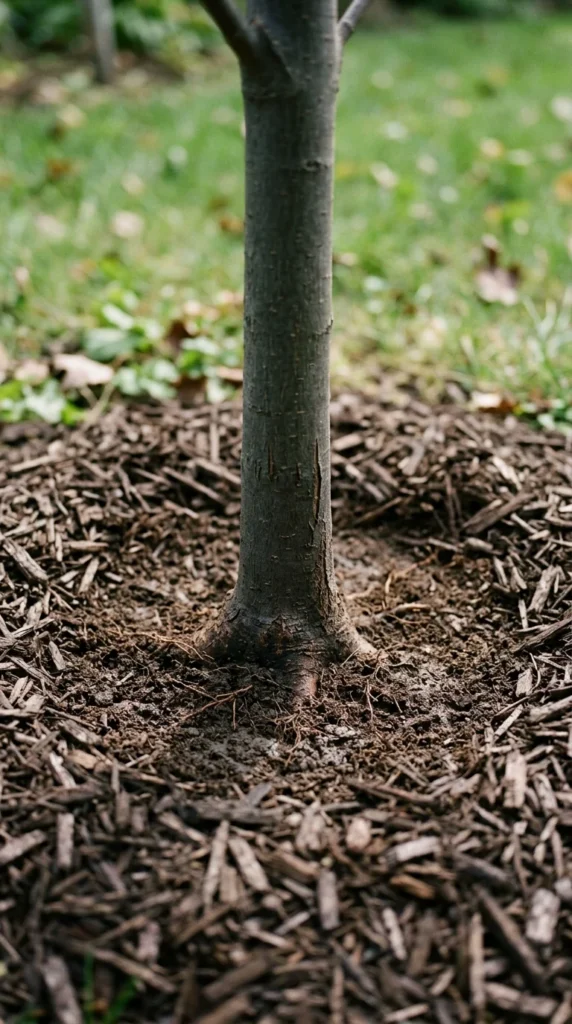
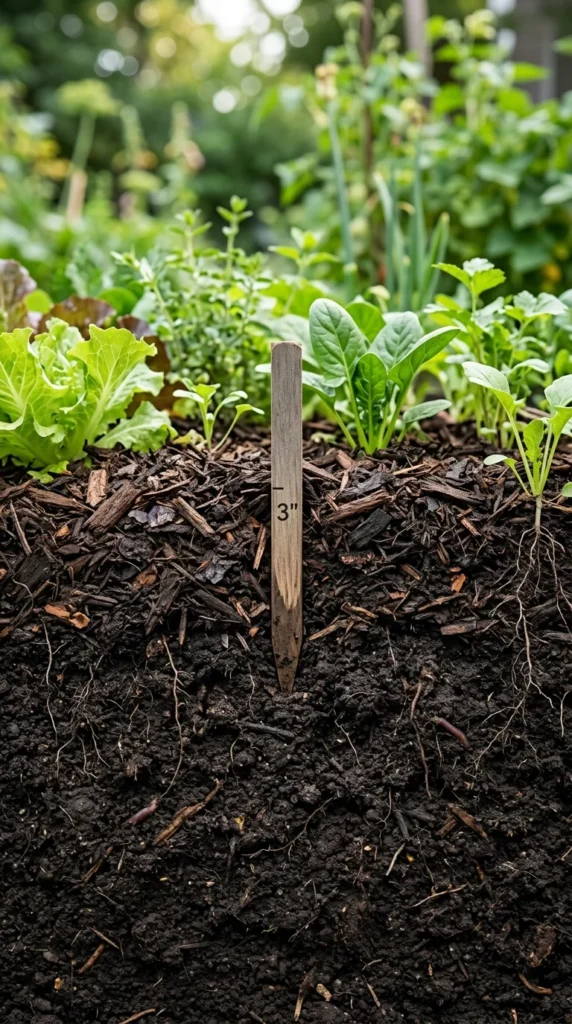
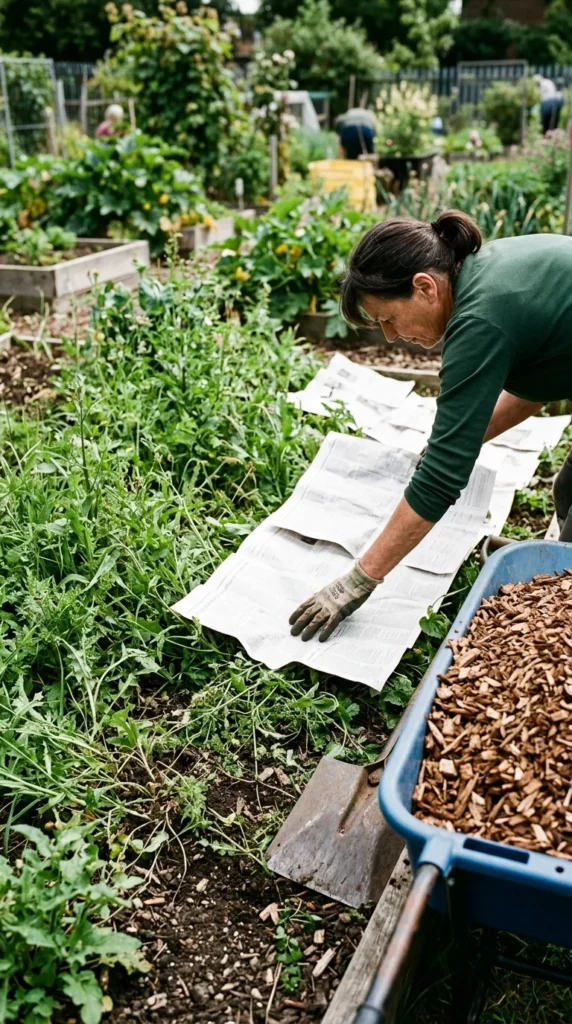
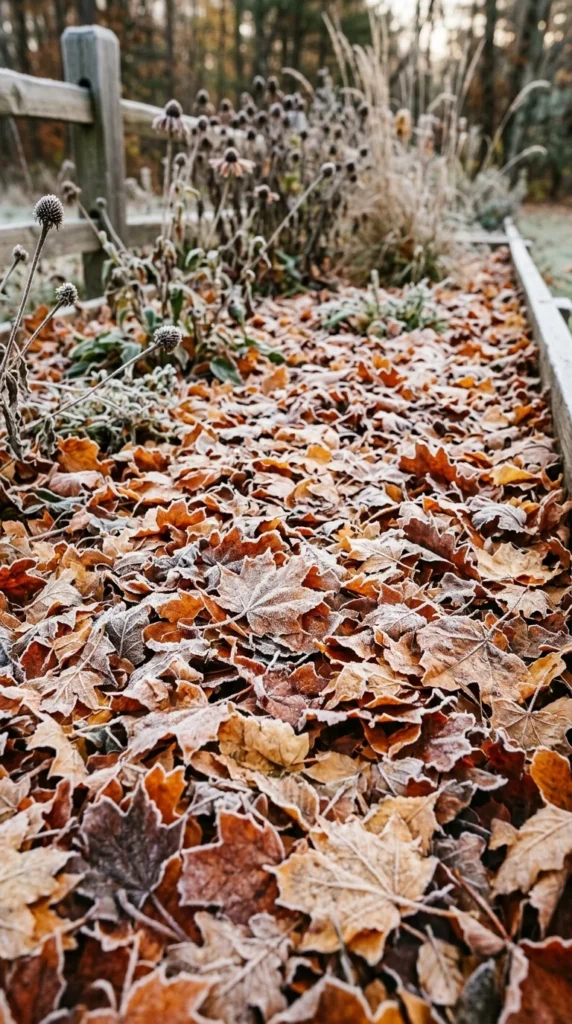
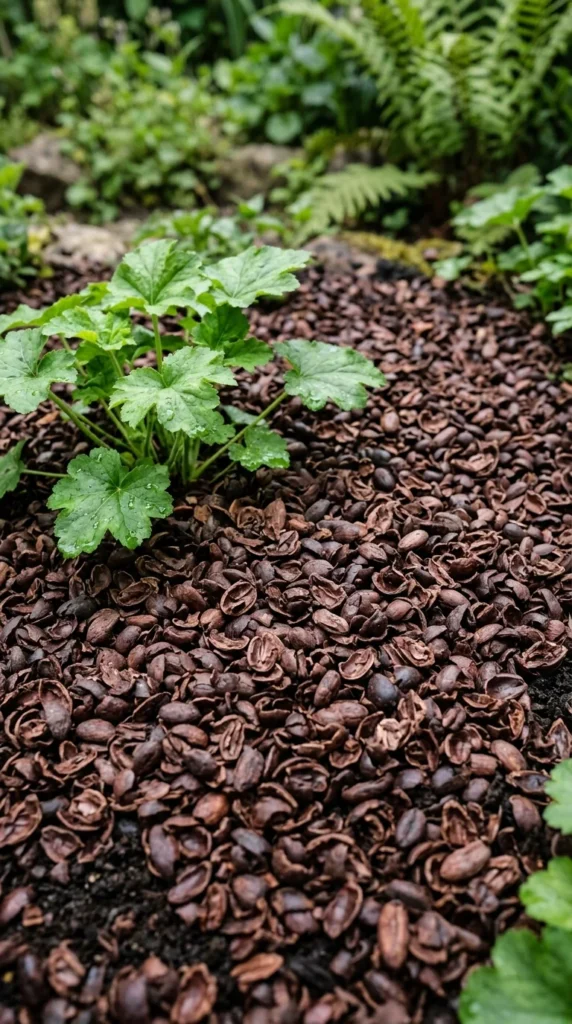
Mulching is a critical step in organic gardening that many beginners overlook. A thick layer of organic mulch—such as straw, shredded leaves, or wood chips—serves multiple purposes. It suppresses weed growth by blocking sunlight, retains moisture in the soil by reducing evaporation, and eventually breaks down to add organic matter back into the earth. Mulching also regulates soil temperature, keeping roots cool in the summer and warm in the winter.
6. Smart Watering
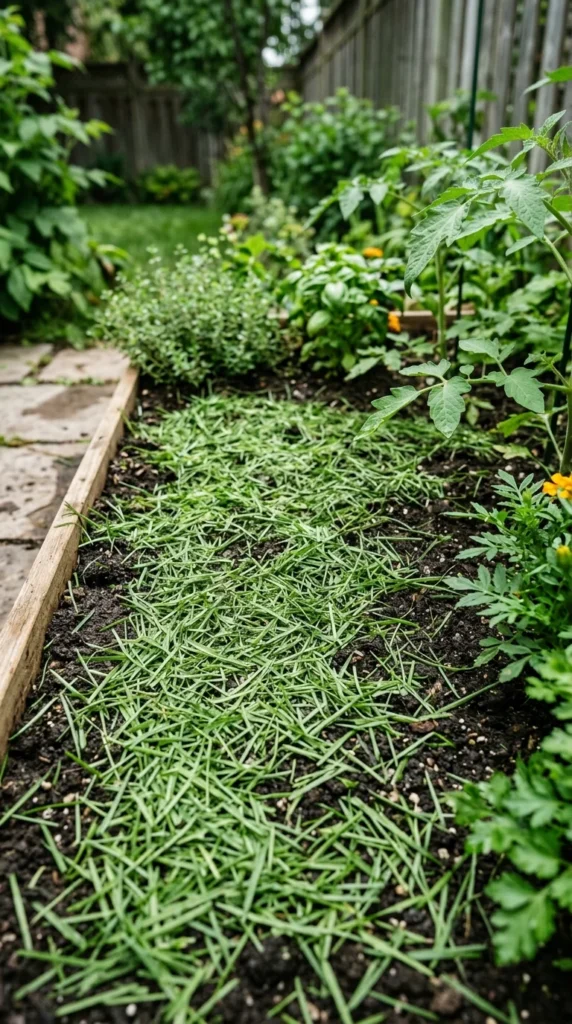
How and when you water can make or break an organic garden. It is best to water early in the morning to minimize evaporation and give plants time to dry before evening. Always aim for the base of the plant rather than the foliage; wet leaves are a breeding ground for fungal diseases like powdery mildew. Consider using a drip irrigation system or a soaker hose to deliver water directly to the roots, which is more efficient and reduces water waste.
7. Beneficial Insects
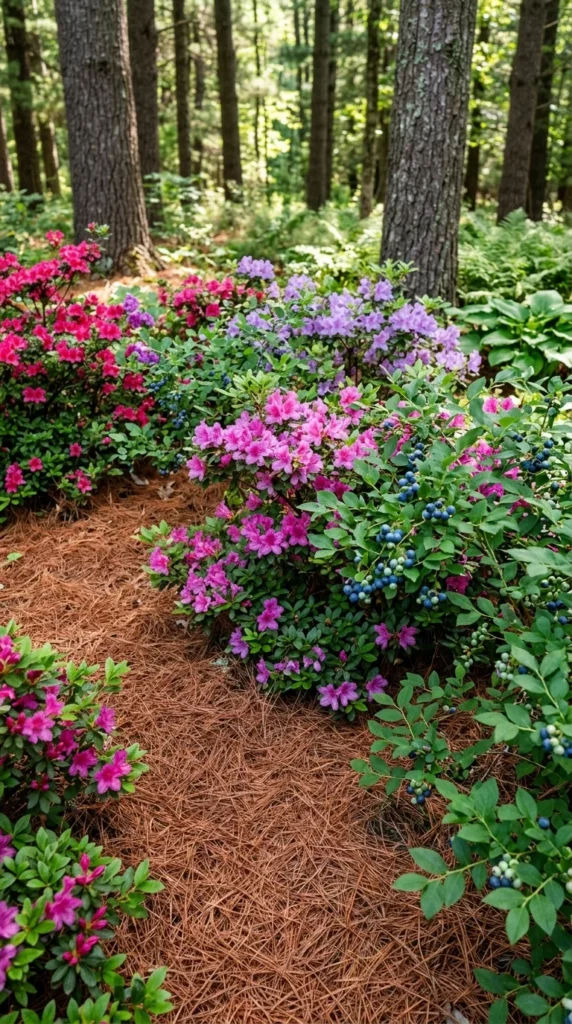
Not every bug in your garden is an enemy. In an organic system, you want to attract “good bugs” like ladybugs, lacewings, and predatory wasps that eat common pests like aphids and hornworms. To encourage these natural defenders, plant a variety of flowering herbs and flowers such as dill, fennel, and cosmos. By avoiding broad-spectrum pesticides, you allow these beneficial insect populations to establish themselves and provide free pest control.
8. Neem Oil
If a pest infestation becomes unmanageable through manual removal or beneficial insects, neem oil is a powerful organic tool. Derived from the seeds of the neem tree, this biodegradable oil acts as a fungicide and insecticide. It disrupts the life cycle of pests like spider mites and whiteflies without leaving toxic residues. Always apply neem oil in the late evening when pollinators are less active to ensure their safety.
9. Crop Rotation
Planting the same crop in the same spot year after year can lead to a buildup of soil-borne diseases and the depletion of specific nutrients. Crop rotation involves moving plant families (such as the nightshades: tomatoes, peppers, potatoes) to different sections of the garden each season. This simple practice breaks the life cycles of pests and ensures that the soil remains balanced and productive over the long term.
10. Raised Beds
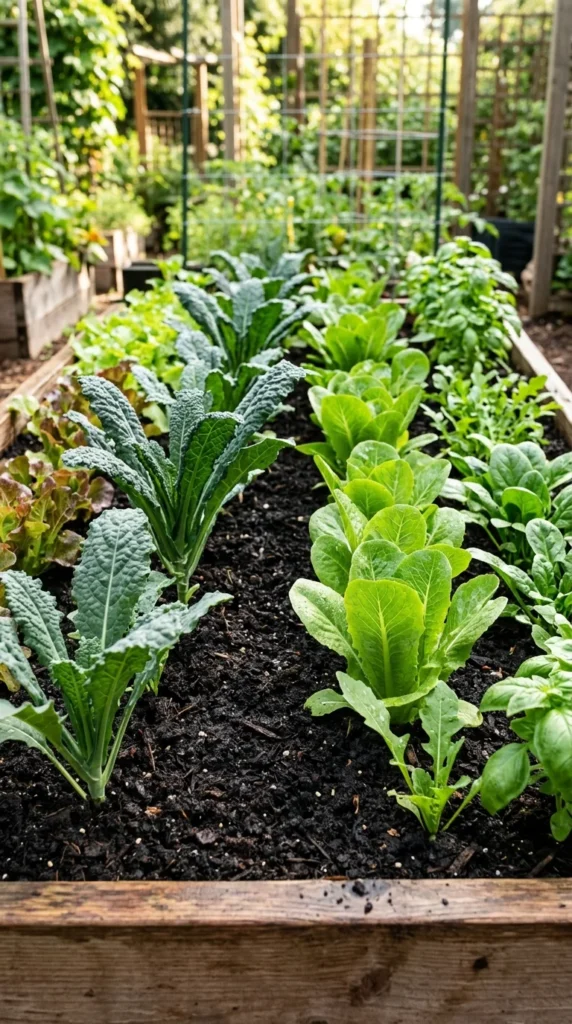
For beginners dealing with poor native soil or drainage issues, raised beds are a game-changer. They allow you to control the exact composition of your soil from day one. Raised beds also warm up faster in the spring, providing a longer growing season. Because you don’t walk on the soil within the beds, it remains loose and airy, which is ideal for root development.
11. Vertical Growth
If space is limited, grow up! Vertical gardening uses trellises, stakes, and cages to support climbing plants like cucumbers, beans, and squash. This not only saves ground space but also improves air circulation around the plants, which significantly reduces the risk of fungal infections. It also makes harvesting much easier on your back, as the fruit hangs at eye level.
12. Native Species
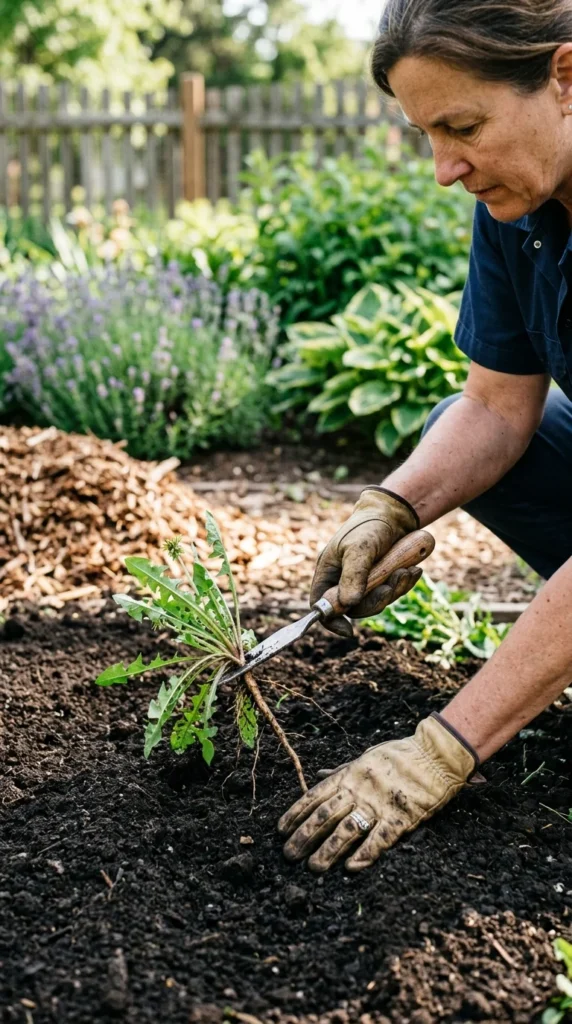
Incorporating plants that are native to your region is a cornerstone of organic gardening. Native plants are adapted to your local climate and soil conditions, meaning they generally require less water and fewer interventions than exotic species. Furthermore, native plants provide essential food and habitat for local pollinators and birds, strengthening the overall biodiversity of your outdoor space.
13. Manual Weeding
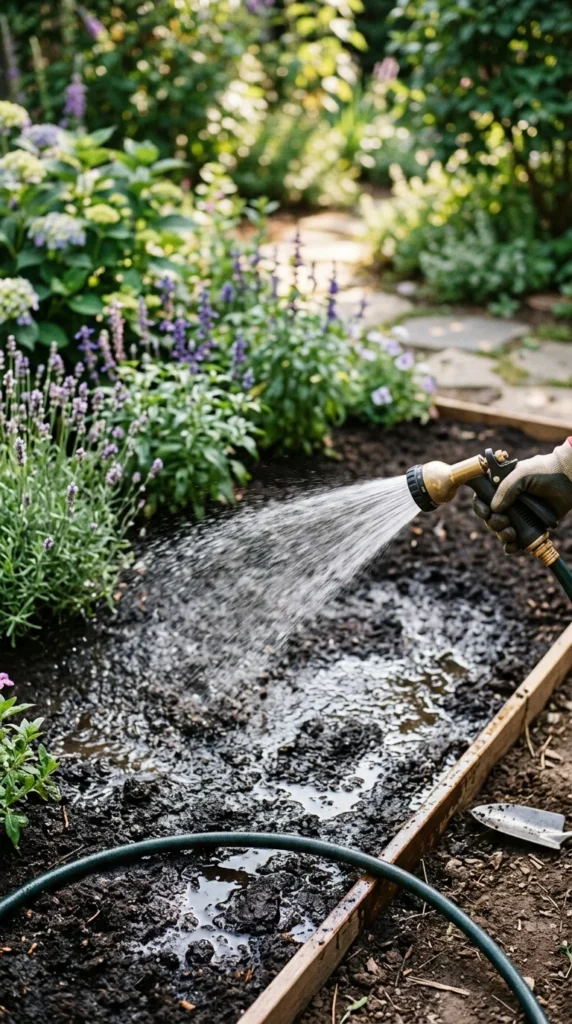
In an organic garden, herbicides are off the table. This means weeding is a manual task. The trick is to “weed small and weed often.” Using a hand hula hoe or simply pulling weeds by hand before they go to seed will prevent them from taking over. If you keep up with it for a few minutes each day, it becomes a therapeutic task rather than an overwhelming chore.
14. Flower Buffers
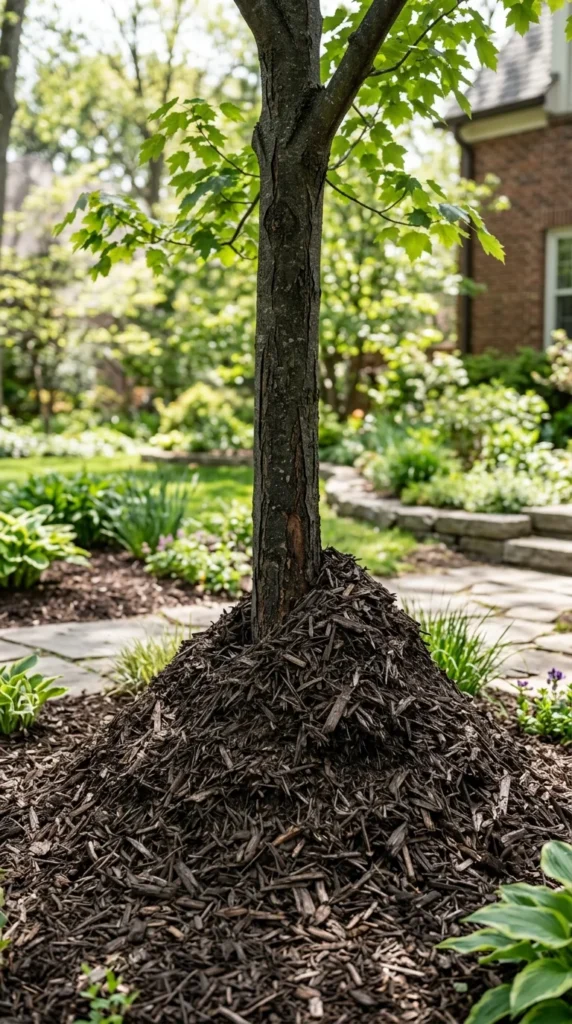
Flowers shouldn’t just be for aesthetics; they are functional tools. Planting “buffer” flowers like alyssum, calendula, and nasturtiums around your vegetables creates a trap crop system. Some pests are more attracted to these flowers than your vegetables, while the nectar attracts pollinators that increase your yields. A diverse garden full of color is usually a healthy, resilient garden.
15. Rain Barrels
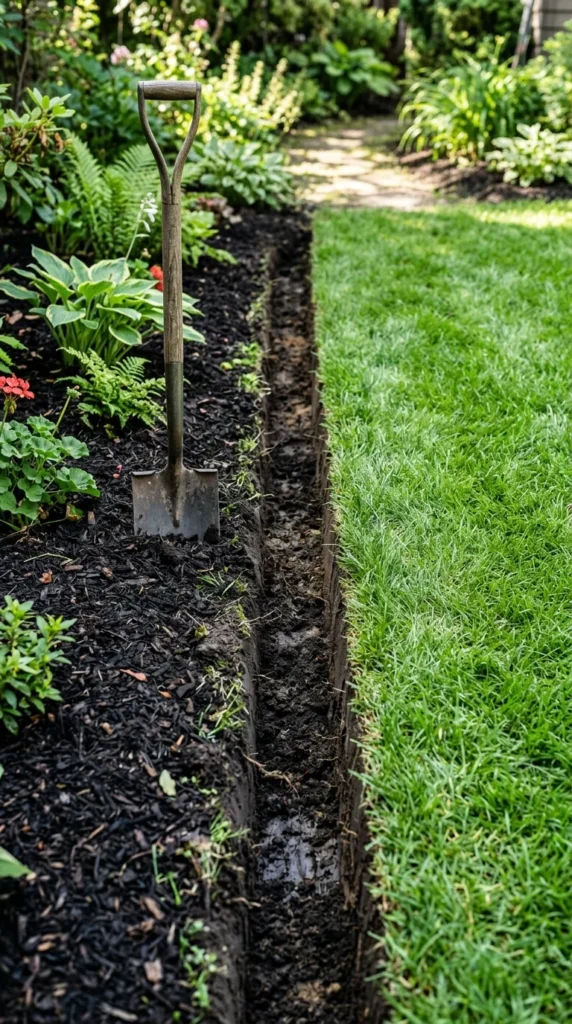
Harvesting rainwater is an excellent way to practice organic sustainability. Rainwater is naturally soft and free of the chlorine and fluoride found in city tap water, which can sometimes be harsh on sensitive plants and soil microbes. By installing a rain barrel, you can collect free, high-quality water for your garden while reducing runoff and erosion on your property.
16. Clean Tools
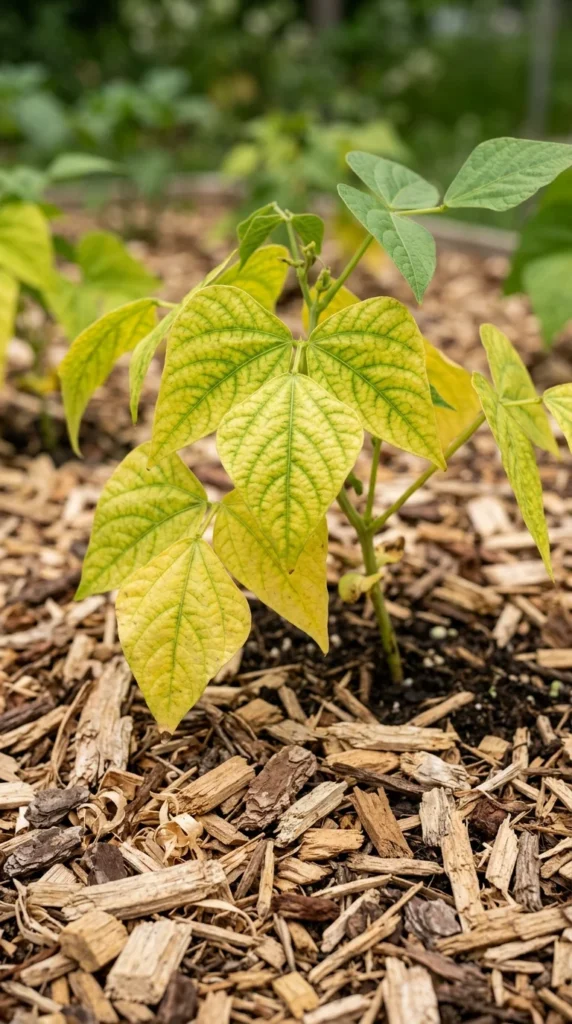
Diseases can easily spread from one plant to another through dirty tools. At the end of each gardening session, wipe down your pruners and trowels. Occasionally disinfecting them with a solution of water and vinegar or alcohol ensures that you aren’t inadvertently transporting pathogens across your garden beds. Sharp, clean tools also make cleaner cuts, which heal faster and stress the plants less.
17. Sun Mapping
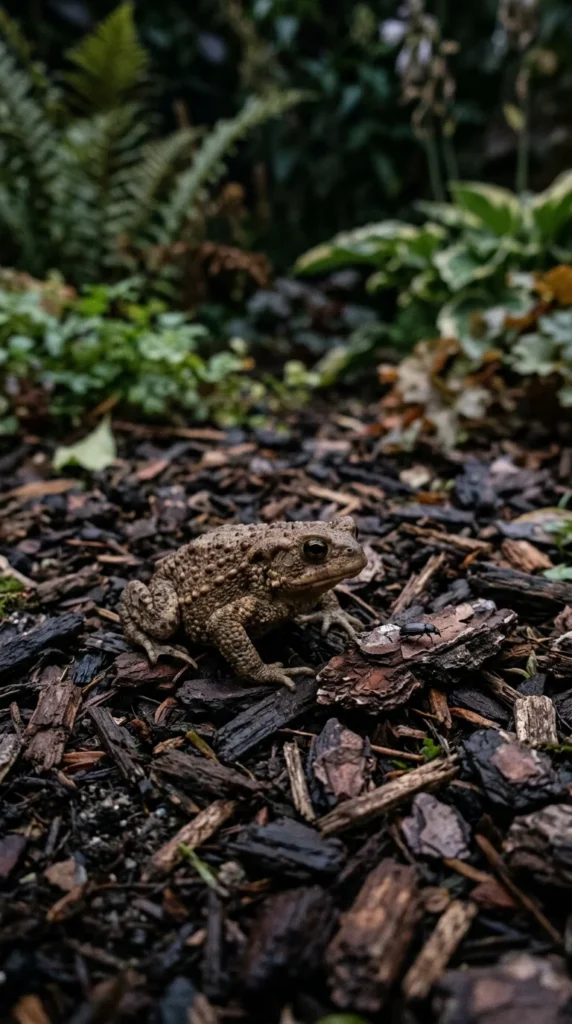
Most vegetables require at least six to eight hours of direct sunlight. Before you build your beds, spend a day “sun mapping” your yard. Observe where the shadows fall at 9 AM, noon, and 4 PM. Understanding the light patterns will help you place sun-loving tomatoes in the brightest spots while keeping shade-tolerant greens like spinach in the cooler, protected areas.
18. Thinning Seedlings
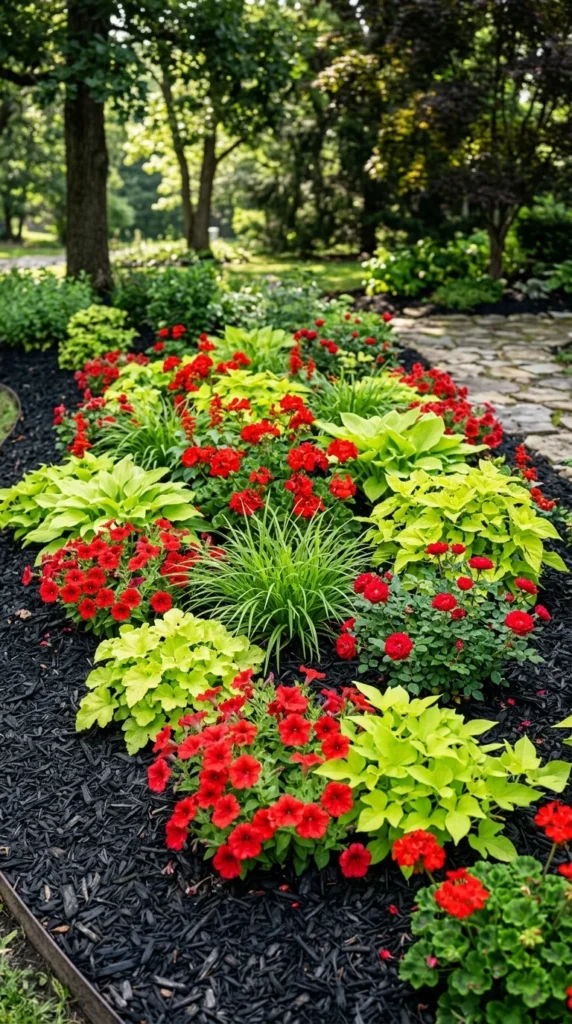
It can be painful for a beginner to pull out perfectly healthy little sprouts, but thinning is essential. If plants are crowded, they compete for light, water, and nutrients, resulting in stunted growth and poor air circulation. Follow the spacing instructions on your seed packets carefully. Proper spacing allows each plant to reach its full potential and stay healthy throughout the season.
19. Peak Harvest
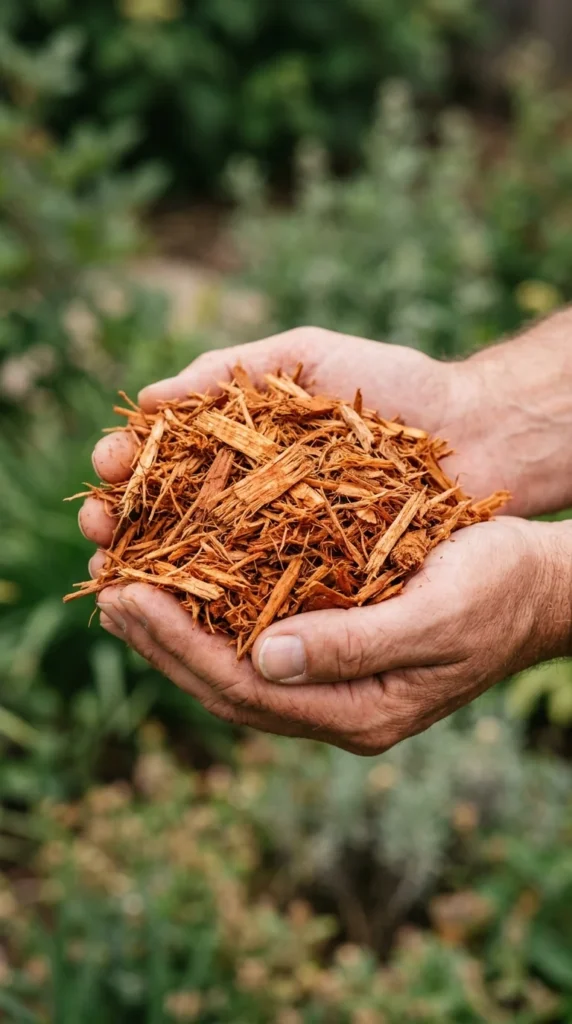
Knowing when to harvest is a skill that develops over time. For the best flavor and nutritional value, harvest vegetables when they are at their peak. Picking crops like beans, zucchini, and cucumbers frequently actually encourages the plant to produce more fruit. Use sharp shears to harvest rather than pulling, which can damage the delicate stems and roots of the plant.
20. Garden Journals
The best teacher in organic gardening is your own experience. Keep a garden journal to record what you planted, when you planted it, the weather conditions, and how different varieties performed. Note which pests appeared and what natural remedies worked. Over the years, this journal will become an invaluable guide tailored specifically to your unique microclimate and soil, turning you from a beginner into an expert.