Maintaining a thriving garden often feels like a constant battle against nature’s most persistent invaders. From aphids that drain the life from tender shoots to slugs that vanish into the night after devouring your hostas, pests are a reality for every gardener. However, the traditional approach of reaching for synthetic pesticides often does more harm than good. These chemicals can linger in the soil, contaminate groundwater, and—most detrimentally—kill the beneficial insects that serve as the garden’s natural defense force.
Natural pest control is not just about replacing a chemical spray with a homemade one; it is a holistic philosophy that focuses on creating a balanced ecosystem. By fostering biodiversity and using targeted, non-toxic interventions, you can protect your harvest while keeping your backyard safe for children, pets, and the local wildlife.
1. Healthy Soil
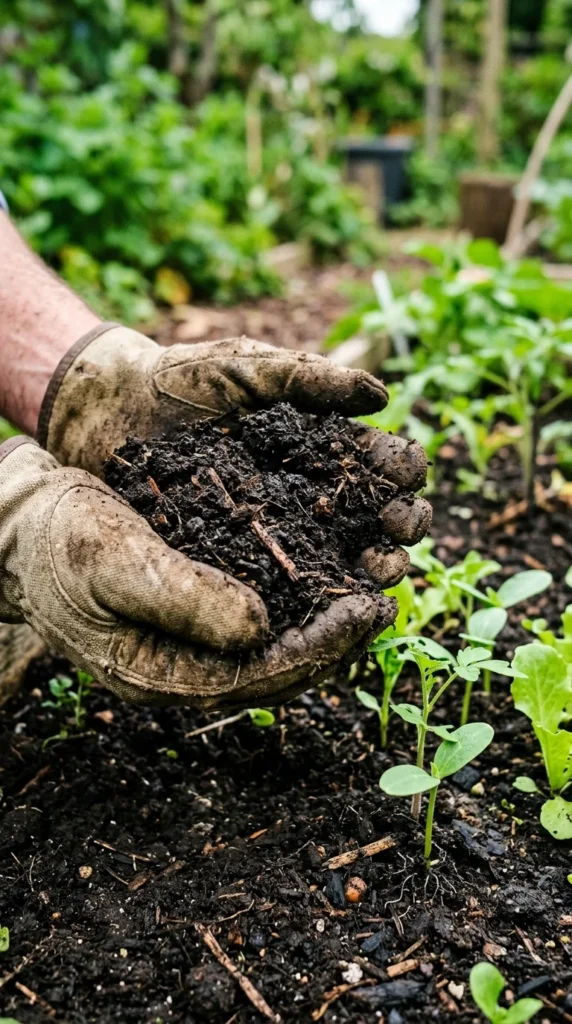
The first line of defense in any garden is the soil. Plants grown in nutrient-dense, well-aerated soil develop stronger cell walls and more robust immune systems, making them less attractive to pests and more capable of recovering from minor damage. When a plant is stressed by poor nutrition or drought, it emits chemical signals that actually attract insects. By regularly adding organic matter like compost, well-rotted manure, or leaf mold, you provide a steady supply of micro and macronutrients. This “bottom-up” approach ensures that your plants are resilient from the root up.
2. Companion Planting
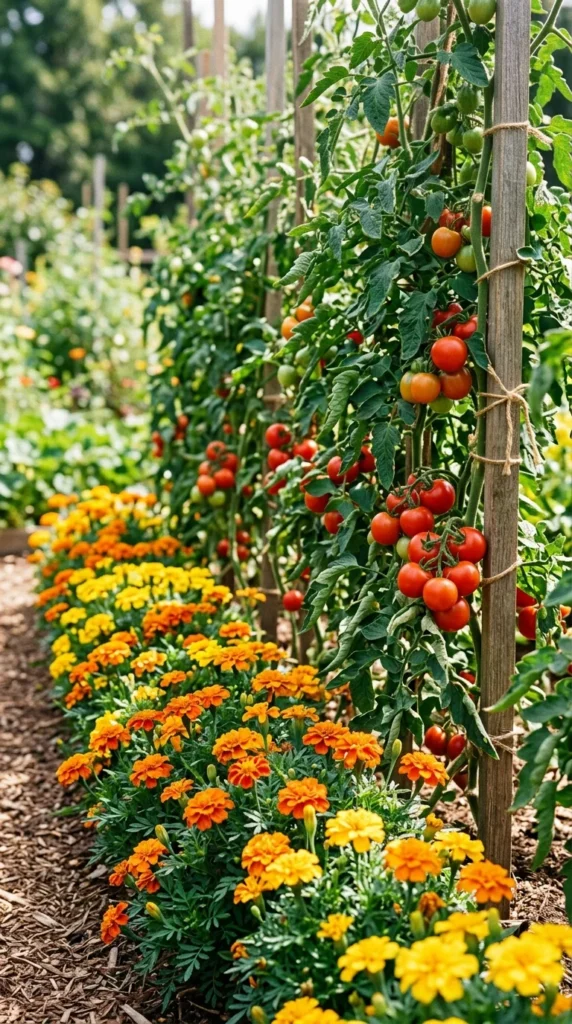
Companion planting is the strategic placement of different plant species to assist each other’s growth and pest management. For instance, planting marigolds near tomatoes is a classic technique because marigolds produce a scent that deters many common garden pests, including nematodes and whiteflies. Similarly, aromatic herbs like basil, mint, and rosemary can mask the scent of host plants, confusing pests that rely on their sense of smell to find a meal. Some companions act as “trap crops,” drawing pests away from your prized vegetables onto a less valuable plant that can then be removed or treated.
3. Beneficial Insects
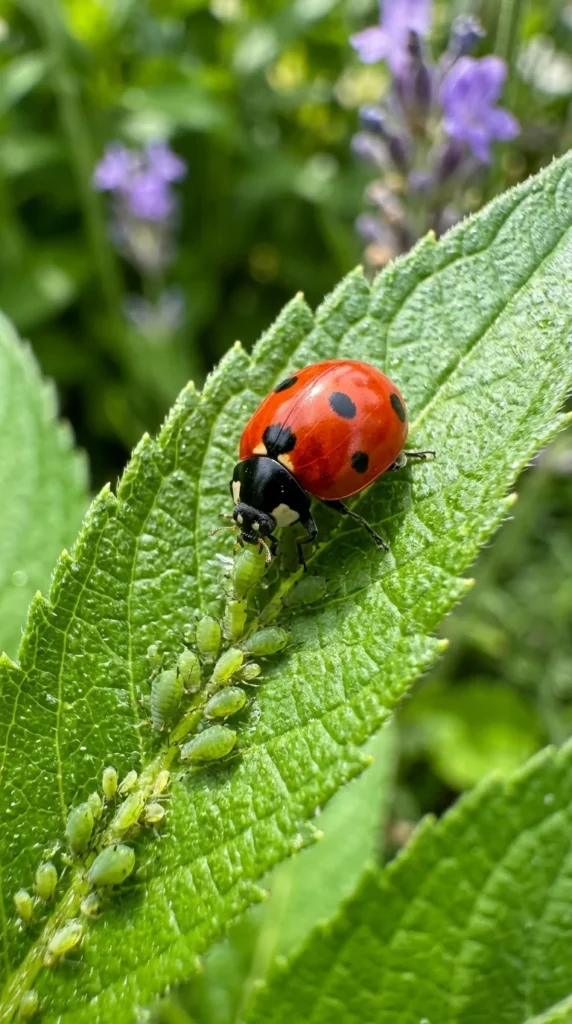
Not all bugs are bad. In a balanced garden, predatory insects do the heavy lifting of pest control. Ladybugs, lacewings, and hoverflies are voracious consumers of aphids and mites. Praying mantises and predatory wasps hunt larger pests like caterpillars and beetles. To attract these “garden heroes,” you must provide them with a habitat. Planting “insectary plants”—such as dill, fennel, yarrow, and cosmos—provides the nectar and pollen these beneficial insects need to survive when pest populations are low. Avoiding broad-spectrum pesticides is crucial, as these chemicals kill the “good bugs” just as easily as the “bad” ones.
4. Row Covers
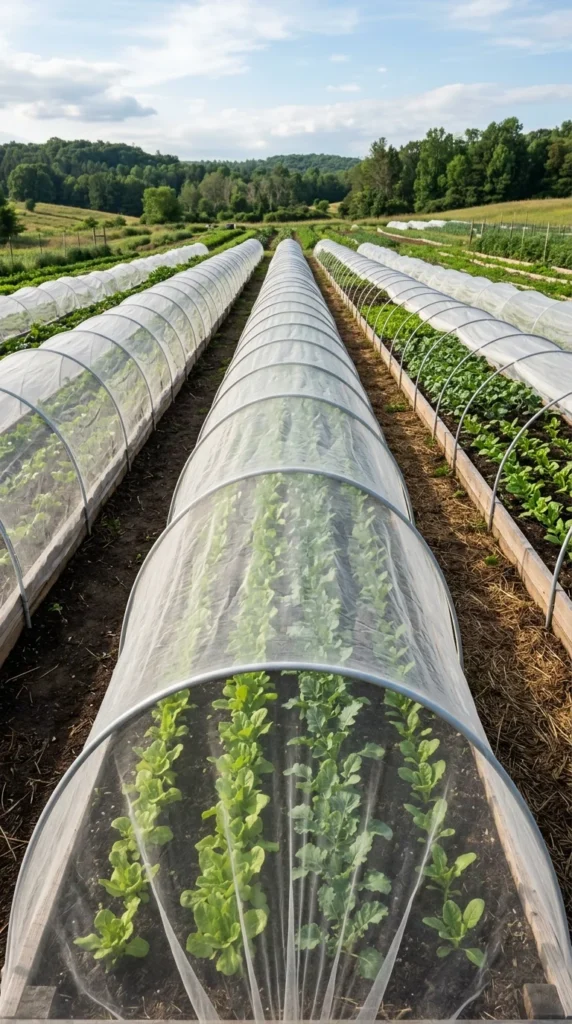
Physical barriers are one of the most effective ways to prevent pest infestations before they start. Floating row covers are lightweight, breathable fabrics that allow light and water to reach the plants while creating a physical wall against egg-laying insects. This is particularly effective for protecting brassicas (like broccoli and cabbage) from the cabbage white butterfly or preventing leaf miners from reaching your spinach. For this method to work, it is essential to secure the edges of the fabric to the ground and ensure that you are not accidentally trapping pests inside the cover.
5. Handpicking
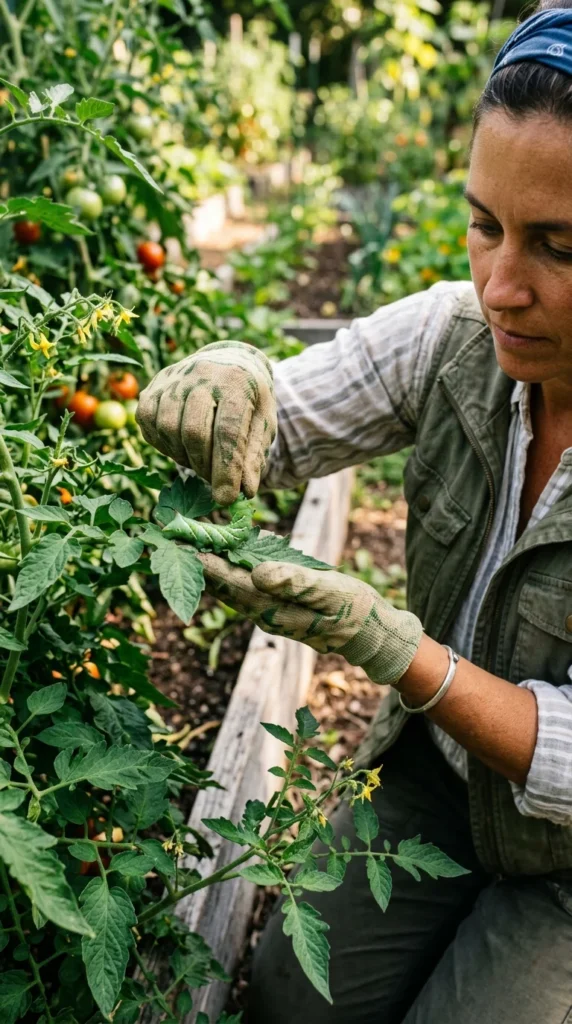
While it may be time-consuming, handpicking is the most direct and eco-friendly way to manage larger pests. For gardeners with a small to medium-sized plot, a daily morning walk to inspect plants can catch infestations in their infancy. Pests like Japanese beetles, tomato hornworms, and squash bugs are easy to spot and can be dropped into a bucket of soapy water to be disposed of humanely. Turning over leaves to check for bright orange or yellow egg clusters allows you to stop the next generation of pests before they even hatch.
6. Neem Oil
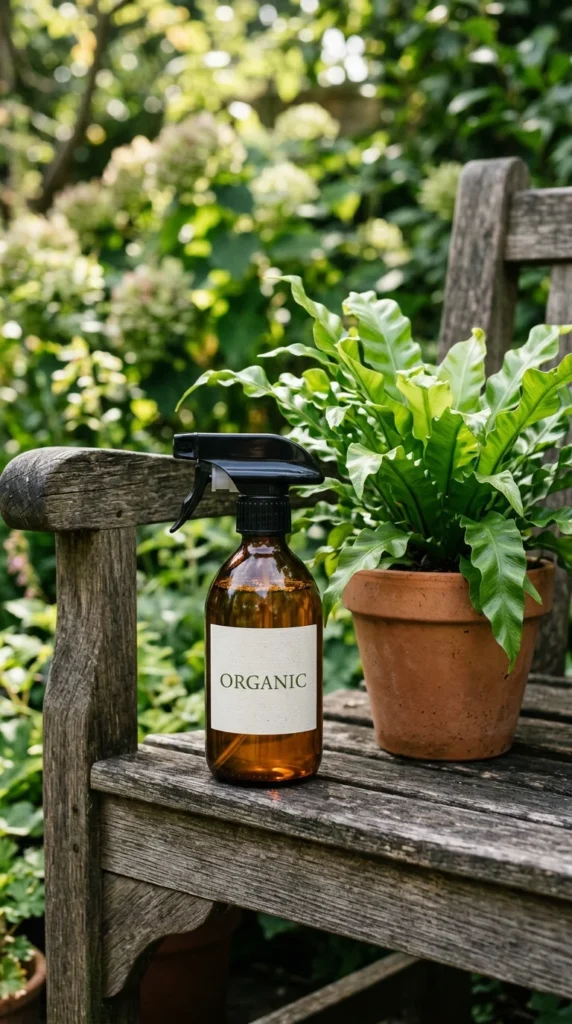
Derived from the seeds of the neem tree, neem oil is a powerful botanical pesticide that works in multiple ways. It contains azadirachtin, which disrupts the hormonal systems of insects, preventing them from feeding, molting, or laying eggs. It also acts as a repellent and a fungicide. Unlike synthetic chemicals, neem oil is biodegradable and generally safe for birds and mammals. However, it should be applied in the late evening or early morning to avoid contact with bees and other pollinators, and it must be diluted according to instructions to prevent leaf burn on sensitive plants.
7. Diatomaceous Earth
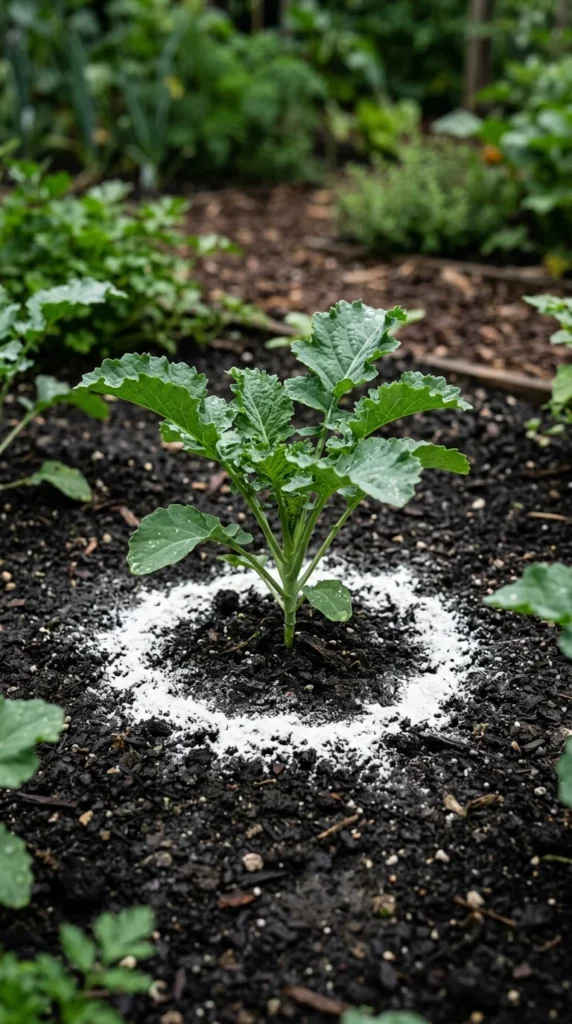
Diatomaceous Earth (DE) is a non-toxic powder made from the fossilized remains of tiny aquatic organisms called diatoms. While it feels like soft flour to humans, on a microscopic level, the particles are razor-sharp. When crawling insects like slugs, ants, or earwigs come into contact with DE, it pierces their exoskeletons, causing them to dehydrate and die. DE is a mechanical killer, meaning insects cannot develop a resistance to it. To be effective, it must be applied to dry soil and reapplied after heavy rain or watering. Always use “food grade” DE to ensure safety for pets and humans.
8. Garlic Spray
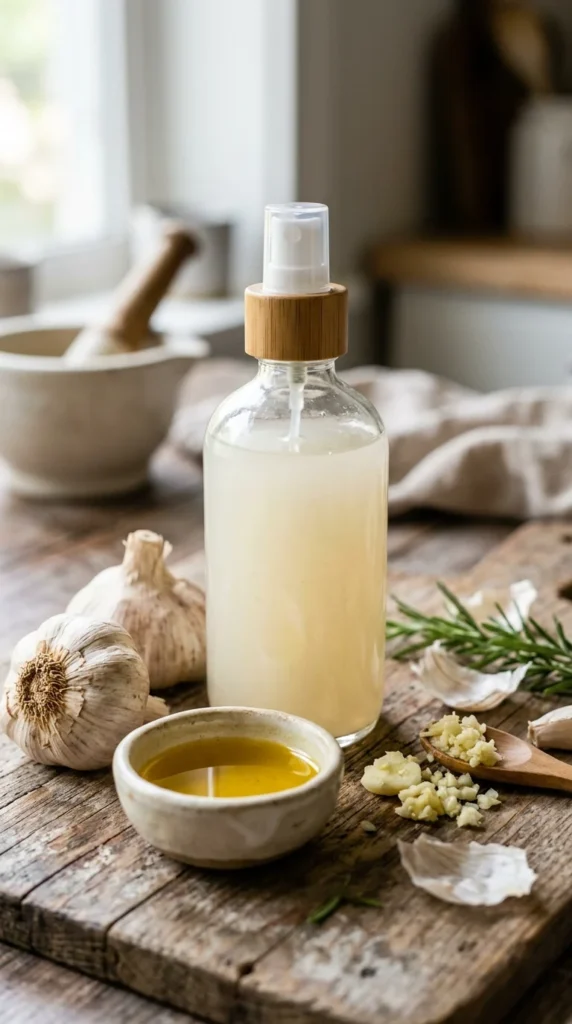
Garlic is a potent natural deterrent that can be turned into a simple, effective spray. The strong sulfur compounds in garlic are highly repulsive to many pests, including aphids, whiteflies, and even deer or rabbits. To make a basic spray, blend several cloves of garlic with water, let it sit overnight, strain the liquid, and mix it with a few drops of dish soap to help it adhere to foliage. Spraying this mixture on the leaves of your plants creates an invisible “scent barrier” that discourages pests from settling in.
9. Insecticidal Soap
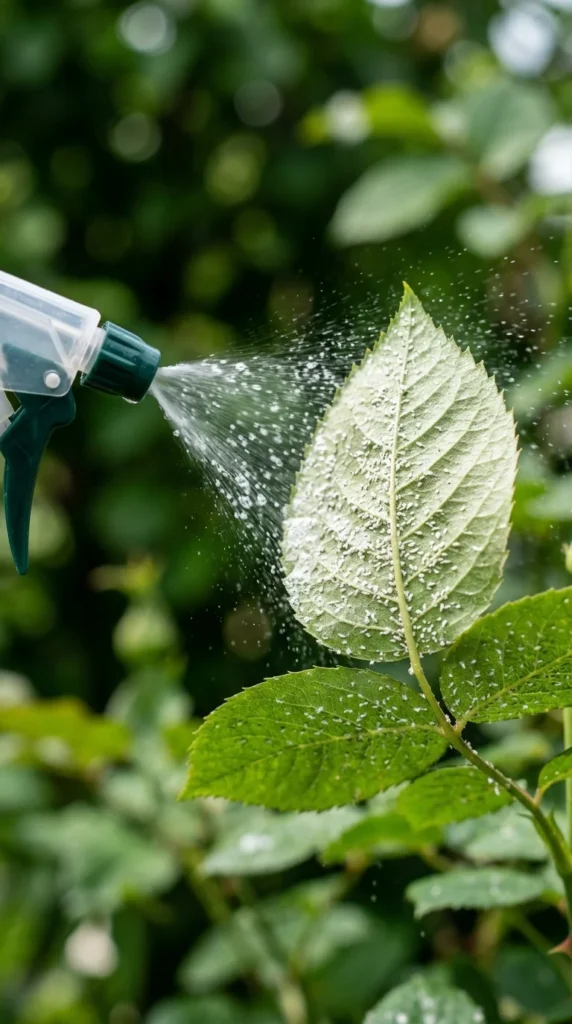
Insecticidal soaps are specially formulated to kill soft-bodied insects like spider mites, thrips, and mealybugs. The fatty acids in the soap dissolve the outer protective layer of the insect, leading to rapid dehydration. You can purchase commercial organic soaps or make your own using a small amount of mild, biodegradable liquid soap mixed with water. It is important to spray the insects directly, as the soap has no residual effect once it dries. Always test a small area of the plant first to ensure the soap doesn’t damage the leaves.
10. Pheromone Traps
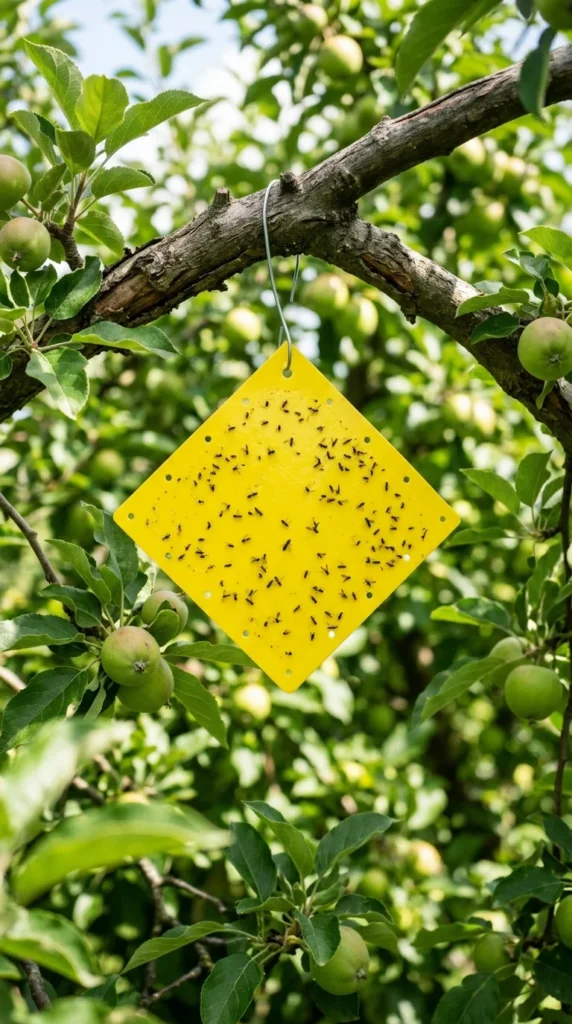
Pheromone traps use the power of attraction to manage pest populations. These traps release synthetic versions of the scents that insects use to find mates. Male insects are lured into the trap, where they become stuck to an adhesive surface or fall into a collection chamber. While these traps are rarely enough to eliminate an entire infestation on their own, they are invaluable for “monitoring.” By checking the traps, a gardener can identify which pests are present and when their population is peaking, allowing for more precise timing of other natural treatments.
11. Biological Control
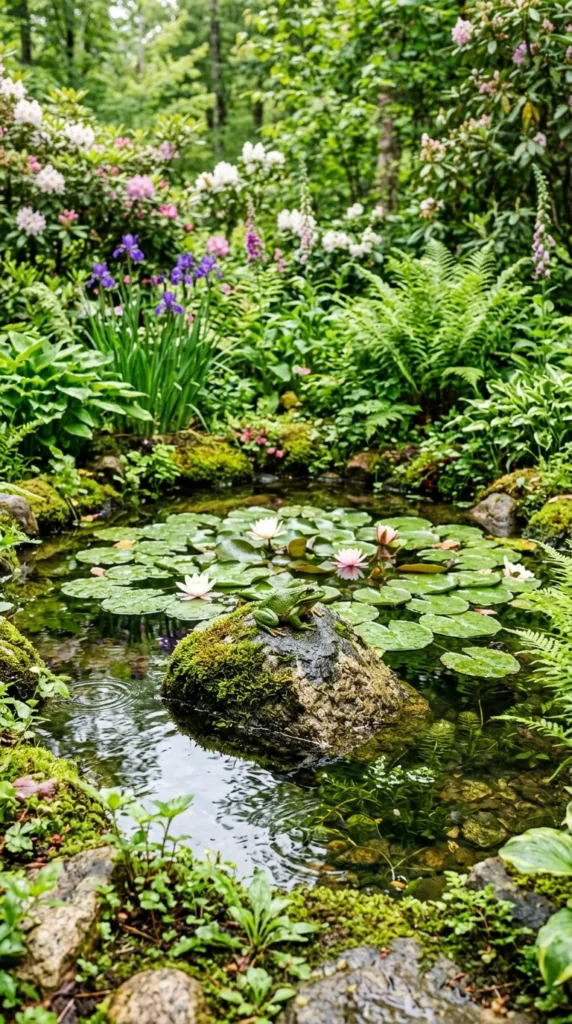
Beyond insects, you can enlist the help of larger animals to keep pests in check. Encouraging birds, frogs, toads, and bats to take up residence in your garden can significantly reduce insect numbers. A small water feature or pond will attract amphibians that feast on slugs and snails. Placing birdhouses or feeders nearby will bring in chickadees and wrens that hunt for caterpillars to feed their young. By viewing your garden as a sanctuary for all life, you create a self-regulating system where no single pest can dominate for long.
12. Biodiversity
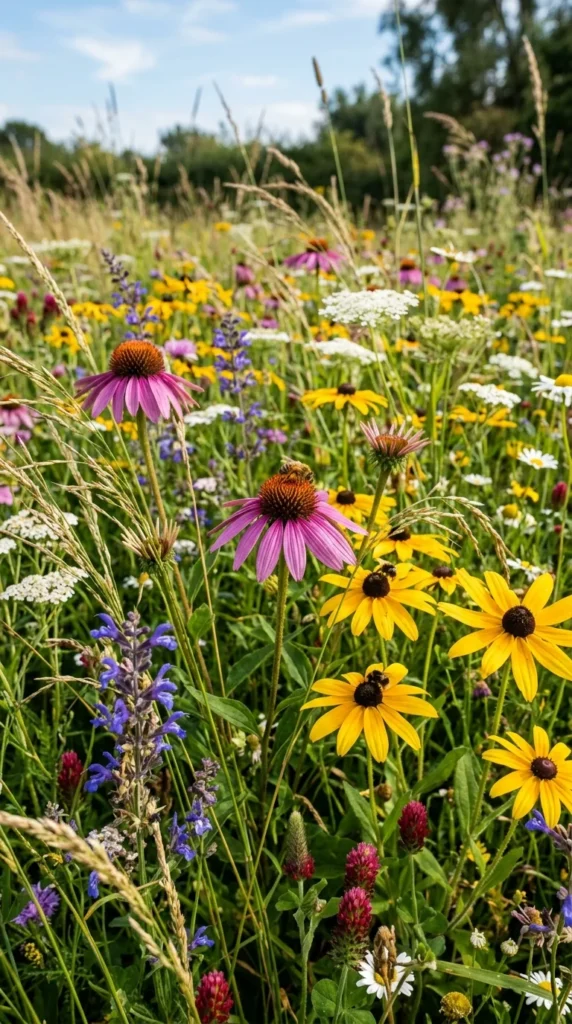
Monoculture—the practice of growing only one type of plant—is an open invitation for pests to feast. If a pest finds a massive field of its favorite food, its population will explode. In contrast, a biodiverse garden mimics a natural ecosystem. By mixing vegetables, flowers, shrubs, and herbs, you make it much harder for pests to find their host plants. Diversity also ensures that if one plant species is attacked, others will remain healthy, preserving the overall integrity of your garden. A “messy” garden with a variety of textures and heights provides the niche habitats necessary for a complex and resilient food web.