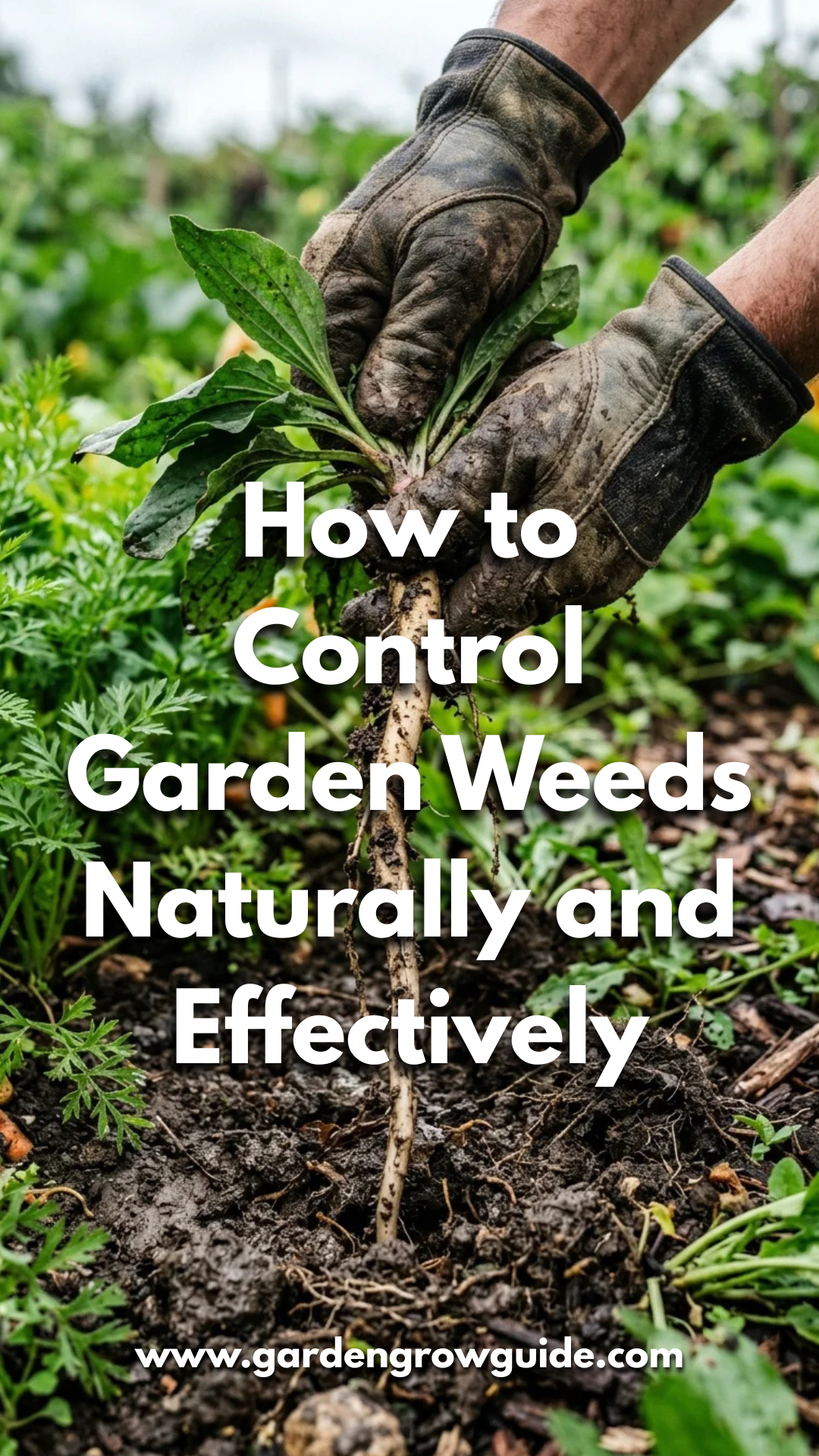
Maintaining a pristine garden is the dream of every horticultural enthusiast, yet the persistent arrival of weeds often feels like an uphill battle. Weeds compete with your prized vegetables and flowers for essential nutrients, water, and sunlight. While chemical herbicides offer a quick fix, they often come with environmental costs, potentially harming beneficial insects, soil health, and even the safety of your harvest.
Transitioning to natural weed control is not just about being eco-friendly; it is about building a resilient ecosystem where the soil is protected and the plants thrive. By understanding the biology of weeds and employing a multi-faceted approach, you can manage your garden effectively without the use of synthetic toxins.
1. Mulching
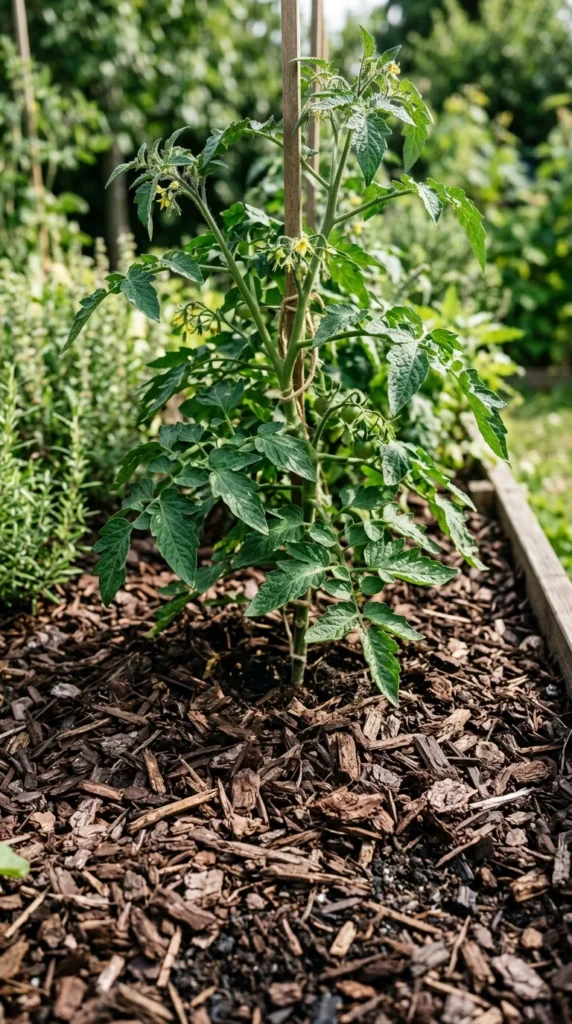
Mulching is arguably the most effective natural defense against weeds. By covering the soil surface with a thick layer of organic material, you create a physical barrier that prevents weed seeds from reaching the soil and blocks sunlight from reaching those already buried.
To mulch effectively, apply a layer roughly two to four inches thick. Organic options include wood chips, straw, shredded leaves, or grass clippings (provided they haven’t been treated with chemicals). Over time, these materials decompose, enriching the soil with organic matter and improving its structure. For a more aggressive approach, you can lay down sheets of plain brown cardboard or several layers of newspaper before adding the mulch on top. This “sheet mulching” technique smothers even the most stubborn perennial weeds by depriving them of light.
2. Crowding
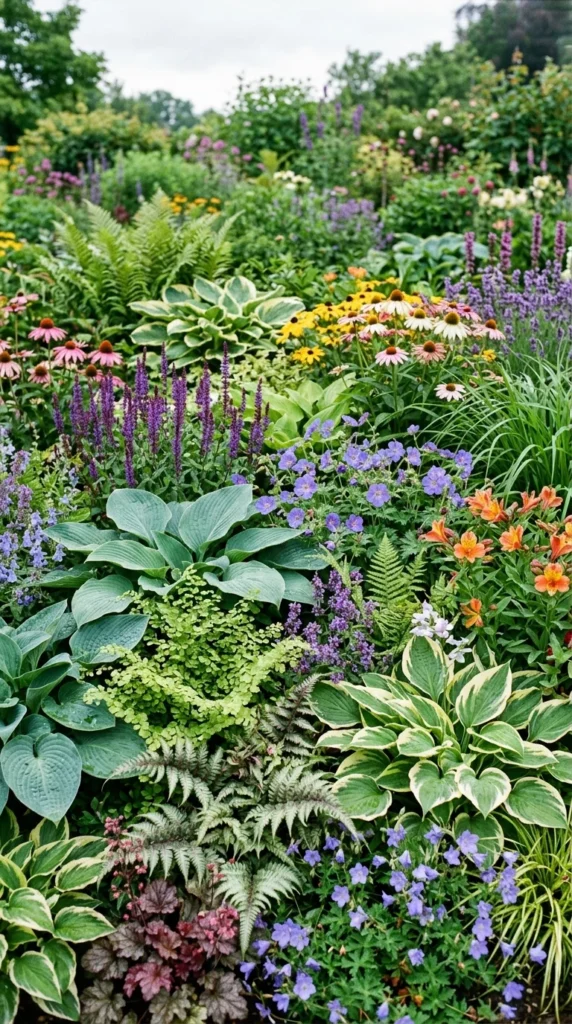
Nature abhors a vacuum. When you leave patches of bare soil in your garden, you are essentially rolling out a red carpet for opportunistic weed seeds. One of the most effective cultural controls is “intensive planting” or crowding. By spacing your plants so that their leaves touch at maturity, you create a living canopy that shades the ground.
When the soil is shaded, weed seeds are less likely to germinate, and those that do will struggle to grow without adequate light. This method is particularly effective in raised beds and flower borders. Using companion planting—pairing taller plants with lower-growing “living mulches” like clover or creeping thyme—can fill every available niche, leaving no room for unwanted invaders.
3. Hoeing
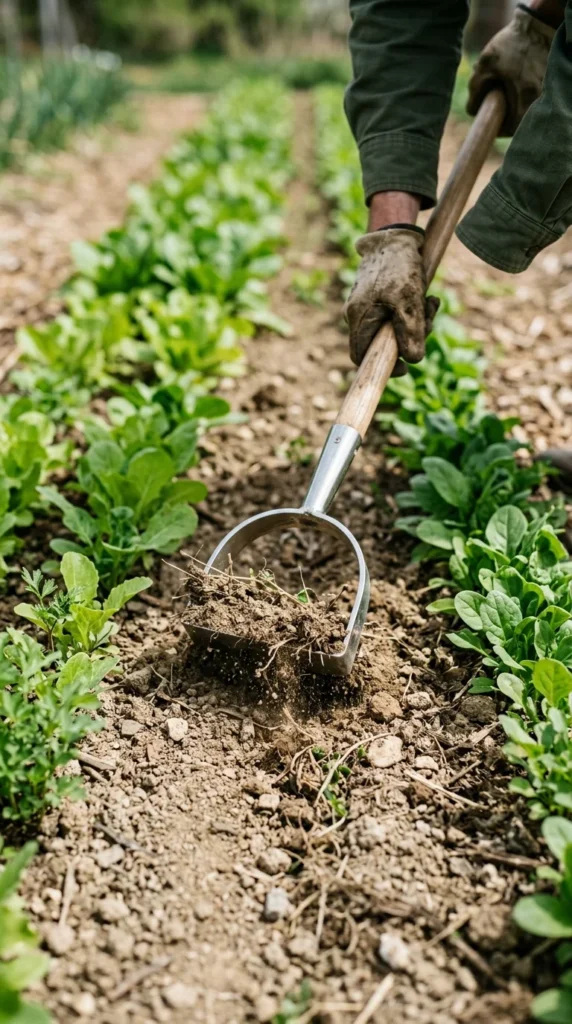
For many gardeners, the hoe is the primary weapon in the fight against weeds. This traditional tool is exceptionally effective when used correctly. The key to successful hoeing is to do it early and often, ideally when weeds are in their “thread stage”—small, white, and barely visible.
Using a sharp hoe allows you to slice through the roots just below the soil surface. It is best to hoe on a sunny, dry day. By severing the weeds and leaving them on the surface, the sun will quickly wither and kill them, preventing them from re-establishing. Avoid digging too deep, as this can bring dormant weed seeds to the surface, inadvertently causing a new flush of growth.
4. Vinegar
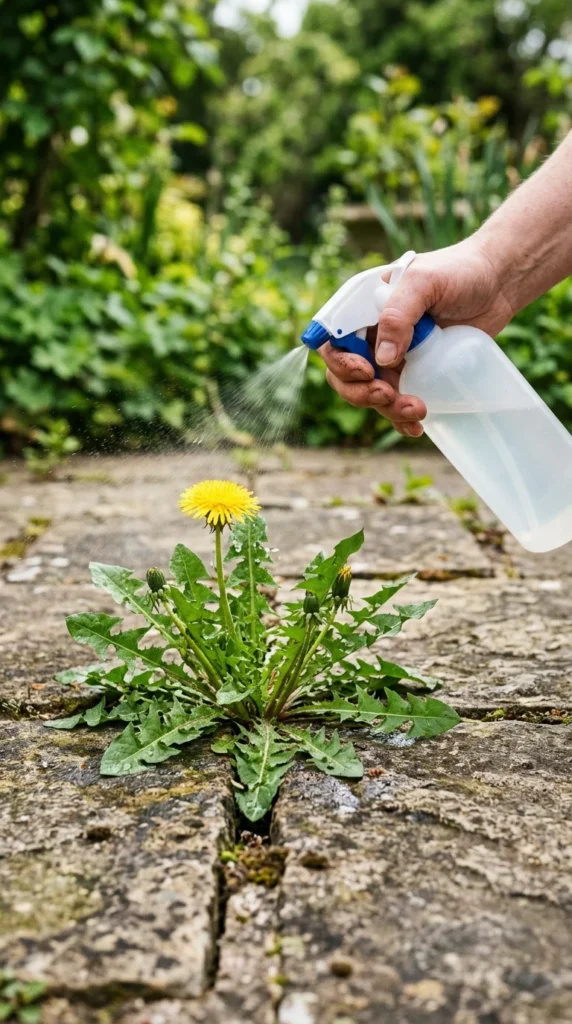
Horticultural vinegar, which has a higher concentration of acetic acid (typically 20%) than household vinegar (5%), is a potent natural contact herbicide. It works by drawing the moisture out of the plant’s leaves, causing it to dehydrate and die within hours.
Because vinegar is non-selective, it will damage any plant it touches, so it must be applied with precision. It is most effective on young, annual weeds and works best in full sun. For tougher perennial weeds, multiple applications may be necessary as the vinegar does not typically kill the root system. Adding a small amount of liquid dish soap to the mixture helps the vinegar “stick” to the waxy surface of the weed leaves.
5. Boiling Water
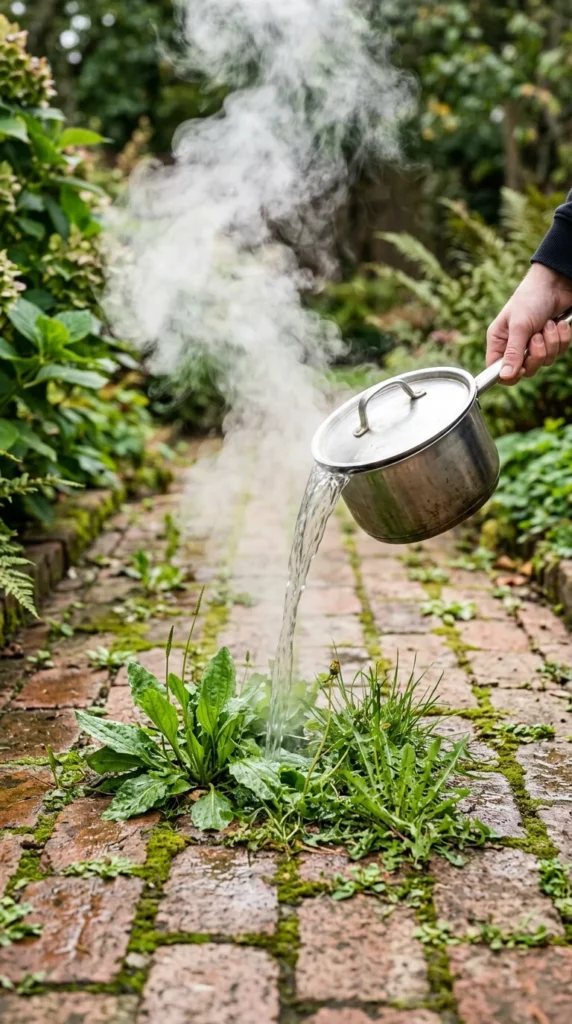
One of the simplest and most cost-effective ways to kill weeds in non-planted areas is by using boiling water. This method is particularly useful for weeds growing in sidewalk cracks, driveway crevices, or between paving stones where you don’t have to worry about neighboring plants.
The scalding water essentially cooks the plant tissues, leading to immediate collapse. While it may not always kill deep-rooted perennial weeds in one go, it is a devastating blow to annuals. It is an excellent “zero-residue” solution for high-traffic areas where pets or children play.
6. Hand Pulling
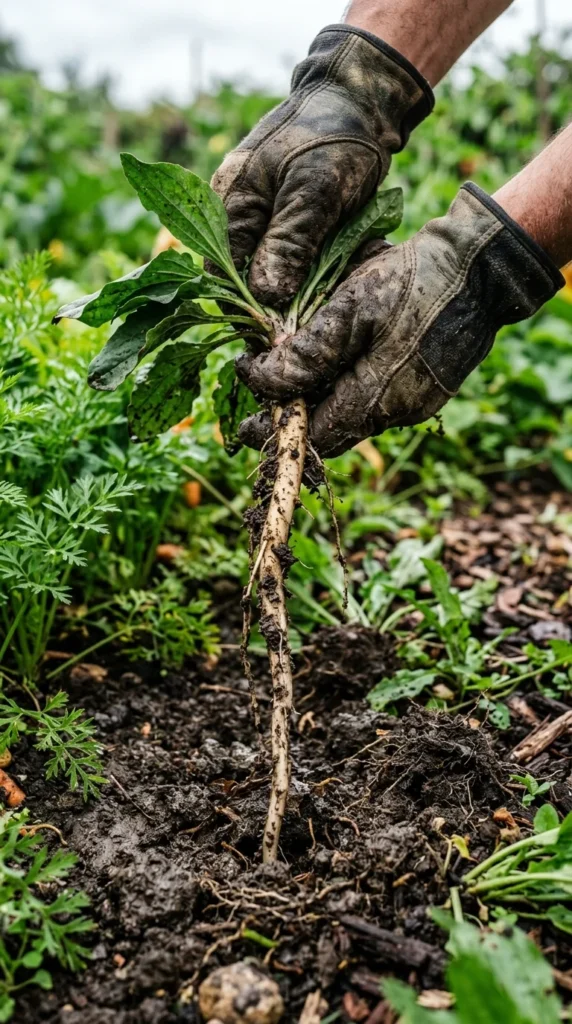
While it is the most labor-intensive method, hand pulling remains the most precise way to remove weeds, especially those growing close to your desired plants. The secret to effective hand pulling is timing: “Pull when wet, hoe when dry.” After a rain or a deep watering, the soil is loose, making it much easier to extract the entire root system.
For weeds with long taproots, like dandelions or dock, use a hand weeder or a fishtail tool to reach deep into the soil. If you leave even a small portion of the root behind, many weeds can regenerate. Consistent hand pulling before the weeds go to seed will significantly reduce the weed seed bank in your soil over time.
7. Corn Gluten
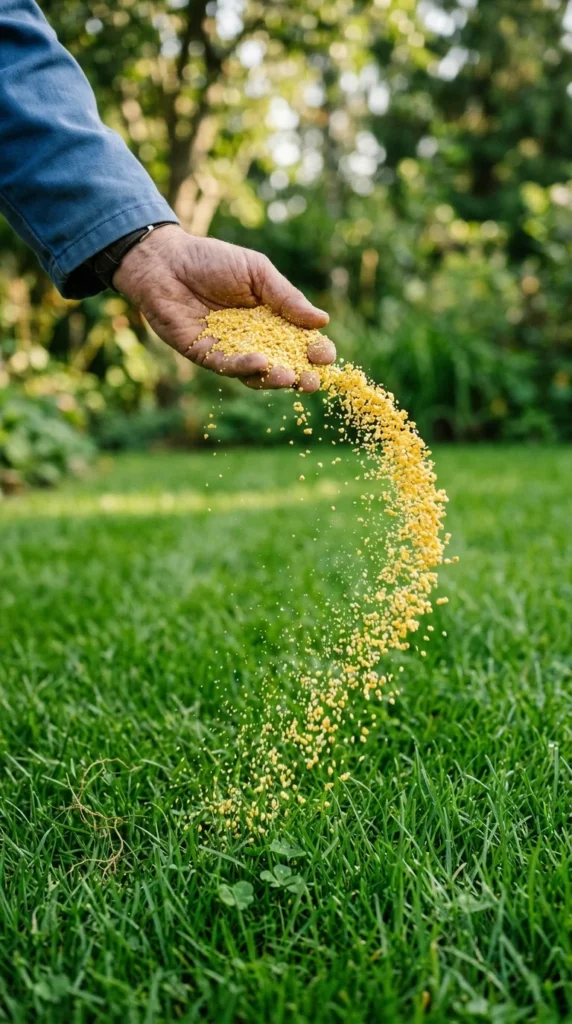
Corn gluten meal is a natural byproduct of the corn milling process and serves as a powerful pre-emergent herbicide. It contains peptides that inhibit the root development of germinating seeds. When applied to a lawn or garden bed, it prevents new weeds from establishing themselves.
It is important to note that corn gluten only works on seeds; it will not kill established plants. Therefore, it should be applied in early spring before the soil temperatures rise enough for weed seeds to sprout. As an added bonus, corn gluten is high in nitrogen (about 10% by weight), so it acts as a slow-release fertilizer for your grass or existing garden plants.
8. Ground Covers
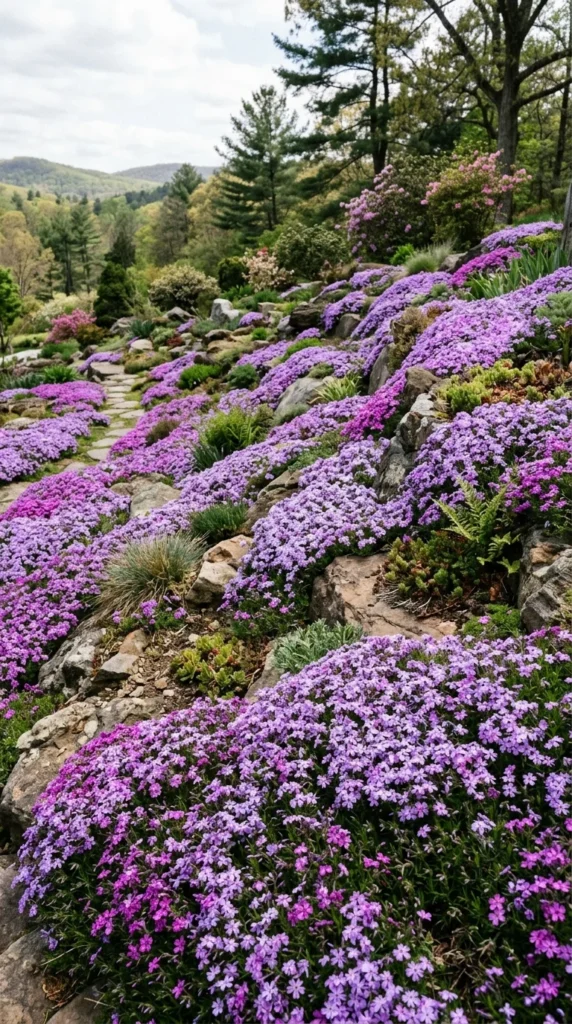
Instead of fighting nature to keep the ground bare, you can choose what grows there. Planting aggressive but desirable ground covers is a “proactive” weed control strategy. These plants spread quickly to form a dense mat that outcompetes weeds for space and resources.
Choices like ajuga, sedum, or wild ginger create beautiful, low-maintenance landscapes. In vegetable gardens, using “cover crops” like winter rye or clover during the off-season keeps the soil occupied, prevents erosion, and suppresses weeds. When you are ready to plant your vegetables, these cover crops can be tilled back into the earth to provide a green manure boost.
9. Drip Irrigation
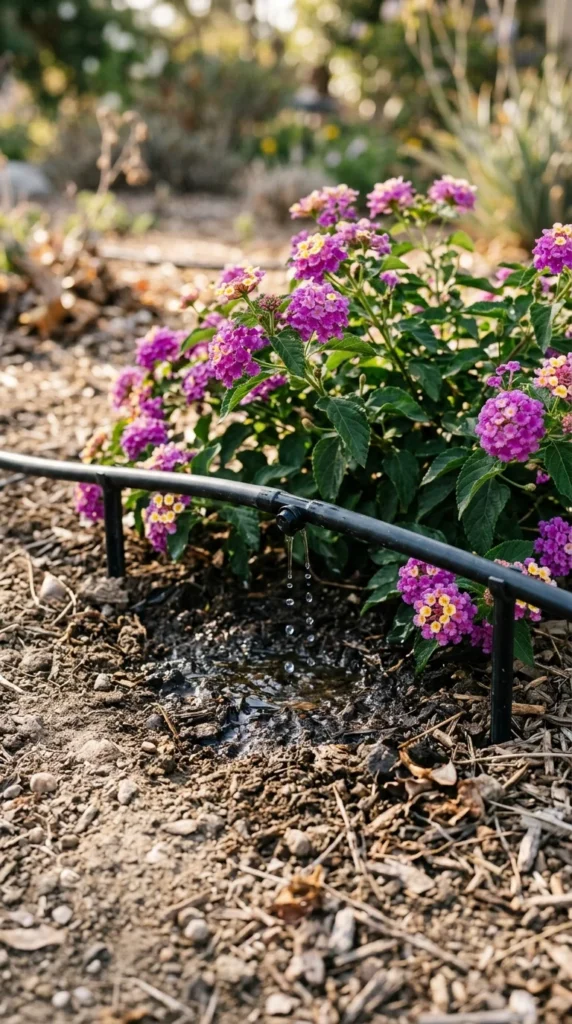
Weeds need water just as much as your vegetables do. If you use overhead sprinklers, you are watering the entire garden bed, including the spaces where weeds are waiting to sprout. By switching to drip irrigation or soaker hoses, you can deliver water directly to the root zones of your desired plants.
By keeping the surrounding soil dry, you create a hostile environment for weed seeds. This targeted watering approach not only conserves water but also significantly reduces the labor required for weeding. It is a “starvation” tactic that keeps the “good” plants hydrated while the “bad” ones struggle in the dry earth.
10. Flame Weeding
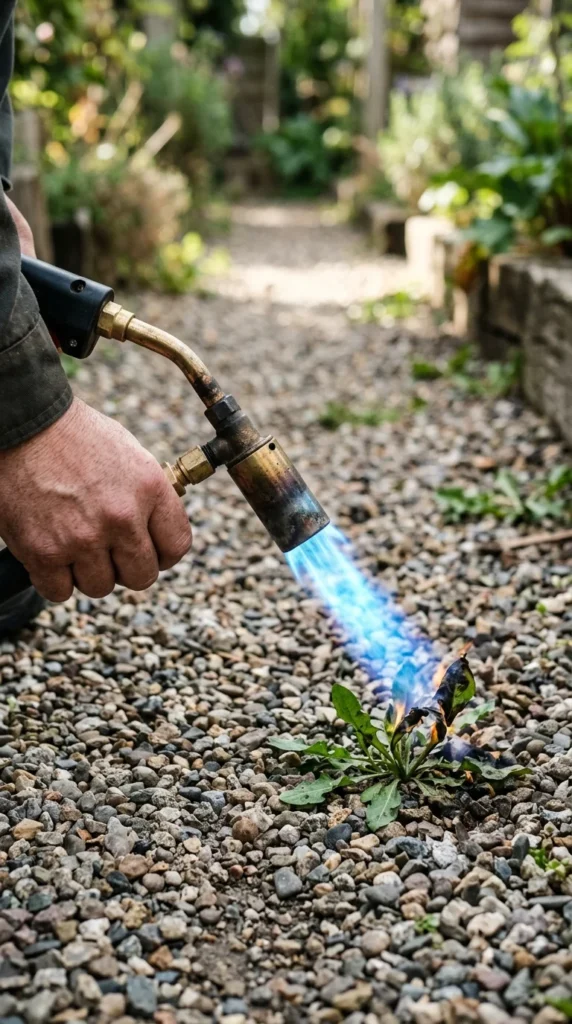
Flame weeding is a high-tech natural solution that uses heat to kill weeds. You don’t actually need to burn the weed to a crisp; you only need to pass the flame over the plant for a split second. The intense heat causes the water inside the plant cells to expand and burst, killing the plant instantly.
This method is highly effective for large areas of gravel or for “stale seedbed” preparation in vegetable gardens (flaming the soil surface just before your vegetable seeds sprout). It is incredibly satisfying and fast, but it must be used with extreme caution during dry spells or in areas with flammable mulch or wooden structures. Always keep a hose nearby when using a flame weeder.