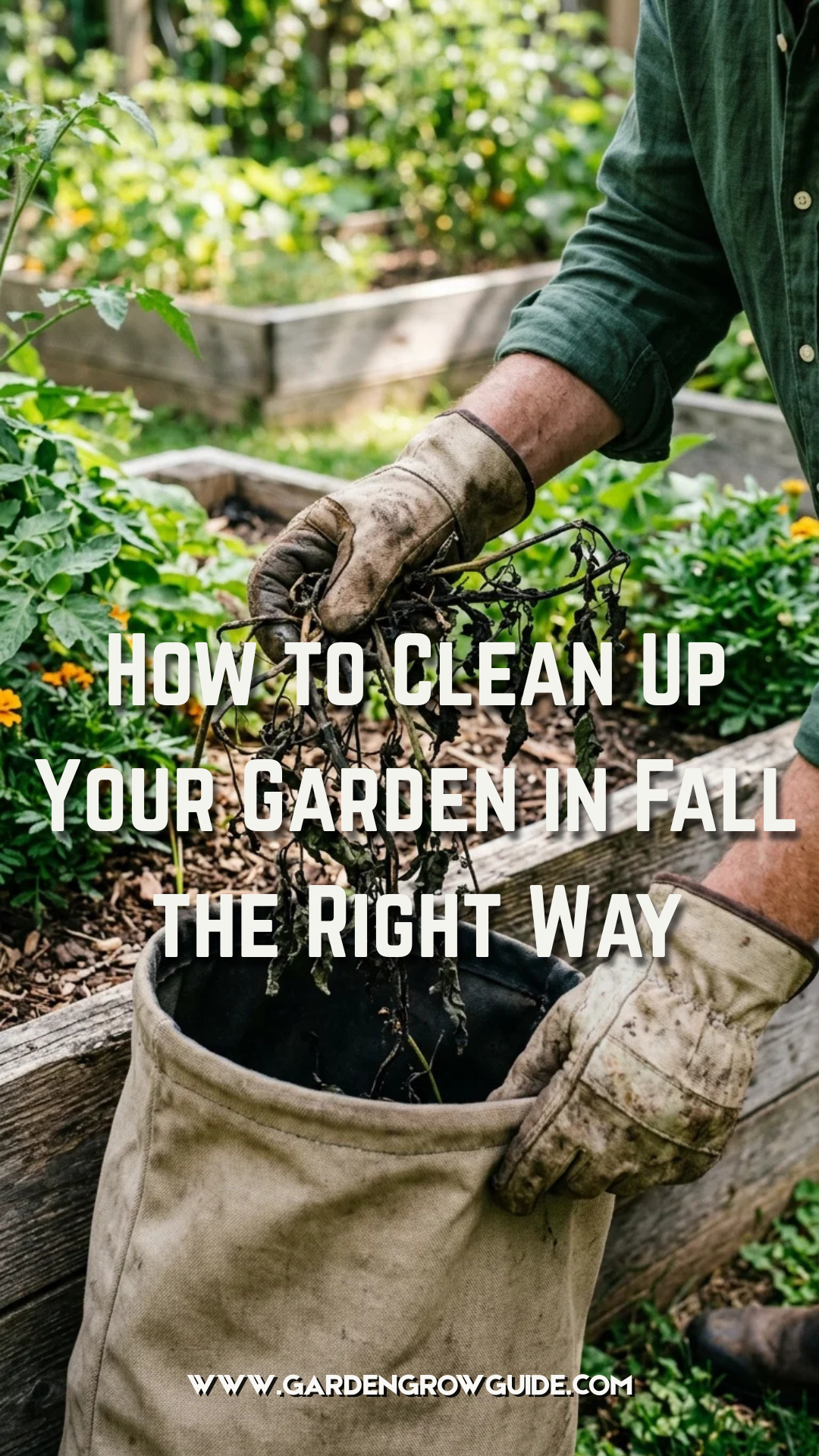
As the vibrant colors of summer fade into the earthy tones of autumn, the garden undergoes a significant transition. For many gardeners, fall signals the end of the growing season, but it is actually one of the most critical times for intervention. A “right” fall cleanup isn’t just about making the yard look tidy; it’s about protecting your soil, preventing disease, and setting the stage for a spectacular spring.
Many beginners make the mistake of either doing too much—stripping the garden bare and leaving it vulnerable—or doing too little, allowing pests and pathogens to overwinter. By following a strategic approach that balances aesthetics with ecological health, you can ensure your garden remains a thriving ecosystem year-round.
1. Debris
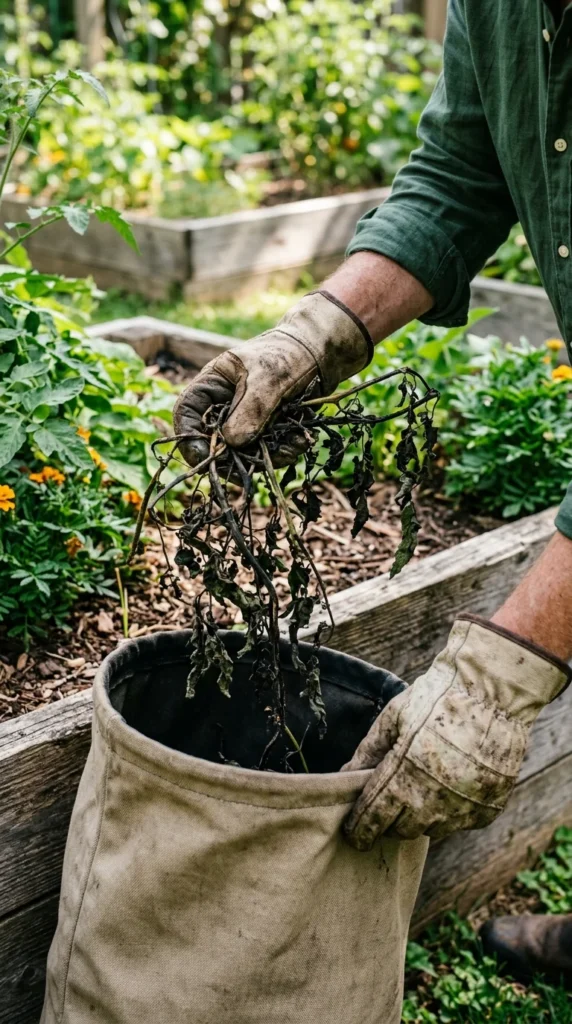
The first step in any fall cleanup is the removal of spent vegetation. However, not all debris is created equal. You must distinguish between “healthy” waste and “diseased” waste.
- Remove Diseased Plants: Any plants that suffered from blight, powdery mildew, or pest infestations (like squash bugs or aphids) must be removed immediately. Do not compost these; the heat of a home compost pile often isn’t high enough to kill the pathogens, meaning you’ll just spread the disease back into your garden next year.
- Clear Vegetable Beds: Remove old tomato vines, bean stalks, and pepper plants. These can harbor rot if left to sit in the damp fall rain.
- Leave the Healthy Stuff: If a plant was healthy, consider leaving some of the stalks. Dead wood and hollow stems provide vital overwintering habitats for beneficial insects like solitary bees.
2. Soil
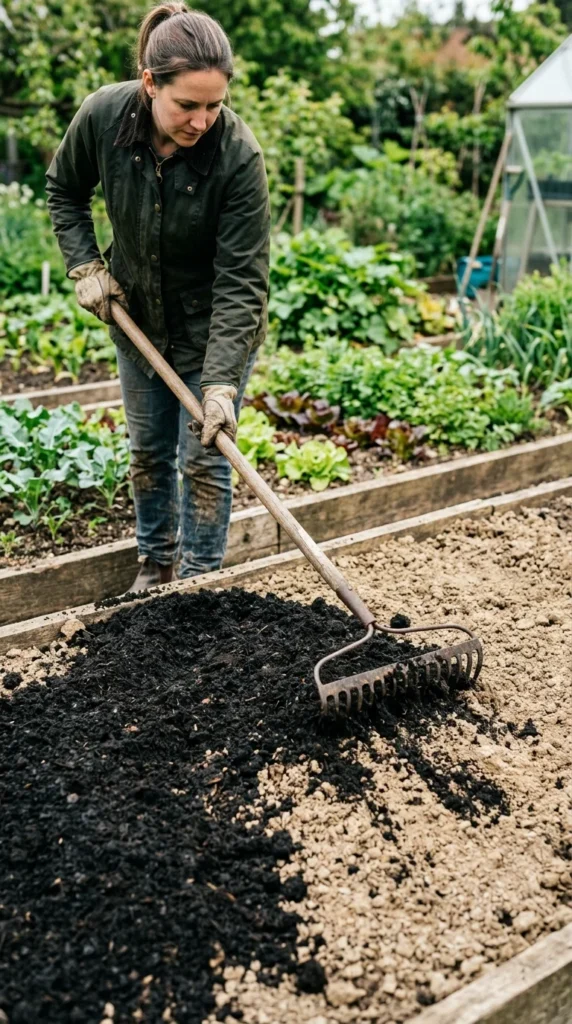
Fall is the absolute best time to feed your soil. While many people wait until spring to fertilize, adding nutrients in the fall allows them to break down and integrate with the soil structure over the winter.
- Top-Dressing: Apply a 2-to-3-inch layer of well-rotted compost or manure over your garden beds. You don’t need to till it in; the worms and rain will do the work for you.
- pH Testing: If you’ve noticed struggling plants, fall is the time to test your soil pH. If you need to add lime (to raise pH) or sulfur (to lower it), doing so now gives the amendments months to react with the soil chemistry before the next planting season.
- Avoid Synthetic Fertilizer: Avoid high-nitrogen synthetic fertilizers in late fall, as they can trigger a flush of new growth that will be instantly killed by the first hard frost, stressing the plant.
3. Perennials
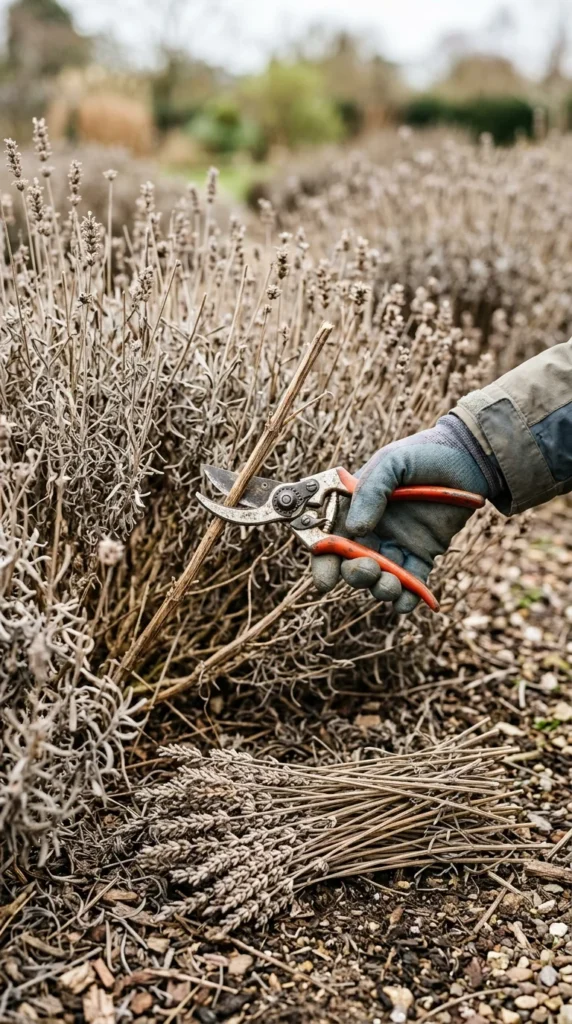
Managing perennials is a balancing act between protecting the plant and keeping the garden neat.
- To Cut or Not to Cut: Some perennials, like Hostas and Daylilies, become mushy and unsightly after a frost. These should be cut back to about 2-3 inches above the soil. Others, like Coneflowers (Echinacea) or Sedum, have sturdy seed heads that provide food for birds and visual interest in the winter snow. Leave these standing until late winter.
- Dividing: Early fall is an excellent time to divide overgrown perennials like Irises or Peonies. Dig up the root ball, split it with a sharp spade, and replant the sections. This invigorates the plant and gives you free additions to your landscape.
4. Bulbs
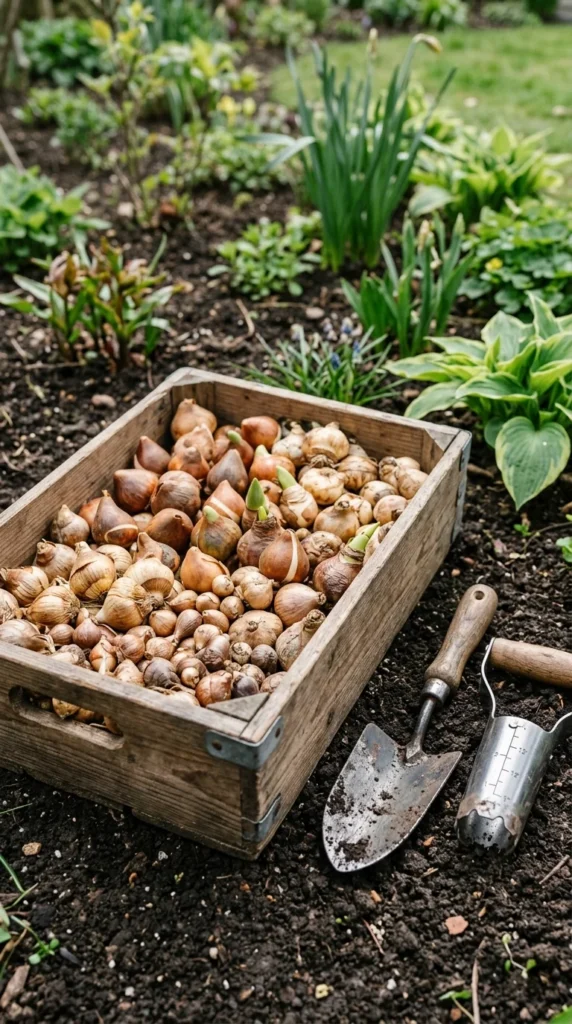
If you want a burst of color in March and April, the work starts in October and November. Fall is the window for planting spring-blooming bulbs.
- Chilled Success: Bulbs like Tulips, Daffodils, Hyacinths, and Alliums require a period of cold dormancy to trigger flower production.
- Planting Depth: A general rule of thumb is to plant bulbs three times as deep as the bulb is tall. Pointy side always goes up!
- Protection: If squirrels are a problem, place a bit of hardware cloth or chicken wire over the planting area and cover it with mulch. This prevents them from digging up your future flowers.
5. Leaves
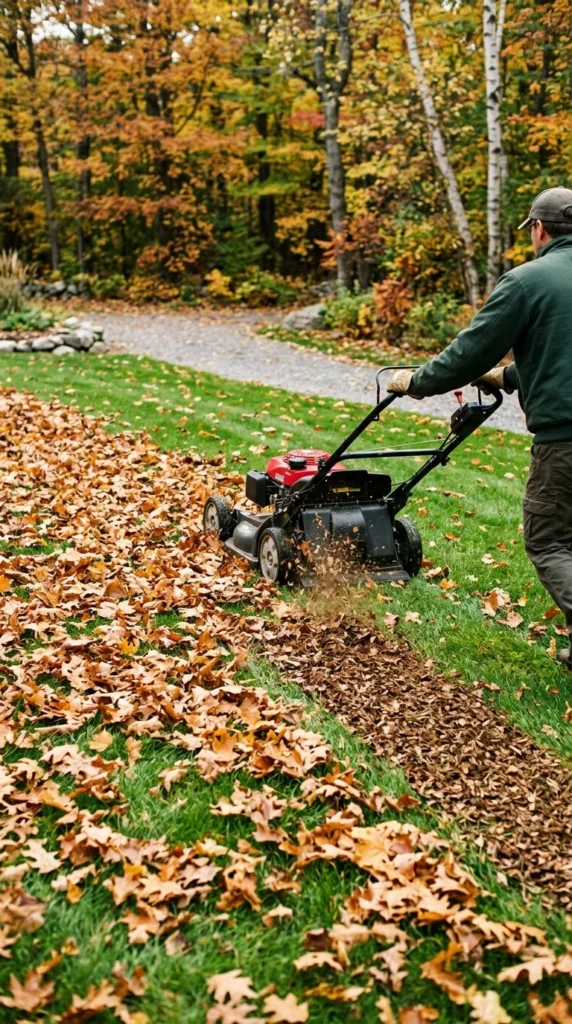
In the past, the standard advice was to rake, bag, and dispose of every single leaf. Modern horticultural science suggests a “Leave the Leaves” approach—with a few caveats.
- Mulch Mowing: Instead of raking leaves off your lawn, run over them with a mulching mower. This breaks them into tiny pieces that fall between the grass blades, providing a free nitrogen boost to your turf.
- Leaf Mold: Pile extra leaves in a corner of the yard to create “leaf mold.” Over two years, they break down into a soil conditioner that is unparalleled for moisture retention.
- Smothering Prevention: Do not leave thick, matted layers of whole leaves on your lawn or over delicate perennials, as this can trap moisture and cause fungal rot or suffocate the grass.
6. Tools
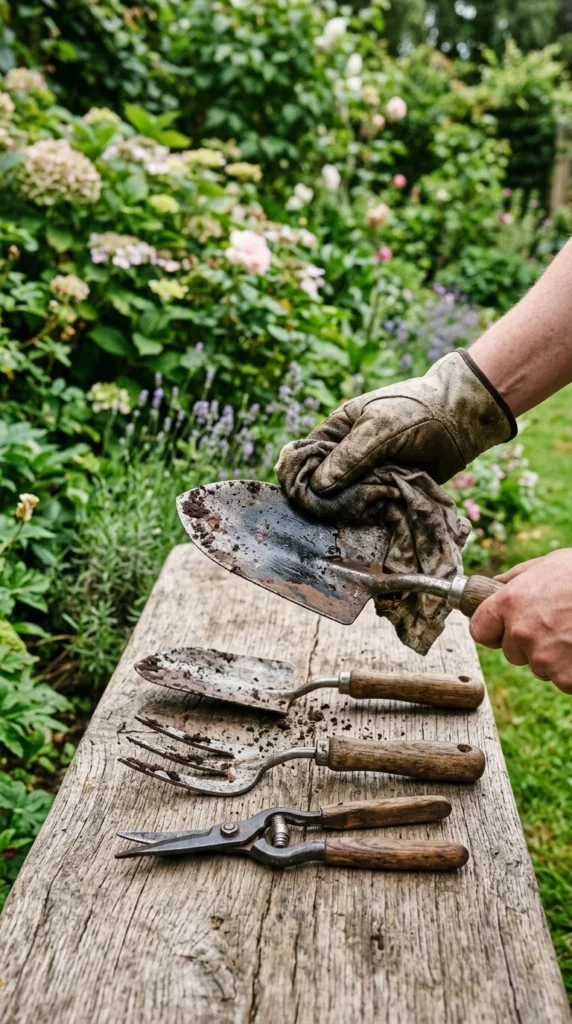
Your tools have worked hard all summer. Putting them away dirty is a recipe for rust and dull blades, which can damage your plants when you prune in the spring.
- Cleaning: Use a stiff brush and water to scrub off all dried mud. For stubborn sap, use a bit of rubbing alcohol.
- Sharpening: Use a whetstone or a mill file to sharpen the edges of your shovels and pruners. A sharp tool makes cleaner cuts that heal faster.
- Oiling: Wipe metal surfaces with a light coat of machine oil or vegetable oil to prevent oxidation. Rub linseed oil into wooden handles to prevent them from drying out and splintering.
7. Vegetables
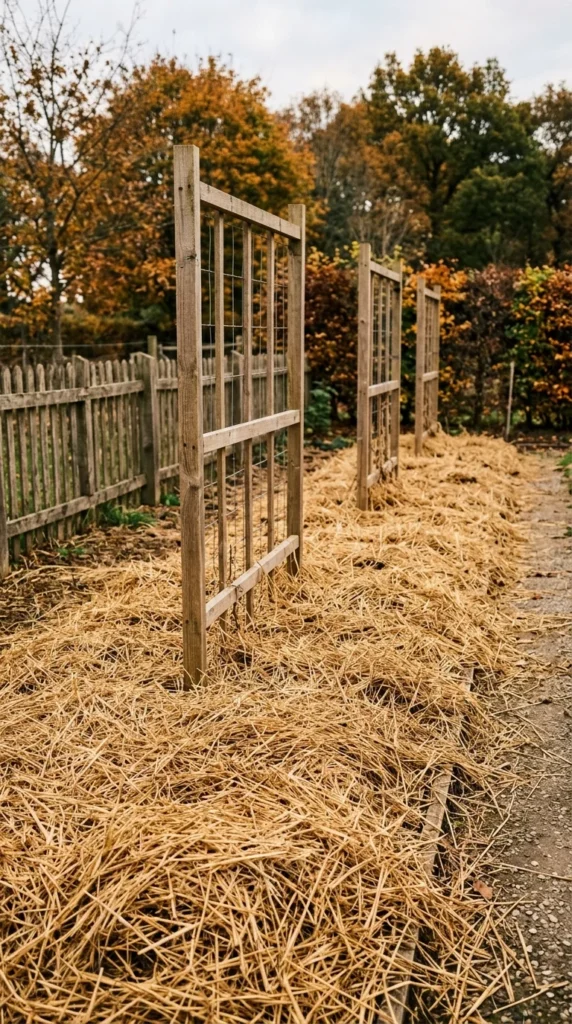
The vegetable garden is often the messiest area come fall. Proper sanitation here is vital for a successful crop rotation next year.
- Harvest the Last Stand: Pick all remaining green tomatoes, peppers, and squash before the first hard freeze. Green tomatoes can be ripened indoors in a paper bag.
- Cover Crops: If you aren’t using your beds for winter vegetables (like kale or garlic), plant a cover crop like winter rye or clover. These “living mulches” prevent soil erosion and fix nitrogen back into the earth.
- Stake Removal: Pull up tomato cages, bean poles, and stakes. Clean them with a mild bleach solution to kill any lingering spores before storing them in a dry place.
8. Mulch
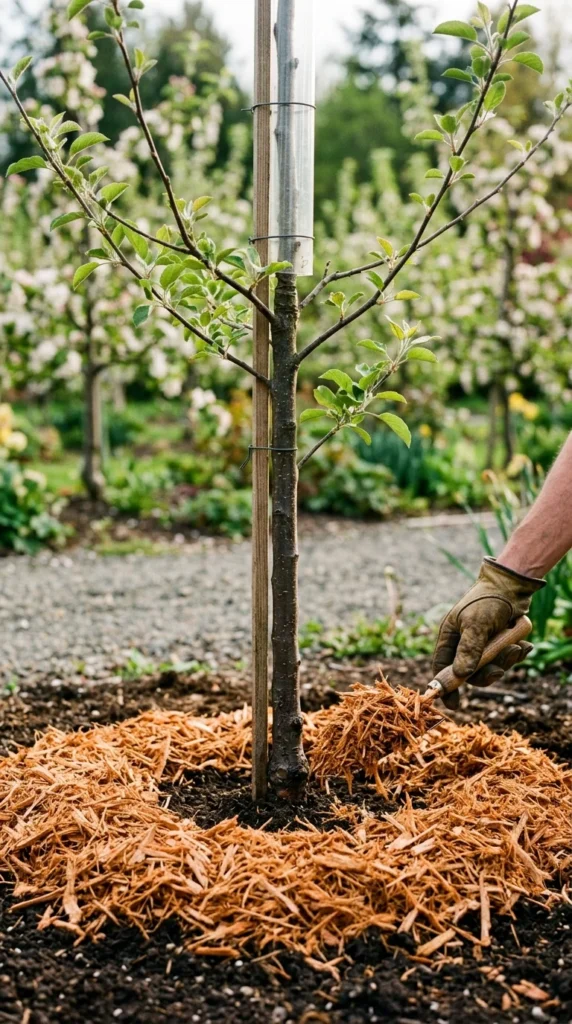
Mulching in the fall serves as an insulating blanket for the soil, regulating temperature and preventing the “heaving” caused by the freeze-thaw cycle.
- The Freeze-Thaw Cycle: When soil freezes and thaws repeatedly, it can actually push shallow-rooted plants right out of the ground. A thick layer of mulch keeps the soil temperature consistent.
- Timing: Wait until the ground has actually frozen or at least cooled significantly before applying a heavy layer of winter mulch. If you apply it too early, you might provide a cozy home for voles and mice that will chew on your plant stems.
- The “Donut” Shape: Always leave a few inches of space between the mulch and the trunks of trees or stems of shrubs to prevent bark rot.
9. Shrubs
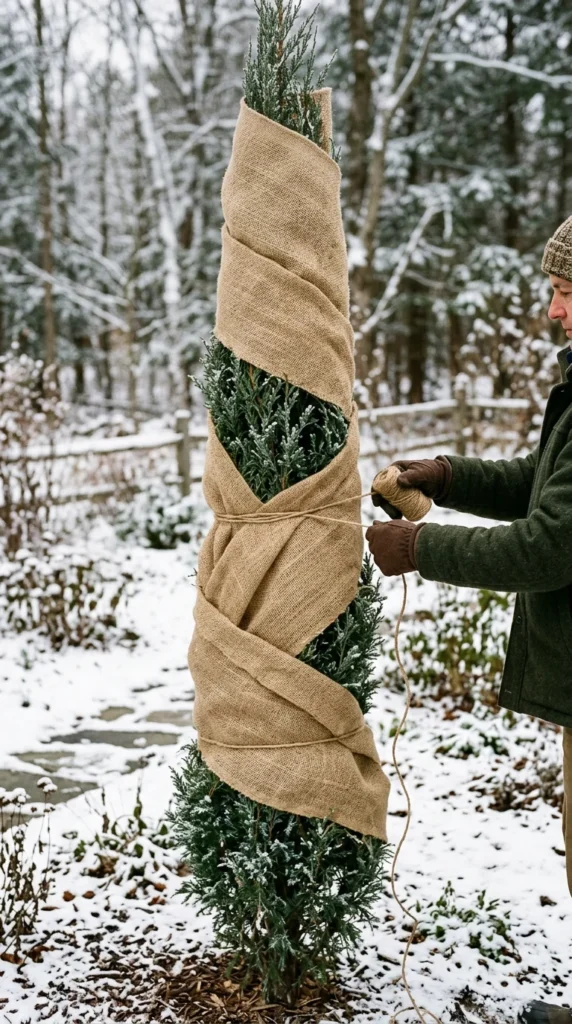
Hydrangeas, roses, and evergreens often need a little extra help to survive the harshest winter months.
- Watering: This is the most overlooked step. Continue watering your shrubs and trees until the ground freezes. Desiccation (drying out) is a leading cause of winter kill, especially for evergreens that continue to lose moisture through their needles all winter.
- Wrapping: In very cold climates, wrap sensitive shrubs in burlap to protect them from “winter burn” caused by cold winds.
- Rose Care: Mound soil or compost around the base of rose bushes (up to 12 inches) to protect the graft union from extreme cold.
10. Wildlife
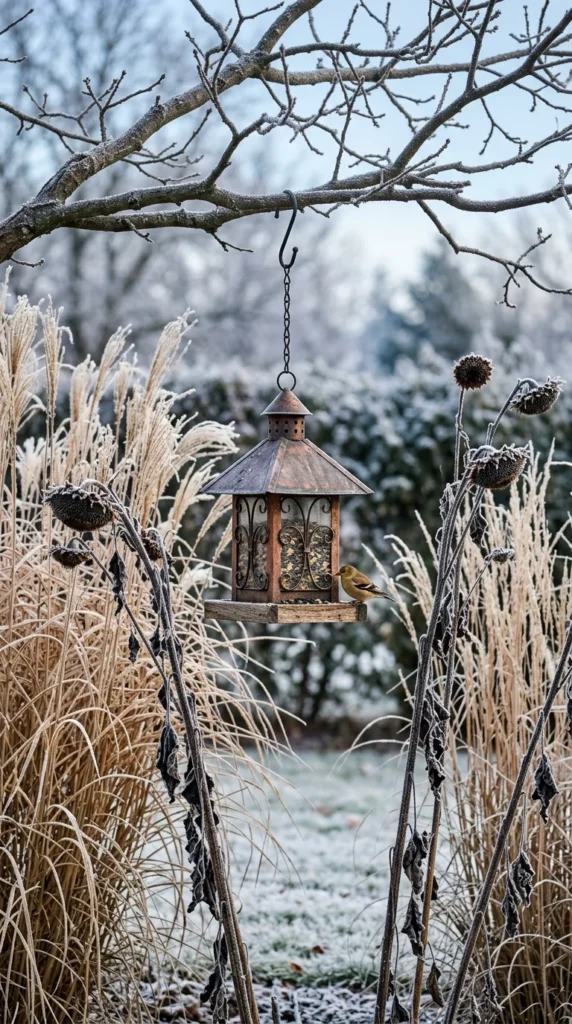
A “perfect” garden isn’t a sterile one. In the fall, it is important to consider the creatures that share your space.
- Bird Food: Leave the seed heads of sunflowers, zinnias, and rudbeckia. These are vital natural bird feeders for non-migratory birds.
- Insects: Many butterflies and moths overwinter as pupae in the leaf litter. By leaving a few “wild” corners in your yard with leaves and fallen branches, you are ensuring a healthy population of pollinators for the following year.
- Water Sources: If you have a birdbath, consider adding a heater or ensuring you clear the ice regularly so birds have access to water when everything else is frozen.