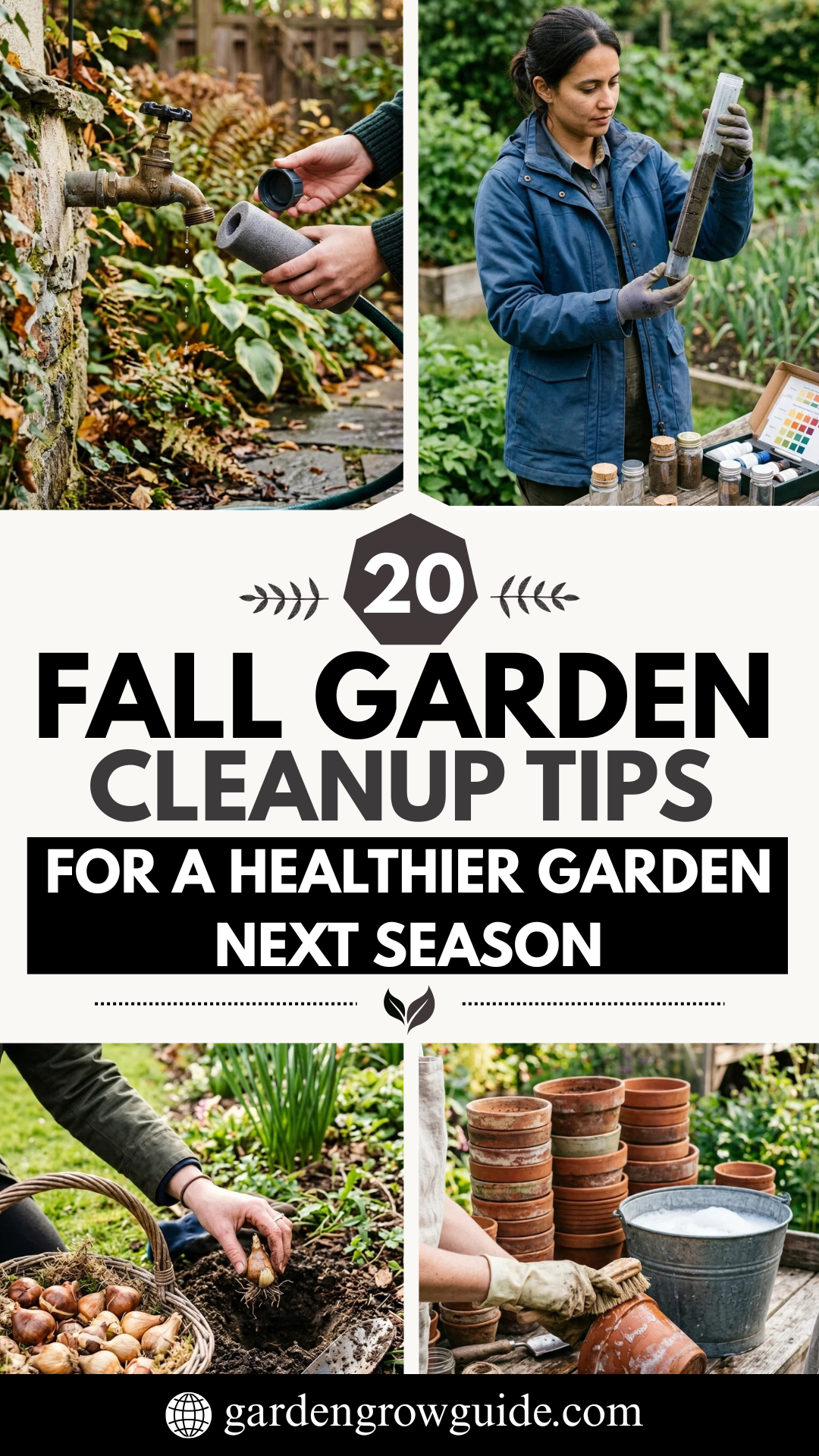
As the vibrant colors of summer fade into the earthy tones of autumn, the seasoned gardener knows that the work is far from over. Fall cleanup is perhaps the most critical phase of the gardening calendar. It is a time for reflection, preservation, and preparation. By taking the time to properly “put the garden to bed,” you are not merely tidying up; you are actively preventing disease, managing pests, and enriching the soil for a spectacular spring awakening.
1. Dead Annuals
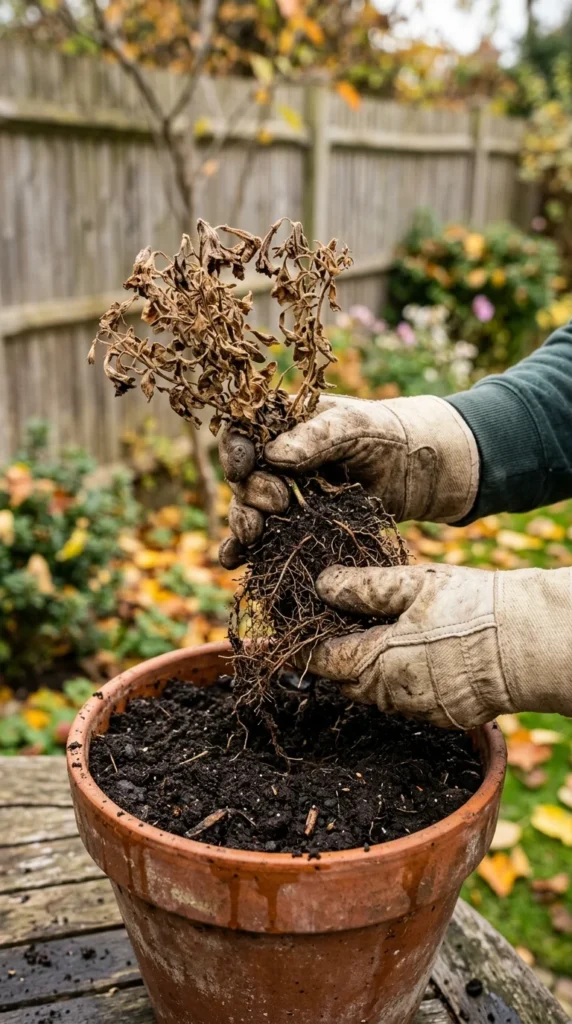
Annuals complete their life cycle in a single season. Once the first hard frost hits, these plants will turn to mush and become breeding grounds for mold and fungal pathogens. Pulling them out by the roots prevents these issues. If the plants were healthy, they can be tossed into the compost pile. However, if they showed signs of powdery mildew or blight, it is best to dispose of them in the trash or a burn pile to avoid recirculating diseases back into your soil.
2. Perennial Weeds
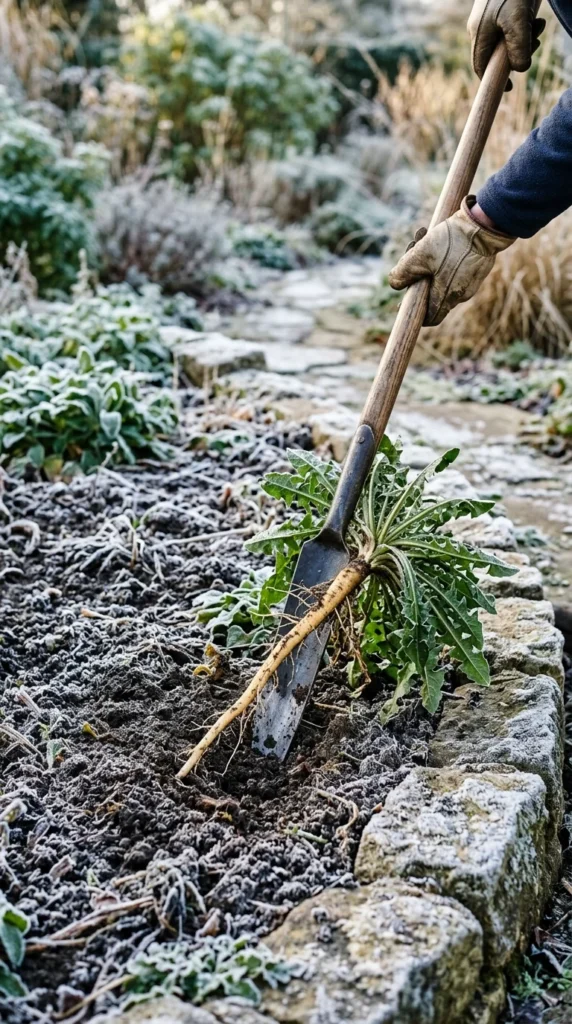
Fall is the best time to tackle stubborn perennial weeds like dandelions, bindweed, and Canada thistle. In the autumn, these plants are busy sending nutrients down to their roots to survive the winter. By removing them now—root and all—you prevent them from getting a head start in the spring. A thorough weeding session in October saves dozens of hours of labor in May.
3. Compost Management
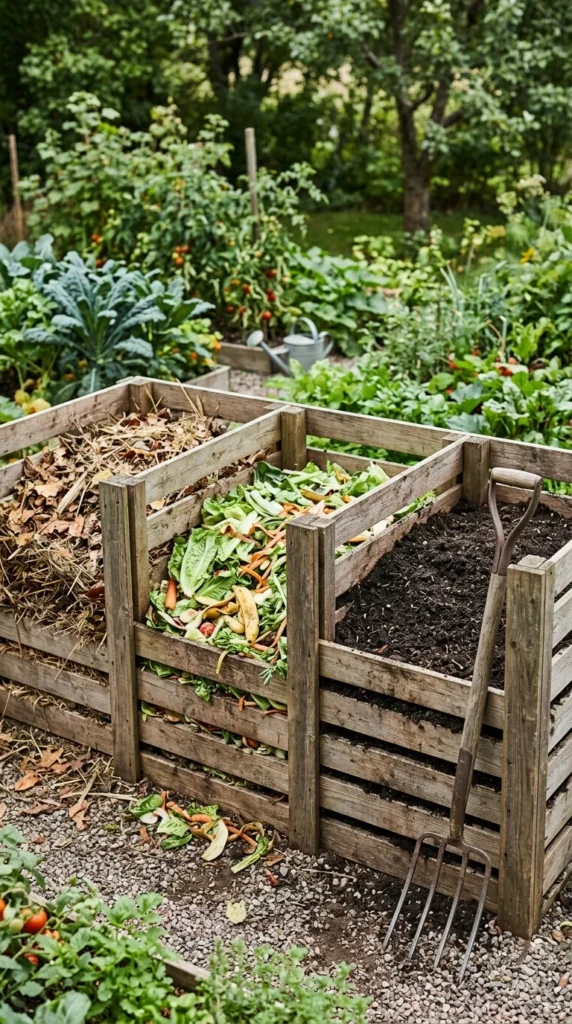
Your compost pile is the heart of your garden’s ecosystem. Fall provides an abundance of “brown” carbon-rich material in the form of fallen leaves. Use this time to turn your existing pile, adding the last of the summer’s green waste. Moisture is key; ensure the pile stays as damp as a wrung-out sponge so the microbes can continue breaking down organic matter even as temperatures drop.
4. Soil Testing
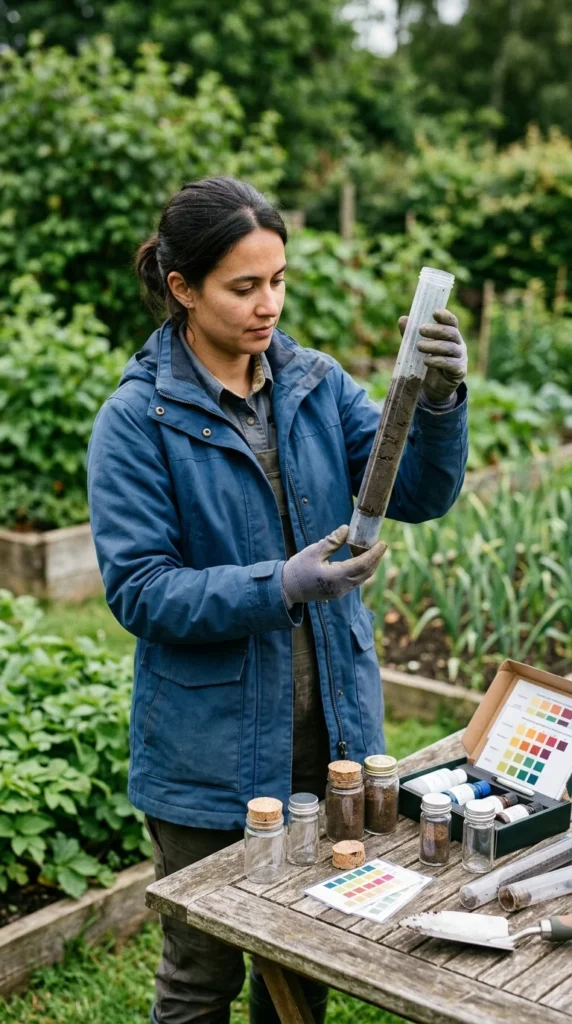
Don’t guess what your soil needs; test it. Fall is the ideal time for soil testing because amendments like lime (to raise pH) or sulfur (to lower it) take several months to chemically react with the soil. By testing now, you can apply the necessary minerals and allow them to integrate over the winter, ensuring the soil chemistry is perfect by planting time.
5. Mulching Beds
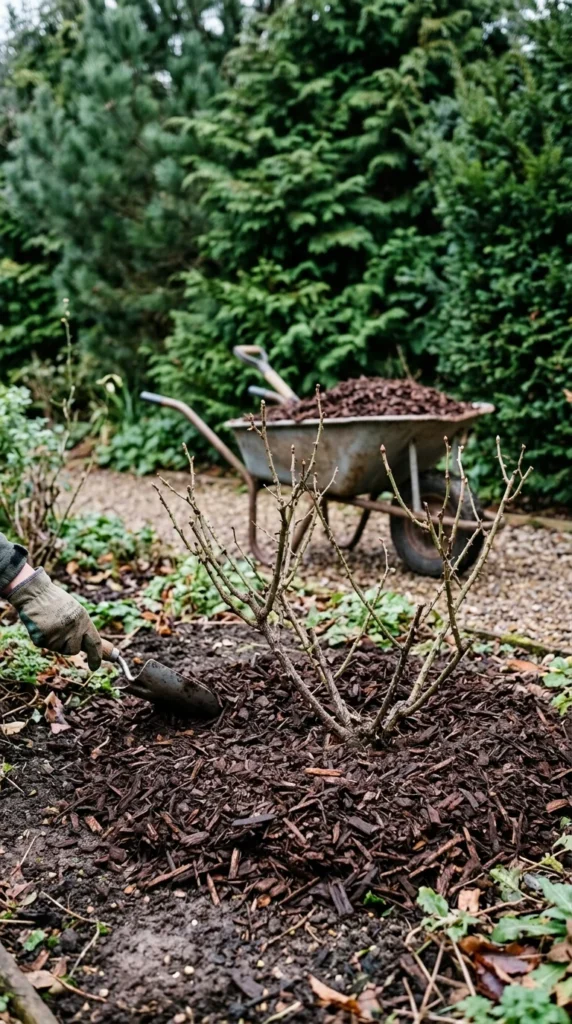
Mulch acts as a thermal blanket for your soil. A 2-to-3-inch layer of organic mulch—such as shredded bark, straw, or pine needles—insulates plant roots against the “freeze-thaw” cycle. This cycle can cause “frost heaving,” where the ground expands and contracts, literally pushing perennials out of the earth and exposing their roots to killing air temperatures.
6. Tool Maintenance
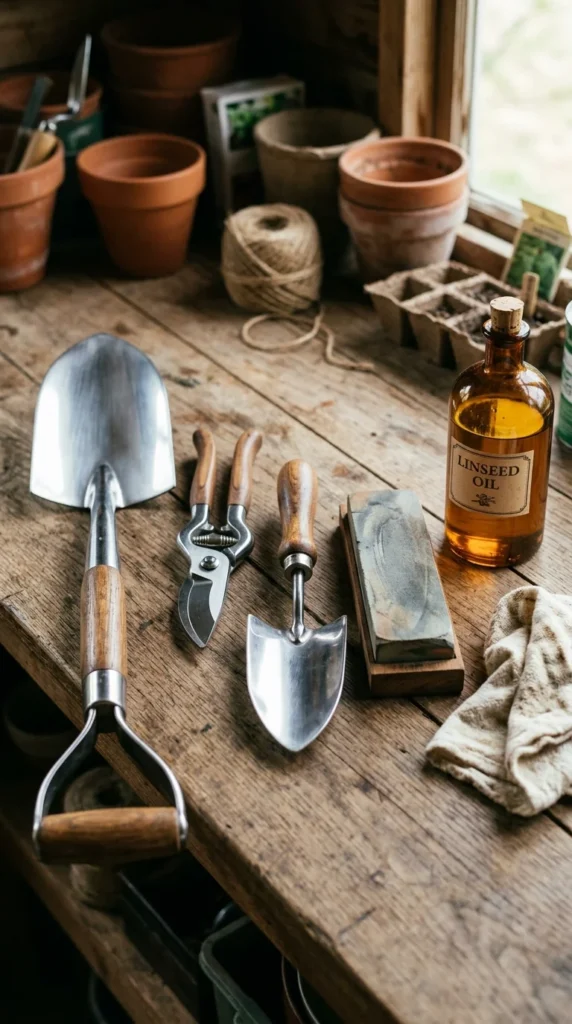
Your tools have worked hard all summer. Before storing them, scrub off dried dirt with a wire brush, sharpen the blades of your pruners and hoes with a mill file or whetstone, and coat metal surfaces with a thin layer of oil to prevent rust. Rubbing linseed oil into wooden handles will prevent them from drying out and splintering over the winter months.
7. Spring Bulbs
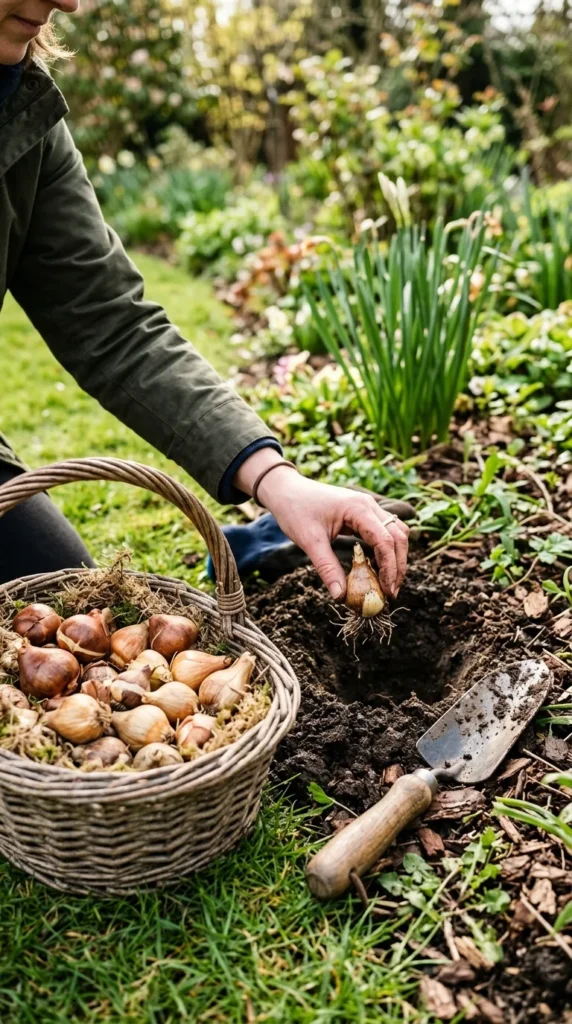
The promise of spring is buried in the fall. October and November are the prime months for planting spring-flowering bulbs like tulips, daffodils, hyacinths, and crocuses. Ensure they are planted at a depth roughly three times the height of the bulb. Planting them now allows them to develop a strong root system before the ground freezes solid.
8. Perennial Division
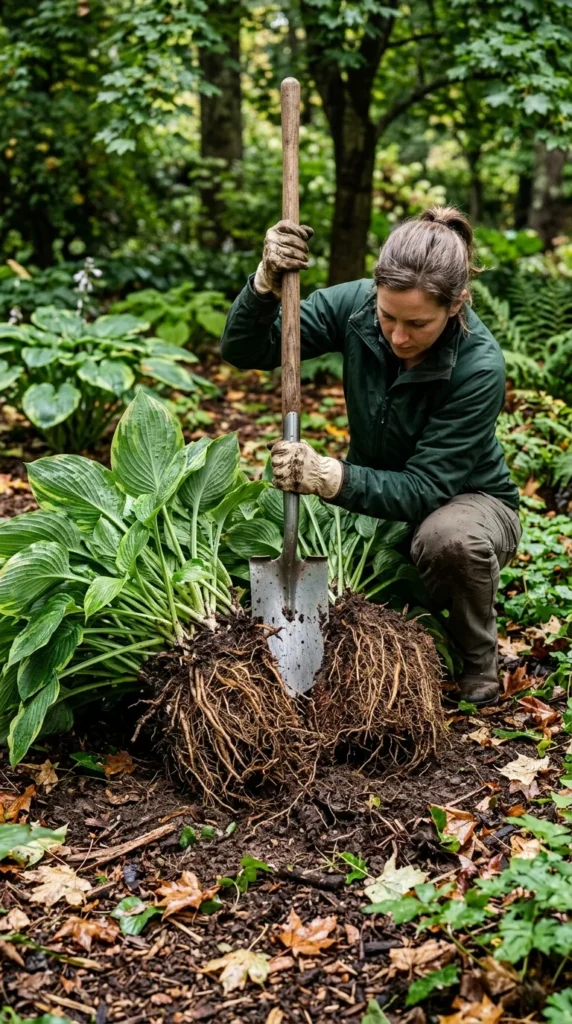
If your perennials—such as daylilies, hostas, or Siberian irises—looked crowded or produced fewer flowers this year, it’s time to divide them. Dig up the entire root ball and use a sharp knife or spade to split it into smaller sections. Replant the healthiest sections and gift the rest to neighbors. This rejuvenates the plants and prevents the center of the clump from dying out.
9. Tree Protection
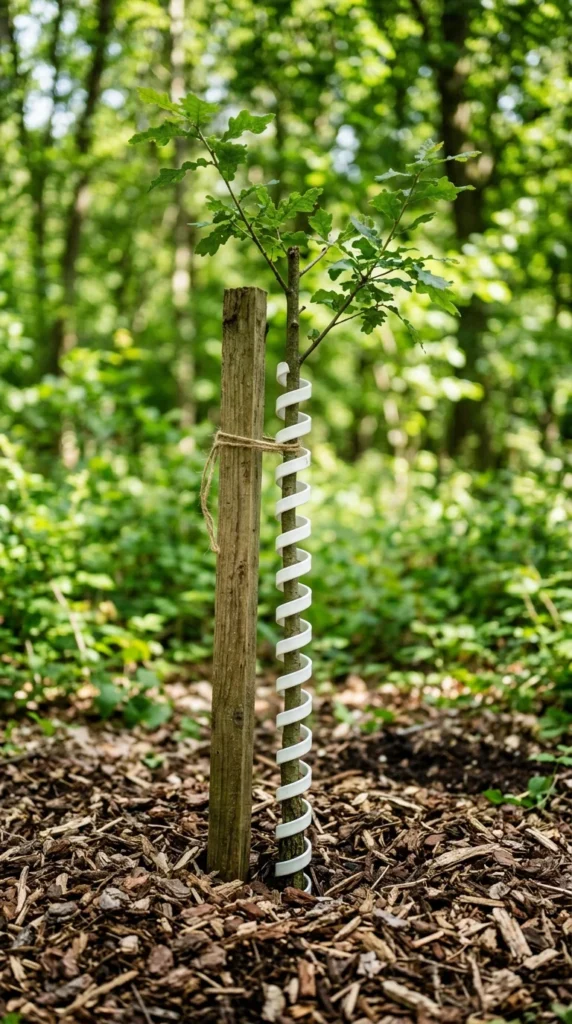
Young trees with thin bark, such as fruit trees and maples, are susceptible to “sunscald” and rodent damage during winter. Sunscald occurs when the winter sun warms the bark during the day, but the temperature drops rapidly at night, causing the bark to crack. Using tree wraps or guards protects the trunk from these temperature fluctuations and prevents hungry rabbits and voles from gnawing on the bark.
10. Leaf Mold
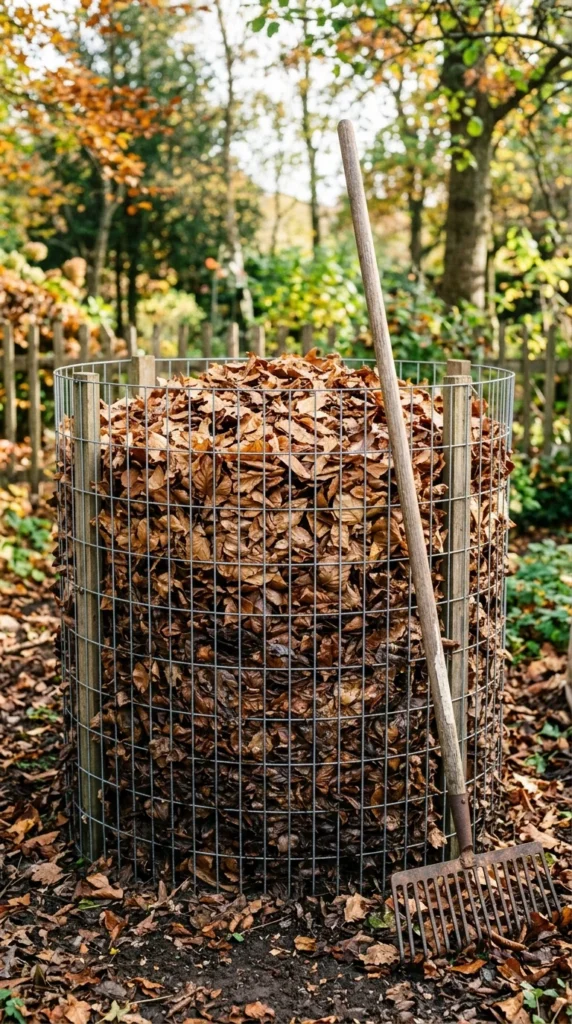
Fallen leaves are “gardener’s gold.” Instead of bagging them for the curb, shred them with a lawnmower and create a leaf mold pile. Leaf mold is a fantastic soil conditioner that improves water retention and soil structure. Unlike compost, which requires nitrogen, leaf mold is a slow fungal decomposition process that results in a dark, crumbly material that plants love.
11. Hydration
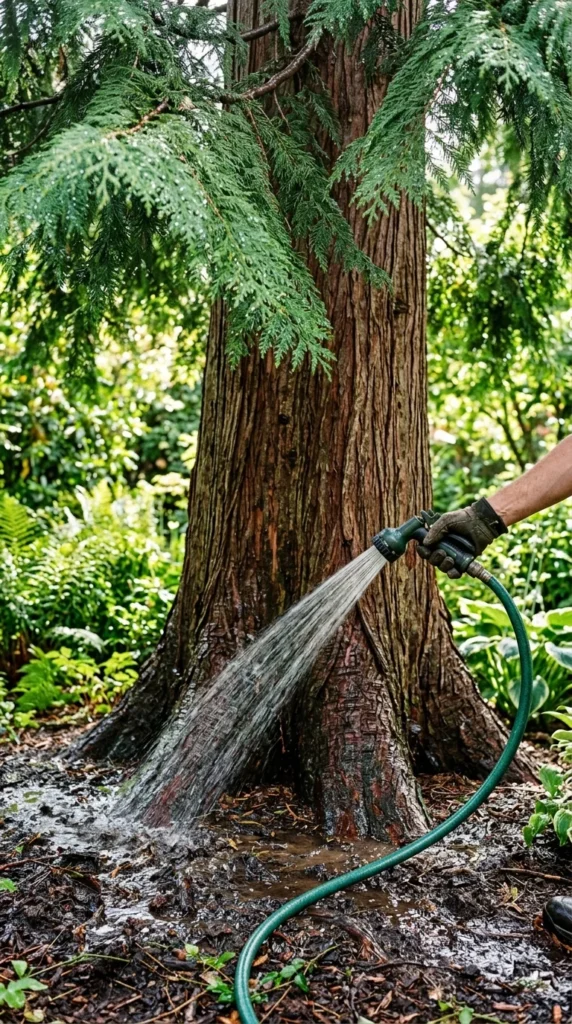
Evergreens, such as pines, yews, and rhododendrons, continue to lose moisture through their needles and leaves throughout the winter. If the ground is dry when it freezes, these plants cannot replace the lost water, leading to “winter burn.” Continue watering your evergreens deeply once a week until the ground officially freezes to ensure they enter the dormant season fully hydrated.
12. Garden Pots
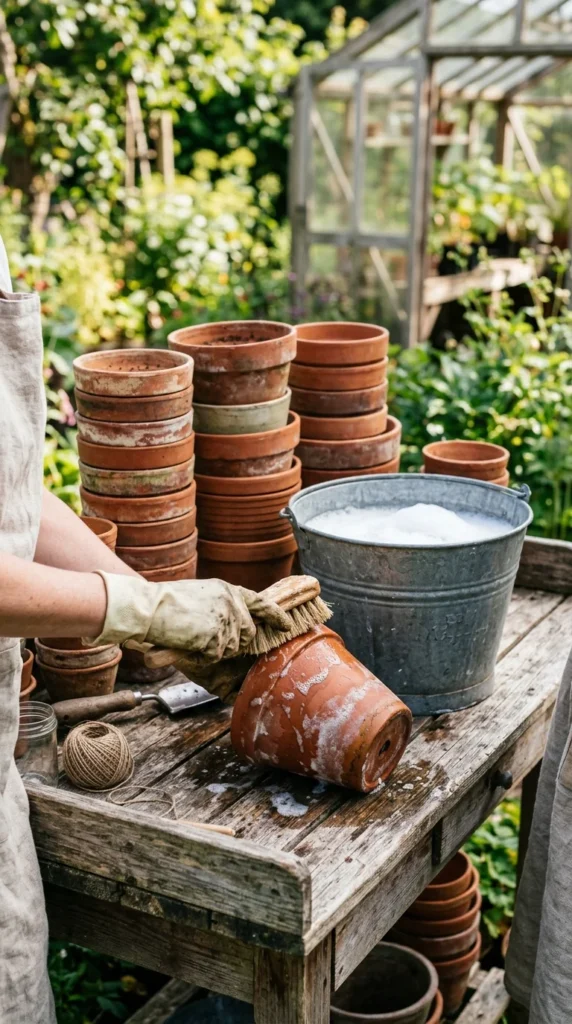
Don’t leave soil-filled ceramic or terracotta pots outside over winter. The moisture in the soil will expand as it freezes, causing expensive pots to crack or shatter. Empty the pots, scrub them with a mild bleach solution to kill any lingering pathogens or insect eggs, and store them upside down in a garage or shed.
13. Seed Saving
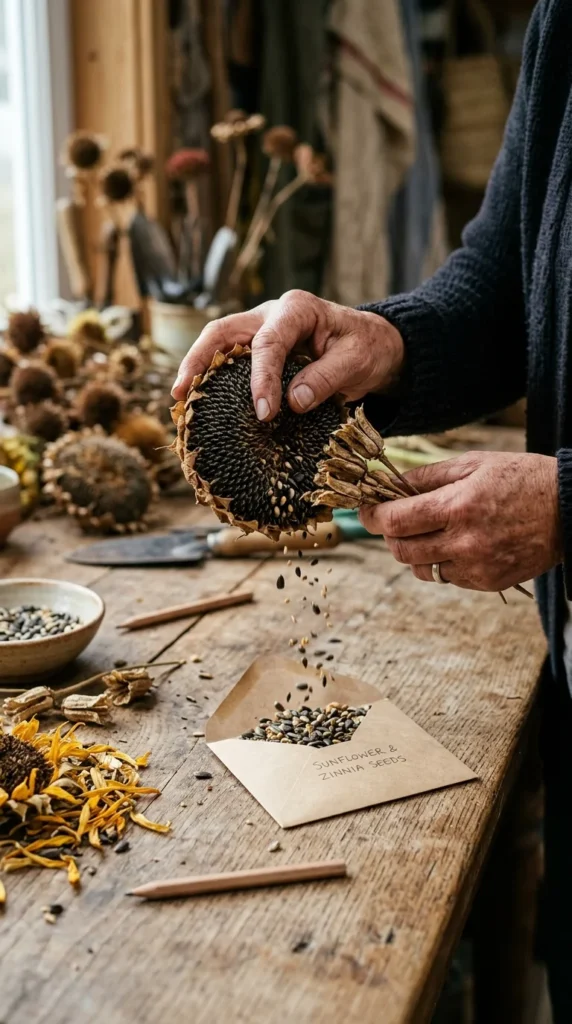
Fall is the time to harvest seeds from your favorite open-pollinated or heirloom varieties. Look for dried seed heads on plants like marigolds, zinnias, or beans. Ensure the seeds are completely dry before storing them in paper envelopes in a cool, dark, and dry location. This is a cost-effective way to preserve the genetics of your most successful plants.
14. Pruning
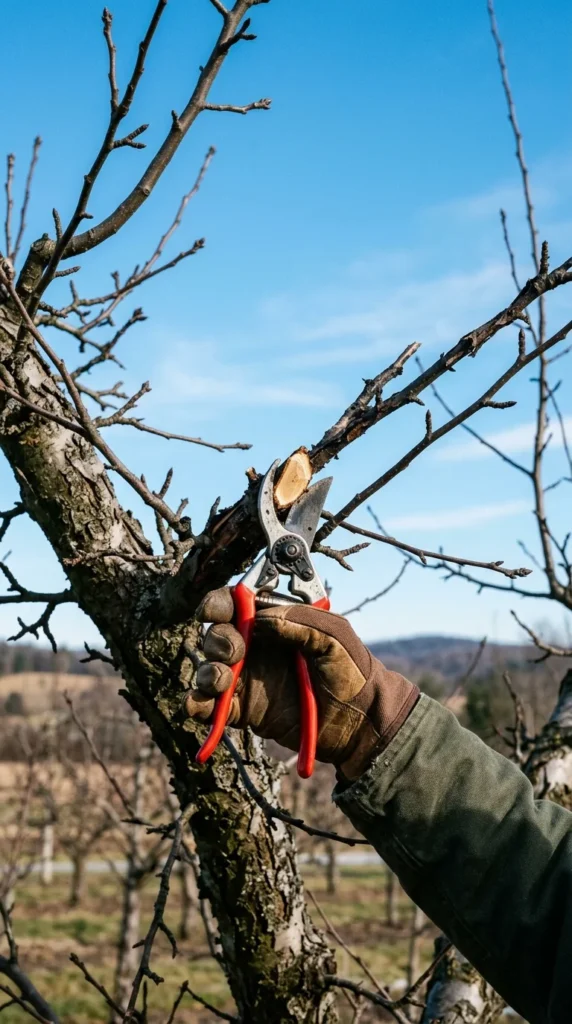
While heavy structural pruning should generally wait until late winter, fall is the time for “sanitary pruning.” Remove any dead, damaged, or diseased branches (the three Ds). Removing dead wood now prevents winter winds from snapping branches and causing further damage to the tree or nearby structures. Avoid pruning spring-blooming shrubs like lilacs, as you will be cutting off next year’s flowers.
15. Lawn Care
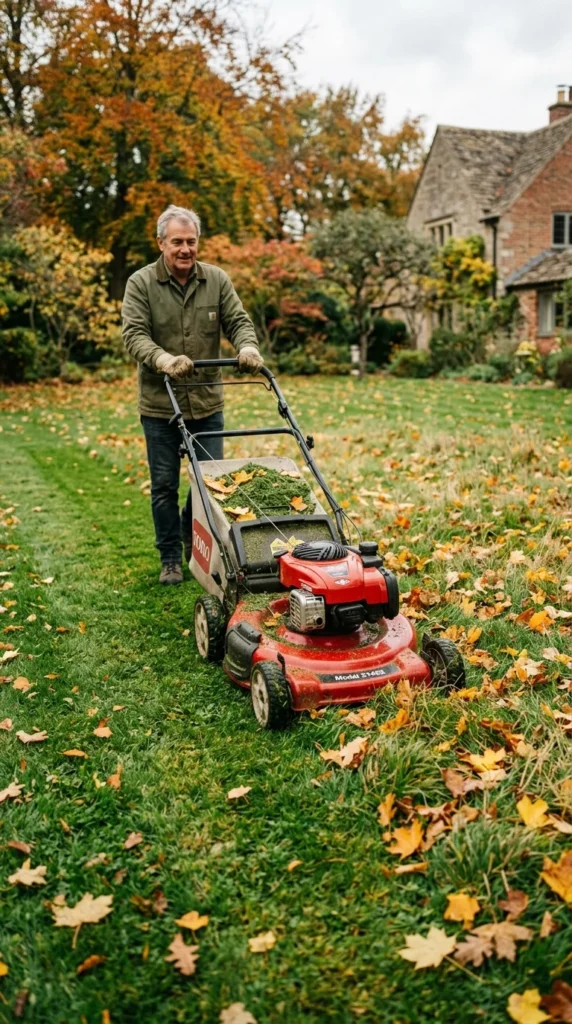
Your lawn needs fall attention too. For the final mow of the season, lower your mower blade to about 2 inches. This prevents the grass from matting down under the snow, which can lead to snow mold. If your soil is compacted, fall is also an excellent time for core aeration and overseeding to ensure a thick, lush lawn come April.
16. Irrigation Systems
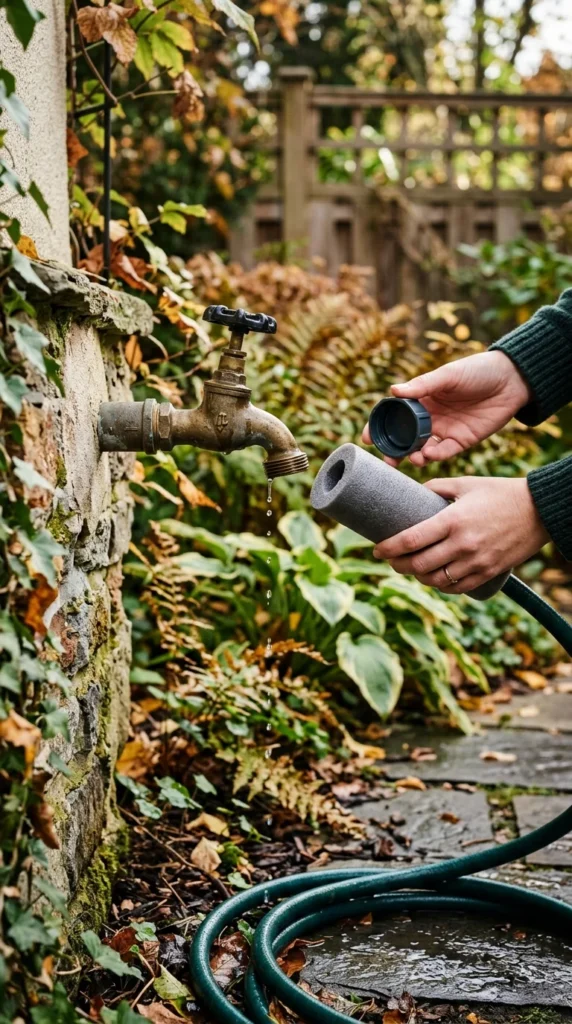
Frozen pipes are a gardener’s nightmare. Disconnect all hoses, drain them, and store them indoors. If you have an automatic irrigation system, blow it out with compressed air to prevent water from freezing and bursting the underground lines. Cover outdoor faucets with insulated “socks” to protect the plumbing inside your walls.
17. Vegetable Beds
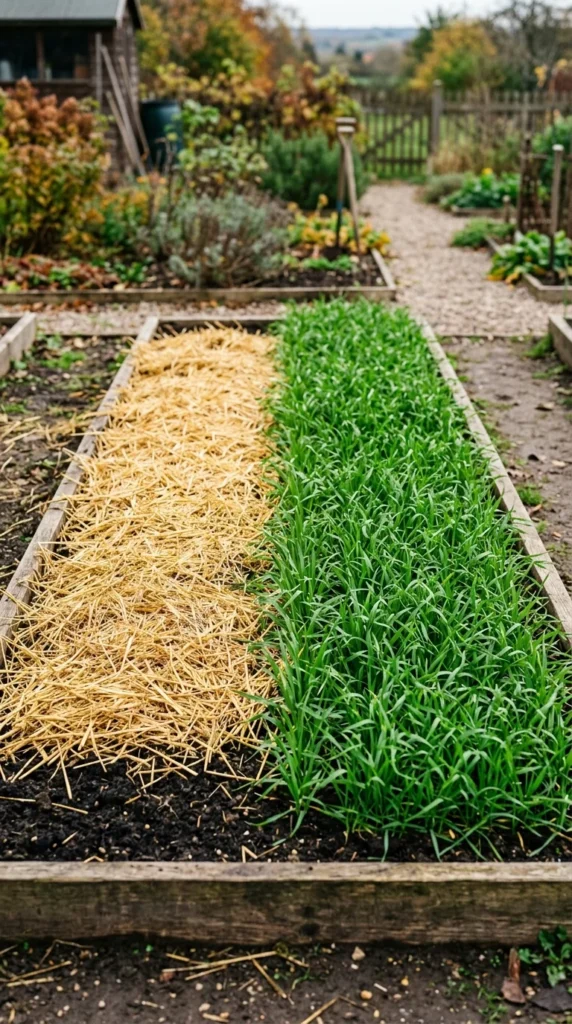
Once you’ve harvested the last of the pumpkins and kale, clear the debris from your vegetable beds. To protect the soil from erosion and nutrient leaching, plant a cover crop like winter rye or clover. If it’s too late for cover crops, cover the bare soil with a thick layer of straw or shredded leaves. This keeps the “living soil” protected and prevents weeds from taking over.
18. Bird Feeders
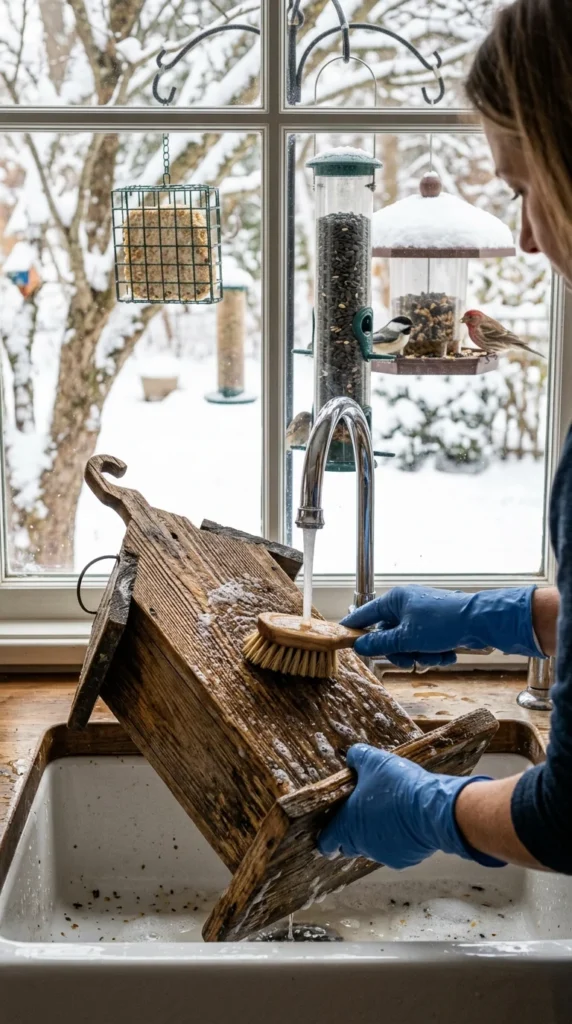
As natural food sources become scarce, birds rely more heavily on garden feeders. Clean your feeders thoroughly with a diluted bleach solution to prevent the spread of avian diseases. Once clean, fill them with high-energy foods like black oil sunflower seeds and suet. Birds are not only beautiful to watch but also provide excellent pest control by eating insect larvae hidden in bark.
19. Tender Bulbs
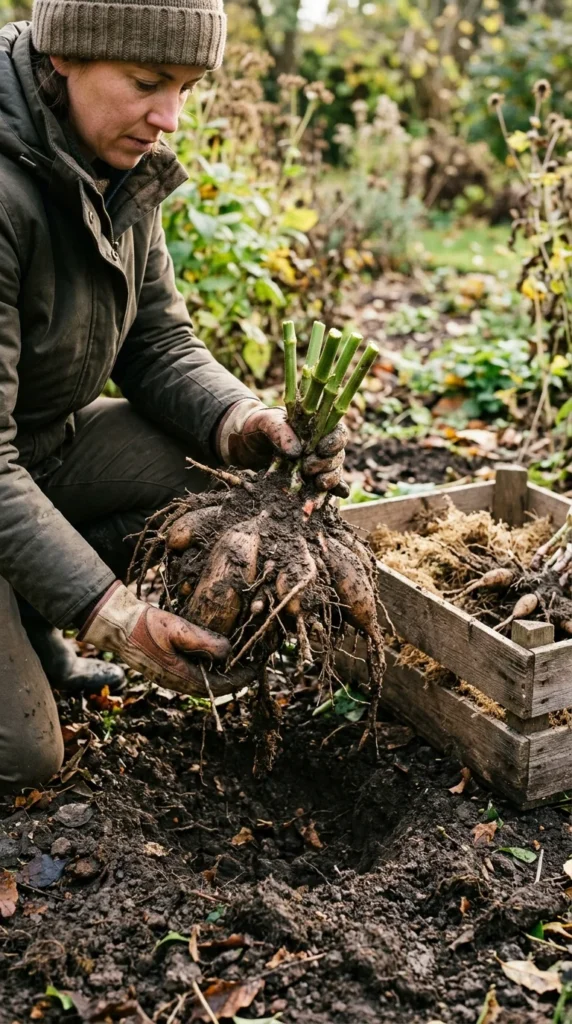
In colder climates, “tender bulbs” such as dahlias, gladiolus, and canna lilies will not survive the winter in the ground. After the first frost blackens the foliage, carefully dig up the tubers or corms. Let them dry in a shaded, frost-free area for a few days, then pack them in boxes with peat moss or vermiculite and store them in a cool basement (around 40-50°F).
20. Garden Journaling
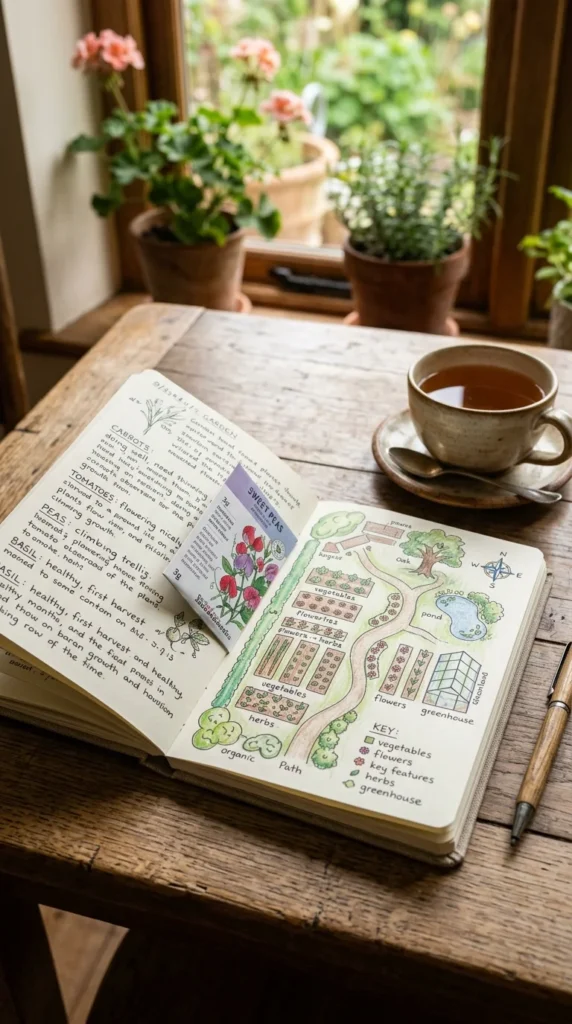
Before the memory of the growing season fades, take notes. Record what succeeded, what failed, and where you planted certain crops to facilitate crop rotation next year. Take photos of the garden in its barest state; this helps you visualize where to add structural elements like evergreens or hardscaping during the winter months. A well-kept garden journal is the most valuable tool for long-term success.