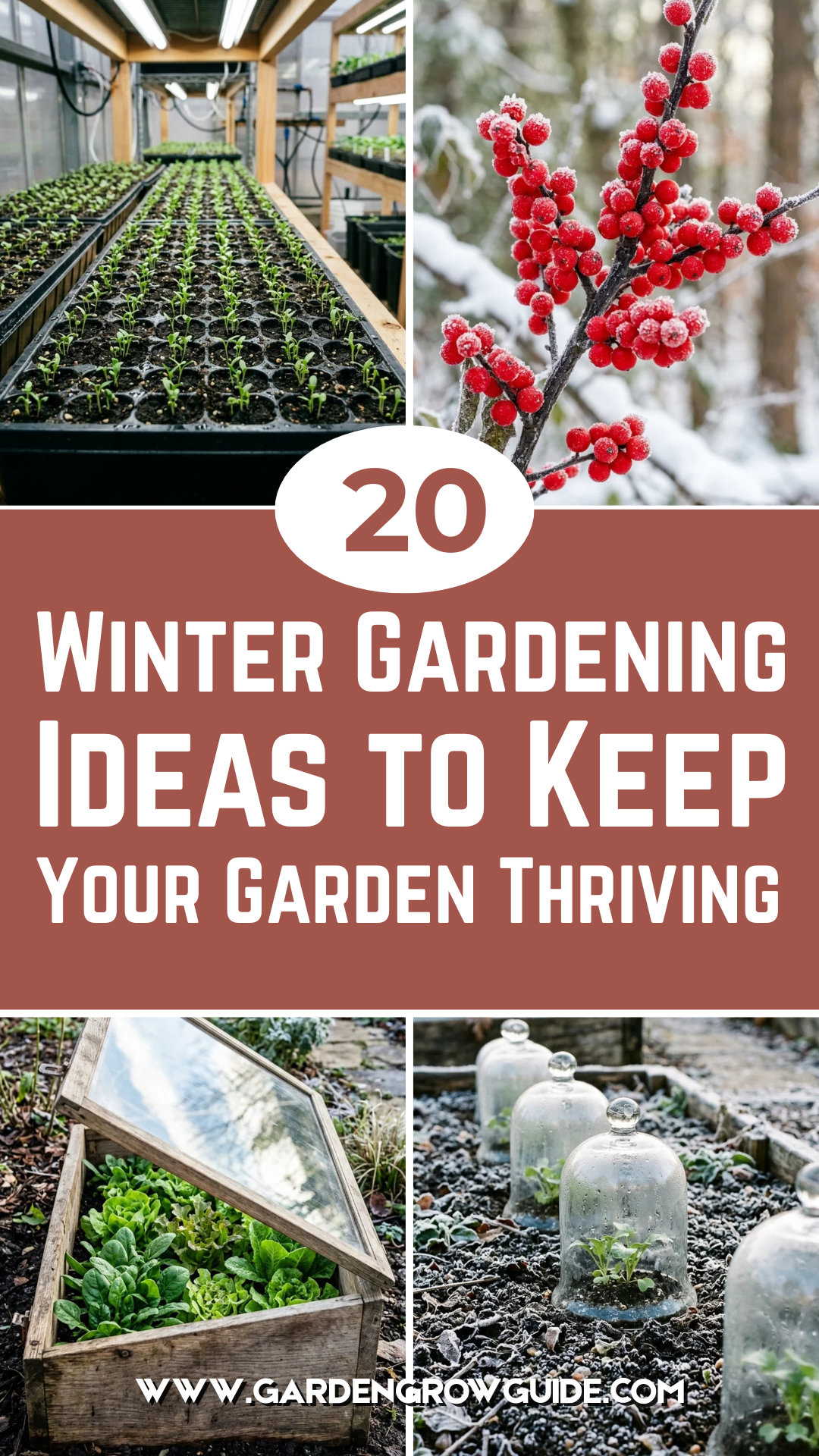
Winter is often perceived as a period of dormancy, a time when the gardener retreats indoors and leaves the earth to its icy slumber. However, the most successful gardeners know that the colder months are a vital chapter in the horticultural calendar. Winter gardening is not just about survival; it is about strategic preparation, protecting your investment, and even harvesting fresh produce amidst the snow. By shifting your focus from growth to maintenance and protection, you can ensure that your landscape remains vibrant and healthy, ready to explode into life the moment spring arrives.
From building protective structures to supporting local wildlife and planning next year’s bounty, there are countless ways to stay active in the soil. Here are 20 comprehensive winter gardening ideas to keep your green space thriving through the frost.
1. Cold Frames
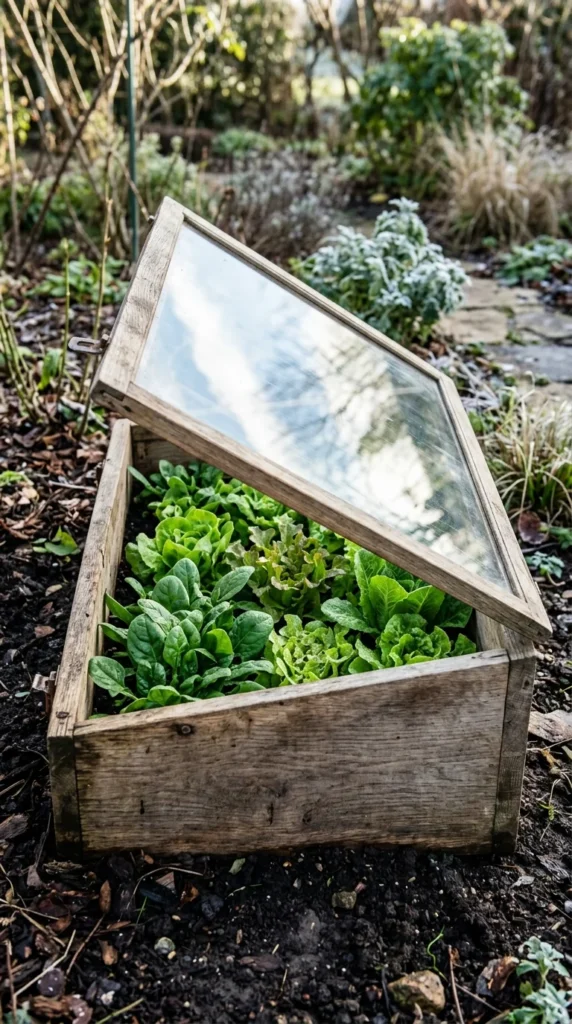
A cold frame is essentially a bottomless box with a transparent roof that acts as a miniature greenhouse. It protects low-growing plants from the harsh elements of winter, such as biting winds and heavy snow, while trapping solar radiation to create a warmer microclimate. You can use cold frames to extend the harvest of autumn crops like spinach and arugula or to “harden off” seedlings in late winter. To maximize efficiency, place your cold frame in a south-facing spot to capture the maximum amount of sunlight during the shorter days.
2. Mulching
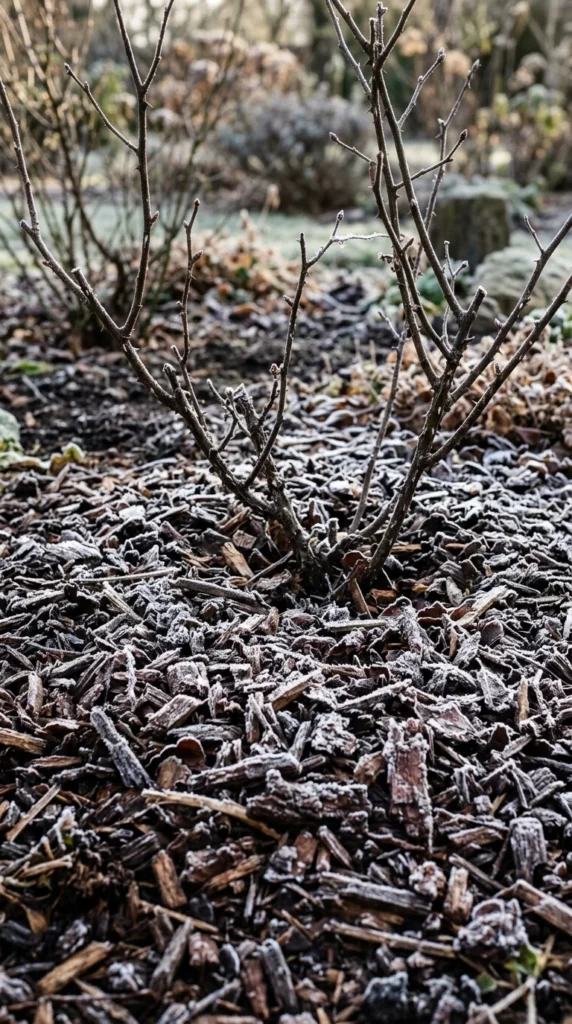
Mulching is perhaps the most important winter task for soil health. A thick layer of organic mulch—such as wood chips, straw, or shredded leaves—acts as an insulating blanket for the root systems of your perennials and shrubs. It prevents the “freeze-thaw” cycle, where the ground expands and contracts, potentially pushing bulbs and shallow roots out of the earth (a process known as frost heaving). Furthermore, as the mulch decomposes, it enriches the soil with nutrients that will be available for the spring growth spurt.
3. Winter Crops
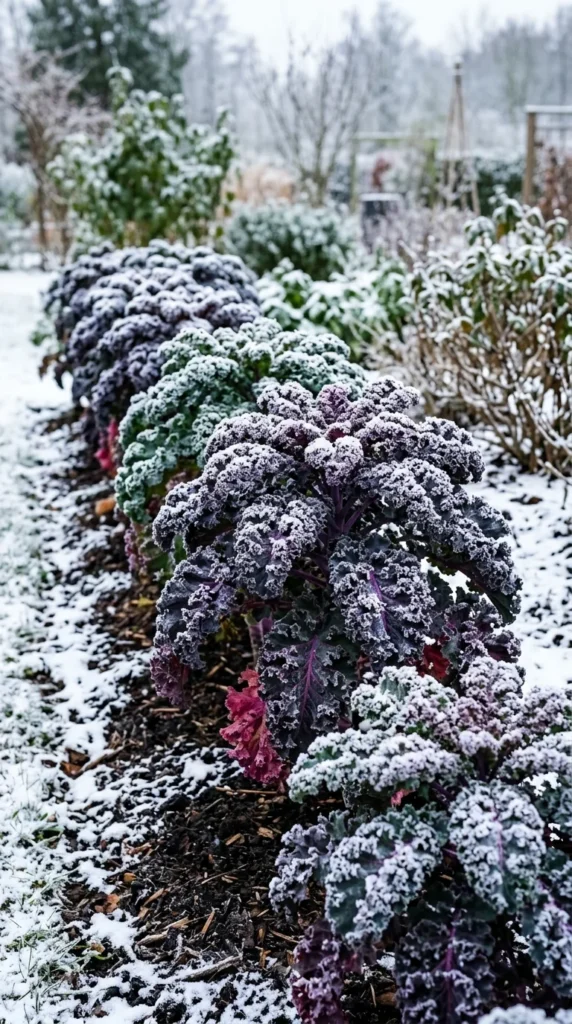
Contrary to popular belief, many vegetables actually thrive in the cold. Brassicas such as kale, Brussels sprouts, and collard greens often become sweeter after a frost, as the plant converts starches into sugars to act as a natural antifreeze. Root vegetables like carrots, parsnips, and leeks can be left in the ground and harvested as needed, provided the soil is mulched heavily enough to keep it from freezing solid. Planting these hardy varieties ensures a fresh supply of nutrients throughout the darkest months.
4. Greenhouses
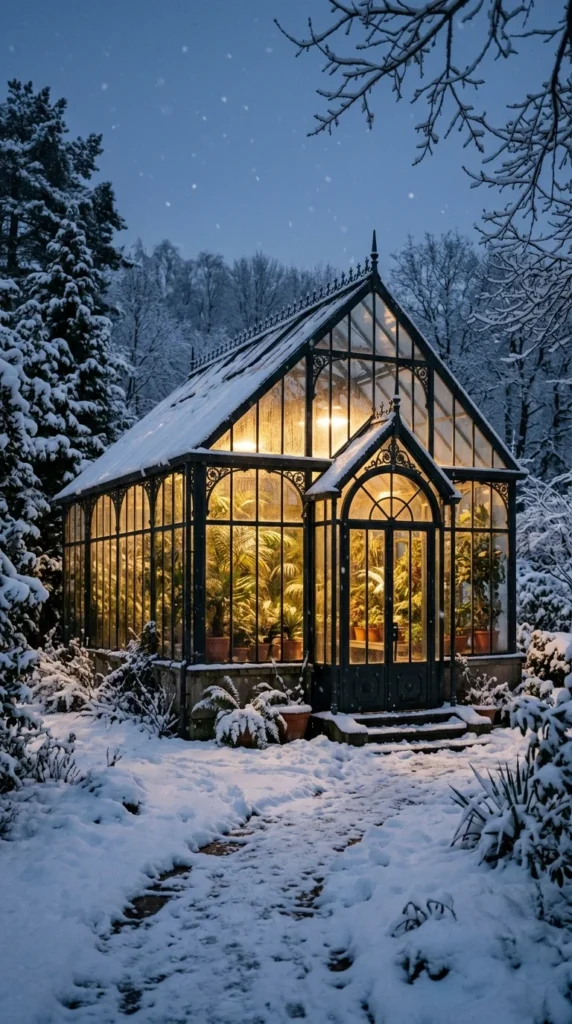
If you have the space, a greenhouse is the ultimate winter gardening tool. It provides a controlled environment where you can over-winter tender perennials that wouldn’t survive the outdoor chill, such as geraniums or citrus trees. In a greenhouse, you can also start cool-season crops much earlier than you could in open ground. Maintenance during winter involves checking for proper ventilation on sunny days to prevent heat buildup and ensuring that the glass stays clean to allow maximum light penetration.
5. Cloches
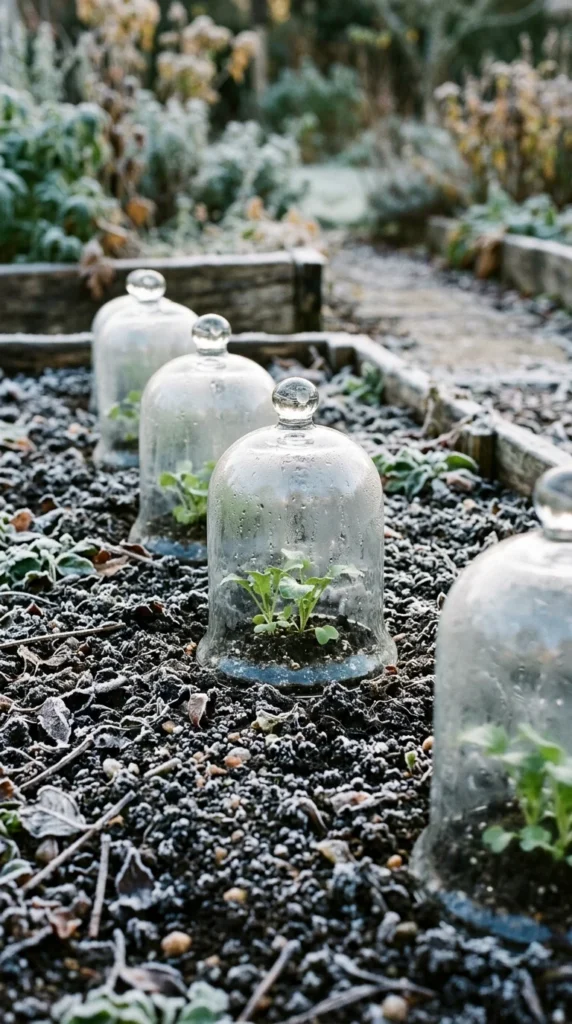
Derived from the French word for “bell,” cloches are portable covers used to protect individual plants. Historically made of glass, modern versions can be plastic or even repurposed milk jugs. They provide a quick and easy way to shield vulnerable plants from sudden frost or heavy rain. Because they are individual, they are perfect for protecting specimen plants or small clusters of herbs like parsley and rosemary that might struggle in a deep freeze.
6. Evergreens
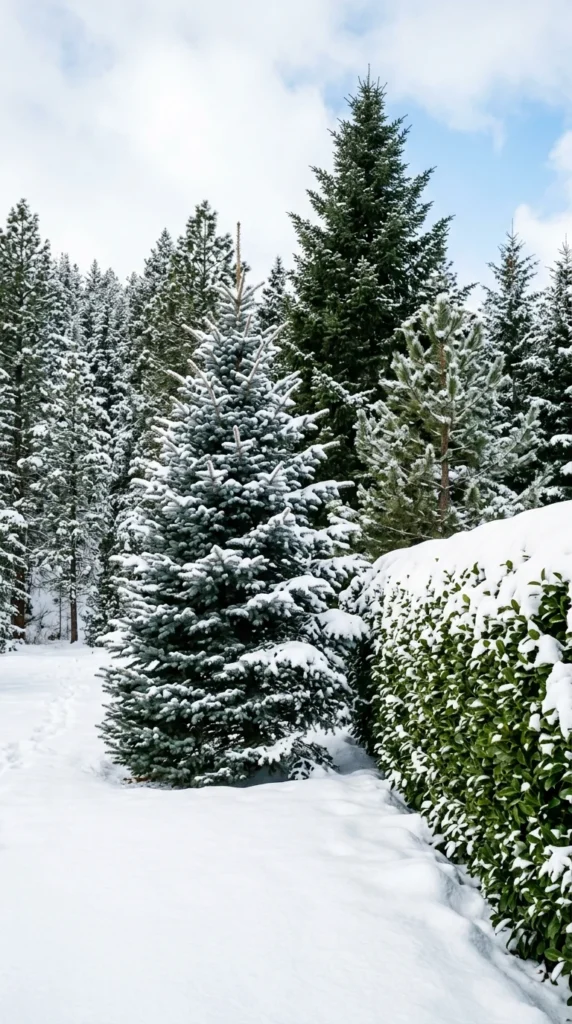
While most of the garden turns brown or grey, evergreens provide the essential “bones” of the landscape. Incorporating a variety of conifers, hollies, and broadleaf evergreens ensures that your garden has visual interest even in the dead of winter. Beyond aesthetics, evergreens serve as vital windbreaks, protecting more delicate plants and providing essential shelter for birds during winter storms.
7. Bird Feeders
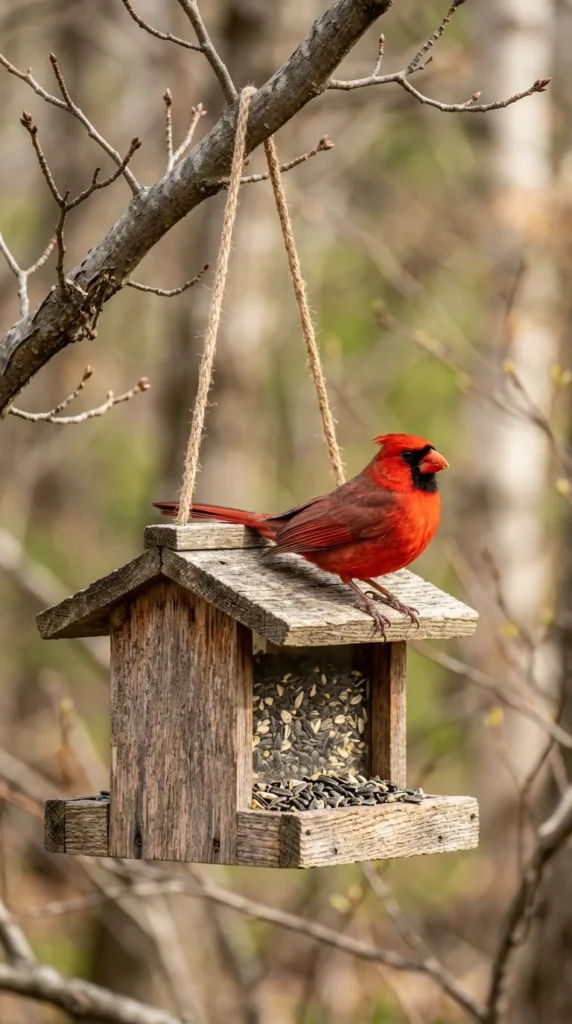
Gardening is about maintaining an entire ecosystem, and during winter, the local bird population needs your help. Setting up bird feeders with high-fat seeds, suet, and nuts provides the energy birds need to maintain their body temperature. In return, these birds will hang around your garden, helping to control pest populations by eating insect eggs and larvae hidden in the bark of your trees.
8. Pruning
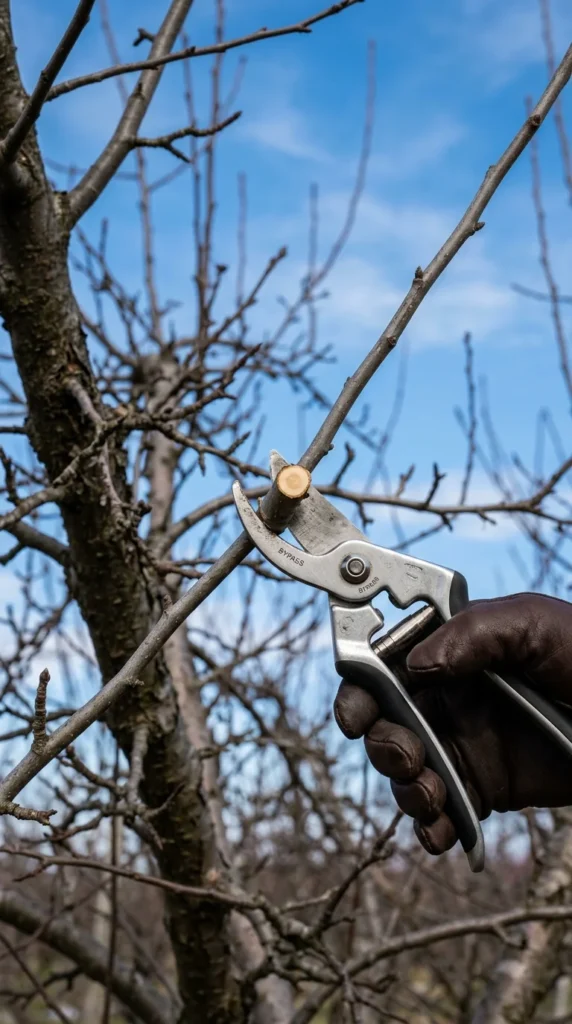
Winter is the ideal time for “dormant pruning.” Since the leaves are gone, the structure of the plant is clearly visible, making it easier to identify crossing branches, diseased wood, or structural weaknesses. Pruning while the plant is dormant also minimizes stress and reduces the risk of pest and disease infestation at the cut site. Focus on fruit trees, roses, and deciduous shrubs to encourage vigorous growth and better flowering in the spring.
9. Tool Care
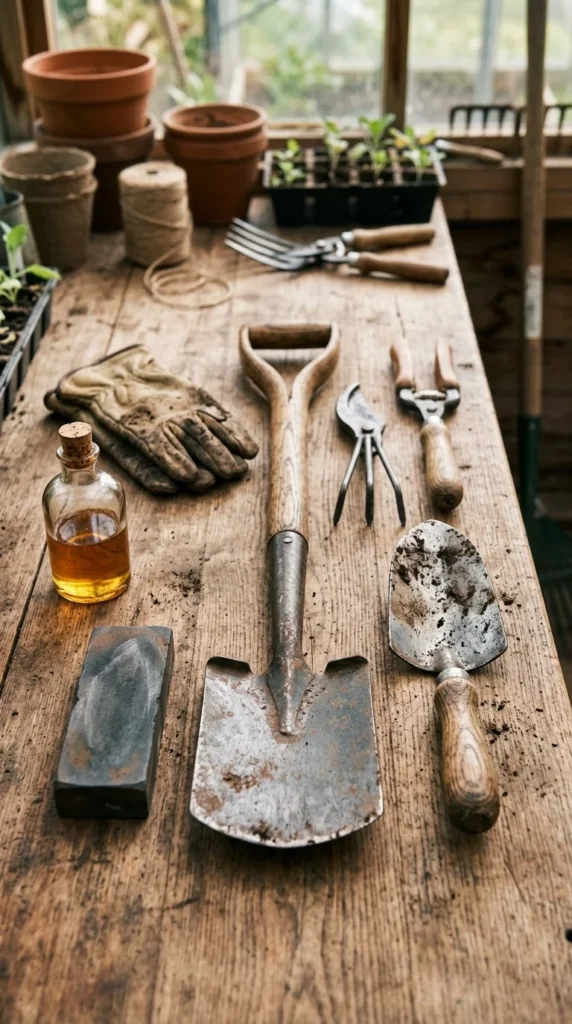
When the ground is too frozen to dig, turn your attention to your equipment. Proper tool maintenance extends the life of your gear and makes gardening tasks easier. Clean off dried mud, use a sharpening stone to hone the edges of shovels and hoes, and apply a light coat of oil to metal surfaces to prevent rust. Rubbing linseed oil into wooden handles will also prevent them from cracking or splintering.
10. Composting
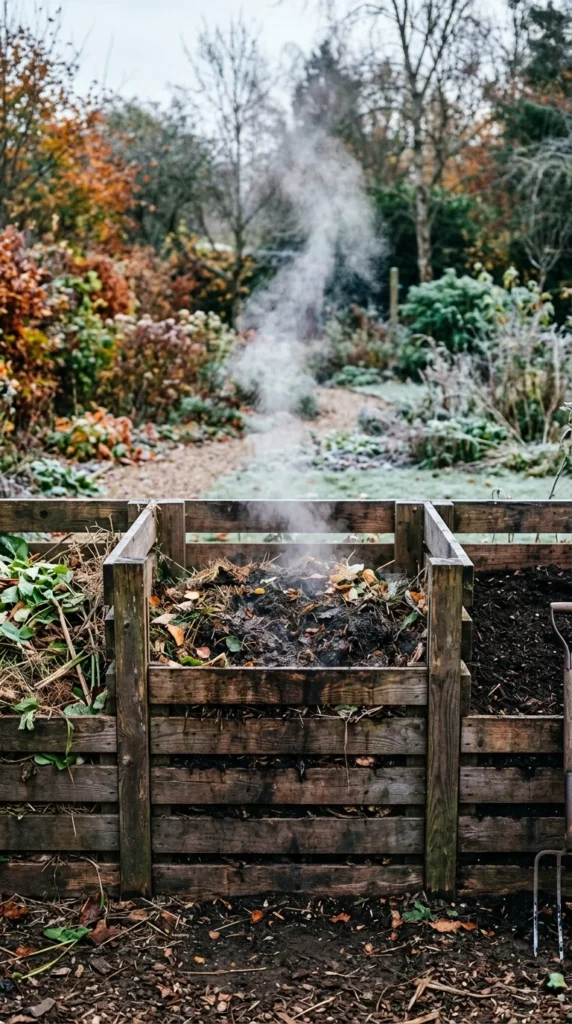
Composting doesn’t have to stop when the temperature drops. While the microbial activity slows down in the cold, the core of a large compost pile can remain remarkably warm. Continue adding kitchen scraps (avoiding meat and dairy) and brown matter like shredded cardboard or dry leaves. To keep the process moving, try to chop your scraps into smaller pieces and consider insulating the bin with straw bales or a heavy tarp.
11. Soil Testing
Winter is the perfect time to analyze your soil’s health without the pressure of the planting season. A soil test kit can reveal the pH levels and nutrient content of your garden beds. Knowing exactly what your soil lacks—whether it’s nitrogen, phosphorus, or potassium—allows you to apply the necessary amendments before the spring growing season begins, giving them time to integrate into the earth.
12. Seed Starting
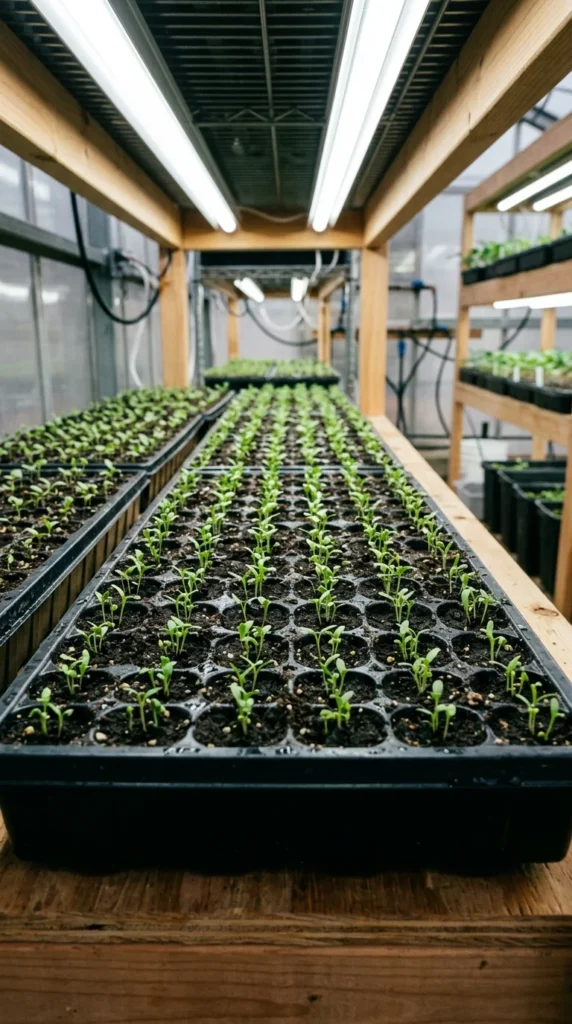
As late winter approaches, you can begin the gardening cycle indoors. Starting seeds under grow lights allows you to grow varieties that might not be available at local nurseries. This is particularly useful for plants with long growing seasons, such as peppers, tomatoes, and certain perennial flowers. It provides a much-needed psychological boost for the gardener, as the sight of new growth offers a promise of the coming spring.
13. Row Covers
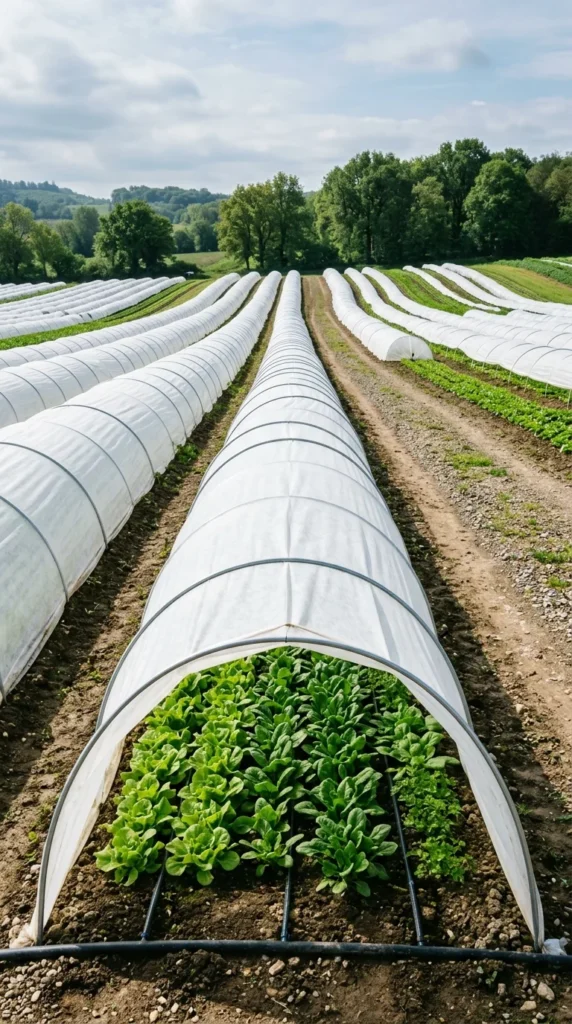
For larger garden beds, row covers (or “garden fleece”) are an excellent solution for frost protection. This lightweight, breathable fabric allows light and moisture to reach the plants while creating a pocket of air that can be several degrees warmer than the outside environment. It’s particularly effective for protecting early spring plantings or extending the life of autumn greens through the first few hard freezes.
14. Hardscaping

Winter is the best time to evaluate the “skeleton” of your garden. Without the distraction of flowers and foliage, you can see where the garden lacks structure. This is the time to plan or build hardscape elements like paths, stone walls, pergolas, or raised beds. Working on these projects in the winter prevents you from trampling on growing plants and ensures that your garden’s layout is perfected before the busy spring season.
15. Berry Shrubs
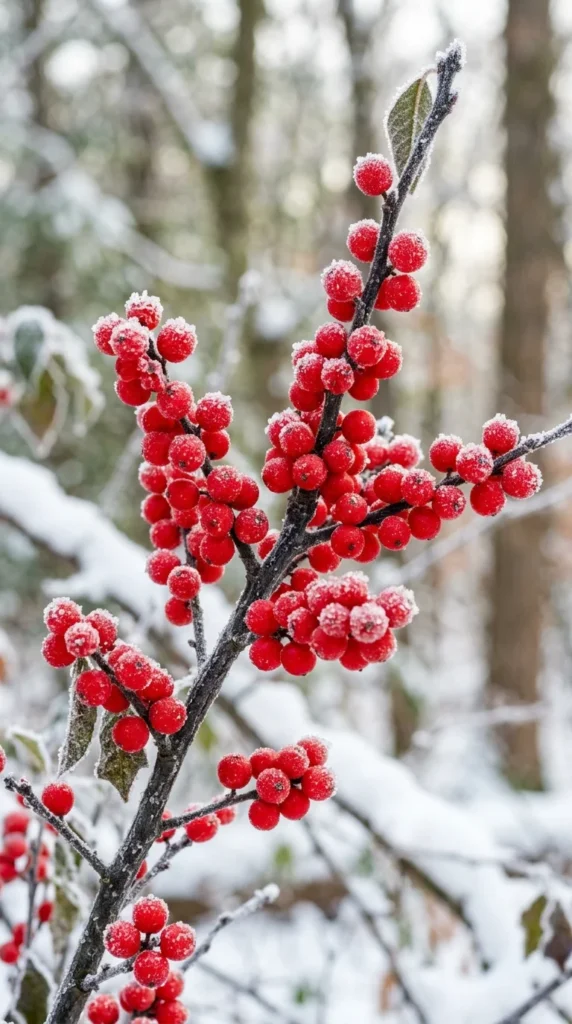
To add a pop of color to an otherwise monochromatic landscape, plant shrubs that produce winter berries. Plants like Winterberry (Ilex verticillata), Beautyberry, and various Viburnums hold onto their fruit long after the leaves have fallen. These berries provide a stunning visual contrast against the snow and serve as a critical food source for birds like robins and waxwings when other food sources are scarce.
16. Garden Lighting
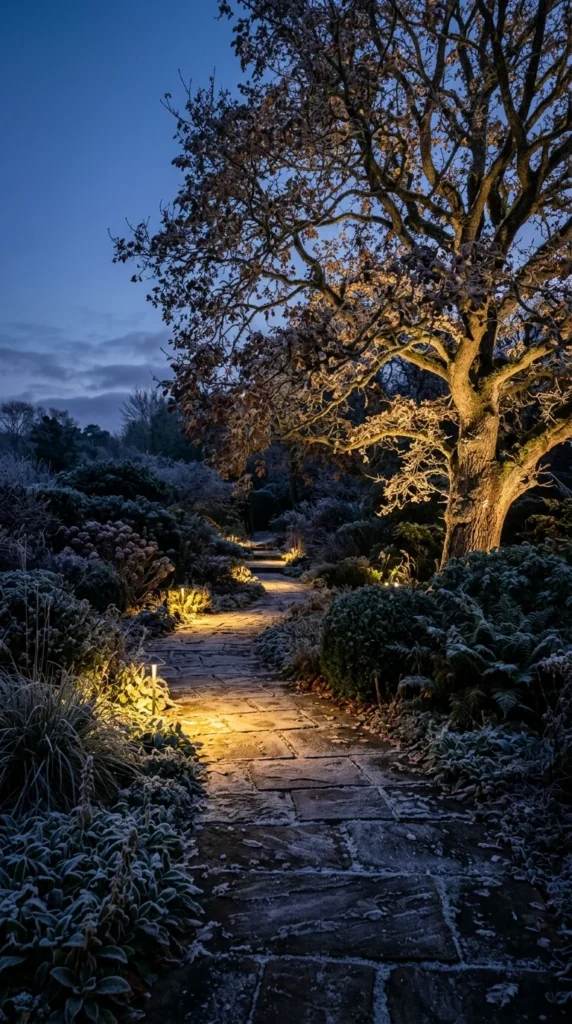
Because the sun sets so early in winter, garden lighting becomes essential for enjoying your outdoor space. Low-voltage LED lights or solar lanterns can highlight the architectural beauty of bare trees or the texture of evergreen hedges. Strategic lighting not only improves safety along walkways but also transforms the garden into a magical, glowing landscape that can be enjoyed from the warmth of your home.
17. Bark Texture

In the absence of leaves and flowers, the texture and color of tree bark take center stage. When planning your garden, consider trees known for their interesting bark, such as the Paperbark Maple, River Birch, or Tibetan Cherry. The peeling textures and rich colors of these trees provide a level of sophistication and detail that keeps the garden engaging even when everything else is dormant.
18. Container Pots

Your patio doesn’t have to be empty in the winter. Many containers can be replanted with winter-hardy selections. Ornamental cabbages, kales, and pansies are surprisingly resilient to frost. You can also create “winter arrangements” using cut branches of dogwood (for their red or yellow stems), evergreen boughs, and pinecones. Just ensure your pots are made of frost-proof materials like fiberglass, stone, or heavy-duty plastic to prevent cracking.
19. Water Care
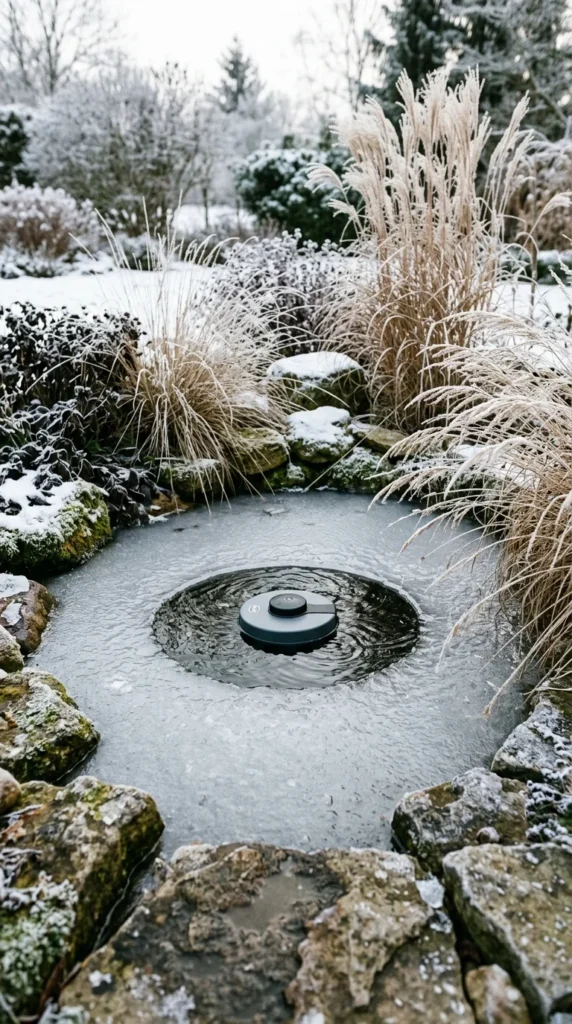
If you have a garden pond, winter care is crucial for the survival of any fish or plants within it. The primary goal is to prevent the pond from freezing over completely, which can trap toxic gases produced by decomposing organic matter. A simple floating pond heater or an air bubbler will keep a small hole open in the ice, allowing for essential gas exchange and ensuring your aquatic ecosystem remains healthy until the thaw.
20. Garden Journaling
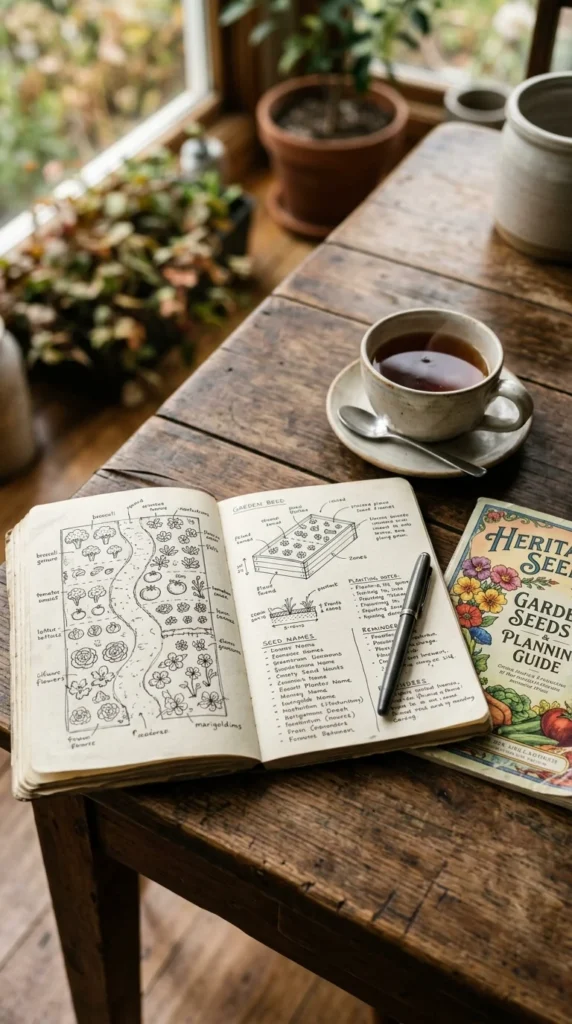
Finally, use the quiet of winter to reflect and plan. Garden journaling is a powerful tool for any horticulturalist. Review your notes from the previous year: what thrived, what failed, and what pests caused the most trouble? Use this time to sketch out new bed layouts, research new plant varieties, and place your seed orders early. Strategic planning during the winter months leads to a more organized, productive, and enjoyable gardening experience throughout the rest of the year.