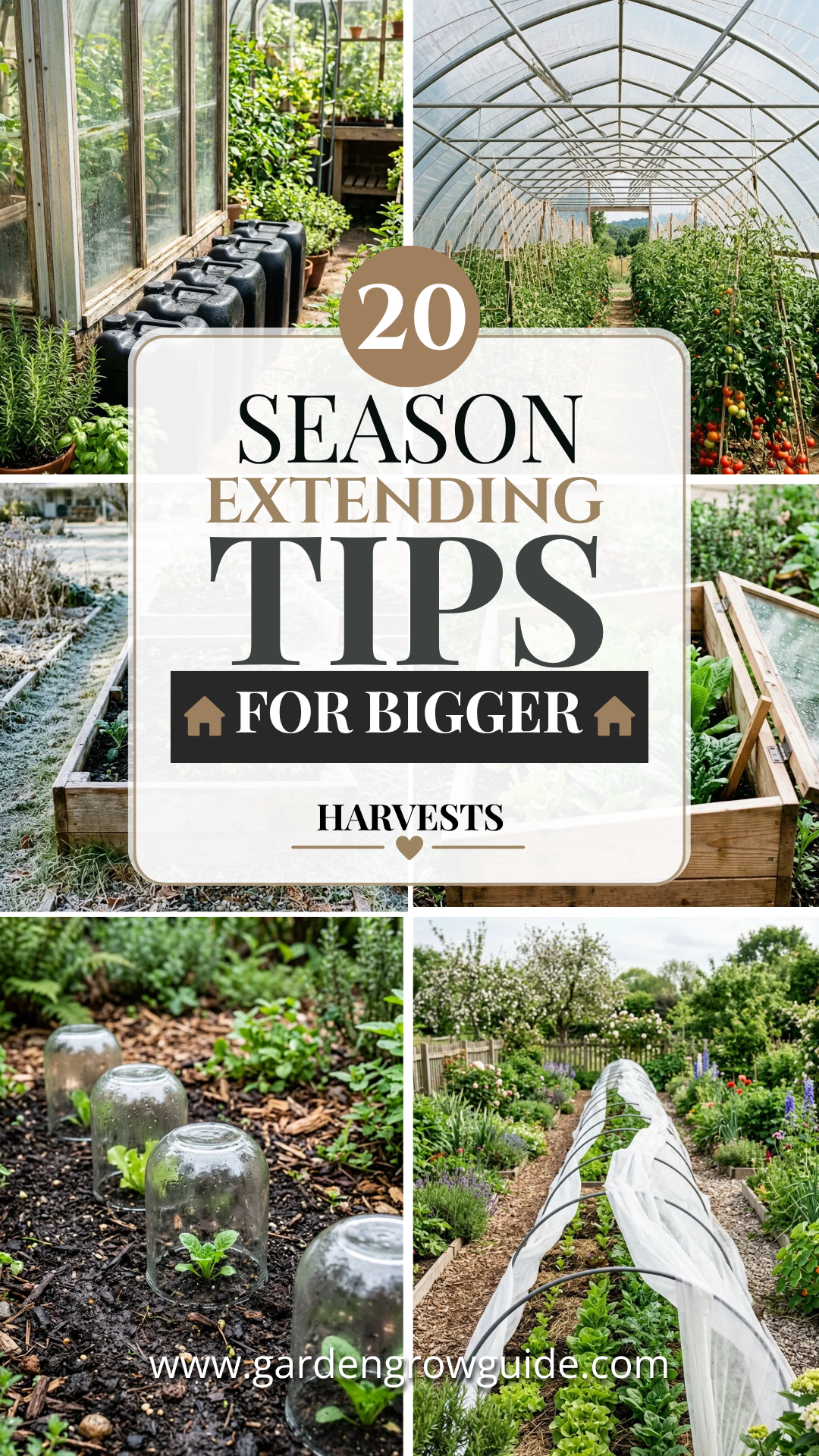
Maximizing the productivity of a garden requires more than just a green thumb; it requires a strategic approach to the calendar. By extending the growing season—starting earlier in the spring and pushing later into the autumn—gardeners can significantly increase their total caloric yield and enjoy fresh produce for ten or even twelve months of the year. This guide explores twenty proven techniques to keep your garden thriving when others have long since gone dormant.
1. Cold Frames
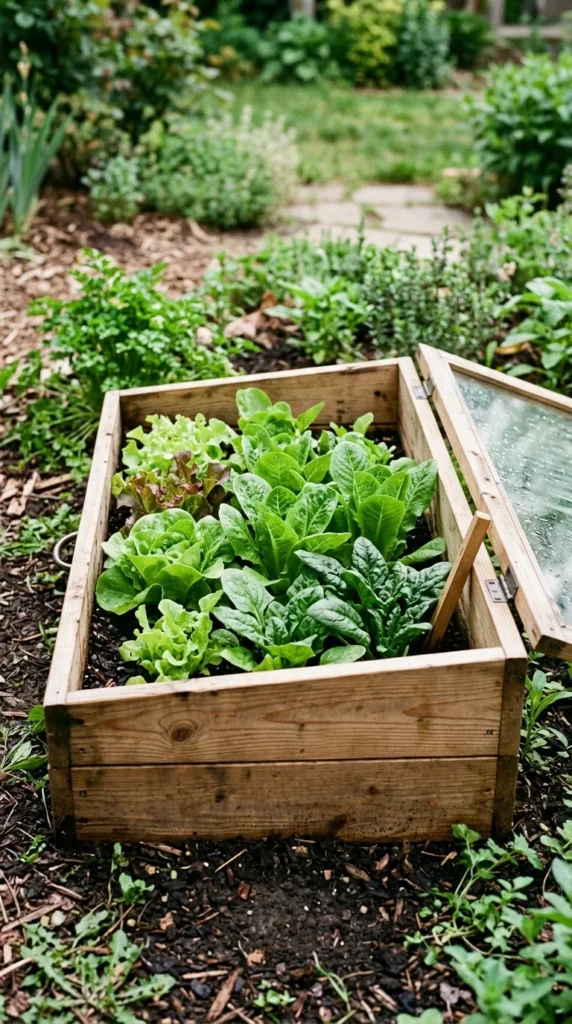
Cold frames are essentially miniature, bottomless greenhouses that sit directly over your garden beds. They are typically constructed from wood or masonry with a transparent “light” (usually glass or polycarbonate) on top. The primary function of a cold frame is to trap solar radiation and shield plants from biting winds. By using a cold frame, you can start cool-weather crops like spinach, radishes, and lettuce up to six weeks before the last frost and keep them growing well into the early winter.
2. Row Covers
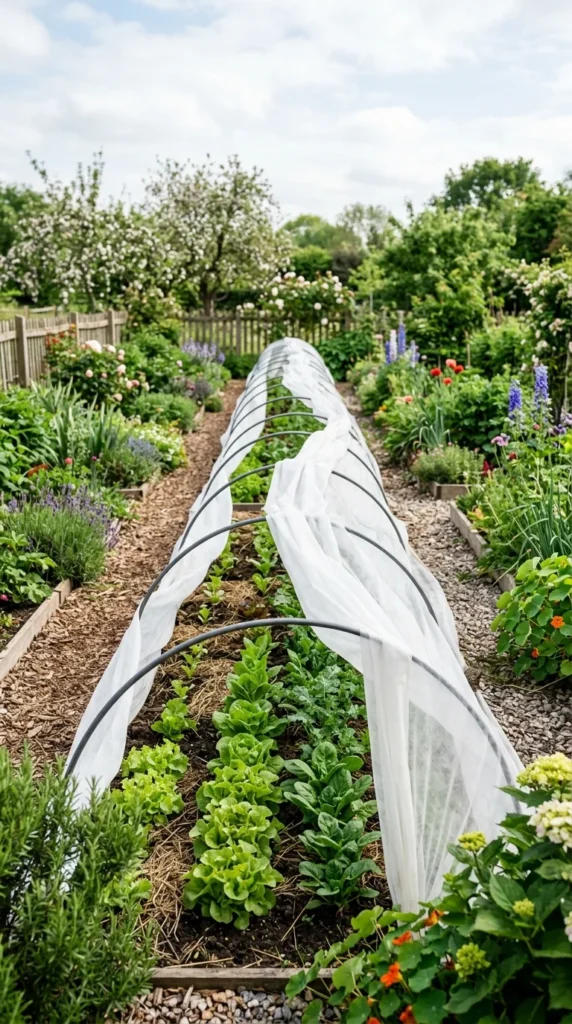
Floating row covers are made of lightweight, spun-bonded polyester or polypropylene fabric. They act as a thermal blanket for your plants. Depending on the weight of the fabric, row covers can provide 2 to 8 degrees Fahrenheit of frost protection. They allow light, air, and water to pass through while creating a microclimate that prevents the soil from losing heat rapidly at night. They are also excellent for protecting young seedlings from pests during the early spring.
3. Plastic Mulch
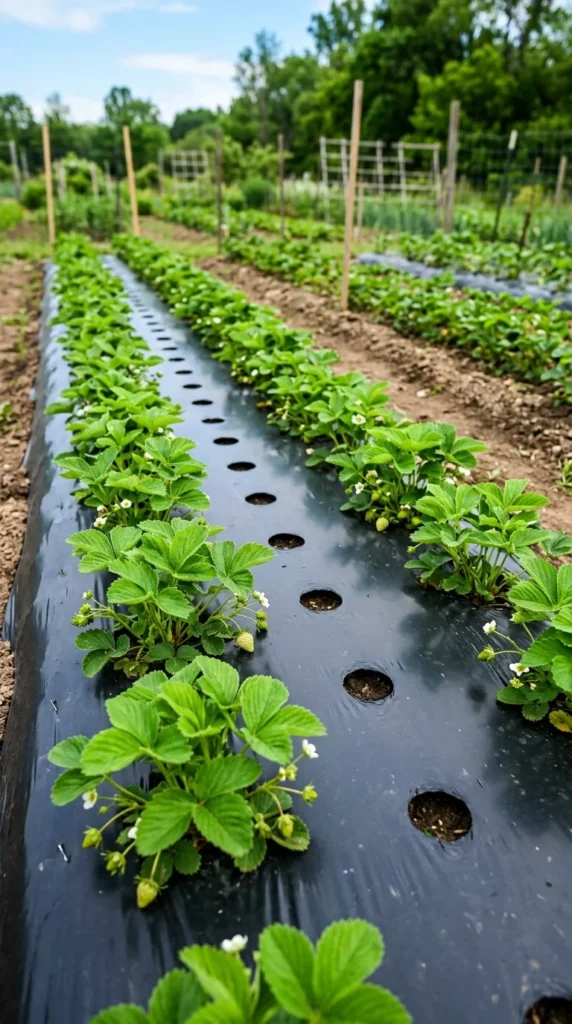
While organic mulches are great for cooling the soil in summer, plastic mulches are the king of season extension. Black plastic absorbs solar heat and transfers it directly into the soil, warming the root zone by several degrees. This allows for earlier planting of heat-loving crops like peppers, melons, and tomatoes. For an even greater boost, infrared transmitting (IRT) plastics can be used, which warm the soil even more effectively than standard black plastic.
4. Garden Cloches
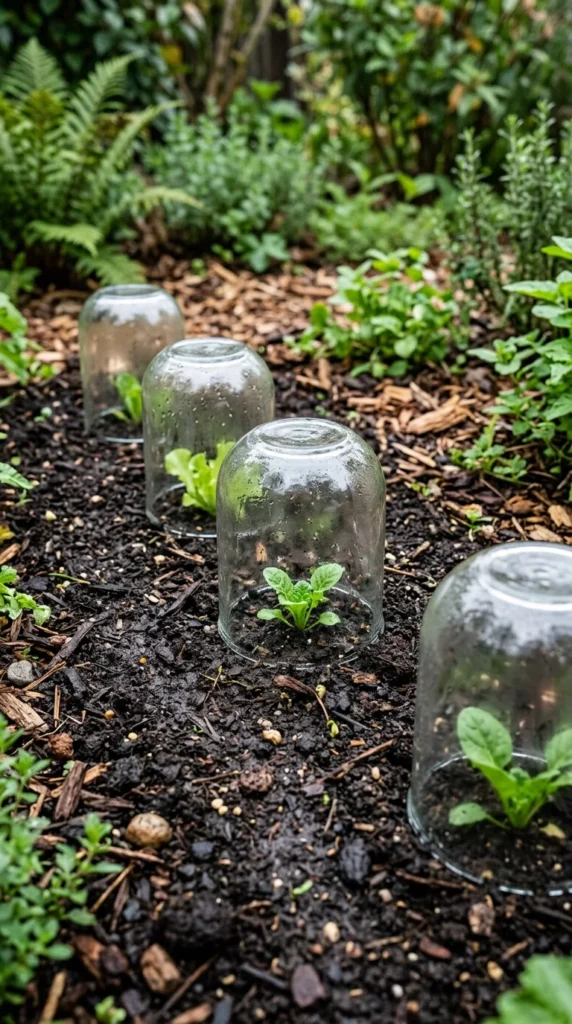
The cloche is a classic European gardening tool. Traditionally made of glass, but now often fashioned from recycled plastic, these bell-shaped covers act as individual greenhouses for single plants. They are perfect for protecting tender transplants from unexpected late-spring frosts. Because they are small, they heat up very quickly, so it is vital to vent them or remove them on sunny days to prevent “cooking” the plant inside.
5. Succession Planting
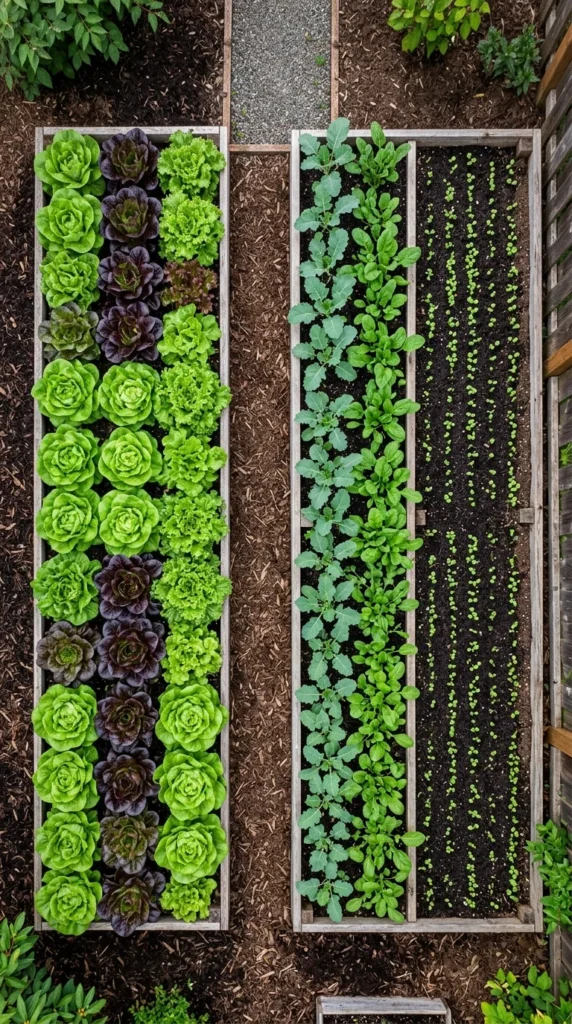
Succession planting is the practice of sowing seeds at staggered intervals rather than all at once. To extend your harvest, you should calculate the “days to maturity” for your crops and count backward from your first expected frost date. By planting quick-maturing varieties (like 30-day radishes or 45-day bush beans) in late summer, you ensure a fresh harvest just as your summer crops are fading.
6. High Tunnels
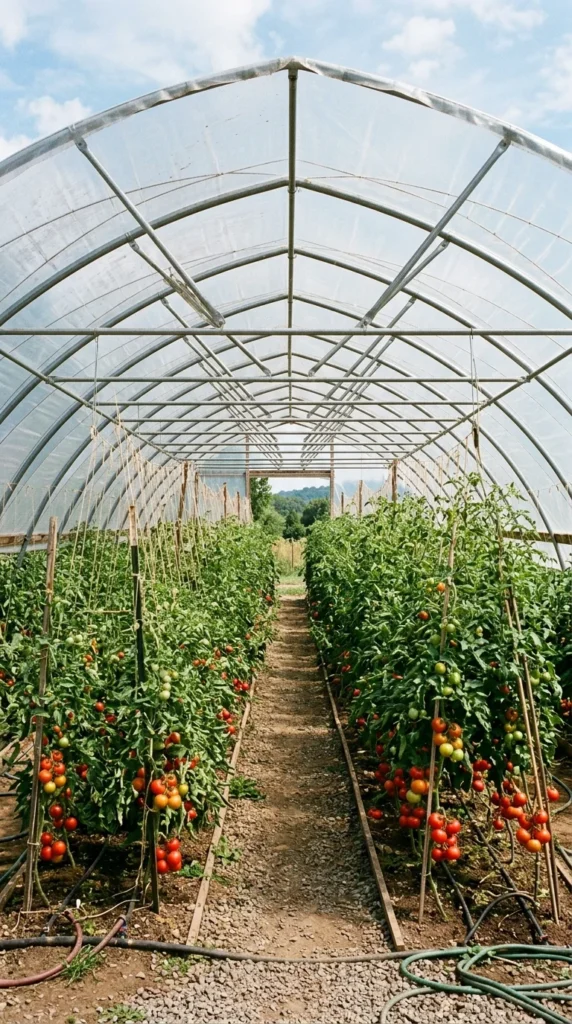
High tunnels, also known as hoop houses, are unheated structures that use the sun’s energy to create a controlled environment. Unlike cold frames, they are tall enough for a person to walk inside. They offer significant protection against frost, wind, and heavy rain. In many climates, a high tunnel can allow for the year-round production of cold-hardy greens and can get summer crops into the ground a full month earlier than traditional outdoor gardening.
7. Thermal Mass
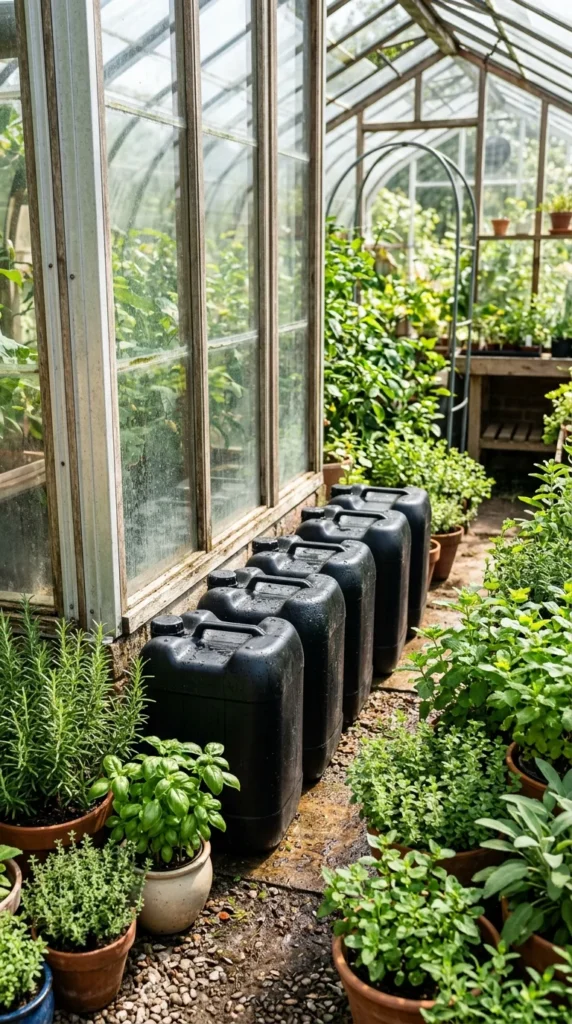
Using thermal mass is a passive way to regulate temperature. Objects with high density, such as stones, bricks, or large containers of water, absorb heat during the day when the sun is shining. At night, as the air temperature drops, these objects slowly release that stored heat back into the environment. Placing black-painted water barrels inside a greenhouse or lining a garden bed with large rocks can keep the ambient temperature just enough above freezing to save a crop.
8. Raised Beds
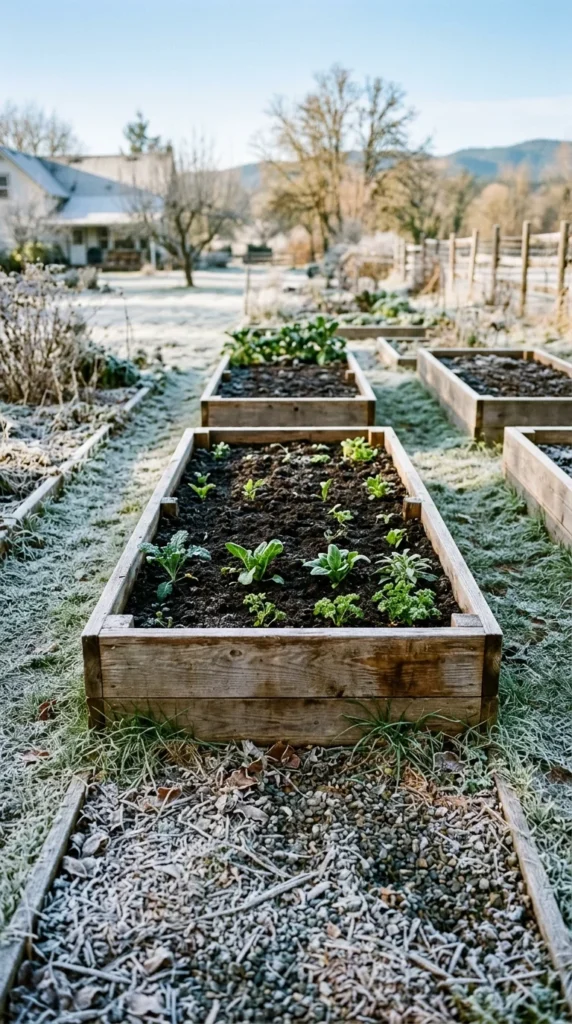
Soil in raised beds warms up significantly faster in the spring than the surrounding ground soil. Because they are elevated, they have better drainage, and the sides of the beds are exposed to the sun’s warmth. This allows gardeners to work the soil and plant seeds weeks before the “in-ground” garden has even thawed. To further extend the season, many gardeners attach “cattle panel” hoops to their raised beds to easily support bird netting or frost blankets.
9. Windbreaks
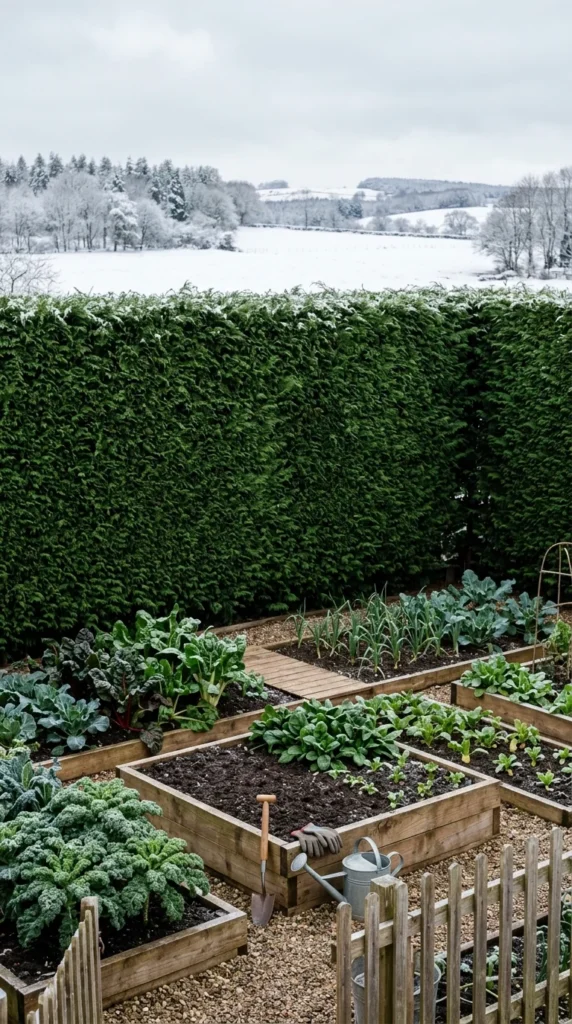
Wind is one of the biggest enemies of the late-season garden. A cold wind increases the rate of evaporation and strips heat away from plant tissues. By installing a windbreak—whether it’s a permanent hedge, a wooden fence, or a temporary burlap screen—you create a “lee” side where temperatures can be several degrees warmer. This microclimate can be the difference between a plant surviving a light freeze or succumbing to it.
10. Heavy Organic Mulch
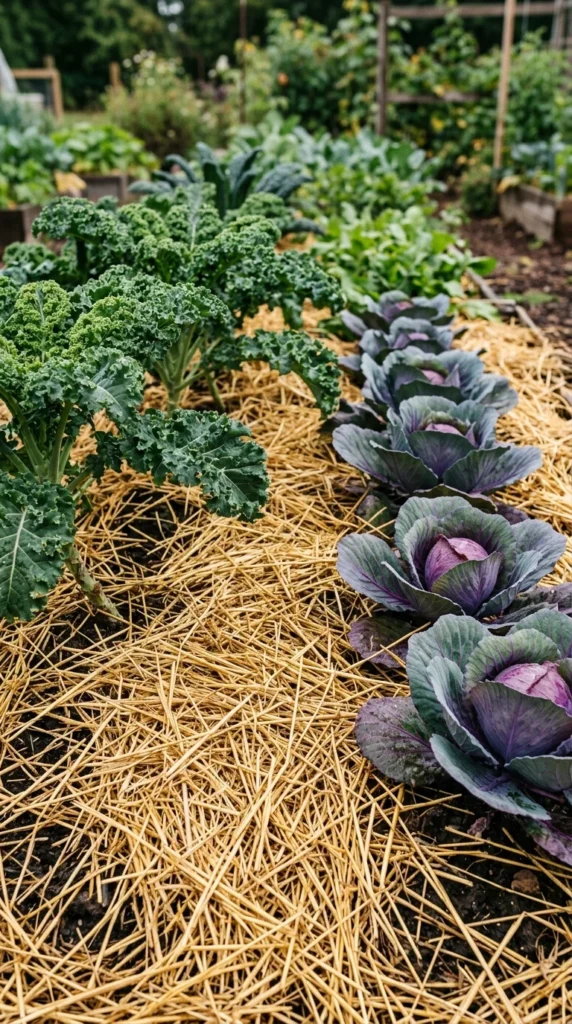
As winter approaches, a thick layer of straw, shredded leaves, or wood chips acts as insulation for the soil. This prevents the “freeze-thaw” cycle that can heave plants out of the ground and damage roots. For root crops like carrots, parsnips, and beets, a 6-to-12-inch layer of straw can act as a natural refrigerator, keeping the ground from freezing solid and allowing you to harvest fresh roots even in the middle of winter.
11. Variety Selection
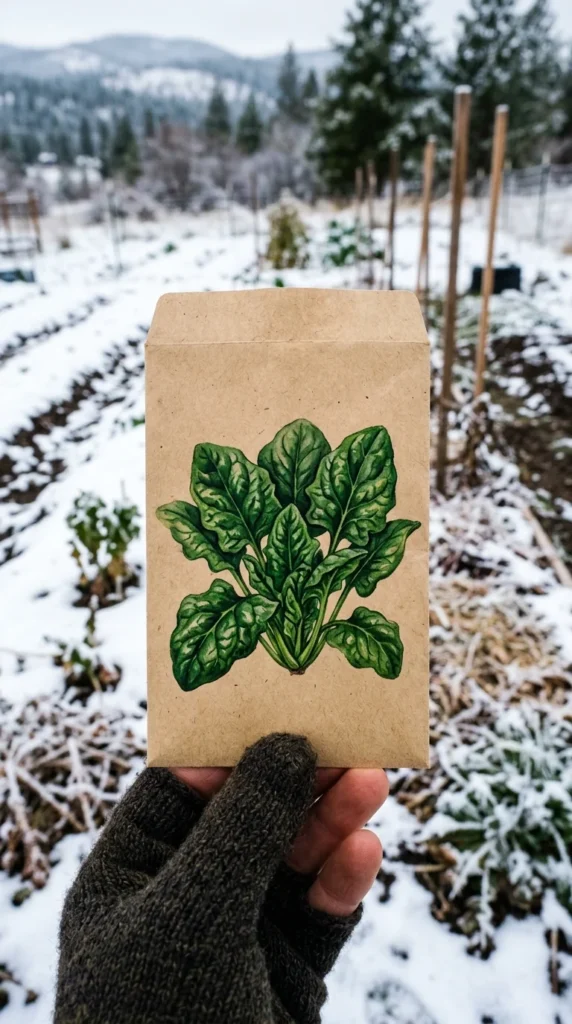
Not all vegetables are created equal when it comes to cold tolerance. To extend your harvest, you must choose varieties specifically bred for cold resistance. For example, “Winter Marvel” lettuce or “Vates” kale can withstand temperatures that would kill standard summer varieties. Look for keywords like “cold-hardy,” “overwintering,” or “bolt-resistant” when selecting seeds for your spring and fall extensions.
12. Low Tunnels
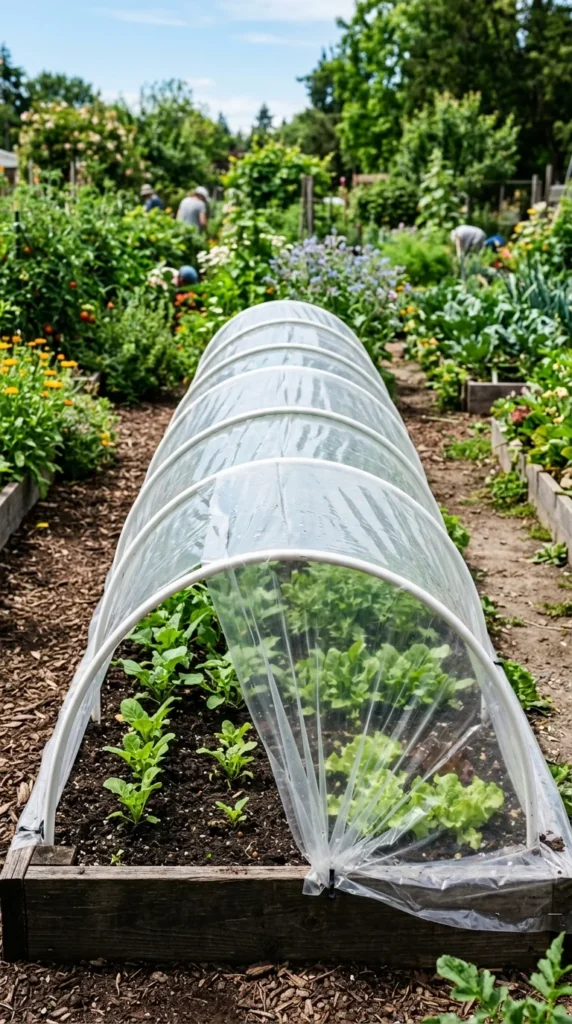
Low tunnels are a scaled-down version of high tunnels. They are usually only 2 to 3 feet tall and are designed to cover a single garden row. They are much more affordable than high tunnels and can be easily moved or dismantled. Low tunnels are exceptionally effective for “overwintering” crops; by covering hardy greens in the late fall, you can keep them alive and dormant through the winter, leading to an incredibly early spring harvest.
13. Greenhouse Heaters
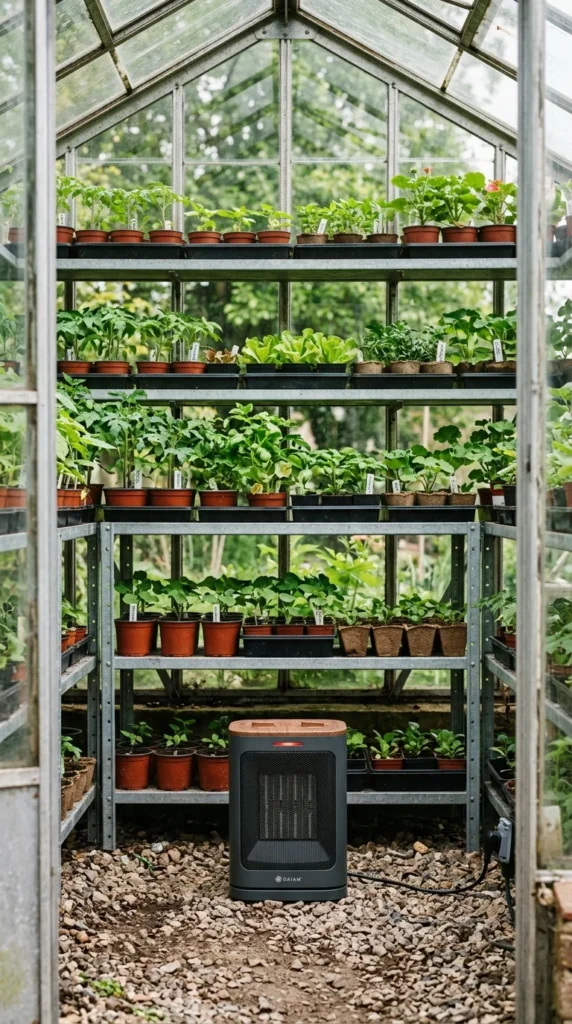
While passive season extension is more sustainable, sometimes a little active heat is necessary to save a harvest during an extreme cold snap. Small propane or electric heaters can be used in greenhouses or large cold frames during the coldest nights of the year. This is particularly useful for gardeners who want to keep citrus trees or tropical plants alive in temperate zones, or for those starting seeds in very early February.
14. Hardening Off
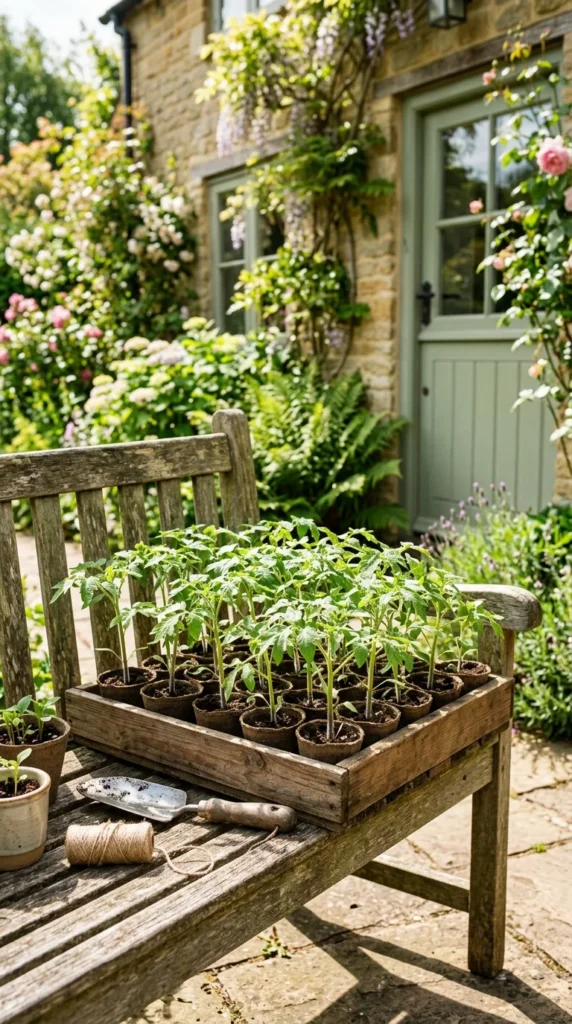
Season extension isn’t just about the end of the year; it’s about the beginning. Hardening off is the process of gradually acclimating indoor-started seedlings to the outdoor environment. By properly hardening off your plants—giving them an hour of sun the first day, two hours the second, and so on—you ensure they are strong enough to handle the fluctuating temperatures of early spring, preventing stunted growth and ensuring a bigger, earlier harvest.
15. Wall-o-Water
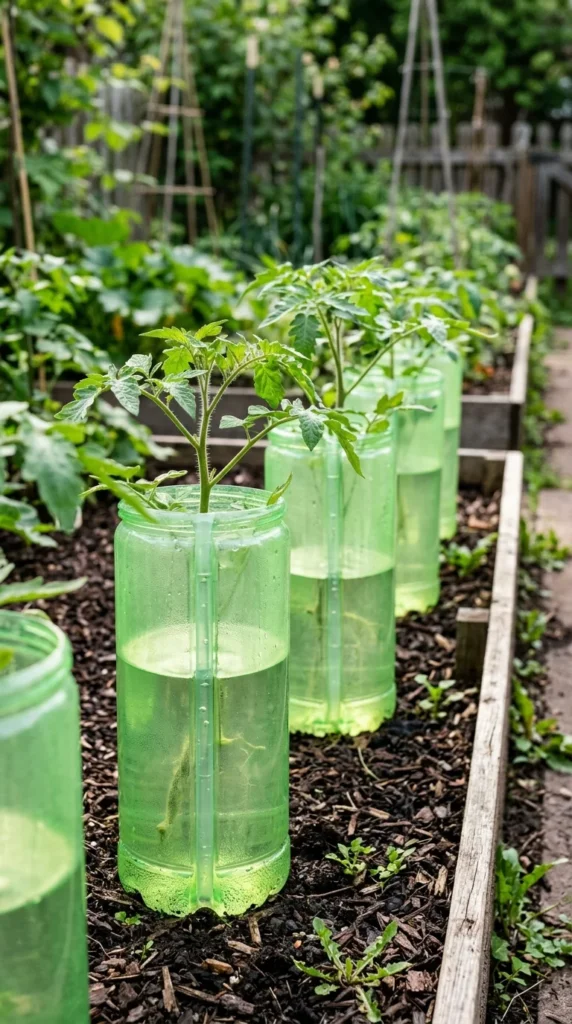
A “Wall-o-Water” is a specialized plant protector consisting of a circle of water-filled plastic tubes. The water absorbs a massive amount of solar heat during the day. As the water freezes at night, it releases latent heat into the center of the circle, keeping the plant inside significantly warmer than the outside air. These are legendary for allowing gardeners to plant tomatoes outdoors up to six weeks before the last frost date.
16. Soil Warming Mats
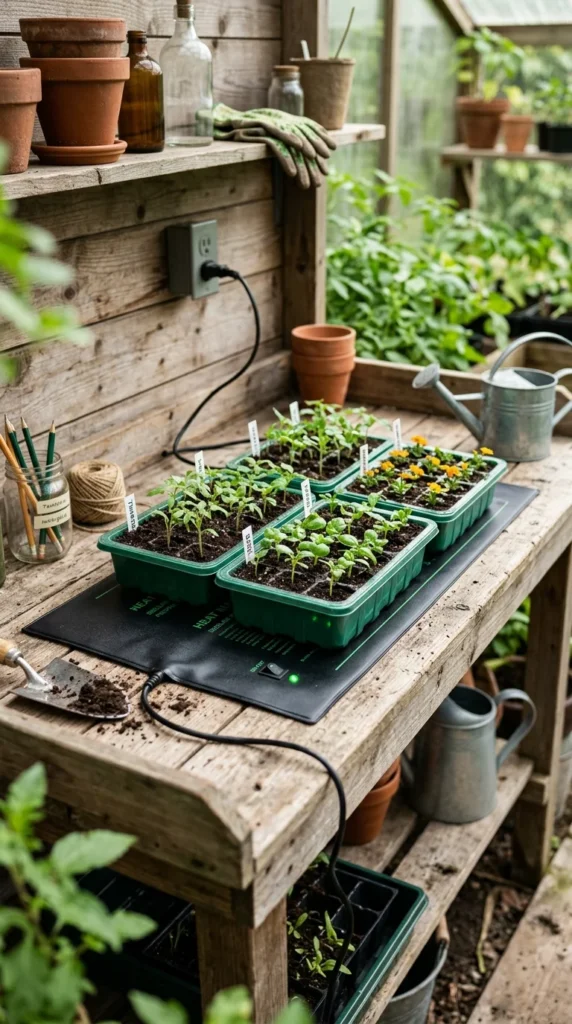
For those starting seeds indoors, soil temperature is often more important than air temperature. Soil warming mats provide a consistent, gentle heat to the bottom of seed trays, which mimics the warming earth of late spring. This speeds up germination rates and produces much sturdier root systems. When these vigorous plants are moved outside, they are better equipped to handle the stresses of the early season.
17. Vertical Gardening
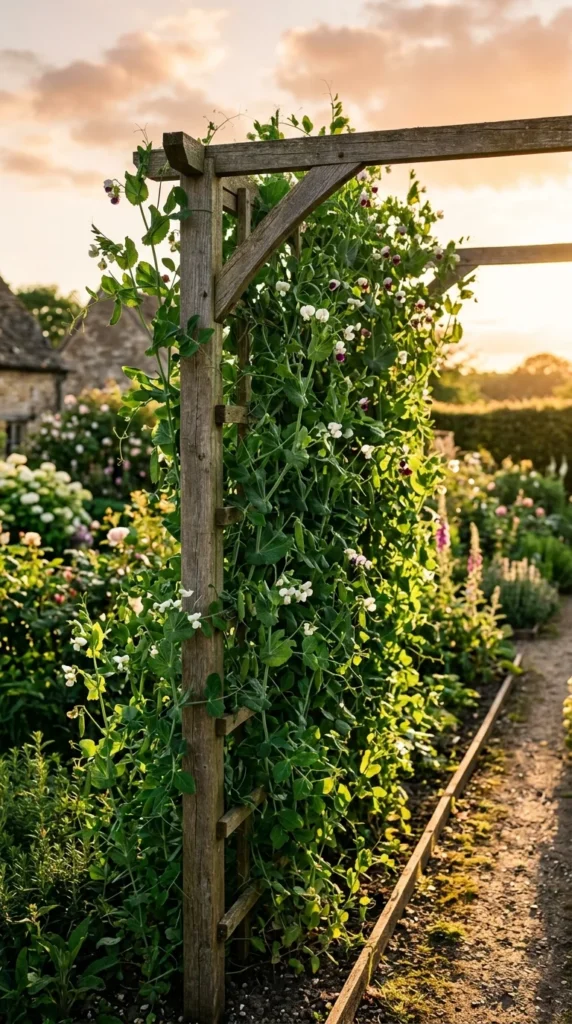
Vertical gardening can extend the season by taking advantage of better air circulation and light exposure. Plants grown on a trellis are less likely to be affected by the damp, cold air that settles on the ground during autumn nights. Furthermore, by positioning your trellises to face south, you maximize the amount of late-season sun your plants receive, helping them to ripen fruit like late-season pole beans or cucumbers before the frost hits.
18. Hot Beds
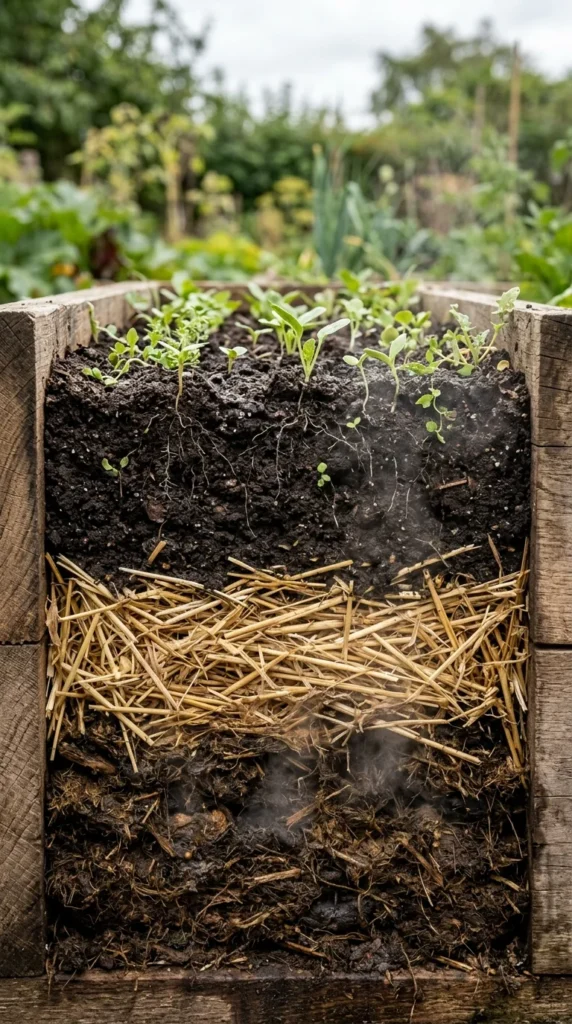
A “hot bed” is an ancient technique that uses the heat of composting to warm a garden bed from below. By digging a pit and filling it with fresh manure (usually horse manure) and then covering it with a layer of soil, the decomposition process creates natural heat. This can keep the soil at a consistent 60-70 degrees Fahrenheit even when the air above is freezing. It is an excellent, low-tech way to start seeds in the dead of winter.
19. Afternoon Watering
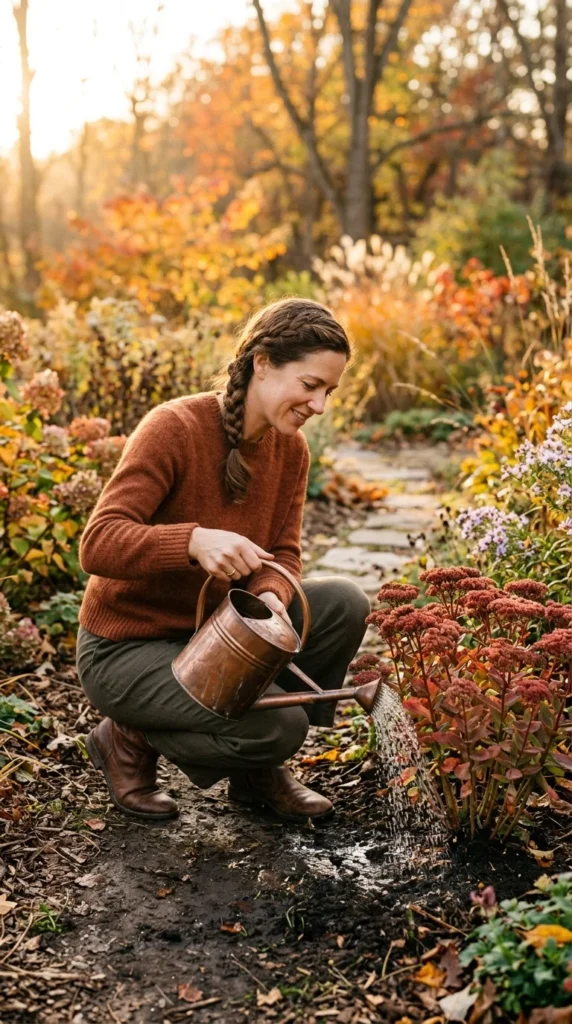
In the heat of summer, it is best to water in the morning. However, when trying to extend the season into the fall, switching to afternoon watering can be beneficial. Wet soil absorbs more heat than dry soil. By watering in the early afternoon, you allow the moisture to soak in and the sun to warm that water, providing a thermal buffer for the plant’s roots during the cold night ahead.
20. Microclimate Mapping
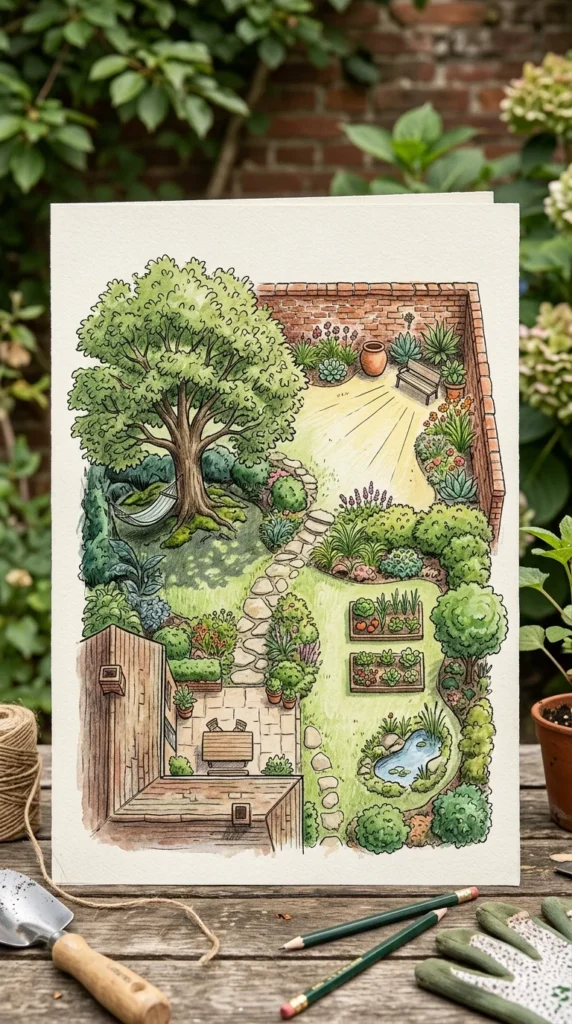
Every backyard has microclimates—areas that are naturally warmer or cooler than the rest of the property. A south-facing brick wall, for instance, will radiate heat long after the sun goes down. Low-lying areas in the yard will be “frost pockets” where cold air settles. By observing your property and mapping these zones, you can place your most cold-sensitive crops in the warmest spots, effectively “cheating” your hardiness zone by one or even two levels.