Starting a garden is one of the most rewarding journeys a homeowner or hobbyist can undertake. However, walking into a garden center for the first time can be overwhelming. Rows upon rows of shiny gadgets, specialized machinery, and various hand tools can make anyone feel out of their depth. The secret to a successful start isn’t owning every tool on the shelf; it is owning the right tools.
Quality over quantity is the golden rule of gardening. A few well-chosen, durable implements will serve you better than a shed full of cheap plastic alternatives that break after one season. This guide breaks down the fundamental tools every beginner needs to cultivate a thriving garden, along with tips on what to look for when making your purchase.
1. Hand Trowel
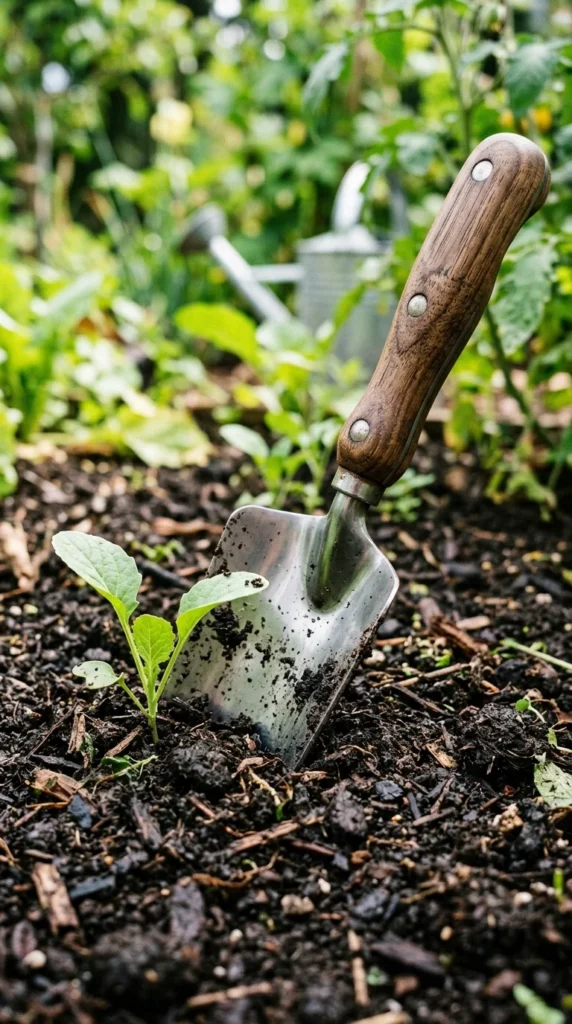
The hand trowel is arguably the most used tool in any gardener’s arsenal. It is a small, handheld shovel used for digging small holes, transplanting seedlings, and even digging up stubborn weeds. Because you will use this tool constantly, ergonomics and durability are paramount.
When choosing a trowel, look for “full-tang” construction, meaning the metal of the blade extends all the way through the handle. This prevents the tool from snapping at the neck when prying through heavy clay or rocky soil. Stainless steel is a popular choice because it resists rust and slides easily through the earth. If you have smaller hands or suffer from wrist fatigue, look for models with padded, gel-filled, or ergonomically curved handles to reduce strain.
2. Gardening Gloves
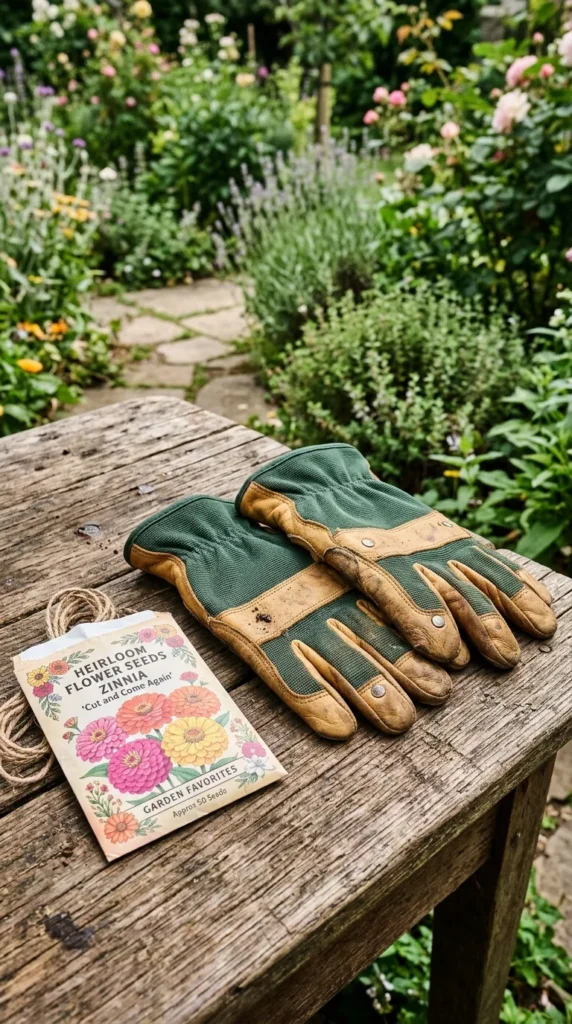
While some gardeners enjoy the feel of soil between their fingers, a good pair of gloves is essential for safety and comfort. Gardening involves thorns, splinters, stinging insects, and potentially irritating chemicals or fungi in the soil.
For beginners, a “clothe-and-nitrile” hybrid glove is often the best choice. These offer breathability on the back of the hand while providing a waterproof, puncture-resistant grip on the palms and fingers. If you plan on working with roses or berry bushes, you might also want a pair of heavy-duty leather gauntlets that extend up the forearm to protect against scratches. Ensure the fit is snug but not tight; loose gloves cause blisters, while tight ones restrict movement.
3. Pruning Shears
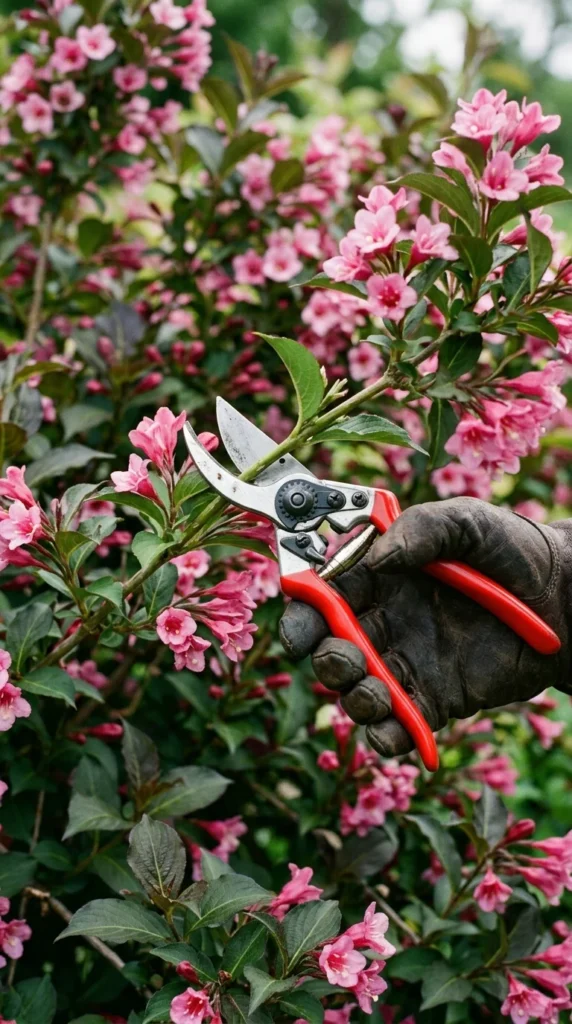
Often called secateurs, pruning shears are vital for maintaining the health of your plants. They are used for “deadheading” (removing spent flowers), harvesting vegetables, and cutting back overgrown stems. There are two main types: bypass and anvil.
For most beginners, bypass pruners are the superior choice. They work like scissors, with two blades passing each other, making clean, sharp cuts that heal quickly. Anvil pruners, where a straight blade closes against a flat metal plate, are better for dead wood but can crush live stems. Look for shears that can be easily disassembled for cleaning and sharpening, as sap and debris will eventually gum up the mechanism.
4. Garden Hoe
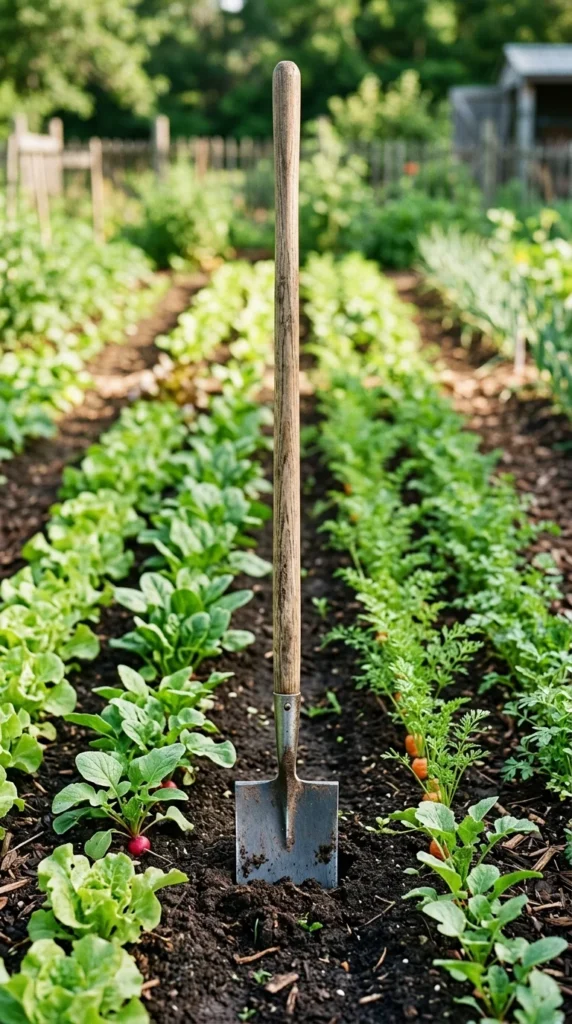
The garden hoe is a time-tested tool designed for two primary tasks: weeding and soil preparation. Instead of bending over to pull every weed by hand, a hoe allows you to slice through weed roots just below the surface while standing comfortably.
There are many styles of hoes, but a standard “draw hoe” (with a flat rectangular blade) or a “stirrup hoe” (which moves back and forth) are the most versatile for beginners. A good hoe should have a handle long enough that you can stand upright without slouching. The blade should be sharp; a dull hoe requires significantly more physical effort to use and can end up hacking at your plants rather than slicing the weeds.
5. Spade
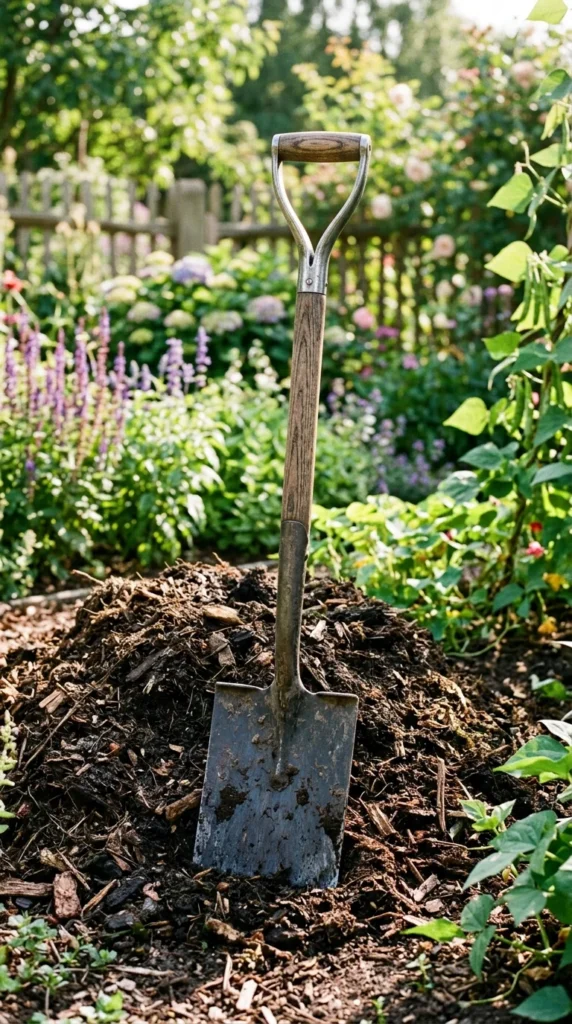
Not to be confused with a pointed shovel, a spade has a flat, square blade and a shorter handle. It is the go-to tool for edging beds, digging trenches, and slicing through sod. Because the blade is flat, it is much more effective at creating clean, vertical walls for planting holes or garden borders.
When shopping for a spade, look for a “tread” on the top of the blade—this is a flattened lip where you can place your foot to apply extra pressure. A D-shaped handle is generally preferred as it provides better control and leverage when lifting heavy soil. Carbon steel is a great material for spades as it is incredibly strong, though it does require a bit of oiling to prevent rust.
6. Rake
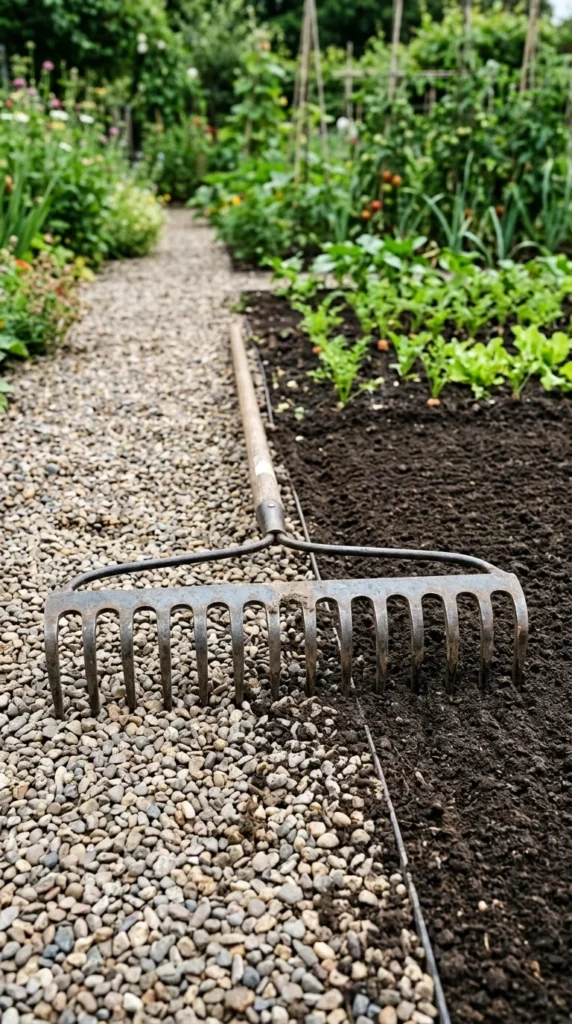
A rake is essential for finishing your garden beds. While a leaf rake (made of plastic or flexible metal) is great for clearing debris, a bow rake (made of rigid steel) is what you need for gardening. It is used to level the soil, break up large clods of earth, and spread mulch or compost evenly.
The “bow” part refers to the metal supports that connect the rake head to the handle, providing a bit of spring and strength. Choose a rake with a solid forged head rather than one that is merely welded on, as the tines are less likely to bend or snap when working with heavy soil.
7. Watering Can
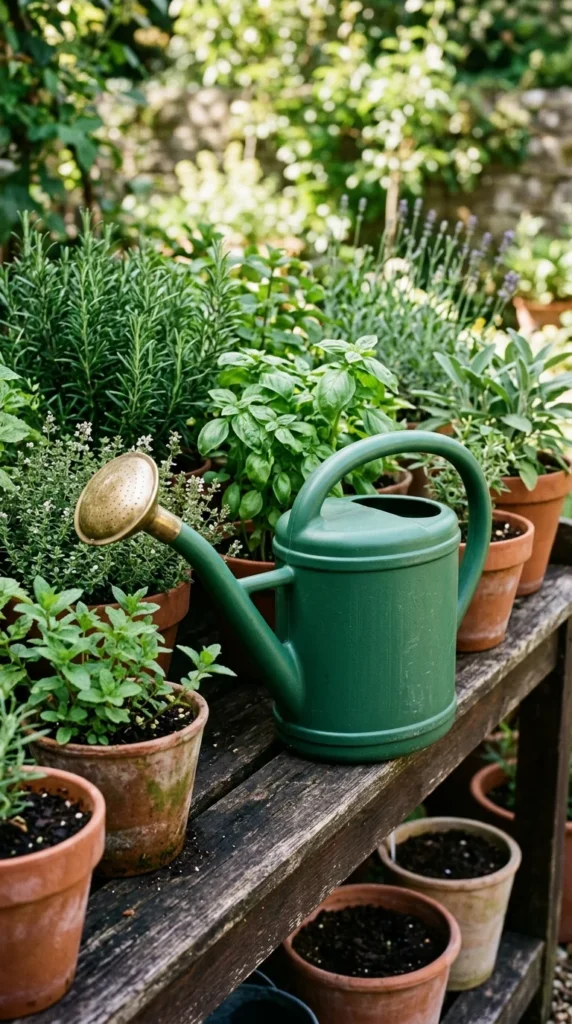
Even if you have a garden hose, a watering can is indispensable. It allows for precision watering, which is crucial for delicate seedlings that might be washed away by the high pressure of a hose. It’s also the easiest way to apply liquid fertilizers.
Look for a watering can with a “rose”—the perforated nozzle at the end of the spout. A good rose should create a gentle, rain-like spray rather than a single heavy stream. Balance is the most important factor here; pick up the can and mimic a pouring motion to see if it feels comfortable. A two-handle design (one on top and one at the back) allows for better control as the water level shifts.
8. Wheelbarrow
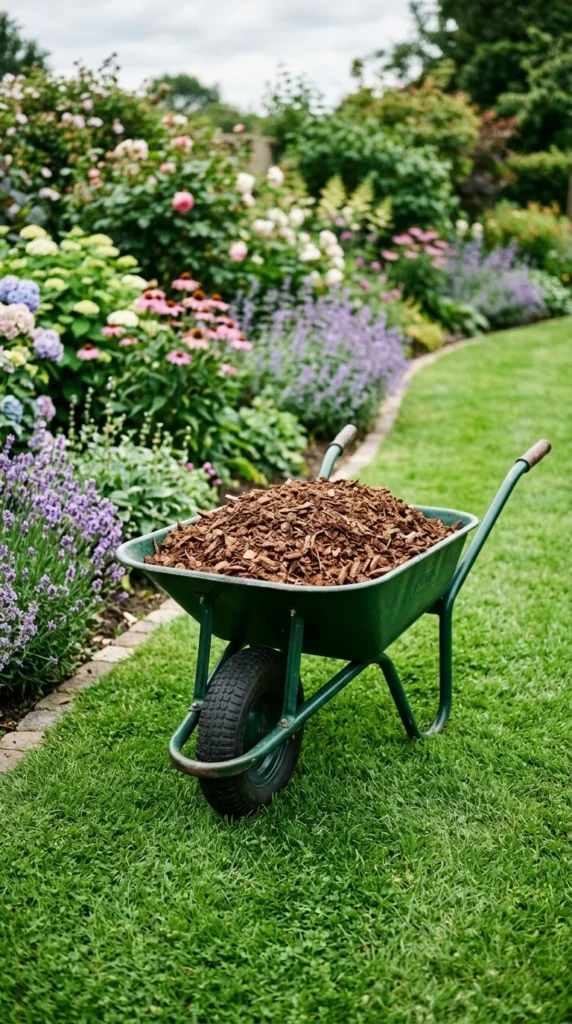
Gardening involves a lot of hauling: soil, mulch, compost, rocks, and weeds. A wheelbarrow will save your back and significantly speed up your garden chores. For a standard backyard, a traditional single-wheel model is highly maneuverable in tight spaces.
If you have balance issues or very uneven terrain, a two-wheeled garden cart might be a more stable option. Ensure the tray (or “bucket”) is made of heavy-duty plastic or powder-coated steel. Plastic won’t rust and is lighter, while steel can handle heavier loads like bricks or large stones. Keep the tire inflated to the recommended pressure to make pushing the load as easy as possible.
Understanding Tool Materials: A Quick Buyer’s Guide
When you are at the store, you will likely see a range of prices for what looks like the same tool. The difference usually lies in the materials:
- Stainless Steel: The premium choice. It is rust-resistant, easy to clean, and very durable. It stays shiny and slides through soil with minimal friction.
- Carbon Steel: Stronger and harder than stainless steel, making it ideal for heavy-duty digging. However, it is prone to rust if not cleaned and oiled regularly.
- Aluminum: Lightweight and rust-proof, but much softer. Aluminum tools are great for light tasks but can bend if they hit a rock or a thick root.
- Wood Handles: Ash or hickory are the standards. They are strong, have a natural “give” that absorbs shock, and can be replaced if they break.
- Fiberglass/Plastic Handles: These are weather-resistant and won’t rot, but they can be brittle in extreme cold and are harder to repair if they snap.
Maintenance: Making Your Tools Last
Once you have invested in these essential tools, a little maintenance will ensure they last for decades.
- Clean after use: Use a stiff brush or a hose to remove dirt. Wet soil trapped on metal leads to rust.
- Dry them: Never store tools wet. A quick wipe with a rag prevents corrosion.
- Sharpening: Use a simple whetstone or a metal file to keep the edges of your trowel, spade, and hoe sharp. A sharp tool is a safe tool because it requires less force to use.
- Oil the metal: At the end of the season, wipe the metal parts with a bit of linseed oil or even vegetable oil to create a protective barrier against moisture.
- Condition the wood: Rub wooden handles with linseed oil once a year to prevent them from drying out and splintering.
By starting with these eight essential tools and focusing on high-quality construction, you will set yourself up for a lifetime of enjoyable and productive gardening. Happy planting!