Starting a garden is one of the most rewarding journeys a homeowner can undertake. Whether you are aiming to grow your own organic vegetables or create a sanctuary of perennial flowers, the success of your endeavor often hinges on the quality of your equipment. For a beginner, walking into a garden center can be overwhelming, with aisles of specialized gadgets and heavy machinery. However, most gardening tasks can be accomplished with a core set of reliable manual tools.
Equipping yourself with the right gear not only makes the physical labor easier but also ensures the health of your plants. Using the wrong tool for the job can damage delicate roots, cause unnecessary strain on your body, or lead to the premature death of your greenery. This guide breaks down the 20 essential tools that every novice gardener should have in their shed to transition from a beginner to a seasoned green thumb.
1. Hand Trowel
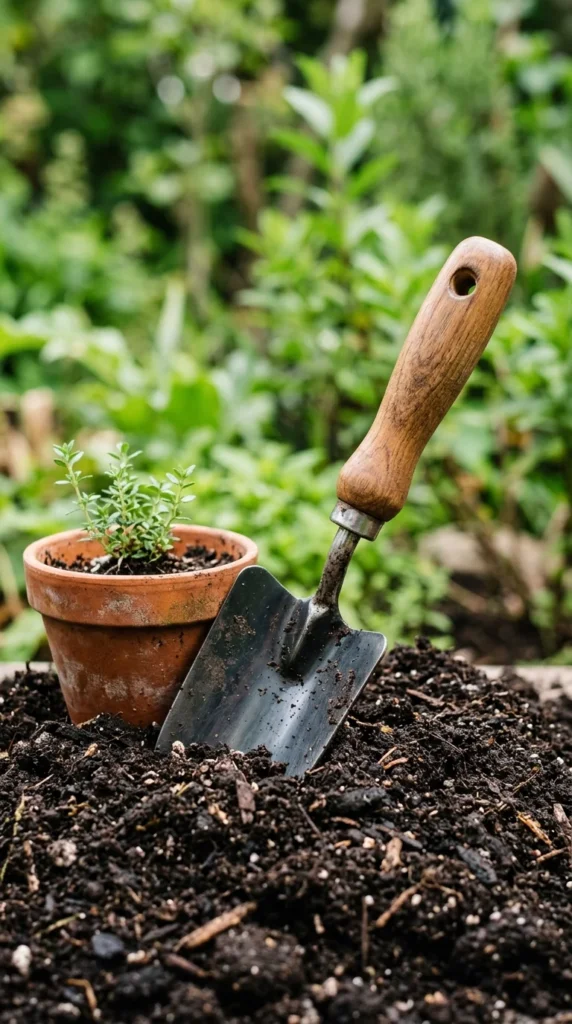
The hand trowel is perhaps the most fundamental tool in any gardener’s arsenal. It is essentially a miniature shovel designed for use with one hand. Beginners will find this tool indispensable for digging small holes for seedlings, planting bulbs, and moving soil in container gardens. When selecting a trowel, look for a “one-piece” design where the blade and the tang (the part that goes into the handle) are forged together, as this prevents the head from snapping off when working in heavy clay soil.
2. Hand Transplanter
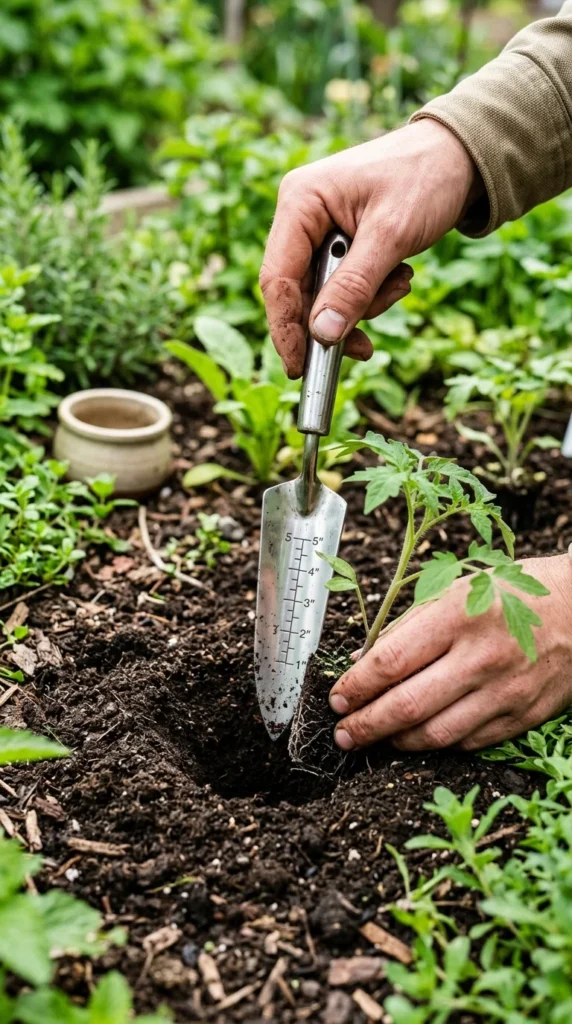
While it looks similar to a trowel, the hand transplanter features a much narrower blade. This tool is specifically designed for working in tight spaces or moving delicate plants without disturbing the root systems of neighboring greenery. The most helpful feature of a quality transplanter is the engraved measurements on the blade, which allow you to gauge exactly how deep you are digging—a critical factor for bulbs and seeds that have specific depth requirements.
3. Hand Cultivator
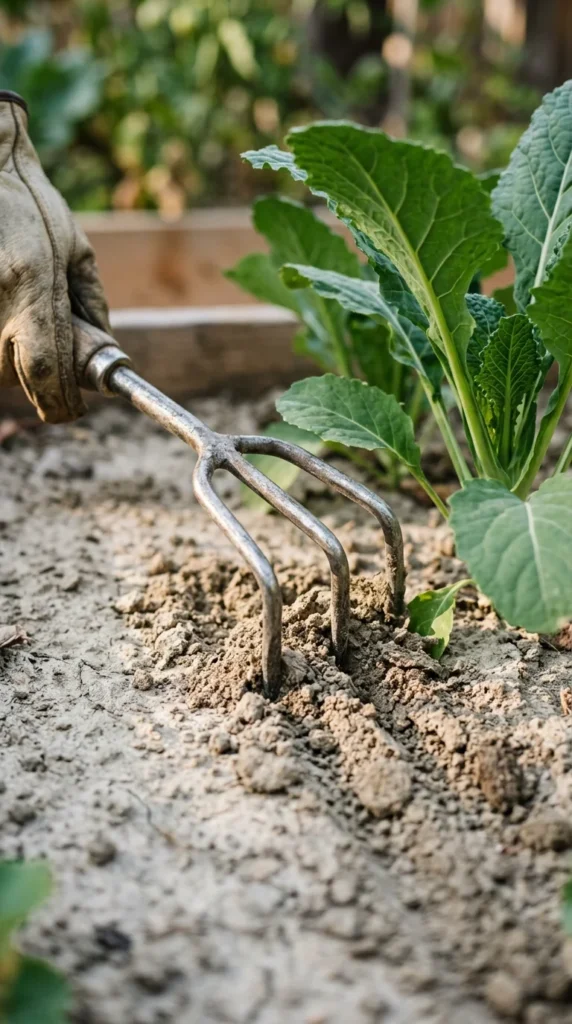
A hand cultivator, often called a “claw,” is used to break up the soil surface and remove small weeds before they take root. This tool is essential for aeration, ensuring that water and nutrients can reach the roots of your plants rather than sitting on top of a hardened crust. It is also the perfect tool for mixing compost or fertilizer into the top few inches of your garden beds.
4. Hand Weeder
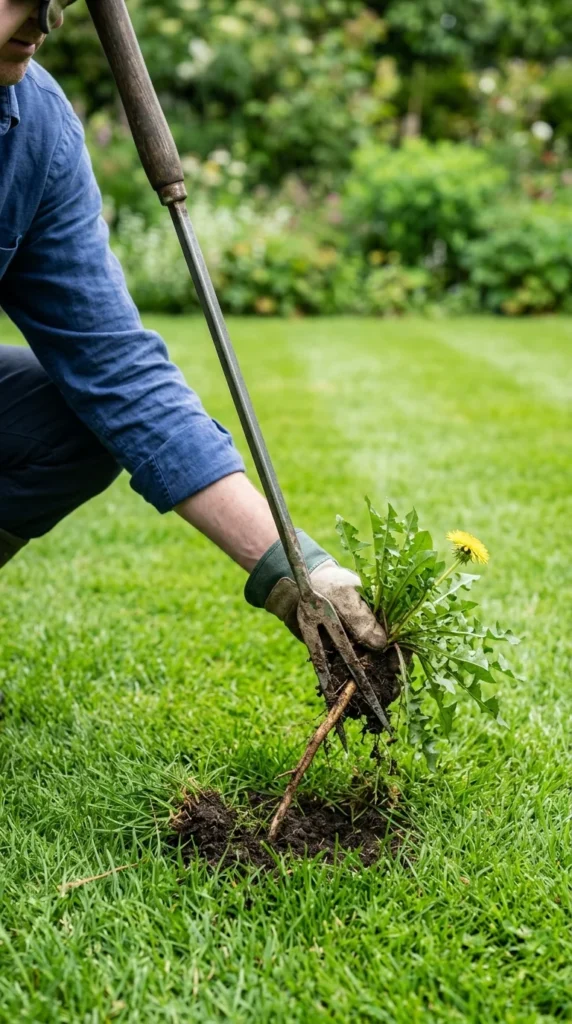
Weeding is an inevitable part of gardening. A hand weeder, sometimes referred to as a “dandelion digger,” features a long, narrow shaft with a notched end. This design allows you to reach deep into the soil to sever the taproot of stubborn weeds. Using this tool ensures that you remove the entire weed, preventing it from regrowing just days later.
5. Gardening Gloves
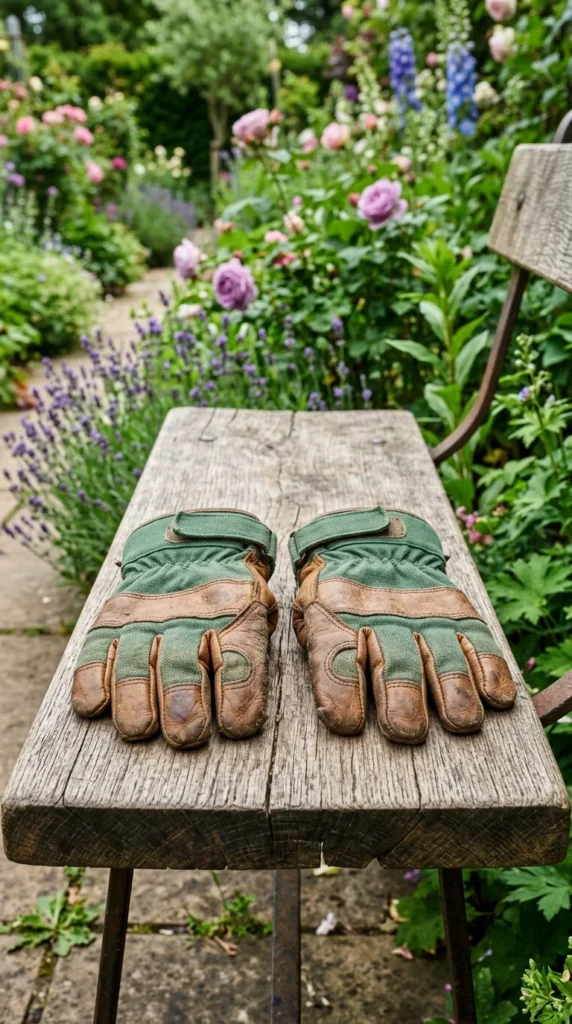
Gardening is a tactile hobby, but it can be hard on the hands. A high-quality pair of gloves protects you from thorns, stinging insects, and skin irritation caused by certain plants or fertilizers. For beginners, a pair of synthetic gloves with nitrile-coated palms offers the best balance of protection and dexterity, while heavy-duty leather gloves are better suited for pruning roses or handling woody brush.
6. Bypass Pruners
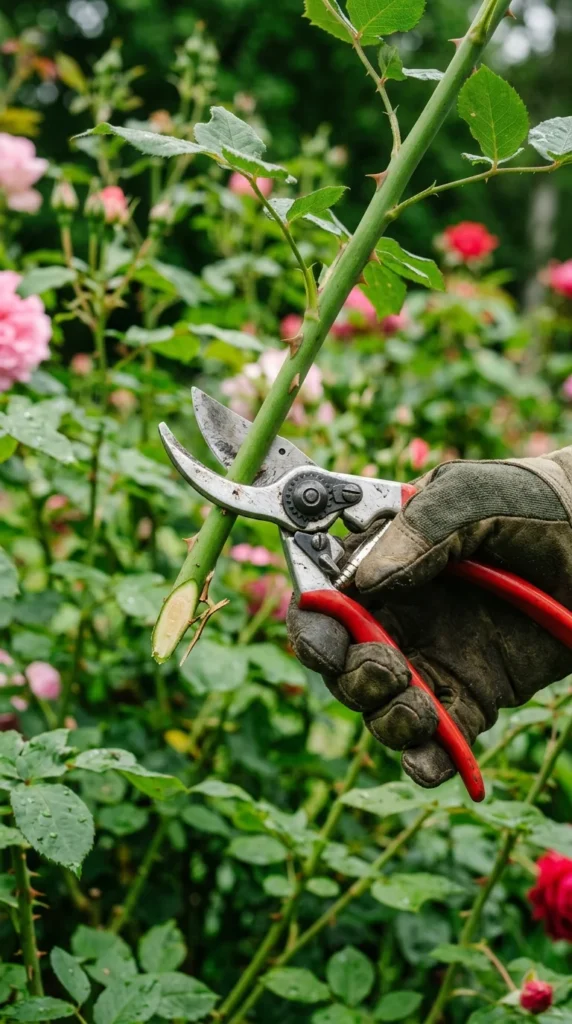
Often called secateurs, bypass pruners are essential for maintaining the health of your plants. “Bypass” means the blades cross each other like scissors, resulting in a clean, sharp cut that allows the plant to heal quickly. These are used for stems up to half an inch thick. Avoid “anvil” pruners for living plants, as they tend to crush the stem rather than cut it, which can lead to disease.
7. Garden Snips
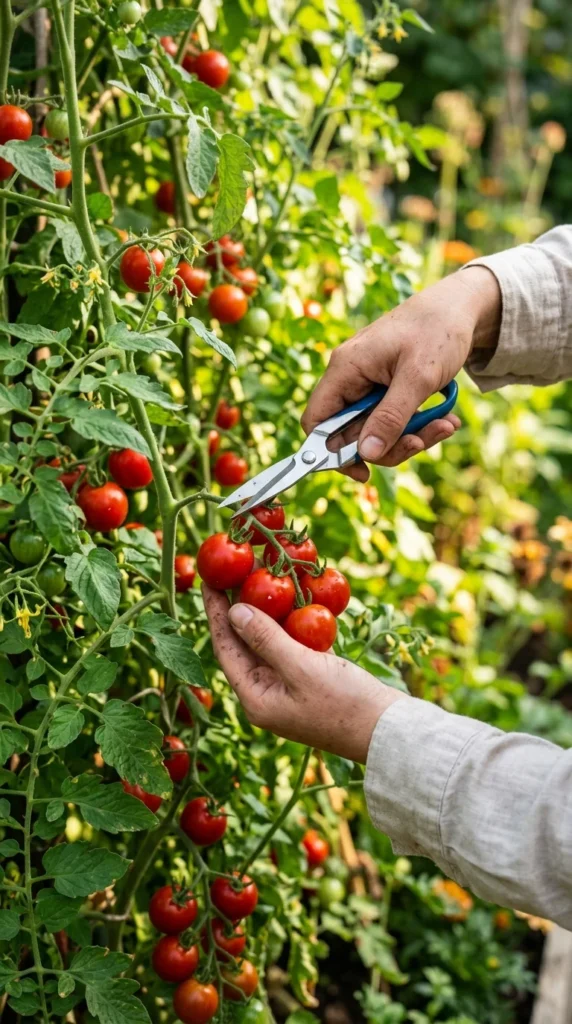
For more delicate tasks like deadheading flowers, harvesting herbs, or thinning out seedlings, bypass pruners can be too bulky. Garden snips feature long, thin blades that can reach into the center of a dense plant to make precise snips. They are lightweight and usually spring-loaded, which reduces hand fatigue during long sessions of harvesting or grooming.
8. Loppers
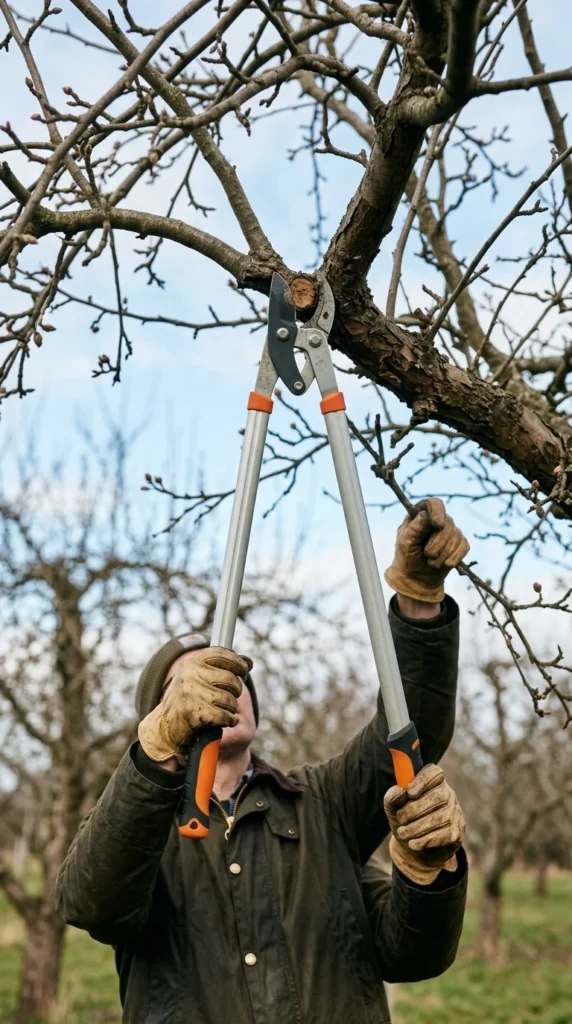
When a branch is too thick for hand pruners, you need loppers. These feature long handles (usually 18 to 30 inches) that provide the leverage needed to cut through branches up to two inches in diameter. They are vital for pruning shrubs and small trees. For beginners, “geared” loppers are a great choice as they multiply the force you apply, making it easier to cut through tough wood.
9. Pruning Saw
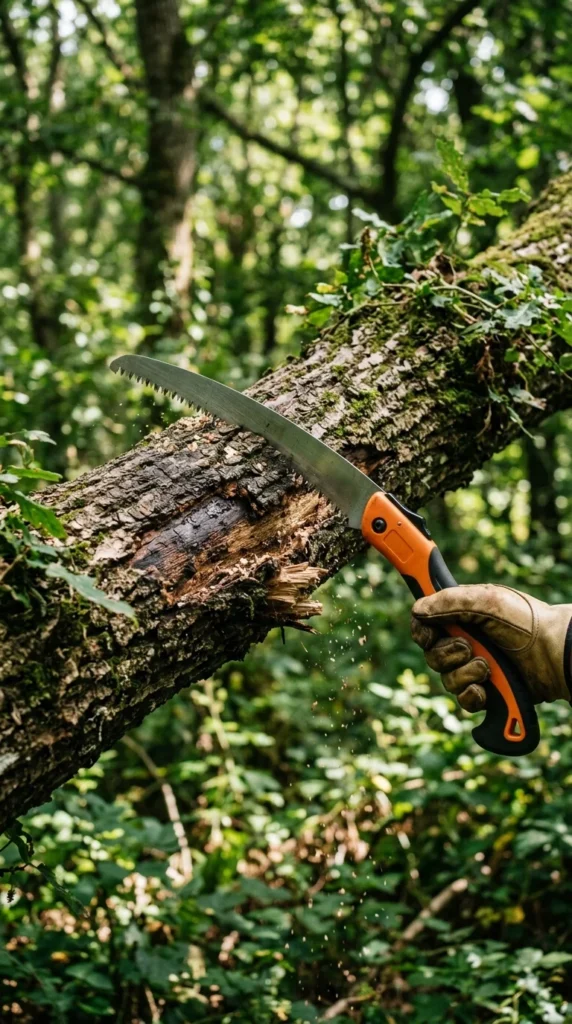
A pruning saw is necessary for any woody growth that exceeds the capacity of your loppers. Unlike a standard carpenter’s saw, a pruning saw is designed to cut on the “pull” stroke and has teeth specifically angled to clear away wet, green wood. A folding model is particularly useful for beginners as it can be stored safely and carried in a pocket or tool belt.
10. Hedge Shears
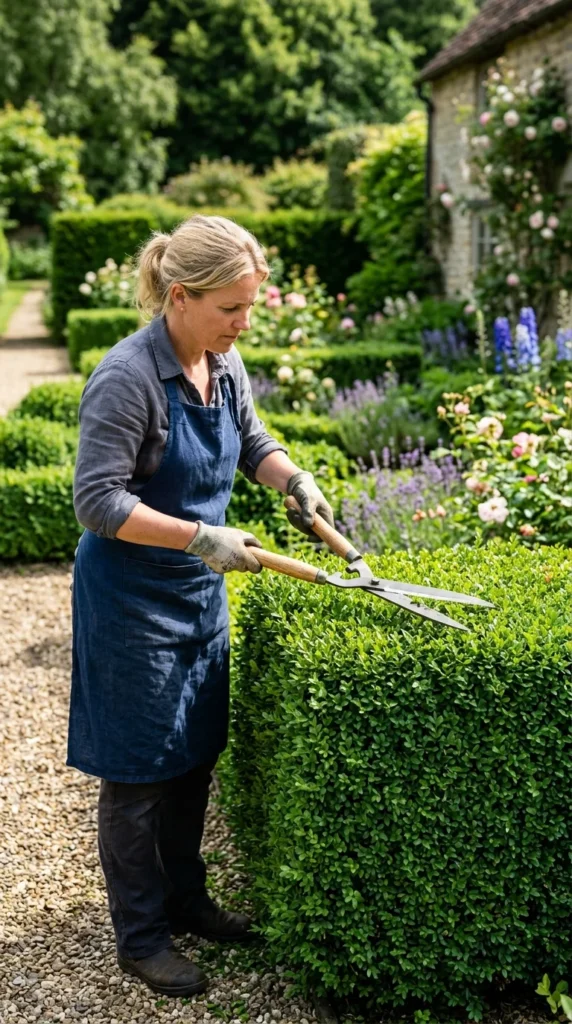
Hedge shears are essentially giant scissors. They are not meant for cutting individual thick branches but rather for “shaving” the exterior of a shrub to maintain a specific shape. If you have evergreen hedges or ornamental shrubs that require formal shaping, a pair of sharp hedge shears is the only way to achieve a professional, clean look.
11. Round-Point Shovel
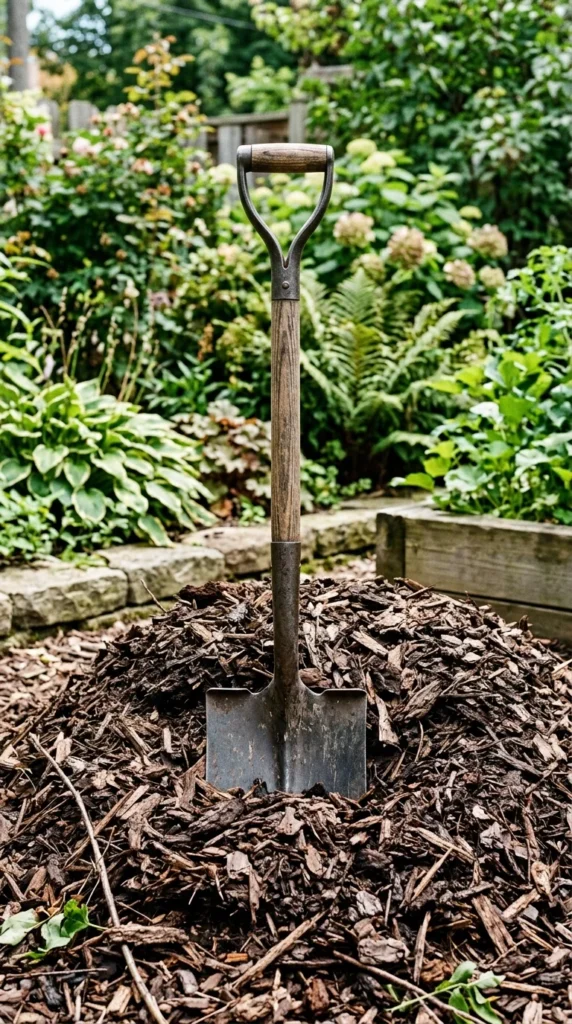
The round-point shovel is the workhorse of the garden. It features a curved blade that comes to a point, making it ideal for digging large holes, moving piles of soil, and breaking through tough sod. Look for a shovel with a “collar” or a flat edge on the top of the blade where you can place your foot to apply extra pressure.
12. Garden Spade
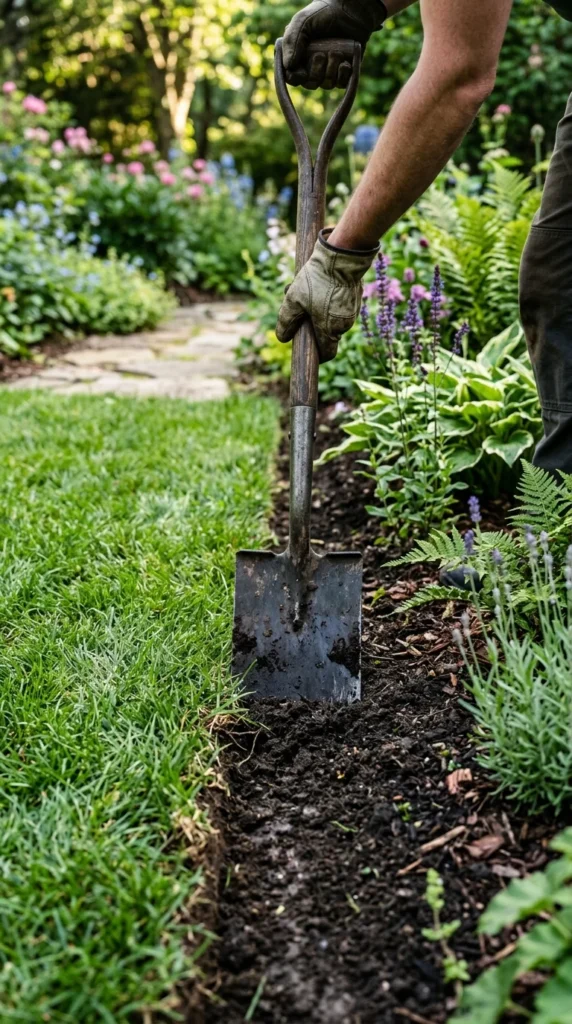
A spade differs from a shovel in that its blade is flat and square. While not as good for moving loose material, the spade is the superior tool for edging beds, slicing through roots, and “double digging” garden plots. If you want those crisp, professional-looking lines between your grass and your mulch, the spade is your go-to tool.
13. Garden Fork
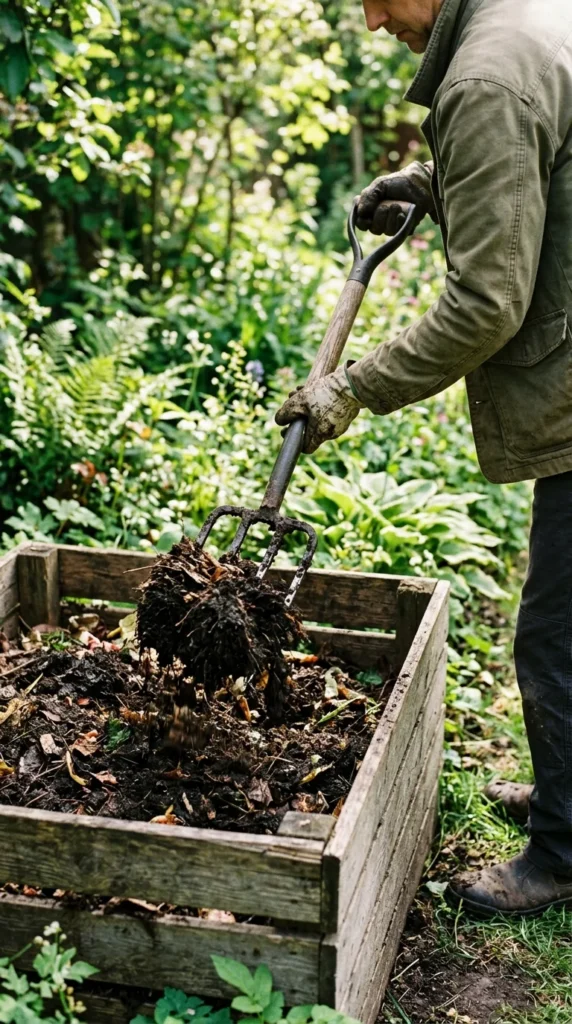
Also known as a digging fork, this tool is used for turning over soil in new or existing beds. It is much more effective than a shovel for breaking up compacted, stony, or clay-heavy ground because the tines can penetrate where a solid blade cannot. It is also the ideal tool for harvesting root vegetables like potatoes or carrots without slicing them.
14. Garden Hoe
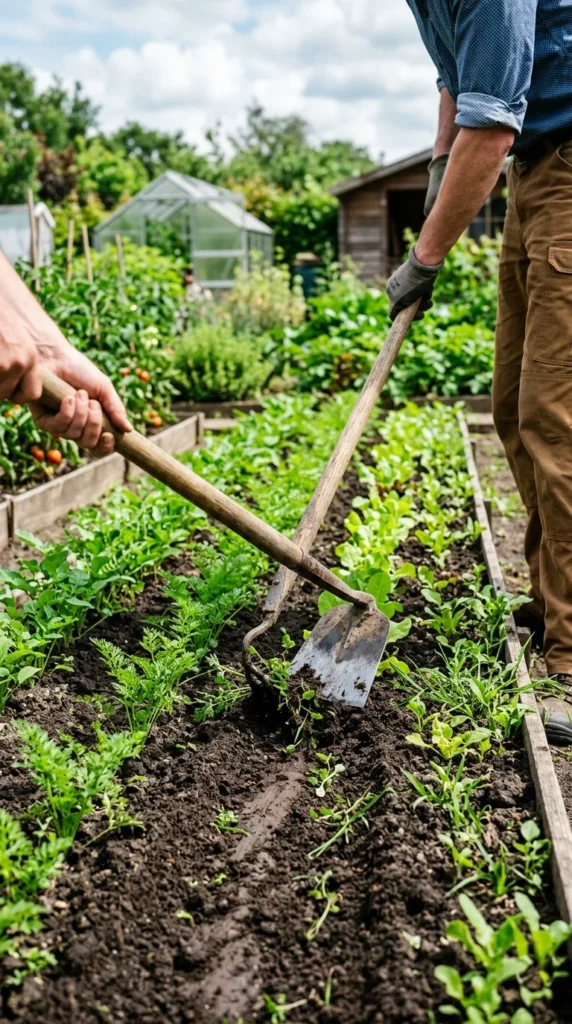
The garden hoe is an ancient tool that remains essential today. It consists of a long handle with a flat blade at the end, usually set at a right angle. It is used for two main purposes: slicing off weeds just below the soil surface and creating shallow “furrows” or trenches for planting seeds. Using a hoe allows you to weed large areas while standing upright, saving your back from strain.
15. Bow Rake
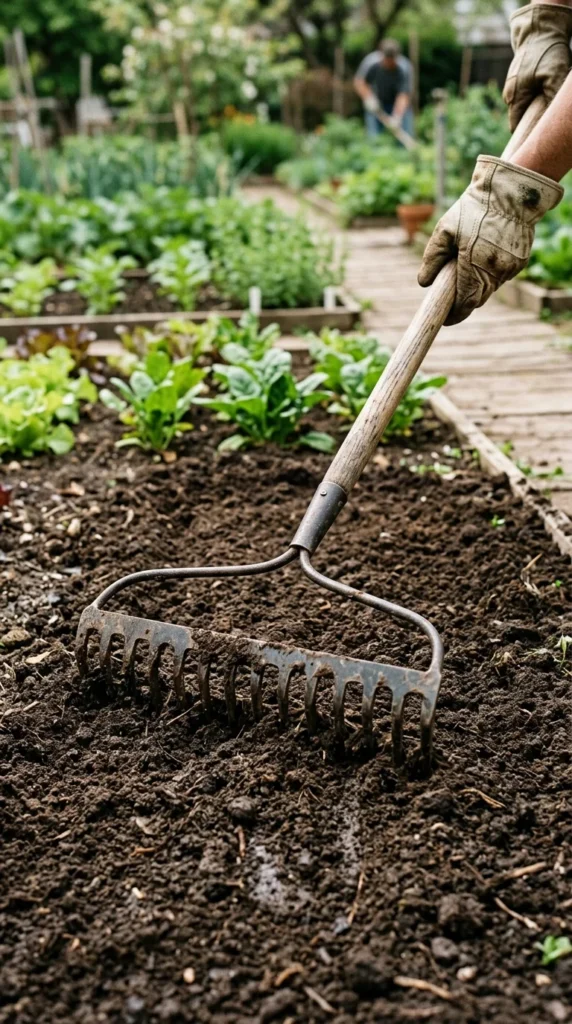
A bow rake (or garden rake) is different from the flexible leaf rake used in autumn. It has short, stiff metal tines and a flat back. It is used for leveling soil, spreading mulch, and breaking up large clods of earth. After you have dug a bed, the bow rake is the final tool used to create a smooth, flat surface for seeds or transplants.
16. Watering Can
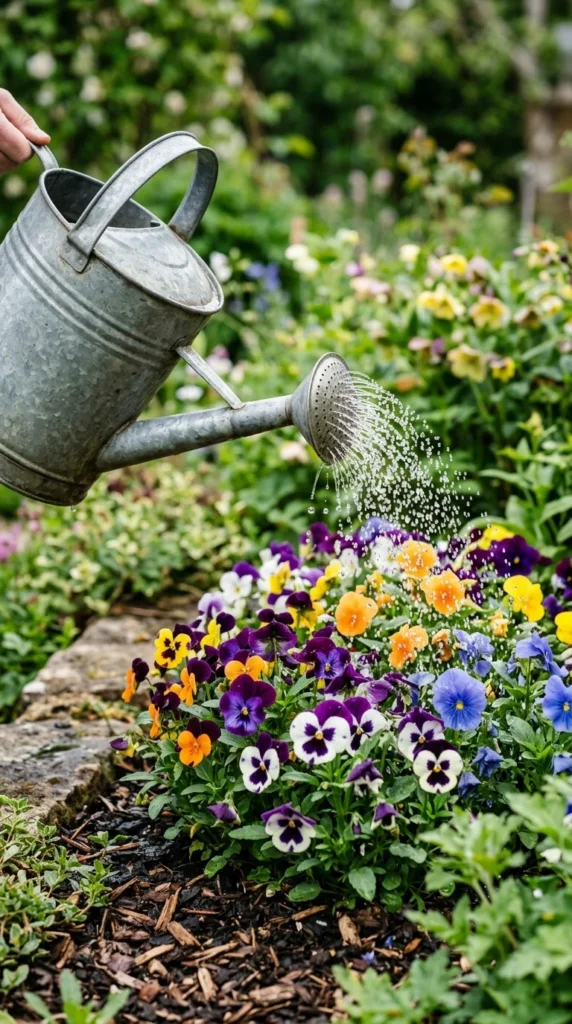
Even if you have a hose, a watering can is essential for precision. It allows you to water delicate seedlings without washing them away and is necessary for indoor plants or hanging baskets. Look for one with a removable “rose” (the perforated nozzle), which creates a gentle, rain-like spray that won’t compact the soil or damage fragile blooms.
17. Garden Hose
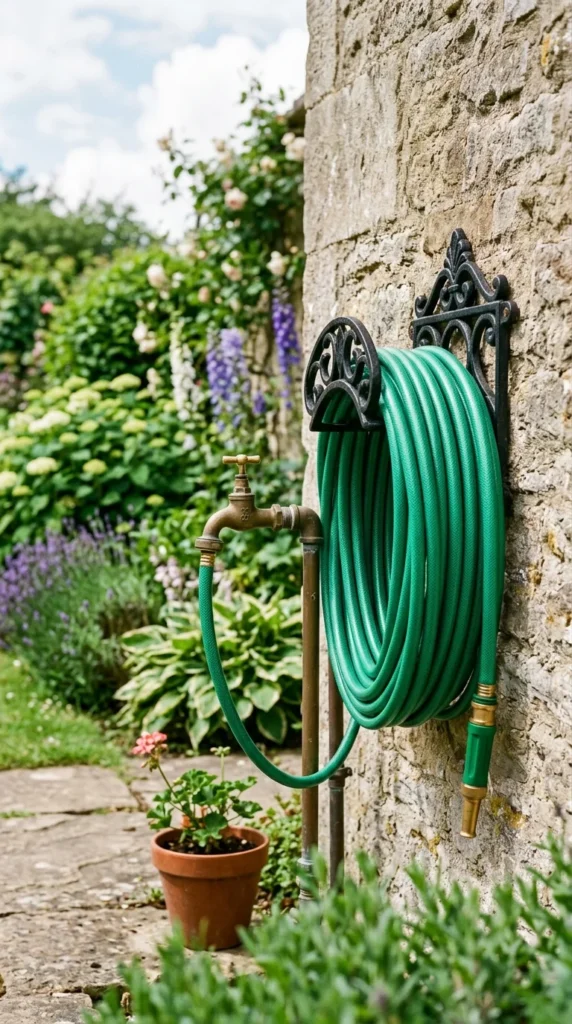
For larger garden beds, a watering can simply isn’t enough. A high-quality garden hose is a must. Beginners should look for hoses that are labeled “kink-resistant.” While more expensive, they save an enormous amount of frustration. A 50-foot hose is usually sufficient for most suburban yards, but ensure you measure the distance to your furthest garden bed before purchasing.
18. Adjustable Nozzle
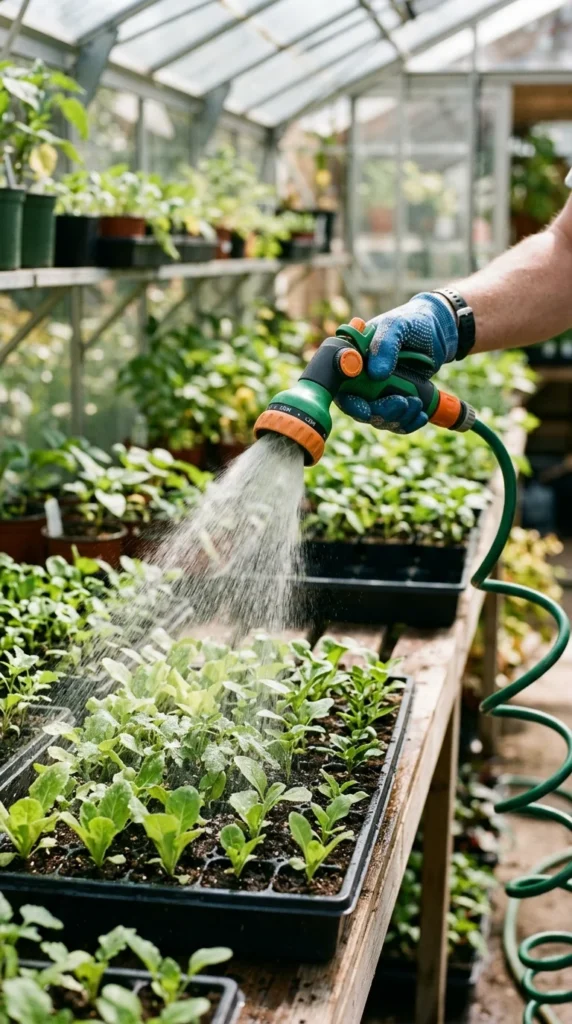
A hose without a nozzle is just a pipe. An adjustable spray nozzle allows you to change the water pressure and pattern to suit the task. You might use a “soaker” setting for deep-watering shrubs, a “mist” setting for delicate seedlings, and a “jet” setting for cleaning off your tools at the end of the day.
19. Wheelbarrow
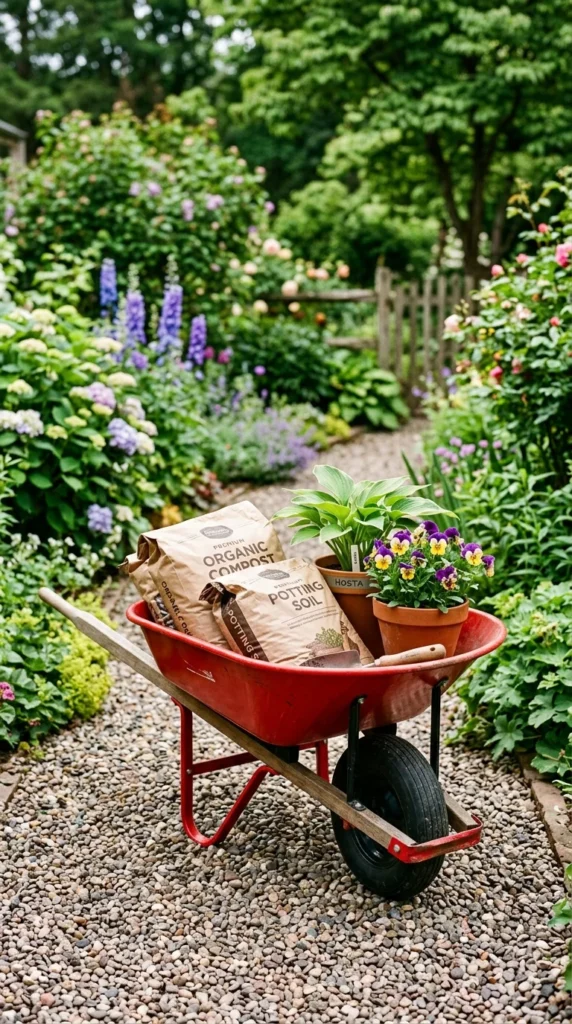
Gardening involves moving a lot of heavy stuff: bags of soil, mulch, rocks, and piles of pulled weeds. A wheelbarrow or a garden cart saves your back and speeds up your work significantly. For beginners, a traditional single-wheel wheelbarrow is highly maneuverable in tight spaces, while a two-wheeled garden cart offers more stability on uneven ground.
20. Kneeling Pad
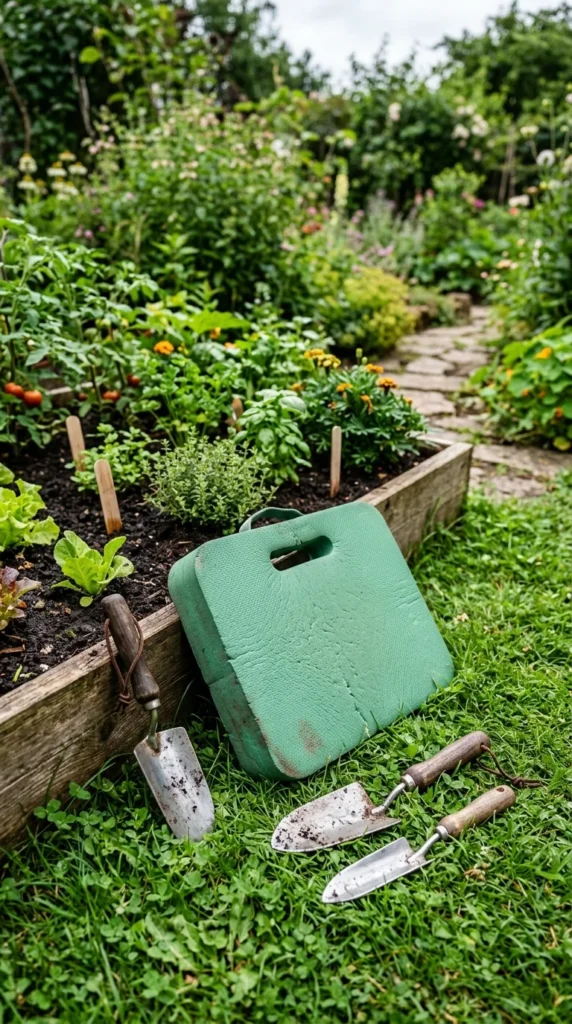
Perhaps the most underrated tool on this list is the kneeling pad. Gardening requires a lot of time spent on the ground, which can be brutal on the knees. A simple foam pad or a pair of strap-on knee pads will allow you to work for much longer periods in comfort. Many modern versions also double as a stool, providing even more versatility for different heights of garden beds.
Maintaining Your Tools
Once you have invested in these 20 essentials, proper maintenance is key to making them last a lifetime. Always wipe the dirt off your tools after use. Periodically oil the metal parts of your pruners and shovels to prevent rust, and use a sharpening stone to keep your blades crisp. By starting with quality tools and treating them well, you set yourself up for a lifetime of gardening enjoyment and success.