A well-organized garden shed or garage is the backbone of a successful gardening season. When tools are scattered, rusted, or buried under piles of debris, gardening becomes a chore rather than a joy. Efficient storage not only saves time but also extends the life of your expensive equipment. By implementing a systematic approach to organization, you can transform a cluttered mess into a functional workspace that inspires creativity and productivity.
1. Sorting
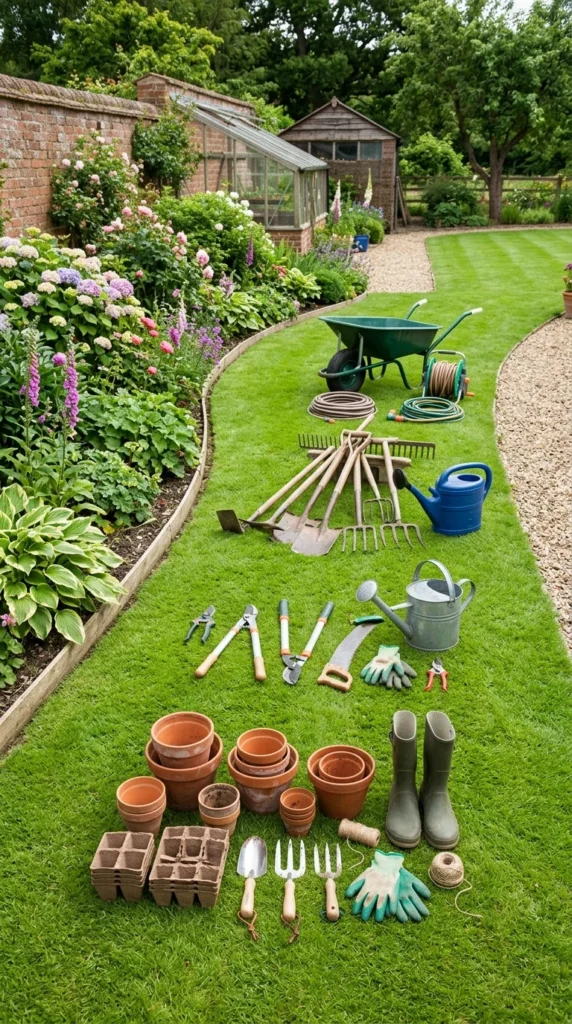
The first step in any organization project is a thorough inventory. Empty your shed or garage completely to see exactly what you have. Categorize your tools into groups: long-handled tools (shovels, rakes, hoes), hand tools (trowels, pruners, snips), power equipment (mowers, trimmers), and miscellaneous supplies (pots, fertilizer, gloves).
During this process, be ruthless. Inspect each tool for damage. If a tool is broken beyond repair, dispose of it properly. If you have three identical trowels but only ever use one, consider donating the extras. This “purge” phase ensures that you are only making space for items that provide value to your gardening routine. Once sorted, clean each item to remove caked-on soil and debris before they go into their new designated spots.
2. Vertical Racks
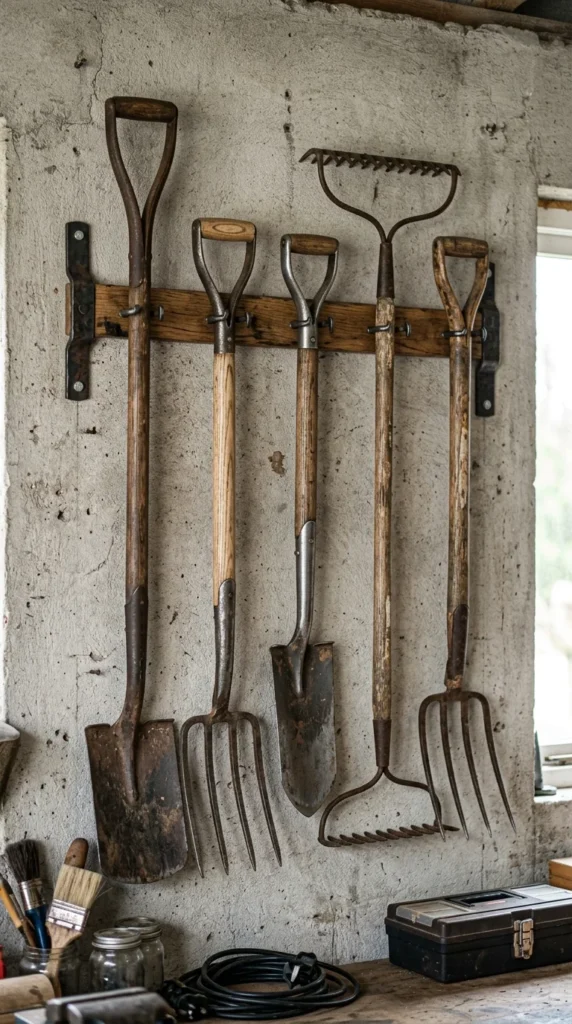
Vertical space is the most underutilized asset in any storage area. Long-handled tools are notoriously difficult to store because they lean against walls and easily tip over, creating a tripping hazard. Installing wall-mounted racks is the most efficient solution for these items.
Look for heavy-duty tracks with adjustable hooks that allow you to customize the spacing based on the width of the tool heads. By lifting these tools off the floor, you protect the handles from moisture and create more walking space. For a DIY approach, you can create a simple rack using two parallel boards with notches cut into them to cradle the handles securely.
3. Pegboards
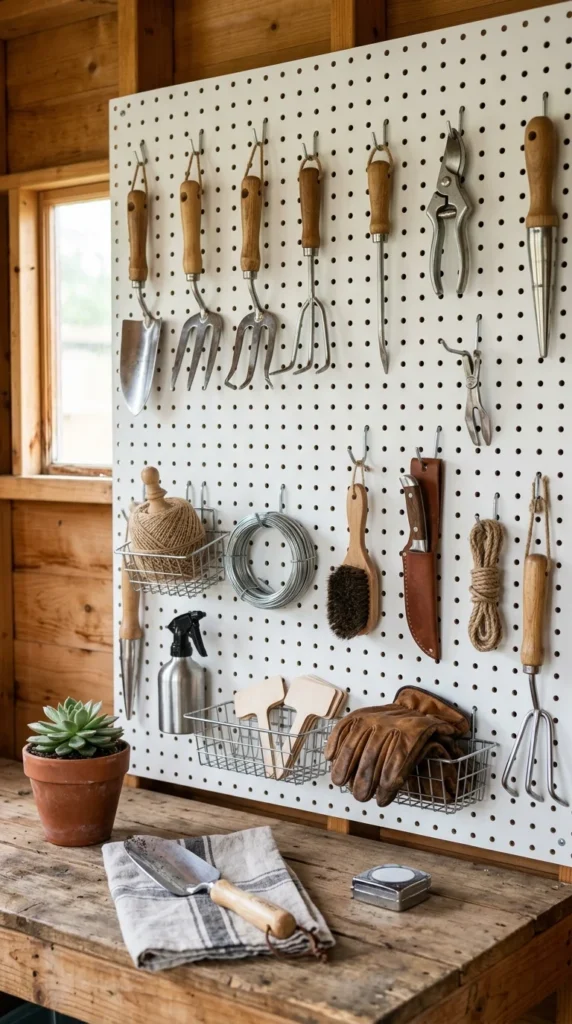
For hand tools, nothing beats the versatility of a pegboard. Hand trowels, pruners, shears, and dibbers are small and easily lost in deep drawers or bins. A pegboard allows you to see every tool at a glance, making it easy to grab what you need and, more importantly, see what is missing at the end of the day.
To maximize efficiency, use a permanent marker to trace the outline of each tool onto the pegboard. This “shadow board” technique acts as a visual map, ensuring that every item returns to its specific home. You can also add small wire baskets to the pegboard to hold non-hanging items like rolls of garden twine, labels, and marking pens.
4. PVC Holders
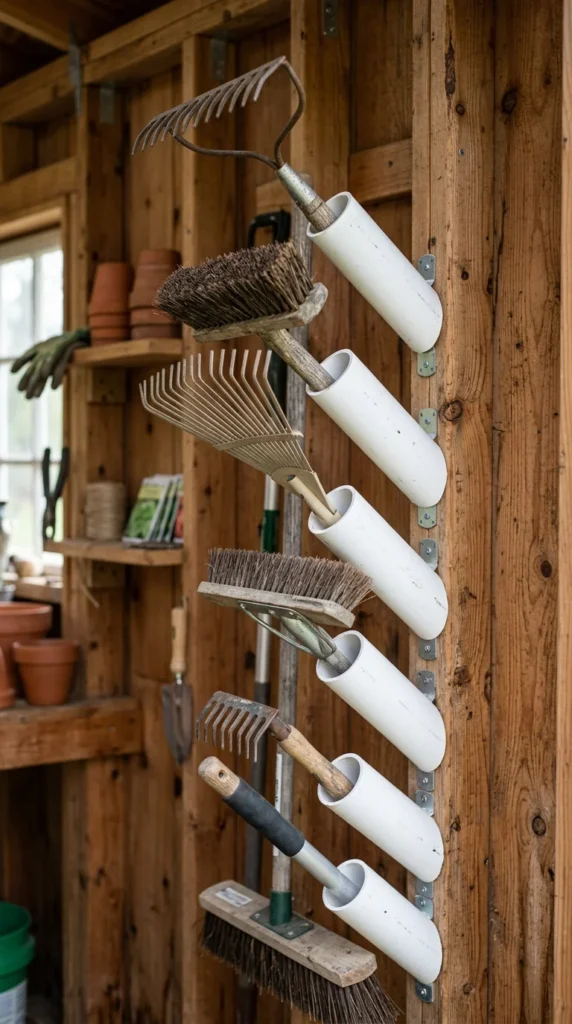
If you are looking for a budget-friendly way to secure long tools without buying expensive retail racks, PVC piping is an excellent alternative. By cutting 6-inch sections of 2-inch diameter PVC pipe at an angle and screwing them into a wall stud or a horizontal wooden cleat, you create individual holsters for your tools.
Space these pipes about 10 inches apart to prevent the heads of the tools from overlapping. This method is particularly effective because it prevents tools from sliding sideways. It is also a great way to utilize the narrow spaces between wall studs in an unfinished garage or shed.
5. Magnetic Strips
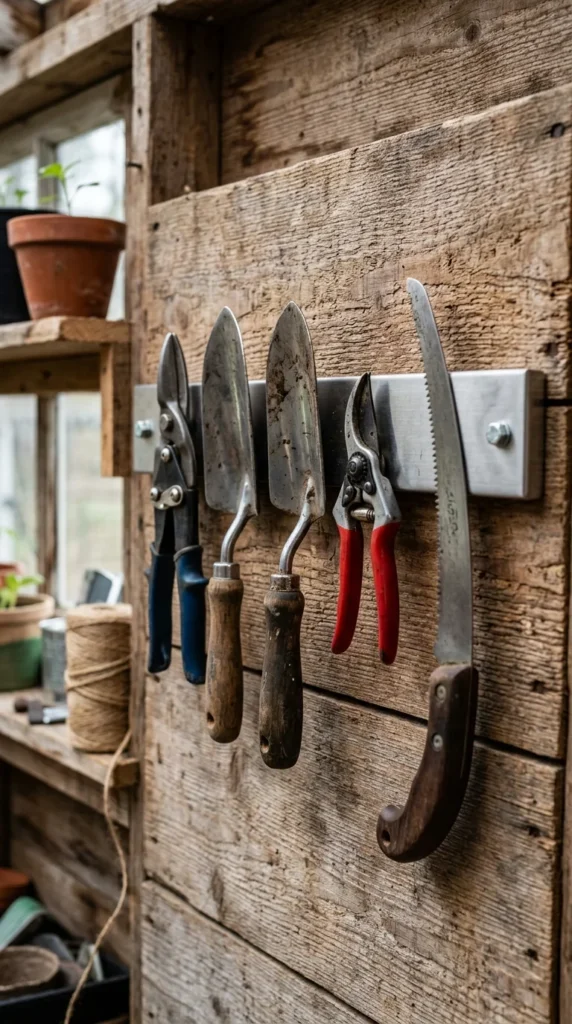
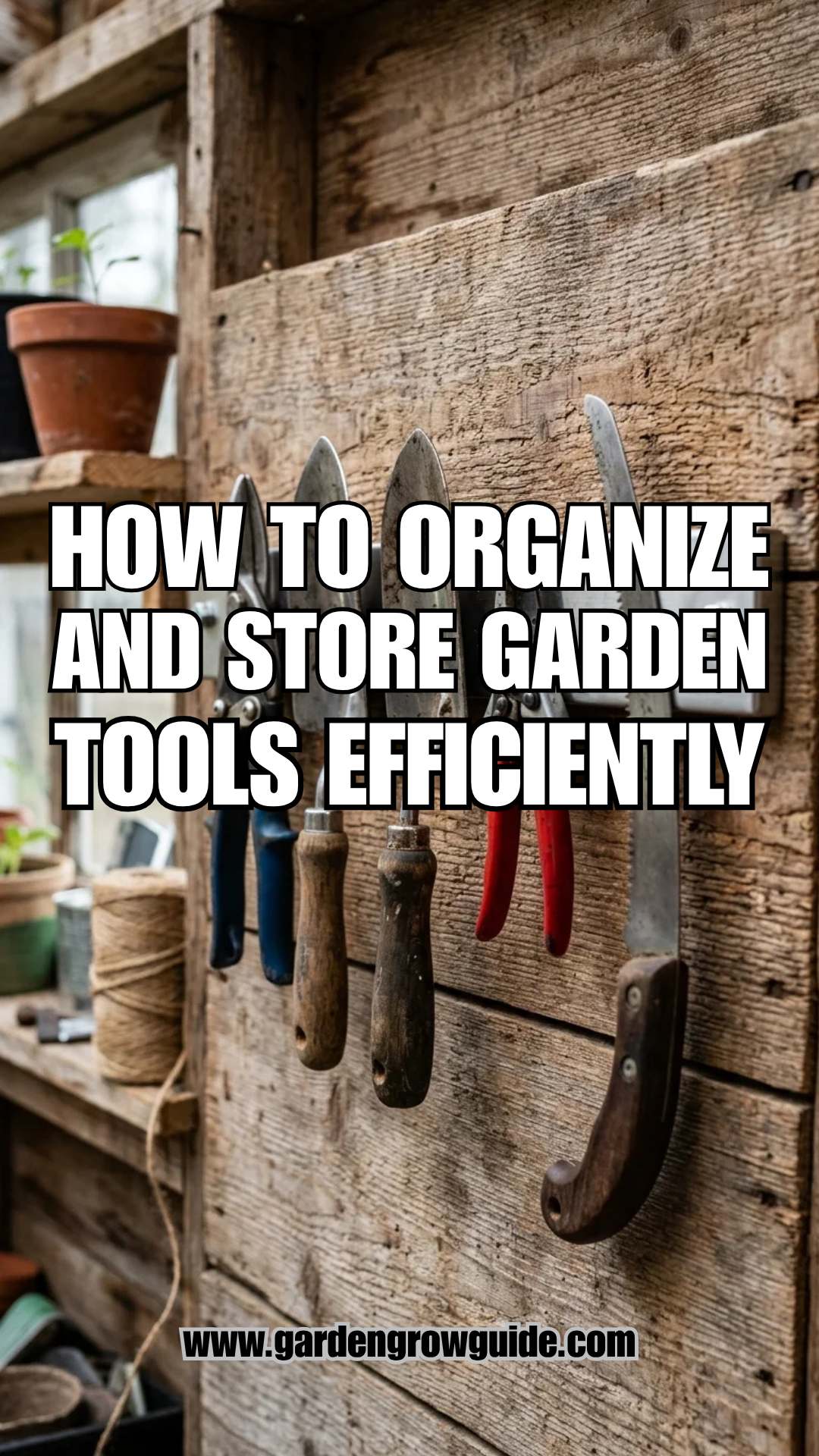
Magnetic tool holders, commonly used in kitchens for knives or in mechanic shops for wrenches, are perfect for the garden shed. They are ideal for storing tools that you use frequently, such as pruning shears, floral snips, or metal trowels.
The primary benefit of a magnetic strip is the speed of access; there are no hooks to fiddle with or drawers to open. Just “slap” the tool onto the bar, and it stays. Ensure the magnetic strip you choose is rated for heavy-duty use, as garden tools are often heavier than kitchen utensils. Mounting a strip right next to your potting bench can significantly streamline your workflow during transplanting tasks.
6. Sand Buckets
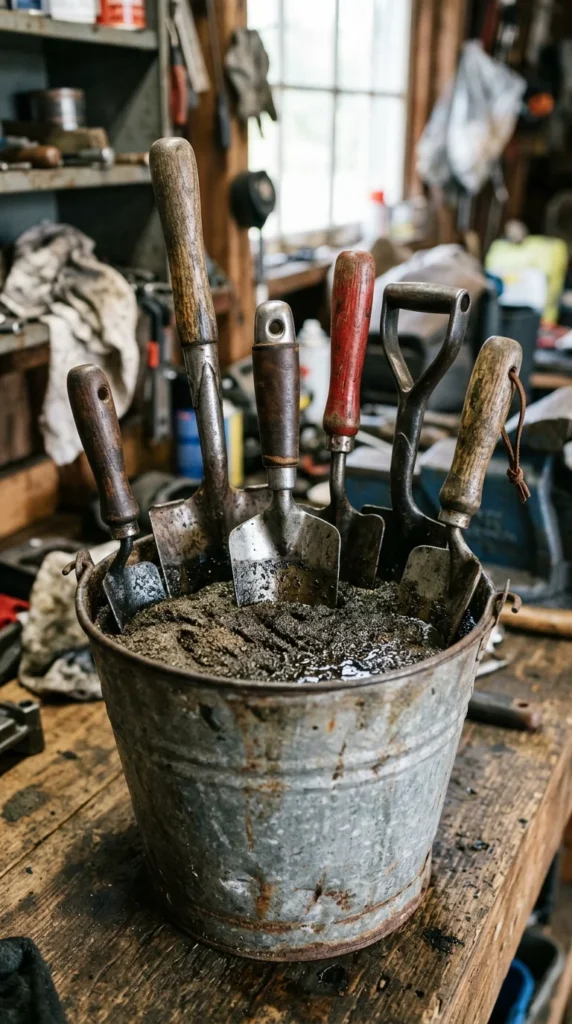
Storing tools is not just about placement; it’s about preservation. A classic gardener’s trick is the sand bucket. Fill a large bucket with coarse builder’s sand and mix in about a quart of biodegradable linseed oil or mineral oil.
When you finish using a hand tool, wipe off the dirt and plunge the metal end into the sand. The sand acts as a mild abrasive to keep the metal polished and clean, while the oil creates a protective barrier against moisture and rust. This “storage-in-cleaning” method is one of the most effective ways to ensure your trowels and transplanters last for decades. It also keeps small hand tools standing upright and ready for the next use.
7. Garden Carts
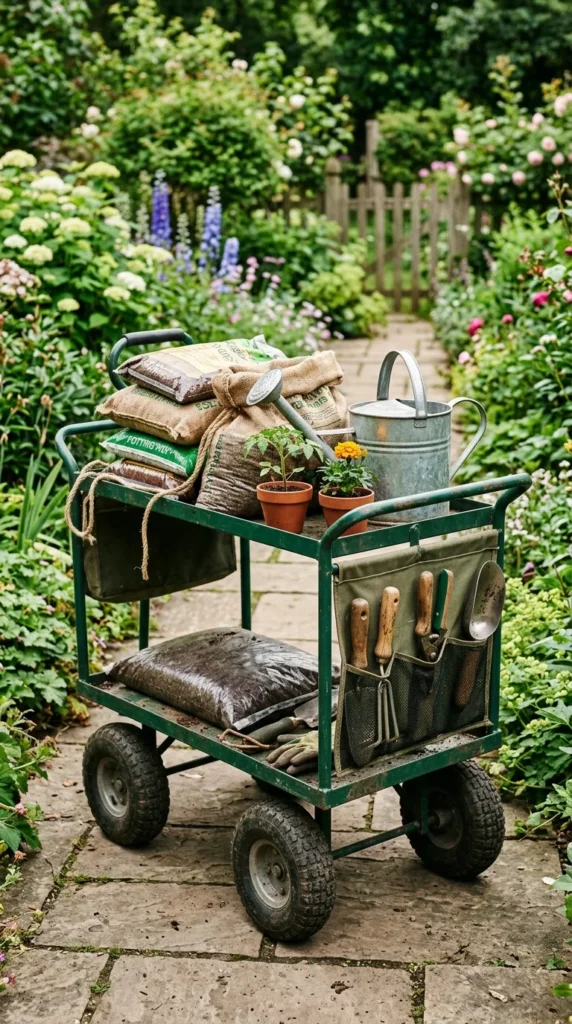
For those with larger properties, organization needs to be mobile. A dedicated garden cart or a rolling utility station allows you to take your “organization” with you to the far corners of the yard. Look for carts that feature built-in tool holders or pockets on the exterior.
By keeping your most-used fertilizers, hand tools, and irrigation parts in a mobile cart, you eliminate the need to walk back and forth to the shed. When the workday is over, the entire cart can be rolled back into its designated “parking spot” in the garage, keeping the floor clear and the tools contained.
8. Overhead Storage
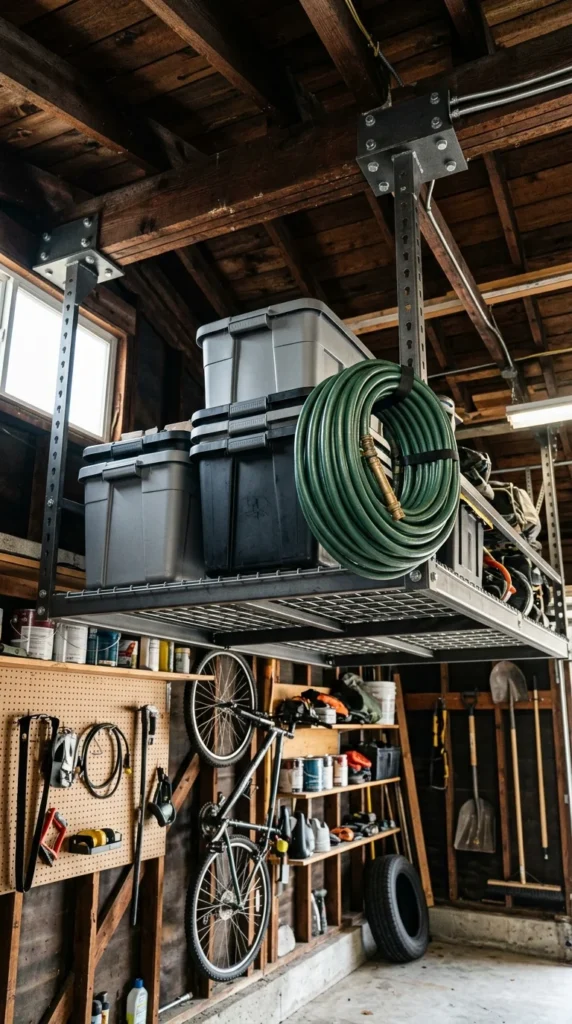
When floor and wall space are at a premium, look up. The ceiling of a shed or garage offers massive storage potential for items that are not used daily. This is the perfect place for seasonal equipment, such as snow shovels in the summer or leaf blowers in the spring.
Suspended racks can hold ladders, long pieces of lumber, or even extra rolls of fencing and bird netting. Just ensure that the overhead system is professionally installed and rated for the weight you intend to store. Keeping bulky, lightweight items on the ceiling frees up the “active” wall space for tools you need to reach every day.
9. Repurposed Furniture
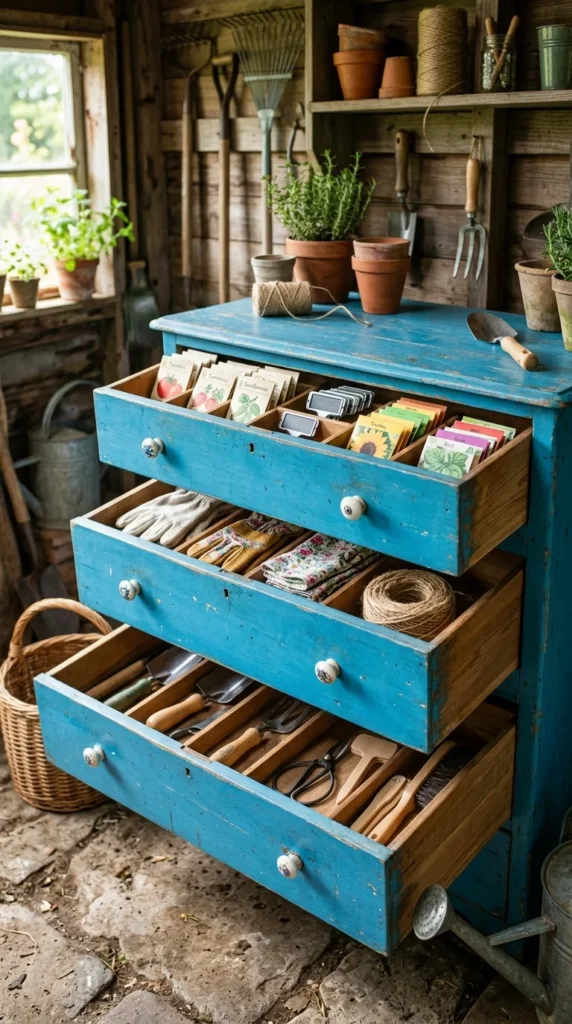
Efficiency doesn’t always require buying new organization systems. Old furniture can be given a second life as specialized garden storage. An old dresser is perfect for storing seed packets, garden gloves, and small hardware like hose clamps and washers.
A repurposed wooden pallet can be stood upright and attached to a wall to create a rustic “pocket” for long-handled tools. Even an old mail sorter can be used to organize plant labels and garden journals. Using furniture with drawers helps protect items from the dust and spiders that are common in outdoor storage environments.
10. Protection
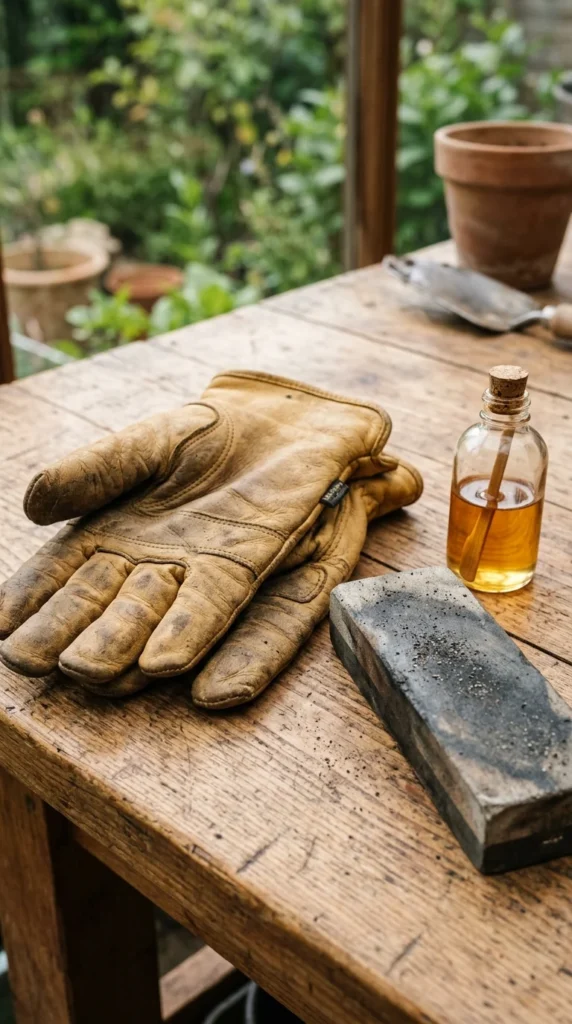
Finalizing your storage system involves setting up a maintenance station. Organization is only efficient if the tools are in working order. Designate a small area of your workbench for tool care. This should include a sharpening stone or file, a rag, and a bottle of lubricating oil for moving parts.
By incorporating maintenance into your storage routine—such as sharpening your pruners before hanging them back on the pegboard—you ensure that you are always ready for the next task. A clean, sharp, and well-placed tool is the hallmark of an efficient gardener, making every minute spent in the garden more productive and enjoyable.