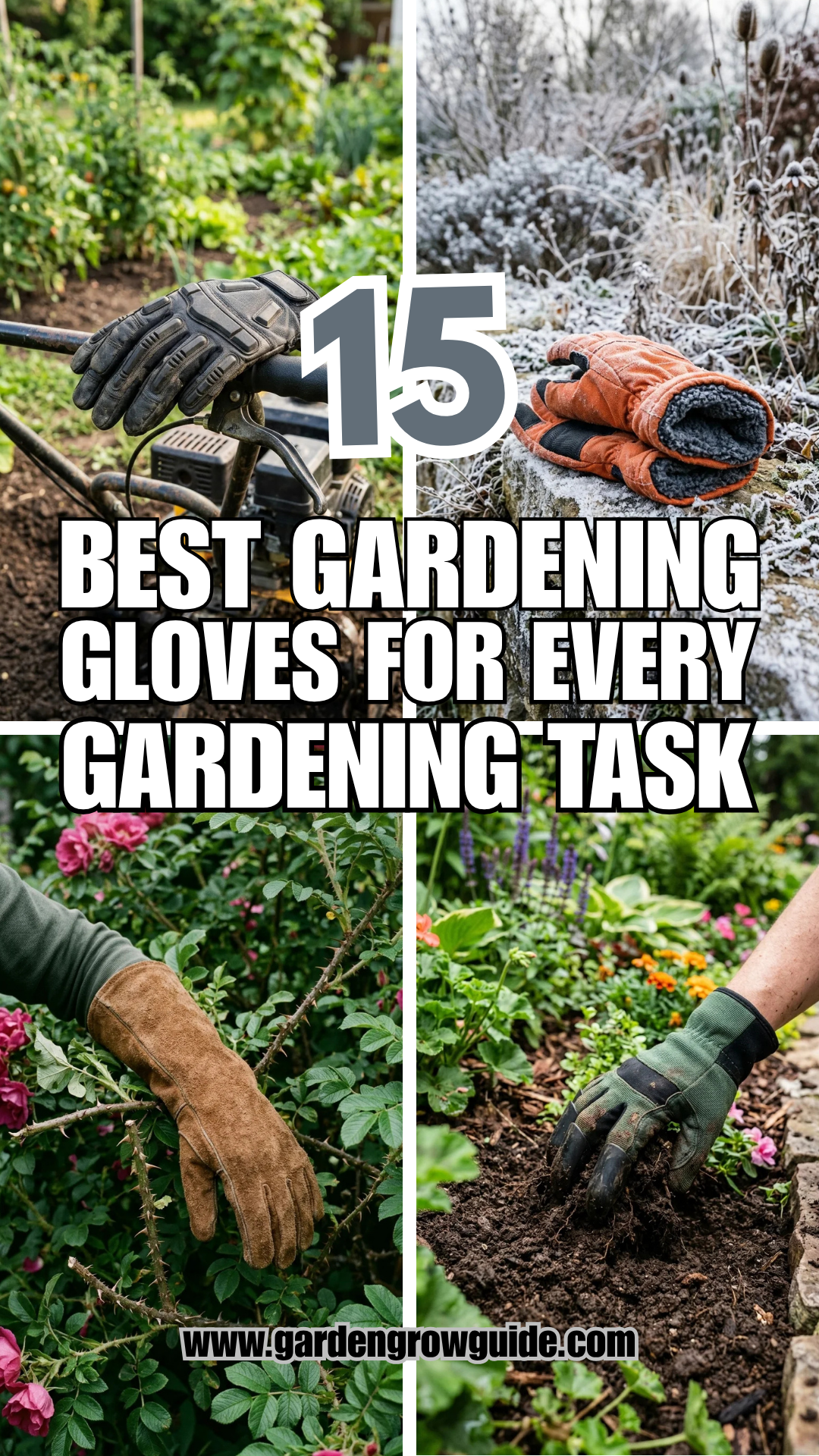
Gardening is one of the most rewarding hobbies, but it can be notoriously tough on the hands. From painful blisters and stubborn dirt under the fingernails to scratches from rose thorns and irritation from garden chemicals, the risks are numerous. Finding the perfect pair of gardening gloves isn’t just about comfort; it’s about choosing the right tool for the specific job at hand. Whether you are pruning delicate orchids, hauling heavy mulch, or digging in wet spring soil, the right glove can make all the difference in your productivity and safety.
In this comprehensive guide, we explore the 15 best gardening gloves designed to tackle every possible task in your yard.
1. Nitrile Coated
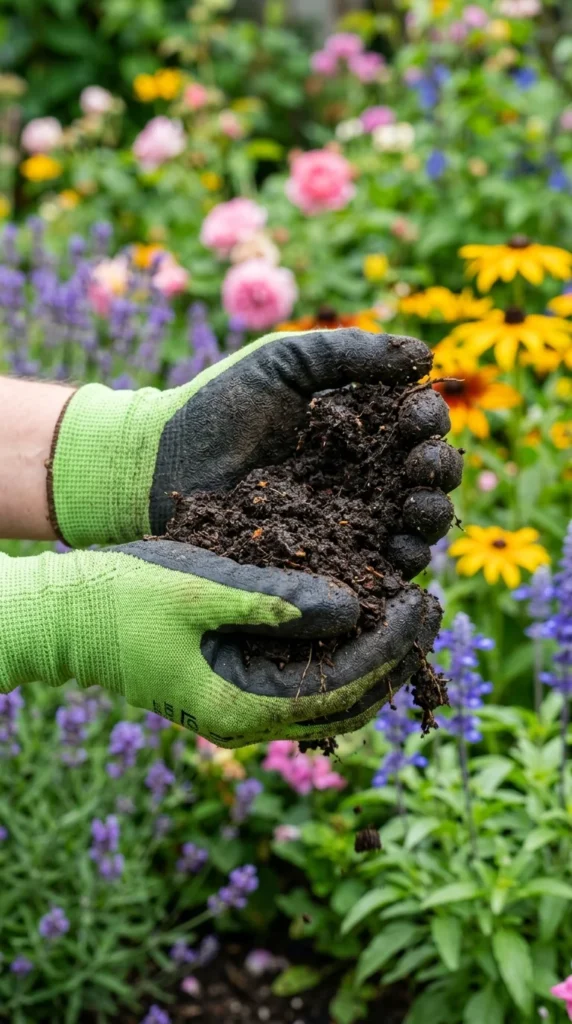
Nitrile-coated gloves are the quintessential “all-purpose” choice for most gardeners. These gloves usually feature a seamless knit shell—often nylon or polyester—that is dipped in a nitrile rubber coating on the palm and fingertips. The result is a glove that offers incredible dexterity, allowing you to feel seeds and small weeds, while providing a puncture-resistant barrier against soil and moisture. They are breathable on the back of the hand, which prevents sweating during long hours in the sun, and the nitrile grip is excellent even when handling slippery tools.
2. Long Gauntlets
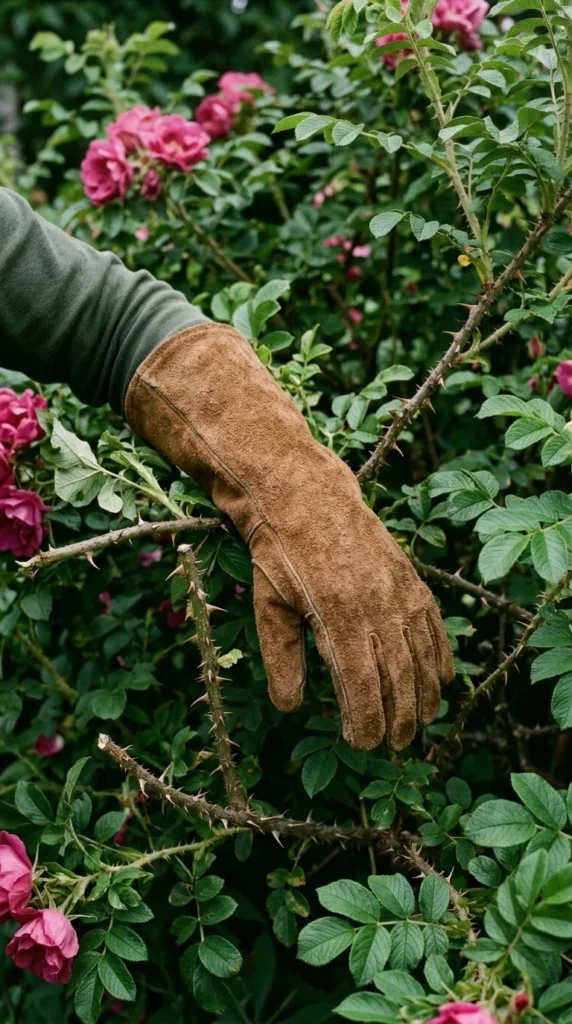
When it comes to pruning roses, holly, or berry bushes, standard gloves simply won’t cut it. Long gauntlets are designed with extended cuffs that reach up to the elbow, protecting your forearms from painful scratches and punctures. Typically made from heavy-duty synthetic leather or thick goatskin, these gloves are specifically engineered to be thorn-proof. They allow you to reach deep into thickets and brambles with confidence, knowing that your skin is shielded from even the sharpest prickles.
3. Bamboo Fiber
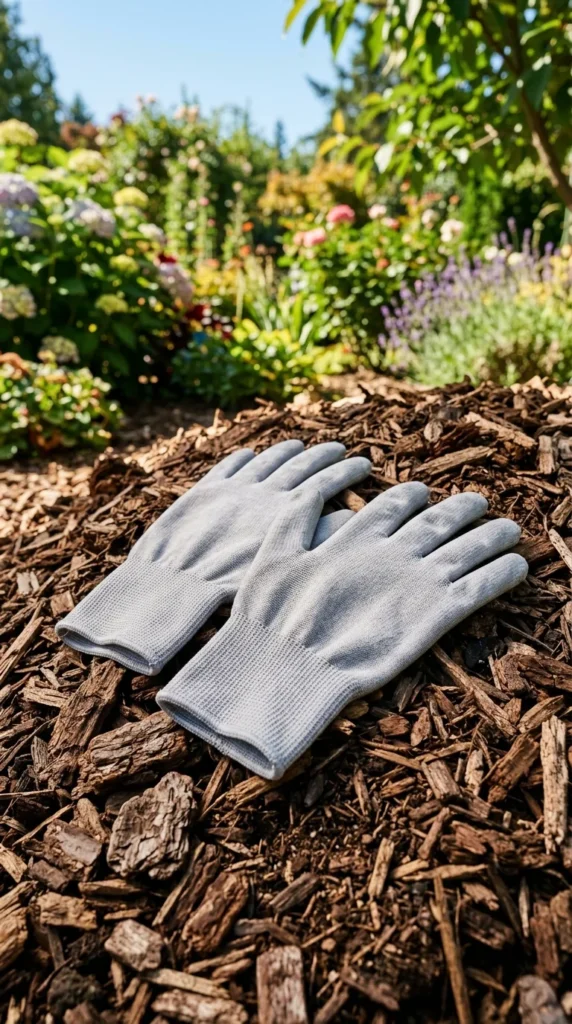
For those who prioritize sustainability and comfort, bamboo fiber gloves are a game-changer. Bamboo is naturally breathable and moisture-wicking, making these gloves feel significantly cooler than synthetic alternatives. They are incredibly soft against the skin, which is ideal for gardeners with sensitive skin or eczema. While they are usually finished with a light coating for grip, their primary strength lies in their flexibility and eco-friendly footprint. They are perfect for light weeding, planting seeds, and general potting tasks.
4. Goat Leather
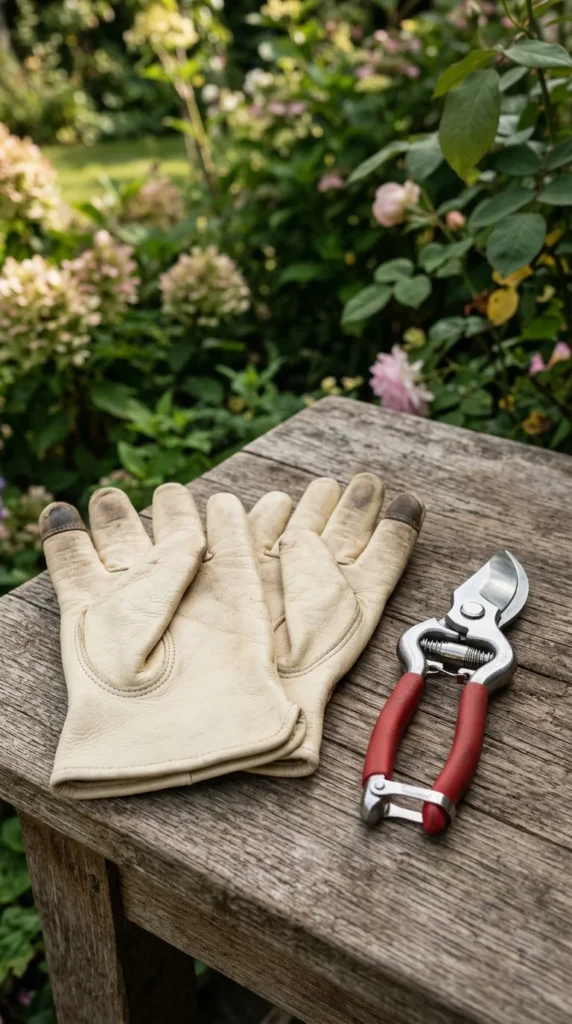
Goatskin is widely considered the gold standard for leather gardening gloves. Unlike cowhide, which can be stiff and bulky, goatskin contains natural lanolin that keeps the leather soft and supple even after it has been wet and dried. This material offers an exceptional balance of durability and “touch,” meaning you can perform delicate tasks without taking them off. They are tough enough to handle light pruning and hauling debris but flexible enough for precision work.
5. Claw Digging
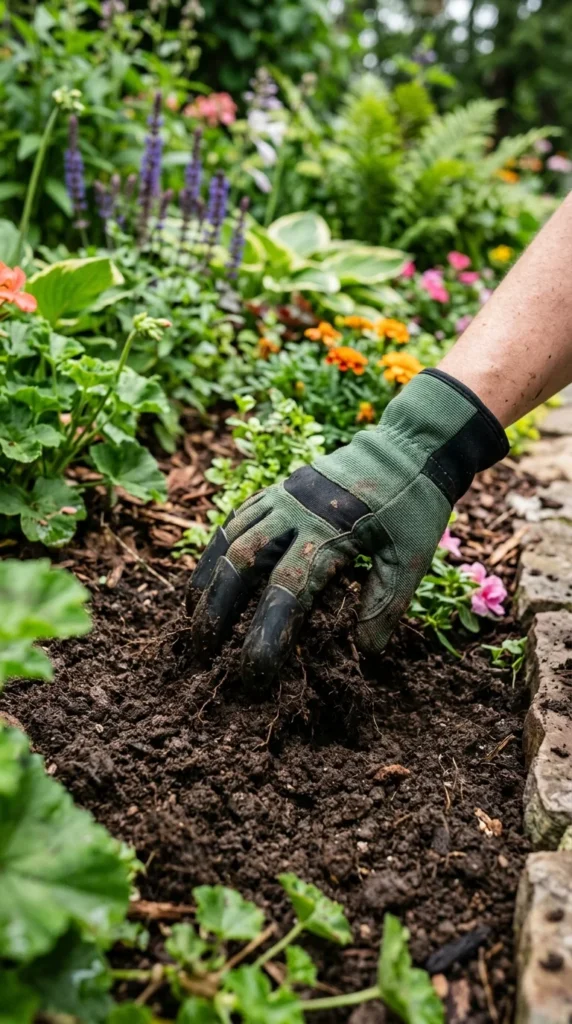
A specialized tool for the modern gardener, claw gloves feature integrated high-density plastic claws on the fingertips of one or both hands. These allow you to dig, plant, and rake soil without needing a separate hand trowel. They are particularly effective in loose soil and for making small holes for seedlings. While they might look unusual, they significantly speed up the planting process and keep your actual fingernails completely protected from the pressure of digging.
6. Waterproof Latex
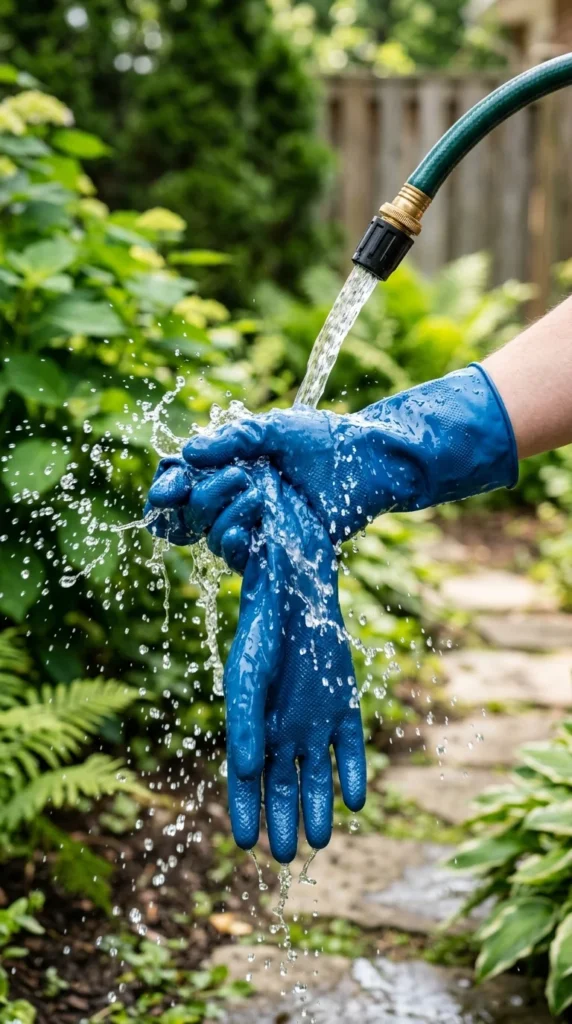
Spring gardening often involves dealing with mud, puddles, and damp compost. Waterproof latex gloves are essential for these conditions. Unlike nitrile, which is water-resistant, a fully dipped latex glove provides a complete seal against moisture. They keep your hands dry and warm when working in wet earth or when using liquid fertilizers and pesticides. Look for versions with a textured “crinkle” finish on the palms to ensure you don’t lose your grip on wet shovel handles.
7. Thermal Lined
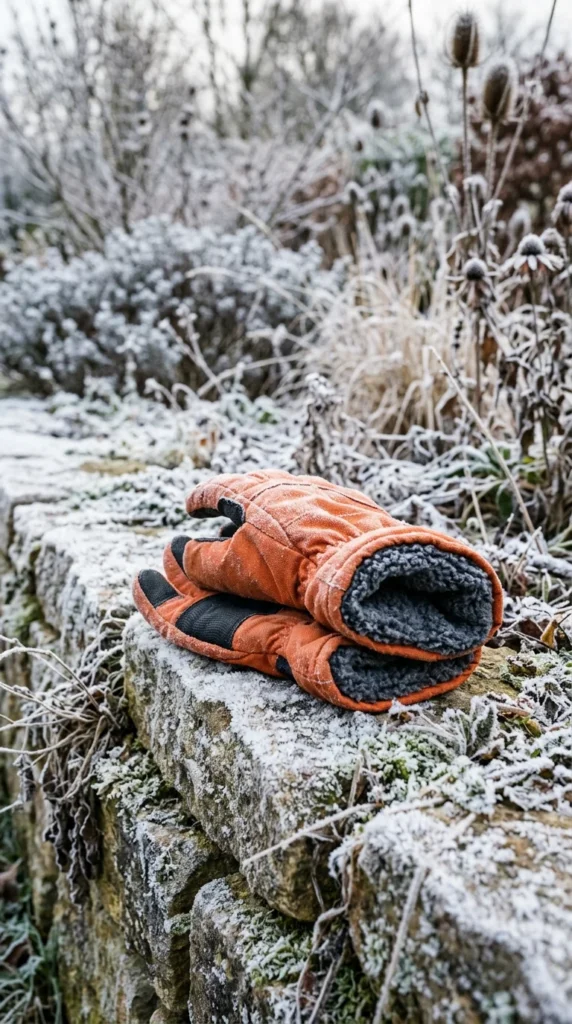
For those who garden in the shoulder seasons or live in colder climates, thermal-lined gloves are a necessity. These gloves feature a dual-layer construction: a tough outer shell to resist abrasion and a soft, insulated inner lining (often Thinsulate or fleece) to trap heat. They are designed to keep your fingers nimble even in freezing temperatures, allowing you to perform late-autumn cleanups or early-spring pruning without the risk of frostnip or stiff, aching joints.
8. Rose Pruning
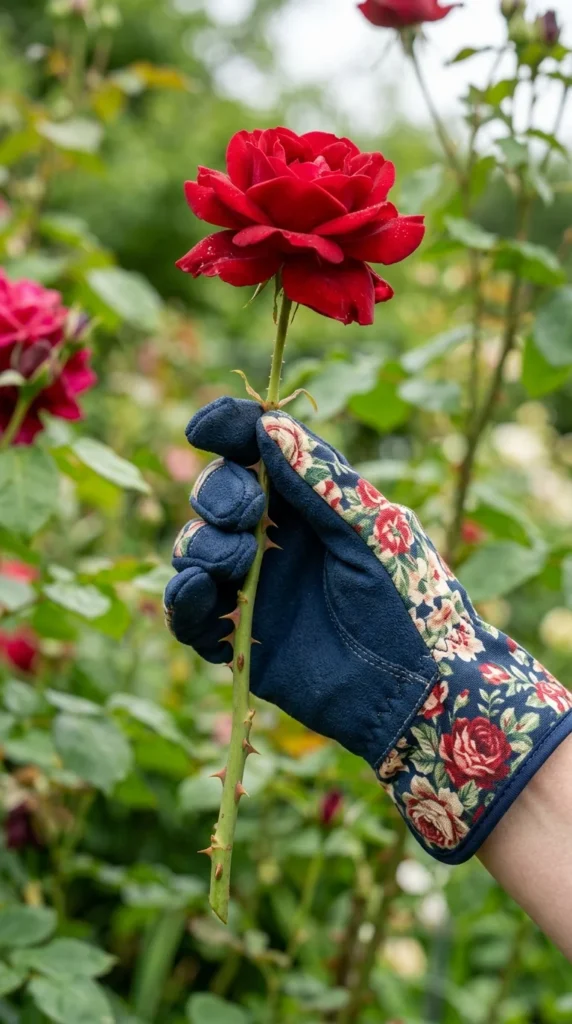
Specialized rose pruning gloves differ from general gauntlets by offering reinforced protection specifically at the fingertips and the “web” between the thumb and forefinger—the areas most prone to thorn punctures. Often made from multi-layered synthetic materials or thick suede, these gloves are tested against the piercing power of mature rose thorns. They provide the peace of mind needed to manage thorny climbers and shrubs that require precise, heavy-handed maintenance.
9. Padded Palm
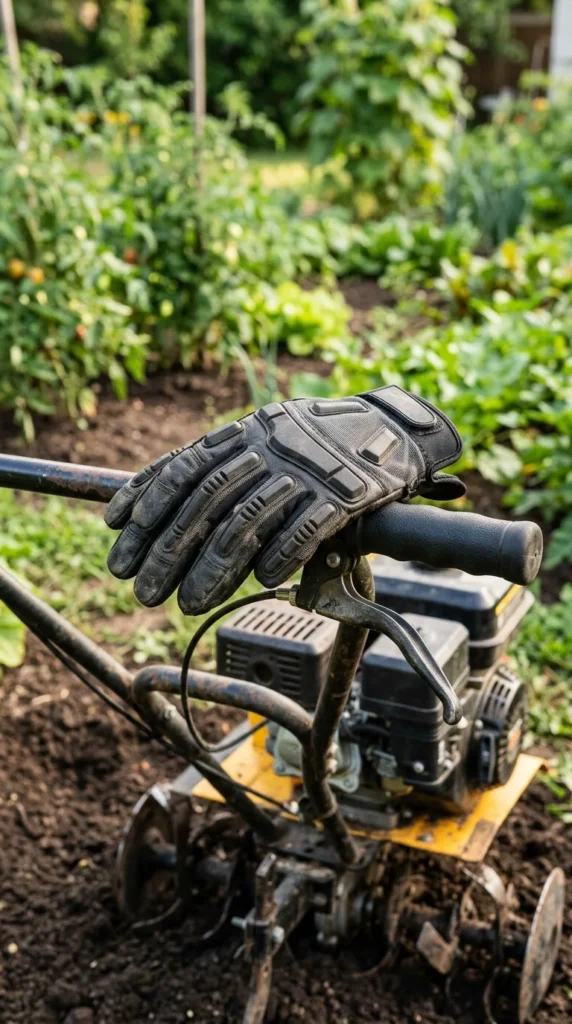
Heavy-duty landscaping tasks like tilling, chainsawing, or using a weed whacker can cause significant hand fatigue due to vibration. Padded palm gloves feature strategically placed foam or gel inserts that absorb shock and reduce the impact on your nerves and tendons. These are also excellent for tasks involving heavy lifting, such as moving paving stones or logs, as the padding prevents bruising and blisters on the pressure points of the hand.
10. Touchscreen Tech

In the age of digital gardening apps, plant identification tools, and outdoor photography, having to remove your gloves to check your phone is a nuisance. Touchscreen-compatible gardening gloves feature conductive materials in the fingertips. These allow you to operate your smartphone or tablet with ease while keeping your hands protected. They are usually lightweight and form-fitting, making them ideal for the tech-savvy gardener who likes to document their garden’s progress.
11. Cotton Jersey
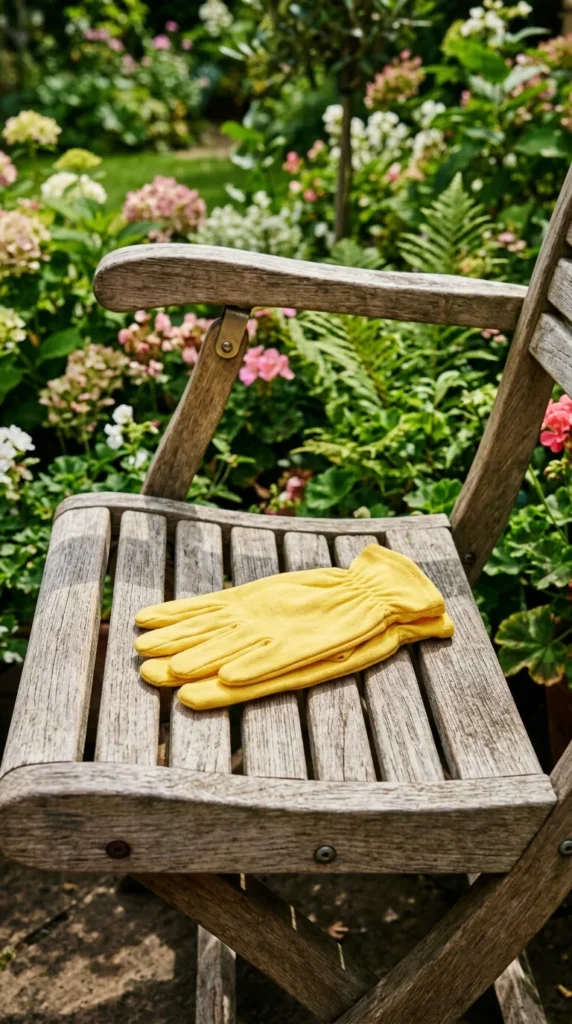
Sometimes, simplicity is best. Cotton jersey gloves are the lightweight, inexpensive option for basic, dry garden tasks. They provide a basic barrier against dust and light dirt and are incredibly comfortable for short periods of work. While they offer very little protection against thorns or moisture, they are perfect for raking dry leaves, sweeping the patio, or handling dry mulch. They are also usually machine washable, making them easy to maintain.
12. Junior Size
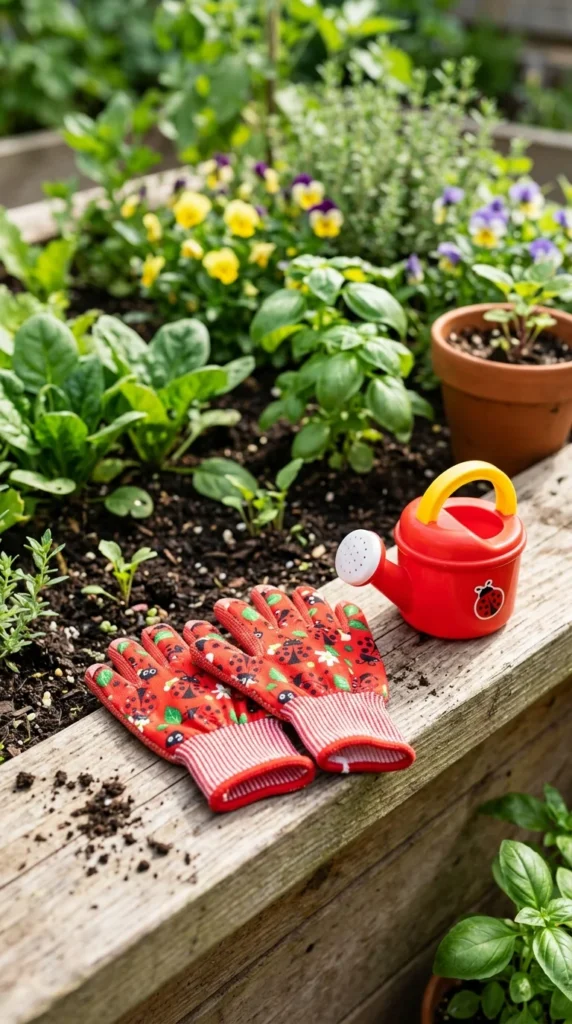
Gardening is a wonderful family activity, but adult gloves are far too bulky for small hands. Junior-sized gardening gloves are scaled down to fit children perfectly, ensuring they have the grip and protection they need to help out. These gloves often feature fun colors and patterns to encourage engagement, but they aren’t just toys—they are built with real protective materials like nitrile or reinforced fabric to keep little hands safe from scrapes and bugs.
13. Forearm Protection
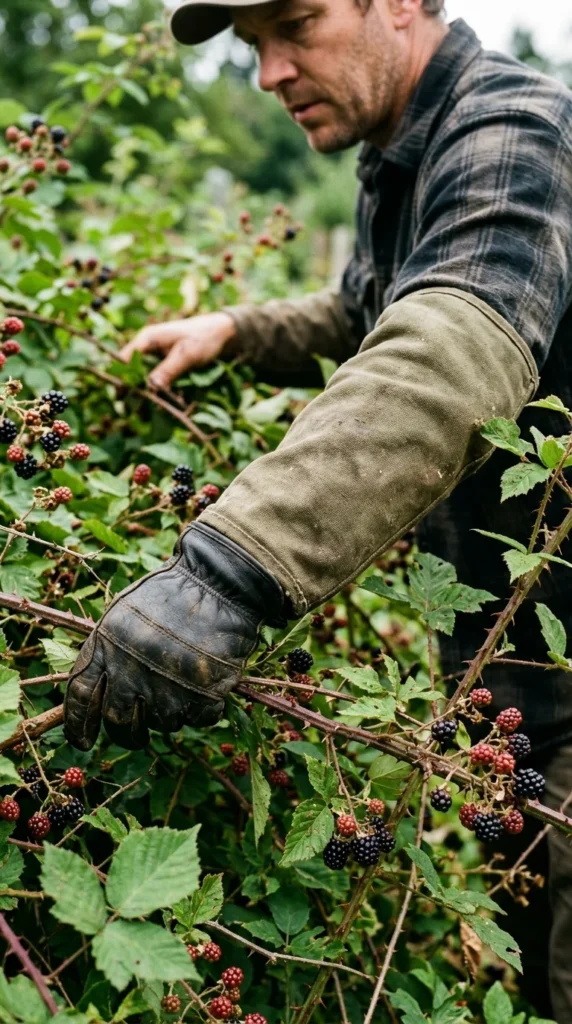
While gauntlets are a full glove, some gardeners prefer separate forearm guards or “arm sleeves.” These can be paired with any glove of your choice. Made from puncture-resistant materials like Kevlar or heavy canvas, these sleeves protect the skin from sun exposure, poison ivy, and scratches. They are particularly useful when pruning dense hedges or clearing brush where the hazard isn’t just at the fingertips, but all along the arm.
14. Suede Work
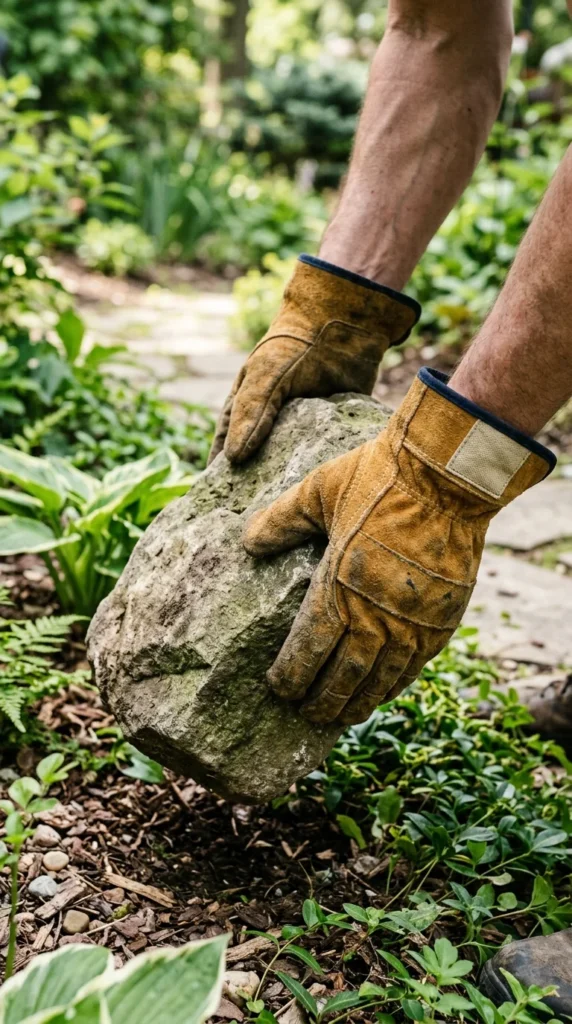
For the toughest jobs—moving rocks, handling rough lumber, or digging large trenches—suede cowhide gloves are the workhorses of the garden. The split-leather texture provides a natural, high-friction grip that is superior for heavy lifting. They are incredibly durable and abrasion-resistant. While they can become stiff if they get soaking wet, they provide the thickest physical barrier against heavy impacts and rough surfaces.
15. High Visibility
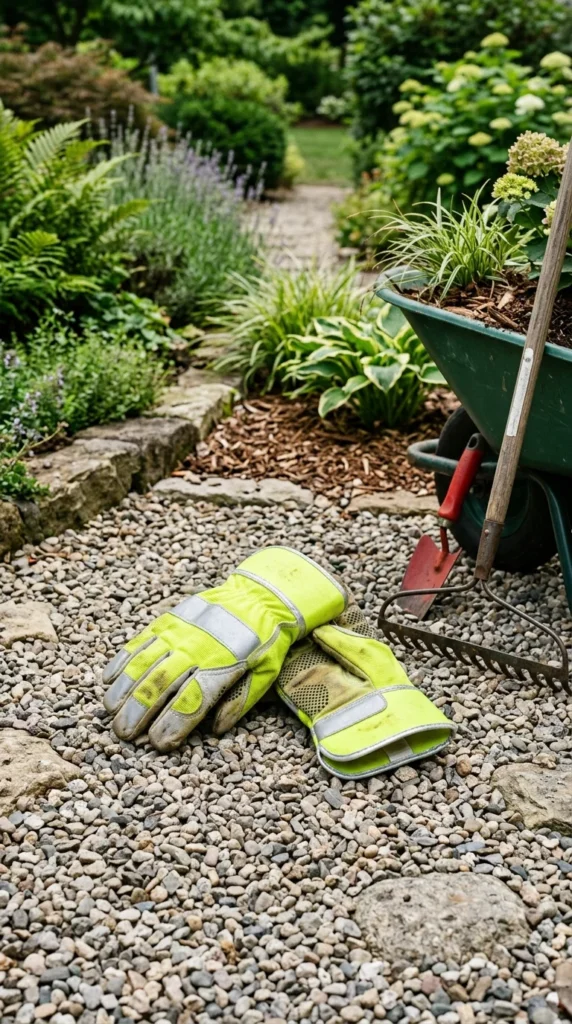
If you garden near roads, work in professional landscaping, or simply have a habit of losing your gloves in the grass, high-visibility gloves are a smart choice. Often used by professional arborists and roadside crews, these gloves feature neon colors and reflective strips. Beyond the safety aspect of being seen by drivers or equipment operators, they are much easier to locate when you set them down in a lush, green garden bed.
How to Choose the Right Size
A gardening glove that doesn’t fit is more than just uncomfortable; it can be dangerous. If a glove is too large, your hand will slide inside, leading to friction blisters and a lack of control over your tools. If it’s too small, it will restrict blood flow and cause hand fatigue.
To find your size:
- Measure your hand circumference: Wrap a tailor’s tape measure around your palm (excluding the thumb) at its widest point.
- Measure hand length: Measure from the tip of your middle finger to the base of your palm.
- Check the brand’s chart: Most manufacturers provide a specific sizing chart. If you are between sizes, go for the smaller size if you want dexterity (planting) and the larger size if you want warmth (winter gardening).
Maintenance Tips for Longevity
To get the most out of your investment, follow these care steps:
- Shake them out: Always shake out dirt and debris after use to prevent internal abrasion.
- Air Dry: Never put leather gloves on a radiator; it will cause them to crack. Let them air dry slowly at room temperature.
- Leather Conditioner: For goatskin or cowhide gloves, applying a bit of leather conditioner once a season will keep them supple.
- Wash regularly: Synthetic and nitrile gloves can often be tossed in a mesh bag and machine-washed on a cold cycle to remove salt from sweat and garden chemicals.