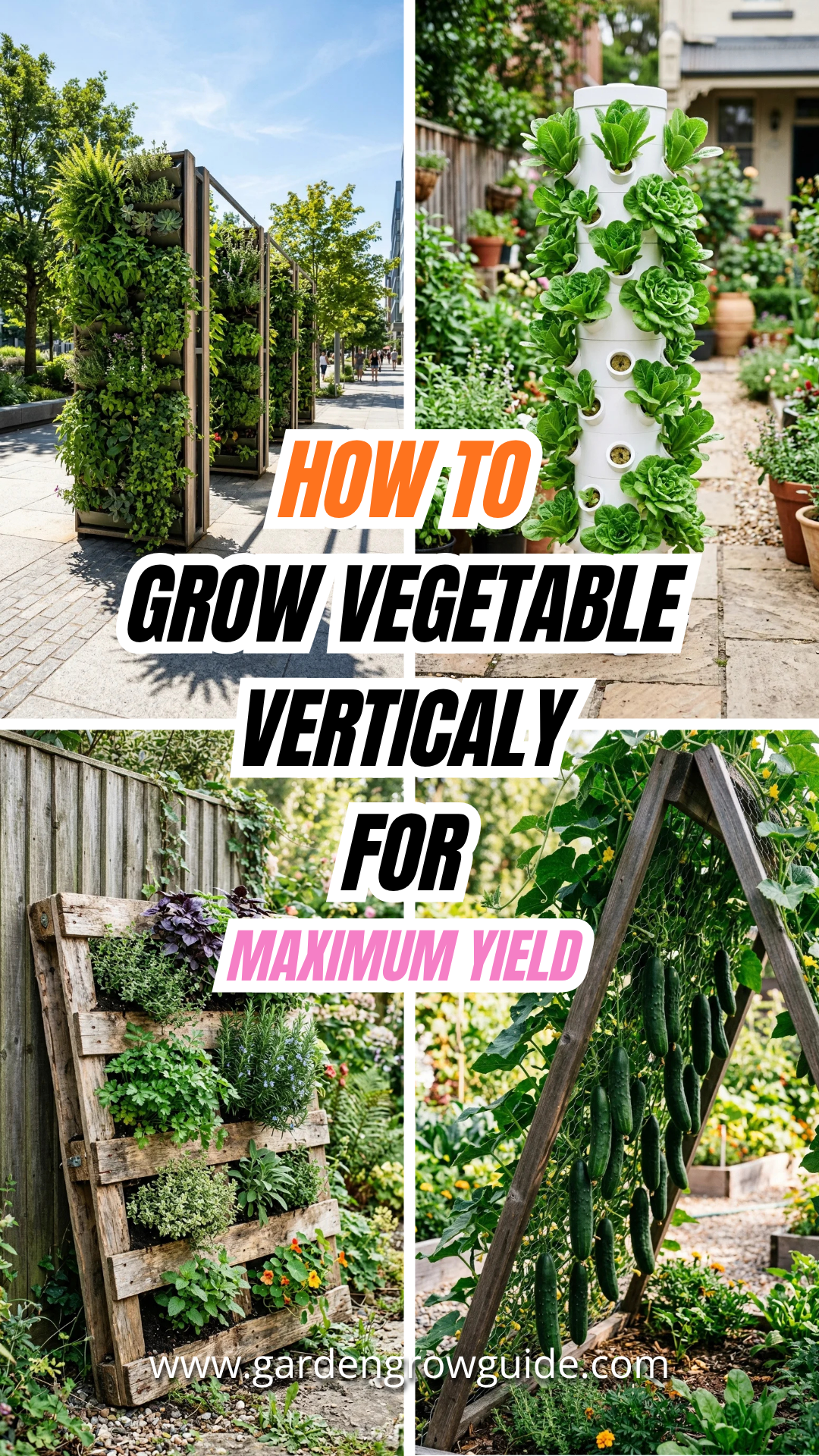
Vertical gardening is more than just a space-saving trend for urban dwellers; it is a sophisticated agricultural strategy designed to boost plant health and significantly increase crop yields. By shifting the growing plane from the horizontal to the vertical, gardeners can capitalize on unused air space, improve air circulation, and provide plants with optimal sun exposure. This method effectively transforms small balconies, narrow side yards, and even traditional garden plots into high-production food forests.
To achieve maximum yield, one must understand the intersection of structural engineering and horticultural needs. When plants grow upward, they are kept away from soil-borne pathogens, pests that crawl along the ground, and the moisture-induced rot that often plagues sprawling vines. The result is a cleaner, healthier, and more abundant harvest.
1. Trellises
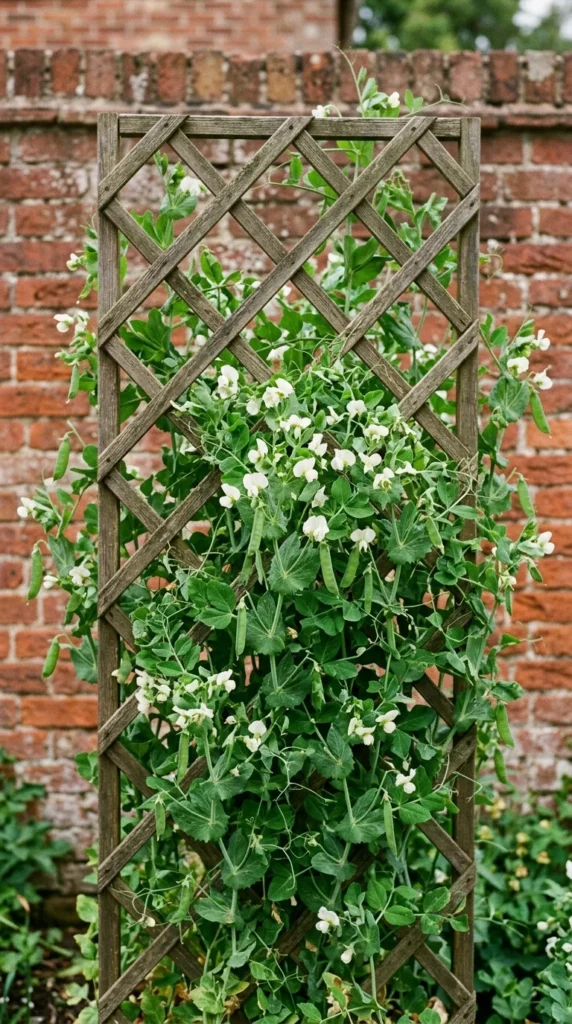
The trellis is the backbone of vertical gardening. Typically constructed from wood, metal, or plastic lattice, it provides a sturdy framework for “climbing” vegetables. For maximum yield, the choice of material and the size of the gaps are crucial. Heavy-duty cattle panels or reinforced wire mesh are ideal for heavier crops like melons or large squash, while lighter nylon netting works perfectly for peas and pole beans. By training plants to grow up a trellis, you ensure that every leaf gets its fair share of photosynthesis, which directly translates to more energy for fruit production.
2. Arbors
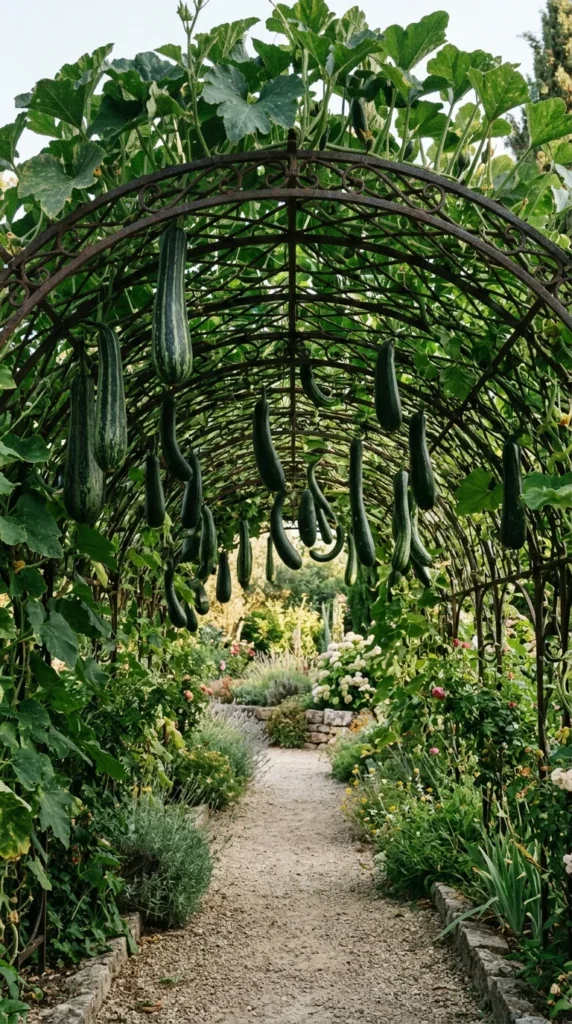
Arbors and tunnels serve a dual purpose: they are aesthetically pleasing and exceptionally functional for heavy vining crops. When you grow vegetables like loofah, gourds, or even heavy-climbing cucumbers over an arbor, gravity helps the fruit grow straight and keeps it away from pests. Harvesting becomes an effortless task, as the vegetables hang at eye level, reducing the physical strain on the gardener. This accessibility ensures that no produce is left to overripen or rot hidden under a canopy of leaves on the ground.
3. Towers
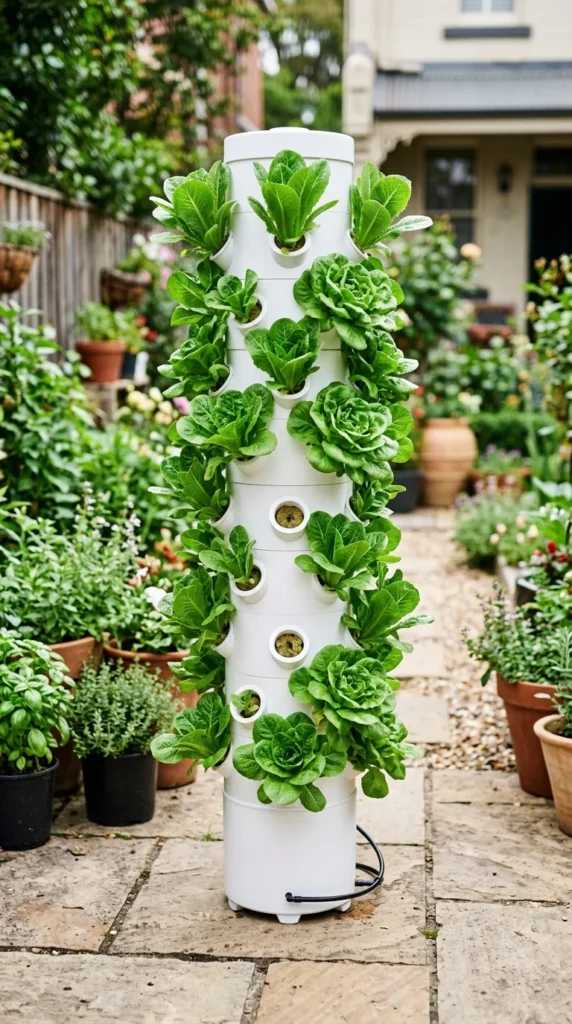
Vertical towers, particularly those using hydroponic or aeroponic systems, represent the pinnacle of high-density gardening. These systems use a central column to deliver nutrient-rich water directly to the roots. Because the roots don’t need to spread out to find food, plants can be spaced much closer together than in traditional soil gardening. A single tower with a footprint of only two or three square feet can hold up to 30 or 40 individual plants, making it the most efficient way to grow leafy greens, herbs, and strawberries.
4. Pallets
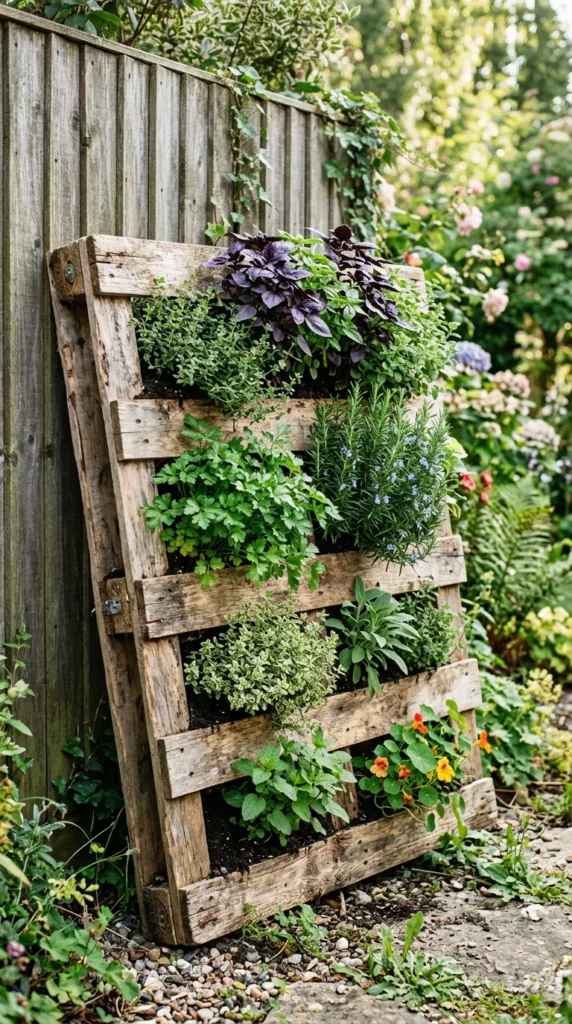
Recycled pallets offer a cost-effective entry point into vertical gardening. By stapling landscape fabric to the back and bottom of the pallet “shelves,” you create a series of shallow troughs. This method is particularly effective for shallow-rooted vegetables like radishes, arugula, and various herbs. The key to maximizing yield in a pallet garden is soil quality; because the growing space is limited, using a high-quality, moisture-retentive potting mix with added compost is essential to keep the plants nourished throughout the season.
5. Tomatoes
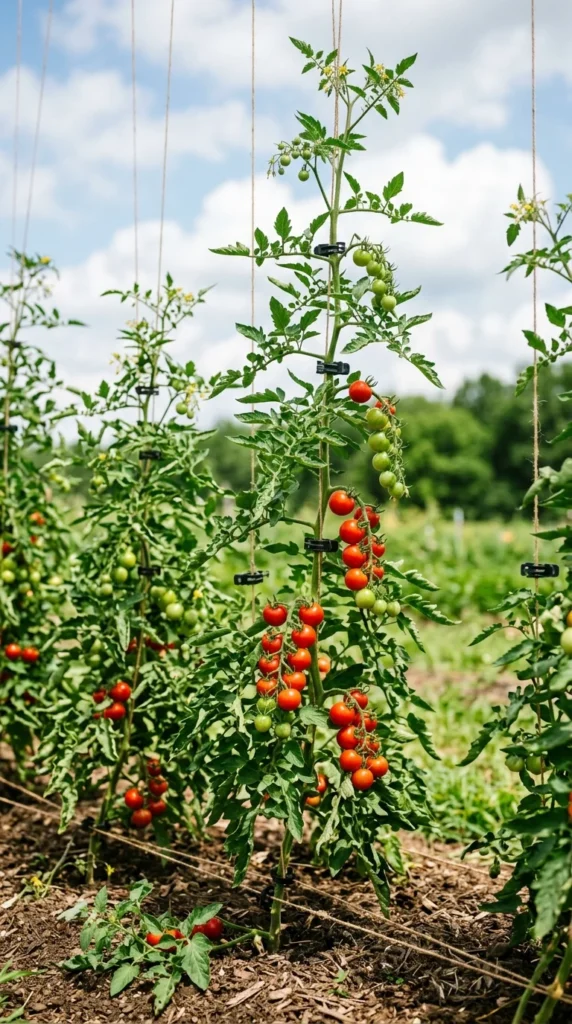
To get the highest yield from tomatoes, one must choose “indeterminate” varieties. Unlike determinate (bush) varieties that grow to a certain height and stop, indeterminate vines continue to grow and produce fruit until the first frost. Using the “string-and-clip” method—a technique borrowed from commercial greenhouses—gardeners can lead the main stem up a single vertical cord. Regular pruning of “suckers” (the small shoots that grow in the crotch between the stem and the leaf) directs all the plant’s energy into the main stalk and the developing fruit, resulting in larger, more frequent harvests.
6. Cucumbers
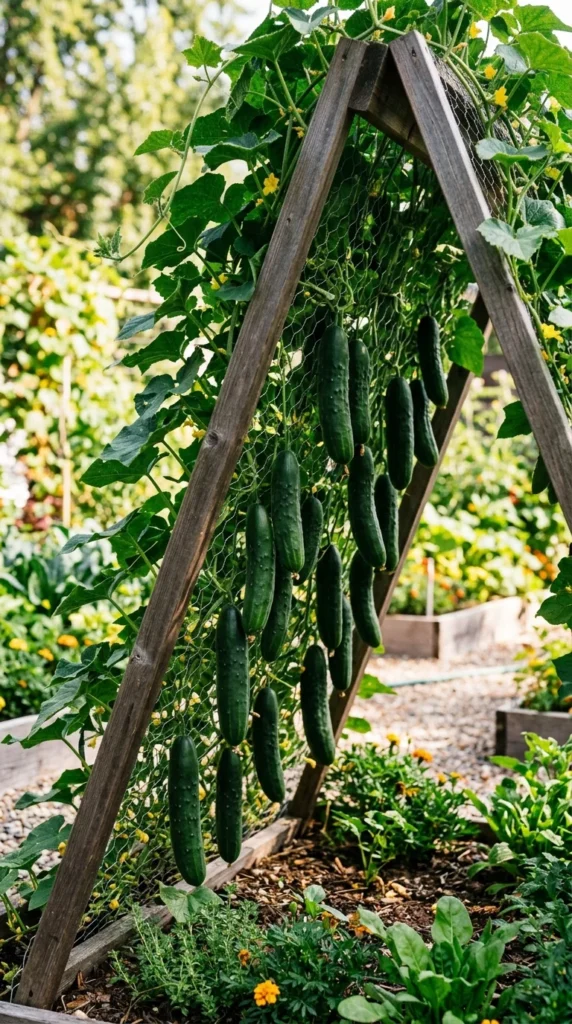
Cucumbers are natural climbers, and they thrive when given vertical support. Growing them on an A-frame or a slanted trellis allows the fruit to hang freely. This prevents the “yellow belly” that occurs when cucumbers sit on damp soil and ensures the fruit grows perfectly straight. Furthermore, the increased airflow around the leaves significantly reduces the risk of powdery mildew, a common fungal disease that can prematurely end a cucumber harvest. With healthier foliage, the plant can produce fruit for a much longer period.
7. Legumes
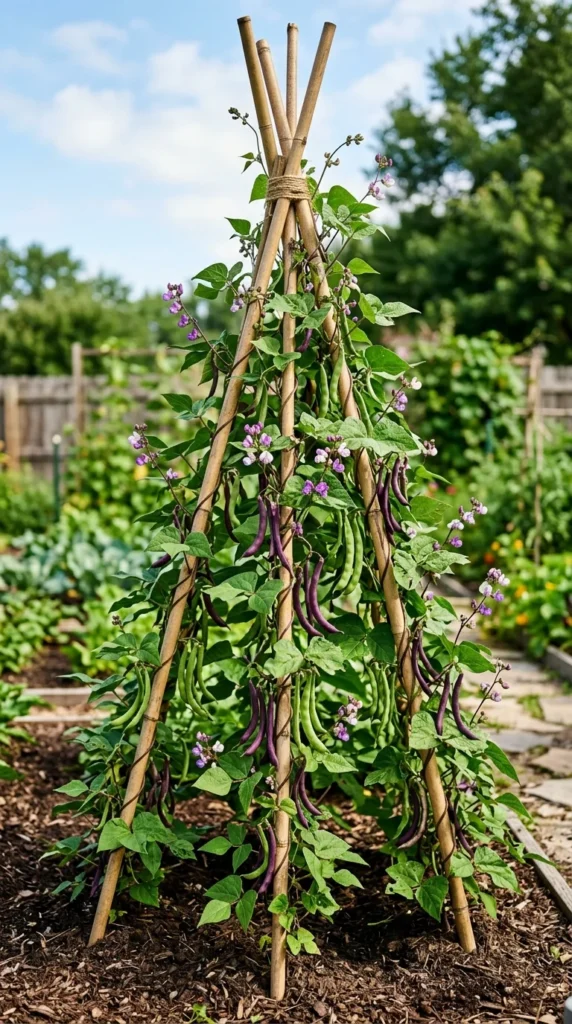
Beans and peas are the easiest vegetables to transition to vertical growth. Pole beans, in particular, are far more productive than bush beans over the course of a season. A simple bamboo teepee provides a stable structure for these nitrogen-fixing plants. As the vines reach the top, they create a dense pillar of food. To maximize yield, harvest the pods frequently; the more you pick, the more the plant is stimulated to produce new flowers and pods.
8. Maintenance
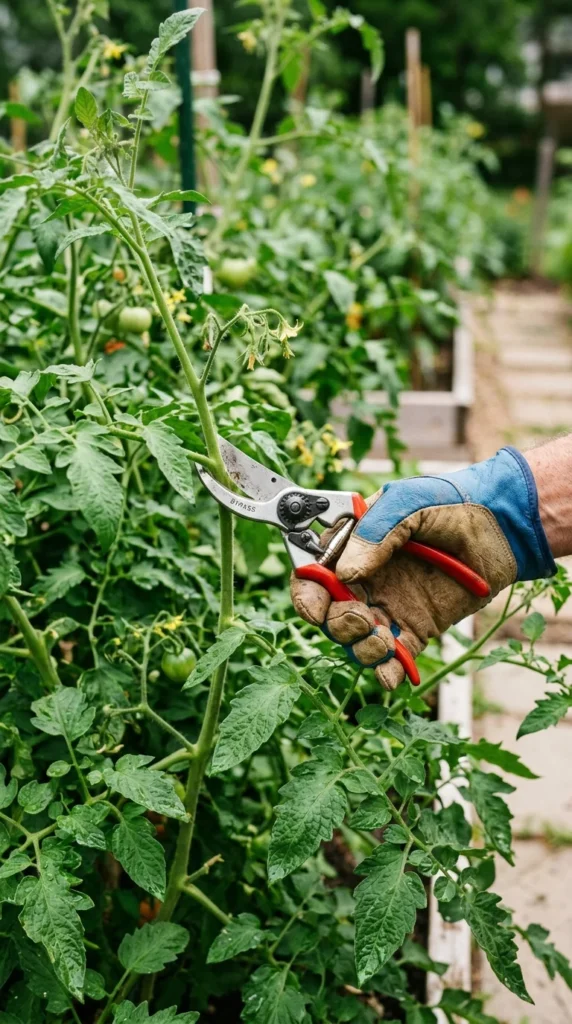
The secret to a high-yielding vertical garden is active maintenance. Because vertical plants are often spaced closer together, they require regular “training” to ensure they follow their supports. This involves gently tying stems with soft twine or garden tape. Pruning is equally vital; removing lower leaves that touch the ground prevents disease, and thinning out excess foliage allows sunlight to reach the interior of the plant. This focused maintenance ensures that the plant’s resources are not wasted on unnecessary greenery but are instead funneled into fruit production.
9. Irrigation
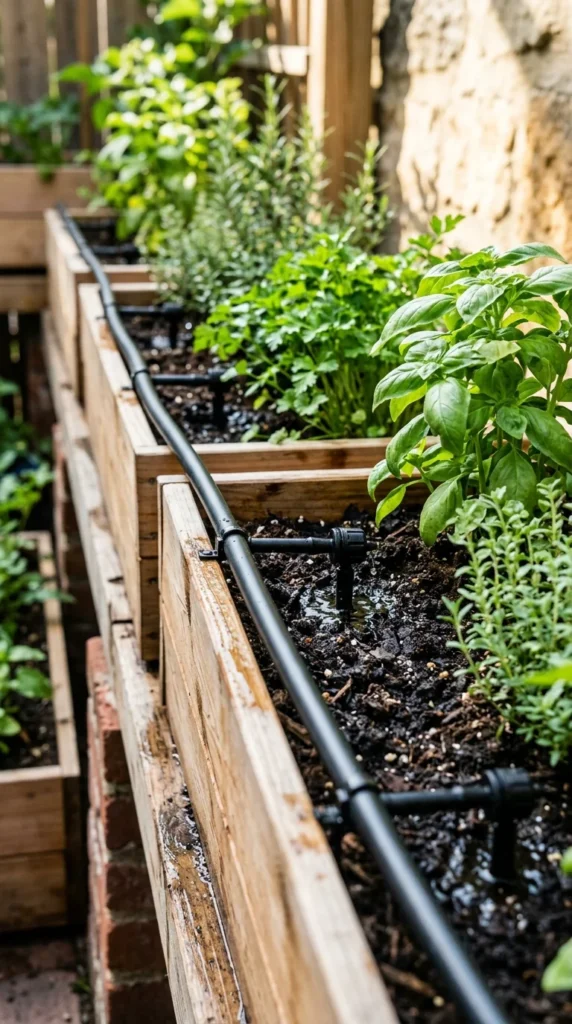
Vertical gardens dry out faster than traditional ground plots because they are more exposed to wind and sun. To maintain maximum yield, consistent moisture is non-negotiable. A drip irrigation system or a soaker hose snaked through the vertical structure is the gold standard. These systems deliver water directly to the root zone, minimizing evaporation and keeping the foliage dry. Integrating a simple timer ensures that the plants never undergo the stress of drought, which can cause blossom drop and stunted fruit growth.
10. Sunlight
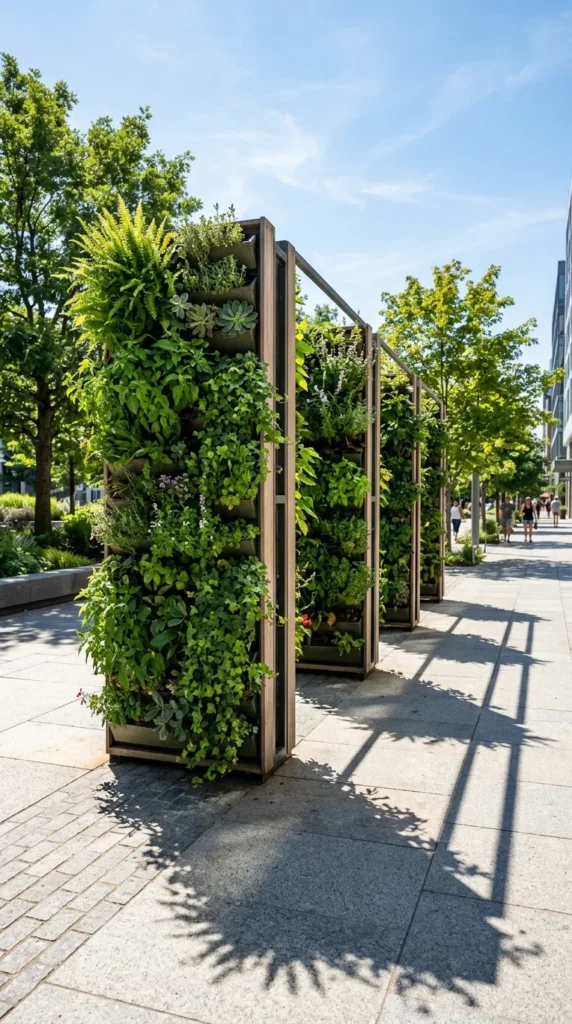
Orientation is the final piece of the vertical gardening puzzle. To maximize yield, most vegetable crops require 6 to 8 hours of full sun. When building vertical structures, they should be oriented north-to-south. This ensures that as the sun moves across the sky, both sides of the vertical wall receive adequate light. If a trellis is placed on the south side of a garden, it may shade out smaller, ground-dwelling plants. Strategic placement ensures that every square inch of your garden—both vertical and horizontal—is working at its highest photosynthetic capacity.