As the sweltering heat of summer fades, many gardeners mistakenly believe their growing season is coming to an end. However, autumn presents a unique opportunity for a second harvest that is often more productive and less labor-intensive than the spring. The cooler temperatures, increased rainfall, and decrease in pest activity make fall an ideal time to cultivate a variety of hardy crops.
In many cases, the flavor of fall-grown vegetables is superior; the light frosts characteristic of late autumn actually trigger a chemical reaction in many leafy greens and root crops, converting starches into sugars. To help you maximize your garden’s potential before the deep freeze of winter, here are 25 fall vegetable garden ideas for a bountiful harvest.
1. Kale
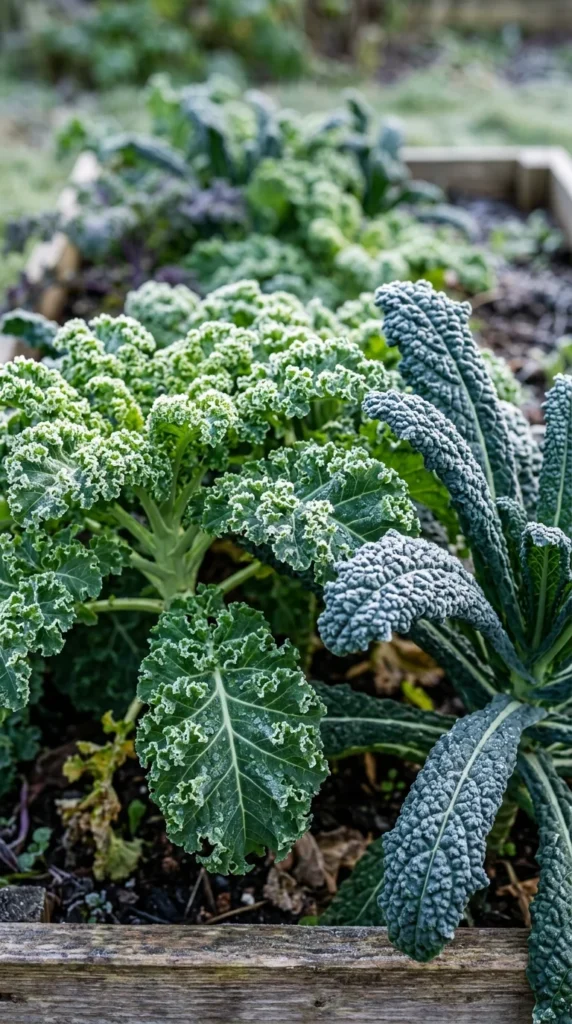
Kale is the undisputed king of the fall garden. This hardy biennial is incredibly frost-tolerant, often surviving temperatures well below freezing. Planting kale in late summer allows it to mature as the weather cools, which mellows its bitterness and enhances its natural sweetness. It can be harvested leaf-by-leaf throughout the winter in many climates, providing a steady supply of nutrient-dense greens.
2. Carrots
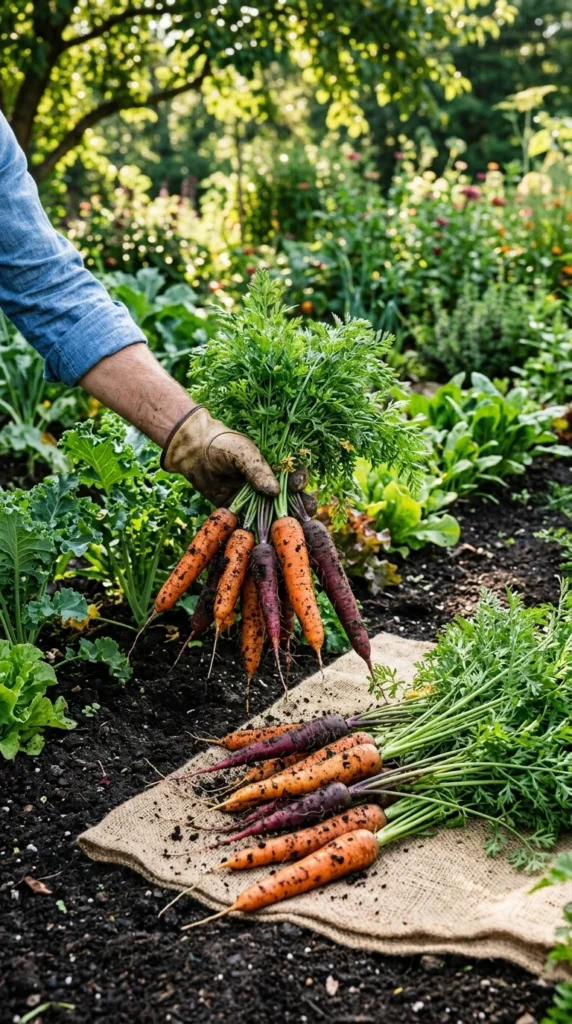
Carrots are a staple for the autumn harvest. While they can be grown in spring, fall carrots are famously sweet. As the ground cools, the plant concentrates sugars in its root to act as a natural antifreeze. Sow seeds about 10 to 12 weeks before the first expected frost. To ensure straight, healthy roots, ensure your soil is loose and free of heavy clay or stones.
3. Spinach
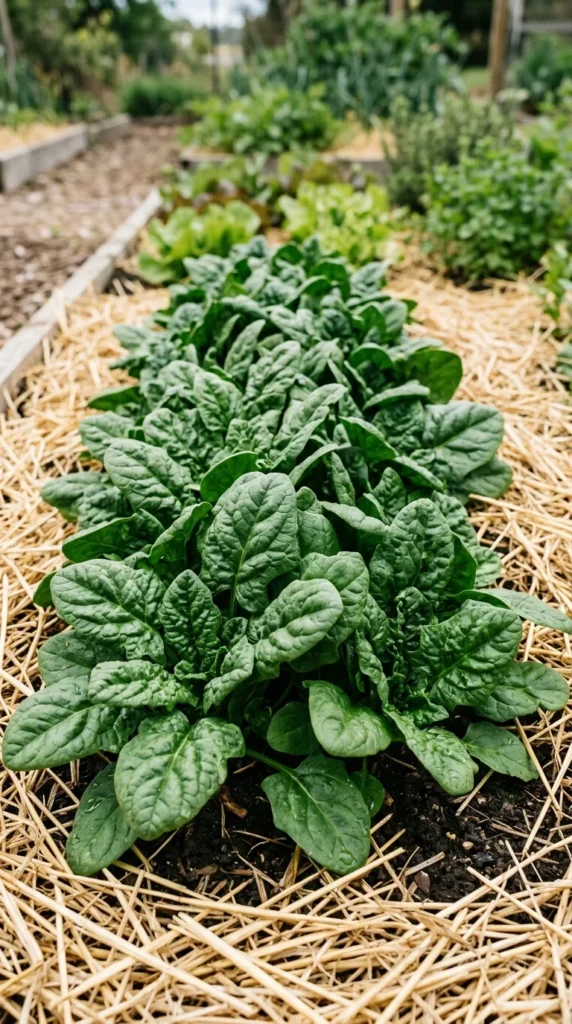
Spinach thrives in the crisp air of autumn. Unlike summer spinach, which tends to “bolt” or go to seed in the heat, fall-planted spinach stays compact and tender. It is remarkably resilient; with a simple cold frame or a layer of floating row cover, you can often harvest spinach even after the first snow has fallen.
4. Garlic
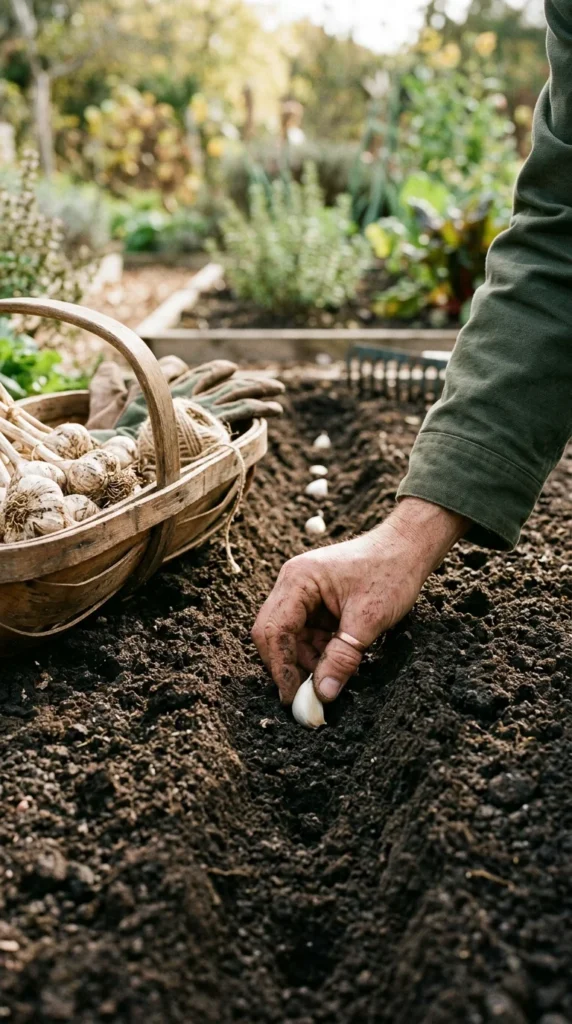
While garlic is harvested in the summer, it must be planted in the fall. This is a critical task for any productive autumn garden. Planting cloves in October or November allows the roots to establish before the ground freezes. The cloves undergo a process called vernalization during the winter, which is necessary for the bulb to split into individual cloves the following year.
5. Brussels Sprouts
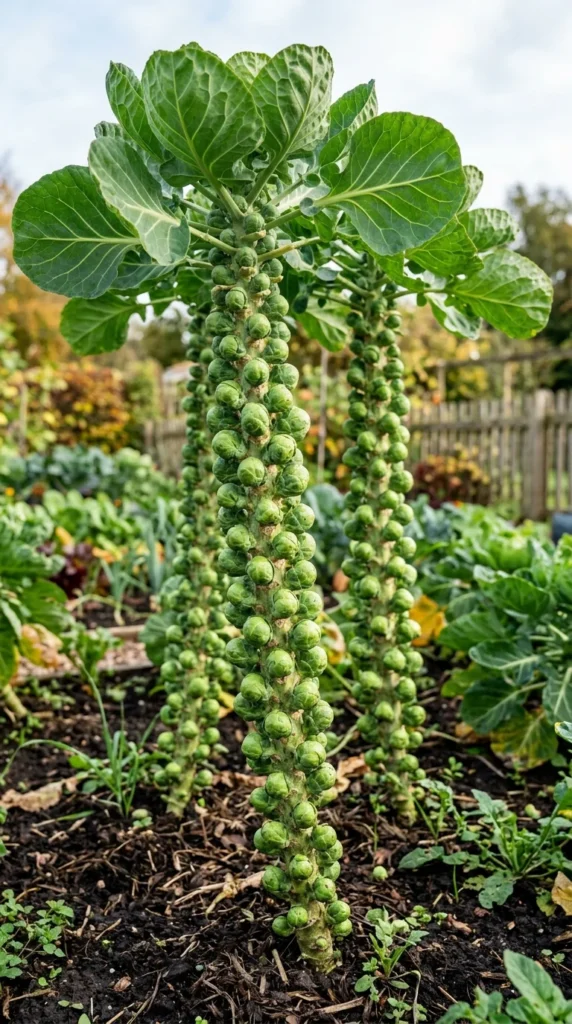
Brussels sprouts require a long growing season, but they are most delicious when harvested after a few light frosts. The cold weather improves their flavor significantly, removing the cabbage-like sulfurous notes and replacing them with a nutty sweetness. Ensure they are planted early enough in the summer so they have time to develop their stalks before the days get too short.
6. Radishes
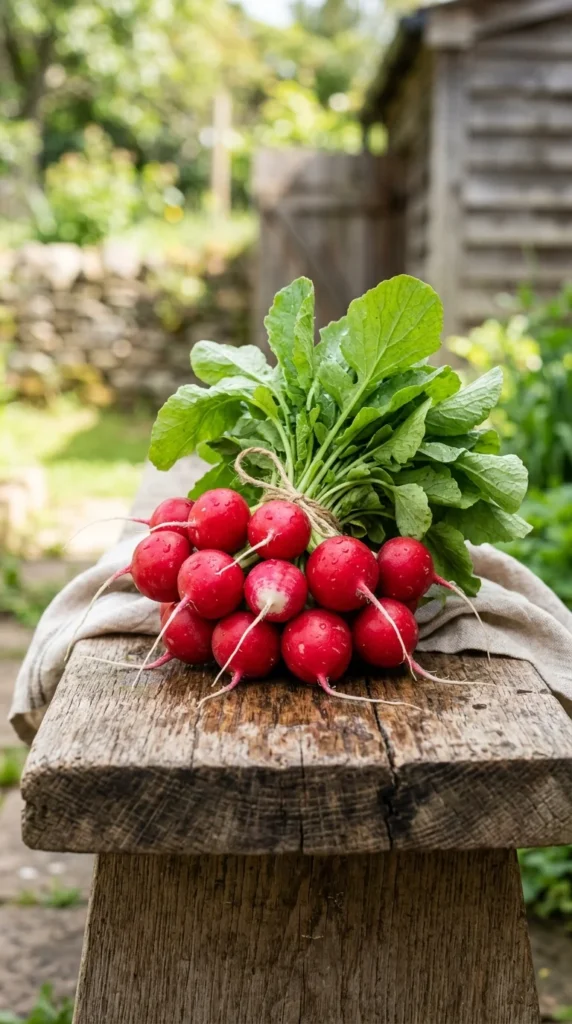
Radishes are the “instant gratification” crop of the fall garden. Many varieties mature in as little as 25 to 30 days. Because they grow so quickly, you can sow them in the spaces left behind by harvested summer crops like tomatoes or beans. Fall radishes tend to be crisper and less spicy than those grown in the heat of spring.
7. Lettuce
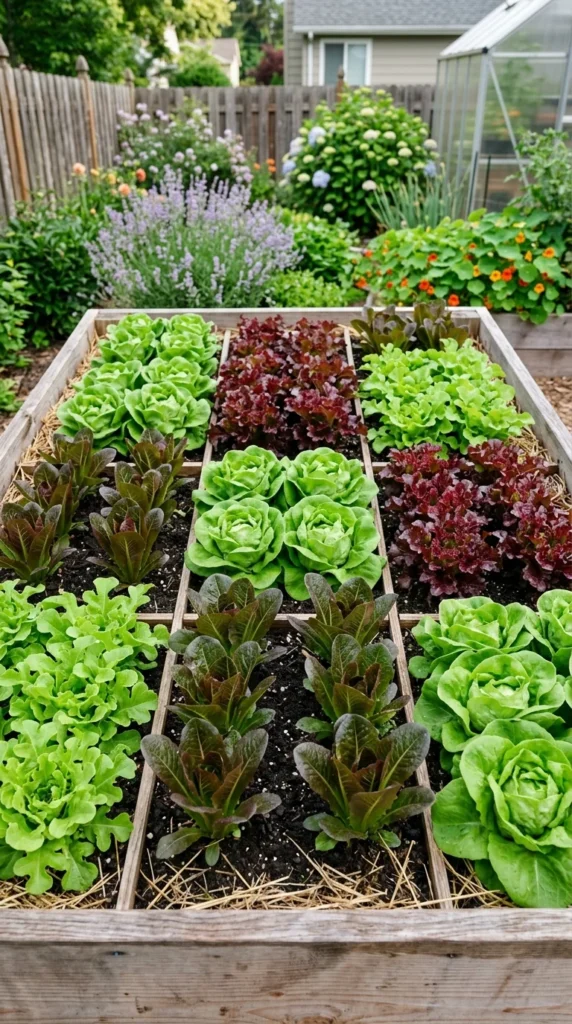
Fall is the perfect time for a “cut-and-come-again” salad garden. Lettuce seeds germinate well in the cooling soil of late August and early September. By planting a mix of loose-leaf varieties, you can harvest outer leaves for salads while the center of the plant continues to grow, providing a continuous harvest until a hard freeze.
8. Beets
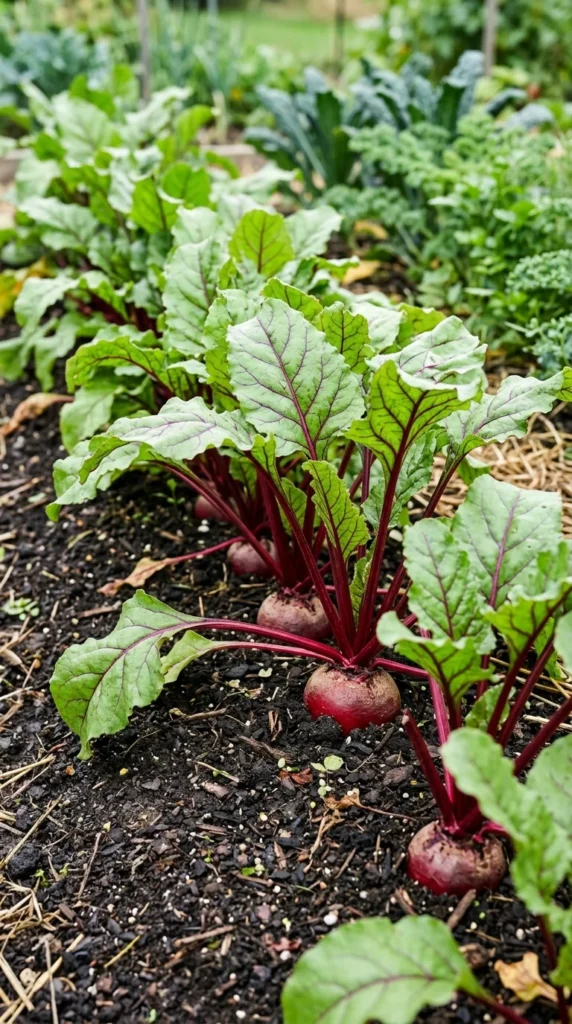
Beets are dual-purpose stars of the autumn garden. Not only are the earthy roots delicious when roasted, but the greens are also edible and highly nutritious. Beets are quite cold-hardy and can stay in the ground until the soil begins to freeze. Mulching heavily with straw can extend your beet harvest well into December.
9. Broccoli
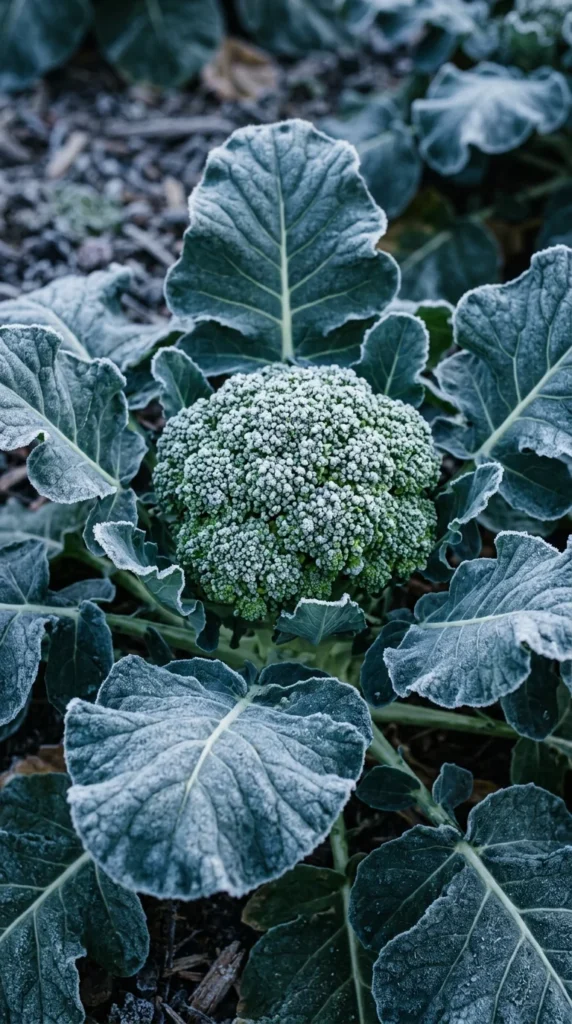
Broccoli performs much better in the cooling temperatures of fall than in the rising heat of spring. In the fall, there is less pressure from the imported cabbageworm, a common pest. Once you harvest the main central head, most varieties will continue to produce smaller “side shoots” for several weeks, significantly increasing your total yield.
10. Swiss Chard
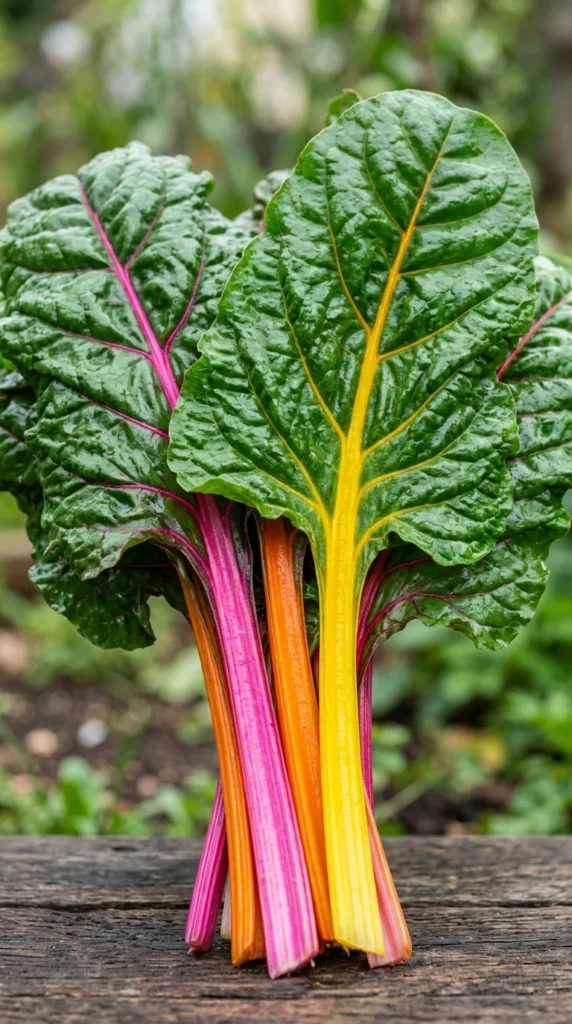
Swiss chard is one of the most ornamental vegetables you can grow. It is incredibly resilient, handling both the tail end of summer heat and the arrival of autumn frosts with ease. The “Rainbow” varieties add a splash of color to the fading garden landscape while providing a constant harvest of leaves that can be used like spinach or kale.
11. Cabbage
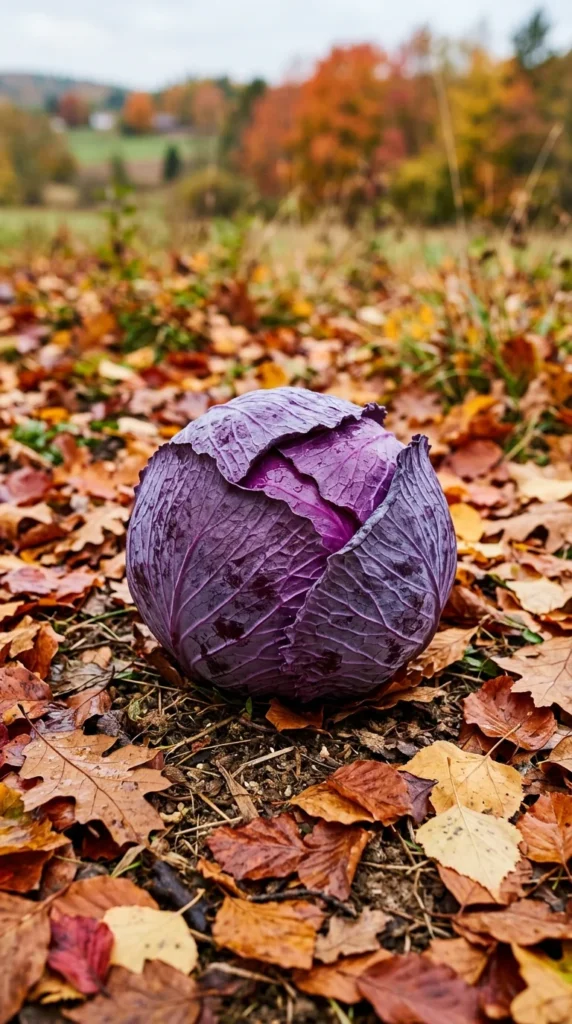
Cabbage is a quintessential cool-weather crop. Whether you prefer the tight heads of green or red cabbage or the crinkly leaves of Savoy types, fall is the time to grow them. The cooler air helps the heads grow firm and sweet. Late-season cabbages are also the best varieties for fermenting into sauerkraut or storing in a root cellar for winter use.
12. Onions
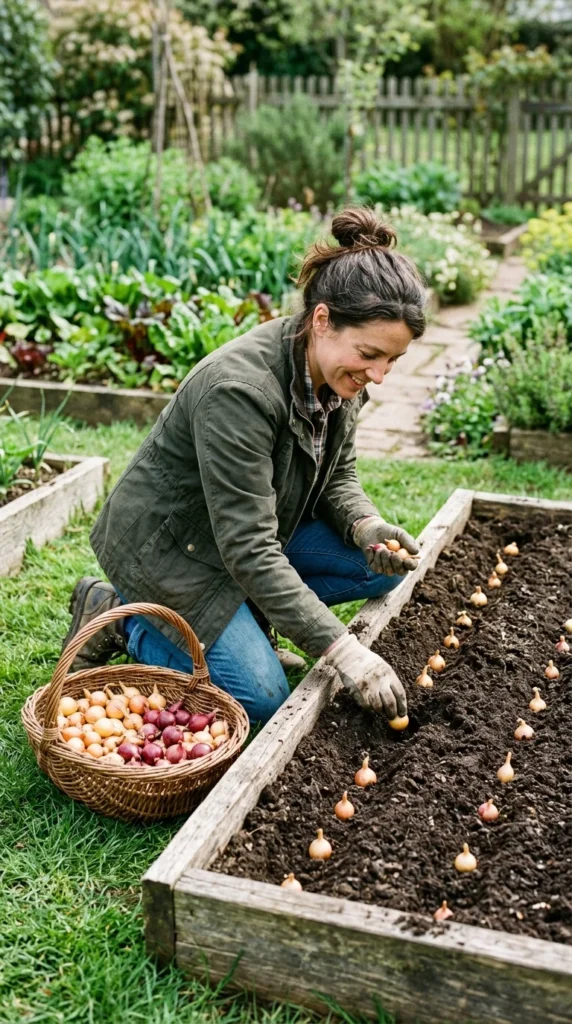
While many onions are spring-planted, “overwintering” onions can be planted in the fall. These varieties are specifically bred to survive the cold and will give you a much earlier harvest next summer than spring-sown seeds. Additionally, bunching onions (scallions) can be sown in late summer for a quick fall crop.
13. Peas
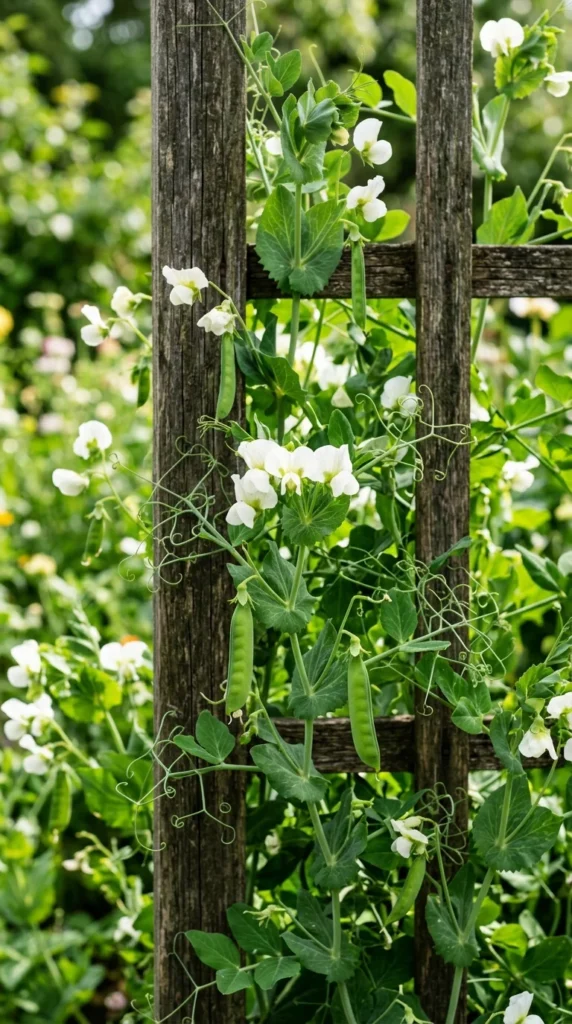
While most people think of peas as a spring crop, they thrive in the cool, damp conditions of autumn. Look for “enation-resistant” varieties that can handle the potential for lingering summer diseases. Planting sugar snap or snow peas in late summer provides a crunchy, sweet snack in October.
14. Cauliflower
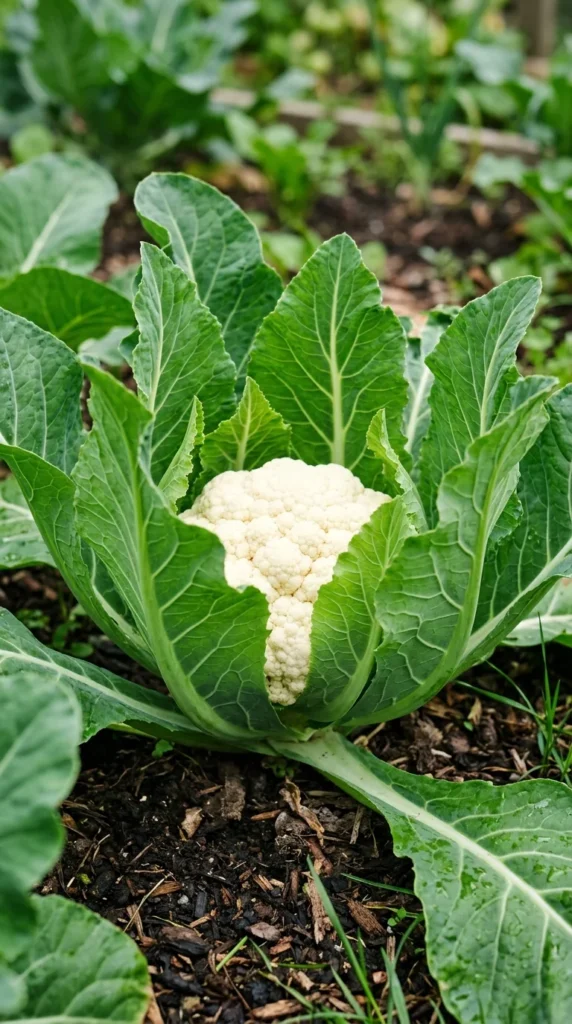
Cauliflower can be temperamental, but it loves the consistent cool temperatures of autumn. To keep the heads (curds) pure white, many gardeners use “blanching,” which involves tying the outer leaves over the developing head to protect it from the sun. Fall cauliflower often develops larger, tighter heads than spring plantings.
15. Kohlrabi
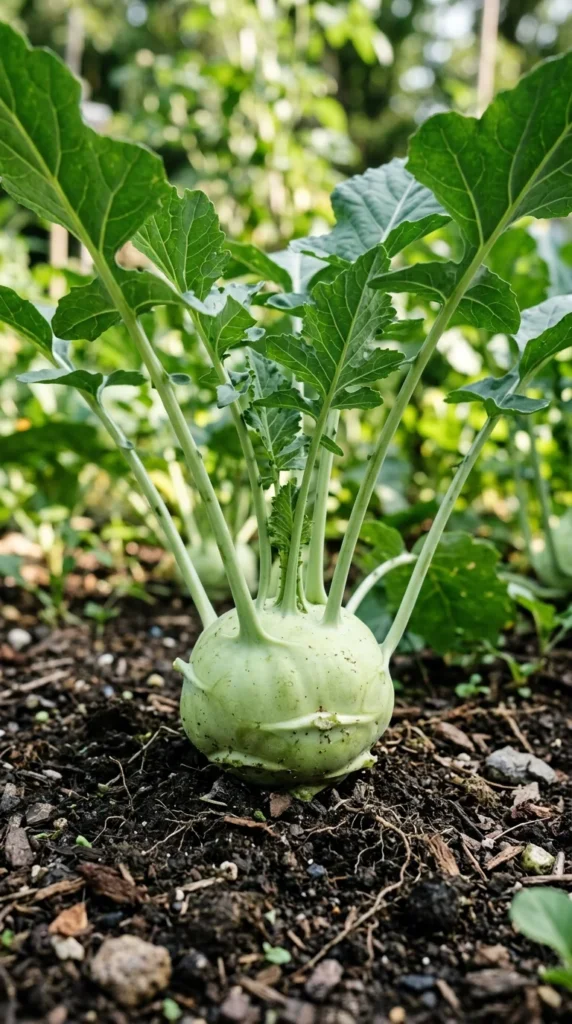
Kohlrabi is a member of the cabbage family that produces a delicious, crunchy bulb above the ground. It tastes like a cross between a water chestnut and a broccoli stem. Fall-grown kohlrabi is less likely to become woody or tough. It is a fast grower, making it a great choice for filling gaps in the autumn garden.
16. Arugula
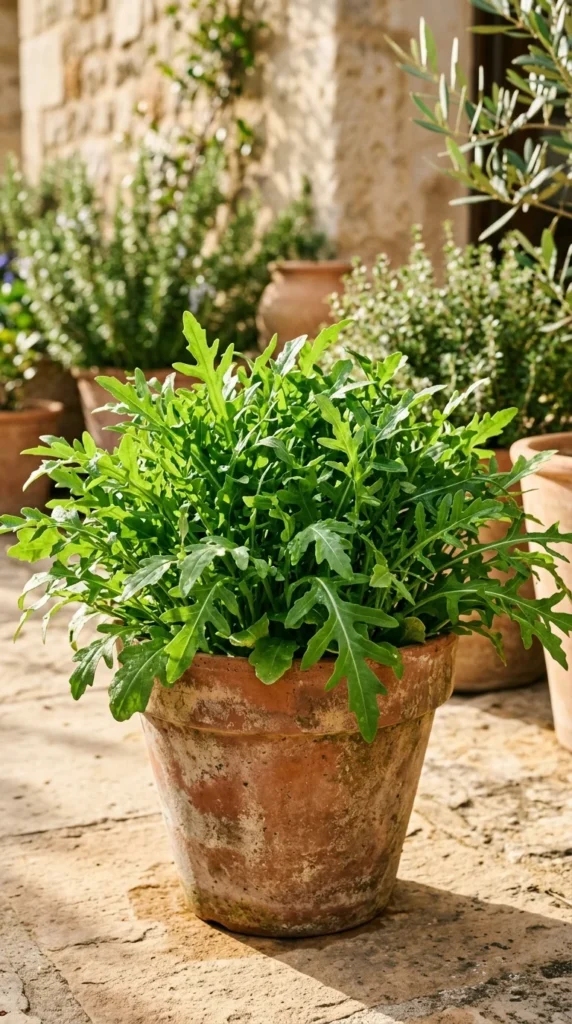
Arugula, also known as rocket, is a peppery green that thrives in cool weather. In the summer heat, arugula quickly becomes too spicy and goes to seed. In the fall, however, it maintains a pleasant, nutty bite. It is extremely fast-growing and can be harvested as “baby greens” just three weeks after sowing.
17. Bok Choy
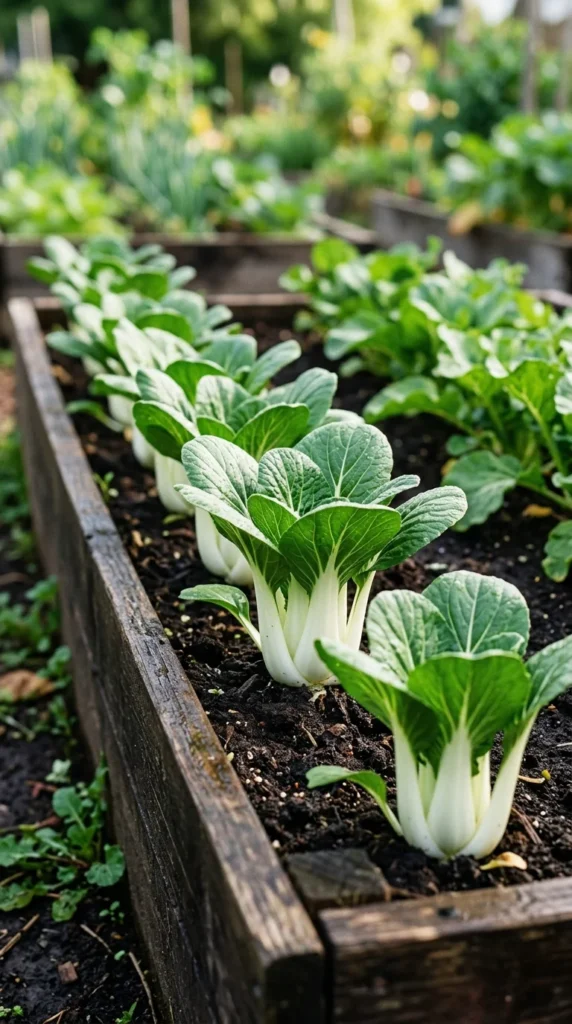
Bok choy, or Chinese cabbage, is a fast-growing vegetable that is perfect for the fall. It is highly productive and takes up very little space. The cool autumn nights help the stalks stay crisp and juicy. It is an excellent addition to stir-fries and soups during the transition into colder weather.
18. Mustard Greens
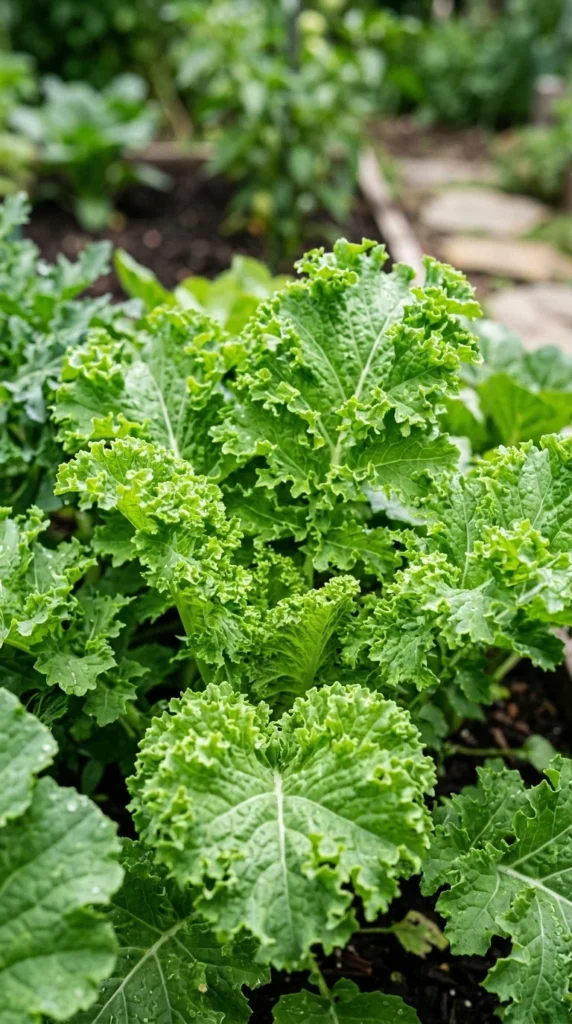
If you like a bit of spice, mustard greens are an essential fall crop. They come in various colors, from bright green to deep garnet. Like kale, they become sweeter after a frost. They are also excellent “cover crops” that can help suppress weeds and improve soil health if tilled back into the earth after the harvest.
19. Turnips
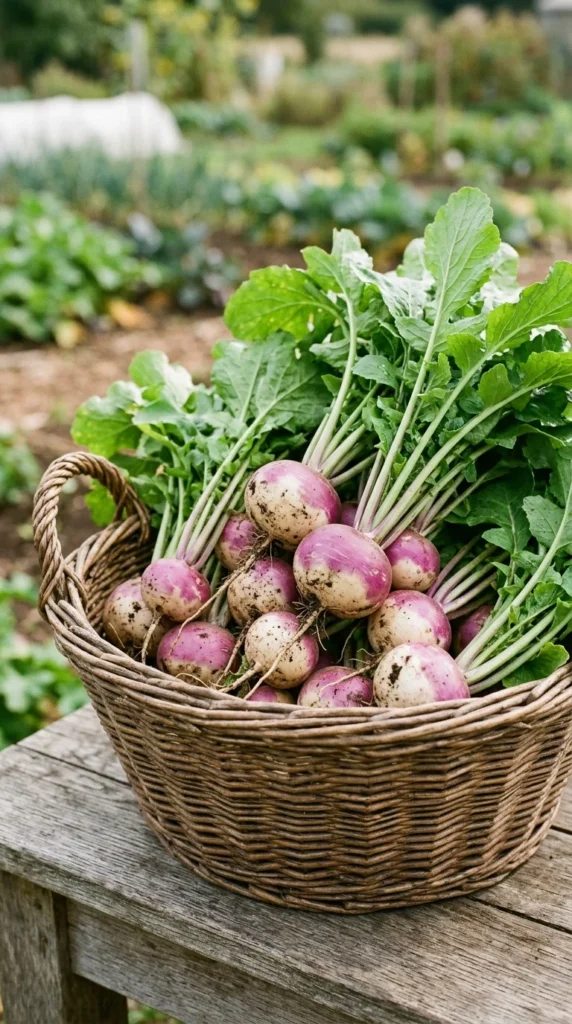
Turnips are often overlooked, but they are incredibly versatile. You can harvest the young leaves as “turnip greens” and the roots for roasting or mashing. “Hakurei” or Japanese salad turnips are particularly popular for fall gardening because they are sweet enough to eat raw like an apple.
20. Parsnips
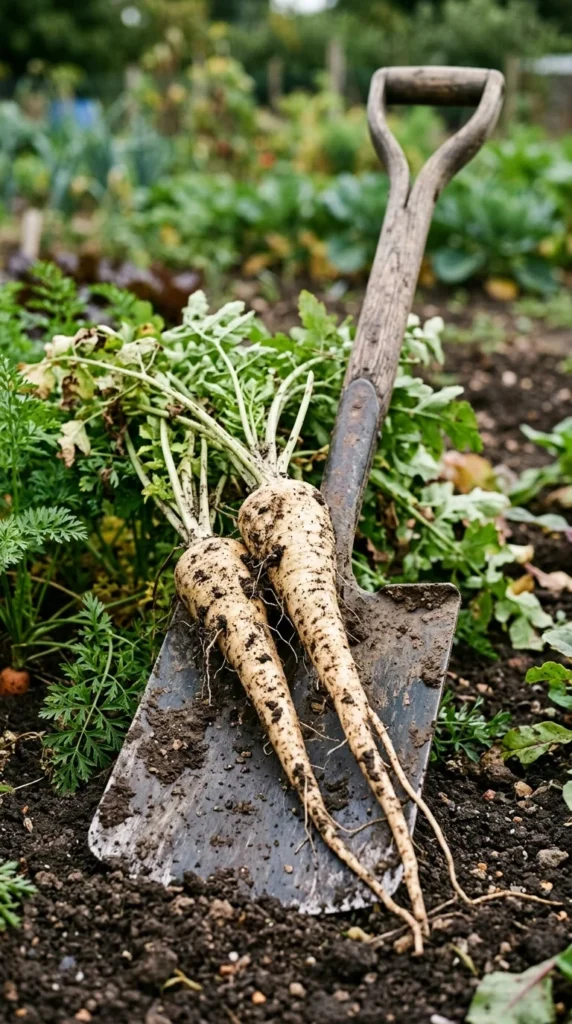
Parsnips require a very long growing season, often being planted in late spring to be harvested in late fall or even winter. They are perhaps the most frost-improved vegetable of all; their flavor is unremarkable until they have experienced several hard freezes, which converts their starch into a rich, honey-like sweetness.
21. Scallions
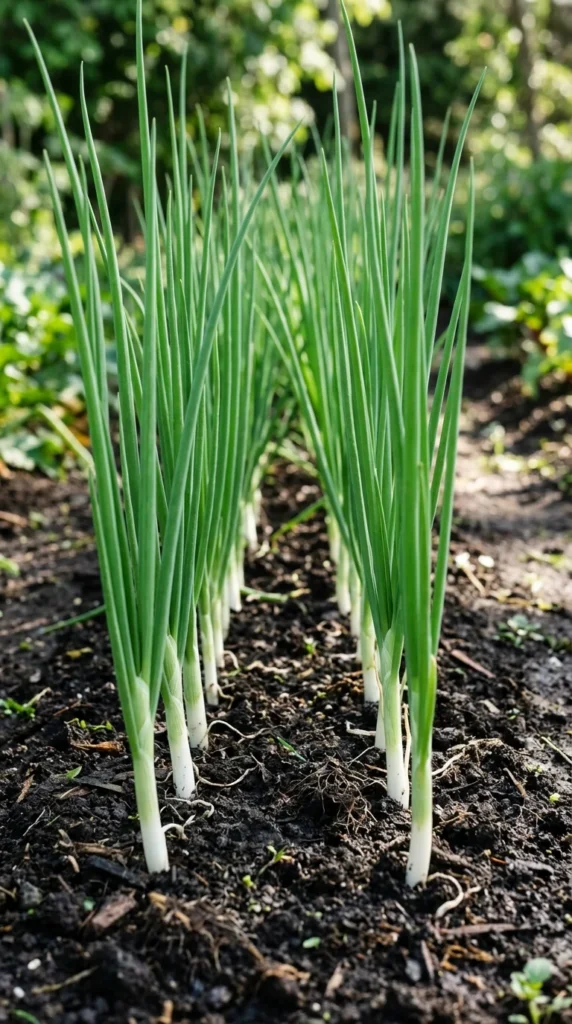
Also known as green onions, scallions are incredibly hardy. They can be planted in late summer for a fall harvest, or left in the ground to overwinter. They require very little maintenance and can be tucked into small corners of the garden where larger plants won’t fit.
22. Rutabagas
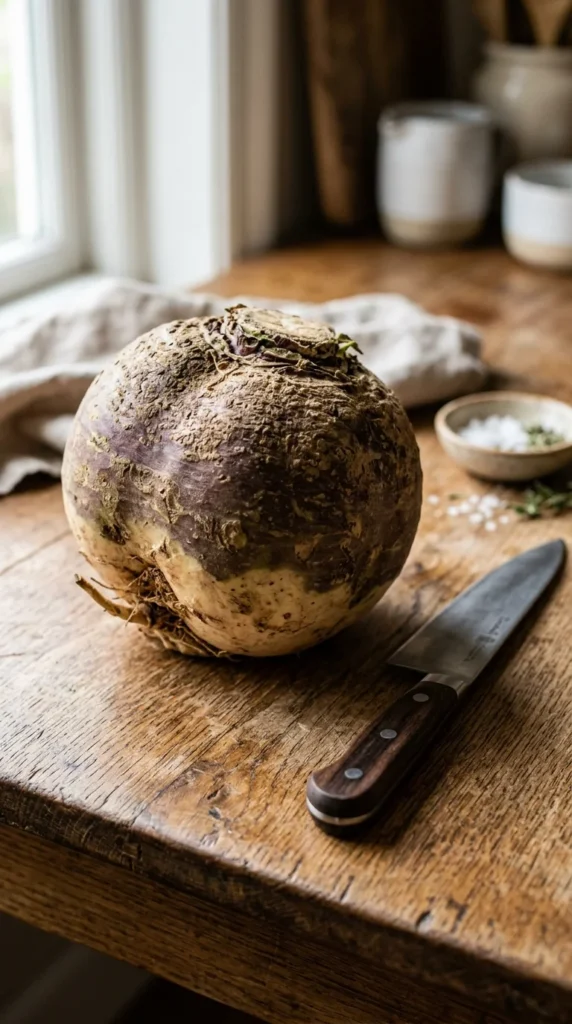
Often confused with turnips, rutabagas are larger, denser, and sweeter. They are a classic “storage vegetable” that thrives in the cooling soil of autumn. Because they take longer to mature than turnips, they should be started in mid-summer so they can reach full size by the time the heavy frosts arrive.
23. Collard Greens
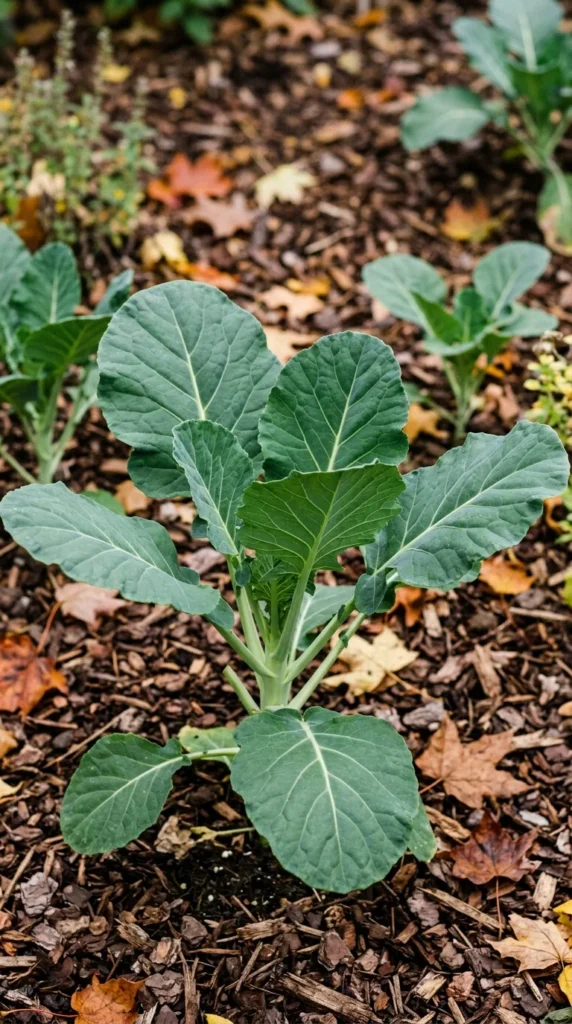
A staple of Southern cuisine, collard greens are actually very cold-hardy and can be grown successfully in Northern autumn gardens. They are even tougher than kale in some instances, standing tall through snow and ice. The flavor improves significantly after the first few frosts of the season.
24. Winter Squash
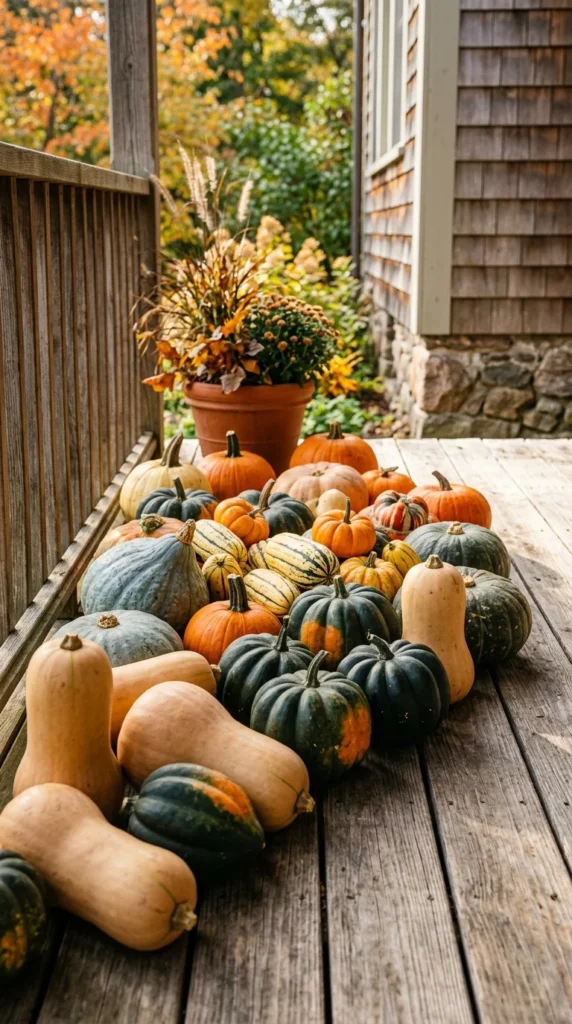
While winter squash is grown during the summer, the “harvest” is a defining part of the fall garden. These squashes must be harvested before a hard freeze but after the vines have withered and the skins have hardened. Curing them in the sun for a few days after harvest helps them last all through the winter months.
25. Fava Beans
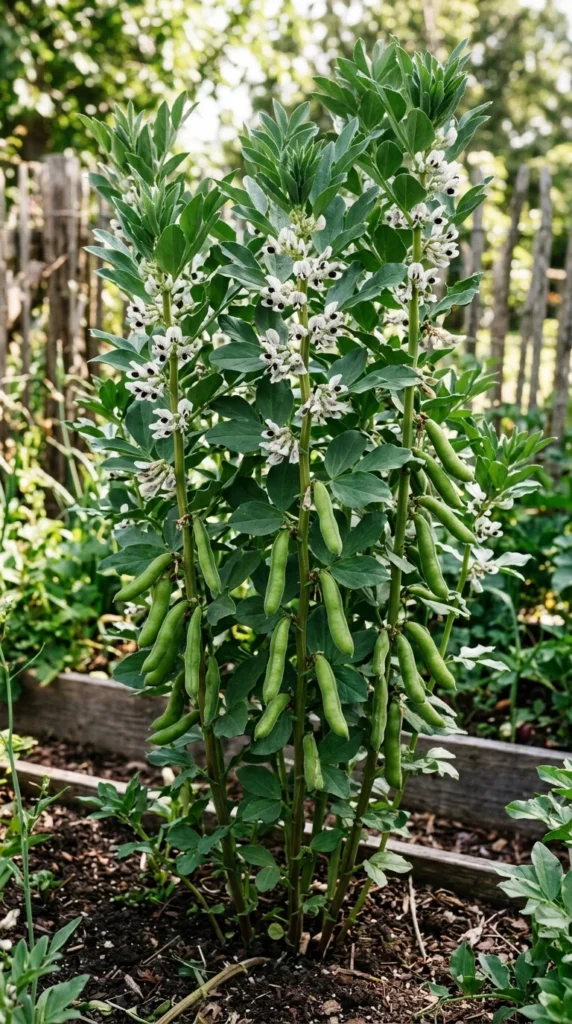
In milder climates, fava beans can be planted in the fall for a very early spring harvest. In colder regions, they are often planted as a “green manure” or cover crop in the autumn. They fix nitrogen in the soil, which prepares the garden for heavy feeders like tomatoes and corn the following spring.
Essential Tips for a Successful Fall Harvest
To ensure your fall vegetable garden is as productive as possible, consider these strategic management tips:
- Calculate Your Dates: Look up the average first frost date for your region. Most fall vegetables need to reach maturity before this date, although many can survive light frosts. Subtract the “days to maturity” listed on the seed packet from your frost date to know when to plant.
- Prepare the Soil: Summer crops often deplete the soil of nutrients. Before planting your fall seeds, work in a fresh layer of compost or a balanced organic fertilizer to give the new plants the boost they need.
- Watering is Critical: Late summer and early autumn can be surprisingly dry. New seedlings have shallow roots and need consistent moisture to establish themselves. Mulching with straw or shredded leaves helps retain soil moisture and keeps the roots cool.
- Use Season Extenders: Don’t let a sudden cold snap end your season prematurely. Keep frost blankets, floating row covers, or even old bedsheets on hand to cover tender crops like lettuce and spinach overnight when temperatures are predicted to drop.
- Manage Pests Early: While pest pressure decreases in the fall, some insects, like aphids and cabbage loopers, remain active. Monitor your plants regularly and use organic controls if necessary to ensure your vegetables aren’t eaten before you get the chance to harvest them.
The autumn garden is a place of quiet beauty and incredible abundance. By choosing the right crops and providing a little extra care as the days shorten, you can enjoy fresh, home-grown produce right up until the holidays.