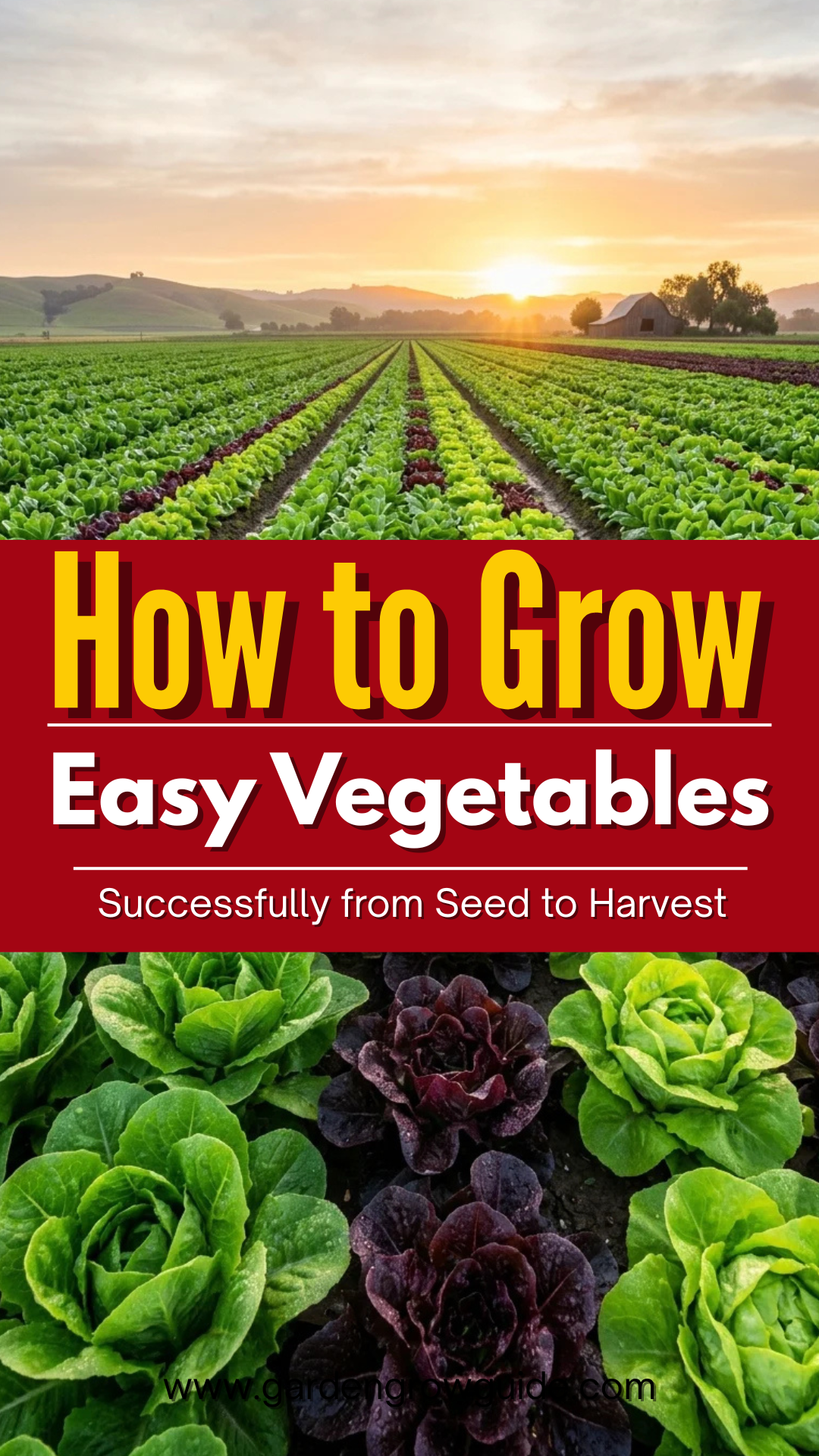
The journey from a tiny, dormant seed to a plate full of vibrant, home-grown produce is one of the most rewarding experiences a person can have. For beginners, the prospect of gardening can feel daunting, but the secret to success lies in choosing the right crops and understanding the fundamental rhythms of nature. Homegrown vegetables offer superior flavor, higher nutrient density, and the unmatched satisfaction of self-sufficiency.
To ensure a bountiful harvest, one must master the basics of site selection, soil preparation, and consistent care. Most vegetables require at least six to eight hours of direct sunlight and well-draining soil rich in organic matter. Whether you have a sprawling backyard or a small balcony with containers, the following guide outlines the most beginner-friendly vegetables and the exact steps needed to bring them from seed to table.
1. Lettuce
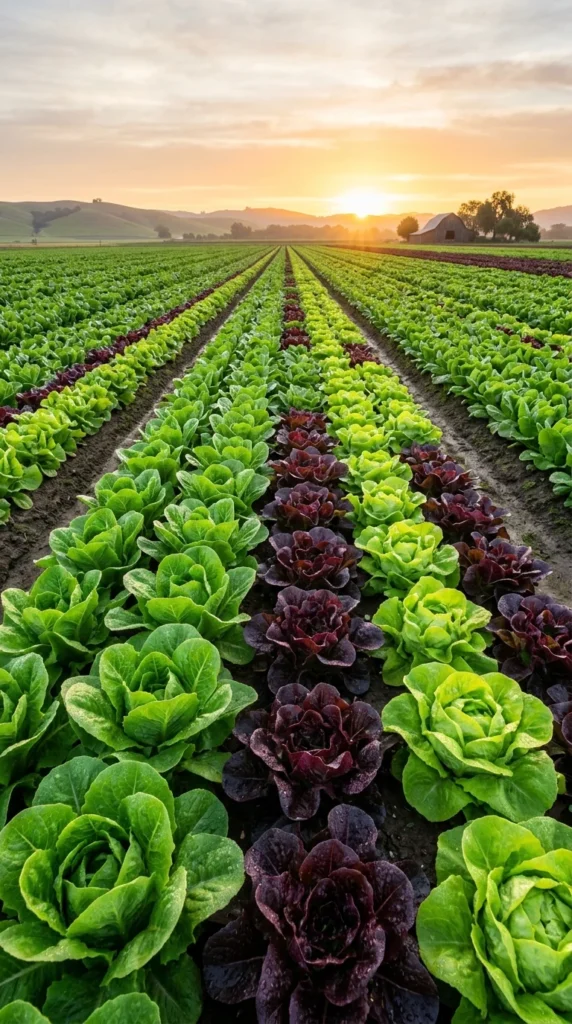
Lettuce is the ultimate “quick win” for the novice gardener. It is a cool-season crop that can be grown as soon as the soil can be worked in the spring. Because it has shallow roots, it performs exceptionally well in containers or shallow raised beds.
- Sowing: Scatter seeds thinly over the soil surface and cover with a mere dusting of earth (about 1/8 inch).
- Maintenance: Keep the soil consistently moist. If the soil dries out, the leaves may become bitter.
- Harvesting: You can harvest “cut and come again” style by snipping outer leaves once they reach four inches, or harvest the entire head by cutting it at the base.
2. Radishes
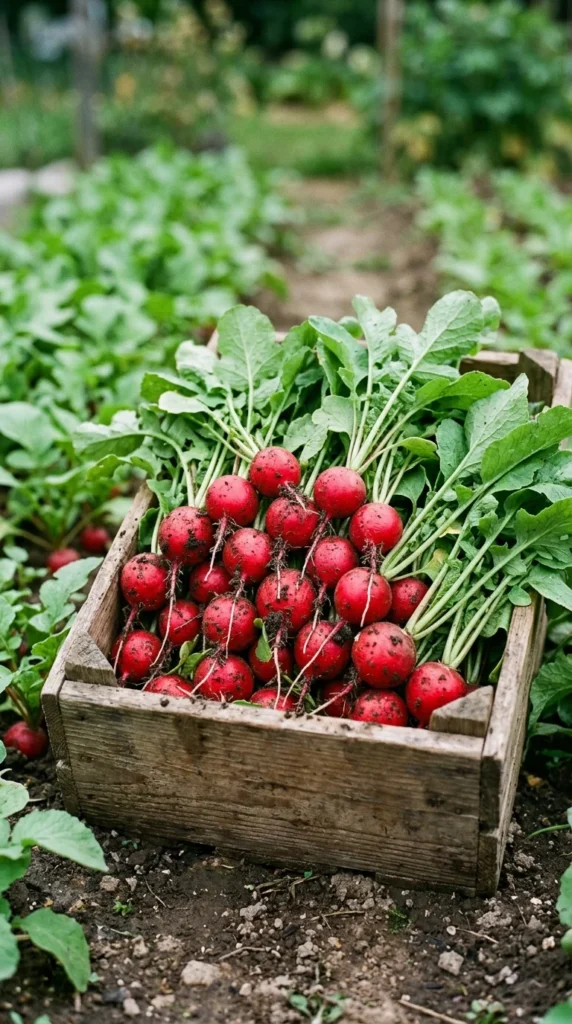
Radishes are famous for their speed, often going from seed to harvest in as little as 25 to 30 days. They are perfect for children or impatient gardeners who want to see immediate results.
- Sowing: Plant seeds half an inch deep and one inch apart.
- Thinning: Once they are an inch tall, thin them to two inches apart to allow the bulbs room to swell.
- Harvesting: Pull them as soon as you see the “shoulders” of the red bulb popping out of the dirt. If left too long, they become woody and overly spicy.
3. Peas
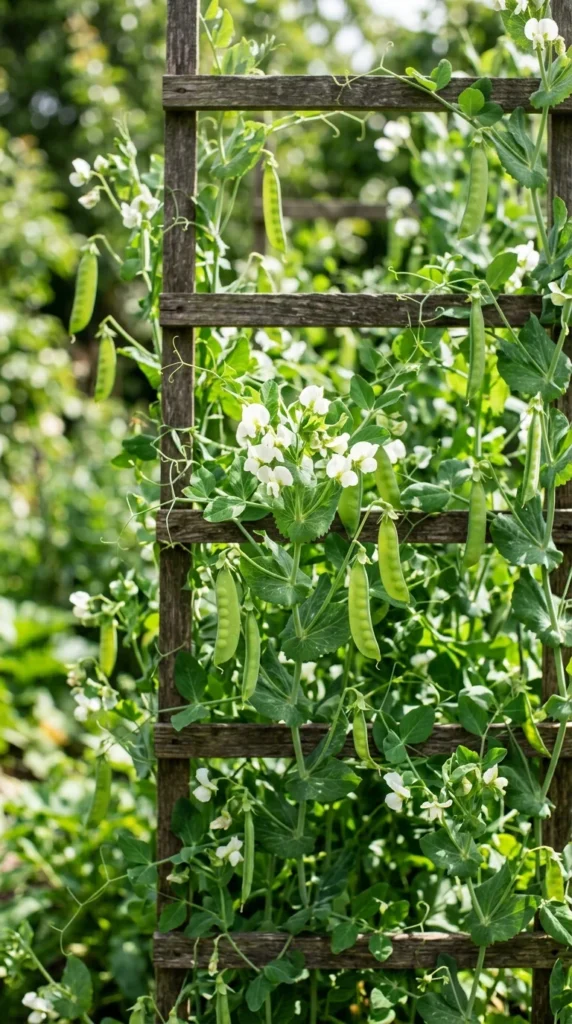
Peas thrive in the cool temperatures of spring and autumn. There is a distinct difference in taste between a store-bought pea and one plucked straight from the vine, which is bursting with natural sugars.
- Sowing: Soak seeds overnight to speed up germination, then plant them one inch deep near a trellis or fence.
- Maintenance: Peas are climbers; ensure they have a structure to grab onto early in their growth. Avoid heavy nitrogen fertilizers, as they prefer to “fix” their own nitrogen.
- Harvesting: Pick snow peas when the pods are flat, and shelling peas when the pods are plump and round.
4. Beans
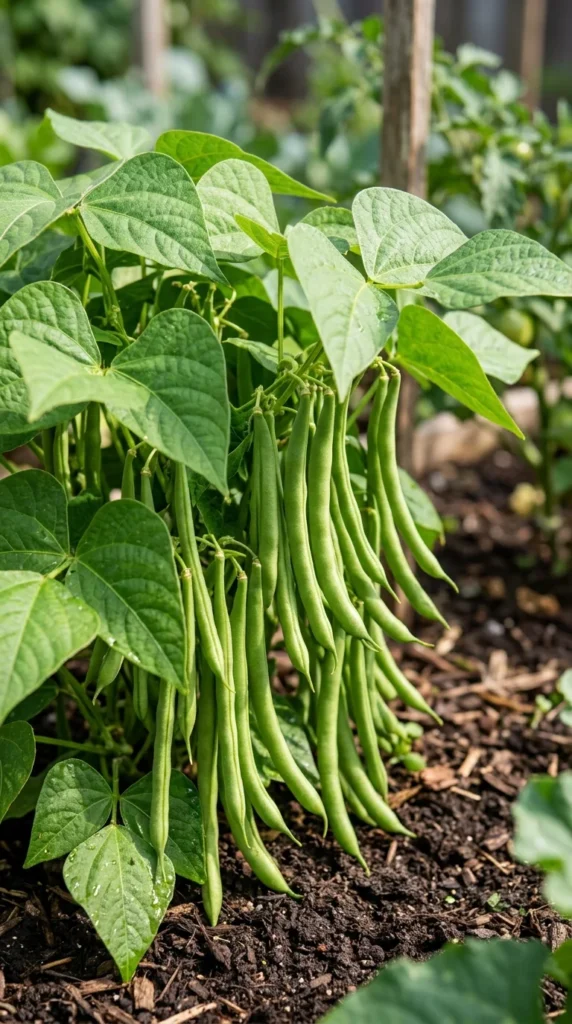
Green beans (or snap beans) are incredibly prolific. For beginners, “bush beans” are often easier than “pole beans” because they do not require a trellis and grow in compact, self-supporting mounds.
- Sowing: Wait until the soil is warm (late spring). Plant seeds one inch deep and three inches apart.
- Maintenance: Avoid touching the plants when they are wet to prevent the spread of fungal diseases.
- Harvesting: The more you pick, the more the plant produces. Harvest when the pods are the thickness of a pencil and snap easily.
5. Zucchini
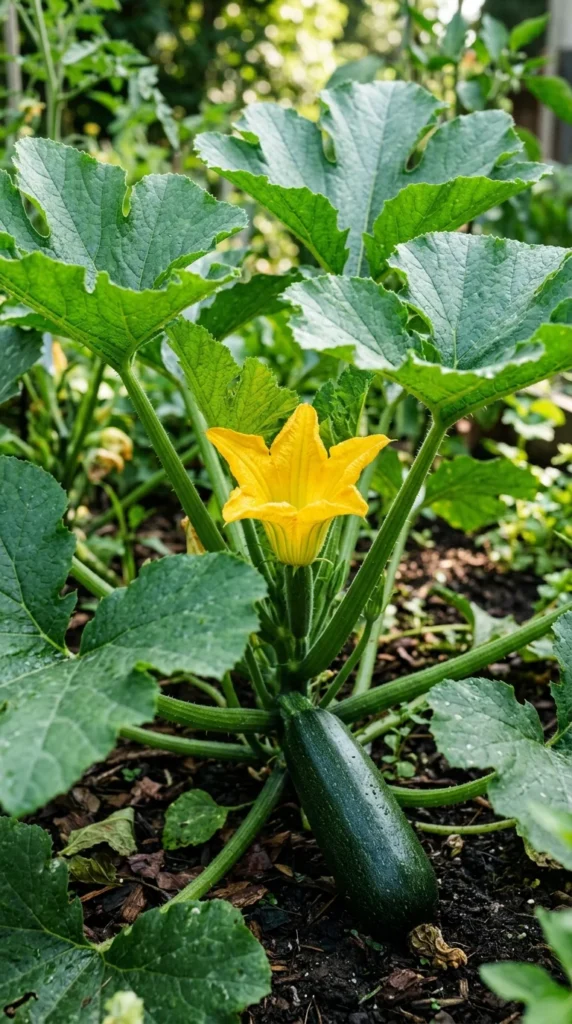
Zucchini is legendary for its abundance. A single plant can often provide enough squash for an entire family. They are warm-weather lovers that require plenty of space to spread their large leaves.
- Sowing: Plant two or three seeds in a “hill” (a small mound of soil) about one inch deep.
- Maintenance: These are heavy drinkers; water at the base of the plant to keep the leaves dry and prevent powdery mildew.
- Harvesting: For the best flavor, harvest when the fruit is 6 to 8 inches long. Use a knife to cut the stem rather than pulling.
6. Cherry Tomatoes
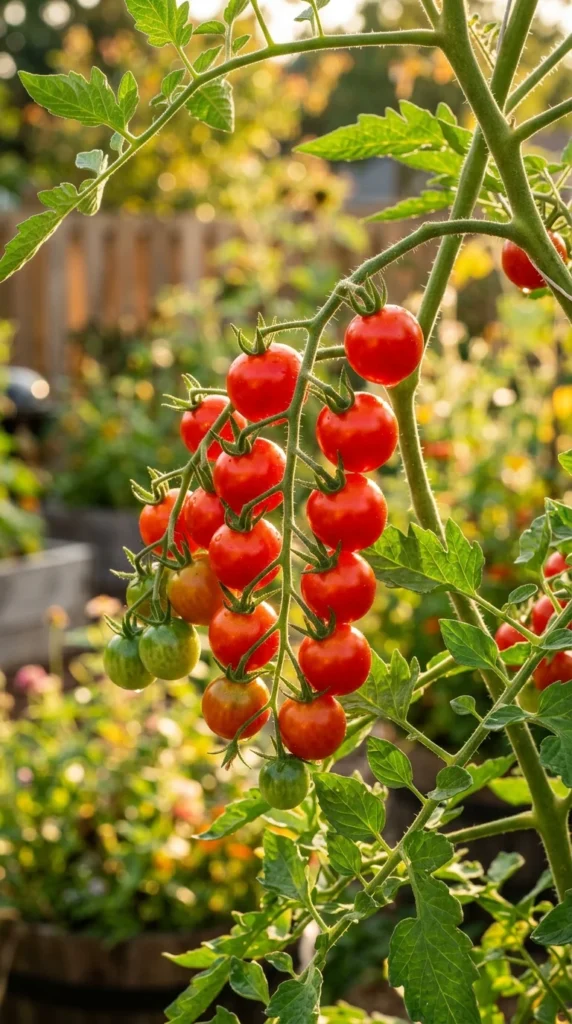
While large beefsteak tomatoes can be finicky, cherry tomatoes are hardy, disease-resistant, and produce hundreds of fruits throughout the summer.
- Sowing: Start seeds indoors 6 weeks before the last frost, or buy “starts” (young plants) from a nursery.
- Maintenance: Provide a sturdy cage or stake for support. Pinch off “suckers” (small shoots growing in the crotch of two branches) to direct energy to fruit production.
- Harvesting: Pick when they are fully colored and slightly soft to the touch.
7. Carrots
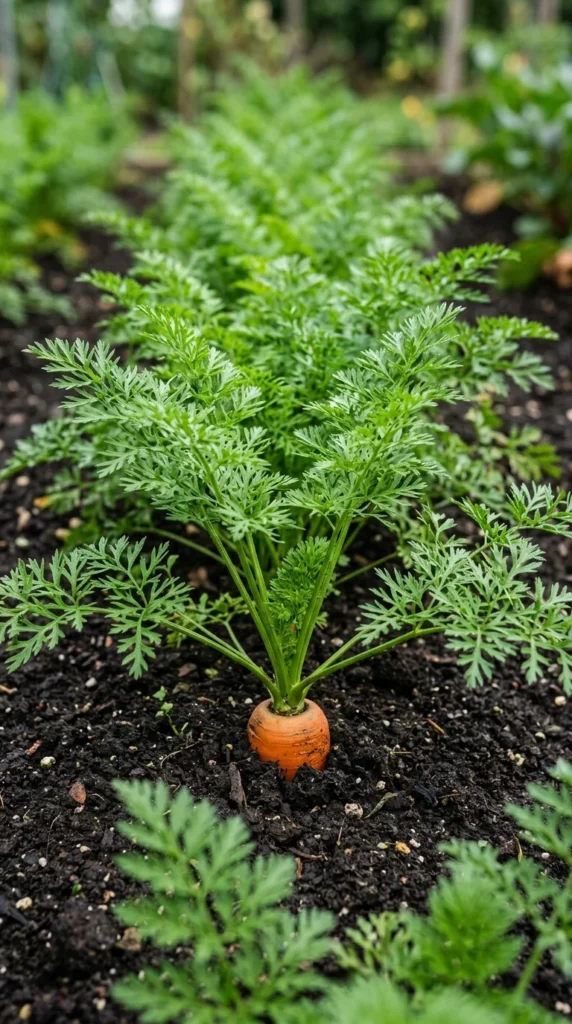
Carrots are a rewarding root crop, provided you have loose, rock-free soil. If your soil is heavy clay, choose shorter, “oxheart” varieties that don’t need to penetrate deep into the ground.
- Sowing: Carrot seeds are tiny. Mix them with sand to help spread them evenly. Cover very lightly with soil.
- Maintenance: Keep the soil surface moist until they germinate, which can take up to three weeks. Thin the seedlings so they have 2-3 inches of space.
- Harvesting: Pull them when they reach the desired size. You can even leave them in the ground during a light frost, which makes them taste sweeter.
8. Spinach
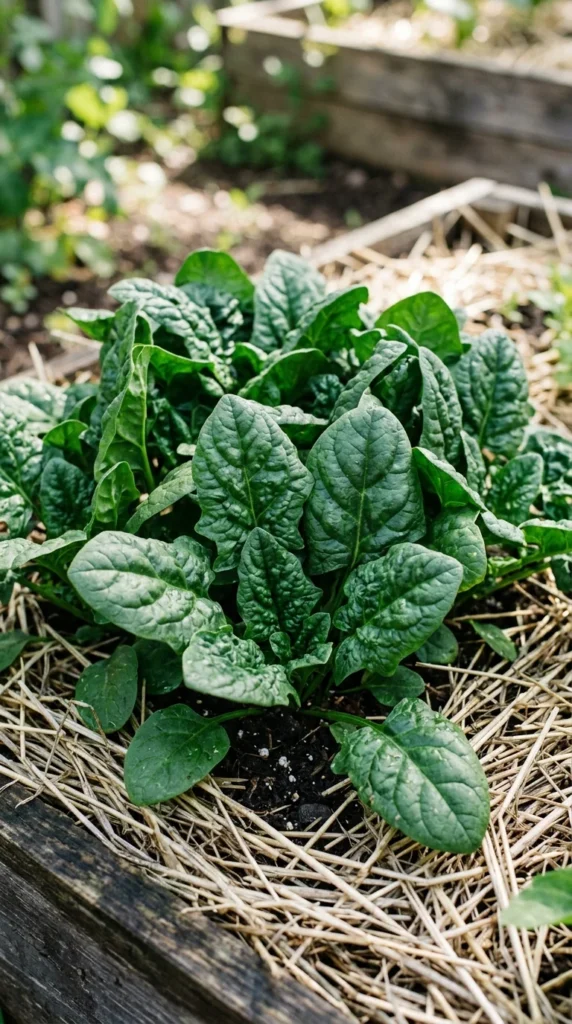
Spinach is a nutritional powerhouse that loves cold weather. It can be grown in the early spring or late fall, and in many climates, it can even over-winter with a little protection.
- Sowing: Plant seeds half an inch deep in rows.
- Maintenance: Spinach “bolts” (goes to seed) quickly when the weather gets hot. Plant it in the shadow of taller plants like tomatoes to keep it cool.
- Harvesting: Harvest individual leaves starting from the outside, or cut the whole plant an inch above the ground to allow it to regrow.
9. Kale
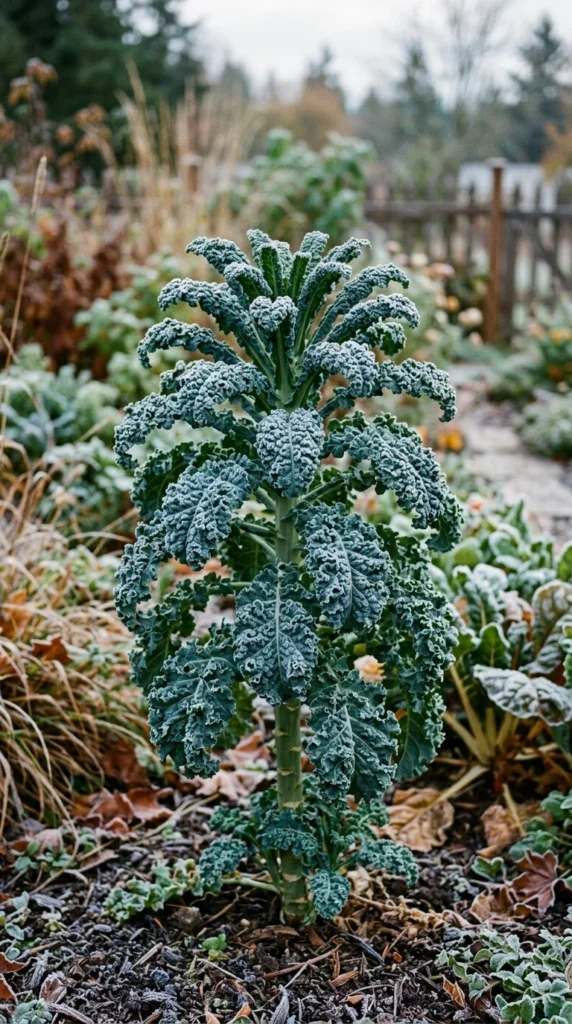
Kale is arguably the hardiest vegetable on this list. It is incredibly resistant to pests and actually tastes better after a frost, as the cold converts starches into sugars.
- Sowing: Plant seeds 1/4 inch deep. Space plants 12 inches apart as they grow quite large.
- Maintenance: Watch for cabbage worms (green caterpillars). You can protect the plants with a light row cover.
- Harvesting: Harvest the bottom leaves first, allowing the center to keep growing upward like a “kale tree.”
10. Cucumbers
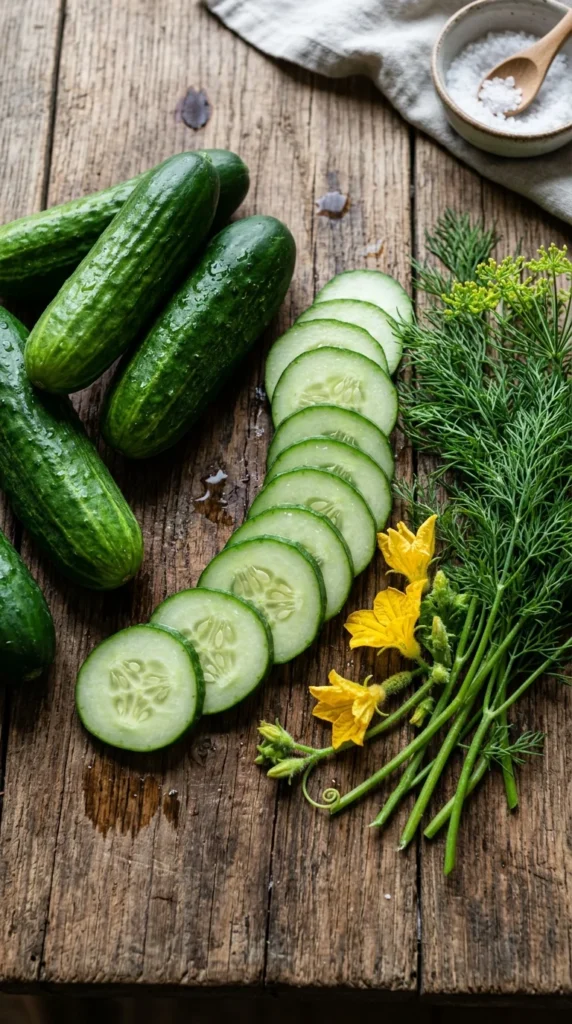
Cucumbers are refreshing and easy to grow if provided with heat and water. Vining varieties can be grown up a trellis to save space and keep the fruit off the dirt.
- Sowing: Direct sow seeds one inch deep once the soil is consistently above 65°F (18°C).
- Maintenance: Cucumbers are mostly water, so they require deep, regular irrigation. Mulch around the base to retain moisture.
- Harvesting: Harvest regularly to keep the plant producing. Use scissors to avoid damaging the fragile vines.
Essential Tips for Success
To transition from a beginner to a successful gardener, keep these universal principles in mind:
- The Finger Test: Before watering, stick your finger an inch into the soil. If it feels moist, wait. If it’s dry, water deeply at the base of the plant.
- Feeding the Soil: Success begins with the dirt. Every spring, add two inches of fresh compost to your beds to replenish nutrients naturally.
- Observation: Spend five minutes every day in your garden. Catching a pest or a wilting leaf early is the difference between a minor fix and a total crop loss.
- Mulching: Use straw, dried leaves, or wood chips around your plants. This suppresses weeds and keeps the roots cool and hydrated.
By starting with these ten easy-to-grow vegetables, you build the confidence and skills necessary for more complex gardening projects. There is no greater flavor than a vegetable eaten minutes after being harvested from your own backyard.